

Introduction: When the Landscape Refuses to Stay Still
There are places you visit for monuments. There are places you visit for food. And then there are places where the landscape itself becomes the story.
Meghalaya State of India belongs firmly to the third category.
On one morning, a road through the Khasi Hills can disappear into thick white mist. An hour later, sunlight may break through and illuminate a valley in shades of impossible green. Waterfalls that looked almost modest during a dry spell can become roaring walls of water after rain. A village path can lead to a centuries-old living root bridge. And somewhere in the distance, church bells, birdsong and the sound of rain compete for attention.

For a photographer, Meghalaya is particularly addictive because it is rarely static.
The famous images are easy to find: the Double Decker Living Root Bridge at Nongriat, Nohkalikai Falls, Dawki's clear waters and Shillong's streets. But the more interesting photographs often happen between those landmarks — a woman arranging vegetables in a market, a child's raincoat disappearing around a bend, moss growing over a stone wall, clouds settling into a valley, or a roadside kitchen preparing a plate of steaming jadoh.

My advice for a first trip to Meghalaya in India is simple: don't treat it as a checklist of waterfalls and viewpoints.
Slow down.
Leave some room for weather, conversations and unexpected detours.
That is when Meghalaya starts revealing itself.
Why Visit Meghalaya State of India?
Meghalaya literally means "abode of clouds", and the name is not poetic exaggeration. The state sits across a dramatic landscape of plateaus, forests, limestone formations, deep gorges and river valleys.
But its attraction goes much deeper than scenery.
Meghalaya is home to three major indigenous cultural groups — the Khasi, Jaintia and Garo communities — each with their own languages, traditions, foodways and cultural landscapes.

It is also one of India's most fascinating regions for understanding the relationship between people and forests.
The living root bridges are perhaps the best example.
Instead of constructing a conventional bridge and eventually replacing it, communities have traditionally guided the aerial roots of Ficus elastica, the Indian rubber fig, across streams and rivers. The roots gradually grow, thicken and interweave until they form a functional bridge.
These aren't structures that were simply "built" centuries ago.
They were cultivated.
The Meghalaya government has been pursuing greater international recognition for these living root bridges, including UNESCO attention, because of their combination of indigenous ecological knowledge and sustainable engineering.

Then there are the caves.
Meghalaya is one of India's great caving destinations, with an extraordinary underground landscape of limestone passages, chambers, rivers and formations. Mawsmai Cave near Sohra offers an accessible introduction, while destinations such as Siju in the Garo Hills lead much deeper into Meghalaya's subterranean world. Siju Cave extends for more than 4.7 km and is also known as Dobakkol or Bat Cave.
So, why Meghalaya?
Because in a relatively compact region you can experience:
Mountain landscapes
Dense forests
Living root bridges
Waterfalls
Limestone caves
Indigenous cultures
Traditional food
Highland villages
River adventures
Exceptional birdlife
Some of India's most dramatic monsoon landscapes
Remarkable opportunities for landscape and documentary photography
And importantly, Meghalaya rewards curiosity.
Historical and Cultural Significance of Meghalaya
The modern state of Meghalaya was created in 1972, but the history of the region reaches much further back.
The Khasi, Jaintia and Garo societies developed distinctive systems of community life in the hills long before the formation of the modern Indian state.
One of the most fascinating aspects for visitors is the persistence of matrilineal traditions among several communities.
In many Khasi, Jaintia and Garo families, descent is traditionally traced through the mother's line. In Khasi society, for example, the youngest daughter has traditionally held an important role in inheriting family property and maintaining the ancestral home.
But it is important to understand the distinction between matrilineal and matriarchal.
Meghalaya's societies are not simply mirror images of patriarchal societies with women exercising all authority. Kinship, inheritance, family responsibilities and social roles are structured differently, and these systems are evolving alongside modern education, employment and urban life.
The cultural landscape also contains sacred forests.
The idea behind a sacred grove is deceptively simple: certain forest patches are protected because of their spiritual and cultural significance. The result is an ecological system where old trees, plants and biodiversity can survive in places that might otherwise have been cleared.
The famous Mawphlang Sacred Forest is therefore more than a scenic stop.
It offers a glimpse into a very different way of thinking about conservation.
A Personal-Style Meghalaya Journey: Let the Weather Lead
One of the mistakes travelers make in Meghalaya is trying to control the itinerary too tightly.
The road may look short on Google Maps.
It may not feel short in reality.
Mountain roads, rain, traffic, viewpoints and unexpected stops all change the rhythm of travel.
Imagine leaving Shillong in the morning.
The air is cool. The sky is grey. The road climbs and dips through green hills. Somewhere along the way, the mist thickens until trees become silhouettes.
Then suddenly, the clouds lift.
A valley appears.
There are layers of hills disappearing toward Bangladesh, patches of forest catching sunlight, and clouds floating below the viewpoint.
That moment is worth more than ticking off another attraction.
For photography, I would rather spend twenty minutes waiting for the landscape to change than rush through five viewpoints.
Meghalaya rewards patience.
Exploring Meghalaya State of India: The Places That Matter
Shillong: More Than a Gateway
Shillong is often treated as the beginning and end of a Meghalaya itinerary.
That is a mistake.
The city has its own personality.
Its colonial history, churches, cafés, markets, music culture and hilly streets make it one of the most distinctive cities in Northeast India.
Spend time around Police Bazaar, but don't stop there. Walk into quieter neighbourhoods. Explore local markets. Visit cultural institutions. Look for old houses and churches where architecture reflects layers of colonial influence and local adaptation.
Photography Tip
Shillong is particularly interesting for street photography.
Early morning is best.
The light is softer, streets are less crowded and vendors are setting up their businesses. Look for layers — foreground activity, an architectural element and a person in the background.
Rain can be an advantage.
A wet street reflecting headlights or umbrellas can transform an otherwise ordinary frame.

Sohra: Cherrapunji Beyond the Waterfalls
Sohra, historically and locally known as Sohra, is the destination most visitors still call Cherrapunji.
The name Cherrapunji became internationally famous because of the region's extraordinary rainfall.
But Sohra is much more than a record-holder.
It is a landscape shaped by water.
Cliffs, caves, forests, waterfalls and deep valleys dominate the geography.
During the monsoon, the landscape becomes intensely alive. Yet heavy rain also creates practical challenges. Meghalaya Tourism advises travelers to monitor weather conditions and be prepared for slippery paths, heavy rain and possible landslides.
Nohkalikai Falls
Nohkalikai is one of Meghalaya's signature landscapes.
The waterfall plunges from the plateau into a dramatic gorge, with a pool below that can appear strikingly blue-green when conditions are favourable.
The name is associated with a tragic Khasi legend involving a woman named Ka Likai. Like many oral traditions, versions of the story vary, but the tragedy has become inseparable from the identity of the waterfall.
Photography Perspective
Don't simply photograph the waterfall from the obvious viewpoint.
Use a longer lens to compress the cliff and waterfall.
Then switch to a wide-angle lens and include the surrounding plateau and sky.
On cloudy days, expose carefully for the bright mist and sky. If the scene is very bright, protect highlights rather than trying to make everything look artificially bright.

Nongriat and the Double Decker Living Root Bridge
This is one of those places where the journey is almost more important than the destination.
The trek begins at Tyrna and descends deep into the valley toward Nongriat.
There are thousands of steps.
Official Meghalaya Tourism describes the descent as approximately 3,500 steps, although exact counts vary depending on route and how people count the sections.
Either way, prepare your legs.
The first mistake is to think, "It's all downhill."
Every downhill step eventually has to be climbed back up.
The reward is the Double Decker Living Root Bridge, a remarkable example of living botanical engineering.
The bridge is formed from the roots of rubber fig trees that have been trained and guided over time.
It doesn't feel like a conventional bridge.
It feels alive.
And that is precisely the point.
Photographing Nongriat
This is a difficult location for dramatic landscape photography because the forest canopy often creates uneven light.
Instead, photograph details.
Look for:
Root textures
Moss
Water droplets
Human scale
Suspension bridges
Wet stones
Hands touching the roots
Light filtering through leaves
A person crossing the bridge can provide scale without dominating the photograph.
If you continue toward Rainbow Falls, allow additional time and energy. The trail becomes another part of the experience.
Meghalaya Tourism recommends considering a local guide or someone familiar with the route and terrain.

Mawsmai Cave: Meghalaya Underground
Mawsmai Cave is one of the easiest ways to experience Meghalaya's limestone geology without committing to a serious expedition.
Inside, the landscape changes completely.
Sunlight disappears.
The walls narrow.
Water has sculpted the limestone into strange shapes over geological time.
The cave's confined passages also make it a useful reminder that Meghalaya isn't only a landscape of mountains and waterfalls.
It has a second landscape underneath your feet.
Meghalaya Tourism describes Mawsmai as a network of limestone formations, chambers and narrow passages shaped by water.
Photography Tip
Don't carry an elaborate camera setup into a wet, cramped cave unless you are comfortable protecting it.
A compact camera or phone can be more practical.
Use a wide lens carefully.
And don't use flash indiscriminately if other visitors are nearby.

Hidden Meghalaya: Places Worth Adding to the Map
The popular Shillong–Sohra–Dawki circuit barely scratches the surface.
Mawphlang Sacred Forest
Go with a local guide if possible.
The value of the forest isn't simply botanical. Listening to explanations about plants, beliefs and customary restrictions adds an entirely different dimension.
One of the most important lessons here is that conservation can emerge from culture rather than regulation alone.
Mawlynnong
Mawlynnong became famous internationally for cleanliness.
But don't reduce the village to a "cleanest village" photo opportunity.
Look at how houses, gardens, paths and community spaces function together.
Also remember that the village is a living community, not an open-air museum.
Photograph respectfully.
Dawki and the Umngot River
The Umngot River is famous for remarkably clear water under favourable conditions.
But photographs circulating online can create unrealistic expectations.
Water clarity changes with season, rainfall, sediment and local conditions.
During heavy monsoon periods, the river can look completely different.
If your goal is that famous glass-like river photograph, timing matters enormously.
And there is a deeper lesson here:
Don't plan Meghalaya around one Instagram photograph.
Jowai and the Jaintia Hills
The Jaintia Hills are often skipped by first-time visitors rushing between Shillong, Sohra and Dawki.
That is unfortunate.
Jowai and surrounding areas offer a quieter experience, with waterfalls, forests, villages and distinctive Jaintia cultural traditions.
The region is particularly rewarding if you have seven or more days.
Siju Cave and the Garo Hills
If you want to see a very different side of Meghalaya, head west.
The Garo Hills feel less polished as a tourist circuit and therefore often more rewarding for travelers interested in culture, wildlife and exploration.
Siju Cave, near the Simsang River, is one of India's major limestone cave systems. Meghalaya Tourism notes its length at more than 4.7 km and highlights its bat populations and underground formations.
This is not a casual sightseeing stop.
Plan carefully and use experienced local assistance.
Best Photography Spots in Meghalaya
For photographers, Meghalaya is a dream because the weather constantly modifies the landscape.
| Location | Best Photography | What to Look For |
|---|---|---|
| Shillong | Early morning, late afternoon | Streets, architecture, people |
| Mawphlang | Morning | Forest textures, trees, details |
| Mawkdok Valley | Morning/late afternoon | Mist, valley layers |
| Nohkalikai Falls | Morning to afternoon | Waterfall, cliffs, clouds |
| Nongriat | Morning | Root bridges, forest, people |
| Rainbow Falls | Midday in good weather | Water, rocks, rainforest |
| Dawki | Early morning | River reflections, boats |
| Jowai | Morning/evening | Villages, landscapes |
| Garo Hills | Dawn/dusk | Wildlife, forests, landscapes |
A Photographer's Rule for Meghalaya
Carry equipment that you are willing to get wet.
A weather-sealed camera helps, but it is not magic.
Use:
Rain cover
Waterproof backpack liner
Microfiber cloths
Silica gel
Lens cloth
Small dry bag
Extra batteries
Lens hood
Condensation is another problem.
If you move from an air-conditioned room into humid outdoor conditions, give your camera time to acclimatize.
Photography Tips for Meghalaya
1. Don't chase blue skies
Overcast skies can be spectacular here.
Clouds add depth and atmosphere.
2. Shoot after rain
Wet foliage becomes saturated and reflective.
Water droplets on leaves can create beautiful foreground elements.
3. Use people for scale
A tiny human figure beneath a massive waterfall or inside a forest instantly communicates scale.
4. Photograph the ordinary
A market seller may tell you more about Meghalaya than another waterfall photograph.
5. Carry two focal lengths
A wide lens is excellent for landscapes and architecture.
A medium telephoto is invaluable for isolating details in valleys and forests.
6. Use mist creatively
Don't always wait for it to disappear.
Mist can become the subject.
7. Look down
Meghalaya's forest floor can be more photogenic than its skyline.
Moss, roots, wet stones and tiny plants create intimate compositions.
Local Food in Meghalaya: What to Eat
Meghalaya's food deserves far more attention than it receives.
Traditional Khasi cuisine tends to emphasize meat, rice, vegetables, herbs and relatively straightforward preparation rather than heavy sauces.
Try dishes such as:
Jadoh — rice cooked with meat, traditionally associated with Khasi cuisine
Dohneiihong — pork prepared with black sesame
Tungrymbai — fermented soybean preparation
Doh khleh — a pork-based salad preparation
Pukhlein — a traditional rice-flour sweet
Local smoked meats and seasonal vegetables
Food experiences can vary significantly from restaurant to restaurant.
For a more authentic experience, ask your host or local driver where they eat.
A useful question is:
"Where would you eat this yourself?"
That often produces better answers than asking for the most famous restaurant.

Conversations Are Part of the Journey
One of Meghalaya's greatest travel experiences can happen without a landmark.
Talk to people.
Ask a shopkeeper where a road goes.
Ask your homestay host about the village.
Ask a driver what changes during the monsoon.
Ask about local food.
But don't turn every interaction into a photograph.
There is a difference between documenting a place and collecting people as visual souvenirs.
If you want to photograph someone closely, ask.
A simple gesture and a smile often communicate more than a complicated conversation.

Best Time to Visit Meghalaya
There is no single "best" month for everyone.
Your ideal season depends on what you want to photograph and experience.
| Season | What to Expect | Best For |
|---|---|---|
| October–November | Green landscapes, waterfalls, improving weather | Photography, sightseeing |
| December–February | Cooler, generally drier | Trekking, road trips |
| March–April | Pleasant weather, spring landscapes | Photography, hiking |
| May–September | Heavy monsoon, dramatic waterfalls | Rain photography, lush landscapes |
For trekking, especially Nongriat, the drier months are generally easier.
Meghalaya Tourism recommends October to March for Nongriat when conditions are more favourable for trekking.
However, the monsoon is precisely when Meghalaya looks most like the Meghalaya people imagine.
The trade-off is obvious:
More rain = more drama, but more travel uncertainty.
During peak monsoon, roads can become slow, trails slippery and visibility unpredictable. Recent travel guidance also cautions that popular waterfalls and trekking routes can become difficult or temporarily inaccessible after heavy rain.

How to Reach Meghalaya
By Air
Most travelers fly to Guwahati, Assam.
From Guwahati, Shillong is reached by road.
Shillong also has an airport, but flight connectivity is much more limited than Guwahati.
By Road
Road travel is an essential part of the Meghalaya experience.
Private taxis are convenient for multi-day trips.
Shared taxis can be considerably cheaper but offer less flexibility.
If you are hiring a car, don't underestimate travel time.
A route that appears short geographically can take much longer because of mountain roads, traffic, rain and stops.

Where to Stay in Meghalaya
Your accommodation strategy should follow your itinerary.
Shillong
Best for:
First/last night
Restaurants
Markets
City exploration
Access to surrounding destinations
Sohra
Best for:
Waterfalls
Caves
Nongriat trek
Slow travel
Staying in Sohra rather than repeatedly driving back to Shillong can save significant time.
Jowai
Best for:
Jaintia Hills
Krang Suri
Less crowded travel
Garo Hills
Choose local guesthouses, homestays or established accommodation depending on your route.
The farther you travel from Meghalaya's major tourist circuits, the more valuable local knowledge becomes.

Meghalaya Trip Budget Tips
Meghalaya can be done on different budgets, but transportation is usually the expense that surprises travelers.
To save money:
Use shared taxis where practical
Stay in homestays
Eat local food
Travel with a small group and share vehicle costs
Avoid changing hotels every night
Build buffer days instead of paying for unnecessary rushed transfers
Book popular stays ahead during peak periods
The cheapest itinerary isn't always the best-value itinerary.
A slightly more expensive night near your next morning's trek can save hours of road travel.

Suggested 7-Day Meghalaya Itinerary
Day 1 — Guwahati to Shillong
Arrive in Guwahati and drive to Shillong.
Explore the city in the evening.
Stay in Shillong.
Day 2 — Shillong and Mawphlang
Visit:
Mawphlang Sacred Forest
Mawkdok Valley
Shillong viewpoints
Local markets
Stay in Shillong or move toward Sohra.
Day 3 — Shillong to Sohra
Explore:
Nohkalikai Falls
Mawsmai Cave
Dainthlen Falls
Local viewpoints
Stay in Sohra.
Day 4 — Nongriat
Start early.
Drive to Tyrna.
Trek to Nongriat and the Double Decker Living Root Bridge.
If conditions and fitness permit, continue toward Rainbow Falls.
Return to Sohra.
This should be treated as a full-day adventure, not something to squeeze between sightseeing stops.
Day 5 — Sohra to Jowai
Travel toward the Jaintia Hills.
Explore waterfalls and local landscapes.
Stay around Jowai.
Day 6 — Dawki and Shnongpdeng
Visit the Umngot River region.
Enjoy boating or other permitted activities depending on weather and river conditions.
Continue toward Shillong.
Day 7 — Shillong to Guwahati
Keep the final day flexible.
Road conditions can change.
If your flight is important, leave sufficient buffer time.

Responsible Travel in Meghalaya
Meghalaya's natural beauty is also its vulnerability.
A few simple habits matter enormously.
Don't litter
Especially on trekking trails.
Don't remove natural objects
Don't take rocks, plants or pieces of living root bridges as souvenirs.
Respect sacred forests
Follow local instructions.
Ask before photographing people
Particularly children and people engaged in religious or community activities.
Avoid excessive plastic
Carry a reusable bottle.
Support local businesses
Hire local guides where appropriate.
Eat at locally owned establishments.
Stay in homestays when they suit your itinerary.
Don't treat villages as tourist sets
People live here.
Photograph the environment, but remember that somebody's front door is not automatically a public attraction.

Common Mistakes to Avoid on a Meghalaya Trip
Trying to See Everything in Three Days
You can't.
The map is deceptive.
Choose fewer places and experience them properly.
Assuming Monsoon Means Constant Photography Conditions
Rain can be spectacular.
It can also mean zero visibility.
Build flexibility into the itinerary.
Underestimating the Nongriat Trek
The descent is only half the story.
The return climb is demanding.
Expecting Dawki to Look Like Every Internet Photograph
River conditions change.
Don't let one viral photograph define your expectations.
Ignoring Local Food
If you eat only familiar Indian restaurant dishes, you will miss a significant part of the cultural experience.
Treating Meghalaya as Just a Nature Destination
The forests and waterfalls are spectacular.
But the people and cultures make the landscape meaningful.

Meghalaya State of India: Frequently Asked Questions
What is Meghalaya famous for?
Meghalaya is famous for its living root bridges, waterfalls, caves, misty landscapes, heavy rainfall, Khasi culture, sacred forests and scenic hill landscapes.
Is Meghalaya good for a first trip to Northeast India?
Yes. Meghalaya is one of the more accessible introductions to Northeast India, especially around Shillong and Sohra. However, travelers should still allow generous road-travel time.
How many days are enough for Meghalaya?
Seven days is a good starting point for a first trip covering Shillong, Sohra, Nongriat and either Dawki or Jowai.
Ten to fourteen days allows a much slower and more rewarding journey, particularly if you want to explore the Jaintia or Garo Hills.
What is the best month to visit Meghalaya?
October to April is generally more convenient for sightseeing and trekking. June to September is better suited to travelers specifically interested in monsoon landscapes and waterfalls, but heavy rain can disrupt travel.
Is Meghalaya safe for tourists?
Meghalaya is widely traveled, but normal precautions apply. Weather, slippery trails, remote terrain and road conditions can pose greater practical risks than typical urban travel.
Is Meghalaya expensive?
It can be affordable if you use homestays, shared transport and local food. Private vehicles and multi-destination itineraries can significantly increase the cost.
Should I visit Meghalaya during the monsoon?
If your priority is dramatic waterfalls, mist, saturated greenery and rain photography, absolutely consider it.
If your priority is easy trekking and predictable road travel, choose a drier season.
Is Cherrapunji and Sohra the same place?
Sohra is the traditional/local name of the place widely known as Cherrapunji.
How difficult is the Double Decker Living Root Bridge trek?
It is physically demanding because of the large number of steps and the steep terrain. Meghalaya Tourism recommends local guidance for the route, and travelers should allow enough time for the return climb.
What should I photograph in Meghalaya?
Don't limit yourself to waterfalls.
Photograph:
Root bridges
Forests
Villages
Markets
Clouds
Rain
Caves
Rivers
Local food
Architecture
People, with permission
Everyday life
The quieter photographs often become the most memorable.

Final Thoughts: Don't Rush Meghalaya
A first trip to Meghalaya State of India can easily become a race.
Shillong.
Sohra.
Waterfall.
Cave.
Root bridge.
Dawki.
Back to the airport.
Done.
But that isn't how I think Meghalaya should be experienced.
The most memorable part of this landscape is its unpredictability.
A road disappears into mist.
Rain begins while you're halfway through a village.
A waterfall suddenly appears between trees.
Someone invites you to try a local dish.
A forest becomes quiet enough that you can hear water moving somewhere below.
And then the clouds open.
For a few minutes, the entire valley appears.
Those are the moments worth travelling for.
As a photographer, I would leave Meghalaya with fewer photographs if necessary — but I would want better ones. Not just technically sharp images of famous places, but photographs that remember the atmosphere.
The wet stone beneath your shoes.
The sound of rain on a tin roof.
The texture of a living root bridge.
The expression of a market seller.
The smell of wood smoke.
The blue-green river after the clouds finally move away.
That is the Meghalaya I would recommend.
Don't merely photograph the Land of Clouds.
Spend enough time there to see how the clouds change it.
Related Blogposts -

Odisha State of India: A Complete Travel Guide for First-Time Visitors

Explore Uttar Pradesh State of India: A Complete Travel Guide for First-Time Visitors


Ladakh in India: A Complete Travel Guide for First-Time Visitors

Exploring India: The Ultimate Travel Guide to Experiencing the Soul of a Timeless Civilization

What Advice Would You Give to Someone Travelling to India for the First Time?

Rajasthan State of India: A Complete Travel Guide for First-Time Visitors
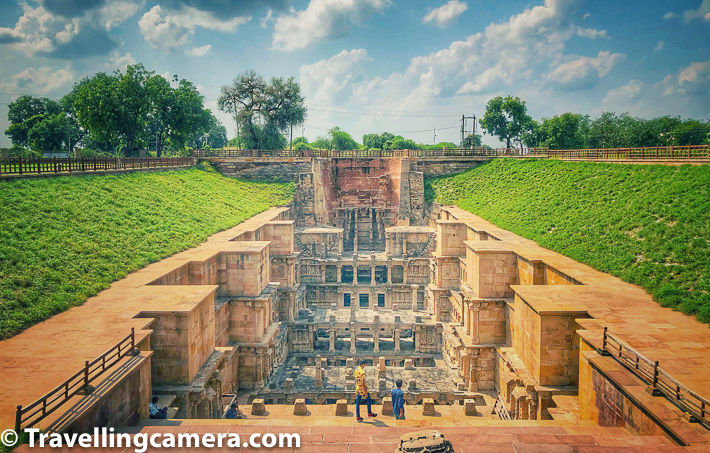
Trip to Gujarat State of India: A Complete Travel Guide for First-Time Visitors
 |
| A Theyyam blessing the priests. These performers are considered as God themselves once they don the Theyyam costume |
Trip to Kerala State of India: A Complete Travel Guide for First-Time Visitors

Jammu & Kashmir State of India: A Complete Travel Guide for First-Time Visitors

Mawlynnong - Beautiful village in Meghalaya known for it's cleanness & unbelievably strong Living Root Bridge


.jpg)
Comments