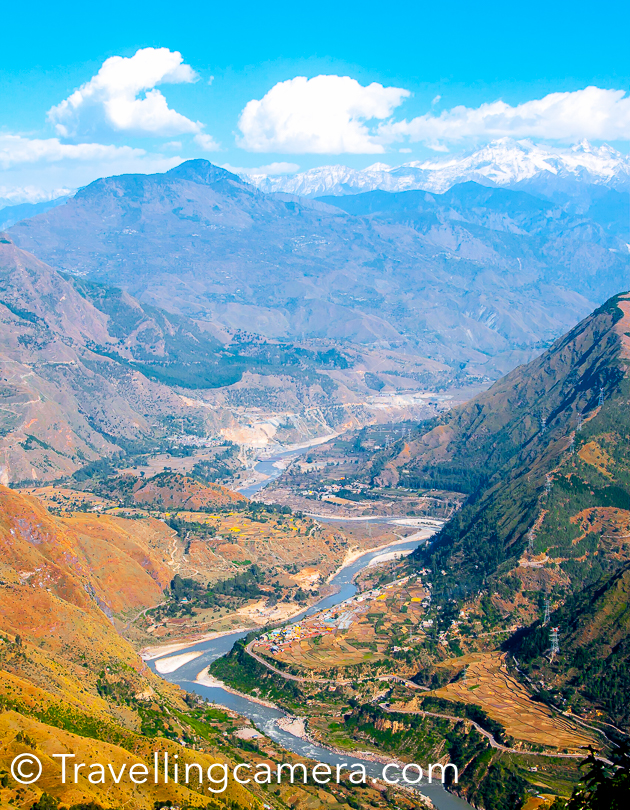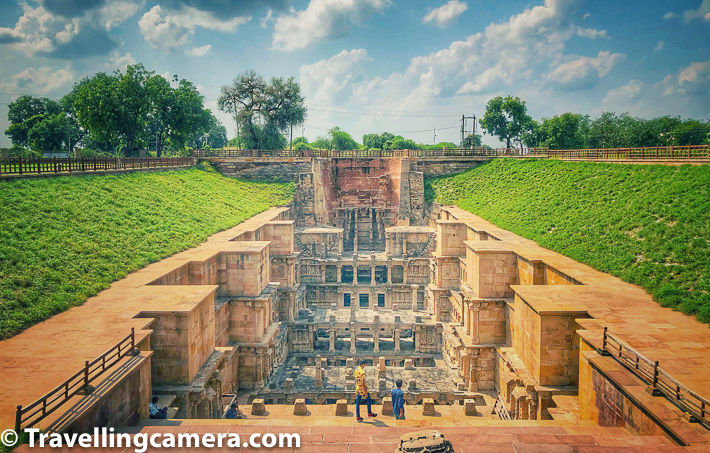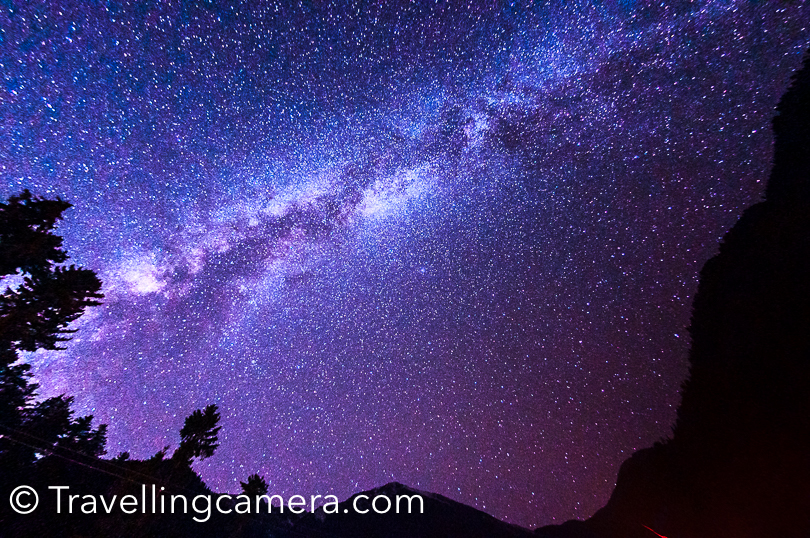
Himachal Pradesh State of India: A Complete Travel Guide for First-Time Visitors

 Sarahan is also popularly known for its old kingdom. Raja Virbhadra Singh has a huge property in Sarahan, which is basically one of his old property. His family does not stay here now, and it is currently maintained by a local family along with a few helpers. We explored this huge campus as well. One of the most noticeable fact was that this palace had an exclusive entry to Bhimakali Temple. So essentially there are two main gates to enter into Bhimakali temple - one is for the common man and the other is for Raja Virbhadra Singh and his family. In fact, one part of the temple is closed and can only be opened by Raja Virbhadra Singh.


Introduction: A Himachal Pradesh Travel Guide for Travellers Who Want More Than a Hill Station

There is a moment on a Himachal road when the landscape suddenly changes.

The pine trees thin out. A village appears on a steep slope. A woman walks uphill carrying a basket. Somewhere below, a river flashes silver between rocks. Apple orchards replace the dense forest, and beyond them the mountains become impossibly large.

You stop the car.

Not because there is a famous viewpoint.

Because there is simply nothing else to do.

You stand there with your camera, listening to the wind moving through the trees, and realise that this is the Himachal Pradesh most travellers spend too little time seeing.

For many visitors, Himachal Pradesh means Shimla, Manali, Dharamshala and perhaps Dalhousie. These places deserve their popularity, but the state is much larger and culturally more fascinating than its best-known hill stations suggest.

A good Himachal Pradesh Travel Guide therefore needs to go beyond sightseeing.

It needs to look at the old temples of Mandi, the wooden architecture of Kinnaur, the pastoral landscapes around Tirthan, the apple villages near Kotgarh and Sangla, the Buddhist influence of Lahaul and Spiti, the food served at a village dham, and the extraordinary relationship between mountain communities and their landscape.

Himachal is not one destination.

It is a collection of valleys, climates, languages, communities, architectural traditions and ways of life connected by spectacularly winding roads.

And that is precisely what makes travelling here so rewarding.


Vikas initiated this idea of planning the trek to Shrikhand Mahadev and he has been following this place for few years. He made this group of 4 people and majorly planned for it. Other 3 folks were very serious planning for the trek in terms of what to carry in terms of gear, cloths, eatables etc. I was somehow overconfident that being a Pahadi, I have done lot walking, hiking so it should not be a big deal. And I can also stay hungry for longer period of time if needed. Anyways, summary is that I was going with these guys with 100% confidence on their planning. The only thing I had to do was to go with them and trek to the peak, which is at approximately 17000 feet height.     Related blogpost - Planning Shrikhand Manahdev Trek - India's one of the most difficult Pilgrimage Trek

Why Visit Himachal Pradesh?

Himachal Pradesh is one of those rare destinations where the journey itself becomes part of the experience.

The state stretches from relatively low Himalayan foothills to high-altitude desert landscapes. In a single extended trip, you can move from subtropical forests and tea gardens to cedar forests, apple country, alpine meadows and stark Trans-Himalayan valleys.

The geography creates remarkable contrasts.

We got a disappointing news as soon as we entered the guest house and reached the dining hall. The caretaker brought a newspaper and pointed out that Chitkul Valley is unreachable now because of landslide, and roads to Kaza are also temporarily blocked because of multiple landslides on the way. There were two contractors sitting on same the dining table and one of them assured us that Kaza road will open up in the next 3-4 days, but Chitkul will take a lot of time as it was badly damaged. This effectively ruined our dinner. We came back to our room and had few drinks...

The diversity of Himachal is its greatest attraction

You can experience:

  • Colonial architecture in Shimla

  • Tibetan Buddhist culture around Dharamshala and McLeod Ganj

  • Ancient stone temples in Kangra and Chamba

  • Wooden temples in Kullu and Kinnaur

  • Old princely-state heritage in Mandi

  • Apple-growing villages around Kotgarh and Thanedar

  • High-altitude landscapes in Spiti and Lahaul

  • Traditional pastoral culture in remote valleys

  • Trout fishing around Tirthan and Barot

  • Trekking in the Great Himalayan National Park region

  • Village life that remains remarkably connected to agriculture

The hill stations of Himachal Pradesh are only one layer of this much bigger story.

The state’s official tourism department itself encourages visitors to explore less-developed destinations and countryside tourism rather than concentrating entirely on the established tourist centres.


This is how Gue Monastery looks from a distance when you are driving towards it. This mummy is places in a room near this Monastery. Gue village comes on the way, so if you are planning to visit the place just take a pause in village to check if the room is open. If not, you need to take someone with you so that room can be opened to see this mummy.      Related Post - Morning walk around Nako Lake and the village in Kinnaur, Himachal Pradesh

Himachal Pradesh Travel Guide: Understanding Its History and Culture

Himachal’s history is not written only in museums.

It is visible in temples, village architecture, festivals, agricultural practices and even the way people organise community life.

The region has been inhabited by different tribal and hill communities for centuries. Various Himalayan kingdoms existed across its valleys, while larger powers including the Mauryas, Guptas, Mughals, Sikhs and British influenced different parts of the region at different times.

Modern Himachal Pradesh was formed in stages after independence. It became a state of the Indian Union on 25 January 1971, after earlier administrative changes that included the integration of princely states and the later merger of hill areas from Punjab.

But the older cultural geography remains visible.

Above photograph shows 2 men in Kinnauri dress and carrying devtas with them. This photograph was clicked from moving car. In hills, there is very high probability of finding smiling people and that makes your trip more joyful.

The fascinating world of Devta culture

In many Himachali communities, village deities are not simply figures inside temples.

They can have an active social presence.

The official tourism literature describes traditions in which village life historically revolved around Devi and Devta temples, with shamanic practices existing alongside Hindu, Buddhist and Jain traditions.

This helps explain something a visitor may notice during village festivals: the deity can arrive in a palanquin, accompanied by musicians and villagers, and become the centre of a community gathering.

Kullu Dussehra is perhaps the best-known expression of this tradition. The festival is unusual because hundreds of local deities are traditionally brought together, with Lord Raghunath at the centre of the celebration.

It is not simply a performance for tourists.

It is community life.


It's usual to encounter these herds of sheep on National Highway 5. We were excited when we encountered in first time, but gradually it became a pain as you easily waste 15 mins if the leader of this heard is not an expert. Trained herd can manage traffic themselves as they know where to move and how to create path for vehicles coming from both the directions.

Himachal Pradesh Travel Guide: Exploring the State Valley by Valley

Trying to "cover Himachal" in one trip is a mistake.

A better strategy is to choose one geographical region and explore it slowly.

Today Mr. Shankar Rajaram came to meet us at Noida. He was here in Delhi after Chadar Trek last month. Shankar has been trekking around Himalayas for more than 20 years now. His passion for trekking started when he used to visit various pilgrimage places. Today's discussion with Shankar reminded me of my Shrikhand Mahadev trek, which I did with my friends in 2008. This post is just a refresher of #LifeLessOrdinary experiences at the height of 18,700 feet with snow covered Himalayan ranges. Shrikhand Mahadev Trek is one of the most difficult treks I have done and Shankar also agrees with me on this. Shankar, who has done many more treks in his life considers Shrikhand as something he will not even dream of attempting in future. While we can still think of Kailash Mansarovar, Chadar Trek, Lamkhaga Pass, Rupkund, Pin Parvati etc. At the same time, it's said that treks can't be compared and they change every year and experiences can be drastically different which usually depend upon the weather conditions.When we started from Delhi, we had never thought that next 7 days would be very different and exciting as compared to regular life we live in Metro cities. After reaching the base-camp of Shrikhand Mahadev, we lost connectivity. It was the time to inform everyone that we would not be reachable for next few days. This trek starts from Jaon village. After long drive from Delhi to Jaon, through Chandigarh, Shimla & Baghupul, it was time to have some rest and be ready for the real adventure from next morning. Shrikhand Mahadev was not a popular trek in 2008, but lot of local pilgrims used to go till the top of Shrikhand peak. Shikhand is basically a huge rock standing still on snow covered hills. It's a very unique thing and that's the reason that local folks from Himachal consider it very auspicious. But for us, it was an adventure and a good break from routine life.First day of this trek was mainly about crossing some rivers, water-streams and dense forests full of fog & high trees. We were trekking in the month of July, which is the only time to trek till Shrikhand peak. Rains and low visibility are two main challenges in this trek. This is what we thought on day-1 but we were not prepared for other challenges we experienced in subsequent days.During this trek we had some exceptional experiences which are hard to describe through words. I would recommend you to see photograph above, as it is very difficult to explain what we were experiencing. We were walking on the clouds and I do not mean metaphorically. It was surreal, though day dreaming was very risky owing to the steep gorges just one misstep could lead us to fall into.Sustained by Maggi, fresh air, and an adrenaline rush, we carried on in spite of the biting cold, mortal danger, and exhaustion. With only the rock, the Mahadev, in sight, we carried on. Never have I felt more in touch with myself as I did amongst those invincible mountains and the rolling valleys.At times the next step felt as if it could be my last, and at times I felt as if I had transcended mortality. Reality and dreams merged and I seemed to be slipping in and out of reveries. Being one with nature does this to you. There are no more questions. Amidst such pristine surroundings, it is just the Truth, The Ultimate TruthI don't know what it is about these treks but they are immensely emotional experiences. By the time we reached the summit, all of us were overflowing with emotions. I tried and blinked fast to fight them, but at last I had to gave in and the tears flowed. Once they started, I couldn't stop and soon I was sobbing. No one asked me why. Because all of them were experiencing something unique. And I wasn't the only one crying.   And let me now treat you to some ethereal sights from the trek...

Shimla and the Forested Hills

Shimla remains the most famous of the hill stations of Himachal Pradesh, but there is a quieter side to the region beyond Mall Road.

Walk away from the commercial centre.

The old slopes around Shimla reveal colonial-era buildings, cedar forests, small temples and residential neighbourhoods where daily life continues away from the tourist circuit.

For photography, early morning is particularly rewarding.

Before the traffic becomes heavy, the forested slopes often have soft, directional light. Winter mornings can produce beautiful atmospheric layers, while post-monsoon days can bring exceptionally clear mountain views.
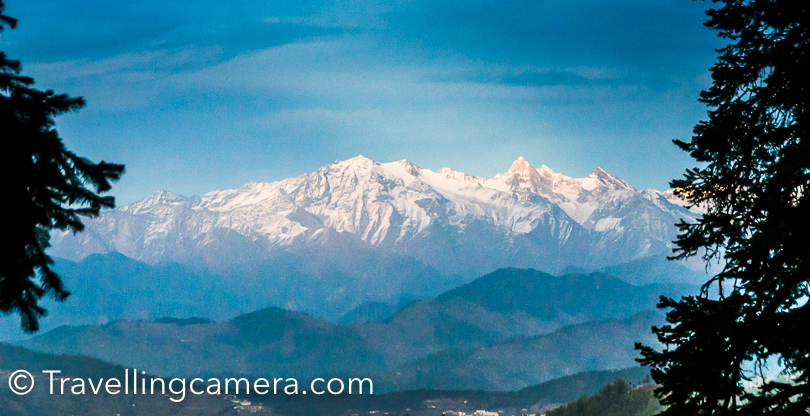
Now that lot of travellers are moving away from typical tourist destinations, people are choosing places like Narkanda and the popularity of such places is increasing fast. Narkanda is located on NH-22 which connects Shimla with Kinnaur and surrounded by snow covered peaks. Beautiful landscapes with snow covered peaks, blue sky and high deodars make this place very special. Narkanda is not only a small town in Himachal, but it's a region which has lot to offer for explorers/travellers.How to reach Narkanda - Narkanda town is 60 kilometers from Shimla and very well accessible through local buses. The road from Shimla to Narkanda is superb except a stretch near Shimla/Sanjauli towns. It takes approximately 1.5 hours from Shimla to Narkanda. If you are driving in your own vehicle, it's recommended to stop at Shilaroo Hockey stadium Dhomri  is closest camping place to Narkanda. It's at a walking distance from the town. First photograph of this Photo Journey is clicked at Dhomri. This was clicked few years back during MTB Himalaya rally . And this is the place where skiing trainings and competitions happen in winters.If we look at Narkanda Pictures on internet, you wold find lot of hikes around Narkanda and Hatu peak  is one of the most popular place amongst hikers, Trekkers, bikers  and adventure lovers. Check out the link above to know about this place. This place is also surrounded by beautiful forests. This place is also quite interesting for camping. Hatu peak is probably the highest peak in this region and it's must to experience the wind on the top.Most of the Narkanda Hotels have great view of snow covered peaks. I have stayed in HPPWD guest house and HPTDC hotel in Narkanda. Both of these properties are very well located around the town.Narkanda tourism is picking up and it's quite encouraging. Most of folks who plan shimla kinnaur trip should definitely consider taking a break around this region of Shimla. As you move further from Narkanda, the landscapes become more beautiful. Road passes through deodar forests and suddenly you come across great views of snow covered peaks Another interesting place around Narkanda is Tani Jubber lake which is close to Kotgarh. It's a beautiful lake surrounded by deodar forest. I was also fortunate to camp at Tani jubber as well. Once, we had installed our tents in playground of government school which is near to Tani Jubber lake. And one night was spent in an apple orchard. If you keep walking on the road adjoining lake, you would find lot of apples. July/August is best time to see red apples on these trees.Kotgarh shimla region is popular for it's export quality apples and cherries. As you enter Kotgarh region, you see apple orchards all around. Apart from apple, you can find cherries, kiwi, apricot, peach, wallnut, almond trees as well. There are some nice home stays in Kotgarh region. I have never stayed in homestays of Kotgarh, but that's in my list. And I want to visit this region again in July time, which is harvest season for villagers.If you keep driving towards Kinnaur, you hit the place where Satluj will start following you.I am sure that Narkanda has lot more than what I have shared in this post. If you are keen in knowing more, click on links embedded in this post which talk about specific destinations around Narkanda and what makes them so special. Camping is definitely something that should be planned in this part of Himachal Pradesh. Hope to share more camping photographs soon.

Go farther: Narkanda

Narkanda is an excellent alternative if you want an introduction to apple country without immediately committing to a long Himalayan expedition.

The road towards Hatu Peak passes through forest and agricultural landscapes, while the summit offers broad views over the surrounding mountains.

The walk through the forest is more rewarding photographically than simply driving to the top.

Look down rather than only towards the horizon.

A trail disappearing between cedar trunks can often make a stronger photograph than a panoramic mountain view.


Nestled amidst the majestic hills of Himachal Pradesh, the town of Mandi comes alive every year with the vibrant colors, joyous melodies, and spiritual fervor of the International Shivratri Fair. This centuries-old tradition, steeped in mythology and folklore, beckons devotees and travelers alike to immerse themselves in a celebration of divinity, culture, and community. Join us as we embark on a journey to explore the magic and magnificence of this iconic festival.

Mandi: The City That Deserves More Attention

Mandi is one of my favourite examples of why a Himachal Pradesh Travel Guide should not be limited to conventional hill stations.

The old town developed along the Beas River and contains more than 80 historic stone temples. Its concentration of temples has earned Mandi the nickname "Choti Kashi", or Varanasi of the Hills. The town was founded in the early sixteenth century.

Walk through the old market in the morning.

The experience is completely different from standing at a scenic viewpoint.

You see shopkeepers opening shutters, vegetable vendors arranging produce, elderly residents walking towards temples and local buses squeezing through streets that seem designed for another century.

For photographers, this is observational photography rather than postcard photography.

A 35mm or 50mm lens works beautifully here.

Look for layers.

A temple doorway behind a vegetable cart. An old stone wall beside a modern shop sign. A resident crossing a shaft of morning light.

These contrasts tell the story of contemporary Himachal better than a mountain panorama.


During recent trip to Pong Dam in Himachal Pradesh, we also thought of visiting Ellora of Himachal Pradesh - Masroor Rockcut Temple. This was approximately 12 kilometers from Nagrota Suriyan and comes on the way to Dharmshala. Let's have a quick Photo Journey to Masroor Temple in Kangra Region of Himachal Pradesh, India.Here is first view of Masroor Temple we get from the neighboring road.Masrur is 32 kilometers from Kangra on Nagrota Surian link road and is famous for remarkable group of rock cut temples. They form a group of 15 monolithic rock cut temples in the Indo-Aryan style and amazingly carved. These awesomely ornamented cave temples are the only rock shrines in the northern part of India.The main shrine contains three stone images of Ram laxman and Sita but the presence of the figure of Shiva in the center of the lintel affords a strong presumption that the temple was originally dedicated to Mahadeva.Here is the what we exactly see after climbing up few stairs from the road. Masroor Temple is on left side, which is surrounded by gated boundary. After 100 steps, there is an entry gate for this temple.  Archaeological Survey of India maintains this site and a ticket of 5 Rs is applicable for each entry inside the Temple.Masroor Rock Temple being located in a sanctuary area of Pong Dam, it's away from ecological threats, but now the focus is on developing a tourism and conservation mechanism that protects it from increase in tourist inflow. In recent times Himachal Pradesh Tourism Department has been successful in making this place visible on various travel maps of India. Now people know this place and plan in their itinerary during any trip to Mcleodganj, Dharmshala, Palampur or Kangr Few days back Light shows were organized during evenings at Masroor Rockcut Temple and Himchal's Chief Minister Mr. Prem Kumar Dhumal was also preset with other important folks of the state. This shows genuine interest of State Government to conserve this place and  make it accessible for Tourists in Himachal Pradesh. State Government is regularly meeting with Archaeological Survey of India to better plan the growth of this placeBuses are frequent from Kangra/Dharmshala to Nagrota Suriyan and Masroor is just 3 kilometers away from this route. We exactly need to get down at Peer Bindli station. From here Masroor Temple is just 3 kilometers, which is a decent walk in hills. If not interested in walking, taxis are also available around the place. Few buses go till temple but need to wait. In Morning there is a bus around 9:10 am, 10:15 am and 11:30 am etc.. Since gap is of approximately 1 hour, one can easily walk till temple and reach in 30 minutes. If you walk, you will see lot of colorful birds on the way. There is a special mention about Masroor Rockcut temples on Himachal Tourism Website - Unforgettable Himachal !!! As of now, nearest place to stay is Kangra or Nagrota Suriyan. There are lot of lots available in Kangra, as it's a decent town around this place and Nagrota has a HPPWD Guest-House. State Government is trying to work with local folks to think about Home Stay Options. Himvani talks about some plans of government to promote Tourism in Masroor and Pong region - HerMasroor Temple is located on a Hill top from where marvelous view of Dhauladhar Mountain Ranges can be seen. We visited this place twice during two days and will share some sunset photographs from this place. Snow Capped hills of Dhauladhar Himalayas look amazing in Sunset colors. Mountains look pinkish as if all of them are colored for this special moment.Here is a Photograph showing reflection of few of the temples in this campus. There is a water pond in front of Masroor Rockcut Temples. During day time,  clear reflection of Masroor Monolithic temple can be seen in this water pond. Here is a another Photograph with water reflection of Masroor Rockcut Temple in Kangra District of Himachal Pradesh, India. Local panchayat of Masoor viallge is situated on left side of this location and there is Government school on the right. As of now this School is in Temple's campus area and ASI has requested State Government to move this school to another location as any construction within 100 meters of this historical temple is not allowedThere is a temple in the middle of this campus which is dedicated to Ram, Seeta and Lakshman. Above Photograph shows the same temple in Masroor Monolithic structure with one of the employee on the right. Two employees at any point of time are deputed on this location, which means 24 Hrs duty throughout the year. There are approximately 8 employees to take care of this place and all are appointed by Archaeological Survey of India.These temples are mainly double storey and the roof is accessible through add sized staircases. Height of each staircase is more than usual stairs. Some of the portions on top are bound with iron rods. It seems that water is harmful for these rocks as they seem soft and some of the parts have severe cracks and colors around those cracks made us believe that temples need more care in rainy seasoHere is a photograph of students of Government school in Masroor which is located in temple area only. This Photograph is clicked from roof top of the monolithic temples. Calm and peaceful environment around this place makes it a perfect place for school and studiesHere is a Photograph clicked from surrounding hill and shows approximately whole Temple area with Water pond in front of it.  In fact, all these temples seems to be made up of a huge hill in MasrooIn India, the rock-cut style started in the reign of the Pallava king Narsingha varman I Mahamalla (630-668 A.D.) during the first half of the seventh century .   It reached its climax in the Kailasha temples at Ellora which were taken in hand during the reign of the Rashtrakuta King Dantidurga (753- 756 A.D.) and finished during that of Krishna I (758-773 A.D.). Though rock-cut caves are common in South India, yet temples cut out of freestanding rocks, known to archaeologists and art critics, are only four in number-'Rathas of Mammalapuram', 'Kailashas at Ellora', 'temple-complex at Masrur in Kangra' and the 'Dharmnatha temple at Dhamnar', 65 miles to the South-East of Jhalra Patan in Rajasthan. The Rathas and the Kailashas are built in the Dravidian style, whereas the Masrur and Dhamnar ones are in the Nagara style. Masrur beats its Nagara rival in situation, size and execution. The Masrur complex has 15 temples, the Dhamnar has only 8. At Masrur temples not separate from it surround the central shrine, buat Dhamnar the smaller ones are entirely separate from the main one. Carvings and ornamentation at Masrur are of a much superior order than at Dhamnar and the length of the latter is one- third of the former. The Dhamnar group has been built in a pit-like hollow, whereas the Masrur group is on top of a 2500 feet high hill range. One looks below, the other looks up. One depresses, the other elates. In point of situation, Masrur beats the other two also. Ellora Kailasha are built in a pit a hundred  feet. However, Kailasha at Ellora is a supreme creation, one of the wonders of the world. (Courtesy - http://123himachal.com/temple/masroor.htmA view of Masrur Monolithic Temples from a short-cut path which connects temple with Masrur village on a hill below it.Rockcut style is much more difficult than the structural one. In Structural, the artist shapes the materiahttp://www.blogger.com/post-create.g?blogID=1036234607292296397l as s/he likes, whereas in the former the Material determines the way the artist should move, which must be a case of Masrur temples. The limitation makes an artist creation out of a rock a most difficult task and the ability with which the remote artist of seventh and eighth centuries carried out their purpose is superhuman.  Only a few of the original shikharas stand and some of the most beautifully carved panels are now in the state museum, Shimla. The main shrine dominates the center. Although the remote location of these temples protected them from the invading army of Mahmud Ghazni and their stone construction prevented severe damage in the 1905 earthquake.  This earthquake had some severe impact in Kangra region of Himalayan StateA small room is built on the entry of Masrur Temple, probably for ticket distribution. It's not in use and tickets are available on main entry gate of this temple.

Kangra and Dharamshala: Where Mountains Meet Multiple Cultures

Dharamshala and the surrounding Kangra Valley offer another kind of Himachal.

The Dhauladhar range dominates the skyline, while the valley below combines Hindu traditions, Tibetan Buddhist culture, tea gardens, villages and modern cafés.

The area around McLeod Ganj is understandably popular, but photographers should spend time exploring the villages and smaller roads beyond the main tourist centre.

A quieter experience

Visit Kangra Valley tea-growing areas when the light is soft.

The combination of tea bushes, mountain slopes and distant Dhauladhars can create layered compositions.

Late afternoon is especially useful when the mountains begin to catch warmer light while the foreground remains slightly darker.

The region is also rich in temple architecture.

Baijnath Temple, for example, is a stone temple dating to 1204 AD and is associated with Shiva worship and local traditions surrounding Ravana.


I was never so excited about Raksha Bandhan. Especially in my childhood, when used to be jealous with my sister and cousins. All the girls used to get fancy gifts from all brothers as well as elders in family. I used to have a deal with my parents to get a gift for myself and most of the times, I preferred money over gifts :). Anyways, this time I am travelling to Dalhousie for Raksha bandhan. Does that sound exciting? I am very excited about my upcoming visit to Dalhousie >.Today I came across an interesting by my favorite food blogger Sangeeta Khanna. It was about healthy options to celebrate Raksha Bandhan Tonight I am again heading towards Dalhousie and there are multiple reasons for this excitement. Last time when I visited Dalhousie, it was very cold and it was raining most of the times. And rains after snowfall just ruin everything. Weather would be comparatively much better in the month of August. And the most important reason is to meet Urvi  again :) . Few days back, she woke up early in the morning asked her mom to call Mama/Mamiji. It’s an amazing feeling when she misses us so much.I don’t have any specific plans but most likely I will be visiting Khajjiar & Dainkund trek/ Look forward to exciting trip to Dalhousie.

Chamba: An Architectural Time Capsule

Chamba is one of the places I would recommend to travellers who are interested in architecture, history and photography.

The Lakshmi Narayan Temple complex dates back to the tenth century and combines stone construction with wooden elements characteristic of Himalayan architecture.

Chamba is also interesting because its identity feels different from the heavily commercialised tourist centres.

Spend time around the old town rather than simply arriving, photographing a temple and leaving.

Look at doorways.

Look at rooflines.

Look at carved wooden balconies.

The details reveal how architecture evolved to deal with Himalayan weather, available materials and local craftsmanship.


Hidden Himachal: Places Where the Journey Matters More Than the Destination Some of the most rewarding experiences in Himachal happen in places that do not dominate Instagram.
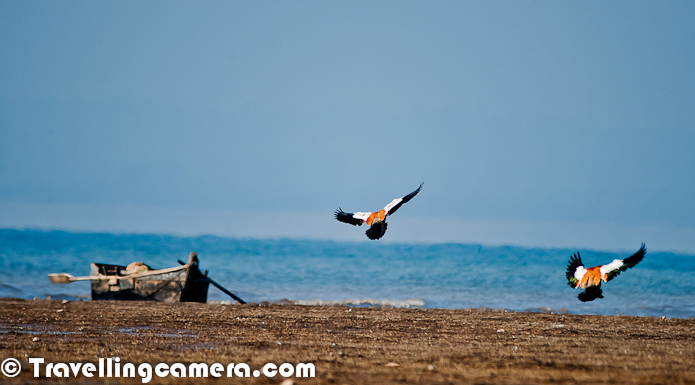
Hidden Himachal: Places Where the Journey Matters More Than the Destination

Some of the most rewarding experiences in Himachal happen in places that do not dominate Instagram.

Fluttering of almost a thousand pairs of wings sounds like a clap of thunder and the cacophony of their various calls, echoes all through the surrounding wetlands, resonating in the memories of bird enthusiasts long after the birds themselves have flown back to their distant homelands. These are the birds of Pong Lake, some of whom travel to Pong from as far as the Arctic Circle much to the delight of the bird watches who eagerly wait for their arrival. What is it that fascinates us about them and drags us out of our comfortable homes to brave the chill of winter and travel great distances to get a glimpse of these beautiful creatures? The mystery no longer remains a mystery when at the slightest hint of intrusion, the placid vista of the Pong Wetlands is brought alive by the frenzied flights of these vibrant birds. Mr. Devinder Singh Dhadwal, range officer, Pong Wildlife Sanctuary, aptly calls these winged wonders the “hidden treasures” of Himachal Pradesh. Pong wetlands provide a wide variety of habitats that suit different species of birds for different purposes. While the Mud flats and mud splits, shallow and deep water, grasslands and swamps provide ideal feeding areas for birds, tree covers, sand banks, and scrubs act as the ideal breeding grounds for many bird species. So far 416 species of birds have been spotted at Pong, with the rare Falcated Duck having arrived here for the first time ever just a couple of months back. Over the last two decades, the number of birds flocking in Pong wetlands has gone up from just a few thousand to almost 1.5 Lakhs. There is never a dull moment at Pong with various birds visiting Pong at different times of the year for various reasons. Mr. Dhadwal’s book Wild Wings: Pong & its Birds, painstakingly compiled over two years, gives a detailed account of which birds can be observed at Pong in which season.The abundant Bar-headed Geese like to frequent the lake in the winters while some birds such as the Yellow-wattled Lapwing prefer to make an appearance in the summer. Various varieties of ducks, herons, cranes, eagles, vultures, woodpeckers etc. can be observed around the lake at different times in a year. Apart from the birds, the wetlands also provide home to several species of mammals, reptiles, and insects such as monkeys, antelopes, leopards, cats, porcupines, Mongoose, snakes, pythons, lizards, turtles, and butterfliIn spite of such abundant fauna, the area hasn’t yet been discovered by tourists and, therefore, the birds enjoy more or less undisturbed stay at Pong. The only human presence is that of a handful of local tourists, passionate bird watchers, and the personnel of the Wildlife Department. Once more and more people frequent the area, the area will undoubtedly face the same issues as the other tourist places do. And then, it will become important for us to understand that all of our actions have a ripple effect on our surroundings. The first stone thrown at a flock of birds will not only cause the birds to take a flight, it may also encourage other tourists to throw stones as well. And in no time, birds may lose trust in the place and look for more peaceful grounds elsewhere.When asked whether it is possible to ensure that this does not happen, Mr. Dhadwal points out that while the authorities try to do as much as they can, the responsibility also rests with the tourists. 'We collect many discarded plastic water bottles and polybags from the lake and the surrounding areas every day. These can be disastrous for the wetlands if left lying around. We all, authorities as well as tourists, should respect the habitat of the birds and not treat tourist spots as dumping groundsOne cannot but agree with his sentiments. While most of us love to travel, very few of us give a thought to our responsibilities as tourists whereas we cannot afford to be callous towards our environment anymore. We are seeing the impact of irresponsible treatment of environment all around us. India has seen a steep decline in its vulture population. These scavengers were once frequently seen circling the skies in all parts of the country. Big cities such as Delhi and Mumbai are rapidly losing their sparrow populations. If there’s a time to change our approach towards our surroundings, it is now. Any time later than this might be too late.

Tirthan Valley

Tirthan is particularly attractive for travellers looking for forests, streams, village walks and a slower rhythm.

It also forms part of the landscape associated with the Great Himalayan National Park Conservation Area, a UNESCO World Heritage Site known for its alpine ecosystems, river catchments, forests and biodiversity. The protected area covers more than 90,000 hectares.

The photography here is different from the high-mountain postcard.

Try:

  • Water flowing over rocks

  • Forest details

  • Local architecture

  • Village paths

  • Wildflowers

  • Mist between trees

  • People working in fields

A macro or short telephoto lens can be more useful here than an ultra-wide lens.
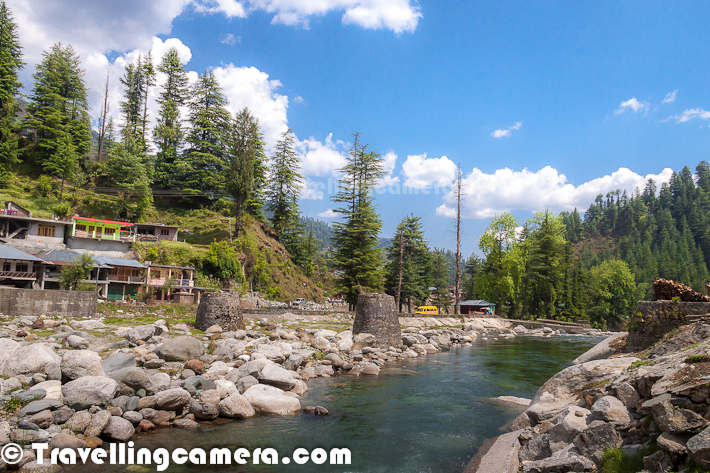

On the surface, Barot appears to be a sleepy village with women chasing hens and chicks to put them away for the night and folks dressed in traditional attire chatting away in the afternoon sun. But you just have to walk a few metres to come upon the Uhl Water Reservoir or the trout farm, which are not only symbols of progress but also underline the intertwining of a traditional way of life with modern thinking. Several homestays and guest houses offer affordable yet comfortable lodging and also provide you with a chance to interact with the ever-smiling and pleasant local people.

Barot

Barot is another excellent choice for travellers who prefer atmosphere over attractions.

The landscape around the Uhl River, forests and small settlements offers opportunities for walking, trout-related experiences and quiet photography.

It is the kind of place where a two-hour walk can produce more memorable photographs than a checklist of ten tourist attractions.
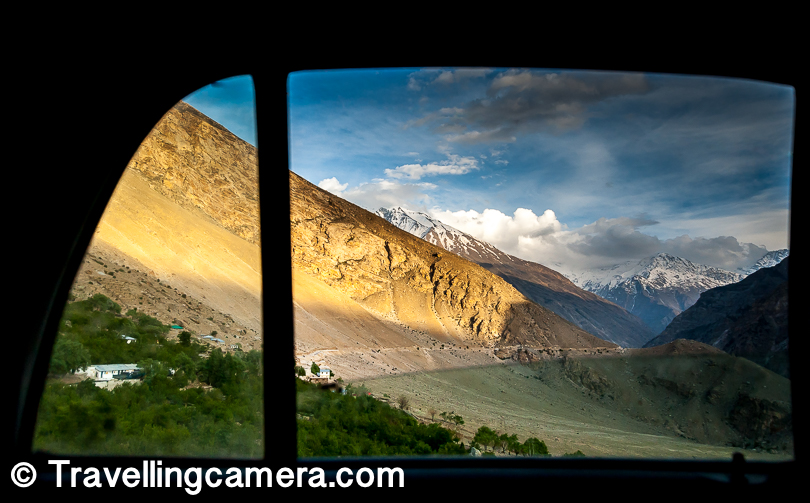

Few weeks back we shared a post about planning road trip to Spiti via Shimla and after multiple queries through our form, we intend to share day-wise plan and how we did it. What  worked well and what could have been planned better from our side. This would certainly help you understand some of the finer details about the route, places for break, good places to eat on national highway 5 and places where you can night halts. This post shares some moments from road trip on first 2 days from Shimla to Nako. Let's check out, what all you can expect on this route and how we did it.

Sangla and Kinnaur

Kinnaur is where Himachal begins to feel dramatically different.

The architecture changes.

The mountains become sharper.

The vegetation changes with altitude.

Apple orchards occupy slopes, and traditional wooden structures appear alongside modern homes.

Sangla makes a particularly good base for exploring the Baspa Valley.

If you travel here primarily for photography, resist the temptation to photograph every landscape from the roadside.

Walk into the villages.

Find the relationship between houses and mountains.

Photograph orchards at harvest time.

Talk to growers.

A basket of apples, an old wooden balcony and a distant snow peak can tell a much richer story than a generic panorama.
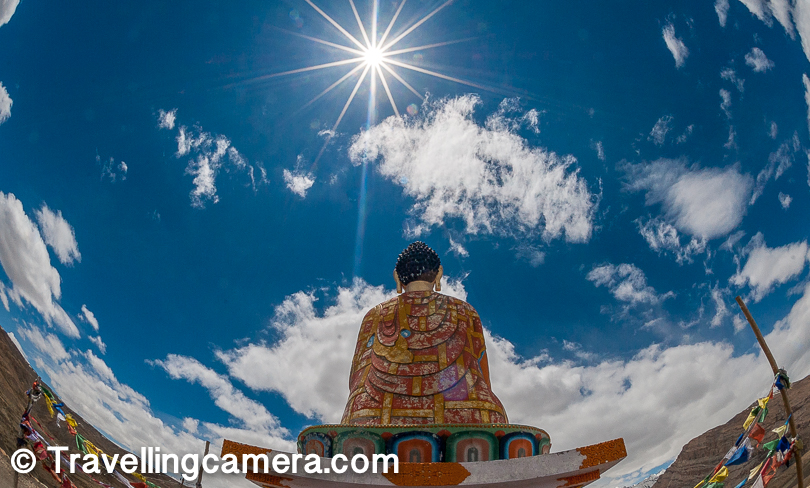

After wonderful journey from Shimla to Kaza through Jeori, Nako, Gue, Tabo & lot of other villages in Kinnaur & Spiti valley it was time to explore other places around Kaza and gradually head back. When you go from Shimla to Kaza, there are 2 ways to return back - one is to take the same route through some detours which I am going to explain in my future posts and other is to move ahead towards Manali & then head back to Delhi or wherever you want to go. In second option you don’t need to hit Shimla and folks who plan it well do the same way. We were traveling in a Santro car and road ahead was not very favorable. Also we had some time constraints, so didn’t want to risk things.  In today’s post I will be sharing about our explorations around Kaza, which includes visit to Kye Monastery, drive till jibber village which is supposedly world’s 3rd highest village, Langza, Koumik & then Dhankar along with some interesting experiences on the way to Dhankhar from Koumik.

Spiti: The Landscape Changes Completely

Then there is Spiti.

The first thing that surprises many visitors is not the altitude.

It is the absence of green.

The landscape becomes austere: brown mountains, blue skies, whitewashed monasteries, barley fields and villages clinging to river valleys.

Spiti is not simply another Himachal destination.

It is culturally and geographically distinct.

Travel here requires more planning, patience and respect for altitude.

Do not treat a Spiti trip like a conventional road trip where every day is packed with sightseeing.

Acclimatisation matters.

Road conditions can change.

Distances that appear small on a map can take hours.

And weather can alter plans.

The reward is extraordinary landscapes and an experience that feels far removed from the crowded Himalayan circuits.
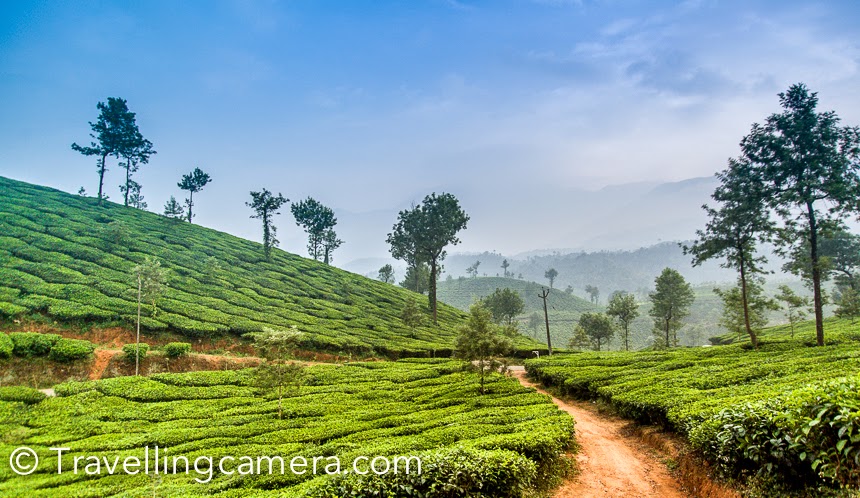

Lesser-Known Insights About Himachal Pradesh Here are some details that often get lost in conventional travel guides.

Lesser-Known Insights About Himachal Pradesh

Here are some details that often get lost in conventional travel guides.

Mandi Town, nestled in the serene valleys of Himachal Pradesh, India, is a place where spirituality meets natural grandeur. Stepping away from the hustle and bustle of city life, I embarked on a journey to explore this picturesque town on foot, immersing myself in its rich cultural tapestry and breathtaking landscapes.

Mandi has a remarkable concentration of temples

More than 80 stone temples are scattered through the historic town, making it one of the most interesting urban heritage landscapes in the Himalayas.

Hidden among the snow covered hills of Shrikhand Mountian Ranges, which are known for their mythological significance and is said to be one of the adobe of Lord Shiva, this unknown village beckon those with an adventurous spirit as its beautiful landscape and lush green valley will take your breath away.

Lightning is part of a temple legend

At Bijli Mahadev near Kullu, local tradition says lightning periodically strikes the Shiva lingam, breaking it apart. The pieces are traditionally reassembled using butter.

Whether you approach the story as mythology, faith or folklore, it reveals how Himalayan landscapes become embedded in local religious imagination.

Dive into the mythological origins of the Shivratri Fair, which is believed to commemorate the wedding of Lord Shiva and Goddess Parvati.

Kullu Dussehra is not a conventional Dussehra

The festival is particularly distinctive because local deities from surrounding villages gather in Kullu, creating a vast religious and cultural assembly rather than simply reproducing the Ramayana-based celebrations seen elsewhere in India.
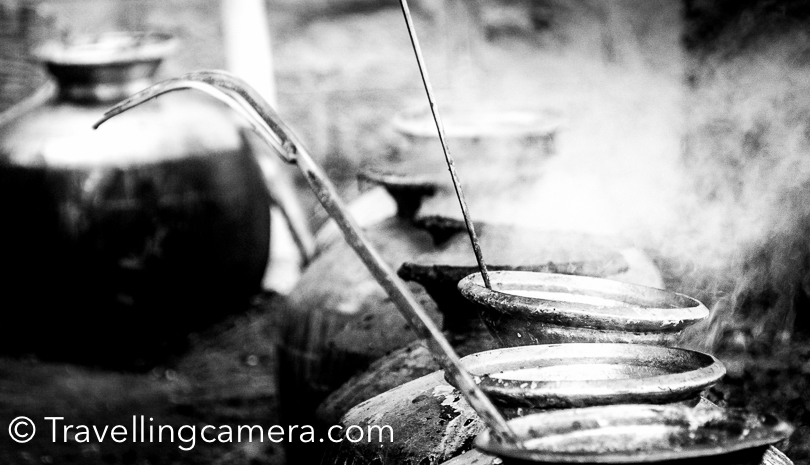
Different parts of Himachal has different cuisines and it varies according to the weather & other factors like agricultural status, communities, population density etc. During normal days dal-chawal, roti-sabzi, curd & other mild products are used in meals. But special preparations are done during festivals or special occasions. The whole setup of having specialize cooks making selected food items is called Dham. Dham of Mandi is different than what you get in Kangra. This Photo Journey shares more about Himachali Dham and various aspects associated with it. As a traveller you should find out opportunities to experience Himachali Dham. This post will also share some tips for that :).  Like other Indian states, Himachal Pradesh also has it's own cuisines and some of them are popular in some parts of the state. I am not a foodie but thought of compiling this list of popular Himachali Cuisine enjoyed. I have also tried to add some links to recipes shared by experts.   Dham धाम is most popular Himachali cuisine and it's not a single dish but an array of dishes prepared in very special way. Dham preparation varies from one region to another. Like dishes served in Kangra Dham are different than what you experience in Mandi Dham. Do click on the link to know more about Dham - what is dham, when it's prepared, who prepares and how it's served etc. No celebration is Himachal is complete without Dham.  Sepu Badi सेपु बड़ी is made up of Mah daal. Mah dal is kept in water overnight and paste is made in grinder. Cuboids of this paste are fried. Now these fried pieces can also be kept for few weeks. And then fried in coriander, onion, garlic, tomatoes to make delicious gravy. Sepu Badi is one of the popular dish in Mandi Dham as well.   Rehru रेहरु - Himachalis make their own kind of Kadhi. Rehru is form of Kadhi which is made quick and with fresh lassi. It's so simple to make Rehru. A quick Tadka of coriander with pinch of salt & turmeric. Since most of the houses have easy access to Lassi, Rehru is common side dish in Himachal. कचालू कड़ी is another form of Kadhi which is popular in Himachal. It's also called Khairu.  Aloo Palda आलू पलदा - Potatoes with thick gravy of curd. In my childhood, I was never able to differentiate between Kadhi and Aoo ka Palda. Because most of the time Kadhi was also made using curd and hence very thick. But gradually I learned the difference. It's very yummy dish and you may want to check it's recipe here.   Jhol झोल - Like famous rice-curd from south, Jhol is rice cooked in buttermilk. Rice is simply put into buttermilk and boiled. At times salt is also added before boiling while some enjoy adding salt while serving. It seems that people used to enjoy Jhol with sendha namak in early days.   Mittha मिट्ठा - As the name itself says it's sweet dish which served at the beginning of a meal. In some parts of Himachal it's served at the end of a meal. Mittha is made up of various things but Pumpkin Mittha ( कददू मिट्ठा  )  and  Badana Mittha are most popular. Sweet Fennel, small pieces of coconut and Raisins are also added. Mittha is not made everyday but on special occasions and if there are guests at home.  Sidu सिड्डू - It's a kind of bread which is made by wheat flour.  This is usually served with ghee or dal. More about Sidu and it's recipe can be checked here.  Babru बबरू - Babru is usually cooked on auspicious occasions and the process of making Babru is very interesting. Wheat flour is fermented and then fried in oil. They are soft and sweet. Babrus are packed & sent to relatives when you have a function at home and want to invite your loved ones. Gradually readymade sweets replaced this tradition but still it's followed in small villages. Babroos are also made to celebrate birthdays. My Grandmother makes Babru on my birthday. Before distributing to all families in the village, a few are served to God.  Chana Madra चना मद्रा - Madra is thick gravy and rich in ghee. There are different types of Madras made in Himachal Pradesh but Chana Madra is one of the most popular. Chana Madra is specially included in Kangra Dham. When I searched, I came across this brilliant post which shares the recipe of Chana Madra - Check out  Kadoo ka Khatta कदू का खट्टा - Since Pumpkin is found in abundance and can be stored for a longer period of time, it's used in lot of Himachal Dishes and the most popular is कदू का खट्टा.  Daal Maah दाल माह (काली दाल ) - Black Lentils or Mah dal is favorite dal of Himachalis. And it's one of the important dishes served in Dham. It's usually spicy and thick. I see some relation of Kali Dal and Dal Makhani, as both Punjab & Himachal are adjacent states. In fact, some part of Himachal was earlier in Punjab.   Ainklee or Patande पटांडे - It's a bread made up on rice flour. Looks more like Dosa but since ingredient is different it's taste if very different. Usually consumed with sweet milk or Mah daal. And Desi ghee in Mah dal is preferred when you want to enjoy Ainklee. It's made in most of the house on Diali Night. Ainklee is also made on some special occasions at home.  Tudkya Bhaat तुडकिरा भत्त It's basically fried rice. Many times remaining veggies are fried in rice. This is a very generic term used and ingredients vary from one part to other. Usually Tudkya Bhaat is also made from left-over food from Dham.   Rahra Chicken राहरा - Although mutton is popular non-veg dish in Himachal but when Chicken is preferred over mutton, Rahra Checken is made.   Malpua मालपुआ Malpua is quite popular in other states of India. It's sweet dish made up of wheat flour/maida and dipped in sugar syrup.   Daal ke bhalle दाल के भल्ले  Kachalu Kadi कचालू कड़ी - Colocasia roots ( अरबी  ) is called कचालू in Himachal. If you are aware of Kadhi Pakoda, this form of Kadhi has fried कचालू instead of pakoras. This is usually served with मक्की की रोटी ( Corn Bread) and usually preferred in winters, but it's not that कचालू कड़ी is not made in other seasons.  Ghandyali da Khatta गण्डयालि खट्टा  Auriyali Moong dal औरियाली मूंग दाल - Kashundi ( Mustard seed ) is known as 'ओरी ' in Himachal. And moong dal is made with Kashundi. This is usually part of Dham, but also made as regular meal at home. Usually it's खट्टी dal.   While compiling this post, I realized that writing about food and recipes is difficult to explain in English as compared to Hindi. Probably I need to read more food blogs and the recipes shared on these blogs.   If you have ever tasted any of these Himachali Cuisines, do share your inputs and I would appreciate if you can share photographs. And do feel free to mention in comments if I missed anything which is specific to Himachal Pradesh.

Himachal has an extraordinary food geography

Traditional food varies considerably from valley to valley.

A dham in Mandi is not necessarily the same culinary experience as one in Chamba or Kangra.

That is an important lesson for travellers: there is no single "Himachali cuisine."


Photography: Tirthan Valley offers stunning landscapes and breathtaking views, making it a perfect destination for photography enthusiasts.

Best Photography Spots in Himachal Pradesh

For a photography-focused trip, I would divide Himachal into different visual experiences.

LocationBest subjectsBest time
ShimlaColonial buildings, forests, street lifeEarly morning
NarkandaApple orchards, forests, Hatu PeakMorning
MandiTemples, markets, peopleMorning/evening
KangraTea gardens, DhauladharLate afternoon
DharamshalaMountains, monasteries, portraitsMorning
ChambaArchitecture, streets, templesEarly morning
TirthanForests, streams, villagesMorning/cloudy days
SanglaOrchards, villages, mountainsEarly morning/evening
SpitiMonasteries, barren landscapesSunrise/sunset

If you are planning to visit Tirthan Valley, there are several homestays that offer a comfortable stay and a chance to experience the local culture and hospitality. Here are some of the best homestays in Tirthan Valley:    Raju Bharti Guest House: This is a popular homestay in Gushaini village, which is located at the confluence of the Tirthan and Flachan rivers. The guest house is run by a local family and offers comfortable rooms, home-cooked meals, and a chance to experience the local way of life.    Himalayan Trout House: This is a beautiful homestay located in the village of Ropa, which is known for its trout fishing. The homestay offers cozy rooms, delicious meals, and a chance to experience the local culture and traditions.    Tirthan River View Homestay: This is a lovely homestay located on the banks of the Tirthan river, in the village of Nagini. The homestay offers comfortable rooms, delicious food, and stunning views of the river and mountains.    The Mudhouse Experiential Hostel: This is a unique homestay located in the village of Jibhi, which is known for its traditional architecture. The homestay is made of mud, stone, and wood, and offers a rustic yet comfortable stay. It also offers a chance to experience the local way of life and participate in cultural activities.    Tirthan Valley Homestay: This is a cozy homestay located in the village of Gushaini. The homestay offers comfortable rooms, delicious meals, and a chance to experience the local culture and traditions.

A photography tip that matters

Do not photograph Himachal only with a wide-angle lens.

A wide lens makes every mountain look impressive, but it can also make photographs visually empty.

Carry a moderate telephoto.

Compress layers.

Photograph a village between two mountain ridges.

Use a person walking along a road as scale.

Look for atmospheric perspective.

And wait.

Mountain photography often rewards patience more than expensive equipment.


There are a few local festivals and events that you may be interested in attending during your visit to Pooh. Here are some of the most popular ones:

Photography Tips for Himachal Pradesh

Shoot early

The first two hours after sunrise are often the most reliable time for landscape photography.

The light is softer, tourist traffic is lower and villages are beginning their daily routines.

Use cloudy weather

Do not pack your camera away when the sky turns grey.

Cloud and mist can add depth to forests and mountains.

In fact, some of the most atmospheric Himachal photographs happen during unsettled weather.

Watch exposure around snow

Bright snow against dark mountains can fool your camera's metering system.

Check your histogram and highlights rather than trusting the rear LCD alone.
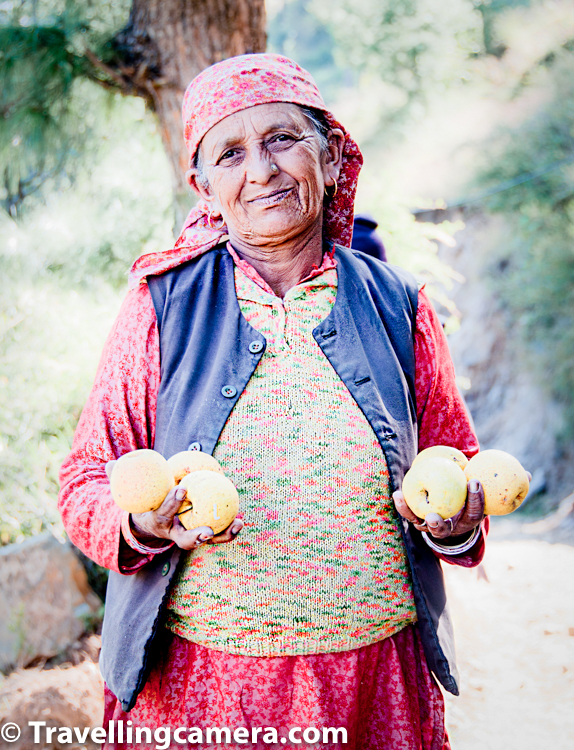
Above photograph shows a kind lady who saw us resting on road side when we were tired on hike-n-bike day. She started chatting with us to know about the cyclists and offered tea at her home, which was few yards away from the road. We didn’t have time as we had to continue our walk. She went back and brought these juicy apples for us. Wish that she is staying healthy during these days and enjoying organic produce from her own farms. How can someone forget such sweet experiences. Whenever I look at this photograph, I feel great about these moments and god bless such experiences to all humans.

Photograph people respectfully

Ask before making close portraits.

A smile, gesture or short conversation can completely change the experience.

And sometimes the strongest photograph is the one you decide not to take.


Different parts of Himachal has different cuisines and it varies according to the weather & other factors like agricultural status, communities, population density etc. During normal days dal-chawal, roti-sabzi, curd & other mild products are used in meals. But special preparations are done during festivals or special occasions. The whole setup of having specialize cooks making selected food items is called Dham. Dham of Mandi is different than what you get in Kangra. This Photo Journey shares more about Himachali Dham and various aspects associated with it. As a traveller you should find out opportunities to experience Himachali Dham. This post will also share some tips for that :).  Like other Indian states, Himachal Pradesh also has it's own cuisines and some of them are popular in some parts of the state. I am not a foodie but thought of compiling this list of popular Himachali Cuisine enjoyed. I have also tried to add some links to recipes shared by experts.   Dham धाम is most popular Himachali cuisine and it's not a single dish but an array of dishes prepared in very special way. Dham preparation varies from one region to another. Like dishes served in Kangra Dham are different than what you experience in Mandi Dham. Do click on the link to know more about Dham - what is dham, when it's prepared, who prepares and how it's served etc. No celebration is Himachal is complete without Dham.  Sepu Badi सेपु बड़ी is made up of Mah daal. Mah dal is kept in water overnight and paste is made in grinder. Cuboids of this paste are fried. Now these fried pieces can also be kept for few weeks. And then fried in coriander, onion, garlic, tomatoes to make delicious gravy. Sepu Badi is one of the popular dish in Mandi Dham as well.   Rehru रेहरु - Himachalis make their own kind of Kadhi. Rehru is form of Kadhi which is made quick and with fresh lassi. It's so simple to make Rehru. A quick Tadka of coriander with pinch of salt & turmeric. Since most of the houses have easy access to Lassi, Rehru is common side dish in Himachal. कचालू कड़ी is another form of Kadhi which is popular in Himachal. It's also called Khairu.  Aloo Palda आलू पलदा - Potatoes with thick gravy of curd. In my childhood, I was never able to differentiate between Kadhi and Aoo ka Palda. Because most of the time Kadhi was also made using curd and hence very thick. But gradually I learned the difference. It's very yummy dish and you may want to check it's recipe here.   Jhol झोल - Like famous rice-curd from south, Jhol is rice cooked in buttermilk. Rice is simply put into buttermilk and boiled. At times salt is also added before boiling while some enjoy adding salt while serving. It seems that people used to enjoy Jhol with sendha namak in early days.   Mittha मिट्ठा - As the name itself says it's sweet dish which served at the beginning of a meal. In some parts of Himachal it's served at the end of a meal. Mittha is made up of various things but Pumpkin Mittha ( कददू मिट्ठा  )  and  Badana Mittha are most popular. Sweet Fennel, small pieces of coconut and Raisins are also added. Mittha is not made everyday but on special occasions and if there are guests at home.  Sidu सिड्डू - It's a kind of bread which is made by wheat flour.  This is usually served with ghee or dal. More about Sidu and it's recipe can be checked here.  Babru बबरू - Babru is usually cooked on auspicious occasions and the process of making Babru is very interesting. Wheat flour is fermented and then fried in oil. They are soft and sweet. Babrus are packed & sent to relatives when you have a function at home and want to invite your loved ones. Gradually readymade sweets replaced this tradition but still it's followed in small villages. Babroos are also made to celebrate birthdays. My Grandmother makes Babru on my birthday. Before distributing to all families in the village, a few are served to God.  Chana Madra चना मद्रा - Madra is thick gravy and rich in ghee. There are different types of Madras made in Himachal Pradesh but Chana Madra is one of the most popular. Chana Madra is specially included in Kangra Dham. When I searched, I came across this brilliant post which shares the recipe of Chana Madra - Check out  Kadoo ka Khatta कदू का खट्टा - Since Pumpkin is found in abundance and can be stored for a longer period of time, it's used in lot of Himachal Dishes and the most popular is कदू का खट्टा.  Daal Maah दाल माह (काली दाल ) - Black Lentils or Mah dal is favorite dal of Himachalis. And it's one of the important dishes served in Dham. It's usually spicy and thick. I see some relation of Kali Dal and Dal Makhani, as both Punjab & Himachal are adjacent states. In fact, some part of Himachal was earlier in Punjab.   Ainklee or Patande पटांडे - It's a bread made up on rice flour. Looks more like Dosa but since ingredient is different it's taste if very different. Usually consumed with sweet milk or Mah daal. And Desi ghee in Mah dal is preferred when you want to enjoy Ainklee. It's made in most of the house on Diali Night. Ainklee is also made on some special occasions at home.  Tudkya Bhaat तुडकिरा भत्त It's basically fried rice. Many times remaining veggies are fried in rice. This is a very generic term used and ingredients vary from one part to other. Usually Tudkya Bhaat is also made from left-over food from Dham.   Rahra Chicken राहरा - Although mutton is popular non-veg dish in Himachal but when Chicken is preferred over mutton, Rahra Checken is made.   Malpua मालपुआ Malpua is quite popular in other states of India. It's sweet dish made up of wheat flour/maida and dipped in sugar syrup.   Daal ke bhalle दाल के भल्ले  Kachalu Kadi कचालू कड़ी - Colocasia roots ( अरबी  ) is called कचालू in Himachal. If you are aware of Kadhi Pakoda, this form of Kadhi has fried कचालू instead of pakoras. This is usually served with मक्की की रोटी ( Corn Bread) and usually preferred in winters, but it's not that कचालू कड़ी is not made in other seasons.  Ghandyali da Khatta गण्डयालि खट्टा  Auriyali Moong dal औरियाली मूंग दाल - Kashundi ( Mustard seed ) is known as 'ओरी ' in Himachal. And moong dal is made with Kashundi. This is usually part of Dham, but also made as regular meal at home. Usually it's खट्टी dal.   While compiling this post, I realized that writing about food and recipes is difficult to explain in English as compared to Hindi. Probably I need to read more food blogs and the recipes shared on these blogs.   If you have ever tasted any of these Himachali Cuisines, do share your inputs and I would appreciate if you can share photographs. And do feel free to mention in comments if I missed anything which is specific to Himachal Pradesh.

Himachal Pradesh Food: Eat the Valley, Not Just the Restaurant Menu

Food is one of the easiest ways to understand Himachal.

Look for siddu, a steamed wheat-based bread often stuffed with walnut or poppy-seed mixtures and served with ghee, butter, dal or meat.

Try regional dham meals when available.

In Kullu and surrounding valleys, trout is another local speciality.

In Chamba, look for dishes such as Khamod meat.

In Mandi, Sepu Vadi is worth seeking out.

And do not dismiss simple roadside food.

A bowl of hot dal, rice and local vegetables after a cold mountain drive can be far more memorable than an elaborate restaurant meal.

The important thing is to ask where the food comes from.

Who cooked it?

Is it a family recipe?

Is it normally eaten during a festival?

That question often opens a conversation.
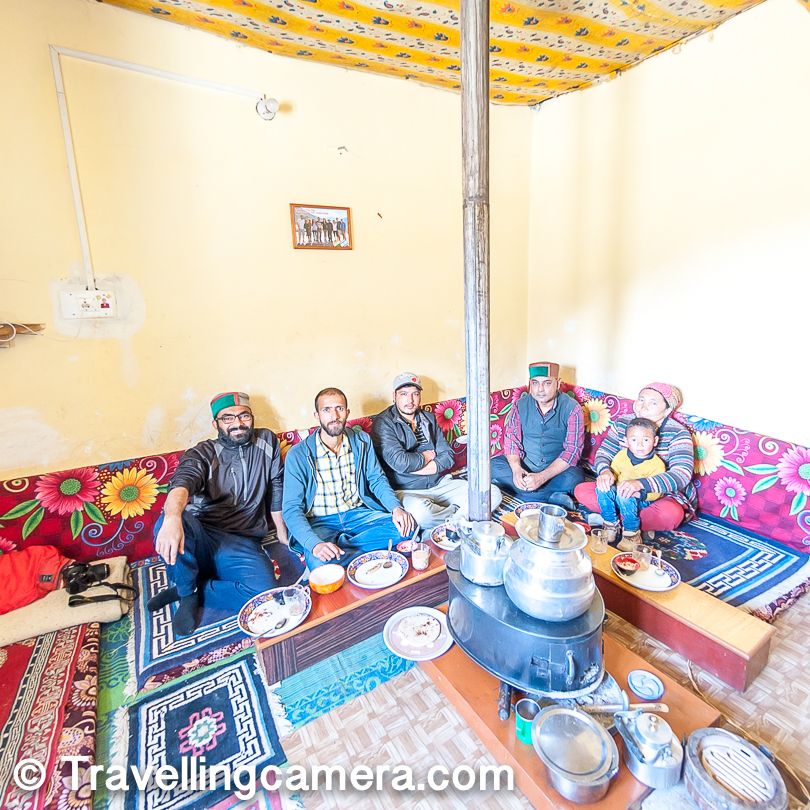

Finally fellow trekkers came back and we headed towards the kitchen to enjoy our best breakfast in Spiti Valley. At times I wonder if we should call Spiti a 'valley' or something else :). Our host served different kinds of parathas with veg chutney and curd. Along with the delicious food, we had some touchy conversation and exchanged some emotional dialogues with our hostess & her grandson.

Local Conversations: The Himachal You Cannot Photograph

One of the most rewarding things about travelling through Himachal is that conversations often begin naturally.

A shopkeeper may ask where you are from.

A farmer may explain the apple harvest.

A taxi driver may recommend a village that is absent from your itinerary.

A temple caretaker may tell you a story that does not appear on any information board.

Do not rush these encounters.

For photographers, this is particularly important.

The best environmental portraits often happen after ten minutes of conversation rather than ten seconds of pointing a camera.


Fortunes turned when we decided to walk to Panchpula waterfalls, which were at 4kms from the school. We hit jackpot when we reached the waterfalls. And there we realized that birds, like some mythical fairytale creatures, were actually all around us. One just needed to sit still and wait for them to emerge.

Best Time to Visit Himachal Pradesh

There is no single best month for the entire state.

It depends on what you want to photograph and experience.

SeasonBest forConsiderations
March–AprilSpring, flowers, lower valleysWeather can be variable
May–JuneEscaping plains heat, mountain travelPopular season
July–AugustGreen landscapes, monsoon atmosphereLandslides and road disruptions possible
September–OctoberClear skies, photography, trekkingOne of the best periods overall
NovemberAutumn colours, quieter travelColder nights
December–FebruarySnow, winter landscapesSnow can disrupt access

For a balanced photography trip, September and October are particularly attractive because of generally clearer mountain visibility and autumn conditions.

For snow, winter is the obvious choice, but always check current road and weather conditions before travelling.


Pnachpula waterfalls are very refreshing and a nice walk from Dalhousie.

How to Reach Himachal Pradesh

Himachal is primarily a road-travel destination.

The state has air connections through airports including Kangra, Bhuntar and Shimla, while Chandigarh and Pathankot provide important access from outside the state.

Rail travellers can use Kalka for Shimla or Pathankot for the Kangra Valley. The Kalka–Shimla railway is itself a UNESCO World Heritage railway and one of the most enjoyable ways to enter the hills.

From Delhi and Chandigarh, buses and taxis connect to major Himachal destinations.

I know I have not been able to give much time to the blog because of other engagements in office and I want to focus on other priorities, but other guest-bloggers have assured me to bring at least one blog-post in a week.   So we started a little late from Shimla and Sunset moment encountered as we crossed Narkanda. We didn't have any plan for stay. This was an indicator to start thinking about the place where we want to spend the night. Rampur was one obvious option and there are multiple hotels in Rampur. Apart from Jeori was another we were thinking about. Both these places are part of Shimla region and Jeori us near to Kinnaur border.

My recommendation

If photography is your priority, consider combining public transport with local taxis rather than driving every kilometre yourself.

Mountain roads require concentration.

A local driver also knows where a road suddenly opens into a valley, where an orchard is accessible, and which shortcut should absolutely not be attempted in bad weather.


Today Mr. Shankar Rajaram came to meet us at Noida. He was here in Delhi after Chadar Trek last month. Shankar has been trekking around Himalayas for more than 20 years now. His passion for trekking started when he used to visit various pilgrimage places. Today's discussion with Shankar reminded me of my Shrikhand Mahadev trek, which I did with my friends in 2008. This post is just a refresher of #LifeLessOrdinary experiences at the height of 18,700 feet with snow covered Himalayan ranges. Shrikhand Mahadev Trek is one of the most difficult treks I have done and Shankar also agrees with me on this. Shankar, who has done many more treks in his life considers Shrikhand as something he will not even dream of attempting in future. While we can still think of Kailash Mansarovar, Chadar Trek, Lamkhaga Pass, Rupkund, Pin Parvati etc. At the same time, it's said that treks can't be compared and they change every year and experiences can be drastically different which usually depend upon the weather conditions.When we started from Delhi, we had never thought that next 7 days would be very different and exciting as compared to regular life we live in Metro cities. After reaching the base-camp of Shrikhand Mahadev, we lost connectivity. It was the time to inform everyone that we would not be reachable for next few days. This trek starts from Jaon village. After long drive from Delhi to Jaon, through Chandigarh, Shimla & Baghupul, it was time to have some rest and be ready for the real adventure from next morning. Shrikhand Mahadev was not a popular trek in 2008, but lot of local pilgrims used to go till the top of Shrikhand peak. Shikhand is basically a huge rock standing still on snow covered hills. It's a very unique thing and that's the reason that local folks from Himachal consider it very auspicious. But for us, it was an adventure and a good break from routine life.First day of this trek was mainly about crossing some rivers, water-streams and dense forests full of fog & high trees. We were trekking in the month of July, which is the only time to trek till Shrikhand peak. Rains and low visibility are two main challenges in this trek. This is what we thought on day-1 but we were not prepared for other challenges we experienced in subsequent days.During this trek we had some exceptional experiences which are hard to describe through words. I would recommend you to see photograph above, as it is very difficult to explain what we were experiencing. We were walking on the clouds and I do not mean metaphorically. It was surreal, though day dreaming was very risky owing to the steep gorges just one misstep could lead us to fall into.Sustained by Maggi, fresh air, and an adrenaline rush, we carried on in spite of the biting cold, mortal danger, and exhaustion. With only the rock, the Mahadev, in sight, we carried on. Never have I felt more in touch with myself as I did amongst those invincible mountains and the rolling valleys.At times the next step felt as if it could be my last, and at times I felt as if I had transcended mortality. Reality and dreams merged and I seemed to be slipping in and out of reveries. Being one with nature does this to you. There are no more questions. Amidst such pristine surroundings, it is just the Truth, The Ultimate TruthI don't know what it is about these treks but they are immensely emotional experiences. By the time we reached the summit, all of us were overflowing with emotions. I tried and blinked fast to fight them, but at last I had to gave in and the tears flowed. Once they started, I couldn't stop and soon I was sobbing. No one asked me why. Because all of them were experiencing something unique. And I wasn't the only one crying.   And let me now treat you to some ethereal sights from the trek...

Where to Stay in Himachal Pradesh

Choose accommodation according to the experience you want.

For first-time visitors

Stay in established towns such as Shimla, Manali or Dharamshala.

For photography

Choose a village homestay or small property outside the main town.

For culture

Stay close to an old settlement rather than an isolated luxury resort.

For solitude

Look towards Tirthan, Barot, Kinnaur or smaller villages in the interior valleys.

The important question is not "How luxurious is the hotel?"

Ask:

Can I walk outside and experience local life?

That answer matters more in Himachal.


alt="Recently I was in Himachal to visit my Nana/Nani , who live in a small village called Chauntra in Hamirpur region. We spent 3 days with family there and planned to a short trek into the huge pine forest which stretched in hundreds of square kilometers. This Photo Journey shares more about the place and things you can do.First let me share that why we planned this trek. We have a small piece of land in the forest, from where we bring grass for cattle at home. I have visited this place many times in my childhood. It's approximately 2 kilometers from our house and I have carried grass from this land to the home through various mountains and gorges.We packed some stuff with us and headed towards the pine forest, which was lush green because of monsoons. Although some of the pines had marks of fire which spread in summers.Since may of these terrains are not frequently visited, so it was hard to find right path. To add more flavor to the problem, high grass was making it more difficult. Especially it was more risky around the edges when high grass was very distracting.On our way, we met lot of new friends walking on the lush green grass.Some of them were very active and difficult to capture in my Travellingcamera. This Photo Journey has some of the those who co-operated with Travellingcamera :). This Ladybug accompanied us for a long time.There were lot of butterflies all around, but again we couldn't capture them all.Above photograph shows a village at a distance surrounded by corn fields and banana farms. Most of these photographs are clicked with #SamsungS5. Who can guess this? In above photograph you see some marks on pine tree. This is usually done to take out gum which is used for industrial purposes. Marking marking such cuts with knife a container is hanged in the bottom of this area, which collects gum. A team of folks regularly visit forest to take this gum and put empty containers again.An abandoned house in middle of the forest. Sky always looks so bright and colorful in Hamirpur. It was a great day spent with family !!"

Budget Tips for Travelling in Himachal Pradesh

Himachal can be surprisingly affordable if you avoid peak-season packages.

Save money by:

  • Using HRTC buses for longer journeys

  • Staying in homestays

  • Eating local food

  • Travelling outside major holiday periods

  • Sharing taxis for difficult-to-reach destinations

  • Staying two or three nights instead of changing hotels daily

  • Booking popular destinations well ahead during summer and New Year periods

The biggest hidden cost is often transportation.

Distances may look short on Google Maps, but mountain roads change the equation completely.

A 100-kilometre journey can consume a large part of the day.


Hills & roads are my two best buddies. This Photo Journey is from very special region of himachal pradesh, which is little away from hustle bustle of tourists and preferred by adventure lovers.  Himalayan state of India has lot to explore and especially the rural areas which are comparatively less explored. Definitely, such places are not meant for all the travelers but those who like peaceful places would never miss the opportunities. I am sharing this post for the benefit of such people. We usually hear about such places through word of mouth and folks travelled these trails would have lot to share.Jibhi, Shoja and Banjar are popular amongst adventure lovers, motorsport buffs, bikers and backpackers. There are two routes to hit this part of Himachal Pradesh. Most preferred route is through mandi which diverts from Aut.Jibhi is a beautiful place in Banjar Valley of Himachal Pradesh, which offers you some exceptional landscapes. If you are a Photographer or painter, you would love to be around these hills & capture the beauty in your canvas.Jibhi can be approached from Chandigarh-Manali Highway. There is a small detour in right just before the tunnel at AUT. Banjar is approximately 30 kilometers AUT and you need to follow the road following the river. If you are coming in overnight Volvo, get down at this cut and take local bus. This region is well connected through private buses. Jibhi is another 8 km from Banjar town towards Jalori Pass.We spent most of the time driving around these villages which are connected through temporary roads. There are many villages which are not directly connected through roads.While compiling this post about this region, I read more and came across a very detailed post . I recommend you to also check this post for planning your trip to this region.  Jalori pass and Sarolsar lake are must go places in this region. There is a small trek to reach Sarolsar lake but it's fun to walk through forest.Every now and then you get magnificant views of snow covered hills when driving around this region of Himachal Pradesh. There are plenty of easy and medium level treks around this region of Himalayan State of India.The villages in this part of Himachal are different. The architecture, sizes, locations, placement, colors etc. On the way, we randomly stopped at few houses and one family also offered us tea and packed few apples.Such terrains make to realize about simplicity of life in Himachal. Things are simple, time is passing slowly, everyone has time for each other, compassionate people and there is no race. Most of it may sound cliched but that's true. One must explore these terrains to get closer to reality of life. One of the best terrains for explorers.  While driving around Jibhi, Shoja & Kalori Pass, we met different folks on our. This gentleman works with HPPWD and was coming back home. He was walking and there was hardly anyone around. We asked if he needs lift. He smiled that said that he needs to visit his fields on the way, which are not actually on roadside. We spent some time with him and it's his regular routine. He hardly uses vehicles to commute from home to work. Most of his work is in surroundings. There are few moments when HPPWD trucks come and pick all these workers to take them to work-site which is at distance.Sunset hues hitting these high deodars make these terrains more beautiful. Our campsite was planned at Shaij and this place was nearby. We spent some time here and then headed towards the camps. In future, I want to go there our own tents and other camping equipments. This region is safe and best suited for camping.Above photograph would give you some sense about roads some of the villages have. Here idea is not to say that roads are in bad shape, but to highlight that many of the villages are getting connected. Its practically difficult to have equally good roads in all terrains. So it's better to keep improving situation over time. First goal should be to connect these villages. 'PradhanMantri Sadak Yogana' started by Atal Bihari Vajpayee helped lot of villages in India to get connected through roads.Now, it's easy to find home-stays around Jibhi, Shoja & Banjar.

A 10-Day Himachal Pradesh Itinerary for First-Time Explorers

Instead of attempting the entire state, this itinerary combines heritage, mountains, culture and photography.

Days 1–2: Shimla

Explore the historic centre early in the morning.

Walk beyond Mall Road.

Photograph colonial architecture, forests and local streets.

Day 3: Narkanda

Drive towards Narkanda.

Explore apple-growing landscapes and, if conditions permit, hike towards Hatu Peak.

Day 4: Mandi

Travel towards Mandi.

Spend the afternoon walking through the old town and photographing its temples and market streets.

Days 5–6: Tirthan Valley

Slow down.

Walk.

Photograph forests and streams.

Talk to residents.

Do not over-plan these days.

Days 7–8: Kangra and Dharamshala

Explore the valley, tea landscapes and cultural sites.

Spend time away from the busiest parts of McLeod Ganj.

Day 9: Chamba

Explore the old town and temple architecture.

Give yourself time for architectural details rather than simply collecting landmarks.

Day 10: Return

Keep the final day flexible.

Mountain journeys often take longer than expected.


During one of my recent visits to Shimla, schedule was really busy and I also wanted to visit Viceregal Lodge. Usually I go to Viceregal Lodge via HPU route or walk down from Mall Road. This time the route changed and first time I climbed from Boileuganj...Here is first view we get after climbing a hill from boileuganj.I have stayed in Shimla for 3 years approximately but never went through this route, although it's quite easy and quick one to reach Viceregal Lodge. Buses for Boileuganj are very easily available from bus stand and Himachal Pradesh University. And then it's a 15 minutes climb which is not very steep.It starts from the chowk where roads from Tutoo, Summerhill, Bus-Stand and University meet. And lagoors will be there to welcome you. It's not very special because they can be found anywhere in Shimla to welcome you :)During the climb, HPTDC (Himachal Pradesh Tourism Development Corp.) Hotel 'Peter Hoff' can be seen just below the TV tower of Shimla. Peter Hoff is one of the good hotels in Shimla and it's situated next to Viceregal Lodge. Exactly it's in the middle of Chaura Maidaan and Viceregal Lodge. Via bus, it's accessible from 103. 103 is a bus stop near tunnel-no 103 and very popular stop in Shimla.New Bus Stand of Shimla is also visible during the climb. This is first time I saw this bus stand and it was amazing. I wanted to compare it with IGI airport but stopped myself :) ... But for sure, it's best among all the bus stands we have in North India at least. it's situated near Dhali. Old bus stand has been converted into Local bus stand and there are regular shuttles between new and old bus-stands. While coming back to Delhi, I did some mobilegiri at Shimla Bus stand and will share soon...Himachal Pradesh Judicial Academy also comes on the way from Boileuganj to Viceregal Lodge.It's a wonderful walk from Boileuganj to Viceregal Lodge as whole stretch is full of trees and nice flowers around. At times it feels like you are crossing through some garden. There are some governments residences as well, which makes this hill more lively.Apart from some institutes and houses, there are some buildings which seemed to be locked for last many years. But somehow, colors lie about these buildings. The building above shown was closed from all the directions and there seemed to be a long silence around the place.After a quick climb, we reached Viceregal Lodge. It was so quick that I forgot to mention that one of my cousin was accompanying me and we also discussed some changes happening in his institute in HPU (UIIT). Overall this was a fastest route to Viceregal Lode but probably I will still prefer the longer route which comes through Vidhan-Sabha, Cecil etc.

Responsible Travel in Himachal Pradesh

Himalayan ecosystems are fragile.

The simplest responsible-travel rules are also the most important:

  • Carry reusable water bottles.

  • Avoid single-use plastic.

  • Do not litter on trekking routes.

  • Do not disturb wildlife.

  • Ask before photographing people.

  • Respect temple restrictions.

  • Do not enter restricted religious spaces.

  • Avoid loud music in villages and natural areas.

  • Use local guides where appropriate.

  • Buy local products rather than mass-produced souvenirs.

  • Stay on established trails.

  • Never approach river edges simply for a photograph.

The last point deserves emphasis.

Mountain rivers can look deceptively calm while carrying extremely powerful currents. Himachal Tourism specifically warns visitors against standing on boulders or near river edges for photographs.

A photograph is never worth risking your life.


Common Mistakes to Avoid in Himachal Pradesh Trying to see everything Himachal rewards depth, not speed.  Visiting only famous hill stations Shimla and Manali are useful gateways, but they are not the complete Himachal experience.

Common Mistakes to Avoid in Himachal Pradesh

Trying to see everything

Himachal rewards depth, not speed.

Visiting only famous hill stations

Shimla and Manali are useful gateways, but they are not the complete Himachal experience.

Underestimating driving time

Mountain kilometres are different from plains kilometres.

Ignoring altitude

This becomes particularly important in Spiti, Lahaul and other high-altitude destinations.

Travelling without weather flexibility

Keep buffer days.

Photographing everything from the car

Get out.

Walk.

Observe.

Treating villages as photo sets

They are homes.

Respect privacy.

Visiting during the busiest holiday periods without planning Long weekends, summer holidays and New Year can transform popular destinations.  If you want quiet photography, travel midweek and start early.
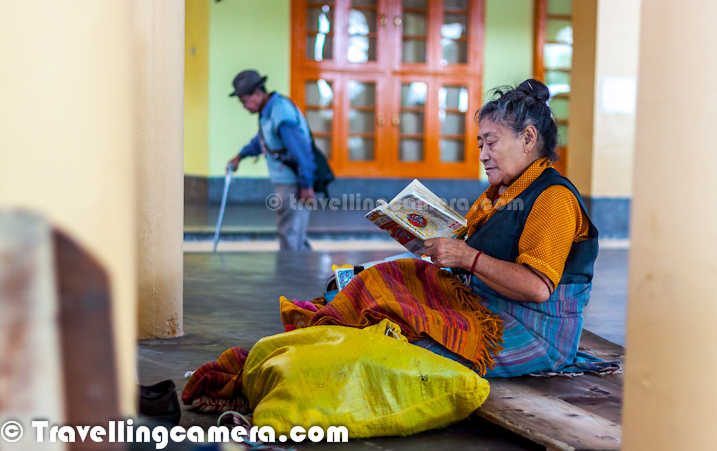
Visiting during the busiest holiday periods without planning

Long weekends, summer holidays and New Year can transform popular destinations.

If you want quiet photography, travel midweek and start early.


This is again a photograph from my archives, which I saw after a long time. This photograph is reprocessed again in Adobe Photoshop Lightroom. But important part is the way this lady is busy in her prayers at Tsuglagkhang Temple, Mcleodganj Town of Himachal Pradesh. I spent around 45 minutes on second storey of this building and she was at same place without any move. There were lot of other folks with strong belief and faith. It was great to see such a peaceful environment in hills and I could really understand the power with which Mcleodganj attracts people from different parts of the world. Many people come to this place for learning Tibetian Culture, Yoga, Meditation and proven ways to finding peace in this fast moving world.

Frequently Asked Questions About Himachal Pradesh

What is the best time to visit Himachal Pradesh?

For a combination of clear mountain views, pleasant weather and photography, September and October are among the best months. Summer is excellent for escaping the heat of the plains, while winter is better for snow experiences.

Which are the best hill stations of Himachal Pradesh?

Popular hill stations include Shimla, Manali, Dharamshala, Dalhousie and Kasauli. However, travellers seeking quieter experiences should consider Narkanda, Tirthan Valley, Barot and smaller Himalayan villages.

How many days are enough for Himachal Pradesh?

For a first trip, 7–10 days is a good starting point. However, Himachal is too geographically diverse to experience comprehensively in one trip. Two weeks or more allows a slower itinerary.

Is Himachal Pradesh good for photography?

Absolutely. The state offers landscapes, wildlife, architecture, street photography, portraits, village life, festivals and food photography. Early mornings and late afternoons generally provide the most attractive natural light.

Which places in Himachal Pradesh are less crowded?

Tirthan Valley, Barot, parts of Kinnaur, Chamba and smaller villages around the major tourist centres can provide quieter experiences. Crowd levels vary substantially by season.

What food should I try in Himachal Pradesh?

Try siddu, regional dham meals, trout, Sepu Vadi and Chamba-style meat dishes. Food varies considerably between valleys, so eating regional specialities is part of understanding Himachal's culture.

Is Himachal Pradesh expensive?

It can be inexpensive when travelling by public transport, staying in homestays and eating locally. Costs rise considerably in popular destinations during peak seasons and when private taxis are used extensively.

Is Himachal Pradesh suitable for a photography trip?

Yes. In fact, it is one of India's most rewarding destinations for photographers because the visual diversity extends well beyond landscapes. Markets, temples, architecture, agriculture and people offer equally compelling subjects.

Is it safe to travel to Himachal Pradesh?

Most conventional tourist routes are well established, but mountain travel requires caution. Weather, landslides, road conditions, altitude and river currents can create risks. Always check local conditions and avoid taking unnecessary risks for photographs.


Final Thoughts: The Himachal I Keep Coming Back To The most memorable image of Himachal Pradesh may not be the snow-covered mountain you spent two hours waiting to photograph.  It might be a small wooden house.  A woman carrying vegetables uphill.  A child running through an apple orchard.  A temple bell sounding somewhere behind a market.

Final Thoughts: The Himachal I Keep Coming Back To

The most memorable image of Himachal Pradesh may not be the snow-covered mountain you spent two hours waiting to photograph.

It might be a small wooden house.

A woman carrying vegetables uphill.

A child running through an apple orchard.

A temple bell sounding somewhere behind a market.

Steam rising from a plate of siddu.

A road disappearing around a bend.

Or the sudden silence after a bus leaves a remote village.

That is the Himachal worth looking for.

The famous hill stations of Himachal Pradesh are gateways, not the whole story.

Go beyond them.

Take the slower road.

Stay in a village.

Eat what the locals eat.

Walk without a destination.

Listen to the stories attached to temples and mountains.

And when you raise your camera, don't ask only, "Is this beautiful?"

Ask something more interesting:

"What does this photograph tell me about the people who live here?"

That question changes the way you travel.

And it changes the way you photograph the Himalayas.

Himachal Pradesh is not simply a place to visit.

It is a landscape to observe, a culture to understand and, if you give it enough time, a place that quietly becomes part of your own visual memory.

Related Blogposts -
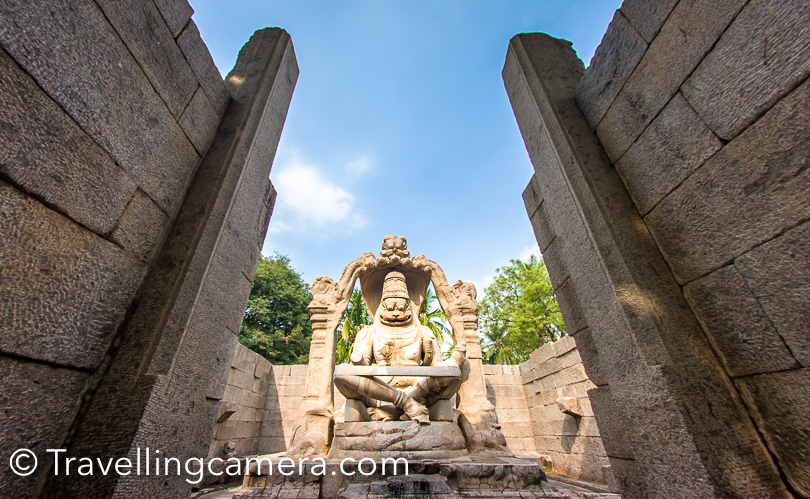
Statue of Ugra Narasimha : This structure is located a little away from other monuments in Hampi. Narsimha statue & Shivlinga temple are located nearby.  Timings of Narsimha temple in Hampi : 5am to 9pm  Entry Ticket Fees for Narsimha temple in Hampi: Nil Camera Charges for Narsimha temple in Hampi: Nil

Explore Karnataka State of India: A Complete Travel Guide for First-Time Visitors


Introduction: When the Landscape Refuses to Stay Still There are places you visit for monuments. There are places you visit for food. And then there are places where the landscape itself becomes the story.

Meghalaya State of India: A Complete Travel Guide for First-Time Visitors


Nestled on the picturesque eastern coast of India, the town of Konark boasts a cultural jewel - the Sun Temple, a UNESCO World Heritage site that attracts visitors from across the globe. However, a perplexing question echoes through the town's narrow lanes and serene beaches: why hasn't Konark witnessed the same level of development that its revered temple suggests? In this exploration, we delve into the factors that contribute to Konark's developmental conundrum.


Odisha State of India: A Complete Travel Guide for First-Time Visitors

To understand the Taj Mahal fully, one must not stop at its gates. Across the Yamuna River lies a quieter counterpart — Mehtab Bagh, or the Moonlit Garden — a space that once framed the Taj within a grand Mughal landscape design. Today it serves as one of the most atmospheric viewpoints for the Taj Mahal, especially during late afternoons and twilight.

Explore Uttar Pradesh State of India: A Complete Travel Guide for First-Time Visitors

I never saw a person throwing garbage on the road and almost every place has dustbins. Many of the taxi drivers keep plastic-bins to keep the waste. Every village is equipped with dustbins which are most of the times made up of waste. This level of awareness and proactive planning is very much required to encourage tourism in right way. Involving local communities always help in maintaining places well and they start seeing huge value in ensuring that places remain clean and well maintained. Most of the folks we encountered were very humble and cheerful.


One of the most exciting places we visited during our road-trip from Noida to Rameshwaram is Gandikota and there are multiple reasons for that. This blogpost will share more about Gandikota, the amazing places to explore around it, along with specially curated list of tips by Travellingcamera.


Nested between the Kandariya Mahadev and the Devi Jagdambi Temples is a small temple knowns as the Mahadev Shrine. The sculpture of a rampant lion fighting a kneeling figure has been installed on the porch. This is supposed to be the emblem of the Chandelas.

12 Photographs to tempt you to plan a trip to Dalhousie & Khajjiar, Himachal Pradesh

Himachal Pradesh - The Himalayan State of India


Himachal Pradesh is a beautiful state with a number of popular tourist destinations like Shimla, Manali, and Dharamshala. However, there are also a number of lesser-known destinations in Himachal that are worth exploring. Here are some not so popular destinations in Himachal Pradesh:


There are plenty of off-beat options as well and if you click on these options, you would find more details about how to reach, where to stay and main places to explore around that specific location/region.


Away from the scorching summer - Over 30 hill stations in Himachal Pradesh that are close to Delhi


If you are visiting North India and wish to explore some of the main hill stations in North India, we have tried to make an attempt to share list of top 10 Hill Stations you should consider. Below are the names of these hill stations, along with reasons about why we picked them for you. It was certainly very hard to chose between plenty of options. Name of every place below is a link and would share lot more details in terms of what all to expect in these hill stations, how to reach these hill stations from Delhi or nearby cities, along with safety & pocket friendly tips. Let's get started and explore some of these options.


Himalayan states of India - Jammu & Kashmir, Himachal Pradesh adn Uttrakhand have seen heavy snowfall in the month of January (2014). Places like Srinagar, Pehalgam, Gulmarg Shimla, Manali, Dalhousie, Dhanachuli & Ranikhet got snow multiple times during the month. This Photo Journey shares some photographs from Ranikhet with a blanket of snow.Ranikhet is a hill station and cantonment town in Almora district in Uttrakhand state of Indian, which is situated around Himalayan ranges. Ranikhet has Military Hospital, Kumaon Regiment (KRC) and Naga Regiment, which are maintained by the Indian Army.  This beautiful town is placed at an altitude of 1800+ meters above sea level and one can see snow covered peaks of the Himalayas throughout the year. And during the winters, this town gets decent snowfall to make the environment more cheerful.Ranikhet town and areas around it becomes very cold in the winters and remains moderate in summers and is best enjoyed from March to October. Ranikhet gets snowfall in the winter season, mainly in the months of December, January and February. And in rest of the months the weather of Ranikhet remains pleasant. Visiting Ranikhet during summers is a must and at the same time an experience during winters is also recommneded.Ranikhet has a very special feel of hill station with adjoining cantonment area. Whole town is very well maintained and as you climb up, there is huge cantonment area with an army museum. Lush green hills of Ranikhet with some lovely views over the distant Himalaya make it more special. While you are walking on main road of Ranikhet, white Himalayas are always on one side. One of the focus in Ranikhet town is a busy market.Ranikhet hills are surrounded by high trees of pine, oak and deodar. Wildlife around ranikhet includes  leopard, leopard cat, mountain goat, barking deer, sambar, pine marten, Indian hare, red-faced monkey, jackal, langur & fox etc. Some of the colorful birds can also be found as you move to the peaceful places around Ranikhet.If you are in Ranikhet during Apple season, you may also want to visit some of the apple orchards around the place, which is very unique experience.When I think about Ranikhet, the peaceful walks come to my mind apart from a military museum and beautiful views of snow covered Himalayan peaks. Although there are few more attractions have been discovered and marketed in last few years. And that's the good part that you have nothing much to do in the town and you get lot of time at peace. You can find some heritage properties around Ranikhet at reasonable rates and negotiation is quite easy in other hotels as well. Ensure that you plan it better.


10 places to find snow in North India


If you are a regular visitor of Travellingcamera, you must have noticed that title of this Photo Journey is not really matching with what we usually share. This post is inspired by lot of queries which come to us, especially in summer.  One of the mostly asked thing is the options to reach Kasol and Malana. Here we are trying to share some details the option to reach Kasol/Malana, places to stay, things to do and lot more. While compiling this post, old memories are coming to my mind. I started this blog in 2008 and never got a chance to go again to Kasol, but my only trip to this region was very exciting with college friends. We planned a trip to Kullu Manali from Shimla and thought of visiting Kasol/Malana as well. This was a week long trip and we spent 3 days walking & trekking around Kasol. When it comes to options of reaching Kasol from Delhi or Chandigarh, the only way to hit this region is by road. It's not connected by railway and flights are not very frequent to Kullu. There is an Airport near to Kasol, which is located in Bhuntar (Kullu) but flights are rare and would be a costly affair. In some of the portals, folks have quoted low rates like 2.5K but I could never find that. There is no rail line in part of Himachal Pradesh. Kiratpur Saheb in Punjab and Una in Himachal are two railway stations around this place. Both of these railways stations are more than 150 kilometers away from Kasol. There is another narrow-gauge line at around 100 kilometers, which is located in Jogindernagar, but it's not recommended except in a scenario when you have enough time and want to experience toy train, which starts from Pathankot and ends at Jogindernagar.So road is only good options to reach Kasol. Now transportation has improved a lot and you have multiple options. There are luxury buses by HRTC are available for Kullu from Delhi, Chandigarh & many other main cities. Even normal buses of HRTC are also quite good and cheapest way to travel. Luxury buses by Himachal Tourism are also available from Delhi. All Volvo buses by HRTC & Himachal Tourism start from Himachal Bhavan in Delhi, which is located in Mandi House near Connaught Place. All these buses go to Manali via Kullu and one needs to get down at Bhuntar to take local bus for Kasol or a taxi. Kasol is located at around 30 kilometers from Bhuntar. Kullu can be reached from Delhi by national highway NH 1 up to Chandigarh and from there by national highway NH21 which passes through Bilaspur, Sundernagar and Mandi towns. Kullu is 480 km from Delhi. There are various options available to stay in and around Kasol. Budget hotels, few resorts and luxury home-stays as well. And this place offers great atmosphere all around. Fresh air , blue sky, parvathi river, local folks, cattle grounds, green hills and lot more. There are various intresting treks around Kasol and Malana. There are various easy, moderate and difficult treks around Kasol village. Kheer Ganga is one of the main treks. Whole Parvati valley is very different and more beautiful from many surrounding hills stations of Himachal Pradesh. There is lot to explore in this part of Himachal, some can be discussed and some are not to be disclosed in public ! Kasol is a village in Parvati Valley of Himachal Pradesh. Parvati River flows through the village. There is a bridge in the village which divides it in two parts known as Old Kasol and New Kasol. Lot of Foreigners can be seen in the streets around this place. Holy place Manikaran is just 5 kilometers from Kasol. Malana is another popular village which is reachable after a moderate trek. We went till Malana and heard a lot of stories about the place. We also got to know that many of the foreigners have come to this place and living here for many years now. Lot of Israelies come to Kasol and one can see the hebrew language banners in parvati valley.  Probably I will share another post only on Malana with some of the mind boggling stories associated with this place, the cannabis and local democracy. Kasol is one of the favorite places for backpackers and also a base for Himalayan trekking to SarPass, Pin Parbati Pass and Kheer ganga. Wish you a great trip to Kasol.


Hidden among the snow covered hills of Shrikhand Mountian Ranges, which are known for their mythological significance and is said to be one of the adobe of Lord Shiva, this unknown village beckon those with an adventurous spirit as its beautiful landscape and lush green valley will take your breath away.


Every year, Himachal Tourism brings the vibrant culture, traditions, and flavors of the mountains to the heart of Delhi with Him Utsav, a grand cultural festival held at Dilli Haat. This much-anticipated event is a showcase of Himachal Pradesh’s rich heritage, offering visitors a chance to experience the state’s colorful traditions, delicious cuisine, and exquisite handicrafts without leaving the city.


Tour de Dharmshala Stadium - A Quick PHOTO JOURNEY inside the beautiful stadium at Dharmshala, Himachal Pradesh : Posted by VJ SHARMA on www.travellingcamera.com : Last project with HPCA provided a good opportunity to explore interiors of Dharmshala Stadium !!! During the break time of T20 Mahasangram finals, I entered into the stadium to see all the VIP lounges, Team Dressing rooms and other special seatings on top floor !!! Check out the quick Photo Journey inside Dharmshala Stadium !!!Dharamshala Cricket Stadium is aonly cricket stadium of international reputation in Himachal Pradesh !!! It serves as the home ground to the Himachal Pradesh state cricket team and also for the IPL team Kings XI Punjab to a limited extent... By virtue of its natural backdrop (3/5th of the stadium is surrounded by snow covered hills...) it is one of the most attractive cricket stadiums in India.In addition to Ranji matches, some international matches are also planned to be held here.. Dharmshala Stadium is going to host threeIPL macthes in 2011 !!! In 2010, a match between Kings XI Punjab and Chennai Superkings held here in which His Holiness the Dalai Lama graced the match of the Indian Premier League (IPL) at the picturesque Himachal Pradesh Cricket Stadium in Dharamshala. The snow covered mountains can be easily viewed throughout the year.. On entering inside the stadium, there is a huge sitting area with lots of photographs of international cricketers from various parts of the world. And this included cricketers from oldest world cups as well !!! I am not sure how this space is utilized during international matches but on that day tea, snacks and lunch was served in this area...Chairs and Tables are well arranged to serve lunch after closing ceremony of Jaypee T20 Cricket Mahasangram !!! This is same hall on ground floor... Parallel to this hall, there are few VIP lounges which were closed on that day ! Seating arrangement inside looked like modern massage chairs :)Extended part of ground floor hall with all the walls decoraed with Photographs of various cricketers in action !!!Although Dharmshala is naturally very rich place and its completely green, flowers and green plants are used inside for decorating the stadium !!! Dharmshala Stadium looked very well maintained and minute things were taken care while designing it.. I am not an expert but I was super impressed with the quality of work saw there...This was something unexpected :) Dharmshala Stadium has different portions and interiors were completely different in all of those sections.. Some parts were were very sober with all modern fittings and furniture, while other parts looked very royal with all the classic fittings in furniture, walls and roofs...Now I started moving up for first floor of the Stadium and preferred to go through stairs instead of lift ! Whole stair areas are decorated with photographs again but sizes were small which looked perfect in these narrow walls !!! Shiny marble fittings on these stairs were giving a feel of five star hotel.. And yes, waling nside the VIP lounges was really like some five star property !!!Here is a view of back side of Dharmshala Stadium. I am not sure if these appartments are for stadium staff or something else.. and the green grounds on left are used for practice.. A wonderful model of Dharmshala Stadium is installed inside the main building of this campus !!!Conference/Meeting hall of Dharmshala Stadium !!! few software folks from Delhi were waiting for Mr. Anurag Thakur to come and launch website of Himachal Pradesh Cricket association. Launch of this website happened just after final match !!!Another photographs of same area where most of the cricket conferences or meetings take place !!! Note a large projector on the front wall with a Photograph of Dharmshala Stadium on it !!!All the walls and pillars in this room were covered  with leather crafts which looked very nice and gel with overall color combination used for flooring and furniture used in this Conference Hall of Himachal Pradesh Cricket Association Stadium !!!Nextto the Conference Hall, there is a VIP lounge with lot of grouped chairs with marble top tables...  This whole area looked like some royal casino of Las Vegas.. I wanted to capture it better but match was about to start after a short drinks break.. So after few clicks I had to rush to other areas if any !!!Here is another photograph of VIP Lounge on first floor of Dharmshala Stadium !!!There was an adjacent hall which was decent and looked not that lavishing... But it was also closed area with decent air-conditioning... I am not sure who uses these halls/rooms during matches but after looking at India-Pakistan Semi-finals, it seemed that area shown in above photograph must be used by our leaders like Chief-Minister/Prime-Minister oe some other important people in our democracy system !!!A nice mirror was lying in the common hall which was connected to VIP Lounge, Conference/meeting Hall,  and other parts which were closed at that point of timeWith this, my quick tour of 10 minutes completed and moved back tothe ground to capture electrifying actions of finalist teams of Jaypee T20 cricket Mahasangram !!!After looking at wonderful interiors of Dharmshala Stadium, I had a question that why international matches are not played in this stadium.. Last year only one IPL match help here... During the closing ceremony of T20 Mahasangram, Mr. anurag Thakur cleared by doubt. because of hospitality services in Dharmshala, international matches can't be played here. Dharmshala has not enough good standard hotels and keeping this in mind HPCA (Himachal Pradesh Cricket Association) has started constructing a Five Star Hotel there !!


The Sports Authority of India Centre in Shilaroo is located at an altitude of 8000 feet in Shimla district of Himachal Pradesh, India. The ground is surrounded by picturesque Narkanda and Hatu peaks, has excellent indoor facilities for handball, volleyball, badminton, basketball, table tennis, fencing and wrestling apart from gymnasium and hostel facilities.     Most of the other facilities were on other side of the main stadium. Hills in the background are famous Hatu peaks.


Small and Beautiful Railway Stations on Kalka-Shimla narrow track: Posted on www.travellingcamera.com by VJ: The Kalka-Shimla Railway built to connect the summer capital of India in 1903 at an altitude of 2076 meters offers a panoramic experience of the picturesque Himalayas from the shivalik foot hills at Kalka to several important points such as Dharampur, Solan, Kandaghat, Taradevi, Barog, Salogra, Summerhill, Shimla and beyond up to the silvery snow line near the towering peaks.Sonwara Railway Station on the way to Shimla from Kalka...Himalyan Queen waits for 30 minutes at this station to let Shivalik Express pass through....  KOTI Railway Station on the way to Shimla from Kalka...I have clicked these photographs during recent visit to Shimla.... We reach KOTI Railway Station after crossing longest Barog tunnel....Jabali Railway Station on the way to Shimla from Kalka...Kandaghat Railway Station on the way to Shimla from Kalka...Located at an altitude of 4680 ft above sea level Kandaghat is the nice place in Himachal Pradesh for you if are looking for a quiet and peaceful vacation. Maharaja Bhupinder Singh built his palace in Kandaghat after which this place received the attention. Raja Bhupinder Singh was the ruler of Patiala and when he was expelled from Shimla, he set up base in Kandaghat. Today, this is one of the most popular destinations to travel in India.  A reflection of Kandaghat Railway Station on train window...Dharmpur Railway Station on the way to Shimla from Kalka..Just 15 km from Kasauli on the National highway No.22 Dharampur has one of the best hospitals in India for the cure of tuberculosis. It is also connected by Kalka Shimla railway line.... Shoghi Railway Station on the way to Shimla from Kalka...SHoghi is a small town near Shimla and now its being developed as new tourist destination in Himachal. There are many resorts with good facilities in Shoghi and have reasonable arrangements for tourist groups..Kandaghat Railway Station on the way to Shimla from Kalka..Delux Rail-Car standing @ Shoghi Station...Tara-Devi Railway Station on the way to Shimla from Kalka...Tara Devi temple is located on Tarav Parvat, in the western side of Shimla. Temple provides an overwhelming view of the mountains below and Shimla Town. Every year thousands of pilgrims visit Tara Devi temple, which has a great spiritual and heritage value. Historically speaking, the temple was built approximately 260 years ago ...Salogra Railway Station on the way to Shimla from Kalka..Kalka Railway Station...Kalka is a town in the Panchkula district of Haryana in India. The name of the town is derived from the goddess Kali. The town is situated in the foothills of the Himalayas and is a gateway to the neighbouring state of Himachal Pradesh. It is on the National Highway 22 between Chandigarh and Shimla and is the terminus of the Kalka-Shimla Railway. To the south of Kalka is Pinjore and the industrial town of Parwanoo (Himachal Pradesh) is to the north on the NH 22. Industrial development has led to a continuous urban belt from Pinjore to Parwanoo, but Kalka remains largely unaffected by these developments. Nearby is Chandimandir Cantonment where the Western Command of the Indian army is based. SHIMLA became the summer capital of British India in 1864 and was also the headquarters of the British army in India. Prior to construction of the railway communication with the outside world was via village cart.The railway was constructed by the Delhi-Umbala-Kalka Railway Company commencing in 1898. The estimated cost of Rs 86,78,500, however, the cost doubled during execution of the project. Because of the high capital and maintenance cost, coupled with peculiar working conditions, the Kalka-Shimla Railway was allowed to charge fares that were higher than the prevailing tariffs on other lines. However, even this was not good enough to sustain the company and the Government had to purchase it on January 1, 1906 for Rs 1,71,00,000.


In the belief system of Himachal Pradesh, devtas are considered divine beings who reside in the natural surroundings of the region. While they are often associated with specific temples or shrines where their idols are housed, devtas are believed to transcend physical boundaries and inhabit various elements of nature.


Road trips are special because they bring unexpected events into your life and some of those events can be  worrisome, but become highlight of the trip. During our recent trip to Pong Dam wetlands, we had something similar. We spent 2 days around Pong Dam wetlands in Himachal Pradesh. There is kilometres of open land around the lake where you walk to see different kinds of birds. On second day morning, we reached there and we were finding an appropriate place to park the car and then walk around. This blogpost shares what happened, how our car got stuck, what all we tried and finally how we got out of that situation :).


Rukmani Kund, located in the Bilaspur district of Himachal Pradesh, is a serene and relatively lesser-known water reservoir surrounded by lush greenery and mythological significance. This tranquil water body holds cultural and spiritual value, as it is associated with tales from Hindu mythology, believed to be named after Rukmani, the wife of Lord Krishna. The kund, nestled amidst natural landscapes, provides a peaceful retreat for travelers seeking solitude and an escape from urban hustle.


In the heart of Himachal Pradesh lies a culinary treasure waiting to be discovered – the famous Luchi of Mandi Town. Amidst the majestic mountains and lush greenery, Mandi offers not only breathtaking landscapes but also a rich gastronomic heritage. Among its culinary delights, Luchi holds a special place, drawing food enthusiasts and travelers alike to savor its delectable taste. Let's embark on a flavorful journey to explore the charm of Luchi served in various shops across Mandi Town.


During recent trip to Pong Dam in Himachal Pradesh, we also thought of visiting Ellora of Himachal Pradesh - Masroor Rockcut Temple. This was approximately 12 kilometers from Nagrota Suriyan and comes on the way to Dharmshala. Let's have a quick Photo Journey to Masroor Temple in Kangra Region of Himachal Pradesh, India.Here is first view of Masroor Temple we get from the neighboring road.Masrur is 32 kilometers from Kangra on Nagrota Surian link road and is famous for remarkable group of rock cut temples. They form a group of 15 monolithic rock cut temples in the Indo-Aryan style and amazingly carved. These awesomely ornamented cave temples are the only rock shrines in the northern part of India.The main shrine contains three stone images of Ram laxman and Sita but the presence of the figure of Shiva in the center of the lintel affords a strong presumption that the temple was originally dedicated to Mahadeva.Here is the what we exactly see after climbing up few stairs from the road. Masroor Temple is on left side, which is surrounded by gated boundary. After 100 steps, there is an entry gate for this temple.  Archaeological Survey of India maintains this site and a ticket of 5 Rs is applicable for each entry inside the Temple.Masroor Rock Temple being located in a sanctuary area of Pong Dam, it's away from ecological threats, but now the focus is on developing a tourism and conservation mechanism that protects it from increase in tourist inflow. In recent times Himachal Pradesh Tourism Department has been successful in making this place visible on various travel maps of India. Now people know this place and plan in their itinerary during any trip to Mcleodganj, Dharmshala, Palampur or Kangr Few days back Light shows were organized during evenings at Masroor Rockcut Temple and Himchal's Chief Minister Mr. Prem Kumar Dhumal was also preset with other important folks of the state. This shows genuine interest of State Government to conserve this place and  make it accessible for Tourists in Himachal Pradesh. State Government is regularly meeting with Archaeological Survey of India to better plan the growth of this placeBuses are frequent from Kangra/Dharmshala to Nagrota Suriyan and Masroor is just 3 kilometers away from this route. We exactly need to get down at Peer Bindli station. From here Masroor Temple is just 3 kilometers, which is a decent walk in hills. If not interested in walking, taxis are also available around the place. Few buses go till temple but need to wait. In Morning there is a bus around 9:10 am, 10:15 am and 11:30 am etc.. Since gap is of approximately 1 hour, one can easily walk till temple and reach in 30 minutes. If you walk, you will see lot of colorful birds on the way. There is a special mention about Masroor Rockcut temples on Himachal Tourism Website - Unforgettable Himachal !!! As of now, nearest place to stay is Kangra or Nagrota Suriyan. There are lot of lots available in Kangra, as it's a decent town around this place and Nagrota has a HPPWD Guest-House. State Government is trying to work with local folks to think about Home Stay Options. Himvani talks about some plans of government to promote Tourism in Masroor and Pong region - HerMasroor Temple is located on a Hill top from where marvelous view of Dhauladhar Mountain Ranges can be seen. We visited this place twice during two days and will share some sunset photographs from this place. Snow Capped hills of Dhauladhar Himalayas look amazing in Sunset colors. Mountains look pinkish as if all of them are colored for this special moment.Here is a Photograph showing reflection of few of the temples in this campus. There is a water pond in front of Masroor Rockcut Temples. During day time,  clear reflection of Masroor Monolithic temple can be seen in this water pond. Here is a another Photograph with water reflection of Masroor Rockcut Temple in Kangra District of Himachal Pradesh, India. Local panchayat of Masoor viallge is situated on left side of this location and there is Government school on the right. As of now this School is in Temple's campus area and ASI has requested State Government to move this school to another location as any construction within 100 meters of this historical temple is not allowedThere is a temple in the middle of this campus which is dedicated to Ram, Seeta and Lakshman. Above Photograph shows the same temple in Masroor Monolithic structure with one of the employee on the right. Two employees at any point of time are deputed on this location, which means 24 Hrs duty throughout the year. There are approximately 8 employees to take care of this place and all are appointed by Archaeological Survey of India.These temples are mainly double storey and the roof is accessible through add sized staircases. Height of each staircase is more than usual stairs. Some of the portions on top are bound with iron rods. It seems that water is harmful for these rocks as they seem soft and some of the parts have severe cracks and colors around those cracks made us believe that temples need more care in rainy seasoHere is a photograph of students of Government school in Masroor which is located in temple area only. This Photograph is clicked from roof top of the monolithic temples. Calm and peaceful environment around this place makes it a perfect place for school and studiesHere is a Photograph clicked from surrounding hill and shows approximately whole Temple area with Water pond in front of it.  In fact, all these temples seems to be made up of a huge hill in MasrooIn India, the rock-cut style started in the reign of the Pallava king Narsingha varman I Mahamalla (630-668 A.D.) during the first half of the seventh century .   It reached its climax in the Kailasha temples at Ellora which were taken in hand during the reign of the Rashtrakuta King Dantidurga (753- 756 A.D.) and finished during that of Krishna I (758-773 A.D.). Though rock-cut caves are common in South India, yet temples cut out of freestanding rocks, known to archaeologists and art critics, are only four in number-'Rathas of Mammalapuram', 'Kailashas at Ellora', 'temple-complex at Masrur in Kangra' and the 'Dharmnatha temple at Dhamnar', 65 miles to the South-East of Jhalra Patan in Rajasthan. The Rathas and the Kailashas are built in the Dravidian style, whereas the Masrur and Dhamnar ones are in the Nagara style. Masrur beats its Nagara rival in situation, size and execution. The Masrur complex has 15 temples, the Dhamnar has only 8. At Masrur temples not separate from it surround the central shrine, buat Dhamnar the smaller ones are entirely separate from the main one. Carvings and ornamentation at Masrur are of a much superior order than at Dhamnar and the length of the latter is one- third of the former. The Dhamnar group has been built in a pit-like hollow, whereas the Masrur group is on top of a 2500 feet high hill range. One looks below, the other looks up. One depresses, the other elates. In point of situation, Masrur beats the other two also. Ellora Kailasha are built in a pit a hundred  feet. However, Kailasha at Ellora is a supreme creation, one of the wonders of the world. (Courtesy - http://123himachal.com/temple/masroor.htmA view of Masrur Monolithic Temples from a short-cut path which connects temple with Masrur village on a hill below it.Rockcut style is much more difficult than the structural one. In Structural, the artist shapes the materiahttp://www.blogger.com/post-create.g?blogID=1036234607292296397l as s/he likes, whereas in the former the Material determines the way the artist should move, which must be a case of Masrur temples. The limitation makes an artist creation out of a rock a most difficult task and the ability with which the remote artist of seventh and eighth centuries carried out their purpose is superhuman.  Only a few of the original shikharas stand and some of the most beautifully carved panels are now in the state museum, Shimla. The main shrine dominates the center. Although the remote location of these temples protected them from the invading army of Mahmud Ghazni and their stone construction prevented severe damage in the 1905 earthquake.  This earthquake had some severe impact in Kangra region of Himalayan StateA small room is built on the entry of Masrur Temple, probably for ticket distribution. It's not in use and tickets are available on main entry gate of this temple.


If you are visiting North India and wish to explore some of the main hill stations in North India, we have tried to make an attempt to share list of top 10 Hill Stations you should consider. Below are the names of these hill stations, along with reasons about why we picked them for you. It was certainly very hard to chose between plenty of options. Name of every place below is a link and would share lot more details in terms of what all to expect in these hill stations, how to reach these hill stations from Delhi or nearby cities, along with safety & pocket friendly tips. Let's get started and explore some of these options.


Parashar Lake is a high-altitude lake in the Mandi district of Himachal Pradesh, situated at about 2,730 meters (8,960 feet) above sea level. Surrounded by the Dhauladhar range of the Himalayas, this pristine lake is not only a natural wonder but also a revered religious site, housing the Parashar Rishi Temple, a 13th-century wooden temple dedicated to the sage Parashar.


Nestled amidst the majestic hills of Himachal Pradesh, the town of Mandi comes alive every year with the vibrant colors, joyous melodies, and spiritual fervor of the International Shivratri Fair. This centuries-old tradition, steeped in mythology and folklore, beckons devotees and travelers alike to immerse themselves in a celebration of divinity, culture, and community. Join us as we embark on a journey to explore the magic and magnificence of this iconic festival.


It's impossible that I don't visit Viceregal Lodge, while in Shimla. I visited Shimla in Oct, 2011 and had a very quick visit to Indian Institute of Advanced Studies as well. Let's check out a quick PHOTO JOURNEY to Viceregal Lodge, Shimla !!!There is a huge lawn in front of this building and initially people were allowed to relax here, but due to some reasons now tourists are not allowed to walk over this lawn. There are dedicated paths around this lawn to enjoy the beauty of this place.Viceregal Lodge in Shimla was designed by Henry Irwin who was an architect in the Public Works Department at that timeViceregal Lodge or IIAS, Shimla is situated on a hill top near Summerhill (Shimla-05). Like other forts in India, this is place was chosen because of security reasons as most of the surrounding places were visible from boundaries of this building. There are some wonderful views of surrounding hills from this building. Now mainly Tutoo region is clearly visible and others are hidden by dense forest !!Thereare two wonderful gardens around Viceregal Lodge. One is near this lawn and other is in the backyard. The one in backward is famous one among couples of Himachal Pradesh University :) ... But now, it's not that popular as other options are available..The Viceregal Lodge had electricity as far back as 1888 which is much before the rest of the town of ShimlaThere is no ticket for getting access to Viceregal campus but one needs to buy a ticket to see it inside. various areas of Viceregal Lodge are well preserved. The room where Gandhi met other officials on Pakistan matter is well preserved along with various things used that time. A Bell made of eight metals which was presented by the king of Nepal was available to be admired by tourists.Here is top view of Viceregal Lodge in Shimla. Some text is carved on top of it, which probably explain about it's construction year and relevant details. You can notice Indian Flag on top of Viceregal Lodge !!This is first view if we reach Indian Institute of Advanced Studiesthrough a steep climb from Boileuganj. This is place is main market near Himachal Pradesh University... This is the main place to get buses for different parts of shimla. Tutoo is on one side, Chakkar is on other and Shimla Bus stand of forth angle.Viceregal Lodge which is also known as Indian Institute of Advanced Studies now, was equipped with an sophisticated fire fighting mechanism through wax tipped water ducts. Many historic decisions have been taken in Viceregal Lodge during the Indian independence movement.The Simla Conference was held here in 1945.And the decision to carve out Pakistan and East Pakistan from India was also taken here in 1947.After India gained independence, the building was renamed Rashtrapati Niwas and was used as a summer retreat for the President of India.However, due to its neglect, Dr. S Radhakrishnan decided to turn it into a center of higher learning, which was quite a good decision. The summer retreat of President was shifted from here to a building known as


Being a native of lower-Himachal, I always wanted to a Kinnauri Wedding. We had heard a lot of weddings which happen in upper himachal which is full of apple orchards and other fruits. During my sabbatical we were out for Kinnaur expidition and had few quick glimpses which we wanted to share. Check out this Photo Journey to know more about weddings which happen in Kinnaur region.Some time back Jitendra, an acclaimed Travel Photographer, shared some great photographs from Kinnaur at  http://phototravelings.blogspot.com/2013/02/snow-covered-region-of-kinnaur-district.html This Photo Journey shares overall culture of Kinnaur region very well. I thought of re-sharing the link so that new viewers/readers can check out other details about the place as well. This is the typical band which is used in wedding of Kinnaur and upper shimla region of Himachal Pradesh. The main dance form during the marriages in Natti.  Nati is among the most important dance forms among the Performing Arts of Himachal Pradesh. Through the slow swaying movements of body, the dancing men and women celebrate the occasion. Nati-Folk Dance in Himachal Pradesh is performed by people dancing in the form of circles, or sometimes in rows. The performers generally wear richly hued costumes, attach a feather in their hair and with a sweet smile dance in slow rhythm. Since it was a sudden encounter, so not very sure what exactly is happening here. We could not see the groom in this whole group. It seems that family & relatives of bride were going to some temple for worship. If you notice, the lady who is next to the bride is carrying a plate with leading lady having a bell, which is usually used for worship only. At current time, Kinnauras do not constitute a homogenous group and display significant territorial and ethnic diversity. For a better understanding of ethnic and cultural distribution, the Kinnaur District may be classified into three territorial units. Lower Kinnaur comprise area between Chora at the boundary of the Kinnaur District with Rampur Bushahr and Kalpa including Nichar and Sangla valleys. Which means that the photographs in this Photo Journey belongs to lower Kinnaur. The middle Kinnaur is the area between Kalpa and Kanam including Moorang tehsil and rest is upper Kinnaur. The Bridge caught Travellingcamera capturing their photographs. Surprizingly there were very few men around this whole group


Mandi Town, nestled in the serene valleys of Himachal Pradesh, India, is a place where spirituality meets natural grandeur. Stepping away from the hustle and bustle of city life, I embarked on a journey to explore this picturesque town on foot, immersing myself in its rich cultural tapestry and breathtaking landscapes.


Lush green meadows, grazing sheeps, beautiful cottages, high deodars and high hills of Khajjiar makes it a popular destination for traveller, explorers and tourists from India & abroad. Khajjiar is also known as mini Switzerland of India. Khajjiar is located on the way from Dalhousie and Chamba. This Photo Journey shares more about the ways to reach Khajjiar and other interesting things to explore & do around Khajiar/Dalhousie.How to reach?Here I am sharing details about reaching Khajjiar from Delhi and then will share some pointers about options from Chandigarh, Amritsar, Jalandhar etc. HRTC bus for Chamba starts from Delhi at 7pm. The link shares has more details about booking bus from Delhi to Dalhousie. The one which starts at 7pm is 2*2 AC bus. Apart from this 2 ordinary buses go from Delhi to Chamba/Dalhousie. Any of these buses can drop you at Dalhousie, which is closest main station near Khajjiar. Khajjir is just 22 kilometers from Dalhousie.   Other option to reach Khajjiar is by taking a train from Delhi to Pathankot. From Pathankot, you can either hire a taxi or board local bus from Dalhousie. Please note that most of the buses going to Chamba can drop you at Dalhousie but there is rare possibility to find direct bus for Khajjiar. There are few buses from Dalhousie to Chamba which cross through Khajjiar. There is one which starts from Dalhousie at 9:15am. When I was staying in Dalhousie, I chose to take this bus to reach Khajjiar and then took 2:30pm bus to come back. Expect lot of passengers in these buses between Dalhousie and Khajjiar.   If you are coming from other cities like Chandigarh, Amritsar, Jalandhar, Dharmshala or Shimla; there are various bus routes. Check HRTC, PRTC websites to know timings. Apart from these private buses are also available for Dalhousie. Hope these details are helpful. If not, please drop a comment with your specific question and I will try to share appropriate details. Let's talk about options to stay around Khajjiar. Where to stay? I have been to Khajjiar many times, but most of the times stayed in Dalhousie. I wish to spend a night around Khajjiar. There is one HPTDC hotel which faces Khajjiar lake (dry lake). Apart from this there is one forest guest house and a HPPWD guest house around Khajjiar. All of these beautiful properties are best located around lush green meadows of Khajjiar. Apart from these prime location properties, there are few resorts around Khajjiar, but they are not around the main lake. 3 options mentioned above offer brilliant views of lush green grounds of Khajjiar. During summers, it's hard to get booking in Khajjiar. The next good option is Dalhousie. Dalhousie has comparatively more hotels & resorts. But it's recommended to do advance booking if you are going to Khajjiar or Dalhousie in main tourist season. Activities at Khajjiar -   1. Paragliding - Now you can enjoy paragliding at Khajjiar. Like Solang nala, kids can also enjoy small flights within Khajjiar and adults can enjoy the longer flights from surrounding hills, which usually land in Khajjiar. 2. Horse riding - You can ride around the Khajjiar. There is a proper path defined for horses and this is one of the early & popular activity to enjoy at Khajjiar. The horse owners also tell you few tricks to ride the horse. On the halfway, you feel like controlling the horse on your own :). That's fun ! 3. Zorbing - You would see zorbing balls rolling on other side of Khajjiar lake. 4. Photo shoot in Himachali dress - This is typical activity which is offered in most of the hill stations in Himachal and Kashmir. I think, I need not explain this more. 5. Interacting with rabbits and getting some photographs clicked - You would find few kids with rabbits. They allow you clicking photographs with these rabbits and charge 10 rs. During tourist season, they may ask 20 rs or so. 6. Enjoy local folk music - There is a gentleman, who sings local songs around the dry lake of Khajjiar. He sings brilliantly and you can find his videos on Youtube.You can carry your own stuff with you. Many times, we carry Badminton, frisbee, a football and picnic stuff. Khajjiar is appropriate place for picnic. Folks living in Dalhousie and Chamaba usually come to Khajjiar during sundays with friends and family.Main places to  explore around Khajjiar - Dalhousie - Churches, Mall road, walks Panchpula Waterfalls Dainkund TrekKalatop wildlife sanctuary trek, Chamera Lake Dam, Chamba Town - Bhuri Singh Museum, Laxmi Narayan Temple, Chattradi Temple, Chugan and lot more , Ravi river , View of snow covered Pir Panjal mountain ranges, I was there in Khajjiar again in August and it looks awesome in the month of August & September. It was a day out with my niece Urvi and enjoyed clicking her photographs. Above photograph shows deodar cones. August is the month when you can see all these cones on deodar trees. Khajjiar is surrounded by dense forest of high deodars. There is water in the middle of the lake. More than water, it's quicksand. This wooden pathway takes you to the water pond and this time I saw lot of fish in this. Although scene is not very interesting. Kids really enjoy to see fish in the pond. A gentleman sits around this place and sell some eatable for the fish. That's a good way for kids to interact with fish. Direct sunlight, fresh & cold breeze, lush green meadows, grazing sheep & cows, beautiful huts surrounded by dense forests of Deodar make Khajjiar a irrisistable place in Himachal Pradesh . Khajjiar is my favorite place around Dalhousie and Chamba regions of the himalayan state. Here is a panorama of Khajjiar. Notice the size of people walking around and try to imagine the size of this beautiful green meadow. It's huge. If you love walking, this is perfect place with appropriate weather. At times sun can be too harsh, so choose to walk around the edges with shade of deodars. Hope this post would help you plan your trip to Khajjiar and by now you must have an idea about things to expect at Khajjiar. Please feel free to drop your comments for further questions or suggestions.


Nestled in the picturesque Lahaul Valley, Gondhla Fort is a captivating blend of history, architecture, and natural beauty. Located in the quaint village of Gondhla, about 18 km from Keylong on the Manali-Leh highway, this fort is a testament to the region’s rich heritage and strategic importance in ancient times. Built in the 17th century, the fort was the residence of the Thakur (chief) of Gondhla, showcasing Himachali craftsmanship and traditional architecture.


Nestled amidst the picturesque hills of Himachal Pradesh, the quaint villages of Garli and Paragpur stand as living testaments to the region's rich cultural heritage and architectural splendor. Steeped in history and adorned with magnificent old havelis, these twin villages offer a glimpse into a bygone era, where opulence and grandeur were the hallmarks of everyday life. Join us as we embark on a journey to unravel the timeless charm of the old havelis of Garli Paragpur.


Nestled in the Lahaul Valley, Sissu transforms into a breathtaking spectacle of colors during autumn. Known for its tranquil beauty and proximity to the Chandra River, Sissu becomes a paradise for nature lovers as the season changes. The village, often referred to as the “Gateway to Lahaul,” comes alive with hues of golden yellows, fiery reds, and deep oranges, creating a mesmerizing landscape that contrasts beautifully against the snow-capped peaks of the Pir Panjal range.


Naggar Castle, perched in the Kullu Valley of Himachal Pradesh, is a historic marvel that blends medieval architecture, natural beauty, and local art. Built in the 15th century by Raja Sidh Singh of Kullu, this castle showcases the unique Kath-Kuni architectural style, which uses stone and wood to withstand earthquakes common in the region. Naggar Castle now serves as a heritage hotel and a cultural landmark, attracting visitors eager to explore its royal past, stunning views, and ancient charm.


Recently Sourav sent us a message - ‘ Hi VJ, i am planing to visit Himachal Pradesh in this January with my friends. We are planing to visit in 4 places. Dalhousie, Dharmashala/Mcleodganj, Manali, Shimla. We have total 7 days in our bucket so can you please tell how we can split 7 days among this 4 places....Thanks in advance….’ and frankly it’s never recommended to plan for 4 places in 7 days and here we are talking about 3 corners of Himachal Pradesh. So I would recommend to skip one of the destination if you only have 7 days.


The Kalij Pheasant belongs firmly to the second category.  Among the many pheasants found across the mountains of South Asia, the Kalij is perhaps one of the most rewarding birds to encounter because it rarely gives itself away easily. A rustle in the undergrowth. A sudden movement beneath an oak tree. A dark shape running across a forest trail. And then, just when you are trying to understand what you saw, it disappears.

Comments

Trending Post Today !

How to reach Kasol/Malana and top things to do around this stunning hill-station of Himalayan State of India

Main places to see & Top things to do around Dalhousie : Stunning Hill Station in Himalayan State of India