Uttarakhand State of India: A Complete Travel Guide for First-Time Visitors

Throughout the stay, we made a point to explore the forest early in the morning. Binsar Wildlife Sanctuary is full of colorful birds. One needs to be patient and calm to enjoy these beauties of the forest.


Introduction: Where the Mountains Ask You to Slow Down

The Hill Stations of Uttarakhand are easy to photograph and surprisingly difficult to truly experience.

At first glance, the formula seems familiar: pine forests, winding mountain roads, snow peaks, colonial cottages, temples and viewpoints. But spend a little more time here and the landscape begins to reveal another personality. A woman carrying fodder up a steep village path. Smoke escaping from a slate-roofed kitchen. A roadside tea stall where the owner knows every bend of the road. Children returning from school along a trail that does not appear on Google Maps.
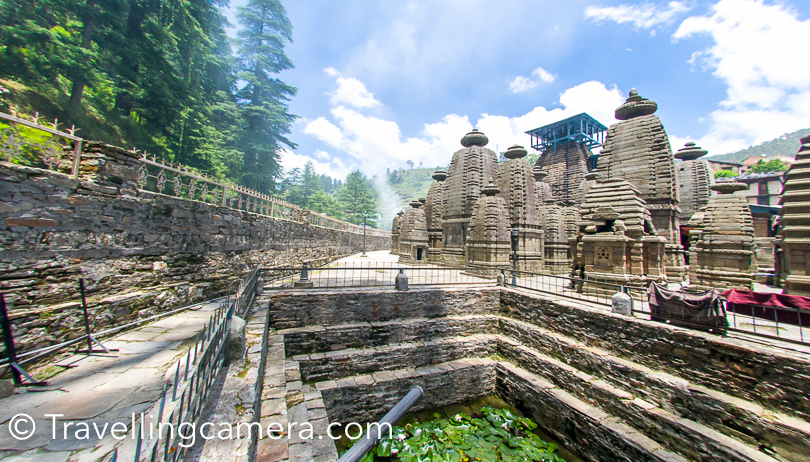
During our visit to Binsar in Uttarakhand, we also planned a day trip to Jageshwar Dham. I had heard a lot about the group of ~125 temples and Jageshwar weather. Jageshwar Mahadev temple is surrounded by high deodar  trees and hence Jageshwar temperature is usually very pleasant. There is a beautiful water stream with cold water. There is lot more than these deodar trees, water streams & temples, which we will discuss in this blogpost along with details like how to reach Jageshwar Mahadev, where to stay/eat etc.

That is the Uttarakhand I find most compelling.

The state is often described as Devbhoomi, or the "Land of the Gods", because of its extraordinary concentration of pilgrimage sites, sacred rivers and mountain temples. But Uttarakhand is also a landscape of old trade routes, forest communities, folk traditions, military cantonments, colonial hill towns and extraordinary Himalayan biodiversity.

Rafting or white water rafting is one of the challenging recreational outdoor activity using an inflatable raft to navigate a river or other bodies of water having different levels of water-current. This is usually done on white water or different degrees of rough water, in order to thrill and excite the raft passengers. Rafting is considered an extreme sport, as it can be dangerous as times. This Photo Journey shares some of the photographs of Rafting in Risikesh, which is one of the popular places in India to do White Water Rafting.Recently we were in Rishikesh with office friends and Rafting was one of the top item in our list of things we wanted to do. We started in bus from Aspen Camps in Rishikesh and then boarded to jeeps with rafts. We had to start from Marine Drive which is a huge Ganges beach with enough space for folks to prepare and get started. Marine Drive is a place, strategically identified to start Rafting. Shivpuri is another preferred place to start Rafting. Idea is to make people comfortable with various types of water-rapids and then gradually start enjoying various stretches in river. Ganges provides a good range of water rapids and makes rafting an unmatchable experience.Rishieksh is one of the main places to do rafting in North India. Long time back I had done rafting in Vyas River near Kullu and that time all other rafters were professionals and I was covering a particular camp for Tourism Development program. Since I was not much involved in rafting activities, I couldn't enjoy it much that time. At Rishikesh, we had a wonderful coach/leader, who made rafting experience as great fun.After reaching Marine Drive Ganges beach, everyone of us got life jackets, a pedal and helmet. All three important things were with us and coach told us the best ways of using these three. All set with tight life-jacket, well settled helmet and appropriately gripped pedals we stepped into the raft after cleaning our feet in ganges water. It's recommended not to bring sand particles inside the raft, which can harm later. The coach threw chilling ganges water on us to start the journey in chilled water of ganges with different current levels. Coach with one of other Rafting professional entered into the raft. Then he briefed everyone of us about different commands like fast forward, move backward, stop etc. Initially it was difficult for us to gram every details of each command, but every command was very important for best rafting experience.Apart from basic Rafting commands, coach/leader also tells about basic rules of White Water Rafting. He also understands about each person sitting in the raft about their past experience with water. He also shares some basic steps for people who are not comfortable while sitting in raft. Of course, there are some standard rules to sit on a raft and make yourself comfortable even when body needs to stick with raft through feet in a particpular position. The Thumb rule is to listen your coach and follow him without any alternation, even in difficult situation. Idea is to trust the coach/Leader and follow his/her commands with any panic.So we started with baby steps and raft started moving towards Rishikesh (Lakshman Jhoola). For first 10 minutes, we were really slow and it was more of practice session, wehere coach was making us prepared for following his commands throughout the whole stretch we had to do in river. After practicing all the commands and moving our raft in circle, coach/leader asked us to stand on boundaries of raft and balance with pedal mounted on raft top. None of us could gather courage to stand on the boundaries and negotiated with coach/leader to stand inside the raft and try to balance with pedals. It was one of the major test for us and raft moves a lot. Many times, some of us stumbled and others were getting impacted because of imbalance. This task completed and coach/leader asked us to move forward.First we encountered Good Morning Rapid which is the beginning of Rafting experience. Good Morning rapid always come of the way and it doesn't matter that what was your starting point :). It was very basic but yet exciting because of first encounter with relatively fast flow of water-waves. Before hitting the rapid, some of the screaming while others were laughing to hide the fear :)All these photograph in this Photo Journey are clicked day before we did rafting. One day before we did rafting, we kept going to different places around river bed to shoot rafts sailing through high rapids of Ganges white water. Above photograph shows one of the raft getting up side down at Golf Course. One of the other leader jumped into the water to rescue raft and then every rafter. Within 5-8 minutes everyone was back on top of raft and moved forward towards Laxman Jhoola, which was end point. In such situations, ideally, everyone should listen carefully to what leader says and follow with panic. Things can get worse in case of avoidance of leader commands.The modern rafts are inflatable boats, consisting of very durable, multi-layered rubberized (hypalon) or vinyl fabrics (PVC) with several independent air chambers. The length varies between 3.5 meters and 6 meters, the width between 1.8 meters and 2.5 meters. The exception to this size rule is usually the packraft, which is designed as a portable single-person raft and may be as small as 1.5 metres long and weigh as little as 1.8 kilograms.Rafts come in a few different forms. In Europe and Australasia, the most common is the symmetrical raft steered with a paddle at the stern. Other types are the asymmetrical, rudder-controlled raft and the symmetrical raft with central helm (oars) or Stern Mounts with the oar frame located at the rear of the raft. Rafts are usually propelled with ordinary paddles and or oars and typically hold 4 to 12 persons. In Russia, rafts are often hand made and are often a catamaran style with two inflatable tubes attached to a frame. Pairs of paddlers navigate on these rafts. Catamaran style rafts have become popular in the western United States as well, but are typically rowed instead of paddled.Check out more at - http://en.wikipedia.org/wiki/RaftingAfter Good-Morning rapid, we crossed - Black Money, Three Blind Miles, Cross Fire, Shivpuri, Return to center, Roller Coaster, Tea off, Golf Course, Club House, Initiation, Body Surfing, maggie point & Cliff jumping, Double Trouble, Hilton and fianally Ram Jhoola. I went till Golf Course only and most of the other rafts from our group ended at Lakshman Jhoola.The most suitable time for River Rafting in Rishikesh is from September to November and from March to April-May. One of the best rivers in the world to experience the sheer exhilaration of white water rafting, it is the sheer invincible power of the Ganga river that often attracts the adventurer to the challenging sport of river rafting at Rishikesh.Generally White Water Rapids are divided into 6 levels of difficulty.Grade 1: Very small rough areas, might require slight maneuvering. (Skill Level required is very BasicGrade 2: Some rough water, maybe some rocks, might require some maneuvering. (Skill level: basic paddling skillGrade 3: Whitewater, small waves, maybe a small drop, but no considerable danger. May require significant maneuvering. (Skill level: experienced paddling skills)Grade 4: Whitewater, medium waves, maybe rocks, maybe a considerable drop, sharp maneuvers may be needed. (Skill level: whitewater experi\\Grade 5: Whitewater, large waves, large volume, possibility of large rocks and hazards, possibility of a large drop, requires precise maneuvering. (Skill level: advanced whitewater experience)Grade 6: Class 6 rapids are considered to be so dangerous that they are effectively unnavigable on a reliably safe basis. Rafters can expect to encounter substantial whitewater, huge waves, huge rocks and hazards, and/or substantial drops that will impart severe impacts beyond the structural capacities and impact ratings of almost all rafting equipment. Traversing a Class 6 rapid has a dramatically increased likelihood of ending in serious injury or death compared to lesser classes. (Skill level: successful completion of a Class 6 rapid without serious injury or death is widely considered to be a matter of great luck or extreme skill and is considered by some as a suicidal venture)In Rishikesh, we have crossed rapids of Level-3 difficulty as max. But it was great fun to face level three rapids. Water comes on to your body and pushes back and sometimes people get down into the water due to thrust.White water rafting can be a dangerous sport at times, especially if basic safety precautions are not observed. Both commercial and private trips have seen their share of injuries and fatalities, though private travel has typically been associated with greater risk. Depending on the area, safety regulations covering raft operators may exist in legislation. These range from certification of outfitters, rafts, and raft leaders, to more stringent regulations about equipment and procedures. It is generally advisable to discuss safety measures with a rafting operator before signing on for a trip. The equipment used and the qualifications of the company and raft guides are essential information to be considered.Like most outdoor sports, rafting in general has become safer over the years. Expertise in the sport has increased, and equipment has become more specialized and increased in quality. As a result the difficulty rating of most river runs has changed.

For photographers, this variety is a gift.

You can photograph mist rolling across a lake at dawn in Nainital, walk through oak forests around Binsar, watch the last light touch the peaks from a Kumaoni ridge, or spend an afternoon photographing ordinary life in a mountain bazaar.

Adventure is the first word that comes to mind when we hear about Rishikesh. Rafting is of-course the primary adventure sport of Rishikesh but now there are various companies with are organizing Rock Climbing, Rappelling and Trekkings around Rishikesh. There is another company which is specialized for Bungy Jumping and Flying-Fox. Let's check out from Photographs and exciting videos from our latest trip to Rishikesh, Uttrakhand (INDIA).Here is an interesting video of Bungy Jumping. Swapnil was the first one to try this and then one more group member did it.Rumjhum, Sanchit & Garima enjoyed Flying Fox at Rishikesh. This sounded more exciting to me. Garima really had fun doing Flying Fox as well as Bungy Jumping at Rishikesh.We were staying at ASPEN Camps and they arranged Rock Climbing & Rappelleing for us. Although this experience was not that exciting but I am sure that there must be some great places in Rishikesh to have good Rock-Climbing & Rappelling experiences.During our stay at Rishikesh, we noticed various Rappelling places around Ganges. While we were rafting, we noticed many camps near Ganges and organizing such sports activities for guests.Rafting is no doubt a special adventure sport of Rishikesh and it's sort of synonym for Rishikesh. Majo tourism in Rishikesh is because of Rafting & spirituality associated with Ganges.Trekking to various places around the hills is one of the exciting activities that I love a lot. These were waterfalls that we explored during our stay at Rishikesh.

And sometimes, the best photograph is the one you almost missed because you stopped to drink tea.


Recently we realised that some of the places we explored before 2010 are not well covered on the blog and even if covered, the content quality is very poor. It's a continuously learning experience and what we are going to publish today may become irrelevant or demand refurbishing after a few years. Mukteshwar  trip to us was very special as this was planned with some of the office colleagues and was sort of impromptu trip to the hills from Noida. At least I can say  that I didn't do anything for planning this trip. My friends took care of booking a cab and the hotel. Rest of the things are relatively easier to plan or can be taken care on run time.   Related Blogpost - Top Offbeat & Stunning Hill Stations of Himalayan Mountain Ranges in North India

Why Visit Uttarakhand?

Uttarakhand is one of those rare destinations where a single trip can mean completely different things to different travelers.

For some, it is about Himalayan trekking and high-altitude landscapes. For others, it is spirituality, yoga and pilgrimage. Families gravitate towards Nainital and Mussoorie, while photographers and slow travelers often find themselves drawn towards places such as Binsar, Munsiyari, Chaukori, Khirsu, Mukteshwar and remote Kumaoni villages.

Mukteshwar is located in Uttrakhand state of India and Chauli ki Jali is very exciting place for adventure lovers. I also had an exceptional experience of rock climbing at same place. Chauli ki Gali is a huge rock standing still on a hill and facing a deep valley.

The state officially promotes experiences ranging from wildlife and adventure to wellness, spirituality and cultural tourism. Its landscape runs from river valleys and sal forests to alpine meadows and high Himalayan terrain.

What makes Uttarakhand particularly rewarding is the change in character as you move between regions.

How to reach Nainital by Road:     Nainital has good road connectivity with several cities and small towns of north India. Daily bus service to Nainital is available from Delhi and Kathgodam. There are quite a few options in terms of luxury AC buses, semi-delux AC buses and transport buses. Boarding an overnight bus from Delhi is the most convenient way to reach Nainital and that what I have during my early trips to Nainital.

Kumaon feels different from Garhwal

This is something first-time visitors often overlook.

The Kumaon region, towards the eastern side of the state, has its own architectural traditions, food, dialects, folk culture and mountain landscapes. Almora, Binsar, Ranikhet, Mukteshwar, Chaukori and Munsiyari belong to this broad cultural landscape.

Walking through the lively streets of Rishikesh, you might encounter a man selling tea, his appearance strikingly similar to that of a sadhu. His long, unkempt hair, often tied in a loose knot, and serene demeanor instantly draw attention. As he pours steaming chai into clay cups, his slow, deliberate movements reflect the calmness of the town’s spiritual vibe. The aroma of freshly brewed tea mingles with the chatter of passersby, offering a moment of warmth and connection amid the bustling streets.

Garhwal, meanwhile, has its own identity and traditions, with places such as Lansdowne, Pauri, Chopta, Auli, Tehri and the pilgrimage valleys forming a very different travel experience.

You don't really "see Uttarakhand" in a single weekend.

You see a small piece of it.


Above photograph is clicked inside the Mukteshwar Forest and clearly shows that my photography skills were extremely poor back then.

Hill Stations of Uttarakhand: The Classic Destinations

Nainital: A Lake Town Best Experienced Before Breakfast

Nainital is probably the most recognisable of the Hill Stations of Uttarakhand.

The town sits around Naini Lake at roughly 2,000 metres and is surrounded by seven hills traditionally known as Sapta-Shring. The lake itself is deeply embedded in local mythology, while the town developed an important colonial identity and served as the summer capital of the United Provinces during British rule.

Walking along the ghats, you’ll encounter sadhus meditating, children playing by the river, and locals dipping into the sacred waters. The air is filled with the sound of soft chanting and birdsong, making it an ideal moment for introspection and gratitude.

But Nainital can feel very different depending on when you arrive.

Walk around the lake at 6:30 in the morning and you may encounter a completely different town from the one you see at noon.

The lake is quieter. The light is softer. Shopkeepers are opening shutters. Morning walkers move along the promenade. Reflections are often cleaner, particularly when the wind is low.

It started with Sumant's generous invitation to visit Dhanachuli and to explore the Kumaun region with 'Te Aroha' as the base. I was super-excited about this trip and the real journey started on 4th October. This Photo Journey shares some of the moments from the journey from Anand Vihar Railway Station(Delhi) to Kathgodam & Dhanachuli, which was our final destination for the day. We reached Anand Vihar Railway station at 5:15AM to catch Kathgodam Shatabdi which was supposed to start at 6:15AM. We had a cup of tea at Railway station and started waiting for the train. There are three platforms on this railways station. On one platform, there was another train which was going to North East at 6:50AM and there were continuous (irritating) announcements throughout. And at the same time, another announcement was happening that Kathgodam Satabdi has been delayed because of some technical problem. Hills on our mind were enough to motivate us for waiting on the platform. Finally we heard a good announcement that train is coming towards the platform. It started at 7:15 from Anand Vihar railway station, but managed to reach Kathgodam on time - 11:45AM. Sumant was driving from Delhi on same morning and he met us at Kathgodam station. So there was a blue Ford Endeavor outside railway station, which was waiting for us. Vibha, Mukta, Divya, Aanchal & Aditya were also accompanying us for next journey towards Dhanachuli. Kathgodam is in foothills and next journey was through hilly terrains. As we started climbing up towards Bheemtaal, clouds also chose to follow us and suddenly it became very misty all around. It was a great welcome to Uttrakhand. By road one can approach Dhanachuli through following route : Delhi - Hapur Bypass - Muradabad Bypass - Rampur - Bilaspur - Rudrapur - Haldwani - Kathgodam - Ranibagh - Bhimtal - Khutani - Padampuri - Dhari - DhanachuliFor more details, check out - http://www.tearoha.in/tearoha_map.pdf This was my first visit to Uttarakhand after the floods in June'2013 but I couldn't see any signs of the disaster. When talked to our driver, I got to know that Kumaun region had remained largely unimpacted by those floods. Basically Uttrakhand can be divided into two parts - Kamaun & Garhwal. Kumaun includes the districts of Almora, Bageshwar, Champawat, Nainital, Pithoragarh and Udham Singh Nagar. It is bounded on the north by Tibet, on the east by Nepal, on the south by the state of Uttar Pradesh, and on the west by the Garhwal region. There was hardly any impact of june floods in Kumaun region.After a refreshing ride through beautiful hills surrounded by mist, we reached Dhanachuli - Te Aroha !!! Team at Te Aroha was ready to welcome us at one of the highest peaks around Dhanachuli. After an interesting welcome drink we moved to our rooms and a series of surprises awaited us. And I am sure that I will not able to share all the surprises/experiences we got at Te Aroha and Dhanachuli. One of the Te Aroha team-member escorted us to the top most suite in the property, known as 'The Long House'..Spacious rooms with spellbinding views of snow-covered peaks of Himalayan ranges....Just looking at the doors, we were able to guess that it's going to be very grand but we failed to estimate the real experience of this stay. It was far more beautiful & luxurious as compared to what we had thought. At times, I feel that I would not be able to define this experience through words. But still I will try to share some part of it through a series of Photo Journeys on Dhanachuli and Te Aroha. Please feel free to share your feedback through comments here.Above photograph shows the first view we get after entering into The Long House at Te Aroha. Exquisite colors, peach & white, dominated our first experience of the room. We only noticed the intricately handcrafted furniture, a piano & a fireplace after we got over the soft and gentle color scheme. Every element in The Long House was a collectible by Sumant Batra, who has envisioned such a lovely place on the hills of Dhanachuli. We spent a significant time in exploring the interiors of the suite.Then we stepped up towards the bedroom which was next to the living room of The Long House. Again everything was unique. Let me stop here and move on with the other things we did during our first day after reaching Te Aroha, Dhanachuli. But don't be disappointed as I would be sharing a separate post on Te Aroha only. And the BIGGEST surprise in The Long House suite is yet to be disclosed :)Transported to the bygone elegance of the colonial era...was time to come out and have delicious lunch made by the Chef. It was great to know about the fine selection of cuisines by experiences chefs. After our lunch, we moved to the breakfast terrace which is just outside the dining area. We were humbled with the experience of finest hospitality, although lot more came our way during the next two days. We had a long chit chat around this terrace and some of us thought of having a quick walk around the road which was just below Te Aroha. Divya and VIbha sitting on roadside to enjoy the beautiful sunset with dense clouds all around the hills of Dhanachuli.It was getting dark now and time was to switch on the lights. After few minutes , we got a call from reception that bonfire area is ready and please join other folks there. After coming to bonfire area, we started discussing about Education system in India and none of us was optimistic about the way things are happening in education space. Sumant joined the discussion after some time and shared his inspiring thoughts and almost everyone agreed and felt better :)Towards the end of our day, something like following video was playing in our mind. The day ended with bonfire, delicious snacks and red wine followed by continental dinner. Keep checking this space for updates from next two days at Dhanachuli.

For photography, early morning is easily my preferred time.

Try looking beyond the obvious lake panorama. Photograph boats as foreground elements. Use the surrounding slopes to frame the lake. Look for reflections in puddles after rain. And don't ignore the old buildings climbing the hillside.

After tea break, idea was to stop at Bhimtal for breakfast and then move ahead. We reached Bhimtal by 9:30am and went to the other side of lake. Initially we were planning to visit Naukuchiatal as well, but many of us were eager to hit our destination :). Anyways, Bhimtal was a good break. We had our breakfast at Kiran restaurant and everyone liked it. Some of the traveller friends also recommended Rituraj, so we shall try Rituraj during next visit :).

A quieter side of Nainital

If the Mall Road becomes too busy, explore the residential lanes and older neighbourhoods around the lake.

The real visual story of Nainital is often found in its wooden balconies, old stone walls, churches, school buildings and everyday mountain life rather than another photograph of a boat on Naini Lake.


Mussoorie: Beyond Mall Road Mussoorie is another famous name among the Hill Stations of Uttarakhand, and its popularity is both its charm and its problem.  The Mall Road can become crowded, especially during weekends and holiday periods.  But walk away from the busiest stretch and Mussoorie becomes much more interesting.

Mussoorie: Beyond Mall Road

Mussoorie is another famous name among the Hill Stations of Uttarakhand, and its popularity is both its charm and its problem.

The Mall Road can become crowded, especially during weekends and holiday periods.

But walk away from the busiest stretch and Mussoorie becomes much more interesting.

Landour is particularly rewarding for photographers. Old colonial-era architecture, quiet lanes, deodar trees and changing mountain weather create an atmosphere that feels dramatically different from the commercial centre.

Go early.

The morning light filtering through trees can be beautiful, while mist can create wonderfully atmospheric photographs.  Rather than trying to photograph everything, spend two or three hours simply walking.  Look at doors.  Look at windows.

The morning light filtering through trees can be beautiful, while mist can create wonderfully atmospheric photographs.

Rather than trying to photograph everything, spend two or three hours simply walking.

Look at doors.

Look at windows.

Look at walls.

Look at how old buildings interact with the forest.

Those details often tell you more about Mussoorie than another panoramic viewpoint.


There are fixed timings for lunch, so we couldn't get. Instead we ordered tea and some snacks. Then Sunset point was nearest place to the hotel so thought of walking to sunset point from KMVN hotel.

Lansdowne: A Hill Station for Walking

Lansdowne is one of my favourite recommendations for travelers who find mainstream hill stations exhausting.

Established as a British cantonment in 1887, the town remains associated with the Garhwal Rifles and retains a distinctive military and colonial character. It sits at about 1,700 metres among pine and oak forests.

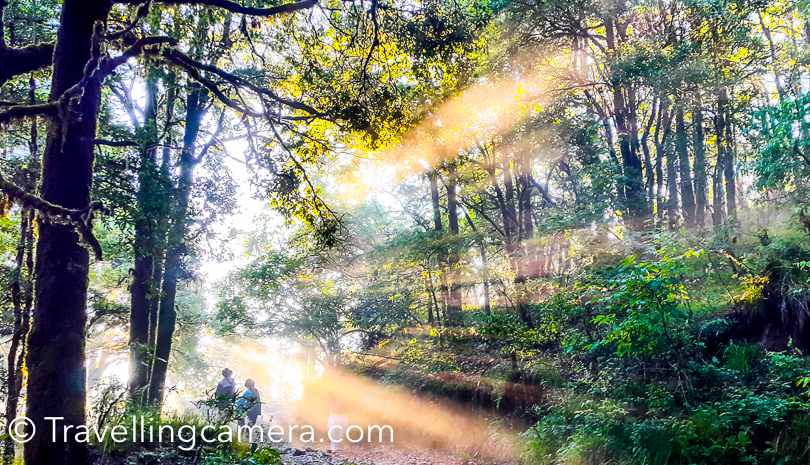
Throughout the stay, we made a point to explore the forest early in the morning. Binsar Wildlife Sanctuary is full of colorful birds. One needs to be patient and calm to enjoy these beauties of the forest.

The important word here is walking.

Don't arrive with a checklist of fifteen attractions.

Walk.

Visit St Mary's Church. Explore the old cantonment areas. Spend time around the Garhwal Rifles War Memorial. Walk towards Tip-in-Top when the weather is clear.

Lansdowne's attraction is not spectacle. It is atmosphere.

The nearby Tadkeshwar Mahadev Temple, surrounded by deodar trees, is another worthwhile detour. The temple's forest setting makes it particularly atmospheric early in the morning.


And this place is brilliant. Sunset views from top of the Binsar Wildlife Sanctuary is awesome. There was some time for the sunset when we reached there, but the play of light and clouds entertained us.

Hill Stations of Uttarakhand for Travelers Seeking Quiet

If you want the mountains rather than the tourist infrastructure, start looking beyond Nainital and Mussoorie.

Next day started with brilliant views of snow covered mountains all around. Hotel staff mentioned that we are very lucky to have such view. Usually it's hazy. Rains a day back made it so clear for us. Next day, these hills were not visible at all.

Binsar: Forest, Silence and Himalayan Light

Binsar sits at around 2,420 metres and was historically associated with the Chand rulers of Kumaon. It offers views towards major Himalayan peaks including Nanda Devi, Trishul, Chaukhamba, Shivling and Panchachuli when atmospheric conditions cooperate.

But Binsar is not just about the view.

It is about the forest.

Bonfire or music is not allowed if you are inside the Wildlife Sanctuary. So most of the time was spent around the terrace - watching cloud play, stars, varied discussions, selfies etc. There was no light in the hotel that night, so we had our dinner in candle light :). Usually KMVN Binsar gets light for 3 hours in the night. For rest of the time, they put candles everywhere and give you few extra candles for rooms.

Oak and rhododendron landscapes create a very different visual character from the familiar pine-covered hills seen elsewhere.

Photography here rewards patience.

Morning mist through oak trees can produce layered compositions. Late afternoon light can illuminate distant ridges while leaving the foreground darker.

And then there are the sounds.

Bird calls.

Dry leaves.

Occasional footsteps.

A distant village.

This is a place where putting the camera away for half an hour can actually improve your photography.


While in Mukteshwar, we walked inside the dense forest and now I don't seem to remember the name of this forest but I am sure there are lot of such landscapes around Mukteshwar where you can lose yourself free and enjoy the nature trails. Above photograph shows the same dense forest where we spent few hours just walking around, appreciating these green plants/trees, ferns, insects, butterflies and a lot more. It was lot of fun walking around with friends and there were some places where we felt like not speaking at all & enjoy the silence.

Chaukori: The Himalayan Panorama Without the Noise

Chaukori is a destination for travelers who want a mountain view without the intensity of a major resort.

The landscape opens towards the Panchachuli range, and clear mornings can be spectacular.

The biggest mistake is arriving at noon and expecting the mountains to perform.

Himalayan photography is largely about light and atmospheric conditions.

Wake early.

Watch the sky.

Give the mountains time.

A telephoto lens can compress layers of ridges beautifully, while a wide-angle lens is better suited to showing the relationship between village landscapes and distant peaks.


Munsiyari: A Gateway to the High Himalaya Munsiyari feels more remote.  Located in Pithoragarh district, it is associated with routes towards the high Himalayan valleys and the Panchachuli landscape.  This is not simply another "viewpoint destination". The surrounding landscape has long been connected with mountain communities, trade routes and trekking.

Munsiyari: A Gateway to the High Himalaya

Munsiyari feels more remote.

Located in Pithoragarh district, it is associated with routes towards the high Himalayan valleys and the Panchachuli landscape.

This is not simply another "viewpoint destination". The surrounding landscape has long been connected with mountain communities, trade routes and trekking.

The further you travel into this part of Kumaon, the more you begin to understand that Himalayan travel is not just about standing in front of a mountain.

It is about the communities that have learned how to live around it.


Auli: Snow, Skiing and Huge Himalayan Views At roughly 2,800 metres, Auli is one of India's best-known skiing destinations and provides spectacular views towards Nanda Devi and other Himalayan peaks. The destination was originally developed as a paramilitary base and today is associated with skiing and winter adventure.

Auli: Snow, Skiing and Huge Himalayan Views

At roughly 2,800 metres, Auli is one of India's best-known skiing destinations and provides spectacular views towards Nanda Devi and other Himalayan peaks. The destination was originally developed as a paramilitary base and today is associated with skiing and winter adventure.

January to March is particularly attractive for skiing and snow experiences, although conditions vary from year to year.

For photographers, Auli is all about scale.

Use people as tiny visual anchors against the snow-covered slopes.

Shoot early and late.

If the sky is completely blank, don't force the mountain photograph. Instead, look for tracks in the snow, ski equipment, local workers, changing textures and the relationship between the forest and open slopes.


Tucked away in the lap of the Garhwal Himalayas of Uttarakhand, Badrinath is one of those rare places where spirituality and natural beauty coexist in perfect harmony. The moment you step into this sacred town, located at an altitude of around 10,800 feet, you can feel an energy that’s both peaceful and powerful — the kind that makes you pause and simply absorb the surroundings.

Places to See and Things to Do in Uttarakhand Beyond the Hill Stations

The best Uttarakhand itinerary shouldn't consist entirely of hill stations.

The state has an enormous range of landscapes and experiences.
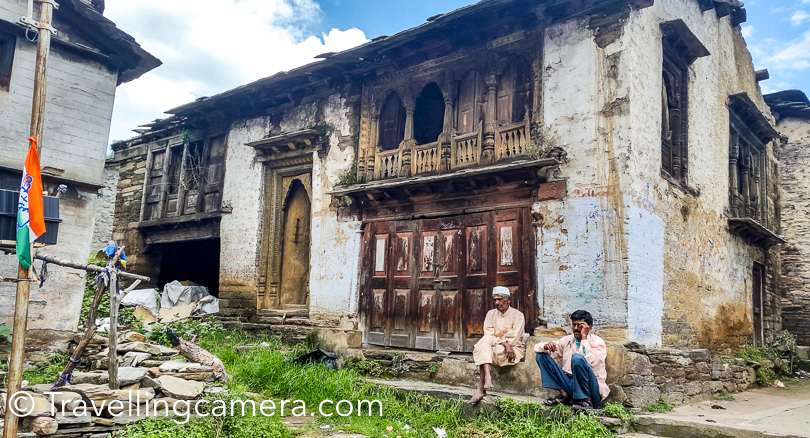
It was a good ride from Binsar to Jagwshwar and back to KMVN Binsar via Almora.   Other places to explore around Jageshwar Dham :  Almora Binsar Ranikhet Nainitaal Mukteshwar Dhanachuli  If you liked this post and found it helpful, I would request you to follow these things when traveling -  - Manage your waste well and don’t litter. - Use dustbins. Tell us if you went to a place and found it hard to locate a dustbin. - Avoid bottle waters in hills. Usually you get clean water in hills and water bottles create lot of mess in our ecosystem. - Say big no to plastic and avoid those unhealthy snacks packed in plastic bags. Rather buy fruits. - Don't play loud blaring music in forests or jungle camps. You are a guest in that ecosystem and disturbing the locals (humans and animals) is not polite.

Walk through Kumaoni villages

Village walks are among the best ways to understand Uttarakhand.

Look for traditional houses, terraced agriculture, cattle sheds, old water sources and village temples.

Ask before photographing people, particularly older residents.

A smile and a simple "photo le sakta hoon?" can transform a photograph from an intrusion into a shared moment.

Visit Baijnath Baijnath is particularly interesting for travelers fascinated by history.  The town was associated with the Katyuri dynasty, and its temple complex includes a 12th-century Shiva temple protected by the Archaeological Survey of India. It sits beside the Gomti River.

Visit Baijnath

Baijnath is particularly interesting for travelers fascinated by history.

The town was associated with the Katyuri dynasty, and its temple complex includes a 12th-century Shiva temple protected by the Archaeological Survey of India. It sits beside the Gomti River.

The surrounding orchards and landscape make the visit worthwhile even if you're not particularly interested in temple architecture.

Explore Tehri New Tehri provides a fascinating example of modern Uttarakhand.  Old Tehri was submerged following construction of the Tehri Dam, and residents were relocated to New Tehri. Today, Tehri Lake has become an important adventure and water-sports destination.  It is a place where landscape, development and displacement become part of the travel story.

Explore Tehri

New Tehri provides a fascinating example of modern Uttarakhand.

Old Tehri was submerged following construction of the Tehri Dam, and residents were relocated to New Tehri. Today, Tehri Lake has become an important adventure and water-sports destination.

It is a place where landscape, development and displacement become part of the travel story.

Explore the lakes around Nainital Instead of spending your entire trip in Nainital, consider exploring Bhimtal, Sattal and Naukuchiatal.  These lakes offer different atmospheres and can be particularly rewarding for bird photographers and travelers looking for slower mornings.

Explore the lakes around Nainital

Instead of spending your entire trip in Nainital, consider exploring Bhimtal, Sattal and Naukuchiatal.

These lakes offer different atmospheres and can be particularly rewarding for bird photographers and travelers looking for slower mornings.


Hidden Gems and Lesser-Known Insights One of the best things about Uttarakhand is that the "hidden gem" is often not completely hidden.  It simply receives fewer visitors.  Consider:  Khirsu for quiet Himalayan views and village landscapes.  Mukteshwar for forests, mountain views and a slower alternative to Nainital.  Abbott Mount for colonial-era atmosphere and solitude.  Chamba for quieter mountain landscapes.  Dhanaulti as an alternative base when Mussoorie feels crowded.  Binsar for forest walks and Himalayan panoramas.  Baijnath for architecture and history.  Dharchula for its fascinating borderland setting along the Kali River.

Hidden Gems and Lesser-Known Insights

One of the best things about Uttarakhand is that the "hidden gem" is often not completely hidden.

It simply receives fewer visitors.

Consider:

  • Khirsu for quiet Himalayan views and village landscapes.

  • Mukteshwar for forests, mountain views and a slower alternative to Nainital.

  • Abbott Mount for colonial-era atmosphere and solitude.

  • Chamba for quieter mountain landscapes.

  • Dhanaulti as an alternative base when Mussoorie feels crowded.

  • Binsar for forest walks and Himalayan panoramas.

  • Baijnath for architecture and history.

  • Dharchula for its fascinating borderland setting along the Kali River.

Dharchula is particularly unusual. The town sits along an ancient trading route and is connected to Nepal by a bridge across the Kali River. It is also associated with routes towards Kailash Mansarovar and the Chota Kailash pilgrimage landscape.

This is the sort of place where geography becomes culture.


Best Photography Spots in Uttarakhand For a photography-focused trip, I would divide Uttarakhand into different visual experiences.

Best Photography Spots in Uttarakhand

For a photography-focused trip, I would divide Uttarakhand into different visual experiences.

DestinationBest SubjectIdeal TimePhotography Approach
NainitalLake, architecture, peopleEarly morningReflections and layered compositions
Mussoorie/LandourColonial architecture, forestsMorningDetails, shadows and atmospheric scenes
LansdowneForests, churches, military heritageEarly morning/eveningEnvironmental storytelling
BinsarForests and Himalayan peaksDawn/eveningLayers and compressed landscapes
ChaukoriPanchachuli rangeDawnTelephoto mountain compositions
MunsiyariHigh Himalayan landscapeMorningWide landscapes and human scale
AuliSnow and peaksMorning/eveningPeople against large landscapes
BaijnathTemple architectureMorningDetails, geometry and environmental portraits
Village areasPeople and daily lifeMorning/eveningCandid storytelling with permission

Don't photograph only mountains This is perhaps the most important photography advice I can offer.  A mountain photograph without context can look like a thousand other Himalayan photographs.  Include:  A shepherd walking across a ridge  Laundry outside a village home  Terraced fields  A tea seller  Old wooden doors

Don't photograph only mountains

This is perhaps the most important photography advice I can offer.

A mountain photograph without context can look like a thousand other Himalayan photographs.

Include:

  • A shepherd walking across a ridge

  • Laundry outside a village home

  • Terraced fields

  • A tea seller

  • Old wooden doors

  • Temple bells

  • Schoolchildren walking home

  • Women carrying agricultural produce

  • A roadside mechanic

  • A bus disappearing around a bend

These details create a sense of place.


Photography Tips for Uttarakhand 1. Carry a telephoto lens A 70–200mm or similar lens can be extremely useful for mountain layers, distant villages and compressed Himalayan landscapes.  2. Shoot during blue and golden hours Don't pack away your camera when the sun disappears.  The 20–30 minutes around sunrise and sunset can produce far more interesting light than midday.

Photography Tips for Uttarakhand

1. Carry a telephoto lens

A 70–200mm or similar lens can be extremely useful for mountain layers, distant villages and compressed Himalayan landscapes.

2. Shoot during blue and golden hours

Don't pack away your camera when the sun disappears.

The 20–30 minutes around sunrise and sunset can produce far more interesting light than midday.

3. Watch the weather

Clouds aren't always bad.

A partially cloudy Himalayan sky can create dramatic light beams and changing patterns across mountain slopes.

4. Protect your equipment

Mist, rain, dust and sudden temperature changes are common.

Carry:

  • Microfiber cloth

  • Rain cover

  • Lens cloth

  • Extra batteries

  • Power bank

  • Memory cards

  • Dry bag or waterproof camera pouch

5. Don't chase the viewpoint

Sometimes the best photograph is 300 metres before the famous viewpoint.

Stop when the landscape makes you curious.


We missed stopping at this restaurant back in 2015 when we were travelling to Binsar. It's not that we hadn't heard of the place, it was just that if you do not know how unobvious this small, yet insanely famous, eatery is, you will most likely miss noticing it as you pass the otherwise crowded road near Kainchi Dham.  Though the restaurant has great food options for vegetarians as well as non-vegetarians, the restaurant is most talked about for two things - its mutton curry which they serve with Tandoori roti, and also the pakode, which are prepared by the shop next door and are served with a spicy green chutney.   We were at this place again in July this year (2021) post the lockdown when we went visiting Firdaus with friends. But this time the difference was that we were with people who are well familiar with the area and we had specifically planned to have lunch at Kirola restaurant.

Local Food Experiences in Uttarakhand

Food is one of the easiest ways to understand the mountains.

Look beyond restaurant menus.

Try regional dishes such as:

  • Kafuli – a leafy green preparation often associated with mountain cuisine.

  • Bhatt ki Churkani – a rich preparation made using black bhatt lentils.

  • Aloo ke Gutke – potatoes cooked with spices, commonly enjoyed as a simple local staple.

  • Jhangore ki Kheer – a dessert made from barnyard millet.

  • Singori – a traditional Kumaoni sweet wrapped in maalu leaf.

  • Bal Mithai – the famous brown milk-based sweet associated with Kumaon.

Dining at Sanskriti Vedic Retreat:   The on-site restaurant serves Sattvic cuisine, prepared with fresh, locally sourced ingredients. These wholesome, vegetarian meals are not just delicious but also tailored to support Ayurvedic principles, promoting detoxification and nourishment.

The experience is better when you eat where local people eat.

Don't judge a roadside establishment by its appearance.

Rafting or white water rafting is one of the challenging recreational outdoor activity using an inflatable raft to navigate a river or other bodies of water having different levels of water-current. This is usually done on white water or different degrees of rough water, in order to thrill and excite the raft passengers. Rafting is considered an extreme sport, as it can be dangerous as times. This Photo Journey shares some of the photographs of Rafting in Risikesh, which is one of the popular places in India to do White Water Rafting.Recently we were in Rishikesh with office friends and Rafting was one of the top item in our list of things we wanted to do. We started in bus from Aspen Camps in Rishikesh and then boarded to jeeps with rafts. We had to start from Marine Drive which is a huge Ganges beach with enough space for folks to prepare and get started. Marine Drive is a place, strategically identified to start Rafting. Shivpuri is another preferred place to start Rafting. Idea is to make people comfortable with various types of water-rapids and then gradually start enjoying various stretches in river. Ganges provides a good range of water rapids and makes rafting an unmatchable experience.Rishieksh is one of the main places to do rafting in North India. Long time back I had done rafting in Vyas River near Kullu and that time all other rafters were professionals and I was covering a particular camp for Tourism Development program. Since I was not much involved in rafting activities, I couldn't enjoy it much that time. At Rishikesh, we had a wonderful coach/leader, who made rafting experience as great fun.After reaching Marine Drive Ganges beach, everyone of us got life jackets, a pedal and helmet. All three important things were with us and coach told us the best ways of using these three. All set with tight life-jacket, well settled helmet and appropriately gripped pedals we stepped into the raft after cleaning our feet in ganges water. It's recommended not to bring sand particles inside the raft, which can harm later. The coach threw chilling ganges water on us to start the journey in chilled water of ganges with different current levels. Coach with one of other Rafting professional entered into the raft. Then he briefed everyone of us about different commands like fast forward, move backward, stop etc. Initially it was difficult for us to gram every details of each command, but every command was very important for best rafting experience.Apart from basic Rafting commands, coach/leader also tells about basic rules of White Water Rafting. He also understands about each person sitting in the raft about their past experience with water. He also shares some basic steps for people who are not comfortable while sitting in raft. Of course, there are some standard rules to sit on a raft and make yourself comfortable even when body needs to stick with raft through feet in a particpular position. The Thumb rule is to listen your coach and follow him without any alternation, even in difficult situation. Idea is to trust the coach/Leader and follow his/her commands with any panic.So we started with baby steps and raft started moving towards Rishikesh (Lakshman Jhoola). For first 10 minutes, we were really slow and it was more of practice session, wehere coach was making us prepared for following his commands throughout the whole stretch we had to do in river. After practicing all the commands and moving our raft in circle, coach/leader asked us to stand on boundaries of raft and balance with pedal mounted on raft top. None of us could gather courage to stand on the boundaries and negotiated with coach/leader to stand inside the raft and try to balance with pedals. It was one of the major test for us and raft moves a lot. Many times, some of us stumbled and others were getting impacted because of imbalance. This task completed and coach/leader asked us to move forward.First we encountered Good Morning Rapid which is the beginning of Rafting experience. Good Morning rapid always come of the way and it doesn't matter that what was your starting point :). It was very basic but yet exciting because of first encounter with relatively fast flow of water-waves. Before hitting the rapid, some of the screaming while others were laughing to hide the fear :)All these photograph in this Photo Journey are clicked day before we did rafting. One day before we did rafting, we kept going to different places around river bed to shoot rafts sailing through high rapids of Ganges white water. Above photograph shows one of the raft getting up side down at Golf Course. One of the other leader jumped into the water to rescue raft and then every rafter. Within 5-8 minutes everyone was back on top of raft and moved forward towards Laxman Jhoola, which was end point. In such situations, ideally, everyone should listen carefully to what leader says and follow with panic. Things can get worse in case of avoidance of leader commands.The modern rafts are inflatable boats, consisting of very durable, multi-layered rubberized (hypalon) or vinyl fabrics (PVC) with several independent air chambers. The length varies between 3.5 meters and 6 meters, the width between 1.8 meters and 2.5 meters. The exception to this size rule is usually the packraft, which is designed as a portable single-person raft and may be as small as 1.5 metres long and weigh as little as 1.8 kilograms.Rafts come in a few different forms. In Europe and Australasia, the most common is the symmetrical raft steered with a paddle at the stern. Other types are the asymmetrical, rudder-controlled raft and the symmetrical raft with central helm (oars) or Stern Mounts with the oar frame located at the rear of the raft. Rafts are usually propelled with ordinary paddles and or oars and typically hold 4 to 12 persons. In Russia, rafts are often hand made and are often a catamaran style with two inflatable tubes attached to a frame. Pairs of paddlers navigate on these rafts. Catamaran style rafts have become popular in the western United States as well, but are typically rowed instead of paddled.Check out more at - http://en.wikipedia.org/wiki/RaftingAfter Good-Morning rapid, we crossed - Black Money, Three Blind Miles, Cross Fire, Shivpuri, Return to center, Roller Coaster, Tea off, Golf Course, Club House, Initiation, Body Surfing, maggie point & Cliff jumping, Double Trouble, Hilton and fianally Ram Jhoola. I went till Golf Course only and most of the other rafts from our group ended at Lakshman Jhoola.The most suitable time for River Rafting in Rishikesh is from September to November and from March to April-May. One of the best rivers in the world to experience the sheer exhilaration of white water rafting, it is the sheer invincible power of the Ganga river that often attracts the adventurer to the challenging sport of river rafting at Rishikesh.Generally White Water Rapids are divided into 6 levels of difficulty.Grade 1: Very small rough areas, might require slight maneuvering. (Skill Level required is very BasicGrade 2: Some rough water, maybe some rocks, might require some maneuvering. (Skill level: basic paddling skillGrade 3: Whitewater, small waves, maybe a small drop, but no considerable danger. May require significant maneuvering. (Skill level: experienced paddling skills)Grade 4: Whitewater, medium waves, maybe rocks, maybe a considerable drop, sharp maneuvers may be needed. (Skill level: whitewater experi\\Grade 5: Whitewater, large waves, large volume, possibility of large rocks and hazards, possibility of a large drop, requires precise maneuvering. (Skill level: advanced whitewater experience)Grade 6: Class 6 rapids are considered to be so dangerous that they are effectively unnavigable on a reliably safe basis. Rafters can expect to encounter substantial whitewater, huge waves, huge rocks and hazards, and/or substantial drops that will impart severe impacts beyond the structural capacities and impact ratings of almost all rafting equipment. Traversing a Class 6 rapid has a dramatically increased likelihood of ending in serious injury or death compared to lesser classes. (Skill level: successful completion of a Class 6 rapid without serious injury or death is widely considered to be a matter of great luck or extreme skill and is considered by some as a suicidal venture)In Rishikesh, we have crossed rapids of Level-3 difficulty as max. But it was great fun to face level three rapids. Water comes on to your body and pushes back and sometimes people get down into the water due to thrust.White water rafting can be a dangerous sport at times, especially if basic safety precautions are not observed. Both commercial and private trips have seen their share of injuries and fatalities, though private travel has typically been associated with greater risk. Depending on the area, safety regulations covering raft operators may exist in legislation. These range from certification of outfitters, rafts, and raft leaders, to more stringent regulations about equipment and procedures. It is generally advisable to discuss safety measures with a rafting operator before signing on for a trip. The equipment used and the qualifications of the company and raft guides are essential information to be considered.Like most outdoor sports, rafting in general has become safer over the years. Expertise in the sport has increased, and equipment has become more specialized and increased in quality. As a result the difficulty rating of most river runs has changed.

A small kitchen with five tables may serve a far more memorable meal than a polished restaurant designed for tourists.

And ask what is seasonal.

Mountain food changes with agriculture, weather and availability.


Last month we were at Rishikesh with out office group of 40 people and we stayed at ASPEN which is located on Neelkanth Road, with Heul river on it's back. Let's checkout this Photo Journey to know about ASPEN Adventure camp and respective things to considered while staying there.I was not among the organizers of this trip, so can't comments how responsive Aspen folks were during initial discussions but it sounded good from conversations we got to know. One week before we had to go to the camps, many folks in our office had started talking about Aspen as it's not like other river-side camps in Rishikesh.Above photograph was clicked from main road. This is one of the lawns in back side of the Aspen Camp in Rishikesh. Aspen had arranged Bus for us from Delhi, which arrived on time at our office gate. Luggage and relevant stuff was loaded into the bus and journey started from Noida towards Rishikesh. We started in Night and plan was to reach at around 7am. Condition of this bus was very bad, so don't recommend to rely on Aspen for travel. Aspen is no doubt good at hospitality but probably travel arrangements is not something that they do regularly. One Aspen guy was accompanying us from Delhi and he was quite good person, who was also concerned about the bus.Above photograph shows group members relaxing in main lawn of ASPEN Adventure Camp, Rishikesh. This is one of the main lawn that was used by the group while we were at camp.The best part of stay at Aspen camp is their hospitality and care for guests in camp. Although room service is not available at ASPEN Adventure Camp in Rishikesh, but for all other things they were quite proactive and well-planned. All adventure activities were done very well with proper security measures and ensured full fun !!! While at ASPEN, expect packed schedule with full of activities. If some members of the crew choose to stay at Camp, then they may not get some basic stuff like Tea :) . This happened with our group. Few members chose to stay at camp with kids and requested for tea and they were simply refused without any efforts to figure out the possibilities. So anyone who is planning to stay at Aspen, should better understand their schedule and expect least flexibility in other things.Aspen Adventure Camps at Rishikesh has 20 tents with decent bedding and attached bathrooms. Hot water is provided outside the tents. Protocol is to put an empty bucket outside the tent and you will get hot water within 5 minutes. Tents at Aspen were good, although I would not rate them luxury tents. Those were clean and basic tents with attached bathroom, which adds some value in that area At Aspen, very basic food is served which is OK. don't expect fancy stuff in breakfast, lunch or dinner. In fact, I was disappointed to not find any curd item in any of the meals :), although that was not a big deal.Finding decent accommodation at Rishikesh for family outing is quite a challenege. Either chose to stay in hotel or stay in resorts which was not exactly camps. And most of the camps don't have attached bathrooms and other small facilities which are necessary with family. One needs to climb a steep hill to reach road from Aspen Camp which can be quite challenging for aged people, but we enjoyed those ups & downs. For every activity like Rafting, Rock Climbing, Trekking to Waterfall, Pooja at Parmarth Temple etc; we needed to climb that hill up to reach road and board into the bus. But Aspen is beautifully placed in the middle of green hills and a river. We truly felt like in the lap of nature all around us. The adventure guides at Aspen were awesome, especially Des raj and Vijender.  They are quite experienced in Rafting, rappelling, rock climbing, trekking etc and took best care of our safety from the moment we arrived in the camp. We enjoyed our adventure activities under their guidance and almost everyone participated in rafting.Aspen Adventure Camp is located at 9 kms from Laxman Jhula, which is not an issue for me but can be for folks who want to be around the main town. For camp, one needs to trek down a little from the ghat road into the valley to reach the camp which might be difficult for older people in the night.There are many other camps on this road and all of them seemed decent as compared to the camps located on river-bed of GangesWe stayed at Aspen Adventure camp for two nights and three days. During one of the evenings, Aspen staff arranged a tour to Parmarth Aarti on Ganges. It was beautiful and quite peaceful..Rafting arrangements was the best part of this trip Vijender from aspen made very sure that all of us enjoy rafting from Marine Drive and with best available Raft-leaders in the town. Especially raft-leader with us was awesome. we had great fun during rafting. There were many folks in the group who had planned not to do it because of fear and almost everyone attempted it & enjoyed to the core.During one of the days, Des raj took us to a waterfall near Golf-Course rapid.Colorful birds keep flying around the Aspen Camp and especially during morning time. Various small birds keep moving from one tent to another and a small bush to a tree... It was motivating for me to get up early in the morning and enjoy the play of these beautiful birds in Rishikesh. I talked to Aspen staff about birding tour but it seems none of them was much aware of birds in Rishikesh region and at the same time, we had not enough time to accommodate more things. Some of the folks from our gourp also did bungy jumping & flying-fox which was fw kilometers away from Aspen Adventure Camp, RishikeshVarious sports stuff was available at Aspen Camp and kids were quite comfortable with staff to ask for things they needed at various moments :)Aspen also organized Rock Climbing and rappelling near Golf-Course rapid of Ganges. These were one of the simplest rock climbings I have seen :). Somehow chauli ki jaali in Mukteshwar comes to mind when it comes to Rock Climbing.Overall it was a good experience at Aspen and I may consider it again for stay at Rishikhesh, which majorly depends upon charges because now I am in better state to conclude the worth.

Local Culture, Conversations and Human Stories

Uttarakhand's culture is not something you simply "visit".

It is lived.

Traditional festivals such as Phool Dei, Harela, Ghughutia, Ghee Sankranti and Igas reflect agricultural cycles, folklore and community traditions. Igas, for instance, is traditionally celebrated 11 days after Diwali in parts of the region; one popular explanation is that news of Lord Rama's return reached the mountain communities late.

These traditions offer photographers something more meaningful than staged cultural performances.

Few days back we were at Rishikesh with Office friends to celebrate successful delivery of one of the main project. Apart from Rafting, Rock Climbing & Rappelling; Trekking to various Waterfalls hidden in RajaJi Forests is one of the must do things around Rishikesh. Let's check out this Photo Journey to know more about one of the famous Waterfalls around Rishikesh & RajaJi National Park in India.Here is the first view we get to see after trekking for 20-25 minutes from main road. hundreds of thinnest water streams coming down to spread freshness all around. An amazing drilling effect and layered filtering of water, which is rare to see around most of the waterfalls. Special part of amount of drizzle which is hard to find. This was most special thing we experienced after trekking in RajaJi Forests around RishikeshHere is main waterfall, which is in typical shape that we see in most of the hill stations. RajaJi National park is full of such waterfalls and size of these waterfalls depend upon the season.While trekking, we came across various water streams flowing through the hills. Here is one of the photograph clicked while trekking for Patna Waterfalls in Rishikesh. A play of slow shutter-speed makes this more interesting with smooth flow of water. The trekking to the waterfall can be hard specially during the summers, but the natural beauty, sound of the flowing water and the cool breeze is sure to mesmerize and keep up the eenergy high with enthusiasm. On the way to Patna Waterfalls, we came across various spider-nets, which were irresistible. Although we couldn't afford take too much time to trek, as it was getting dark but still I managed to click some of the shots. Fellow trekkers were quite motivating for making me shoot these even when they knew that we can get late while coming back.Auto-Focus of Camera was hardly working for Spider-Nets, so all of them were shot with manual focus which more time consuming. I really thank the whole team of trekkers for bearing with me to spend singficant amount of time for shooting these Spider-nets on the way to Patna Waterfalls in Rishikesh. Patna Waterfall is definitely one of the  main places to visit while at Rishikesh. Every travller should experience this great trek having amazing drizzling Watrefall. We were staying at Aspen Camps around Gattu Ghat. Aspen folks arranged bus from camp to the point from where the trek starts for Patna Waterfalls. One of the Aspen Mountaineer was accompanying us introduce with this new eco-system. His company was quite helpful and informative as well. Aspen has great team to humble and professional people who have good knowledge of Adventure Sports. Most of them were trained mountaineers, rafters, Rock Climbers.Different people add various keywords to such treks - Difficult, Long, Adventours, exciting etc. But it's all worth to trek through forests to reach such beautiful Drizzling Waterfalls which is popularly known as Patna Waterfalls.Above photographs show closer view of drizzling waterfall which was quite wide as compared to typical waterfalls we usually see. The patna waterfall gets its name as it is located on the route to a small hamlet called 'Patna'. The trekking to the waterfall starts from 5 kilometers from Laxman Jhula on Neelkanth Mandir Road. It is a beautiful 2 Kilometers trek through Rajaji Forest. This waterfall is also famous for the limestone caves located next to the waterfall, but we didn't go there. There are also legends associated with it that say there is a small temple located deep in one of the caves.Most of the folks from our group trekked to Patna Waterfall and most of the them were quite happy about the decision to be courageous for trekking and having a lifetime experience. Above photograph shows Swapnil, one of the most adventurous soul in our group who was quite excited about this trek and Bungy Jumping. We spent some time around waterfall to relax and have some splashes under the fall. Swapnil was again first person to get under the waterfall and drenched in drizzling water.Patna Waterfall is one of the main places to visit around Rishikesh, which is near to Golf Course Rapid in Ganges. There are two other main waterfalls around Rishikesh -  Neergadh Waterfall and Garud-Chatti Waterfall.  The trekking to the Neergadh Waterfall starts 3 kilometers away from Laxman Jhula on the Badrinath Highway. It is one of the most frequented waterfalls as it is the easiest to access. There is also a small pool where one can bath. The trekking to Garud Chatti Waterfall starts around 4 kilometers away from Laxman Jhula on the Neelkanth Mandir Road. The trek starts from a temple dedicated to Garud God. It is most beautiful during the monsoons, which happens with most of the waterfalls. Richness of water definitely makes a waterfall more beautiful

But there is an important etiquette rule:

Observe before photographing.

If someone is performing a ritual, attending a funeral, praying or participating in a private family event, don't assume a camera gives you permission.

Ask.

And when someone agrees, show them the photograph if possible.

That small gesture can turn a transaction into a human connection.


I have shared about Lodhi Garden  in multiple posts, but here I am sharing some of the photographs I recently clicked. Lodhi Garden is full of health conscious & fitness freaks, especially early in the morning and evenings. And if you visit the place during weekend (early mornings), lot of folks from different parts of NCR (National Capital Region of India) come to Lodhi Garden for jogging, running, yoga, exercise, cycling, and various other fitness activities.Photographs shared in this post are clicked in the evening and the scene looks pretty different during mornings. During morning, there are mostly individuals or couples walking around the jogging paths or doing yoga in lush green lawns. While in evening, you would also see lot of families sitting around the lawns and indulged in different games like - football, badminton, cricket, volleyball etc.  One need not to worry about Lodhi Garden timings , as it's open most of the time you would plan to visit.There are few monuments in Lodhi Garden  and kids love playing hide-n-seek around these structures. In the late evening, most of these monuments are well lit and photographers love shooting Lodhi Garden  in low light.  Many families visit Laodhi Garden during the weekends and especially in evenings. Kids can be seen buying baloons, candies and playing football. Some of the parents ensure that kids make best use of open space and do some exercise in terms of games like football, badminton, cricket etc.There are lot of fitness groups who do various kinds of fitness sessions at LOdhi Garden. Frequency of those sessions is different. Some are organized by individual and few by companies like Reebok & Decathlon.Athpula bride inside Lodhi Garden is another interesting place to visit. There is huge water body under the bridge which has lot of geese. Kids love coming to this place and lot of folks bring bread to feed the geese.Lodhi Garden is full of birds. Probably most of the other areas in Delhi are very noisy and huge green patch of Lodhi Garden suits the best for them to relax.Every time I visit Lodhi Garden, I observe a new thing. Whenever I am around India Habitat Center  of Khan Market, I ensure that I take a round of Lodhi Garden.

Best Time to Visit Uttarakhand

There isn't one perfect season.

It depends on what you want.

SeasonBest ForWhat to Expect
March–AprilFlowers, forests, mild weatherSpring landscapes
May–JuneHill-station escapesPleasant temperatures, crowds
July–AugustLush landscapesMonsoon, landslide risk
September–OctoberPhotography, trekkingClearer skies after monsoon
NovemberQuiet travelCrisp weather, fewer tourists
December–FebruarySnow destinationsCold conditions, snow in higher areas

For photographers, September to November can be particularly rewarding because post-monsoon landscapes may be exceptionally clear.

For snow, higher destinations such as Auli become more relevant during winter, although actual snowfall is weather-dependent.


How to Reach Uttarakhand For most travelers, Delhi is the practical starting point.  By air Jolly Grant Airport near Dehradun is the principal airport for much of the state.  By train Dehradun, Haridwar, Rishikesh, Kathgodam and Ramnagar are useful railheads depending on your itinerary.

How to Reach Uttarakhand

For most travelers, Delhi is the practical starting point.

By air

Jolly Grant Airport near Dehradun is the principal airport for much of the state.

By train

Dehradun, Haridwar, Rishikesh, Kathgodam and Ramnagar are useful railheads depending on your itinerary.

Kathgodam is particularly convenient for Kumaon destinations such as Nainital, Almora and Ranikhet.

By road

Road travel is often the most rewarding option because the journey itself becomes part of the experience.

But don't underestimate mountain driving times.

A route that looks short on Google Maps can take several hours because of winding roads, traffic, road conditions and frequent stops.

Build buffer time into every itinerary.


So we started out from Noida on Thursday at 4pm to avoid the rush-hour traffic and we did pretty well. Even with a couple of short stops on the way, we reached Naukuchiatal in about seven hours. By the time we were inside Firdaus and having tea, it was past midnight, but we had a whole weekend + 2 days to look forward to.

Where to Stay in Uttarakhand

Your choice of accommodation can dramatically change the trip.

For convenience

Choose established hotels in Nainital, Mussoorie or Rishikesh.

For photography and solitude

Look for homestays, forest-edge properties and small guesthouses around Binsar, Chaukori, Munsiyari, Khirsu and village areas.

For cultural immersion

A family-run homestay can be more rewarding than a luxury resort.

The beautiful suite at Boutique Hotel Te Aroha in Dhanachuli is more than just a place to stay; it’s an experience that immerses you in luxury, nature, and tranquility. Whether you’re looking for a romantic getaway, a peaceful retreat, or an adventurous escape, Te Aroha offers the perfect blend of comfort and charm. Plan your visit to this enchanting haven and discover the magic of Dhanachuli through the lens of unparalleled hospitality and serene beauty.

You may end up learning about local crops, weather, migration, architecture and food simply by sitting around a kitchen stove.

That conversation may become one of the strongest memories of the trip.


Many of us have heard of the legendary Neem Karoli Baba. Born Lakshman Narayan Sharma in the year 1900 in a village known as Akbarpur in today's Uttar Pradesh, he was married at the age of 11 and after that chose the life of a Sadhu for a few years. He was however requested by his father to come back home and lead a family life, which he did too.

Budget Tips for Travelling in Uttarakhand

Uttarakhand can be surprisingly affordable if you travel slowly.

A few practical strategies:

  • Travel on weekdays where possible.

  • Avoid major holiday weekends in Nainital and Mussoorie.

  • Stay slightly outside the main tourist centre.

  • Eat local rather than exclusively at hotel restaurants.

  • Use shared taxis on suitable routes.

  • Don't change hotels every night.

  • Consider homestays for longer stays.

  • Carry cash in remote areas.

  • Keep some buffer for unexpected road delays.

The biggest budget mistake is trying to cover too much ground.

More destinations do not necessarily mean a better trip.


A Suggested 8-Day Uttarakhand Itinerary For a first-time traveler who wants a mixture of hill stations, photography, culture and landscapes, consider:  Day 1: Delhi – Nainital Arrive and spend the evening walking around Naini Lake.

A Suggested 8-Day Uttarakhand Itinerary

For a first-time traveler who wants a mixture of hill stations, photography, culture and landscapes, consider:

Day 1: Delhi – Nainital

Arrive and spend the evening walking around Naini Lake.

Day 2: Nainital

Wake early for lake photography. Explore older neighbourhoods, viewpoints and local markets.

Day 3: Nainital – Binsar

Take the slower route towards Kumaon and settle into the forest landscape.

Day 4: Binsar

Spend the day walking, photographing forests and looking for Himalayan views.

Day 5: Binsar – Chaukori

Travel deeper into Kumaon.

Stop frequently rather than treating the road as merely transportation.

Day 6: Chaukori

Wake before sunrise.

This is the day to watch the mountains rather than rush between attractions.

Day 7: Chaukori – Almora

Explore Almora's markets, temples, old houses and local food.

Day 8: Almora – Delhi

Start early and keep plenty of time for the return journey.

For a first trip, I would rather spend eight days in two or three regions than attempt to squeeze Nainital, Mussoorie, Auli, Rishikesh, Kedarnath and Corbett into the same itinerary.


Entry Details  Managed by the Rajaji Tiger Reserve, the ashram has an entry fee, which contributes to its maintenance. Visitors are advised to respect the sanctity of the site and avoid littering.

Responsible Travel in Uttarakhand

The mountains are fragile.

Travel responsibly.

  • Carry reusable water bottles.

  • Avoid single-use plastic.

  • Never leave food wrappers on trails.

  • Don't disturb wildlife for photographs.

  • Avoid loud music in forest areas.

  • Ask before photographing residents.

  • Support local homestays and small businesses.

  • Respect temple customs.

  • Don't enter restricted areas for photographs.

  • Avoid blocking mountain roads for "the perfect shot".

  • Don't pick flowers or disturb plants.

  • Carry your waste back if there is no disposal facility.

Nestled on the fringes of Rajaji National Park, a network of quaint villages and traditional Gujjar cottages offers visitors a glimpse into the harmonious coexistence of nature and culture. The Gujjars, a pastoral community, have lived in these regions for generations, their lifestyle deeply intertwined with the forests and wildlife of the park. These villages, surrounded by lush greenery and serene landscapes, are a must-visit for travelers seeking authentic experiences and a connection to rural India.

And perhaps most importantly, remember that Uttarakhand is not an outdoor theme park.

People live here.

Their farms, homes, temples and forests are not props for our photographs.


The Kalij Pheasant belongs firmly to the second category.  Among the many pheasants found across the mountains of South Asia, the Kalij is perhaps one of the most rewarding birds to encounter because it rarely gives itself away easily. A rustle in the undergrowth. A sudden movement beneath an oak tree. A dark shape running across a forest trail. And then, just when you are trying to understand what you saw, it disappears. 

Common Mistakes to Avoid

Trying to cover too much

Uttarakhand is geographically deceptive. Distances that look manageable can consume most of a day.

Visiting only famous viewpoints

The roadside landscape between destinations can be more interesting than the attraction itself.

Sleeping late

Mountain photography rewards early risers.

Ignoring local food

You miss an important part of the culture if you eat only familiar North Indian or continental dishes.

Treating villages like open-air museums

People are living their ordinary lives. Be respectful.

Assuming every mountain view will be clear

Clouds and haze are normal. Plan your photography around weather rather than against it.

Underestimating monsoon travel

Heavy rain can cause delays, landslides and road closures. Always check current road conditions before heading into remote mountain areas.


Hope you have enjoyed the journey of first two days with us so far. If you haven't gotten a chance, we recommend to check out Part-1 & Part-2 of the journey and then come back here to enjoy the third day trek to Dhanachuli Village around Kumaun hills. Let's start this Photo Journey to the beautiful Dhanachuli Village.It was bright sunny morning at Dhanachuli and some of us were up at 6:30am. Unpredictable weather during last two days had created so much curiosity that everyone was excited to see bright morning on third day. It opened the gates for the trek to the abandoned village of Dhanachuli. We started from Te Aroha at around 7:00 am. We drove from Te Aroha to the market of Dhanachuli village. We stopped near Bank of Baroda and started our trek downwards through green farms facing snow covered peaks. Mr. Sumant Batra personally led the entire trek and kept us informed about various trees, crops, plants, architecture & people.For initial 20 minutes, we were walking through the habitat area which is comparatively close to the main road which connects Dhanachuli village to other parts of Kumaun. Most of the villagers have pets and mainly cows & goats. Corn crops were all over the farms and some of the farms also had seasonal vegetables - peas, cabbage, bringle, tomatoas, green chillies, kidney-beans (Rajmah) etc. Dhanchuli village is deep in the valley surrounded by snow capped hills on one side and steep green mountains on other side. Dhanachuli hills are probably some of the highest hills in Kumaun region.At the end of the trek were some dilapidated houses of the old Dhanachuli village. Most of the old village is abandoned with only a couple of houses still occupied. The villagers, it seems, have moved to houses closer to the road.The houses were adorned with some interesting carvings and designs. Sumant pointed out some samples of carvings from as far as Rajasthan. He expressed his amazement at finding such designs up here in Uttarakhand. One possible explanation, he thinks, is that these people migrated from the plains over a hundred years ago to escape forced conversions. And with them they carried a part of their memories, tradition, and culture, always wanting to cling on to what they had to leave behind.The houses, though abandoned, still tell a story with their strong foundations, quality material used for building. If you look at the picture above, you will see stones stacked on top of each other. This material is native to the hills and has stood against the test of time.This was one of the houses that was still occupied. A cat was sunning itself on the stairs, while the occupants went about their daily chores. The villagers keep busy most of the times as they need to do almost everything themselves. It is a life full of hardwork and peace.These freshly plucked red chillies and corns have been spread out to dry so that they don't get spoilt when they are stored. The villagers keep some portion of the crops they produce for their personal use, while they sell of the rest. This particular house was so isolated from the rest that we were wondering if the occupants feel afraid at night. We were also asking ourselves what they do to keep themselves entertained. And then we noticed the dish antennae installed outside...but of course...While looking at the exteriors of the abandoned houses, we were curious about the insides. We found an interesting looking house and some of us dared to climb inside. A few of us were worried whether we would chance upon a sleeping leopard inside the house. But Sumant assured us that it wasn't a possibility because if there was a leopard inside, we would be able to smell it before we saw it. Our fear may sound funny to you, but in reality a leopard sighting isn't as rare in these parts. If a cattle is killed or a dog vanishes, the crime is mostly blamed on leopards. Some of the buildings were so beautiful that we were left wondering why no one had noticed them yet. No Bollywood film thriller/ horror film has been shot here, no fashion shoot has been organized with these houses as a backdrop, although the setting is perfect!The last point of the trek was a temple. We sat in the premises and had tea and cookies made by Te Aroha's chef. It was very considerate of Sumant to have thought of this because after the long trek, all of us were dying for a cup of tea. We sat there for about half-an-hour listening to the birds sing and watching the clouds drifting into the valley. We had some interesting conversations while sitting here. We spoke about how inconsiderate it is to build a huge concrete structure on the top of a hill in the mountains. Such things can be very risky for the villagers living below. We discussed how essential it is for development to happen in a responsible way. And during the course of this discussion we discovered that Te Aroha, even though they have taken a water connection from the government's water supply and pay for it, they never use the water. Simply because if the resort starts using the water, hardly anything will be left for the villagers. Instead, Te Aroha has made elaborate arrangements for rainwater harvesting and uses the water they collect from this along with the water from the borer they have installed themselves.  After the tea, it was time to head back and this time we chose a different route. Instead of the slippery rocky route, we chose to walk a trail through thefields. En route we stopped and tasted some very sweet peas, and met some local children who were more than happy to oblige us with generous smiles. The morning was a tiring one and yet gratifying. And we felt exercised and yet relaxed at the end of it. More than anything else the trek provided a lot of food for thought and we dwelled on it for quite some time.

Frequently Asked Questions About Uttarakhand

What are the best hill stations of Uttarakhand?

Nainital, Mussoorie, Lansdowne, Almora, Ranikhet, Binsar, Mukteshwar, Auli, Chaukori and Munsiyari are among the most rewarding hill destinations, although each offers a very different experience.

Which is the best hill station in Uttarakhand for families?

Nainital is one of the easiest choices for families because of its lake, established tourism infrastructure, restaurants and accessibility.

Which hill station in Uttarakhand is best for couples?

For couples seeking quieter surroundings, Binsar, Mukteshwar, Lansdowne and Chaukori can be more relaxing than the busiest parts of Nainital or Mussoorie.

Tips for Wildlife Safaris  Keep Expectations Flexible: Nature is unpredictable, and every safari offers unique experiences.  Appreciate All Life: From the smallest bird to the majestic deer, every sighting is valuable.  Be Patient and Observant: Often, the quieter moments reveal the most fascinating aspects of nature.

Which are the best places to see and things to do in Uttarakhand?

Popular experiences include exploring Himalayan hill towns, trekking, wildlife safaris, rafting, skiing in Auli, visiting temples, exploring mountain villages, photographing Himalayan landscapes and experiencing regional food and festivals. 

Uttarakhand's official tourism circuits also include themes such as the Panch Kedar, Panch Badri, Mahabharata, Forts of Kumaon, Folk Gods and Lakes of Kumaon.

Uttarakhand's official tourism circuits also include themes such as the Panch Kedar, Panch Badri, Mahabharata, Forts of Kumaon, Folk Gods and Lakes of Kumaon.

Best Time to Visit  The ideal time to visit Rajaji National Park is between November and June, as the park remains closed during the monsoon season (July to October). The winter months are perfect for birdwatching, while summer increases the chances of spotting larger mammals near water sources.

Which is the best time to visit Uttarakhand?

March to June is popular for comfortable weather in many hill stations, while September to November is particularly attractive for clear mountain landscapes and photography. Winter is ideal for travelers specifically seeking snow in higher destinations.

A safari in Rajaji National Park offers an unforgettable experience for wildlife enthusiasts, photographers, and anyone seeking solace in nature. The park’s rich biodiversity, stunning landscapes, and serene ambiance make it one of India’s finest national parks. Whether you're chasing the roar of a tiger or the flutter of a rare bird, Rajaji promises an adventure like no other.

Which places in Uttarakhand are less crowded?

Binsar, Chaukori, Khirsu, Abbott Mount, parts of Munsiyari and several village areas tend to offer a quieter experience than Nainital and Mussoorie.

Is Uttarakhand good for photography?

Absolutely. The state offers an extraordinary range of subjects: Himalayan peaks, forests, lakes, architecture, wildlife, temples, villages, agriculture, food, portraits and everyday mountain life.

How many days are enough for Uttarakhand?

A week is enough for a focused regional trip, but 10–14 days allows you to combine Kumaon and Garhwal without spending most of the holiday inside a car.

Is Uttarakhand safe for solo travelers?

Many popular destinations are well-established tourist areas, but mountain travel requires normal precautions. Keep family or friends informed of your route, avoid risky trails without preparation, check weather and road conditions, and use reliable local transport in remote areas.


Breathtaking Views: One of the highlights of the suite is the stunning view it offers. Large windows and a private balcony open up to breathtaking vistas of the rolling hills and the snow-capped peaks of the Himalayas. Whether you’re sipping your morning tea or unwinding after a day of exploration, the view from the suite is sure to leave you mesmerized.

Final Thoughts: Don't Just Visit the Mountains

The most memorable journeys through Uttarakhand rarely happen at the famous viewpoint.

They happen five minutes earlier.

A roadside tea stall.

A conversation with a shopkeeper.

A shepherd crossing a ridge.

A village kitchen filled with wood smoke.

A sudden break in the clouds.

The sound of temple bells somewhere below the road.

Activities and Experiences  While the suite itself is a haven of luxury and relaxation, Te Aroha also offers a range of activities and experiences for guests to explore:

The first sunlight touching a distant Himalayan peak while everyone else is still asleep.

That is why I think the Hill Stations of Uttarakhand deserve to be approached slowly.

Yes, photograph Naini Lake.

Yes, see the Himalayan peaks from Chaukori.

Yes, walk through the forests of Binsar and experience the snow of Auli.

Village Tours: Experience the local culture and lifestyle with a tour of the nearby village. Interact with the friendly villagers, visit traditional homes, and gain insights into their customs and traditions.

But leave enough space in the itinerary for the unplanned moments.

Because Uttarakhand's greatest strength is not a particular mountain, lake or viewpoint.

It is the way landscape and life remain intertwined.

The mountains are the obvious story.

The people, food, forests, memories, legends and ordinary moments are the story underneath.

And if you travel with a camera, curiosity and enough patience to wait for the light, Uttarakhand has an almost endless supply of stories to bring home.

Related Blogposts -

Sarahan is also popularly known for its old kingdom. Raja Virbhadra Singh has a huge property in Sarahan, which is basically one of his old property. His family does not stay here now, and it is currently maintained by a local family along with a few helpers. We explored this huge campus as well. One of the most noticeable fact was that this palace had an exclusive entry to Bhimakali Temple. So essentially there are two main gates to enter into Bhimakali temple - one is for the common man and the other is for Raja Virbhadra Singh and his family. In fact, one part of the temple is closed and can only be opened by Raja Virbhadra Singh.

Himachal Pradesh State of India: A Complete Travel Guide for First-Time Visitors
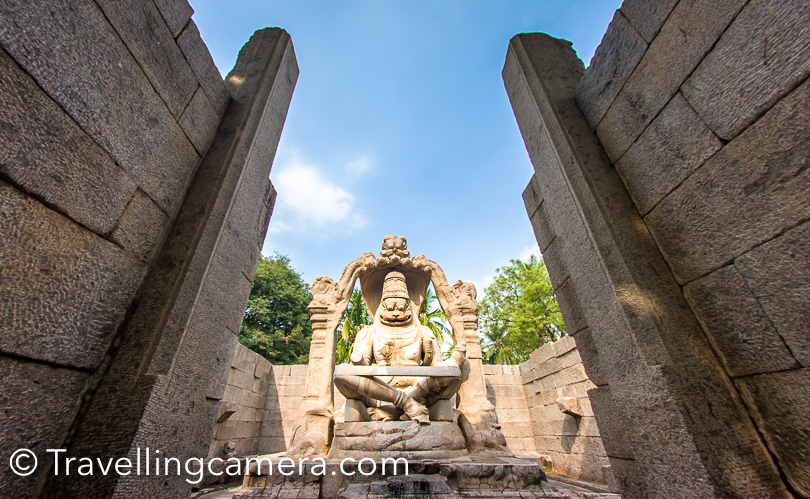
Statue of Ugra Narasimha : This structure is located a little away from other monuments in Hampi. Narsimha statue & Shivlinga temple are located nearby.  Timings of Narsimha temple in Hampi : 5am to 9pm  Entry Ticket Fees for Narsimha temple in Hampi: Nil Camera Charges for Narsimha temple in Hampi: Nil

Explore Karnataka State of India: A Complete Travel Guide for First-Time Visitors


Introduction: When the Landscape Refuses to Stay Still There are places you visit for monuments. There are places you visit for food. And then there are places where the landscape itself becomes the story.

Meghalaya State of India: A Complete Travel Guide for First-Time Visitors


Nestled on the picturesque eastern coast of India, the town of Konark boasts a cultural jewel - the Sun Temple, a UNESCO World Heritage site that attracts visitors from across the globe. However, a perplexing question echoes through the town's narrow lanes and serene beaches: why hasn't Konark witnessed the same level of development that its revered temple suggests? In this exploration, we delve into the factors that contribute to Konark's developmental conundrum.


Odisha State of India: A Complete Travel Guide for First-Time Visitors

To understand the Taj Mahal fully, one must not stop at its gates. Across the Yamuna River lies a quieter counterpart — Mehtab Bagh, or the Moonlit Garden — a space that once framed the Taj within a grand Mughal landscape design. Today it serves as one of the most atmospheric viewpoints for the Taj Mahal, especially during late afternoons and twilight.

Explore Uttar Pradesh State of India: A Complete Travel Guide for First-Time Visitors

I never saw a person throwing garbage on the road and almost every place has dustbins. Many of the taxi drivers keep plastic-bins to keep the waste. Every village is equipped with dustbins which are most of the times made up of waste. This level of awareness and proactive planning is very much required to encourage tourism in right way. Involving local communities always help in maintaining places well and they start seeing huge value in ensuring that places remain clean and well maintained. Most of the folks we encountered were very humble and cheerful.


One of the most exciting places we visited during our road-trip from Noida to Rameshwaram is Gandikota and there are multiple reasons for that. This blogpost will share more about Gandikota, the amazing places to explore around it, along with specially curated list of tips by Travellingcamera.


Nested between the Kandariya Mahadev and the Devi Jagdambi Temples is a small temple knowns as the Mahadev Shrine. The sculpture of a rampant lion fighting a kneeling figure has been installed on the porch. This is supposed to be the emblem of the Chandelas.

During our recent trip to Binsar, we stayed in KMVN hotel which offers great views of main mountains of Uttrkhand. This Photo Journey shares some interesting facts about these mountain ranges and relevant details.

Snow covered mountains around Binsar, Uttrakhand (India) - Kedarnath, Chaukhamba, Trishul, Nanda Devi, Nanda Kot and Panchchuli.

Amongst the clouds in Dhanaulti - A quaint Hill Station in Uttrakhand, India

Chakrata is a beautiful & calm hill station in Uttrakhand state of India. Jitendra love such peaceful places to explore and hill stations in this category ranks on top for him. Let's check out this PHOTO JOURNEY through Jitendra's Travelling-Camera.Chakrata is getting more popular as a hill station and people love spending some quality time around these beautiful/fresh hills. Chakrata is basically a cantonment area in Dehradoon district of Uttranchal which quite clean and peaceful. Chakrata town of Uttrakhand can be reached from Dehradun via Mussoorie or Vikasnagar. Both routes pass through beautiful mountainous road. Travelling in the monsoon can be more adventurous as the area sees frequent land-slides, which usually block the roads for longer period of time or at least significantly impact the travel plans.Yamuna valley has amazing panoramic view of the surroundings from the hillock. Chakrata is basically developed by the British rulers and was a summer retreat for the high executives of English East India Company, like other places in Northern India - Shimla, Dalhousie, Masoorie etc. Presently Chakrata encloses military cantonment and the access is restricted here for civilian travelers.The area has an lot of conifers, red rhododendrons and oaks. One of the key attractions near Chakrata is the waterfall named 'Tiger Fall'.Overall local folks are quite helpful and simple. Talking to anyone on the streets around Chakrata is a wonderful experience, where people welcome with broad smiles on their faces. All this makes the travel experience more enjoyable with happy faces all around, who are quite welcoming and helping in natureChakrata is an access-restricted military cantonment and foreigners face severe restrictions in visiting while around this region. It is the permanent garrison of the secretive and elite Special Frontier Force, also known as Establishment 2-2, the only ethnic Tibetan unit of the Indian Army, which was raised after the Indo-China War of 1962.A secluded nearby, leafy hamlet of Deoban offers a panoramic view of the Himalayas stretching from Kinnaur in Himachal to Garhwal and Kumaon. It's almost like Kasauli in Himachal, which has again army regions with very well mmaintained buildings. Chakrata has lusting greeneries with dense forests all around and it's famed as a tourist destination where come to enjoy the natural beauty with calmness and awesome freshness all around. Cool but pleasant ambiance makes the stay in Chakrata more enjoyable. There are various trekking and adventurous activities around Chakrata.Kharamba peak is the highest mount in Chakrata with an altitude of around ten thousand feets. Nature lovers, Trekkers, bird watchers and wild life enthusiasts can spend days together here in the lap of Chakrata exploiting the nature’s hidden treasures and beauties, which sounds most exciting to me and love coming here again n again.This Photo Journey has few shots from Chakarata Market, which is very well equipped with almost every daily usage stuff. Due to cantonement, there are multiple shots. There are some shops, which offer hand-made woolens and can be a good souvenir from hills of Chakarata, Uttrakhand, INDIAChakrata area also has a number of temples including ones at Hanol, Mahasu Devta Temple dedicated to Lord Mahasu , Radina, Thaina, Indroli, Lakhwar, and Lakhamandal, on the banks of river Yamuna, known for its ancient Shiva Temple, which traces its existence to the legends of Mahabharata, the village also has several natural caves.This photograph gives an amazing view of foggy morning at Chakarata. This gives a sense of awesome weather on hills of Chakarata. While in hills, this fog excites you more as compared to plains. Also it adds a lot of value to your travel in hills, which real feel of mountains.The forests & hills around Chakrata has an amazing flora and fauna, along with innocent kids with always smiling faces and ready to get clicked. These hills are natural habitat of many wild life species including panther, spotted dear and wild fowls.

Chakrata, A beautiful & calm hill station in Uttrakhand, INDIA

It started with Sumant's generous invitation to visit Dhanachuli and to explore the Kumaun region with 'Te Aroha' as the base. I was super-excited about this trip and the real journey started on 4th October. This Photo Journey shares some of the moments from the journey from Anand Vihar Railway Station(Delhi) to Kathgodam & Dhanachuli, which was our final destination for the day. We reached Anand Vihar Railway station at 5:15AM to catch Kathgodam Shatabdi which was supposed to start at 6:15AM. We had a cup of tea at Railway station and started waiting for the train. There are three platforms on this railways station. On one platform, there was another train which was going to North East at 6:50AM and there were continuous (irritating) announcements throughout. And at the same time, another announcement was happening that Kathgodam Satabdi has been delayed because of some technical problem. Hills on our mind were enough to motivate us for waiting on the platform. Finally we heard a good announcement that train is coming towards the platform. It started at 7:15 from Anand Vihar railway station, but managed to reach Kathgodam on time - 11:45AM. Sumant was driving from Delhi on same morning and he met us at Kathgodam station. So there was a blue Ford Endeavor outside railway station, which was waiting for us. Vibha, Mukta, Divya, Aanchal & Aditya were also accompanying us for next journey towards Dhanachuli. Kathgodam is in foothills and next journey was through hilly terrains. As we started climbing up towards Bheemtaal, clouds also chose to follow us and suddenly it became very misty all around. It was a great welcome to Uttrakhand. By road one can approach Dhanachuli through following route : Delhi - Hapur Bypass - Muradabad Bypass - Rampur - Bilaspur - Rudrapur - Haldwani - Kathgodam - Ranibagh - Bhimtal - Khutani - Padampuri - Dhari - DhanachuliFor more details, check out - http://www.tearoha.in/tearoha_map.pdf This was my first visit to Uttarakhand after the floods in June'2013 but I couldn't see any signs of the disaster. When talked to our driver, I got to know that Kumaun region had remained largely unimpacted by those floods. Basically Uttrakhand can be divided into two parts - Kamaun & Garhwal. Kumaun includes the districts of Almora, Bageshwar, Champawat, Nainital, Pithoragarh and Udham Singh Nagar. It is bounded on the north by Tibet, on the east by Nepal, on the south by the state of Uttar Pradesh, and on the west by the Garhwal region. There was hardly any impact of june floods in Kumaun region.After a refreshing ride through beautiful hills surrounded by mist, we reached Dhanachuli - Te Aroha !!! Team at Te Aroha was ready to welcome us at one of the highest peaks around Dhanachuli. After an interesting welcome drink we moved to our rooms and a series of surprises awaited us. And I am sure that I will not able to share all the surprises/experiences we got at Te Aroha and Dhanachuli. One of the Te Aroha team-member escorted us to the top most suite in the property, known as 'The Long House'..Spacious rooms with spellbinding views of snow-covered peaks of Himalayan ranges....Just looking at the doors, we were able to guess that it's going to be very grand but we failed to estimate the real experience of this stay. It was far more beautiful & luxurious as compared to what we had thought. At times, I feel that I would not be able to define this experience through words. But still I will try to share some part of it through a series of Photo Journeys on Dhanachuli and Te Aroha. Please feel free to share your feedback through comments here.Above photograph shows the first view we get after entering into The Long House at Te Aroha. Exquisite colors, peach & white, dominated our first experience of the room. We only noticed the intricately handcrafted furniture, a piano & a fireplace after we got over the soft and gentle color scheme. Every element in The Long House was a collectible by Sumant Batra, who has envisioned such a lovely place on the hills of Dhanachuli. We spent a significant time in exploring the interiors of the suite.Then we stepped up towards the bedroom which was next to the living room of The Long House. Again everything was unique. Let me stop here and move on with the other things we did during our first day after reaching Te Aroha, Dhanachuli. But don't be disappointed as I would be sharing a separate post on Te Aroha only. And the BIGGEST surprise in The Long House suite is yet to be disclosed :)Transported to the bygone elegance of the colonial era...was time to come out and have delicious lunch made by the Chef. It was great to know about the fine selection of cuisines by experiences chefs. After our lunch, we moved to the breakfast terrace which is just outside the dining area. We were humbled with the experience of finest hospitality, although lot more came our way during the next two days. We had a long chit chat around this terrace and some of us thought of having a quick walk around the road which was just below Te Aroha. Divya and VIbha sitting on roadside to enjoy the beautiful sunset with dense clouds all around the hills of Dhanachuli.It was getting dark now and time was to switch on the lights. After few minutes , we got a call from reception that bonfire area is ready and please join other folks there. After coming to bonfire area, we started discussing about Education system in India and none of us was optimistic about the way things are happening in education space. Sumant joined the discussion after some time and shared his inspiring thoughts and almost everyone agreed and felt better :)Towards the end of our day, something like following video was playing in our mind. The day ended with bonfire, delicious snacks and red wine followed by continental dinner. Keep checking this space for updates from next two days at Dhanachuli.

Much awaited journey to Dhanachuli - The Beginnning || A Long Weekend at Te Aroha, Dhanachuli in Kumaun region of Uttrakhand 

Family trips has that magic of doing everything while doing nothing and Pangot gave us the opportunity to do just that. It has all the beauty that one can admire while just sitting and gazing at the clouds, the green valley, and the countless species of birds.

PANGOT- A Magical Village Amid Clouds and Birdsongs


We walk miles apart, yet souls together || A Photo Journey from Kedarnath by Sumit Sond

Hope you have enjoyed the journey of first two days with us so far. If you haven't gotten a chance, we recommend to check out Part-1 & Part-2 of the journey and then come back here to enjoy the third day trek to Dhanachuli Village around Kumaun hills. Let's start this Photo Journey to the beautiful Dhanachuli Village.It was bright sunny morning at Dhanachuli and some of us were up at 6:30am. Unpredictable weather during last two days had created so much curiosity that everyone was excited to see bright morning on third day. It opened the gates for the trek to the abandoned village of Dhanachuli. We started from Te Aroha at around 7:00 am. We drove from Te Aroha to the market of Dhanachuli village. We stopped near Bank of Baroda and started our trek downwards through green farms facing snow covered peaks. Mr. Sumant Batra personally led the entire trek and kept us informed about various trees, crops, plants, architecture & people.For initial 20 minutes, we were walking through the habitat area which is comparatively close to the main road which connects Dhanachuli village to other parts of Kumaun. Most of the villagers have pets and mainly cows & goats. Corn crops were all over the farms and some of the farms also had seasonal vegetables - peas, cabbage, bringle, tomatoas, green chillies, kidney-beans (Rajmah) etc. Dhanchuli village is deep in the valley surrounded by snow capped hills on one side and steep green mountains on other side. Dhanachuli hills are probably some of the highest hills in Kumaun region.At the end of the trek were some dilapidated houses of the old Dhanachuli village. Most of the old village is abandoned with only a couple of houses still occupied. The villagers, it seems, have moved to houses closer to the road.The houses were adorned with some interesting carvings and designs. Sumant pointed out some samples of carvings from as far as Rajasthan. He expressed his amazement at finding such designs up here in Uttarakhand. One possible explanation, he thinks, is that these people migrated from the plains over a hundred years ago to escape forced conversions. And with them they carried a part of their memories, tradition, and culture, always wanting to cling on to what they had to leave behind.The houses, though abandoned, still tell a story with their strong foundations, quality material used for building. If you look at the picture above, you will see stones stacked on top of each other. This material is native to the hills and has stood against the test of time.This was one of the houses that was still occupied. A cat was sunning itself on the stairs, while the occupants went about their daily chores. The villagers keep busy most of the times as they need to do almost everything themselves. It is a life full of hardwork and peace.These freshly plucked red chillies and corns have been spread out to dry so that they don't get spoilt when they are stored. The villagers keep some portion of the crops they produce for their personal use, while they sell of the rest. This particular house was so isolated from the rest that we were wondering if the occupants feel afraid at night. We were also asking ourselves what they do to keep themselves entertained. And then we noticed the dish antennae installed outside...but of course...While looking at the exteriors of the abandoned houses, we were curious about the insides. We found an interesting looking house and some of us dared to climb inside. A few of us were worried whether we would chance upon a sleeping leopard inside the house. But Sumant assured us that it wasn't a possibility because if there was a leopard inside, we would be able to smell it before we saw it. Our fear may sound funny to you, but in reality a leopard sighting isn't as rare in these parts. If a cattle is killed or a dog vanishes, the crime is mostly blamed on leopards. Some of the buildings were so beautiful that we were left wondering why no one had noticed them yet. No Bollywood film thriller/ horror film has been shot here, no fashion shoot has been organized with these houses as a backdrop, although the setting is perfect!The last point of the trek was a temple. We sat in the premises and had tea and cookies made by Te Aroha's chef. It was very considerate of Sumant to have thought of this because after the long trek, all of us were dying for a cup of tea. We sat there for about half-an-hour listening to the birds sing and watching the clouds drifting into the valley. We had some interesting conversations while sitting here. We spoke about how inconsiderate it is to build a huge concrete structure on the top of a hill in the mountains. Such things can be very risky for the villagers living below. We discussed how essential it is for development to happen in a responsible way. And during the course of this discussion we discovered that Te Aroha, even though they have taken a water connection from the government's water supply and pay for it, they never use the water. Simply because if the resort starts using the water, hardly anything will be left for the villagers. Instead, Te Aroha has made elaborate arrangements for rainwater harvesting and uses the water they collect from this along with the water from the borer they have installed themselves.  After the tea, it was time to head back and this time we chose a different route. Instead of the slippery rocky route, we chose to walk a trail through thefields. En route we stopped and tasted some very sweet peas, and met some local children who were more than happy to oblige us with generous smiles. The morning was a tiring one and yet gratifying. And we felt exercised and yet relaxed at the end of it. More than anything else the trek provided a lot of food for thought and we dwelled on it for quite some time.

Exploring the abandoned village of Dhanachuli in Kumaun region, Uttarakhand, INDIA || A Long Weekend at Te Aroha, Dhanachuli in Kumaun region of Uttrakhand 

Entry Details  Managed by the Rajaji Tiger Reserve, the ashram has an entry fee, which contributes to its maintenance. Visitors are advised to respect the sanctity of the site and avoid littering.

The Remarkable Journey of Maharishi Mahesh Yogi: Architect of Global Meditation Awareness

A safari in Rajaji National Park is an exciting journey through the wilderness, but as with all wildlife adventures, sightings are never guaranteed. On our recent visit, though we didn’t encounter elephants, leopards, or the elusive tiger, we were treated to the simpler joys of spotting deer, including the graceful spotted deer and sambar, alongside a variety of birds and peacocks.

Exploring Rajaji National Park in Uttarakhand, India : A Serene Safari Experience
Recently we realised that some of the places we explored before 2010 are not well covered on the blog and even if covered, the content quality is very poor. It's a continuously learning experience and what we are going to publish today may become irrelevant or demand refurbishing after a few years. Mukteshwar  trip to us was very special as this was planned with some of the office colleagues and was sort of impromptu trip to the hills from Noida. At least I can say  that I didn't do anything for planning this trip. My friends took care of booking a cab and the hotel. Rest of the things are relatively easier to plan or can be taken care on run time.   Related Blogpost - Top Offbeat & Stunning Hill Stations of Himalayan Mountain Ranges in North India

Magnificent Mukteshwar - A beautiful hill station of Kumaon with stunning sunsets, grand landscapes, meditative environment, numerous adventurous experiences & full of surprises

During our visit to Binsar in Uttarakhand, we also planned a day trip to Jageshwar Dham. I had heard a lot about the group of ~125 temples and Jageshwar weather. Jageshwar Mahadev temple is surrounded by high deodar  trees and hence Jageshwar temperature is usually very pleasant. There is a beautiful water stream with cold water. There is lot more than these deodar trees, water streams & temples, which we will discuss in this blogpost along with details like how to reach Jageshwar Mahadev, where to stay/eat etc.

Jageshwar Mahadev - A peaceful compound of 100+ beautiful temples with great architecture, surrounded by high Deodar trees, calming water stream & stunning hills of Almora, Uttarakhand

Tucked away in the lap of the Garhwal Himalayas of Uttarakhand, Badrinath is one of those rare places where spirituality and natural beauty coexist in perfect harmony. The moment you step into this sacred town, located at an altitude of around 10,800 feet, you can feel an energy that’s both peaceful and powerful — the kind that makes you pause and simply absorb the surroundings.

Badrinath – Where Divinity Meets the Majestic Himalayas [By Priyanka Sharma]

Garudtal - A beautiful lake on the way to Sattal in Uttarakhand state of India


The Parmarth Ganga Aarti at the Parmarth Niketan Ashram in Rishikesh is one of the most mesmerizing and spiritual experiences in India. Held daily at sunset along the banks of the holy Ganges River, this sacred ritual is a celebration of light, devotion, and gratitude. Unlike other Ganga Aartis in Haridwar or Varanasi, the Parmarth Aarti is a serene and inclusive ceremony, attracting people from around the world seeking spiritual connection and peace.Parmarth Ganga Aarti: A Soulful Evening by the Ganges in Rishikesh in India


Located on the eastern bank of the Ganga River in Rishikesh, Chaurasi Kutia, commonly known as the Beatles Ashram, is a place of profound historical and cultural significance. Once a spiritual retreat for seekers and disciples of Maharishi Mahesh Yogi, the ashram gained worldwide fame when the Beatles stayed here in 1968 to learn Transcendental Meditation (TM). Today, it is a serene blend of spirituality, art, and music, drawing visitors from across the globe.Chaurasi Kutia (The Beatles Ashram): A Spiritual and Musical Legacy, which is must explore in Rishikesh


Rishikesh, the spiritual hub of India, is home to several iconic bridges spanning the sacred Ganga River, each with its unique charm and significance. These bridges not only connect the two banks but also represent the city’s cultural and spiritual ethos.Iconic Bridges Over the Ganges in Rishikesh - Ram Jhula, Laxman Jhula & Janki Setu


Rafting or white water rafting is one of the challenging recreational outdoor activity using an inflatable raft to navigate a river or other bodies of water having different levels of water-current. This is usually done on white water or different degrees of rough water, in order to thrill and excite the raft passengers. Rafting is considered an extreme sport, as it can be dangerous as times. This Photo Journey shares some of the photographs of Rafting in Risikesh, which is one of the popular places in India to do White Water Rafting.Recently we were in Rishikesh with office friends and Rafting was one of the top item in our list of things we wanted to do. We started in bus from Aspen Camps in Rishikesh and then boarded to jeeps with rafts. We had to start from Marine Drive which is a huge Ganges beach with enough space for folks to prepare and get started. Marine Drive is a place, strategically identified to start Rafting. Shivpuri is another preferred place to start Rafting. Idea is to make people comfortable with various types of water-rapids and then gradually start enjoying various stretches in river. Ganges provides a good range of water rapids and makes rafting an unmatchable experience.Rishieksh is one of the main places to do rafting in North India. Long time back I had done rafting in Vyas River near Kullu and that time all other rafters were professionals and I was covering a particular camp for Tourism Development program. Since I was not much involved in rafting activities, I couldn't enjoy it much that time. At Rishikesh, we had a wonderful coach/leader, who made rafting experience as great fun.After reaching Marine Drive Ganges beach, everyone of us got life jackets, a pedal and helmet. All three important things were with us and coach told us the best ways of using these three. All set with tight life-jacket, well settled helmet and appropriately gripped pedals we stepped into the raft after cleaning our feet in ganges water. It's recommended not to bring sand particles inside the raft, which can harm later. The coach threw chilling ganges water on us to start the journey in chilled water of ganges with different current levels. Coach with one of other Rafting professional entered into the raft. Then he briefed everyone of us about different commands like fast forward, move backward, stop etc. Initially it was difficult for us to gram every details of each command, but every command was very important for best rafting experience.Apart from basic Rafting commands, coach/leader also tells about basic rules of White Water Rafting. He also understands about each person sitting in the raft about their past experience with water. He also shares some basic steps for people who are not comfortable while sitting in raft. Of course, there are some standard rules to sit on a raft and make yourself comfortable even when body needs to stick with raft through feet in a particpular position. The Thumb rule is to listen your coach and follow him without any alternation, even in difficult situation. Idea is to trust the coach/Leader and follow his/her commands with any panic.So we started with baby steps and raft started moving towards Rishikesh (Lakshman Jhoola). For first 10 minutes, we were really slow and it was more of practice session, wehere coach was making us prepared for following his commands throughout the whole stretch we had to do in river. After practicing all the commands and moving our raft in circle, coach/leader asked us to stand on boundaries of raft and balance with pedal mounted on raft top. None of us could gather courage to stand on the boundaries and negotiated with coach/leader to stand inside the raft and try to balance with pedals. It was one of the major test for us and raft moves a lot. Many times, some of us stumbled and others were getting impacted because of imbalance. This task completed and coach/leader asked us to move forward.First we encountered Good Morning Rapid which is the beginning of Rafting experience. Good Morning rapid always come of the way and it doesn't matter that what was your starting point :). It was very basic but yet exciting because of first encounter with relatively fast flow of water-waves. Before hitting the rapid, some of the screaming while others were laughing to hide the fear :)All these photograph in this Photo Journey are clicked day before we did rafting. One day before we did rafting, we kept going to different places around river bed to shoot rafts sailing through high rapids of Ganges white water. Above photograph shows one of the raft getting up side down at Golf Course. One of the other leader jumped into the water to rescue raft and then every rafter. Within 5-8 minutes everyone was back on top of raft and moved forward towards Laxman Jhoola, which was end point. In such situations, ideally, everyone should listen carefully to what leader says and follow with panic. Things can get worse in case of avoidance of leader commands.The modern rafts are inflatable boats, consisting of very durable, multi-layered rubberized (hypalon) or vinyl fabrics (PVC) with several independent air chambers. The length varies between 3.5 meters and 6 meters, the width between 1.8 meters and 2.5 meters. The exception to this size rule is usually the packraft, which is designed as a portable single-person raft and may be as small as 1.5 metres long and weigh as little as 1.8 kilograms.Rafts come in a few different forms. In Europe and Australasia, the most common is the symmetrical raft steered with a paddle at the stern. Other types are the asymmetrical, rudder-controlled raft and the symmetrical raft with central helm (oars) or Stern Mounts with the oar frame located at the rear of the raft. Rafts are usually propelled with ordinary paddles and or oars and typically hold 4 to 12 persons. In Russia, rafts are often hand made and are often a catamaran style with two inflatable tubes attached to a frame. Pairs of paddlers navigate on these rafts. Catamaran style rafts have become popular in the western United States as well, but are typically rowed instead of paddled.Check out more at - http://en.wikipedia.org/wiki/RaftingAfter Good-Morning rapid, we crossed - Black Money, Three Blind Miles, Cross Fire, Shivpuri, Return to center, Roller Coaster, Tea off, Golf Course, Club House, Initiation, Body Surfing, maggie point & Cliff jumping, Double Trouble, Hilton and fianally Ram Jhoola. I went till Golf Course only and most of the other rafts from our group ended at Lakshman Jhoola.The most suitable time for River Rafting in Rishikesh is from September to November and from March to April-May. One of the best rivers in the world to experience the sheer exhilaration of white water rafting, it is the sheer invincible power of the Ganga river that often attracts the adventurer to the challenging sport of river rafting at Rishikesh.Generally White Water Rapids are divided into 6 levels of difficulty.Grade 1: Very small rough areas, might require slight maneuvering. (Skill Level required is very BasicGrade 2: Some rough water, maybe some rocks, might require some maneuvering. (Skill level: basic paddling skillGrade 3: Whitewater, small waves, maybe a small drop, but no considerable danger. May require significant maneuvering. (Skill level: experienced paddling skills)Grade 4: Whitewater, medium waves, maybe rocks, maybe a considerable drop, sharp maneuvers may be needed. (Skill level: whitewater experi\\Grade 5: Whitewater, large waves, large volume, possibility of large rocks and hazards, possibility of a large drop, requires precise maneuvering. (Skill level: advanced whitewater experience)Grade 6: Class 6 rapids are considered to be so dangerous that they are effectively unnavigable on a reliably safe basis. Rafters can expect to encounter substantial whitewater, huge waves, huge rocks and hazards, and/or substantial drops that will impart severe impacts beyond the structural capacities and impact ratings of almost all rafting equipment. Traversing a Class 6 rapid has a dramatically increased likelihood of ending in serious injury or death compared to lesser classes. (Skill level: successful completion of a Class 6 rapid without serious injury or death is widely considered to be a matter of great luck or extreme skill and is considered by some as a suicidal venture)In Rishikesh, we have crossed rapids of Level-3 difficulty as max. But it was great fun to face level three rapids. Water comes on to your body and pushes back and sometimes people get down into the water due to thrust.White water rafting can be a dangerous sport at times, especially if basic safety precautions are not observed. Both commercial and private trips have seen their share of injuries and fatalities, though private travel has typically been associated with greater risk. Depending on the area, safety regulations covering raft operators may exist in legislation. These range from certification of outfitters, rafts, and raft leaders, to more stringent regulations about equipment and procedures. It is generally advisable to discuss safety measures with a rafting operator before signing on for a trip. The equipment used and the qualifications of the company and raft guides are essential information to be considered.Like most outdoor sports, rafting in general has become safer over the years. Expertise in the sport has increased, and equipment has become more specialized and increased in quality. As a result the difficulty rating of most river runs has changed.Rishikesh - Not just one of the most visited hill stations but a popular destination for camping, yoga, meditation, river rafting & special adventure programs


Comments

Trending Post Today !

How to reach Kasol/Malana and top things to do around this stunning hill-station of Himalayan State of India

Main places to see & Top things to do around Dalhousie : Stunning Hill Station in Himalayan State of India