
India is not a country you simply “see.” It is a country you gradually learn to read.
On your First India Trip, the first few hours can feel overwhelming. The traffic seems impossibly chaotic. A chai seller is preparing tea beside a centuries-old monument. A cow may decide that a busy road is the perfect place for an afternoon nap. A train platform can feel like a small city. And somewhere between the noise, colours, smells and unexpected conversations, India begins to make sense.

My biggest advice for anyone planning their First India Trip is simple: do not try to conquer India in one holiday.
India is enormous, geographically diverse and culturally layered. Rajasthan does not feel like Kerala. Ladakh does not feel like Tamil Nadu. Kolkata is nothing like Goa, and even two neighbourhoods within the same city can offer completely different experiences.
Come with a plan, but leave room for the unplanned.
That is often where the memorable India begins.

Why Visit India?
India rewards curiosity more than checklists.
You can spend a morning photographing Mughal architecture in Delhi, eat parathas from a tiny neighbourhood shop for breakfast, board a train, and find yourself surrounded by mustard fields a few hours later.
You can walk through a centuries-old market in Jaipur, watch artisans work with their hands, listen to temple bells in Varanasi, cruise through Kerala's backwaters, trek in the Himalayas or sit quietly in a village where tourism barely exists.
The country's diversity is not limited to monuments.
It is visible in:
Languages changing every few hundred kilometres
Regional cuisines and cooking techniques
Clothing and textiles
Religious traditions
Architecture
Music and dance
Festivals
Landscape
Local markets
Family structures and social customs
India's enormous range of climates
The official tourism platform itself divides India into North, Northeast, East, Central, West and South, with experiences ranging from rural and tribal tourism to wildlife, crafts, wellness, mountains, deserts and beaches.
That diversity is precisely why India Trip planning requires a slightly different mindset from planning a trip to a compact European country.

First India Trip Advice: Start Smaller Than You Think
One of the biggest mistakes first-time visitors make is attempting something like:
Delhi → Agra → Jaipur → Varanasi → Mumbai → Goa → Kerala in 12 days.
Technically possible.
Enjoyable? Probably not.
India's distances are deceptive. A place may look close on a map, but road congestion, railway schedules, airport transfers and the sheer size of cities can consume considerable time.
For a first visit, I would choose one region rather than trying to experience the entire country.
A few sensible combinations
| Trip length | Suggested focus |
|---|---|
| 5–7 days | Delhi + Agra + Jaipur |
| 7–10 days | Rajasthan |
| 7–10 days | Kerala |
| 8–12 days | Delhi + Agra + Rajasthan |
| 10–14 days | Rajasthan + Varanasi |
| 10–14 days | Kerala + Tamil Nadu |
| 12–15 days | Delhi + Rajasthan + Varanasi |
These are starting points rather than rigid itineraries.
If photography is your priority, slow down even more.
A photographer may need three hours where another traveller needs forty minutes.

First India Trip: Understand the Scale of India
India is roughly a continent-sized travel experience rather than a conventional single destination.
The Himalayas in the north have a completely different climate from coastal Kerala. Rajasthan can be extremely hot while mountain destinations are cold. The northeast has its own climatic patterns, landscapes and cultures.
This matters enormously when packing.
India's official tourism information broadly identifies spring, summer, monsoon, autumn and winter, but conditions vary significantly by region. Winter, for example, can be excellent for much of the plains and southern India while bringing snow and severe cold to Himalayan destinations.

So don't ask:
“When is the best time to visit India?”
Ask:
“When is the best time to visit the particular part of India I want to explore?”
That is a much better question.
Historical and Cultural Significance
India's history isn't confined to museums.
It is embedded in everyday life.
A fort may still overlook a functioning neighbourhood. A temple may be surrounded by shops and homes. A traditional sweet shop may be operating in a building older than several modern countries. Ancient pilgrimage routes continue to function as living networks rather than archaeological curiosities.
India's history is also layered.
In Delhi, for example, one can encounter remnants of several historical periods within a relatively small geographical area. Mughal architecture sits alongside colonial buildings, medieval ruins, modern markets and contemporary infrastructure.
In Rajasthan, forts tell stories of kingdoms, warfare, trade and court life. In Kerala, the historical story is inseparable from maritime trade, spices and the Arabian Sea. In Varanasi, religious traditions have continued for centuries along the Ganges.
This is why I recommend spending time walking rather than simply sightseeing.
A monument tells you about the past.
A street tells you how the past continues to influence the present.

Personal Experience Narrative: The India That Happens Between Attractions
The most revealing moments on an India trip often happen between the places listed on your itinerary.
Imagine leaving your hotel early in the morning.
The city is quieter than it will be two hours later. A tea stall is opening. Someone is sweeping the pavement. Newspapers are being delivered. Milk is being transported on motorcycles. A temple bell rings somewhere behind the buildings.
Then the city wakes up.
The traffic increases. Shops open. Schoolchildren appear. Vendors begin calling out to customers.
From a photographer's perspective, this transformation is extraordinary.
The same street can look completely different at 6:30 AM and 10:30 AM.
That is one of the secrets of travelling in India: wake up early.
Not merely to avoid crowds.
To see another version of the country.

Detailed Exploration: Don't Just Visit Monuments
If you are visiting Delhi, don't restrict yourself to India Gate, the Red Fort and Humayun's Tomb.
Walk through old neighbourhoods.
Explore a market.
Visit a local food establishment.
Spend time around a railway station.
Look at how people use public spaces.
In Jaipur, don't only photograph the Hawa Mahal from the famous viewpoint. Watch the street below it. Look for the relationship between the old architecture and modern commerce.
In Varanasi, don't spend the entire day waiting for the evening Ganga Aarti. Walk along the ghats in the early morning.
In Kerala, don't only book a backwater cruise. Talk to the boat operator. Observe village life along the waterways.
The objective is not to collect attractions.
It is to understand context.

Hidden Gems and Lesser-Known Insights
One of the best ways to improve your First India Trip is to deliberately leave one day unplanned.
Pick a neighbourhood rather than an attraction.
Walk.
Stop for tea.
Visit a small shop.
Enter a local market.
Ask your hotel staff where they eat.
The last suggestion is particularly useful.
Instead of asking, “Where is the best restaurant?” ask:
“Where would you go for breakfast if you had the morning off?”
The answer can be dramatically different.

Look beyond the famous viewpoint
The most photographed location is not always the best photographic location.
Sometimes the better composition is one street away.
Sometimes you need to turn around.
Sometimes the monument is less interesting than the people interacting with it.
This is especially true in Indian cities where architecture, commerce and street life overlap constantly.

Best Photography Spots on a First India Trip
India is almost absurdly rich for photography.
But don't approach it only as a collection of landmarks.
Delhi
Early morning around Old Delhi can offer layered street scenes, architecture and human activity before the daytime crowds become intense.
Humayun's Tomb is particularly rewarding in softer morning or late-afternoon light.
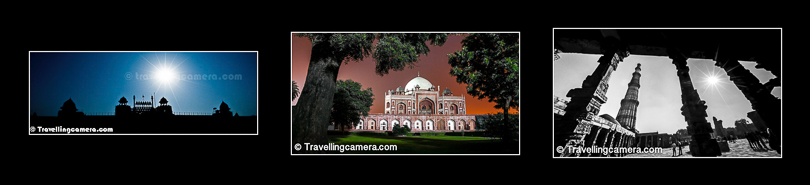
For architectural photography, look for symmetry, arches, repeating patterns and framed perspectives rather than simply photographing the entire building.
Agra
The Taj Mahal is famous for a reason, but the classic front-facing photograph is only the beginning.
Early morning is preferable for softer light and generally calmer conditions.
Look for reflections, doorways, silhouettes and details in the marble.
Jaipur
The streets around the Hawa Mahal are visually dense.
Use a longer lens to isolate architectural details and street activity.
The warm tones of Jaipur can become particularly attractive in late-afternoon light.
Varanasi
This is a destination where patience matters more than equipment.
Early morning on the ghats is extraordinary for photography.
The light gradually changes from cool blue to warm gold. Boats become silhouettes. Smoke rises from small fires. People bathe, pray, wash clothes and begin their day.
Be respectful.
Not every human moment is a photograph.
Kerala
Backwaters, fishing communities, traditional architecture and tropical vegetation provide opportunities for quieter compositions.
Overcast monsoon conditions can actually be excellent for photography because the light is soft and saturated rather than harsh.
India's official tourism resources note that monsoon can transform landscapes with greenery, waterfalls and refreshed vegetation, making it an interesting season for travellers willing to work around rain.

Photography Tips for Your First India Trip
Carry less equipment than you think you need.
A versatile zoom and one fast prime can cover an enormous range of situations.
More importantly:
Wake up before sunrise.
Look for side light rather than overhead sunlight.
Use doorways and arches as natural frames.
Photograph layers rather than isolated subjects.
Watch reflections after rain.
Carry a lens cloth; dust is unavoidable.
Protect equipment during monsoon.
Keep spare batteries charged.
Ask permission before making intimate portraits.
Avoid photographing people during private or religious moments without considering the context.
And don't spend the entire trip looking through the viewfinder.
Put the camera down occasionally.
Some experiences are better remembered than photographed.
Local Food Experiences
Food deserves its own itinerary in India.
But don't arrive expecting “Indian food” to taste like one cuisine.
It doesn't exist as a single uniform category.
Punjabi food, Gujarati food, Bengali food, Rajasthani food, South Indian food, Kashmiri food and Goan food can feel like entirely different culinary traditions.
A first-time visitor should experiment gradually.
Try:
Masala dosa
Idli and sambar
Chole bhature
Rajma chawal
Rajasthani dal baati churma
Gujarati thali
Bengali sweets
Kebabs
Parathas
Chai
Regional pickles
Seasonal fruits
Local sweets
Street food can be fantastic, but choose busy places where food has high turnover and appears freshly prepared.
Don't assume that the most expensive restaurant offers the most authentic experience.
Sometimes a ₹100 breakfast tells you more about a city than a ₹2,000 dinner.

Local Conversations and Human Stories
Talk to people.
Not everyone will want to have a conversation, and that should be respected.
But many Indians are naturally curious about visitors.
A simple conversation can reveal something no guidebook can.
Ask a shopkeeper where a particular textile is made.
Ask a driver about his hometown.
Ask a food vendor what dish his family makes at home.
Ask a guide what tourists usually misunderstand about the city.
These questions create a different kind of travel experience.
And remember: you are not interviewing India.
You are meeting people.

Cultural Etiquette for First-Time Visitors
A little cultural awareness goes a long way.
Dress appropriately
In religious places, modest clothing is generally appreciated.
In temples, mosques and some other religious sites, you may be required to remove shoes.
Ask before photographing
Particularly around religious ceremonies, elderly people, children and private spaces.
Use your right hand where appropriate
In many traditional settings, the right hand is preferred for eating or handing objects. This isn't an absolute rule for every situation, but being aware of it is useful.
Don't assume every Indian speaks Hindi
India has hundreds of languages and many regions where Hindi is not the dominant local language.
English is widely used in tourism and urban settings, but learning a few local words can make interactions warmer.
Don't confuse curiosity with permission
People may stare because you are unfamiliar to them.
That does not mean they want their photograph taken.
Respect works both ways.
Best Time to Visit India
For many first-time visitors, October to March is a comfortable broad window for exploring much of northern and central India.
However, it is not a universal rule.
| Season | Good for | Watch out for |
|---|---|---|
| October–November | Northern India, Rajasthan, festivals | Some areas become busy |
| December–February | Rajasthan, Delhi, Agra, South India | Cold mornings in north; fog can affect travel |
| March–April | Mountains, selected regions, festivals | Heat begins building |
| May–June | Himalayas, some wildlife destinations | Very hot plains |
| July–September | Monsoon landscapes, Kerala/Western Ghats | Heavy rain in many areas |
| October–February | Kerala and much of South India | Popular destinations can be busy |
India's official tourism guidance also notes that winter is generally pleasant across much of the country while southern destinations remain relatively warm; summer can be intense in the plains but more comfortable in hill regions.

How to Reach India
Most international visitors arrive through major international airports such as Delhi, Mumbai, Bengaluru, Chennai or Hyderabad.
Your arrival airport should ideally match your itinerary.
If your trip is focused on Rajasthan, Delhi is often a logical starting point.
If you are exploring Kerala, flying directly into Kochi or Thiruvananthapuram can save considerable travel time.
Before booking flights, check visa requirements based on your nationality.
For foreign visitors, India requires a valid passport and visa unless an applicable exemption exists. The official Indian Visa Online portal also provides information about eVisa eligibility and application procedures.
Use the official government portal rather than websites that appear to be official but add unnecessary agency fees.
Where to Stay
For your first India trip, location matters more than luxury.
A beautiful hotel two hours from the places you want to explore is not necessarily a better choice than a comfortable hotel ten minutes away.
Consider:
Heritage hotels for historical cities
Boutique hotels in old neighbourhoods
Well-reviewed international hotels for an easier first experience
Homestays for cultural immersion
Eco-lodges for nature destinations
For a first trip, I would avoid changing hotels every night.
Two or three nights in one place gives you time to understand the rhythm of a destination.

Budget Tips for India Trip Planning
India can accommodate very different travel budgets.
The biggest cost difference usually comes from accommodation, transport and the style of experiences you choose.
Budget traveller
Use trains, local transport, guesthouses and local restaurants.
Mid-range traveller
Combine comfortable hotels with trains, domestic flights and private transfers when useful.
Luxury traveller
India has extraordinary heritage hotels, luxury trains, resorts and private experiences.
The important thing is not to equate budget with authenticity.
A luxury hotel can offer a wonderful experience.
A modest roadside restaurant can offer another.
They are different experiences, not necessarily better or worse.
Suggested First India Trip Itinerary
For someone visiting India for the first time, I would strongly consider a classic northern India journey:
Days 1–3: Delhi
Give yourself time to recover from jet lag.
Explore Old Delhi, Humayun's Tomb, markets and selected historical sites.
Keep one morning free for wandering.
Day 4: Agra
Travel to Agra.
Visit the Taj Mahal around sunrise if possible and explore Agra Fort later.
Days 5–7: Jaipur
Explore the old city, forts, markets and surrounding areas.
Give yourself time for food and photography rather than rushing between monuments.
Days 8–10: Rural Rajasthan
Instead of adding another major city, consider staying in a smaller town or heritage property.
This is where the pace changes.
Days 11–12: Return to Delhi
Use the final day as a buffer rather than scheduling an international flight immediately after a long domestic journey.
If you have two weeks, add Varanasi or extend Rajasthan rather than trying to squeeze in another distant region.

Responsible Travel Tips
India is dealing with the same pressures affecting popular destinations around the world: waste, overcrowding, water consumption and the commercialization of culture.
Travel thoughtfully.
Carry a reusable water bottle where practical.
Avoid unnecessary single-use plastic.
Don't litter.
Use reputable wildlife operators.
Don't participate in activities involving animal exploitation.
Respect religious ceremonies.
Buy directly from artisans where possible.
Avoid haggling aggressively over very small amounts.
Ask before photographing people.
Don't climb on monuments for photographs.
Support local restaurants and independent businesses.
Responsible travel isn't about being perfect.
It is about being conscious.

Common Mistakes to Avoid on Your First India Trip
Trying to see too much
This is probably number one.
India rewards slower travel.
Underestimating traffic
A ten-kilometre journey in a large Indian city may take far longer than expected.
Planning every minute
Leave gaps.
India has a way of filling them.
Ignoring weather
Don't plan Rajasthan in the same way you would plan Kerala.
Expecting everything to work exactly on schedule
Build buffers into your itinerary.
Drinking unsafe water
For visitors, stick to reliably treated or sealed drinking water and use sensible hygiene practices.
Eating only at tourist restaurants
You will miss an important part of the country.
Taking photographs without context
Especially around religious ceremonies and funerals.
Assuming India is one culture
It isn't.
That is one of the most important things to understand before arriving.

Frequently Asked Questions About a First India Trip
Is India safe for first-time travellers?
Millions of people travel through India every year, but visitors should use normal travel precautions and remain aware of their surroundings. Choose reputable accommodation and transport providers, particularly when travelling independently.
Solo travellers should also research the specific destinations they plan to visit rather than treating the whole country as one uniform environment.
How many days are enough for a First India Trip?
For a meaningful first visit, 7–14 days is a good starting point.
Seven days works well for one compact region. Two weeks allows you to combine destinations without turning the trip into a race.
What should I wear in India?
Light, breathable clothing works well in warm areas. For religious sites, carry clothing that covers shoulders and knees when appropriate.
The exact clothing required depends on the destination and activity.
Is Indian food very spicy?
Not necessarily.
Indian cuisine uses many spices, but spice does not always mean chilli heat. Tell the restaurant or cook that you are not accustomed to very spicy food, and start gradually.
Should I travel around India by train?
Absolutely, if your itinerary allows it.
Indian Railways is itself an experience. However, for long distances or tight schedules, domestic flights can save significant time.
Should I hire a private driver in India?
For destinations such as Rajasthan, a private driver can be extremely convenient, particularly for first-time visitors.
It provides flexibility for photography stops, villages and roadside discoveries.
Is street food safe in India?
It can be, but use common sense.
Look for busy stalls with high turnover, freshly cooked food and clean-looking preparation practices. Avoid food that has clearly been sitting exposed for long periods.
What is the best month for a First India Trip?
For a broad first itinerary covering Delhi, Agra and Rajasthan, October to March is generally a comfortable period.
For other regions, the ideal season can be very different.
Can I use credit cards in India?
Cards are widely accepted in urban hotels, restaurants and shops, but cash remains useful, particularly in smaller towns, markets and rural areas.
Should I book everything before arriving?
Not necessarily.
For a first visit, I would book international flights, initial accommodation, major transport and popular experiences in advance, while leaving some room for spontaneous exploration.

Final Thoughts: Let India Surprise You
If I had to reduce all my advice for a First India Trip to one sentence, it would be this:
Don't come to India looking for the India you have already seen in photographs.
Come looking for the India behind those photographs.
The tea seller opening his shop before sunrise.
The grandmother watching the street from a balcony.
The mechanic repairing a motorcycle beside a 400-year-old building.
The child waving from a train window.
The smell of cardamom and frying dough in a morning market.
The unexpected conversation with a stranger.
The monsoon arriving five minutes after blue skies.
The road that takes longer than expected but leads somewhere you never planned to visit.
These are not interruptions to an Indian journey.
They are the journey.
Plan intelligently. Travel slowly. Eat locally. Wake up early. Talk to people. Respect the culture. Carry your camera, but don't let the camera come between you and the experience.
And most importantly, don't try to understand all of India on your first visit.
Leave something unexplored.
That is a good reason to come back.
Related Blogposts-
Exploring India: The Ultimate Travel Guide to Experiencing the Soul of a Timeless Civilization
What Advice Would You Give to Someone Travelling to India for the First Time?

Rajasthan State of India: A Complete Travel Guide for First-Time Visitors
Trip to Gujarat State of India: A Complete Travel Guide for First-Time Visitors
 |
| A Theyyam blessing the priests. These performers are considered as God themselves once they don the Theyyam costume |


.jpg)
Comments