

Introduction: Why West Bengal Feels Like Several Trips in One
The West Bengal State of India is difficult to understand from a single itinerary.
One morning can begin with the sound of temple bells in Kolkata, move through mustard-coloured fields and sleepy railway stations by afternoon, and end several hundred kilometres away with Himalayan mist settling over a Darjeeling tea garden. Travel south and the landscape changes again: rivers widen, land disappears into tidal channels, and the mangrove forests of the Sundarbans begin to feel less like a destination and more like another world.
That variety is precisely what makes West Bengal fascinating.
This is a state where colonial architecture sits beside centuries-old temples, where Rabindranath Tagore's ideas still shape Santiniketan, where terracotta panels in Bishnupur preserve stories from the Ramayana and Mahabharata, and where a cup of Darjeeling tea carries the geography of an entire mountain landscape.

For photographers, it is especially rewarding. West Bengal offers architecture, portraits, festivals, landscapes, wildlife, trains, food, street scenes and quiet rural life without requiring you to travel across different states.
And perhaps the best way to experience it is not to rush.
A trip to India that includes West Bengal deserves time for wandering, conversations, unexpected detours and the occasional missed train.

Why Visit the West Bengal State of India?
The easiest answer is: because almost every kind of traveller can find a different Bengal.
The state officially promotes destinations ranging from the Himalayas and tea gardens to mangrove forests, beaches, heritage towns and religious centres.
For photographers
West Bengal is extraordinarily photogenic because its visual character changes dramatically from region to region.
You can photograph:
Colonial Kolkata before the streets become crowded
Morning flower sellers and worshippers along the Hooghly
Terracotta temples in Bishnupur
Baul musicians around Santiniketan
Himalayan landscapes around Darjeeling and Kalimpong
Tea workers in North Bengal
Wooden boats and mangrove channels in the Sundarbans
Fishing communities along the coast
Festival pandals during Durga Puja
Rural Bengal's ponds, rice fields and mud houses
The trick is not to treat the state as a checklist.
Stay somewhere for two or three nights and let the light change.
That is when West Bengal starts revealing itself.

Understanding the West Bengal State of India Through Its Geography
West Bengal stretches from the Himalayan foothills in the north to the Bay of Bengal in the south.
Between those extremes lies an extraordinary geographical progression.
| Region | Character | Best for |
|---|---|---|
| Kolkata | Colonial, intellectual, culinary and cultural | Heritage, food, street photography |
| Darjeeling | Himalayan hills and tea estates | Landscapes, trains, portraits |
| Kalimpong | Quieter mountain culture | Slow travel, monasteries, landscapes |
| Dooars | Forests and rivers | Wildlife and nature |
| Bishnupur | Terracotta temple heritage | Architecture and history |
| Santiniketan | Art, literature and rural Bengal | Culture and photography |
| Murshidabad | Nawabi history | Heritage photography |
| Sundarbans | Mangrove delta | Wildlife and boat journeys |
| Purulia | Red earth, hills and folk culture | Rural photography |
| Digha and coast | Beaches and fishing communities | Coastal travel |
This diversity is one reason the West Bengal tourism department divides its offerings into heritage, eco-tourism, tea tourism, wildlife, coastal, religious and cultural tourism.

Historical and Cultural Significance of West Bengal
To travel through Bengal is to move through several layers of Indian history.
Ancient kingdoms, Buddhist traditions, Hindu devotional movements, Islamic courts, European trading settlements, British colonialism, the Bengal Renaissance and India's independence movement have all left their marks.
Kolkata, formerly Calcutta, became the capital of British India in 1772 and remained the imperial capital until 1911. But the city's cultural influence continued long after the colonial administration moved to Delhi.
The Bengal Renaissance produced extraordinary intellectual and artistic movements.
Names such as Raja Ram Mohan Roy, Ishwar Chandra Vidyasagar, Swami Vivekananda, Rabindranath Tagore and Satyajit Ray are deeply connected with the cultural history of Bengal.
Yet the story is not confined to Kolkata.
In Murshidabad, the Nawabi past remains visible in grand palaces and mosques.
In Bishnupur, the Malla rulers created an architectural tradition unlike almost anywhere else in India. The town's terracotta temples feature intricate scenes drawn from Hindu epics, mythology and everyday life. The state's tourism department traces Bishnupur's history to the Malla dynasty and highlights the town's terracotta, handloom, music and painting traditions.
And in Santiniketan, Tagore attempted something even more radical: creating an educational environment where nature, art, music and learning could exist together.
Santiniketan was established in 1901 and later became home to Visva-Bharati. UNESCO inscribed Santiniketan on the World Heritage List in 2023, recognising its distinctive educational and cultural philosophy.

Kolkata: Begin Your West Bengal Journey Slowly
Kolkata is often treated as an entry point.
That is a mistake.
It deserves to be a destination in its own right.
The city rewards walkers.
Start early around the older parts of central Kolkata. The morning light is softer, traffic is manageable and streets that appear chaotic later in the day can feel almost contemplative.
Walk around areas such as BBD Bagh, Dalhousie Square, College Street, Bow Barracks and the lanes around Burrabazar.
Then cross the Hooghly and look back at the city.
The river changes Kolkata's scale.

Photographing Kolkata
For photography, early morning is particularly valuable.
Look for:
Backlit tram wires
Flower sellers
Old balconies
Yellow taxis
Tea stalls
Hand-pulled carts
Reflections after rain
People bathing along the river
Architectural details disappearing beneath layers of paint
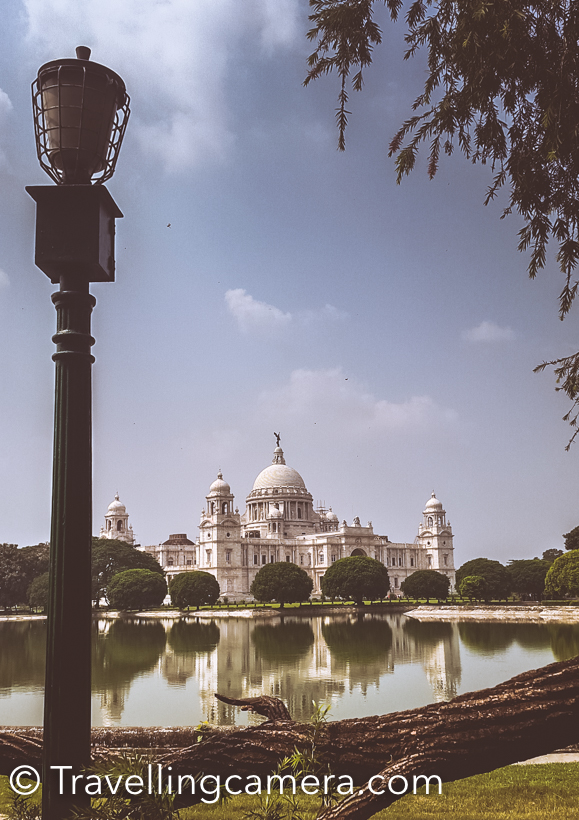
Victoria Memorial is best approached at either end of the day. The white marble responds beautifully to low-angle sunlight.
But don't spend your entire photography day photographing monuments.
Some of Kolkata's best photographs happen between destinations.

Darjeeling: Where the Mountains Become a Story
Darjeeling is famous for Kanchenjunga views and tea.
But the real pleasure is in the details.
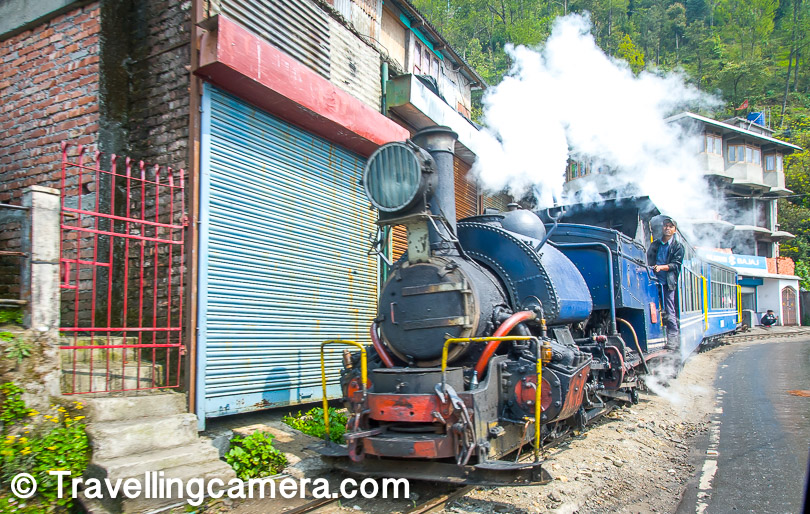
The sound of a locomotive working its way uphill. A kettle steaming behind a tea stall. A shopkeeper opening wooden shutters on a cold morning. Schoolchildren walking through mist.
The Darjeeling Himalayan Railway opened in 1881 and remains one of India's most remarkable engineering achievements. UNESCO describes its 88.48-kilometre narrow-gauge route as an outstanding example of a mountain railway, using loops and zigzag reverses to negotiate the terrain.
For a photographer, the railway is more than a tourist attraction.
It is a moving subject.
Stand away from the obvious viewpoints and photograph the relationship between the train, houses, roads, people and mountains.
When to photograph Darjeeling
Early morning is your best chance of seeing clear mountain views.
However, don't become obsessed with sunrise.
Mist can be more interesting than a perfectly clear mountain.
A layer of fog moving through tea gardens creates depth that a cloudless landscape sometimes lacks.

Santiniketan: Travel Slowly and Look Closely
Santiniketan is not the kind of place where you should arrive with a list of twenty attractions.
Come here to slow down.
Tagore's educational experiment deliberately integrated nature, art, music and learning. UNESCO notes that its open-air classrooms and cultural philosophy were central to its identity.
The landscape is gentle rather than spectacular.
That makes it ideal for observational photography.
Look for:
Red laterite soil
Sal trees
Artists working with traditional materials
Students and musicians
Baul performances
Rural markets
Handcrafted textiles
Seasonal festivals
The famous Poush Mela and Basanta Utsav bring large crowds, so photographers should arrive early and respect the difference between documenting culture and turning people into props.

Bishnupur: Bengal's Terracotta Open-Air History Book
Bishnupur deserves more attention from travellers visiting eastern India.
Its terracotta temples are extraordinary because they are not merely decorative structures.
Their walls tell stories.
Scenes from mythology, processions, animals, musicians, warriors and everyday life appear in fired clay.
The Rasmancha, Jor Bangla Temple and Shyam Rai Temple are among the best-known structures.
The visual challenge here is interesting: the temples are relatively small compared with monumental North Indian temple complexes.
So instead of relying only on wide-angle photographs, carry a medium telephoto or standard zoom.
Compress the details.
Fill the frame with a single terracotta panel.
Shoot at an angle when the sun creates shadows across the relief.
Late afternoon is particularly good because low light reveals texture.
Bishnupur also has a living cultural tradition of music, handloom and handicrafts; its association with the Bishnupur school of classical music is another reason not to treat it simply as an architectural stop.

Murshidabad: Bengal's Nawabi Past
If you enjoy history and architecture, put Murshidabad on your itinerary.
The city was once the centre of Bengal's Nawabi power and remains one of the most interesting places to explore the political history of eighteenth-century Bengal.
Hazarduari Palace dominates many visitors' mental image of Murshidabad, but the wider area deserves time.
Explore slowly.
Notice the scale of the old buildings, the relationship between palace architecture and the river, and the quieter religious structures scattered around the city.
Photography here works best as storytelling rather than monument documentation.
Photograph doors.
Windows.
Weathered walls.
People moving through old spaces.
Those details often communicate age more effectively than a postcard-perfect palace photograph.

Sundarbans: A Landscape That Refuses to Be Rushed
The Sundarbans is one of the most extraordinary destinations in the West Bengal State of India.
It is a landscape built around water.
Channels split and reconnect. Mudflats appear and disappear with the tide. Mangrove roots rise from the mud. Birds call from vegetation that often seems impenetrably dense.
UNESCO describes the Sundarbans as the world's largest mangrove forest area, spread across the Ganges-Brahmaputra delta between India and Bangladesh. Its wildlife includes tigers, aquatic mammals, birds and reptiles.
But don't visit expecting a guaranteed tiger sighting.
That mindset misses the point.
The Sundarbans is about reading a landscape.
A ripple in the water.
A kingfisher sitting on a branch.
A crocodile barely visible along the bank.
A fishing boat disappearing around a bend.
Photography in the Sundarbans
Carry a telephoto lens.
A 100–400mm or similar range is much more useful than a wide-angle lens for wildlife.
But keep the wide lens accessible.
The forest itself is your subject.
Photograph layers:
boat → water → mangroves → sky.
Shoot early and late when possible, but wildlife activity and visibility depend heavily on conditions.
Most importantly, follow your guide and boat operator's instructions.
This is not a theme park.
It is a working ecosystem.

Hidden Gems and Lesser-Known West Bengal
One of the pleasures of travelling through Bengal is leaving the obvious circuit.
Consider exploring:
Purulia
Known for its red-earth landscapes, hills and folk traditions, Purulia can feel dramatically different from the riverine plains.
The region is especially rewarding for photographers interested in rural life and folk culture.
Jhargram
Forests, villages and a slower pace make Jhargram attractive for travellers who want to move beyond the conventional Kolkata-Darjeeling route.
Dooars
North Bengal's Dooars region offers forests, rivers and wildlife landscapes. The experience here is fundamentally different from Darjeeling's mountain environment.
Kalimpong
Kalimpong is often overshadowed by Darjeeling but can be a better choice for travellers who prefer a quieter mountain stay.
Coastal Bengal
Digha is the most familiar name, but the coastline has more to offer than a beach-and-hotel weekend.
The West Bengal tourism department itself highlights coastal destinations as part of the state's tourism landscape.
Best Photography Spots in West Bengal
For a photography-focused trip, consider this shortlist:
| Location | What to Photograph | Best Light |
|---|---|---|
| Kolkata riverfront | People, boats, architecture | Sunrise / late afternoon |
| College Street | Books, people, street life | Morning |
| Victoria Memorial | Architecture | Early morning / sunset |
| Darjeeling | Mountains, streets, trains | Early morning |
| Tea gardens | Landscapes, workers | Morning / late afternoon |
| Santiniketan | Art, people, rural life | Morning / golden hour |
| Bishnupur | Terracotta details | Late afternoon |
| Murshidabad | Heritage architecture | Morning / late afternoon |
| Sundarbans | Wildlife, mangroves, boats | Early morning / late afternoon |
| Purulia | Rural landscapes | Sunrise / sunset |
Photography Tips for Travelling Through Bengal
Don't travel with only one lens.
If photography is a major reason for your journey, a practical kit would be:
24–70mm or equivalent for general travel
70–200mm or 100–400mm for wildlife and portraits
Fast prime lens for Kolkata interiors and low light
Polarising filter for landscapes and foliage
Extra batteries
Microfibre cloths and weather protection
Photograph people respectfully
Bengal is a wonderful place for portrait photography, but the camera should not become a barrier between you and people.
Ask before making close portraits.
Often, a short conversation leads to a much better photograph.
And sometimes the best photograph is made after you put the camera down.

Food: What to Eat in West Bengal
Food is one of the strongest reasons to travel through Bengal.
Do not reduce Bengali cuisine to fish and sweets.
Yes, fish is important.

But the cuisine is much broader.
Look for:
Shorshe ilish
Chingri malai curry
Kosha mangsho
Aloo posto
Shukto
Luchi with alur dom
Macher jhol
Mochar ghonto
Aloo bhorta
Kathi rolls
Mishti doi
Sandesh
Rasgulla
Patishapta

Mustard oil, poppy seeds, green chillies, freshwater fish, seasonal vegetables and subtle spice combinations create a cuisine that often depends more on balance than intensity.
Try eating at ordinary neighbourhood establishments rather than limiting yourself to restaurants designed for tourists.
A simple lunch of rice, dal, vegetables, fish and chutney can reveal more about Bengali food culture than an elaborate tasting menu.

Local Conversations: The Part No Guidebook Can Plan
The most memorable moments in Bengal are often unplanned.
A tea seller explaining which train you should take.
A taxi driver recommending a restaurant.
A shopkeeper asking where you're from.
A local photographer explaining why a particular street looks better after rain.
A grandmother correcting your pronunciation of a Bengali word.
These encounters are valuable because Bengal has a strong conversational culture.
Don't rush through them.
Learn a few simple Bengali expressions:
Nomoshkar — Hello
Dhonnobad — Thank you
Bhalo achhen? — Are you well?
Koto? — How much?
Jol — Water
Even imperfect Bengali can open doors.

Best Time to Visit the West Bengal State of India
There is no single perfect season because West Bengal contains several climatic zones.
October to February
Generally the most comfortable period for a broad West Bengal itinerary.
This is particularly good for Kolkata, heritage towns, Santiniketan, Sundarbans and coastal travel.
March to May
Hot in the plains, but increasingly attractive for Himalayan destinations.
Darjeeling and Kalimpong can offer a welcome escape from Kolkata's heat.
June to September
The monsoon transforms Bengal.
The countryside becomes intensely green and the landscape can be beautiful for photographers.
However, heavy rain can disrupt road journeys, particularly in the hills, and travel conditions should be checked before departure.
For Darjeeling, local travellers commonly advise avoiding the heaviest monsoon period because of rain and landslide risks.

Durga Puja
If you want the most dramatic cultural experience, visit during Durga Puja.
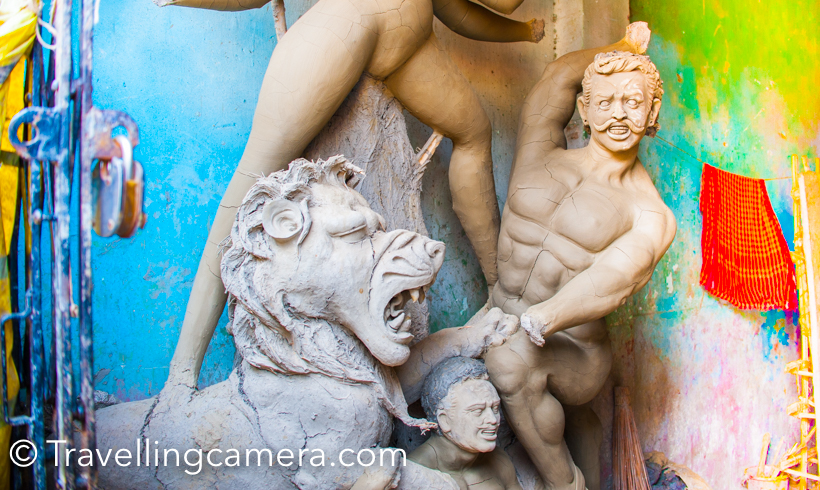
Kolkata becomes an enormous open-air art installation.
Pandal design, sculpture, lighting, music, food and community gatherings transform the city.

Kolkata's Durga Puja was inscribed by UNESCO on the Representative List of the Intangible Cultural Heritage of Humanity in 2020.
For photographers, it can be extraordinary.
For travellers who dislike crowds, it can be overwhelming.
Plan accordingly.

How to Reach West Bengal
By air
Kolkata's Netaji Subhas Chandra Bose International Airport is the principal gateway for southern and central West Bengal.
For Darjeeling and much of North Bengal, Bagdogra Airport is the more convenient air gateway.
By train
Kolkata is exceptionally well connected by India's railway network.
For Darjeeling, New Jalpaiguri is an important rail gateway, with the historic Darjeeling Himalayan Railway continuing towards the hills. UNESCO records the heritage railway's route between New Jalpaiguri and Darjeeling.
By road
Road travel makes sense for destinations such as Bishnupur, Santiniketan, Murshidabad, Purulia and parts of North Bengal.
However, don't underestimate distances.
West Bengal may look compact on a map, but a trip combining Kolkata, Darjeeling and Sundarbans involves very different travel logistics.

Where to Stay in West Bengal
Choose accommodation based on the experience you want.
Kolkata
Stay in central or heritage-oriented neighbourhoods if architecture, food and walking are priorities.
Darjeeling
A central hotel is convenient, but a quieter homestay can offer a more intimate experience.
Santiniketan
Choose a property that allows time to explore the surrounding landscape rather than treating the town as a one-night stop.
Sundarbans
A package-style eco-stay or lodge can simplify transport, meals and boat arrangements.
Bishnupur and Murshidabad
Simple heritage-oriented accommodation can make more sense than luxury properties if the goal is exploration.

Budget Tips for a West Bengal Trip
West Bengal can accommodate very different travel budgets.
| Travel Style | Approximate Approach |
|---|---|
| Backpacker | Trains, buses, simple hotels, local eateries |
| Mid-range | Comfortable hotels, trains plus private transfers |
| Family | Private vehicles for multi-stop routes |
| Luxury | Heritage hotels, curated experiences, private guides |
| Photographer | Smaller groups, longer stays, specialist transport |
One useful principle: spend money on time rather than unnecessary luxury.
An extra night in Bishnupur or Santiniketan may add more to your experience than upgrading your hotel room.
For the Sundarbans and wildlife destinations, however, don't cut costs at the expense of a knowledgeable local guide or reliable operator.

A Suggested 10-Day West Bengal Itinerary
Trying to see everything in one trip is a mistake.
A balanced first trip could look like this:
Days 1–3: Kolkata
Explore:
Victoria Memorial
College Street
BBD Bagh
Indian Museum
Kumartuli
Hooghly riverfront
Local food neighbourhoods
Day 4: Santiniketan
Travel to Bolpur and spend the day exploring Santiniketan.
Stay overnight.
Day 5: Bishnupur
Continue towards Bishnupur and explore its terracotta temples.
Day 6: Murshidabad
If logistics allow, continue towards Murshidabad for its Nawabi heritage.
Days 7–9: Darjeeling
Fly or travel north depending on your route.
Spend three nights exploring Darjeeling rather than attempting a rushed overnight visit.
Include tea gardens, local markets, viewpoints and the Himalayan Railway.
Day 10: Departure
Return via Bagdogra/Siliguri or Kolkata depending on your itinerary.
Want wildlife instead?
Replace Bishnupur and Murshidabad with a 2–3 day Sundarbans stay.
Do not try to squeeze Kolkata, Darjeeling, Sundarbans, Bishnupur and Santiniketan into five days.
You will spend more time travelling than experiencing Bengal.

Responsible Travel in West Bengal
Responsible tourism here means more than carrying a reusable bottle.
In the hills, avoid littering and respect local communities. Residents in Darjeeling have recently raised concerns about plastic waste and tourist behaviour.
In the Sundarbans:
Never throw plastic into the water
Do not feed wildlife
Keep noise low
Follow forest regulations
Listen to boat operators
Avoid disturbing birds and animals
Support local guides and homestays
In villages and religious sites, dress appropriately and ask before photographing people or ceremonies.
During festivals, remember that you are entering someone's cultural and religious space.
A good photograph should not come at the cost of someone's dignity.

Common Mistakes to Avoid
1. Trying to cover the entire state
West Bengal rewards depth.
2. Treating Kolkata as merely an airport stop
Give Kolkata at least two or three days.
3. Expecting a tiger in the Sundarbans
Wildlife doesn't work on an itinerary.
4. Visiting Bishnupur for one hour
The temples deserve time.
5. Carrying only a wide-angle lens
You will regret this in Darjeeling and the Sundarbans.
6. Ignoring weather
Monsoon conditions can dramatically affect mountain travel.
7. Photographing everyone without asking
A camera does not automatically grant permission.
8. Eating only in tourist restaurants
Some of the best Bengali food is found in ordinary neighbourhood eateries.
9. Underestimating travel time
Distances that look short on a map can take much longer by road.
10. Planning every minute
Leave space for Bengal's greatest travel experiences: the unplanned ones.

Frequently Asked Questions About West Bengal Travel
What is West Bengal famous for?
West Bengal is famous for Kolkata, Darjeeling tea, the Sundarbans, Durga Puja, Bengali cuisine, terracotta temples in Bishnupur, Santiniketan, colonial heritage and its literary and artistic traditions.

Which are the best places to visit in West Bengal?
For a first trip, consider Kolkata, Darjeeling, Sundarbans, Santiniketan and Bishnupur. Murshidabad, Kalimpong, Dooars, Purulia and Jhargram are excellent additions for longer journeys.

How many days are enough for West Bengal?
At least 7–10 days are useful for a first trip, although two weeks is much better if you want to combine Kolkata, North Bengal and the Sundarbans.
What is the best time to visit West Bengal?
October to February is generally the easiest season for a broad itinerary. March to May works well for the Himalayan region, while the monsoon brings lush landscapes but more challenging travel conditions.

Is West Bengal good for photographers?
Yes. It is particularly strong for street photography, heritage architecture, portraits, festivals, wildlife, landscapes and documentary photography.

Is West Bengal suitable for families?
Yes. Kolkata, Darjeeling, Santiniketan, Bishnupur and selected wildlife destinations can work very well for family travel. Longer road journeys should be planned carefully.

Is West Bengal safe for solo travellers?
Many parts of West Bengal are well established for independent travel. As with any large travel destination, use normal precautions, particularly around crowded transport hubs, unfamiliar areas at night and remote wildlife zones.

What food should I try in West Bengal?
Try shorshe ilish, kosha mangsho, aloo posto, luchi-alur dom, chingri malai curry, traditional Bengali vegetables, mishti doi and different varieties of sandesh.
Is Darjeeling part of West Bengal?
Yes. Darjeeling is a hill district and major tourism destination in West Bengal.

Is the Sundarbans worth visiting?
Absolutely, especially if you enjoy wildlife, photography, boats and unusual landscapes. The experience is about the ecosystem itself rather than guaranteeing a tiger sighting.

Final Thoughts: Don't Just Visit Bengal. Observe It.
The best way to travel through the West Bengal State of India is to resist the temptation to define it by its famous places.
Kolkata is not only Victoria Memorial.
Darjeeling is not only Kanchenjunga.
Bishnupur is not only terracotta temples.
Santiniketan is not only Tagore.
The Sundarbans is not only the tiger.

Bengal exists in the spaces between those landmarks.
It is in the man pouring tea beside a railway line. In the woman arranging flowers outside a temple. In the old building whose balcony is slowly disappearing under layers of paint. In the smell of mustard oil from a neighbourhood kitchen. In a train disappearing into Himalayan mist. In a boatman silently watching a mangrove bank for movement.

For a photographer, that is where the real story begins.
And for a traveller, perhaps that is the most compelling reason to visit.
West Bengal does not reveal itself all at once.
It asks you to stay a little longer, walk a little slower and look again.
That second look is usually where the best memories begin.
Related Blogposts :

Telangana State of India: A Complete Travel Guide for First-Time Visitors
Tamil Nadu State of India: A Complete Travel Guide for First-Time Visitors

Explore Goa in India: A Complete Travel Guide for First-Time Visitors

Trip to Punjab State of India: A Complete Travel Guide for First-Time Visitors
Uttarakhand State of India: A Complete Travel Guide for First-Time Visitors

Himachal Pradesh State of India: A Complete Travel Guide for First-Time Visitors
Explore Karnataka State of India: A Complete Travel Guide for First-Time Visitors

Meghalaya State of India: A Complete Travel Guide for First-Time Visitors

Odisha State of India: A Complete Travel Guide for First-Time Visitors

Explore Uttar Pradesh State of India: A Complete Travel Guide for First-Time Visitors


Ladakh in India: A Complete Travel Guide for First-Time Visitors

Exploring India: The Ultimate Travel Guide to Experiencing the Soul of a Timeless Civilization

What Advice Would You Give to Someone Travelling to India for the First Time?

Rajasthan State of India: A Complete Travel Guide for First-Time Visitors
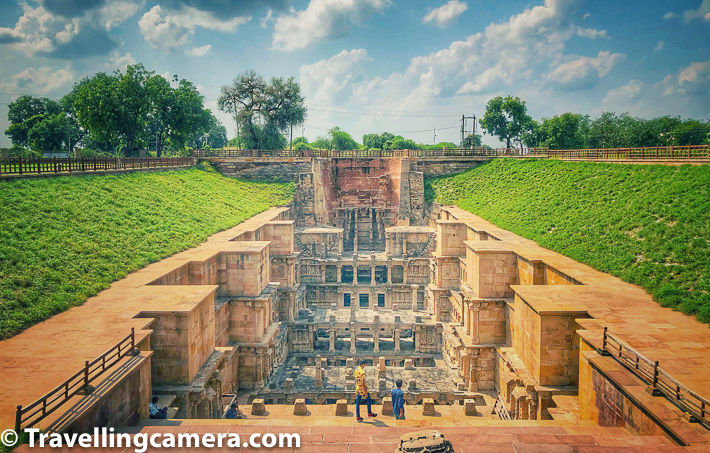
Trip to Gujarat State of India: A Complete Travel Guide for First-Time Visitors
 |
| A Theyyam blessing the priests. These performers are considered as God themselves once they don the Theyyam costume |
Trip to Kerala State of India: A Complete Travel Guide for First-Time Visitors

Jammu & Kashmir State of India: A Complete Travel Guide for First-Time Visitors
 Victoria Memorial - Kolkata's mammoth marble structure (West Bengal, India)





.jpg)
Comments