
Introduction: Tamil Nadu Is Not One Journey, but Many
If you are looking for the places to see in Tamilnadu, the obvious answer is a long list: Chennai, Mahabalipuram, Pondicherry, Thanjavur, Madurai, Rameswaram, Kanyakumari, Ooty and Coimbatore.
But that list misses the point.

Tamil Nadu is one of those places where the character of a journey changes dramatically every few hours. A road that begins among granite temples can eventually reach a fishing village. Rice fields give way to dry scrub. Coconut palms disappear behind mist-covered mountains. A crowded temple street suddenly opens into a quiet Chettinad courtyard.

And for a photographer, that variety is irresistible.
The real attraction is not simply the monument in front of you. It is the woman drawing a kolam before sunrise, the flower seller arranging jasmine into a basket, the temple elephant waiting in the shade, the tea-shop owner pouring tea from a great height, or the fisherman returning as the first light touches the Bay of Bengal.
Tamil Nadu rewards slow travel.
You can certainly cover the famous attractions in a hurried week, but a more rewarding Tamilnadu trip plan leaves room for wandering, conversations, unexpected detours and early mornings.
This is a state where history is not confined to museums. It is still being lived.

Why Visit Tamil Nadu?
Tamil Nadu is unusually rich in experiences because its geography, history and living traditions overlap.

Here you can photograph:
Ancient Dravidian temples
UNESCO World Heritage monuments
Colonial-era streets
Fishing villages
Rice-growing landscapes
Traditional Chettinad houses
Tea plantations
Forested hills
Long coastlines
Temple festivals
Classical dance and music
Street food and elaborate vegetarian meals
Rural markets and agricultural life

The state is also particularly rewarding for photographers because the visual language changes from region to region.
The hard granite geometry of Thanjavur feels completely different from the soft blue hills of the Nilgiris. Madurai's temple streets have a dense, layered visual energy, while the coast around Dhanushkodi can feel almost stark and empty.

And then there is the light.
Southern India's early morning light can transform an ordinary street into something extraordinary.
Historical and Cultural Significance of Tamil Nadu
Tamil Nadu's history is not represented by one dynasty or one architectural style.
The Pallavas left their mark along the Coromandel Coast. The Cholas built monumental temples across the Cauvery delta. The Pandyas shaped the cultural landscape around Madurai. Later kingdoms and colonial powers added further layers.

Mahabalipuram is one of the best places to understand the Pallava contribution. Its monuments were carved from rock during the 7th and 8th centuries and include monolithic rathas, cave temples, enormous open-air reliefs and the Shore Temple. UNESCO recognizes the site as a World Heritage property.

Further inland, the Chola legacy becomes overwhelming.
The Great Living Chola Temples include Brihadisvara Temple at Thanjavur, Brihadisvara Temple at Gangaikondacholapuram and Airavatesvara Temple at Darasuram. These are not simply archaeological remains; worship and rituals continue at the temples today.

That word — living — matters.
You can stand in front of architecture that is more than a thousand years old and still see people arriving to pray, make offerings, light lamps and participate in rituals.
For a traveler, that changes the experience completely.
Places to See in Tamilnadu: The Essential Journey
Rather than treating every destination equally, I would divide Tamil Nadu into several travel regions.

| Region | Best Experiences | Ideal Stay |
|---|---|---|
| Chennai & Mahabalipuram | Heritage, coast, food | 2–3 days |
| Pondicherry & Cuddalore coast | Colonial streets, cafés, villages | 2 days |
| Thanjavur & Kumbakonam | Chola temples, architecture | 2–3 days |
| Madurai | Temple culture, food, markets | 2 days |
| Rameswaram & Dhanushkodi | Pilgrimage, coast, landscapes | 2 days |
| Chettinad | Heritage mansions, cuisine | 1–2 days |
| Kanyakumari | Sunrise, sunset, coast | 1–2 days |
| Ooty & Nilgiris | Mountains, tea, railway | 2–3 days |
| Coimbatore & Pollachi | Nature, villages, Western Ghats | 2–3 days |
You don't need to visit all of them on one trip.
In fact, you probably shouldn't.

1. Chennai: Where Modern Tamil Nadu Meets Its Past
Chennai is often treated as the gateway to Tamil Nadu rather than a destination in its own right.
That's a mistake.

Begin around Mylapore early in the morning. The streets around Kapaleeshwarar Temple come alive before the heat becomes intense. Flower sellers, vendors, devotees, autorickshaws and residents create layers of movement that are far more interesting photographically than a static monument.
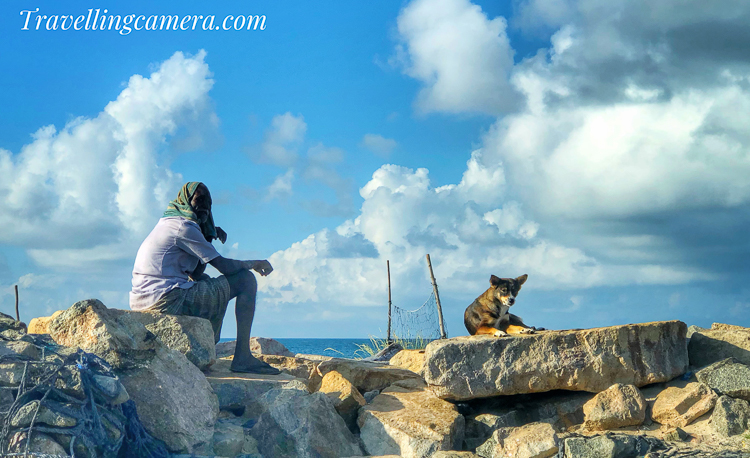
The best photographs here are often made before 8 AM.
Look for:
Jasmine sellers
Kolam designs outside homes
Temple entrances
Morning markets
Filter coffee being poured
Old residential streets
Don't rush to frame the temple alone.

Use people and foreground elements to give the photograph scale and context.
Later, explore George Town, Marina Beach and the city's older neighbourhoods.
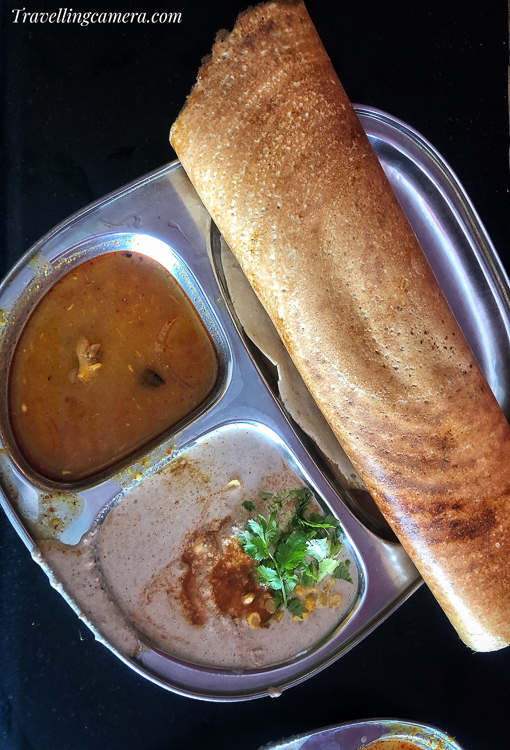
For food, Chennai deserves several meals rather than one restaurant recommendation. Try idli, dosa, pongal, vada, sambar, filter coffee and Tamil-style meals served on banana leaves.
2. Mahabalipuram: Granite, Sea and Pallava Imagination
Mahabalipuram, also known as Mamallapuram, is one of the most rewarding destinations for anyone interested in architecture and photography.
The Pallava monuments were carved into and from the natural rock landscape along the Coromandel Coast. UNESCO describes the site as an important example of the development of Indian rock-cut and structural architecture.

Photographing Mahabalipuram
Come early.
The Shore Temple becomes dramatically different before the tourist crowds arrive. Morning light can bring out texture in the granite without producing the harsh contrast of midday.
But don't photograph only the famous temple.
Walk around.

Look at the rathas from different angles. Study how the sculptors used natural rock. Photograph details of animals, pillars, weathered surfaces and carved figures.
A 50mm or 85mm lens can be particularly useful for isolating sculptural details.
Late afternoon is excellent for the larger compositions because the lower sun creates texture across the stone.

3. Pondicherry and the Tamil Coast
Pondicherry is technically a Union Territory rather than part of Tamil Nadu, but geographically and culturally it fits naturally into many Tamil Nadu journeys.
Its appeal lies in contrast.

French-influenced streets, Tamil neighbourhoods, churches, cafés, fishermen and coastal landscapes exist within a relatively small area.
For photographers, don't spend the entire morning photographing pastel colonial buildings.
Walk beyond the postcard streets.
Look for ordinary life.
The Tamil quarters often provide more interesting visual stories than carefully composed architectural photographs.

4. Thanjavur: The Chola Heartland
If I had to recommend one destination for travelers fascinated by South Indian architecture, it would be Thanjavur.
The Brihadisvara Temple is enormous, but its scale is not the only thing that makes it special.

The temple was commissioned by Rajaraja I and consecrated around 1010 CE. UNESCO identifies it as one of the great achievements of Chola architecture and part of the Great Living Chola Temples World Heritage property.
Stand in the courtyard and resist the temptation to photograph immediately.
Look.
Observe how people move through the space.
Notice the relationship between the enormous tower, the smaller human figures and the changing light.

Photography Tip
Try arriving soon after opening.
The morning light is generally more forgiving for architectural photography. If you're carrying a wide-angle lens, don't use it for everything. Step back and use a normal focal length to avoid exaggerated perspective.
Also photograph details.
A close-up of weathered stone can sometimes tell more about the age of the temple than a full-frame architectural shot.
5. Kumbakonam and the Smaller Chola Temples
Kumbakonam is where a slower traveler begins to appreciate the density of Tamil Nadu's temple landscape.
The mistake is to visit only the headline monuments.

Spend time around Darasuram and Airavatesvara Temple.
The UNESCO-listed Great Living Chola Temples include the Brihadisvara temples at Thanjavur and Gangaikondacholapuram along with Airavatesvara at Darasuram.
Darasuram can be particularly rewarding for photographers because the architecture invites close observation.
Look at the miniature carvings.
Look at the stone horses.
Look at how shadows fall between columns.
Then leave the monument.
The villages around Kumbakonam are part of the experience.
6. Chettinad: The Tamil Nadu Many Travelers Miss
Chettinad is one of my favourite recommendations for travelers who have already seen the major temple cities.
The region is known for its grand houses, distinctive cuisine and merchant heritage.
The old mansions can feel almost cinematic.

Large courtyards sit behind elaborate entrances. Athangudi tiles bring colour to floors. Burmese teak, imported materials and intricate decorative details reveal the historic wealth and international trading connections of Chettiar merchant families.

But the most interesting photographs often aren't inside a mansion.
They are outside.
An old bicycle leaning against a wall.
A quiet street.
A vegetable vendor.
A child returning from school.
A weathered doorway.
This is where travel photography becomes less about monuments and more about observation.
7. Madurai: The City That Refuses to Be Quiet
Madurai is intense.
It is noisy, colourful, devotional, commercial and wonderfully alive.
The Meenakshi Amman Temple dominates the city culturally and visually. But don't restrict your experience to the temple complex.
Walk through the streets around it.

Watch flower sellers preparing garlands. Follow the smell of jasmine. Listen to temple bells mixing with traffic.
For photographers, Madurai is particularly good for layered street photography.
Use doorways, pillars, vehicles and market stalls as foreground elements.
Early morning gives you softer light and more manageable crowds. Around sunset, the city takes on a completely different character.

What to Eat in Madurai
Look beyond familiar South Indian staples.
Try local specialities such as:
Jigarthanda
Parotta with salna
Kari dosa
Idiyappam
Kothu parotta
South Indian vegetarian meals
Freshly made dosas
Food in Tamil Nadu is regional.
That is important.
Don't assume that "South Indian food" tastes the same everywhere.

8. Rameswaram and Dhanushkodi: Where the Land Seems to End
Rameswaram is both a major pilgrimage destination and an extraordinary landscape.
The Ramanathaswamy Temple is famous for its long corridors and monumental scale.
But the road toward Dhanushkodi is where the visual character changes dramatically.
The landscape becomes sparse.
Sand, sea, wind and remnants of settlements create an almost surreal environment.

The old Dhanushkodi settlement was devastated by the 1964 cyclone, and the area today carries traces of that history.
This is a place where photography benefits from restraint.
Don't oversaturate the colours.
Allow the emptiness to remain part of the photograph.
Early morning or late afternoon works best.

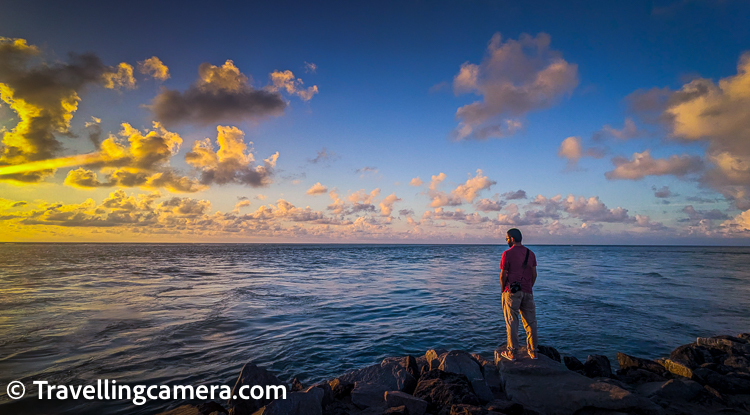
9. Kanyakumari: Photographing Three Coasts at Once
Kanyakumari is famous for its geographical setting at India's southern tip, where the waters of the Arabian Sea, Bay of Bengal and Indian Ocean meet.

But the best reason to photograph Kanyakumari is simple:
Light.
Sunrise is the main event.
Arrive before dawn and find your composition before the sky begins to change.
Don't spend the entire time looking through your camera.
Watch the people around you.
Pilgrims, local families, photographers, vendors and fishermen all react differently to sunrise.
Those reactions are often better photographs than the sun itself.

10. Ooty and the Nilgiris: A Completely Different Tamil Nadu
After the temples and coastal plains, the Nilgiris feel like another state.
Ooty brings cool weather, eucalyptus forests, tea estates and colonial-era hill architecture.

But if you are a photographer, the Nilgiri Mountain Railway should be high on your list.
The railway forms part of the UNESCO-listed Mountain Railways of India. The Tamil Nadu section is a metre-gauge railway of roughly 46 km and uses a rack-and-pinion system to handle steep gradients.
This is not merely transportation.
It is a visual experience.
Mist moving through forests.
Blue hills disappearing into clouds.
Tea gardens forming repeating patterns across slopes.
Small stations surrounded by greenery.

Photography Tip
Don't obsess over getting a photograph of the train itself.
Photograph the landscape through the carriage window.
The changing weather can create much more atmospheric images.
For tea estates, late afternoon can produce beautiful side lighting across the rows.

Hidden Gems and Lesser-Known Experiences in Tamil Nadu
The best places to see in Tamilnadu are not always the ones appearing first in search results.
Consider adding:

Pichavaram Mangrove Forest
A boat ride through mangrove channels offers a completely different landscape from the temple cities.
Go early when possible, particularly for softer light and calmer conditions.
Gangaikondacholapuram
Many travelers visit Thanjavur and stop there.
Don't.
The Brihadisvara Temple at Gangaikondacholapuram is part of the same UNESCO World Heritage property as Thanjavur and Darasuram. UNESCO notes that its 53-metre vimana has a more graceful upward curvature compared with the straighter profile at Thanjavur.
It is also generally a quieter experience.
Pollachi
Pollachi is a useful base for exploring coconut plantations, rural landscapes and the Western Ghats.
For photographers interested in agricultural life, it can be more rewarding than another major city.

Karaikudi's Old Streets
Instead of visiting only a restored mansion, walk through the surrounding neighbourhoods.
Look for doors, balconies, tiled roofs and ageing façades.
The visual story is in the details.
Best Photography Spots in Tamil Nadu
| Location | Best Subject | Best Time |
|---|---|---|
| Mahabalipuram | Shore Temple and sculptures | Early morning / late afternoon |
| Mylapore | Street life and temple culture | 6–9 AM |
| Thanjavur | Temple architecture | Morning |
| Darasuram | Sculptural details | Morning / late afternoon |
| Madurai | Markets and people | Early morning / evening |
| Dhanushkodi | Minimal landscapes | Sunrise / sunset |
| Kanyakumari | Sunrise | Before dawn |
| Chettinad | Mansions and streets | Morning / evening |
| Ooty | Tea gardens | Morning / late afternoon |
| Nilgiri Railway | Train and landscapes | Daytime |
| Pichavaram | Mangroves | Early morning |
Photography Tips for a Tamil Nadu Trip
1. Wake up early
This is perhaps the single most useful photography tip.
By 9 AM, the tropical sun can become harsh.
Early mornings offer softer light, cooler temperatures and more natural street activity.

2. Carry two lenses
A practical combination would be:
24–70mm for general travel
70–200mm for details, portraits and distant landscapes
A compact prime lens is also excellent for street photography.

3. Photograph rituals respectfully
Temples are active religious spaces, not photographic sets.
Ask before photographing people closely.
Follow restrictions around sanctums and areas where photography is prohibited.

4. Look beyond monuments
A temple photograph is easy.
A meaningful photograph showing how people interact with that temple is harder — and usually better.

5. Watch for dust and humidity
Coastal Tamil Nadu can be humid and dusty.
Keep a microfiber cloth handy and avoid changing lenses unnecessarily in dusty environments.

6. Use people for scale
The giant temple architecture becomes more powerful when a human figure gives the viewer a sense of scale.
Local Food Experiences You Shouldn't Miss
Tamil Nadu's cuisine deserves its own itinerary.
Try eating a traditional meal on a banana leaf at least once.

Depending on the region, you may encounter rice, sambar, rasam, kootu, poriyal, curd, pickles, payasam and other preparations served together.

Then explore beyond vegetarian meals.
Try:
Chettinad chicken
Parotta and salna
Madurai kari dosa
Fish preparations along the coast
Kothu parotta
Idli and vada
Pongal
Appam and stew
Jigarthanda
Filter coffee

One of the best travel habits in Tamil Nadu is to ask a local:
"What do you eat here?"
Not "What is famous?"
That small distinction often leads to better food.

Local Conversations: The Part You Cannot Put on a Map
Tamil Nadu becomes more interesting when you stop treating people as background characters.
A tea seller may tell you which village road has the best sunset.
A flower seller may explain why jasmine is so important locally.
A temple volunteer may point out a carving you would otherwise walk past.

A driver may suggest a roadside restaurant that never appears in travel guides.
These conversations are often where a journey changes direction.
Learn a few Tamil words.
"Vanakkam" is an obvious starting point.
Even a small attempt to speak the local language can make interactions warmer.
And when photographing people, ask first whenever practical.
The resulting photograph often feels better too.

Best Time to Visit Tamil Nadu
There is no single perfect season because Tamil Nadu covers coast, plains and mountains.

October to February
Generally the most comfortable period for a broad Tamil Nadu itinerary.
This is especially attractive for temple cities, heritage sites and road trips.
January can also bring the atmosphere of Pongal, Tamil Nadu's major harvest festival. In 2026, Thai Pongal fell on January 14, with the festival period extending through Mattu Pongal and Kaanum Pongal.

March to May
Hot in much of the plains and coastal regions.
The Nilgiris can be a better choice during the hotter months.

June to September
The southwest monsoon has a variable influence across the state, while the eastern and northeastern parts are strongly affected later in the year.
Travel can still be rewarding, but weather should influence your route.

October to December
The northeast monsoon can bring significant rain to parts of Tamil Nadu.
For photographers, this isn't necessarily bad.
Cloudy skies can create beautifully soft light.
The key is flexibility.

How to Reach Tamil Nadu
Chennai is the principal international gateway for many travelers.
Other useful airports include:
Coimbatore
Madurai
Tiruchirappalli
Tuticorin
Salem
For a multi-city journey, trains are particularly useful.

A good approach is to combine trains with local taxis or rental cars rather than attempting to drive the entire route yourself.
For places such as Chettinad, rural Thanjavur and smaller temple towns, having flexible road transport becomes especially useful.

Where to Stay in Tamil Nadu
Choose accommodation based on the experience you want.
For heritage
Stay in or around Thanjavur, Kumbakonam or Chettinad.
For food and street life
Madurai and Chennai are excellent bases.
For beaches
Mahabalipuram offers easy access to the coast.
For mountains
Stay in Ooty or smaller Nilgiri settlements if you prefer a quieter experience.

For photography
I generally prefer staying closer to the areas I want to photograph.
A hotel that saves you 30 minutes in the morning can be more valuable than one with a better swimming pool.
Budget Tips for a Tamil Nadu Trip
Tamil Nadu can work for almost every travel budget.
 Travel Style | Approximate Daily Budget |
|---|---|
| Budget | ₹1,500–₹2,500 |
| Comfortable | ₹3,000–₹6,000 |
| Premium | ₹8,000+ |
These are broad planning figures and vary substantially with accommodation, transport and season.
To reduce costs:
Use trains for longer journeys
Eat at local restaurants
Stay slightly away from major tourist centres
Hire cars only for specific regional circuits
Travel during shoulder periods
Book popular heritage hotels early
Don't economize on experiences that require local knowledge.
A good guide in a historic temple town can be worth far more than an expensive hotel room.

A Practical 12-Day Tamilnadu Trip Plan
If you have around 12 days, this is a balanced route:
Day 1 – Chennai
Mylapore, Kapaleeshwarar Temple, markets and Marina Beach.
Day 2 – Chennai to Mahabalipuram
Explore the Pallava monuments and photograph the Shore Temple around sunset.
Day 3 – Mahabalipuram to Thanjavur
Long travel day. Stop at interesting places along the way if time permits.
Day 4 – Thanjavur
Spend substantial time at Brihadisvara Temple.
Don't rush.
Day 5 – Kumbakonam and Darasuram
Explore the Chola temple landscape.
Day 6 – Chettinad
Drive toward Karaikudi and explore the old streets and mansions.
Day 7 – Madurai
Temple, flower markets, streets and local food.
Day 8 – Madurai to Rameswaram
Explore Ramanathaswamy Temple and the surrounding town.
Day 9 – Dhanushkodi
Start early and spend time photographing the coast.
Day 10 – Kanyakumari
Sunrise, coastal exploration and sunset.
Day 11 – Travel toward the Nilgiris
This is a longer transfer day.
Day 12 – Ooty
Tea gardens, viewpoints and, if your schedule allows, the Nilgiri Mountain Railway.
If you have more than 12 days, add Pollachi, Pichavaram, Tiruchirappalli or additional Chettinad villages rather than simply adding more cities.

Responsible Travel in Tamil Nadu
Tamil Nadu's greatest attractions are often living cultural spaces.
That requires sensitivity.
Dress modestly at temples.
Follow photography restrictions.
Ask before photographing people.
Remove footwear where required.
Don't touch sculptures or carvings.
Avoid plastic bottles where refill stations are available.
Don't enter restricted areas for photographs.
Support local eateries and artisans.
Don't treat rural communities as photographic props.
Respect religious ceremonies even when they appear visually interesting.
Most importantly, remember that a beautiful photograph is never more important than someone's privacy or religious practice.

Common Mistakes to Avoid
Trying to cover everything
Tamil Nadu is too large and diverse for a rushed checklist.
Visiting temples only in the middle of the day
The light is harsh and the heat can be exhausting.
Staying only in major cities
Some of the best experiences happen between destinations.
Ignoring food
Tamil Nadu is one of India's great food destinations.
Photographing people without asking
Especially with portraits.
Treating every temple as a monument
Many are active places of worship.
Overplanning every hour
Leave gaps.
Some of the best travel photographs happen because you missed your planned turn.

FAQs About Places to See in Tamilnadu
What are the best places to see in Tamilnadu for first-time visitors?
For a first trip, consider Chennai, Mahabalipuram, Thanjavur, Madurai, Rameswaram, Kanyakumari and Ooty. If you have more time, add Chettinad and Kumbakonam.

How many days are enough for a Tamilnadu trip?
Around 10–12 days gives you a useful introduction to the major cultural, coastal and hill destinations. Two weeks or more allows a much slower and more rewarding journey.

What is the best Tamilnadu trip plan for 7 days?
A practical seven-day route is Chennai → Mahabalipuram → Thanjavur → Madurai → Rameswaram → Kanyakumari. This is fast-paced, so travelers who prefer photography and slower exploration should reduce the number of destinations.
%20to%20see%20the%20Danish%20fort%20in%20Tamilnadu%20state%20of%20India-7.jpg "Tamil Nadu State of India: A Complete Travel Guide for First-Time Visitors")
Which places in Tamil Nadu are best for photography?
Mahabalipuram, Thanjavur, Madurai, Chettinad, Dhanushkodi, Kanyakumari and the Nilgiris are particularly rewarding. Each offers a different visual language.
%20to%20see%20the%20Danish%20fort%20in%20Tamilnadu%20state,%20India-3.jpg "Tamil Nadu State of India: A Complete Travel Guide for First-Time Visitors")
Which is better for history: Thanjavur or Madurai?
Both are excellent but different. Thanjavur is particularly strong for Chola architecture and heritage, while Madurai offers a more immersive combination of temple culture, markets, food and contemporary city life.
%20to%20see%20the%20Danish%20fort%20in%20Tamilnadu%20state,%20India-16.jpg "Tamil Nadu State of India: A Complete Travel Guide for First-Time Visitors")
Is Tamil Nadu good for a road trip?
Yes. Road travel is especially rewarding around Chettinad, Thanjavur, Kumbakonam, Madurai, Pollachi and the southern coast. For longer distances, combining trains with regional road trips can be more comfortable.
%20to%20see%20the%20Danish%20fort%20in%20Tamilnadu%20state,%20India-15.jpg "Tamil Nadu State of India: A Complete Travel Guide for First-Time Visitors")
What is the best month to visit Tamil Nadu?
December to February is generally a strong period for a broad itinerary. January is particularly interesting if you want to experience Pongal-related cultural activity.
%20to%20see%20the%20Danish%20fort%20in%20Tamilnadu%20state,%20India-18.jpg "Tamil Nadu State of India: A Complete Travel Guide for First-Time Visitors")
Is Tamil Nadu expensive for tourists?
It doesn't have to be. Budget accommodation, local restaurants and public transport can make Tamil Nadu relatively affordable, while heritage hotels and private cars can significantly increase costs.
%20to%20see%20the%20Danish%20fort%20in%20Tamilnadu%20state,%20India-17.jpg "A tea worker disappearing into mist. A fisherman pulling a net toward shore. A child watching a procession from a doorway. A steel tumbler of filter coffee on a roadside table.")
What food should I try in Tamil Nadu?
Start with idli, dosa, pongal, vada, traditional banana-leaf meals, parotta, Chettinad cuisine, Madurai specialities and filter coffee. Regional variations are part of the experience.
%20to%20see%20the%20Danish%20fort%20in%20Tamilnadu%20state,%20India-19.jpg "A tea worker disappearing into mist. A fisherman pulling a net toward shore. A child watching a procession from a doorway. A steel tumbler of filter coffee on a roadside table.")
What should photographers know before visiting Tamil Nadu temples?
Check photography rules, dress appropriately, ask permission before photographing people and avoid disturbing rituals. Early mornings are generally better for light, heat and atmosphere.
%20to%20see%20the%20Danish%20fort%20in%20Tamilnadu%20state,%20India-14.jpg "A tea worker disappearing into mist. A fisherman pulling a net toward shore. A child watching a procession from a doorway. A steel tumbler of filter coffee on a roadside table.")
Final Thoughts: Travel Tamil Nadu Slowly
The best places to see in Tamilnadu are not necessarily the places that photograph best on a postcard.
Sometimes the photograph you remember is a completely ordinary moment.
A shaft of morning light entering a temple corridor.
A jasmine seller sitting quietly beside her flowers.

A tea worker disappearing into mist.
A fisherman pulling a net toward shore.
A child watching a procession from a doorway.
A steel tumbler of filter coffee on a roadside table.

A thousand-year-old temple surrounded by people who treat it not as an archaeological wonder but as part of everyday life.
That is what makes Tamil Nadu extraordinary.

Its history is monumental, but its strongest stories are often intimate.
So don't build your Tamilnadu trip plan only around famous attractions. Leave room for villages, food stalls, unexpected conversations, roadside temples, old houses, railway platforms and unplanned detours.

Carry a camera, but don't spend the entire journey looking through it.
Sometimes the best way to photograph Tamil Nadu is to first stop photographing it.
Look.
Listen.
Talk to someone.
Wait for the light.
Then make the photograph.
That is when Tamil Nadu begins to feel less like a destination and more like a story you have entered.
Related Blogposts :

Explore Goa in India: A Complete Travel Guide for First-Time Visitors

Trip to Punjab State of India: A Complete Travel Guide for First-Time Visitors
Uttarakhand State of India: A Complete Travel Guide for First-Time Visitors

Himachal Pradesh State of India: A Complete Travel Guide for First-Time Visitors
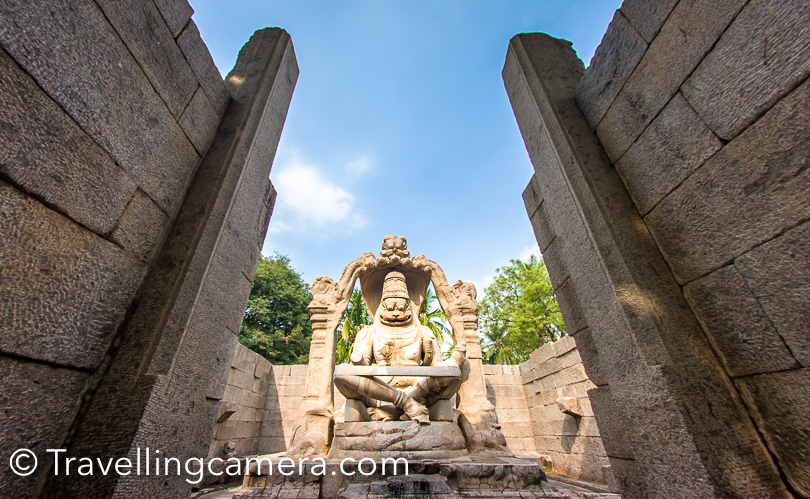
Explore Karnataka State of India: A Complete Travel Guide for First-Time Visitors

Meghalaya State of India: A Complete Travel Guide for First-Time Visitors

Odisha State of India: A Complete Travel Guide for First-Time Visitors

Explore Uttar Pradesh State of India: A Complete Travel Guide for First-Time Visitors


Ladakh in India: A Complete Travel Guide for First-Time Visitors

Exploring India: The Ultimate Travel Guide to Experiencing the Soul of a Timeless Civilization

What Advice Would You Give to Someone Travelling to India for the First Time?

Rajasthan State of India: A Complete Travel Guide for First-Time Visitors
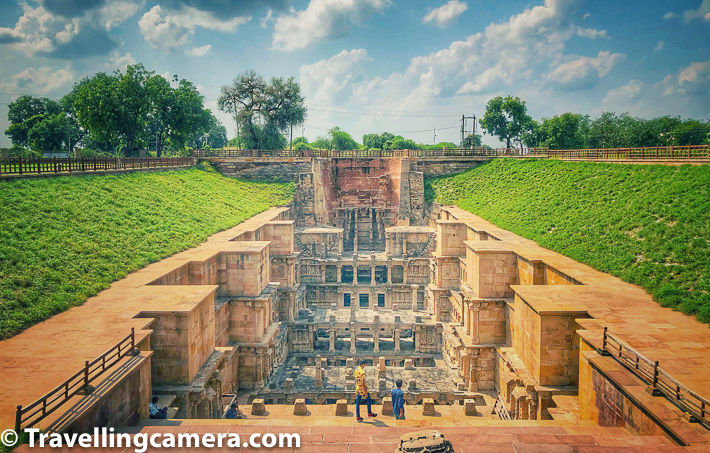
Trip to Gujarat State of India: A Complete Travel Guide for First-Time Visitors
 |
| A Theyyam blessing the priests. These performers are considered as God themselves once they don the Theyyam costume |
Trip to Kerala State of India: A Complete Travel Guide for First-Time Visitors

Jammu & Kashmir State of India: A Complete Travel Guide for First-Time Visitors

An Eventful Hike around Virupaksha Caves and Skand Ashram in Tiruvannamalai, Tamilnadu, India

The magnificent Arunachalesvara Temple, Tiruvannamalai, Tamilnadu || A Shiva Temple with a rich and interesting history
Chennai Travel Guide: The Cultural Capital of South India - Capital Cities of Indian States [Tamilnadu]

The Majestic Brihadeeshwara Temple: A Glimpse into the Architectural Brilliance of Thanjavur in Tamilnadu, India


Unlocking the Treasures of Saraswati Mahal Library in Thanjavur, Tamilnadu || Exploring India's oldest and most fascinating collection of manuscripts

The Magnificence of Cholapuram Temple: A Glimpse into the Ancient Heritage of Tamil Nadu, India

Discovering the Charms of Rameshwaram: Must-Visit Places for Travelers

Embracing the Serenity of Sunrise: Exploring Dhanushkodi in the Early Hours of the Morning | Tamilnadu Diaries

Vellore Fort in Tamilnadu, India : A Living Museum of South Indian Architecture

Exploring the Architectural Marvels and Historical Significance of Arulmigu Ramanathaswamy Temple in Rameshwaram, Tamilnadu : A Spiritual Journey Through Time

Pilgrimage to the Miraculous Churches of Velankanni: Exploring the History, Culture, and Beauty of this Sacred Town
Capturing the Serene Beauty of Sunset around Pamban Bridge in Rameshwaram, Tamilnadu : A Photographer's Delight
Exploring the Rich Fishing Heritage of Rameshwaram: A Journey Through the Bustling Fishermen Town Thangachimadam in Tamilnadu, India

Preserving the Grandeur of Chola Palace in Gangaikondacholapuram: The Role of the Archaeological Survey of India in Ariyalur District of Tamilnadu
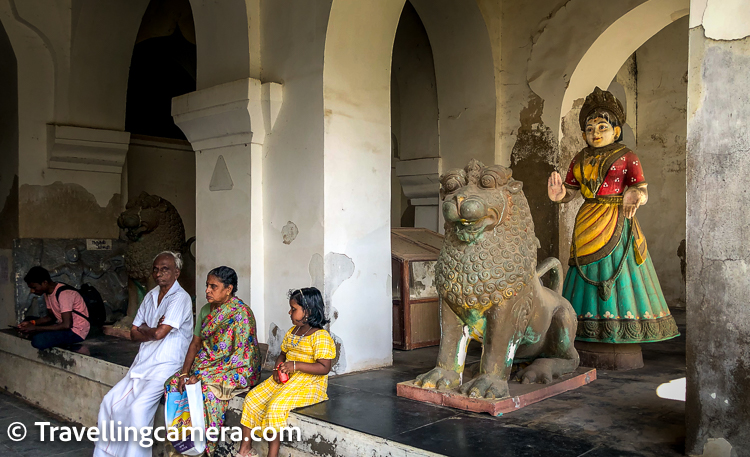
Thanjavur Palace in Tamilnadu: Where History and Art Come Together in a Spectacular Display

Auroville in India : The City of Dawn and a Model for Spirituality & Sustainable Living
Ramarpatham Shrine at Rameshwaram, Tamil Nadu || The site that has Lord Ram's footprints sculpted on a rock
The Sacred and Architectural Marvels of Ranganathaswamy Temple in Tamilnadu, India
%20to%20see%20the%20Danish%20fort%20in%20Tamilnadu%20state%20of%20India-3.jpg "Do you know about the 'Danish' Fort in India which is located at a beautiful location round the coast of Bay of Bengal?")
Do you know about the 'Danish' Fort in India which is located at a beautiful location round the coast of Bay of Bengal?

Uncovering the Rich History and Beauty of the Basilica of the Sacred Heart of Jesus in Pondicherry, India
 |
| Anaikarai Dam |
Anaikarai North and South Dams on Kollidam Rivers, Tamil Nadu || Two of the many dams on Cauvery, some of which are nearly 2000 years old

Starting the Day Right: A Personal Reflection on Sunrise at Serenity Beach in Pondicherry, India

Puducherry Travel Guide: French Charm Meets Indian Spirit - Capital Cities of Indian States or Union Teritorries [Pondicherry]

Madanapalle to Thanjavur via Vellore and Tiruvannamalai - 4th day of our 14 days long trip through east coast of India || Noida to Rameshwaram

Thanjavur to Rameshwaram via Tiruchirapalli - 5th day of our 14 days long trip through east coast of India || Noida to Rameshwaram

Rameshwaram's Marine Museum, Harbour and More: A Guide to the Best Sights and Sounds from Tamilnadu State of India
Rameshwaram in Tamilnadu, India - The Land of Sacred Shrines and Mesmerizing Beaches

Villoondi Teertham - Discovering the Spiritual and Natural Wonders of Rameshwaram, India
%20to%20see%20the%20Danish%20fort%20in%20Tamilnadu%20state,%20India-1.jpg "Drive from Rameshwaram to Pondicherry along the coast - 7th day of our 14 days long trip through east coast of India || Noida to Rameshwaram")
Drive from Rameshwaram to Pondicherry along the coast - 7th day of our 14 days long trip through east coast of India || Noida to Rameshwaram

Drive from Pondicherry to Tada - 8th day of our 14 days long trip through east coast of India || Noida to Rameshwaram

Exploring the Mahatma Gandhi Statue and Other Attractions around Promenade Beach in Pondicherry, India

Kolams and Culture: The Significance of Daily Floor Art in Tamilnadu Homes of South India

Healing Waters and Holy Legends: A Visit to Vibhishan Teertham in Rameshwaram, Tamilnadu

Discovering the Mysteries of Sri Panchmukhi Hanuman Mandir and the Floating Stones of Rameshwaram in Tamilnadu
 Climb to the Top of Chennai Lighthouse : Exploring Aerial views of Marine Drive, Sea and other interesting landmarks of Chennai, Tamilnadu


.jpg)
Comments