
Introduction: Telangana Is More Than Hyderabad
The first thing I would tell anyone planning a Trip to Telangana is this: don't make the mistake of treating Hyderabad as the destination and everything else as a day trip.
The main places to see in Telangana tell a much larger story. There are granite forts rising almost vertically from the Deccan plains, Kakatiya temples covered with dancers and mythical creatures, forests where the light changes every few minutes, enormous irrigation lakes, pilgrimage towns on the Godavari, and villages where food still carries the memory of generations.
Telangana rewards the traveller who slows down.
You may begin the morning photographing the arches of Golconda, spend the next afternoon walking through the ruins of a Kakatiya capital, and end another day beside a forest lake listening to birds rather than traffic.
For a photographer, the state is particularly interesting because its landscapes are rarely postcard-perfect in the conventional sense. The beauty is often in textures: weathered granite, red earth, black basalt, temple shadows, old wooden doors, handloom fabrics, smoke rising from a village kitchen, and the late-afternoon light falling across a tank.
And that is precisely why I would recommend exploring Telangana beyond the obvious itinerary.

Why Visit Telangana?
Telangana is one of those destinations where history doesn't sit behind glass.
It is still part of everyday life.
A temple festival can transform a quiet street into a sea of colour. A centuries-old fort can become a favourite evening gathering place. A traditional dish may appear at a family table rather than a restaurant menu. And old water tanks built during medieval kingdoms still influence the landscape around villages.
The state was formed on 2 June 2014, but its cultural history reaches much further back, shaped by the Satavahanas, Chalukyas, Kakatiyas, Qutb Shahis and the Nizams, among others. Hyderabad itself was founded in 1591 by Muhammad Quli Qutb Shah.
That mixture gives Telangana an unusual cultural character: Telugu traditions, Deccan Islamic architecture, Persian influences, tribal cultures, Hindu pilgrimage traditions and modern urban India all exist within the same state.
For travellers, that means considerable variety without having to cross state borders.

The Main Places to See in Telangana
If you have never visited Telangana, these are the destinations I would put at the top of the list.
| Destination | Best for | Suggested time |
|---|---|---|
| Hyderabad | Heritage, food, architecture, photography | 2–3 days |
| Warangal & Hanamkonda | Kakatiya history | 1–2 days |
| Ramappa & Laknavaram | Architecture + landscape photography | 1 day |
| Bhongir Fort & Yadadri | Forts, pilgrimage, viewpoints | 1 day |
| Ananthagiri Hills | Nature, trekking, weekend escape | 1–2 days |
| Bhadrachalam & Parnasala | Spirituality, Godavari landscapes | 1–2 days |
| Nagarjuna Sagar | Dam, Buddhist heritage, river landscape | 1 day |
| Adilabad & Kuntala | Waterfalls, forests, nature | 2 days |
| Medak & Pocharam | Fort, church, wildlife | 1–2 days |
| Amrabad/Kawal region | Wildlife and wilderness | 2–3 days |

1. Hyderabad: Start With the Layers, Not Just the Landmarks
Hyderabad is the obvious starting point, but I would avoid rushing through Charminar, Golconda Fort and Chowmahalla Palace as though you are collecting monuments.
Instead, explore the city in layers.
Start early around Charminar. The light is softer, the streets are relatively calm and shopkeepers are beginning their day. Walk through the lanes around Laad Bazaar and watch the neighbourhood wake up.
Later, explore Golconda Fort.
Golconda is much more than a ruined fort. Its history stretches back centuries, and the present complex reflects successive phases of construction and expansion. Telangana Tourism notes its famous acoustic feature near Fateh Darwaza, where sound can carry remarkably far toward the upper pavilion. Local tradition also connects the name Golconda with Golla Konda, or Shepherd's Hill.
For photography, don't spend the entire visit at the main gate.
Walk upward.
The higher sections provide changing perspectives over Hyderabad, while the rough granite walls become especially beautiful in low afternoon light.
A quieter Hyderabad experience
The Qutb Shahi Tombs are one of my favourite places for understanding the visual character of Hyderabad.
The tomb complex contains members of the Qutb Shahi dynasty in one location and combines Persian, Pathan and Hindu architectural influences.
Go early or in the final couple of hours before sunset.
The combination of domes, gardens, stone textures and long shadows offers much more photographic variety than a quick daytime visit.
And then there is food.
Don't leave Hyderabad having eaten only biryani.
Try Irani chai, haleem when in season, kebabs, double ka meetha and local breakfast dishes. Hyderabad's food culture reflects both Deccan traditions and influences from the royal kitchens of the Nizams.

2. Warangal: Where the Kakatiyas Still Speak Through Stone
If Hyderabad introduces you to the Deccan, Warangal introduces you to the Kakatiyas.
The historic region around Warangal and Hanamkonda was once the centre of Kakatiya power. The city's older name, Orugallu, is associated with the idea of a single stone or monolithic rock.
Begin at the Thousand Pillar Temple in Hanamkonda.
The temple dates to the 12th century and was built during the reign of Rudra Deva. It is a Trikutalayam, with shrines associated with Shiva, Vishnu and Surya. The star-shaped architectural plan, carved pillars and massive monolithic Nandi are particularly rewarding for photographers.
Then move towards Warangal Fort.
Don't expect an intact palace complex. What makes the fort fascinating is the scale of the surviving gateways, walls, carved stone and open landscape. The fort was developed during the Kakatiya period, particularly under Ganapati Deva and later Rudrama Devi.
Photography tip
Warangal's stone architecture can look flat under harsh midday sun.
Instead, photograph the gateways in the morning or late afternoon when the carved surfaces create shadows.
For wider compositions, step back and allow the surrounding grass, sky and red-brown soil to become part of the photograph.

3. Ramappa Temple: The Place Where Architecture Meets Landscape
Of all the main places to see in Telangana, Ramappa may be the one that deserves the most time from photographers and architecture lovers.
The Kakatiya Rudreshwara Temple, popularly called Ramappa Temple, was inscribed as a UNESCO World Heritage Site in 2021.
Construction began in 1213 CE and continued for decades. UNESCO describes its carved granite and dolerite elements, distinctive pyramidal tower and lightweight porous bricks used in the roof structure. The temple's sculptures also preserve representations of regional dance and Kakatiya culture.
But the most interesting detail, from a traveller's perspective, is its setting.
Ramappa wasn't designed as an isolated monument. It sits close to Ramappa Lake, with forests, agricultural land and water forming part of the broader cultural landscape. UNESCO specifically highlights this relationship between temple architecture and the surrounding natural environment.
That changes how you should photograph it.
Don't simply photograph the temple frontally.
Look for:
Sculptures framed through pillars
Low-angle compositions of the vimana
Details of dancers and bracket figures
Nandi against early morning light
Temple architecture reflected in surrounding water
Wide landscape compositions including trees and fields
Give yourself time to walk around the structure.
The small details are where Ramappa becomes extraordinary.

4. Laknavaram Lake: A Landscape Photographer's Detour
A short distance from Ramappa is Laknavaram Lake, and this is exactly the kind of place I would add to a photography-focused Telangana itinerary.
The lake spreads through a landscape of hills and islands, with suspension bridges connecting some of the islands. Telangana Tourism describes the lake as a Kakatiya-era water body with 13 islands, three of which are connected by suspension bridges.
The best light is obvious: sunrise and sunset.
But there is another advantage.
The lake changes character dramatically with weather. During the monsoon and immediately afterwards, surrounding vegetation becomes richer and the atmosphere is much more dramatic.
Try photographing the suspension bridge from a distance rather than simply walking across it.
A wide-angle composition with the bridge leading towards the islands can work beautifully.

5. Bhongir Fort: A Fortress Built on a Rock
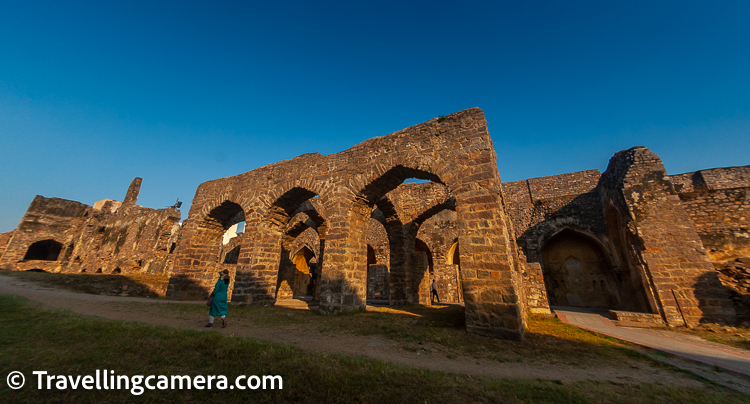
Bhongir Fort is one of the most visually striking forts in Telangana because of its setting.
The fort rises from an isolated rocky hill, creating a dramatic silhouette against the relatively flat surrounding landscape. The region's history connects the fort with Western Chalukya rule and later Kakatiya power.
The climb is part of the experience.
Wear proper footwear and avoid treating the ascent as a casual stroll during the hottest part of the day.
For photographers, early morning is the obvious choice.
The low sun brings out the contours of the rock, while the surrounding plains provide a strong sense of scale.
6. Yadadri: A Different Kind of Cultural Experience
Nearby Yadadri, or Yadagirigutta, is one of Telangana's important pilgrimage destinations.
The hill is associated with Narasimha worship and a local religious tradition involving the sage Yadarshi. The temple draws large numbers of pilgrims, so this is not primarily a quiet photographic destination.
That is precisely why I would photograph the people and atmosphere rather than trying to create empty architectural photographs.
Observe pilgrims arriving, flower sellers preparing offerings, families resting after darshan and the movement of people around the temple.
Always ask before photographing individuals closely.

7. Ananthagiri Hills: Telangana's Green Escape
If the monuments begin to feel overwhelming, drive towards Ananthagiri Hills near Vikarabad.
At roughly 70–75 km from Hyderabad, Ananthagiri is popular for trekking, forest walks, cycling, birdwatching and short escapes from the city.
The landscape isn't Himalayan. Don't expect dramatic peaks.
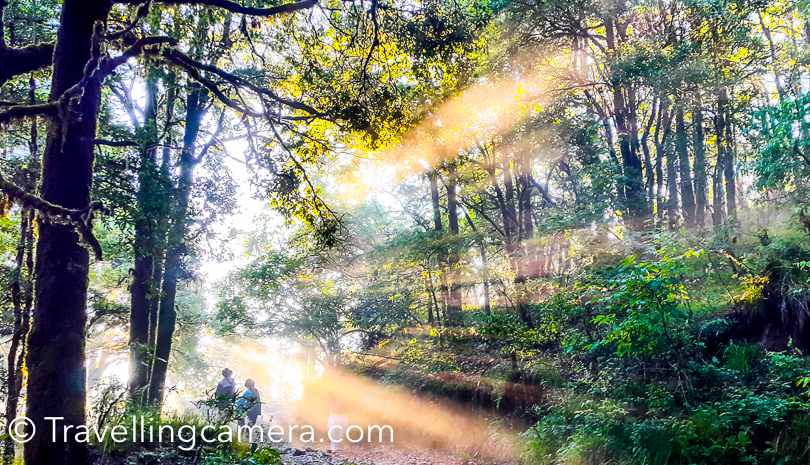
Its charm is subtler: forest paths, exposed rock, mist after rain, changing shades of green and filtered sunlight.
The Anantha Padmanabha Swamy Temple adds a cultural dimension to the visit. Local tradition associates the area with Sage Markandeya, while another tradition connects the temple's later construction with a Nizam-era story.
For photography, overcast mornings can actually be better than brilliant sunshine.
Soft light preserves detail in leaves and forest textures.

8. Bhadrachalam and Parnasala: Follow the Godavari
Further east, the landscape changes.
Bhadrachalam sits on the banks of the Godavari and is best known for the Sri Sita Ramachandra Swamy Temple. The town has deep religious associations with the Ramayana tradition.
Nearby Parnasala is even more interesting if you enjoy stories attached to landscapes.
Local tradition identifies the area with episodes from Rama's exile, including the story of Sita's abduction. The site presents these traditions through sculptures and representations of characters from the Ramayana.
Whether you approach these stories as mythology, faith, history or folklore, they are important to understanding how people experience the landscape.
This is a place where photography should be respectful rather than intrusive.
The Godavari is especially beautiful around sunrise and sunset, when boats, riverbanks and temple architecture can be layered into the same composition.
9. Nagarjuna Sagar and the Buddhist Story Beneath the Reservoir
Nagarjuna Sagar is often described primarily as a dam and reservoir.
That undersells it.
The region has a deep Buddhist archaeological history associated with Nagarjunakonda, an ancient centre of Buddhist learning and religious activity.
Telangana Tourism currently includes boating, Nagarjunakonda and the museum as part of its Nagarjuna Sagar tourism experience.
The key photographic lesson here is to look beyond the dam.
Water, boats, distant hills, archaeological remains and changing skies create more interesting compositions than simply photographing the concrete structure.
10. Adilabad and Kuntala Waterfalls
Northern Telangana feels different again.
Kuntala Waterfalls, in the Adilabad region, drops through a forested landscape and becomes particularly impressive when water levels are high. Telangana Tourism identifies it as the state's highest waterfall and notes that winter can be a good period to see the falls after seasonal flows have developed.
The broader Adilabad region has also been influenced by Gond history and forest cultures.
If you travel here, don't make the waterfall the entire experience.
Spend time observing the landscape.
Look at local markets, village architecture and forest edges. These details often tell you more about northern Telangana than a checklist of attractions.

Hidden Gems in Telangana Worth Adding to Your Route
Some of the best experiences are slightly outside the standard circuit.
Deverakonda Fort
Deverakonda Fort sits among seven hills and dates to the medieval period. It is now largely ruined, which is precisely what makes it interesting for landscape photography.
Go early.
The combination of ruined stonework and surrounding hills gives the place a sense of isolation that is increasingly difficult to find near major cities.
Rachakonda Fort
Another atmospheric ruin near Hyderabad, Rachakonda is associated with the Velama rulers and occupies a rugged landscape.
It is better suited to travellers who enjoy exploring rather than those looking for polished tourist infrastructure.
Pocharam Wildlife Sanctuary
Once associated with hunting during the Nizam era, Pocharam is now a wildlife destination with blackbuck, nilgai and birdlife around its lake.
Kinnerasani Wildlife Sanctuary
Near Palvancha, Kinnerasani combines forest, reservoir landscapes and wildlife. The district administration describes it as part of the broader Dandakaranya forest landscape.
Mallur
For adventurous travellers, the forest temple of Hemachala Lakshmi Narasimha near Mallur is an unusual detour. The temple lies within a forest setting and is associated with local traditions that make the visit as much about belief and landscape as architecture.

Best Photography Spots in Telangana
For a photography-oriented Trip to Telangana, I would prioritise these:
Golconda Fort — architecture and sunset landscapes
Qutb Shahi Tombs — symmetry, domes and morning light
Charminar — street photography at dawn
Warangal Fort — carved gateways and dramatic shadows
Thousand Pillar Temple — sculpture and architectural details
Ramappa Temple — heritage, sculpture and environmental portraits
Laknavaram Lake — sunrise, bridges and reflections
Bhongir Fort — landscape and aerial perspective
Ananthagiri Hills — forest textures and mist
Bhadrachalam — river, temple and human stories
Kuntala Waterfalls — long exposures and forest landscapes
Pocharam — wildlife and bird photography
Photography timings that actually matter
| Subject | Best light |
|---|---|
| Forts | Early morning or late afternoon |
| Temples | Morning for details, late afternoon for exterior |
| Lakes | Sunrise and sunset |
| Markets | Early morning and evening |
| Wildlife | Early morning/late afternoon |
| Waterfalls | Overcast days or early morning |
| Forests | Diffused light after rain |
| Portraits | Open shade rather than harsh noon sun |
One important lesson: Telangana's harsh midday light can be unforgiving.
Use it deliberately for graphic compositions, silhouettes and strong shadows rather than fighting it.
Telangana Food: Don't Stop at Biryani
Telangana's food deserves its own journey.
Yes, eat Hyderabadi biryani.
But travel beyond Hyderabad and look for the more rustic side of the cuisine.
Try:
Sarva Pindi — a crisp rice-flour preparation with spices and sesame
Sakinalu — traditional rice-flour and sesame snack, especially associated with festivals
Jonna Rotte — jowar-based flatbread
Sajja Rotte — bajra-based flatbread
Gongura Pachadi
Nimmakaya Pulihora
Telangana-style mutton and chicken preparations
Seasonal village pickles and chutneys
The state's tourism department describes rice, millets and pulses as important components of the traditional food culture, while highlighting the influence of Telugu culinary traditions and Nizam-era kitchens.
The best food experience may not be a famous restaurant.
It may be a small local eatery where the menu is handwritten or a home-style meal arranged through a local host.
Ask what is cooked locally rather than ordering what you already know.

Local Conversations: The Telangana You Don't See in Brochures
One of the most rewarding things about travelling through Telangana is noticing how quickly conversations move beyond tourism.
Ask a shopkeeper about the history of an old neighbourhood.
Ask a driver where he eats.
Ask a temple volunteer which festival changes the town most dramatically.
Ask a handloom worker about the design he is making.
These conversations often reveal details that never appear on attraction boards.
In Warangal, for example, the Kakatiya legacy isn't simply something displayed for tourists. It continues through festivals, handloom traditions and local identity. The region is also associated with celebrations such as Bathukamma and Sammakka-Sarakka Jatara.
As a photographer, I find these conversations especially useful because they tell you where to look.
A person may point you towards a small shrine, an old market, a village festival or a viewpoint that isn't in your guidebook.

Best Time to Visit Telangana
The broadest recommendation is October to March.
The weather is generally more comfortable for heritage sightseeing, road travel and outdoor photography. Warangal's district administration also identifies October to March as its preferred travel period.
But each season has something different to offer.
October to February
Best overall period.
Comfortable sightseeing
Good fort photography
Pleasant road trips
Better conditions for trekking
Excellent for wildlife
March to May
Hot, sometimes extremely hot.
However, early mornings and late evenings can still work well. If you are visiting Hyderabad, spend the hottest hours indoors exploring museums, palaces or food destinations.
June to September
Monsoon changes the personality of Telangana.
Forests become greener, waterfalls become more dramatic and lakes look more atmospheric.
The trade-off is unpredictable rain and occasional travel disruption.
If photography is your priority, monsoon can be extremely rewarding.
How to Reach Telangana
For most travellers, Hyderabad is the natural entry point.
Rajiv Gandhi International Airport connects Hyderabad with major Indian and international destinations. Hyderabad also has major railway stations and extensive road connectivity.
From Hyderabad, you can build several road-trip circuits.
Heritage circuit
Hyderabad → Bhongir → Yadadri → Warangal → Ramappa → Laknavaram
Nature circuit
Hyderabad → Ananthagiri → Vikarabad → Pocharam
Godavari circuit
Hyderabad → Bhadrachalam → Parnasala → Kinnerasani
Warangal is particularly convenient by train, as it sits on major rail routes. The district administration identifies Hyderabad airport as the nearest major airport, around 160 km away.
Where to Stay
For a first visit, I would divide accommodation between destinations rather than staying in Hyderabad every night.
Hyderabad
Best for:
Boutique heritage hotels
Business hotels
Food exploration
Easy airport access
Warangal/Hanamkonda
Best for exploring:
Warangal Fort
Thousand Pillar Temple
Ramappa
Laknavaram
Vikarabad
Useful for:
Ananthagiri Hills
Forest experiences
Weekend escapes
Bhadrachalam
Best if you want to experience:
Temple town atmosphere
Godavari
Parnasala
Nature destinations
Check accommodation availability before travelling. Some lesser-known destinations have limited options, and weekends can fill up quickly.
Budget Tips for Telangana
Telangana can be travelled comfortably without an enormous budget.
A few strategies help:
Use trains between major cities where practical.
Hire a car for multi-stop heritage circuits.
Stay in one base for two nights rather than changing hotels daily.
Eat at local restaurants instead of relying on hotel dining.
Travel early to avoid heat and traffic.
For remote attractions, arrange transport in advance.
Carry cash for smaller towns and rural areas.
Don't underestimate distances between attractions.
For a photographer, renting a car with a driver can sometimes be more efficient than public transport because sunrise and sunset locations rarely align neatly with bus schedules.
A Practical 7-Day Telangana Itinerary
Day 1 — Hyderabad
Charminar, Laad Bazaar, Chowmahalla Palace and evening food walk.
Day 2 — Hyderabad
Golconda Fort in the morning, Qutb Shahi Tombs later, followed by an evening exploring Hyderabad's food culture.
Day 3 — Bhongir and Yadadri
Start early.
Climb Bhongir Fort, visit Yadadri and continue towards Warangal.
Day 4 — Warangal
Thousand Pillar Temple, Warangal Fort and Bhadrakali Temple.
Stay in Warangal/Hanamkonda.
Day 5 — Ramappa and Laknavaram
Leave early for Ramappa Temple.
Spend time photographing the temple rather than rushing through it.
Continue to Laknavaram for the lake and sunset.
Day 6 — Ananthagiri Hills
Return towards Hyderabad and spend the day exploring forest trails and viewpoints.
Day 7 — Hyderabad
Keep the final day flexible for food, shopping, museums or anything you missed.
For a longer trip, extend the itinerary towards Bhadrachalam, Nagarjuna Sagar or Adilabad.
Responsible Travel in Telangana
Responsible travel here is less about grand gestures and more about everyday behaviour.
Respect religious spaces.
Dress appropriately when visiting temples and shrines. Follow photography restrictions. Ask before photographing worshippers, children, artisans or tribal communities.
Don't climb monuments simply for a better photograph.
Avoid touching sculptures and carvings.
Carry your waste out of forests and lakeside areas.
And if you hire a local guide or photographer, pay fairly.
In remote destinations, your spending can have a much greater local impact than it does in a major city.
Common Mistakes to Avoid
1. Treating Hyderabad as Telangana
Hyderabad is important, but it is only one chapter.
2. Visiting Ramappa as a quick stop
Give the temple time. Walk around it.
3. Travelling in the afternoon
The Deccan heat can make outdoor sightseeing exhausting.
4. Photographing only monuments
People, food, markets and landscapes tell the larger story.
5. Ignoring local festivals
Bathukamma, Bonalu and Sammakka-Sarakka Jatara can completely transform the atmosphere of a place.
6. Assuming every attraction has tourist infrastructure
Remote forts, waterfalls and forest destinations may have limited facilities.
7. Relying only on online maps
In rural Telangana, local directions can still be surprisingly useful.
8. Trying to cover the entire state in three days
You can see landmarks.
You won't experience Telangana.
FAQs About the Main Places to See in Telangana
What are the main places to see in Telangana?
The main places to see in Telangana include Hyderabad, Warangal, Ramappa Temple, Laknavaram Lake, Bhongir Fort, Yadadri, Ananthagiri Hills, Bhadrachalam, Nagarjuna Sagar, Adilabad and Kuntala Waterfalls.
What is the best place to visit in Telangana for history?
Warangal and Hyderabad are excellent starting points. Hyderabad offers Qutb Shahi and Nizam-era heritage, while Warangal provides an exceptional introduction to Kakatiya architecture.
Is Telangana good for a photography trip?
Absolutely. Telangana offers forts, temples, historic streets, lakes, forests, wildlife, waterfalls and strong opportunities for documentary and cultural photography.
Ramappa Temple, Qutb Shahi Tombs, Warangal Fort, Laknavaram Lake and Bhongir Fort are particularly rewarding.
How many days are enough for a Trip to Telangana?
A week is a good starting point for Hyderabad, Warangal, Ramappa, Laknavaram, Bhongir and Ananthagiri. Ten to fourteen days would allow a much more relaxed exploration including Bhadrachalam, Nagarjuna Sagar or northern Telangana.
Which is better for a first visit, Hyderabad or Warangal?
They offer very different experiences. Choose Hyderabad for a broader mix of food, urban culture, Islamic-Deccan architecture and history. Choose Warangal for Kakatiya heritage, temples and monumental stone architecture.
Ideally, visit both.
What is the best time to visit Telangana?
October to March is generally the most comfortable period. The monsoon months can be particularly attractive for waterfalls, forests and green landscapes, although rain can affect road travel.
Which waterfall is famous in Telangana?
Kuntala Waterfalls in the Adilabad region is one of Telangana's best-known waterfalls and is described by Telangana Tourism as the state's highest waterfall.
Is Telangana expensive for tourists?
It doesn't have to be. Hyderabad offers accommodation across almost every price range, while food and local transport can be affordable. Costs rise when travelling to remote destinations because private transport may be necessary.
What food should I try in Telangana?
Beyond Hyderabadi biryani, try Sarva Pindi, Sakinalu, Jonna Rotte, Sajja Rotte, Gongura Pachadi, Nimmakaya Pulihora and regional meat preparations.

Final Thoughts: Give Telangana More Than a Weekend
Telangana is not a destination that reveals everything on the first visit.
The first trip might give you Charminar, Golconda, Warangal and Ramappa.
The second might take you into the forests around Ananthagiri, across the waters of Laknavaram, into the ruins of Deverakonda or towards the Godavari at Bhadrachalam.
And eventually, you begin to notice something else.
The real character of Telangana isn't contained in its biggest monuments.
It is in the stone carver's detail that you almost walked past.
It is in the elderly man sitting beneath a temple tree.
It is in the smell of wood smoke from a village kitchen.
It is in a plate of hot jonna roti eaten somewhere without a tourism sign outside.
It is in the silence around a ruined fort before the heat of the day arrives.
And for a photographer, that is where Telangana becomes especially compelling.
Don't just photograph the monuments.
Photograph the relationship between people, history and landscape.
That is the story worth bringing home.
If you are planning a Trip to Telangana, give yourself enough time to leave the obvious route. The most memorable frames may be waiting there.
Related Blogposts :
Tamil Nadu State of India: A Complete Travel Guide for First-Time Visitors

Explore Goa in India: A Complete Travel Guide for First-Time Visitors

Trip to Punjab State of India: A Complete Travel Guide for First-Time Visitors
Uttarakhand State of India: A Complete Travel Guide for First-Time Visitors

Himachal Pradesh State of India: A Complete Travel Guide for First-Time Visitors
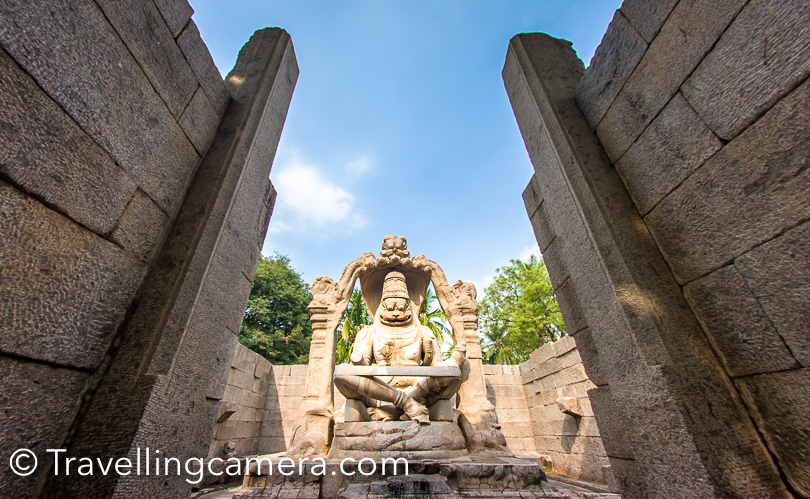
Explore Karnataka State of India: A Complete Travel Guide for First-Time Visitors

Meghalaya State of India: A Complete Travel Guide for First-Time Visitors

Odisha State of India: A Complete Travel Guide for First-Time Visitors

Explore Uttar Pradesh State of India: A Complete Travel Guide for First-Time Visitors


Ladakh in India: A Complete Travel Guide for First-Time Visitors

Exploring India: The Ultimate Travel Guide to Experiencing the Soul of a Timeless Civilization

What Advice Would You Give to Someone Travelling to India for the First Time?

Rajasthan State of India: A Complete Travel Guide for First-Time Visitors
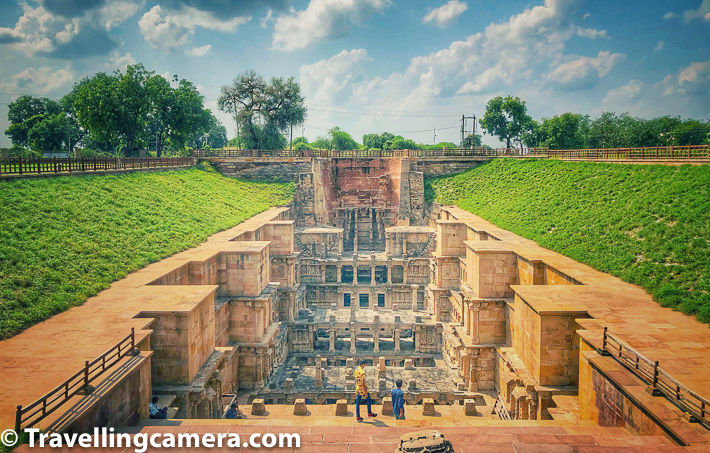
Trip to Gujarat State of India: A Complete Travel Guide for First-Time Visitors
 |
| A Theyyam blessing the priests. These performers are considered as God themselves once they don the Theyyam costume |
Trip to Kerala State of India: A Complete Travel Guide for First-Time Visitors

Jammu & Kashmir State of India: A Complete Travel Guide for First-Time Visitors

Pochera Waterfalls: A Hidden Gem in Telangana's Natural Beauty




.jpg)
Comments