
Introduction: Maharashtra Is Not One Destination
The first thing to understand about the Maharashtra State of India is that it refuses to fit into a single travel story.
There is Mumbai, with its local trains, Art Deco buildings, crowded markets and Arabian Sea sunsets. There are the basalt cliffs of the Sahyadris, where ancient forts appear suddenly above valleys covered in monsoon mist. There is the Konkan coast, where red earth meets coconut groves and fishing villages. Further inland, the landscape changes again—dry farmland, temple towns, old trading routes and enormous rock-cut monuments.

And then there are the caves.
At Ajanta, paintings survive inside a horseshoe-shaped gorge, far removed from the noise of modern India. At Ellora, Buddhist, Hindu and Jain monuments were carved into the same basalt escarpment over centuries. On Elephanta Island, just offshore from Mumbai, enormous sculptures emerge from darkness inside a rock-cut sanctuary. UNESCO describes Elephanta as one of the finest expressions of Indian art, while Ellora is remarkable for its monuments representing three major religious traditions.

For a photographer, Maharashtra is particularly rewarding because the landscape keeps changing.
One morning might begin with blue-hour fishing boats in Mumbai. By afternoon, you could be photographing temple bells in Pune. A few days later, you may be standing on a fort wall above a valley of clouds.
This is not a state you simply "cover."
It is a state you slowly read.
Why Visit the Maharashtra State of India?
Maharashtra works especially well for travelers who enjoy combining different experiences rather than following a conventional sightseeing checklist.
You can build an India trip around:
Ancient rock-cut architecture
Maratha forts and military history
Mumbai's urban culture
Konkan beaches and fishing villages
Western Ghats landscapes
Wildlife safaris
Tribal art and rural communities
Pilgrimage towns
Regional Maharashtrian cuisine
Photography and cultural documentation
Monsoon road trips
Weekend escapes from Mumbai and Pune
The official Maharashtra tourism portal itself highlights the state's combination of forts, spiritual sites, UNESCO heritage, wildlife and diverse landscapes.
But what makes Maharashtra interesting is the proximity of these different worlds.
You can leave a modern financial district in Mumbai and, within a few hours, find yourself in a village where the pace of life is governed by farming, rainfall and local festivals.
That contrast is the real attraction.

Historical and Cultural Significance of Maharashtra
Maharashtra's history is layered rather than linear.
The Deccan plateau was shaped by several dynasties, trading networks, religious movements and military powers. Buddhist communities carved monasteries and prayer halls into basalt. Later Hindu and Jain traditions created monumental cave architecture. Medieval kingdoms established fortified settlements, while the Maratha period transformed the Sahyadri landscape into a sophisticated network of hill forts.
The Maratha connection
The forts are perhaps the most visible reminder of this history.
Torna, for example, occupies an important place in the story of Chhatrapati Shivaji Maharaj. According to Maharashtra Tourism, Shivaji captured Torna at the age of 16 in 1646, making it an important early step in the formation of his kingdom. At 1,403 metres, Torna is also one of the highest hill forts in the region.
Panhala tells a different story. Its location controlled an important route between the Deccan and the Konkan, giving the fort enormous strategic value. It later became closely associated with Shivaji's campaigns and the Maratha period.
These forts are not merely monuments.
Their locations explain their purpose.
Stand on a fort rampart at sunrise and look across the valleys. Suddenly, the history becomes easier to understand.

Ajanta, Ellora and the Art of Carving a Civilization
For many travelers, the Ajanta and Ellora caves are the intellectual heart of a Maharashtra trip.
Ajanta's earliest Buddhist monuments date to the 2nd and 1st centuries BCE, while later additions were made during the 5th and 6th centuries CE. The complex contains monasteries and prayer halls excavated into a cliff above the Waghora River. Its paintings and sculptures are regarded by UNESCO as masterpieces of Buddhist religious art.

Ellora is different.
Its 34 monasteries and temples stretch for more than two kilometres along a basalt cliff. The complex contains Buddhist, Hindu and Jain monuments, representing centuries of artistic activity and religious coexistence.

A photographer's observation
Don't photograph these places only as monuments.
Look for transitions.
Light entering a cave entrance.
A pilgrim standing beside a massive sculpture.
A tiny human figure beneath an enormous carved wall.

The texture of basalt.
The relationship between shadow and stone.
At Ajanta, subdued light is part of the experience. Modern lighting and conservation restrictions mean that you need to work with what is available rather than trying to recreate the dramatic lighting you might imagine from photographs.
A fast prime lens, high ISO capability and careful exposure can be more useful than carrying a large collection of equipment.

Mumbai: The Urban Face of Maharashtra
Mumbai deserves more than a day squeezed between flights.
It is one of those cities where photography becomes a form of observation.
Start early.
The city is softer before the traffic fully takes over. Around the waterfront, fishermen work with the concentration of people who have repeated the same movements for decades. Local trains begin filling. Newspaper vendors arrange their stacks. Tea stalls become informal meeting places.
Then there is the architecture.
South Mumbai's colonial-era buildings, Art Deco facades and grand railway architecture offer a completely different photographic vocabulary.
Try looking beyond famous landmarks.

Photograph:
Reflections in old shop windows
Street signs
Architectural details
Local markets
Fishermen repairing nets
Workers opening shops
Commuters during the morning rush
Buildings framed through narrow lanes
Mumbai becomes much more interesting when you stop trying to photograph "Mumbai" and start photographing the people who make the city work.

Pune and the Sahyadris
Pune is an excellent base for exploring Maharashtra's fort country.
Sinhagad is the obvious choice, but experienced travelers should consider spreading their time across lesser-known forts and rural landscapes.

Shivneri is especially significant because it is traditionally identified as the birthplace of Shivaji Maharaj. The fort also contains historic water springs, including those locally known as Ganga and Yamuna.

For photography, the Sahyadris are seasonal.
During monsoon, hills become intensely green and waterfalls appear along the slopes. Roads can become slippery, however, and trekking conditions change quickly. Maharashtra Tourism specifically recommends caution on wet trails.
Winter is easier.
The air is clearer, trails are more comfortable and distant ridgelines become visible.
.jpg "Maharashtra State of India: A Complete Travel Guide for First-Time Visitors")
The best fort photography strategy
Don't arrive at noon.
Start before sunrise.
The first light creates long shadows across the fort walls and gives the surrounding mountains depth. If you are photographing people, early morning light also tends to produce softer skin tones than harsh midday sunlight.
.jpg "Maharashtra State of India: A Complete Travel Guide for First-Time Visitors")
Konkan: Where Maharashtra Meets the Arabian Sea
The Konkan coast is one of the best reasons to slow down.
Instead of treating coastal Maharashtra as a collection of beaches, explore the landscape behind them.
There are villages, mango orchards, fishing settlements, temples, laterite houses and winding roads disappearing into coconut groves.
This is a region where travel becomes less about attractions and more about rhythm.
A typical day might involve:
Early morning walk through a fishing village.
Breakfast at a small local eatery.
Drive through coastal countryside.
Visit a fort or temple.
Spend the afternoon at the beach.
Photograph sunset.
Eat a seafood dinner or vegetarian Konkan meal.
The red laterite soil is particularly striking after rain.
For photography, cloudy monsoon conditions can actually be an advantage. The sky becomes a giant softbox, reducing harsh contrast and bringing out the texture of wet roads, tiled roofs and vegetation.
.jpg "Maharashtra State of India: A Complete Travel Guide for First-Time Visitors")
Hidden Maharashtra: Places Worth Going Beyond the Usual Circuit
A good India trip should leave room for detours.
Jawhar
Jawhar in Palghar district offers a combination of forested hills, waterfalls, royal history and Warli culture. The region is associated with traditional Warli painting, an indigenous visual language depicting everyday life, rituals, farming and nature.
For photographers, Jawhar becomes particularly atmospheric during the monsoon.
Fog hangs over the hills. Waterfalls become louder. Roads turn reflective.
If you photograph Warli artists, spend time learning about the work rather than treating the paintings merely as souvenirs.
Paithan
Paithan is another fascinating detour.
The town is associated with Saint Eknath and is famous for Paithani silk weaving. Maharashtra Tourism also identifies Paithan as a historically important settlement with connections extending back to ancient periods.
A visit to a weaving household or workshop can become one of the most memorable cultural experiences of a Maharashtra journey.
Watch the hands.
The movement of the loom tells a better story than a photograph of the finished sari.
Pauni
In eastern Maharashtra, Pauni offers a very different landscape and cultural atmosphere. The town sits near the Wainganga River and is sometimes referred to as the "Kashi of Vidarbha." Its fort, river landscape and temples provide an unusual combination for travelers exploring beyond western Maharashtra.
.jpg "Maharashtra State of India: A Complete Travel Guide for First-Time Visitors")
Best Photography Spots in Maharashtra
| Location | Best subject | Ideal light |
|---|---|---|
| Mumbai waterfront | Boats, skyline, people | Sunrise / blue hour |
| South Mumbai | Architecture and streets | Early morning |
| Elephanta | Rock-cut sculpture | Morning |
| Ajanta | Caves and landscapes | Morning |
| Ellora | Architecture and scale | Morning to afternoon |
| Sinhagad | Fort and mountain landscape | Sunrise / sunset |
| Torna | Sahyadri panorama | Sunrise |
| Konkan coast | Villages, beaches, fishing | Early morning / golden hour |
| Jawhar | Warli culture and landscapes | Morning / monsoon |
| Matheran | Forests, cliffs and valleys | Early morning |
| Mahabaleshwar | Valleys and countryside | Sunrise / late afternoon |
| Panhala | Fort architecture | Early morning |
Matheran deserves special mention because motor vehicles are prohibited beyond Dasturi Naka, meaning the final approach is on foot, horseback or by hand-pulled rickshaw. That restriction gives the hill station a very different atmosphere from many other popular destinations.

Photography Tips for Maharashtra
Carry less equipment than you think you need.
A practical kit would be:
One wide-angle lens
One standard zoom or prime
One telephoto if wildlife is part of the itinerary
Polarizing filter
Rain protection
Extra batteries
Microfiber cloths
Small tripod for low-light work
Photographing during monsoon
Keep a simple rain cover accessible rather than buried at the bottom of your backpack.
Rain can arrive quickly in the Sahyadris.
Also remember that fog is not a problem to eliminate.
It is a compositional tool.
Use silhouettes, layers and negative space. A mountain disappearing into mist can sometimes communicate Maharashtra's monsoon landscape better than a perfectly sharp panorama.

Photographing people
Ask before making a close portrait.
If communication is difficult, a smile and a gesture toward your camera usually work better than immediately raising the lens.
And after making the photograph, show the person the image when possible.
That small interaction can turn a photograph into a human exchange.

Food: Maharashtra on a Plate
Maharashtra's cuisine changes dramatically with geography.
Coastal cooking uses coconut, seafood and kokum. Inland regions rely more heavily on grains such as jowar and bajra, along with pulses, chutneys and pickles.
Some foods worth seeking out include:
Misal pav
Vada pav
Pithla bhakri
Thalipeeth
Bharli vangi
Kothimbir vadi
Sabudana khichdi
Sol kadhi
Puran poli
Ukadiche modak
Kolhapuri-style dishes
Konkan seafood preparations
Do not judge Maharashtrian food solely by what you find in Mumbai.
Try regional food in smaller towns.
That is where ingredients, cooking methods and family traditions start revealing the geography behind the cuisine.
During Ganesh Chaturthi, ukadiche modak becomes particularly important. The festival itself has a special place in Maharashtra's cultural identity, and public celebrations were famously transformed by Lokmanya Tilak in 1893 into a major community festival during the freedom movement.

Local Conversations: The Stories Between the Attractions
Some of the strongest travel memories are not attached to monuments.
They happen over tea.
A shopkeeper may recommend a fort you had never heard of. A taxi driver might tell you about a waterfall that doesn't appear in your itinerary. A farmer may explain why the road looks different after the monsoon.
Listen.
Maharashtra's cultural landscape is often easier to understand through ordinary conversations than through formal sightseeing.
In rural areas especially, avoid arriving with the assumption that your camera gives you automatic access.
People are not props.
If someone invites you for tea, accept when practical. If someone doesn't want to be photographed, respect it immediately.
Travel becomes richer when curiosity goes both ways.
Best Time to Visit Maharashtra
There is no single best month for the entire state.
It depends on what you want to photograph and experience.
October to February: Best overall season
This is generally the easiest period for sightseeing, trekking and road trips. Maharashtra Tourism identifies October to February as a particularly favorable period for many destinations.
Expect:
Pleasant weather
Clearer skies
Better trekking conditions
Comfortable city exploration
Strong photography opportunities
June to September: Best for landscapes
Monsoon transforms the Western Ghats.
Waterfalls appear. Hills become green. Clouds settle into valleys.
For photographers, this can be the most dramatic season.
But don't underestimate the rain. Heavy showers can affect roads, trekking trails and outdoor plans.
March to May: Hot but useful
Summer can be uncomfortable in the plains.
However, early mornings and evenings can still work well for photography. Hill stations such as Matheran can offer relief from the heat.

How to Reach Maharashtra
Maharashtra is one of India's best-connected states.
By air
Mumbai and Pune are the main international and domestic gateways for many travelers. Chhatrapati Sambhajinagar is useful for exploring Ajanta, Ellora and the surrounding heritage region.
By train
Rail is particularly useful for an India trip involving Mumbai, Pune, Nashik, Kolhapur, Nagpur, Chhatrapati Sambhajinagar and other major cities.
By road
A road trip is arguably the best way to explore the less obvious Maharashtra.
The highways can get you between major cities quickly, but the smaller roads are where the photographic surprises often happen.
Where to Stay in Maharashtra
Your accommodation strategy should depend on the kind of trip you are planning.
For cities
Choose central locations in Mumbai or Pune when you want easy access to public transport, markets and cultural attractions.
For heritage travel
Stay around Chhatrapati Sambhajinagar when visiting Ajanta and Ellora.
For mountains
Consider smaller hotels, guesthouses and homestays around Matheran, Mahabaleshwar, Panchgani or Jawhar.
For rural experiences
Look for legitimate farm stays and rural homestays.
Maharashtra Tourism specifically promotes agro-tourism and homestays as ways of experiencing local agriculture, food and rural life more closely.
Budget Tips for a Maharashtra Trip
Maharashtra can be expensive or surprisingly affordable depending on how you travel.
Budget traveler
Use:
Trains
State buses
Local eateries
Guesthouses
Homestays
Shared transport
Mid-range traveler
A combination of trains, hired cars for selected sections, comfortable hotels and local restaurants works well.
Photographer's approach
Spend less on changing hotels every night.
Instead, stay two or three nights in one location and explore slowly.
The best photographs rarely come from rushing between ten attractions.
Suggested 10-Day Maharashtra Itinerary
Day 1–2: Mumbai
Explore South Mumbai, markets, waterfronts and heritage architecture.
Day 3: Mumbai to Pune
Travel to Pune and explore its historic neighborhoods and food scene.
Day 4: Pune and Sinhagad
Start early for Sinhagad and spend the afternoon exploring Pune.
Day 5: Pune to Mahabaleshwar
Drive through the Western Ghats.
Stay overnight.
Day 6: Mahabaleshwar and Panchgani
Focus on viewpoints, rural landscapes and local food.
Day 7: Chhatrapati Sambhajinagar
Travel toward Chhatrapati Sambhajinagar.
Day 8: Ellora
Spend substantial time at Ellora rather than rushing through the caves.
Day 9: Ajanta
Start early and dedicate most of the day to Ajanta.
Day 10: Return
Depart from Chhatrapati Sambhajinagar or return toward Mumbai/Pune depending on your onward plans.
For a longer India trip, extend the journey toward Konkan, Kolhapur, Tadoba, Nashik, Jawhar or the eastern districts.
Responsible Travel in Maharashtra
Responsible travel here is less complicated than it sounds.
It mostly means paying attention.
Don't litter around forts or waterfalls.
Avoid damaging rock surfaces.
Don't touch ancient paintings or sculptures.
Respect temple photography restrictions.
Ask before photographing people.
Avoid loud behavior at religious sites.
Carry reusable water bottles.
Support local eateries and artisans.
Buy genuine local crafts rather than mass-produced "tribal" souvenirs.
Avoid disturbing wildlife.
Be particularly careful with plastic during monsoon treks.
At heritage sites, remember that some of what looks like ordinary stone may be hundreds or thousands of years old.

Common Mistakes to Avoid
Trying to see the whole state in one trip
Maharashtra is enormous.
Choose one region and explore it properly.
Visiting forts at midday
You will get harsh light, heat and fewer photographic opportunities.
Go early.
Treating Mumbai as a two-day stopover
Mumbai needs time.
Even if you don't love cities, its street life and architecture deserve observation.
Ignoring monsoon conditions
The landscape may be spectacular, but roads and trails can become dangerous.
Eating only familiar food
If you spend your entire trip eating generic restaurant food, you miss one of Maharashtra's strongest cultural experiences.
Photographing without engaging
The best photographs often come after a conversation.

FAQs About the Maharashtra State of India
What is Maharashtra famous for?
The Maharashtra State of India is famous for Mumbai, Maratha forts, Ajanta and Ellora caves, Elephanta Caves, Western Ghats landscapes, Konkan beaches, Ganesh Chaturthi, Maharashtrian cuisine and diverse cultural traditions.
Which are the best places to visit in Maharashtra for the first time?
For a first trip, consider Mumbai, Pune, Sinhagad or another Sahyadri fort, Mahabaleshwar, Chhatrapati Sambhajinagar, Ajanta and Ellora. If you have additional time, explore Konkan or Jawhar.
What is the best time to visit Maharashtra?
October to February is generally the easiest period for sightseeing and outdoor activities. June to September is particularly attractive for Western Ghats landscapes, waterfalls and monsoon photography, although heavy rain can disrupt travel.
Is Maharashtra good for a photography trip?
Absolutely. Maharashtra offers urban photography, architecture, wildlife, landscapes, portraits, cultural photography, heritage architecture and dramatic monsoon scenes.
How many days are enough for Maharashtra?
A week is enough for a focused regional trip, but 10–14 days gives you considerably more flexibility. Exploring the entire state properly would require multiple trips.
Are Ajanta and Ellora the same place?
No. Ajanta and Ellora are separate cave complexes. Ajanta is particularly renowned for Buddhist paintings and sculptures, while Ellora contains Buddhist, Hindu and Jain monuments.
What food should I try in Maharashtra?
Try misal pav, vada pav, pithla bhakri, thalipeeth, bharli vangi, kothimbir vadi, sol kadhi, puran poli and ukadiche modak. Along the Konkan coast, explore regional seafood and coconut-based dishes.
Is Maharashtra suitable for a road trip?
Yes. A road trip is one of the best ways to explore the Sahyadris, Konkan villages, forts and lesser-known destinations. However, monsoon driving requires additional caution.
What are some lesser-known places in Maharashtra?
Jawhar, Paithan and Pauni are interesting alternatives to the standard Mumbai-Pune-Mahabaleshwar circuit. Jawhar is especially interesting for travelers interested in Warli culture and monsoon landscapes.

Final Thoughts: Maharashtra Rewards the Curious Traveler
The Maharashtra State of India is not a destination that reveals itself immediately.
Its famous landmarks are impressive, certainly. The caves are extraordinary. The forts are dramatic. Mumbai is endlessly photogenic.
But those are only the entry points.
The deeper experience happens on a narrow road through the Sahyadris. It happens while watching a fisherman pull a net toward shore. It happens when a fort wall suddenly appears through monsoon fog. It happens inside a small restaurant when someone puts an unfamiliar Maharashtrian dish on your table and explains how it is eaten.
It happens when you stop checking the itinerary.
For a photographer, Maharashtra offers another lesson: look for relationships rather than objects.
A person beside an ancient wall.
A fishing boat against a changing sky.
A temple bell framed through a doorway.
A village road disappearing into green hills.
A loom moving rhythmically inside a weaver's home.
These are the photographs that stay with you.
And perhaps that is the best way to approach Maharashtra—not as a state to be completed, but as a collection of stories that gradually become personal.
Come for Mumbai.
Stay for the forts.
Return for the food.
And leave with photographs that tell you something about the people, landscapes and history you encountered along the way.
Related Blogposts :

Telangana State of India: A Complete Travel Guide for First-Time Visitors
Tamil Nadu State of India: A Complete Travel Guide for First-Time Visitors

Explore Goa in India: A Complete Travel Guide for First-Time Visitors

Trip to Punjab State of India: A Complete Travel Guide for First-Time Visitors
Uttarakhand State of India: A Complete Travel Guide for First-Time Visitors

Himachal Pradesh State of India: A Complete Travel Guide for First-Time Visitors
Explore Karnataka State of India: A Complete Travel Guide for First-Time Visitors

Meghalaya State of India: A Complete Travel Guide for First-Time Visitors

Odisha State of India: A Complete Travel Guide for First-Time Visitors

Explore Uttar Pradesh State of India: A Complete Travel Guide for First-Time Visitors


Ladakh in India: A Complete Travel Guide for First-Time Visitors

Exploring India: The Ultimate Travel Guide to Experiencing the Soul of a Timeless Civilization

What Advice Would You Give to Someone Travelling to India for the First Time?

Rajasthan State of India: A Complete Travel Guide for First-Time Visitors
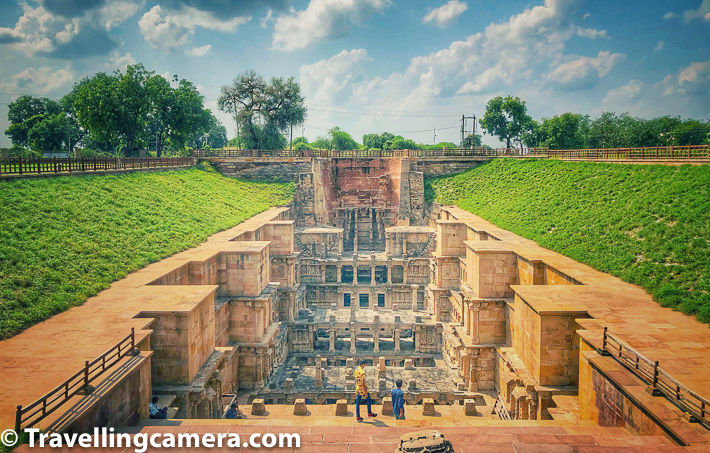
Trip to Gujarat State of India: A Complete Travel Guide for First-Time Visitors
 |
| A Theyyam blessing the priests. These performers are considered as God themselves once they don the Theyyam costume |
Trip to Kerala State of India: A Complete Travel Guide for First-Time Visitors

Jammu & Kashmir State of India: A Complete Travel Guide for First-Time Visitors

West Bengal State of India: A Complete Travel Guide for First-Time Visitors

Mumbai Travel Guide: City of Dreams, Heritage, Food & Bollywood - Capital Cities of Indian States [Maharashtra]


A visit to Four Season Vineyard in Baramati during Harvest Season (Maharashtra, India)

Digambar Jain Temple in Ramtek, Maharshtra : A Spiritual and Architectural Marvel

Our First visit to a Vineyard in India - United Breweries in Baramati is a great place to have an exceptional wine tasting experience along with a well curated tour of the winery

Exploring the Serenity of Warasgaon Lake and Lavasa: Maharashtra's Hidden Gem
.jpg)
2 Hour drive from Pune Airport to Baramati through Sugarcane & Grape Farms
Scaling the heights of Lonavala for the first time || Weekend Destination around Pune

A visit to UB's Four Seasons Vineyard in Baramati, Maharashtra, India
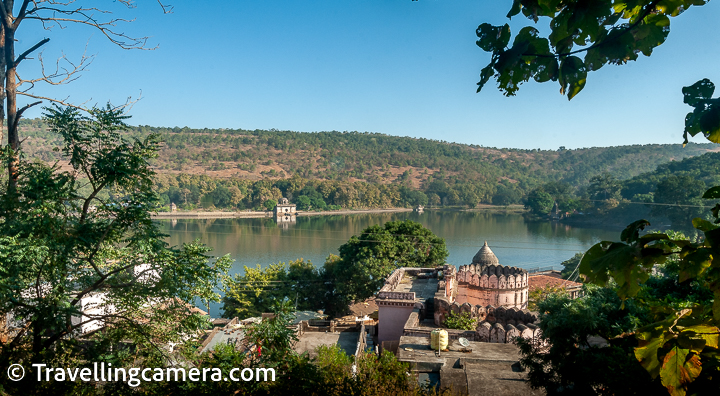
Ambala Lake in Ramtek, Maharashtra: A Serene and Picturesque Spot for Nature Lovers

Nagpur to Sagar and a fantastic stop at Ramtek - 12th day of our 14 days long trip through east coast of India || Noida to Rameshwaram

A Scenic Journey Through Central India: Driving from Ramtek in Maharshtra to Sagar Madhya Pradesh, via Pench National Park
.jpg)
The intoxicating Four Seasons vineyards of Baramati || Blogging took me there

Temghar Lake on the way to Lavasa in Maharashtra state of India

.jpg)
Comments