
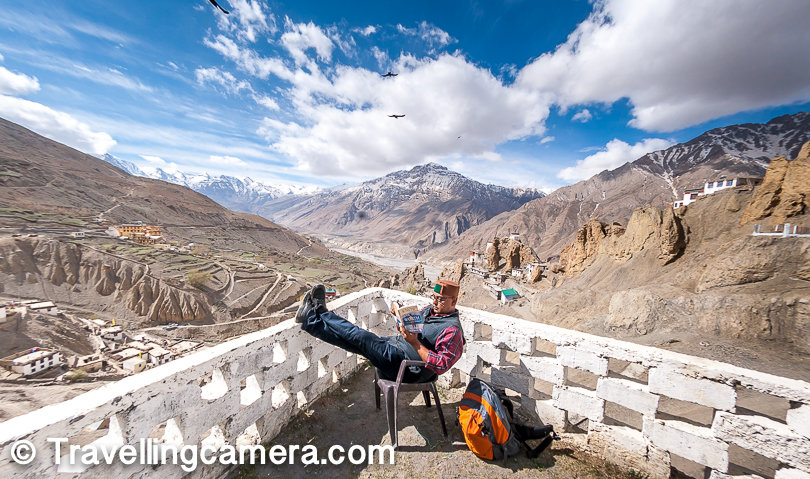
There are mountain journeys where the destination is the reward.
Spiti Valley in Himachal Pradesh is different. The road itself keeps changing the definition of what you thought a landscape could look like.
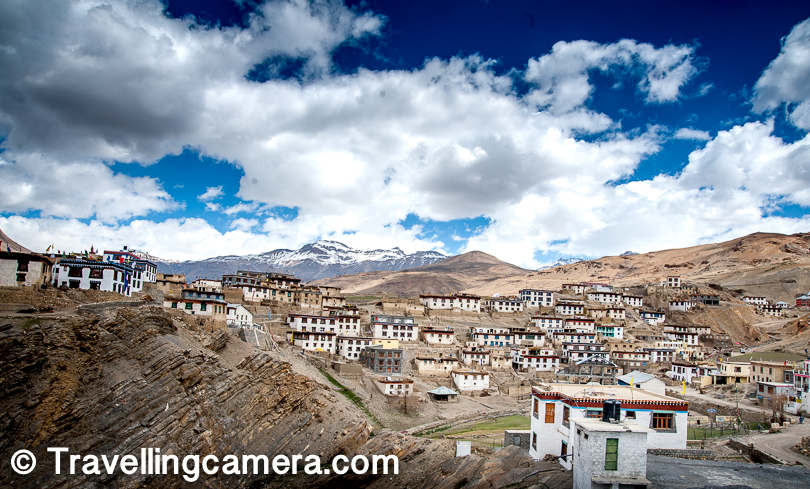
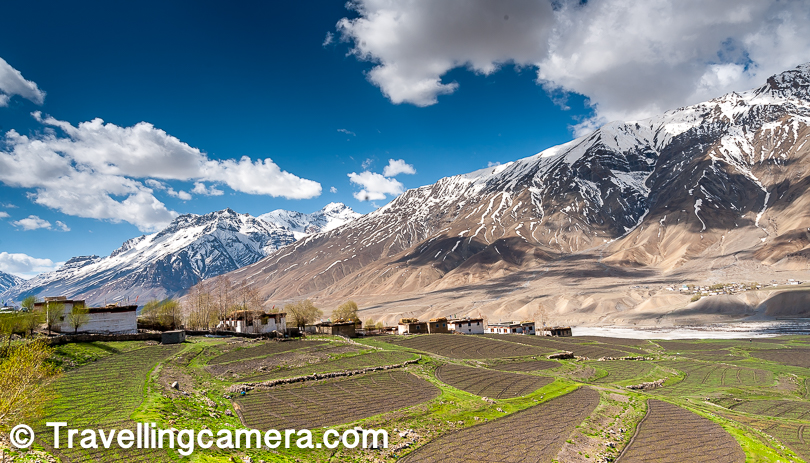
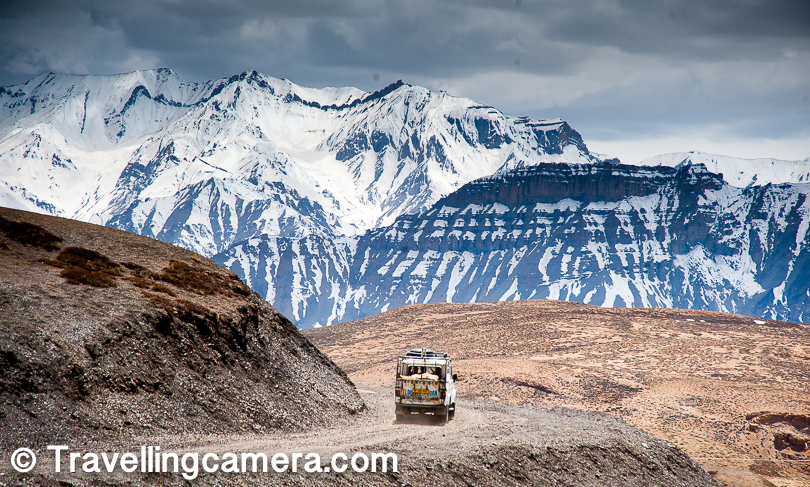
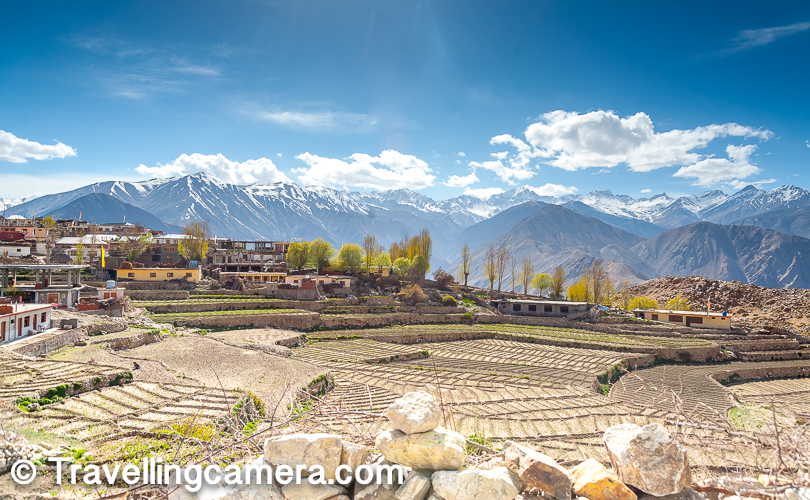
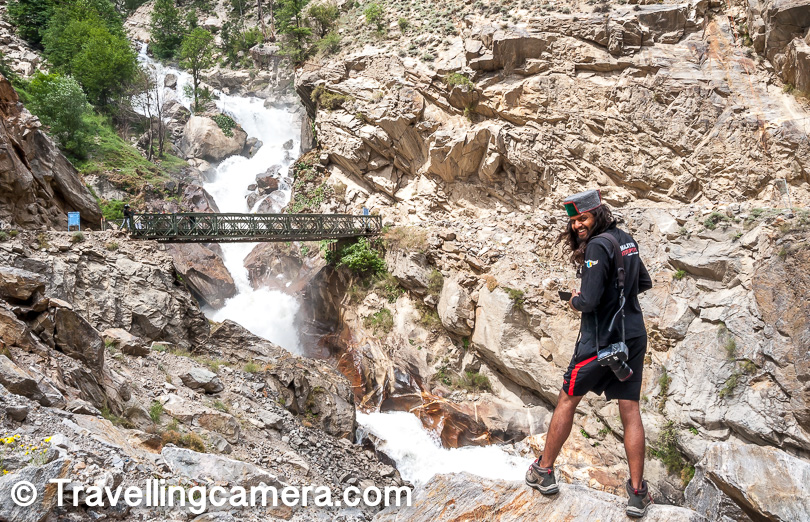
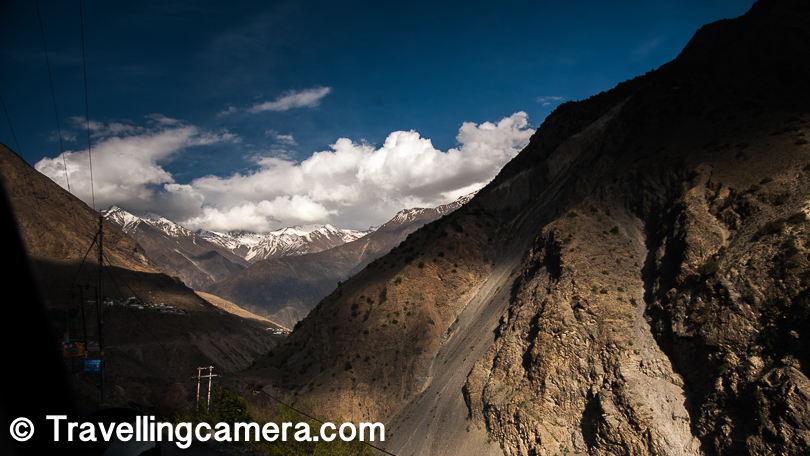
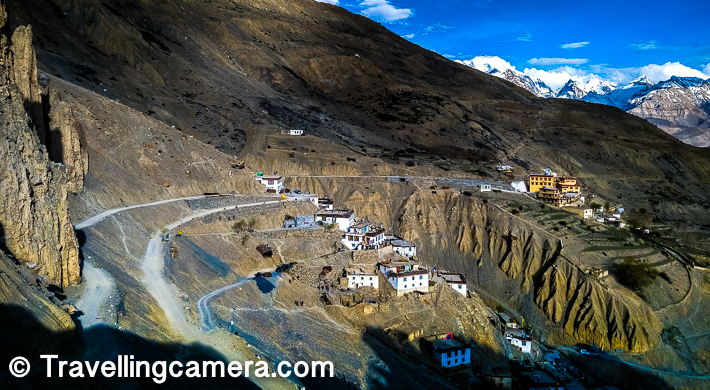
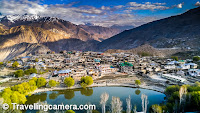
One moment, the road follows a restless river through a narrow gorge. A few hours later, the trees disappear almost completely. Brown mountains rise in enormous folds, their surfaces cut by wind, water and centuries of erosion. Tiny villages appear like carefully placed pieces of earth-coloured architecture. White monasteries cling to hillsides. Far above, patches of snow remain even when the valley floor is warm in the afternoon.

And then there are the silences.
Not the silence of an empty place, but the kind in which you suddenly notice the sound of a prayer flag moving in the wind, a stream running below the road, or a dog barking somewhere across a valley.

For a photographer, Spiti is particularly addictive. The valley doesn't constantly offer postcard compositions. Instead, it makes you wait. Light moves slowly across enormous slopes. Clouds create temporary shadows. A village can look ordinary at noon and extraordinary at 6:30 in the evening.
That is the real attraction of the grand landscapes of Spiti.
They aren't simply grand because they are large. They are grand because they make you feel small.

Why Visit Spiti Valley in Himachal Pradesh?
Spiti is often described as a "cold desert", but that phrase only tells half the story.
The landscape is certainly arid, with sparse vegetation and dramatic barren mountains. Yet between these seemingly inhospitable slopes are surprisingly green agricultural fields, orchards, monasteries, streams and villages that have adapted to an extraordinarily demanding environment.
The valley is worth visiting for several very different reasons:
High-altitude Himalayan landscapes
Tibetan Buddhist monasteries and living traditions
Ancient murals and sacred art
Remote villages such as Langza, Hikkim and Komic
Pin Valley and its wildlife
Stargazing and exceptionally dark skies
Himalayan food and local barley-based cuisine
Long road journeys through changing terrain
Photography opportunities almost everywhere
A slower, quieter style of travel
The important distinction is this: Spiti isn't a destination where you simply tick off attractions.
The experience comes from watching how people live here.

Understanding the Landscape of Spiti
Spiti lies in the trans-Himalayan region of Himachal Pradesh, where the Himalayan rain shadow creates a landscape dramatically different from the lush valleys associated with much of Himachal.
The contrast begins before you even reach Kaza.
Coming through Kinnaur, the scenery gradually changes. Forested mountain slopes become increasingly sparse. Villages become smaller. The mountains become more exposed.
From Manali, the transformation is different. You cross high passes and enter a world of scree slopes, glaciers, river valleys and enormous open spaces.
Kaza, at roughly 3,800 metres, functions as the main urban centre of Spiti. It has petrol, medical facilities, shops, restaurants, accommodation and connectivity, although services remain limited compared with mainstream Himalayan destinations. Himachal Tourism notes that connectivity in the valley remains patchy and that BSNL has traditionally been the more dependable mobile network.
This is one reason not to plan a Spiti trip like a conventional road holiday.
Build in buffers.
A road may be open in the morning and become difficult later because of weather, water crossings, rockfall or local road conditions.
The Cultural History of Spiti
The most fascinating thing about Spiti is that its history isn't sitting behind glass in a museum.
It is still alive.
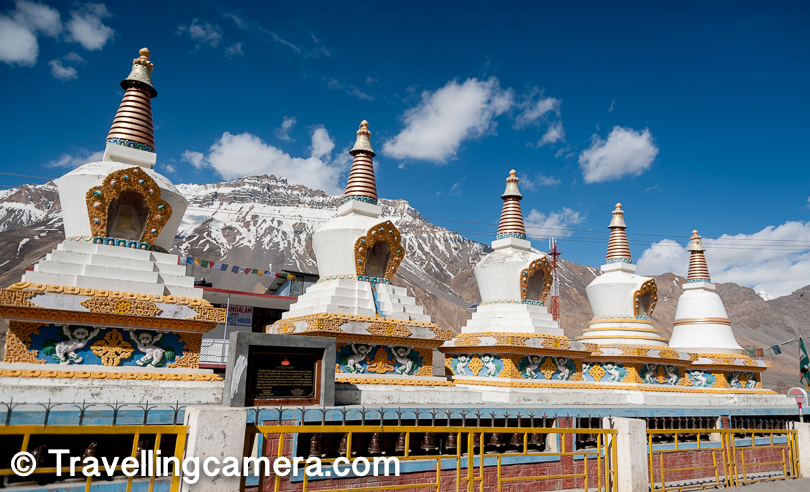
The monasteries continue to function as religious institutions. Prayer rituals continue. Children grow up around Buddhist art that is centuries old. Agricultural cycles still influence village life.

Tabo: A Thousand Years of Living History
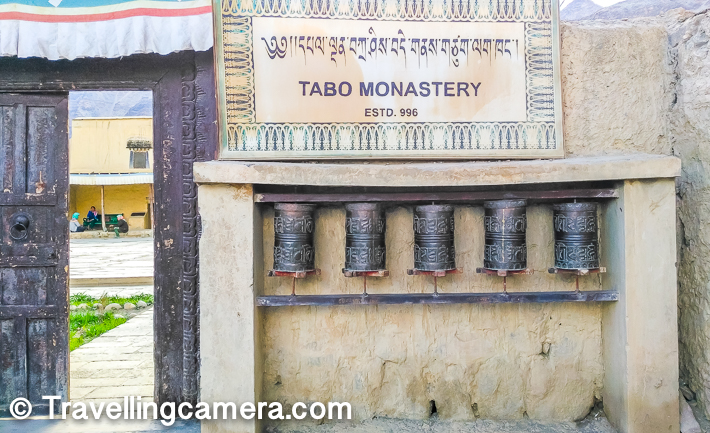
Tabo Monastery is perhaps the best example.
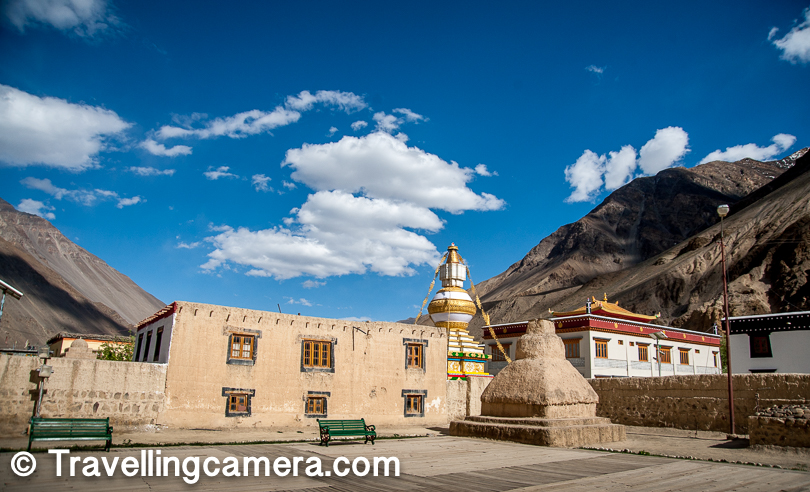
Founded in 996 AD, Tabo Monastery is one of the oldest continuously functioning Buddhist monastic complexes in the Himalayas. The complex includes temples, chortens, monk and nun quarters, ancient paintings and stucco sculptures.
It is often called the "Ajanta of the Himalayas", but that comparison can actually distract from what makes Tabo special.
The interiors are intimate.
Outside, Spiti can feel almost monochromatic. Inside, the old murals introduce another world — reds, ochres, blues, figures, patterns and sacred narratives packed into relatively small spaces.
Photography here needs restraint. These are sacred interiors, not photo studios. Ask before photographing monks, rituals or restricted areas, and follow monastery instructions even if a particular image looks irresistible.
The caves on the mountainside above Tabo are also associated with meditation and solitary retreat, adding another layer to the landscape around the monastery.

Key Monastery: The Iconic Image of Spiti Valley in Himachal Pradesh
Key Monastery is probably the image most closely associated with Spiti Valley in Himachal Pradesh.
From a distance, the monastery seems almost fused into the mountain.
Its irregular arrangement of rooms and narrow passages reflects centuries of development rather than a single grand architectural plan. Himachal Tourism describes it as one of the oldest and largest monasteries in Spiti, with a significant collection of thangka paintings, manuscripts, instruments and religious objects.
The visual trick here is to resist photographing only the monastery.
Look for relationships.
A wide frame with the monastery, river and surrounding slopes tells a story about geography. A longer lens can isolate the monastery against the mountain and emphasise its seemingly impossible location.
Early morning light is particularly useful because the low-angle sun can reveal the texture of the surrounding mountains.

The Grand Landscapes of Spiti: Beyond the Famous Viewpoints
Spiti's most memorable photographs are often made between the places listed on itineraries.
Consider the road approaching a village.
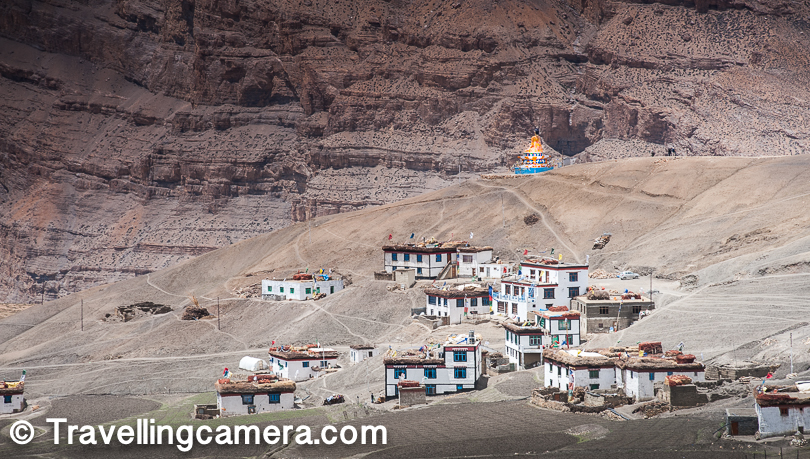
A few green fields may sit beside a grey-brown mountain. A whitewashed house catches sunlight. A line of prayer flags introduces colour. A person walks along a path.
Nothing spectacular is happening.
And yet, photographically, everything is there.

Langza
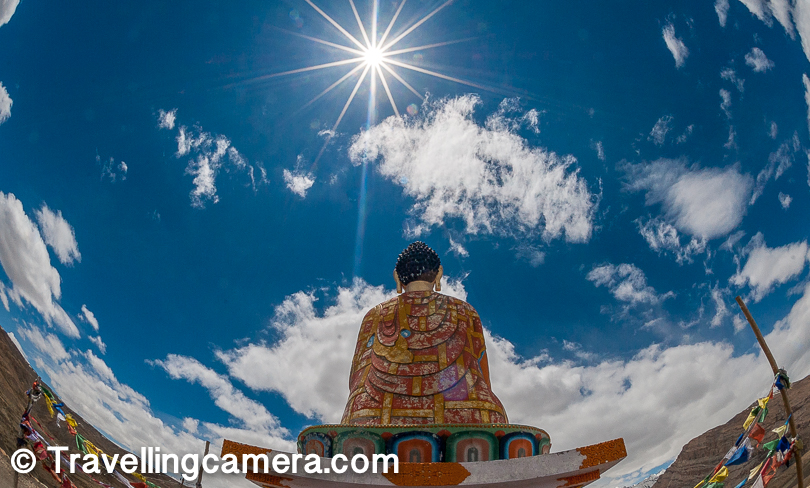
Langza is famous for its enormous Buddha statue and mountain setting, but spend time looking beyond the statue.
The village offers layered compositions: traditional houses, cultivated fields, barren ridges and distant peaks.
Try photographing at the end of the afternoon when the side light begins to create shadows across the slopes.

Hikkim
Hikkim became famous for its post office and its association with high-altitude habitation.
Rather than treating the post office as a checklist photograph, look for the human story around it.
A portrait of a local resident, a letter being written, an old doorway or the contrast between a tiny building and enormous mountains can be far more meaningful.

Komic
Komic is one of the high villages connected by road in Spiti. Nearby Tangyud Monastery sits dramatically above the landscape. Himachal Tourism places the monastery at around 15,000 feet and identifies it with the Sakya tradition.
At these elevations, don't rush.
Walk slowly.
The altitude changes how even a short walk feels.
Hidden Gems and Lesser-Known Spiti Experiences
Spiti rewards travellers who don't treat the valley as a fixed sightseeing circuit.

Pin Valley
Pin Valley feels different from the main Spiti Valley.
The landscape becomes more enclosed and textured. Villages such as Mud provide opportunities to see agricultural life and traditional architecture without the same intensity of tourist traffic found around Kaza.
The region is also associated with the Pin Valley National Park and high-altitude wildlife.
If wildlife photography interests you, remember that seeing a snow leopard is never something a responsible itinerary should promise. Wildlife is unpredictable, and the best approach is to work with experienced local trackers and maintain distance.
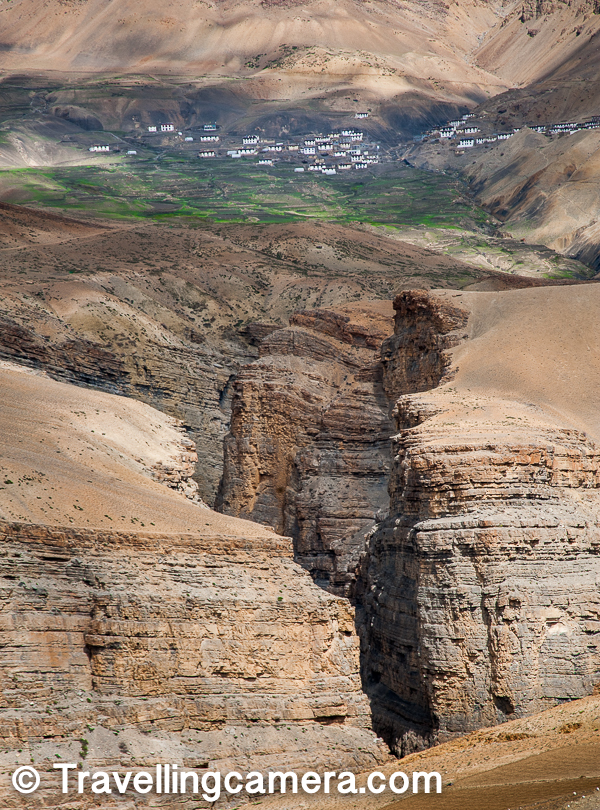
Dhankar
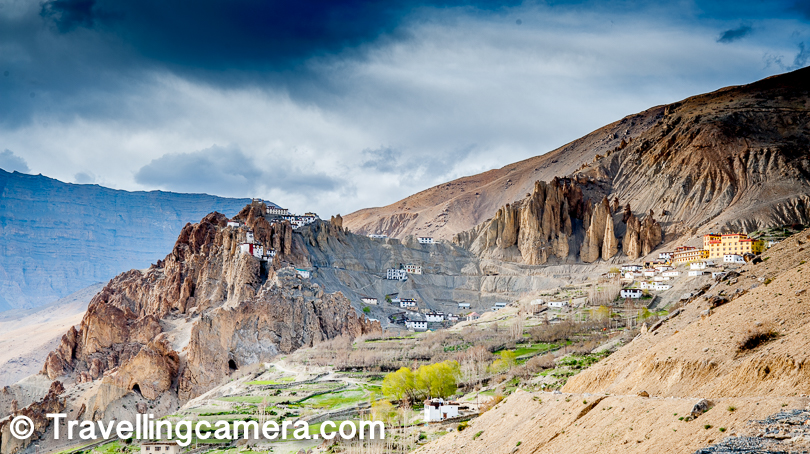
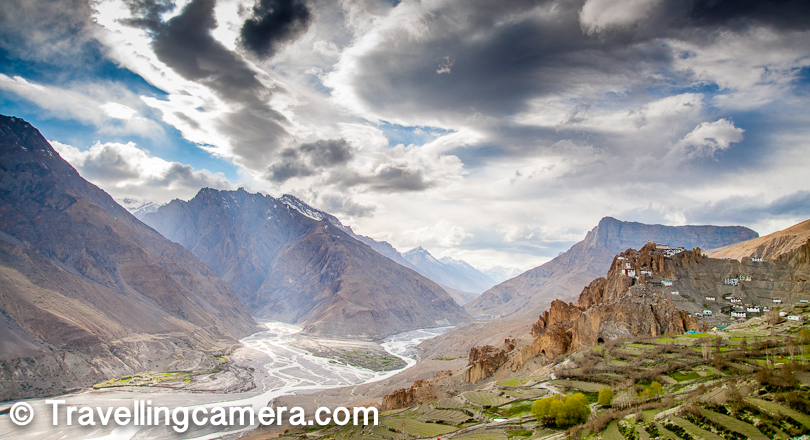
Dhankar Monastery is another place where landscape and architecture merge beautifully.
The old monastery occupies a dramatic position above the valley, and the surrounding cliffs create a sense of verticality that works extremely well with a wide-angle lens.
Photographers should also look at the opposite slopes.
Sometimes the monastery is actually more interesting as a small element within the landscape rather than as the dominant subject.
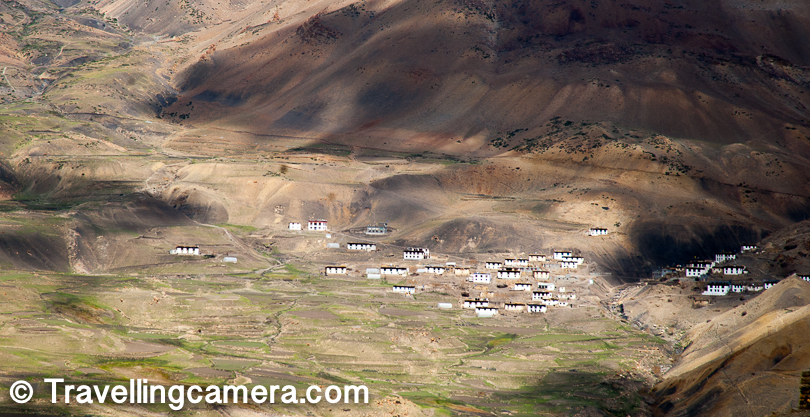
Demul
If time permits, consider villages away from the standard Kaza–Langza–Hikkim loop.
Demul offers a quieter glimpse into village life and the agricultural adaptation of Spiti.
This is the kind of place where staying overnight can be more rewarding than arriving for twenty minutes, taking photographs and leaving.

Best Photography Spots in Spiti Valley
For photographers, I would think about Spiti in terms of light rather than attractions.
| Location | Best Light | What to Photograph |
|---|---|---|
| Key Monastery | Early morning / late afternoon | Monastery, mountain layers, village |
| Tabo | Morning and late afternoon | Monastery exterior, village, cliffs |
| Dhankar | Morning / evening | Monastery, valley depth, cliffs |
| Langza | Late afternoon | Buddha statue, village, mountains |
| Hikkim | Morning / evening | Village life, architecture, mountain scale |
| Komic | Early morning | High-altitude village, Tangyud Gompa |
| Pin Valley | Morning / late afternoon | Villages, fields, mountains |
| Kunzum Pass | Morning | Snow, prayer flags, road geometry |
| Chandratal | Sunrise / sunset | Lake reflections, mountains, sky |
| Kaza outskirts | Golden hour | Everyday life and mountain silhouettes |

Photography Tips for Spiti
Spiti can make even an ordinary camera produce extraordinary-looking photographs. But the real challenge is controlling the temptation to photograph everything as a giant landscape.
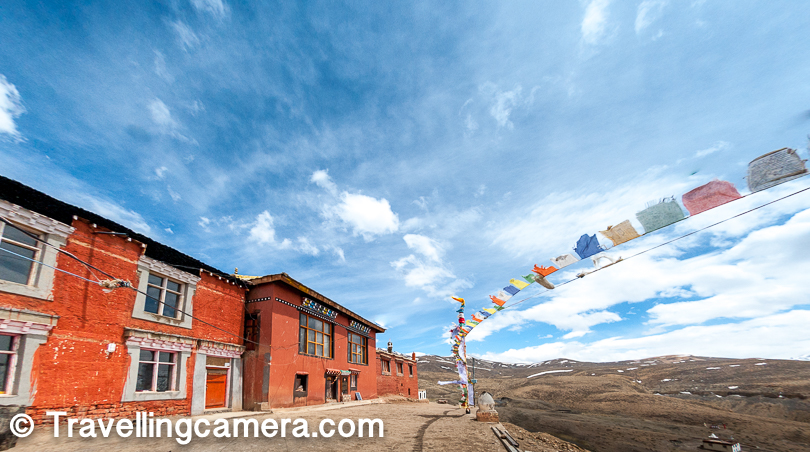
1. Use a person for scale
The mountains are enormous.
A tiny human figure walking along a trail immediately communicates their scale.
Don't ask people to pose unless you have permission. Instead, observe.
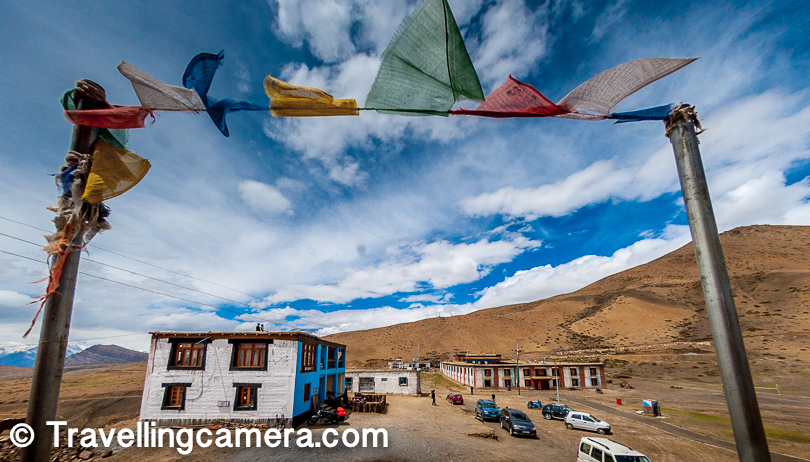
2. Photograph early
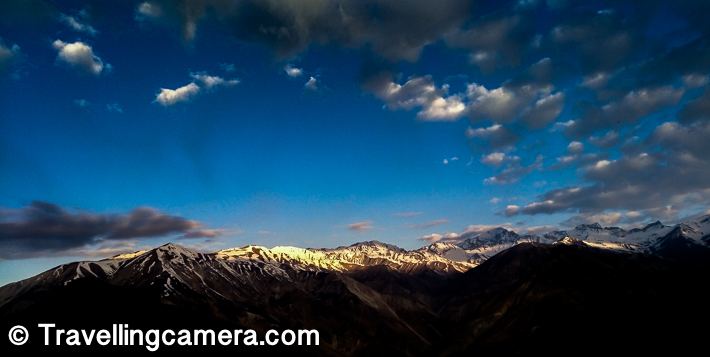
The first couple of hours after sunrise can be spectacular.
Mountain shadows are long, textures are pronounced and the landscape often feels quieter.

3. Don't ignore midday
Midday light is harsh, but that isn't necessarily bad.
Use it for graphic compositions.
Look for:
Deep shadows
Strong geometric shapes
White buildings against dark mountains
Road curves
Textured rock formations

4. Carry a telephoto lens
A 70–200mm lens can be surprisingly useful.
It compresses mountain layers and allows you to isolate monasteries, houses and distant ridgelines.

5. Watch your highlights
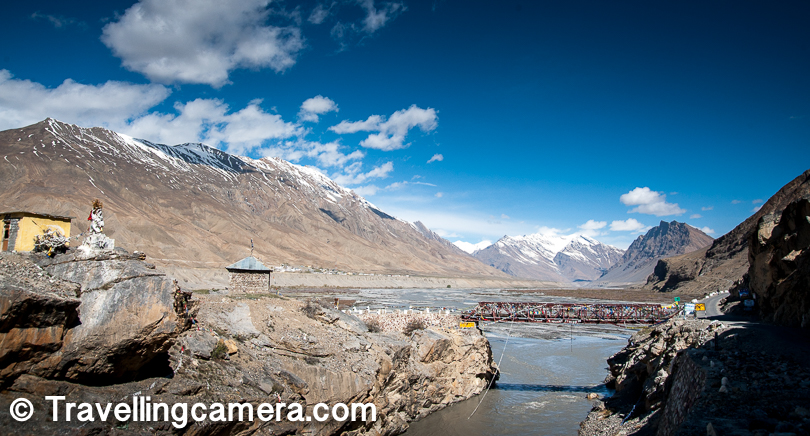
The bright sky and reflective surfaces can fool your camera.
Check the histogram rather than relying entirely on the LCD screen.
6. Protect your batteries
Cold temperatures reduce battery life.
Carry spare batteries close to your body and keep camera equipment protected from sudden temperature changes.
7. Photograph the night sky
Spiti's dry environment and relatively low light pollution make it attractive for astrophotography. Kaza has also seen recent efforts to develop astronomy tourism and involve local entrepreneurs in stargazing activities.
For Milky Way photography, scout your composition during daylight.
You don't want to discover your foreground at 2 a.m.

Food in Spiti: Eat for the Climate
Food in Spiti makes more sense when you understand the environment.
This is food designed for altitude, cold and limited agricultural seasons.
Barley is important to local food culture, while Tibetan influences are evident in dishes commonly available to travellers. Himachal Tourism specifically highlights barley-based preparations, momos, thukpa and different teas including butter tea.

Try:
Thukpa
Momos
Butter tea
Barley-based local preparations
Tibetan-style noodles
Local breads where available
Simple dal, rice and vegetable meals at homestays
Don't underestimate a bowl of hot thukpa after several hours on a cold mountain road.
The best food experiences may come from a homestay rather than a restaurant menu.
Ask what the family normally eats.
That question often produces a more interesting meal than asking for the "best local dish".
Conversations With People: The Part of Spiti You Cannot Photograph
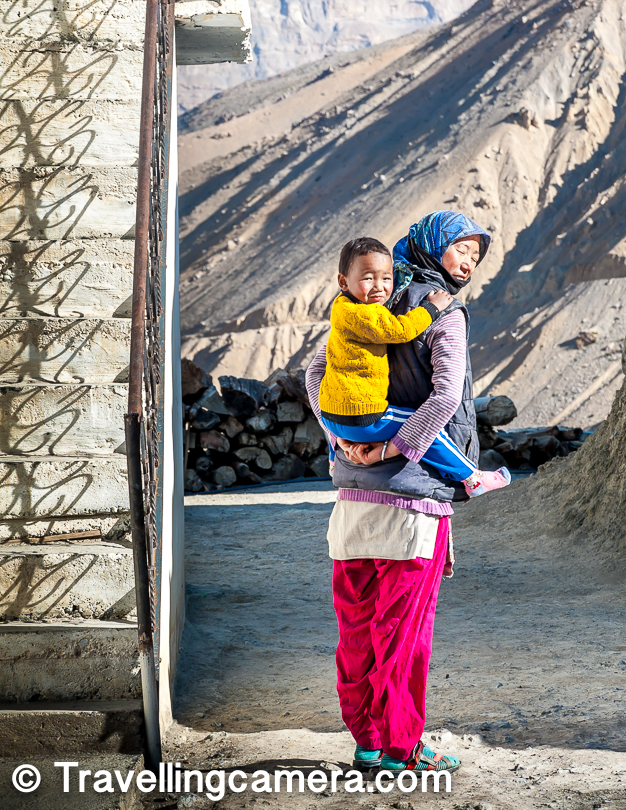
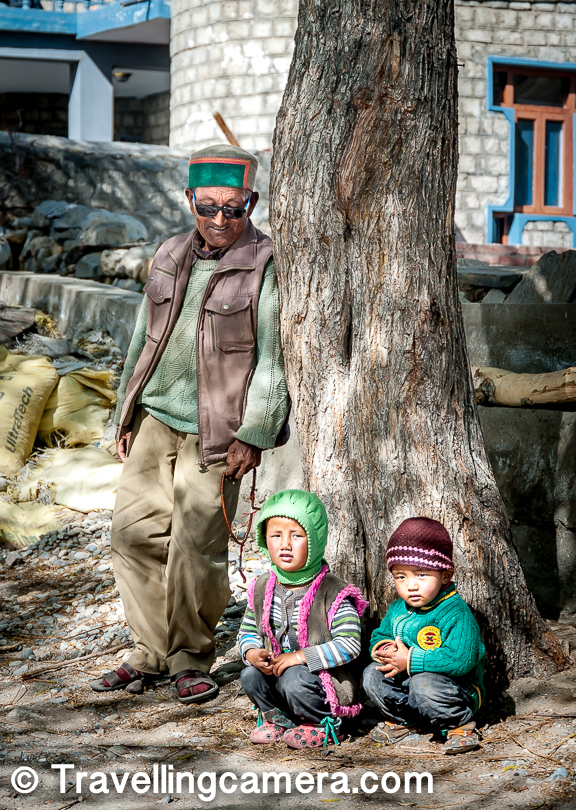
One of the mistakes travellers make in remote Himalayan regions is photographing everything except the people who make the landscape meaningful.
Ask before making portraits.
Learn a few local greetings.
Sit for tea when invited.
Don't turn a village into a photographic set.
Spiti's communities have lived with isolation, short growing seasons and severe winters for generations. The landscape that appears adventurous to a visitor is simply home to the people living there.
That distinction matters.
At a homestay, ask about winter.
Ask how food is stored.
Ask when the roads close.
Ask what changes when tourists arrive.
These conversations can reveal more about Spiti than another viewpoint ever will.
Festivals and Local Culture
The Ladarcha Fair in Kaza has historical roots as a trading event involving communities from Spiti, Ladakh and neighbouring regions. It was originally held at Kibber before changing location after the closure of the Tibetan trade routes. Today, it is held in Kaza and has evolved into a cultural gathering involving trade, performances and visitors.
If you happen to travel during a festival, behave like a participant in someone else's culture, not a spectator at a performance.
Ask before photographing ceremonies.
Avoid standing in front of people during religious rituals.
Don't touch religious objects casually.
And never assume that a monk or villager wants their portrait simply because they are in a tourist destination.
Best Time to Visit Spiti Valley in Himachal Pradesh
The ideal season depends heavily on what you want.

May to June
The valley begins emerging from winter.
This can be an excellent period for travellers interested in dramatic contrasts between snow and newly emerging vegetation.
However, access over Kunzum Pass from the Manali side depends on snow clearance and road conditions.

July to August
This is generally the busiest period.
The weather can be comparatively accessible, but monsoon-related disruptions elsewhere in Himachal and sudden mountain weather still require caution.
The Ladarcha Fair is traditionally held around this period.

September to October
For a photographer, this can be one of the most rewarding windows.
The air can feel clearer, crowds may thin, and autumn colours appear in suitable areas.
October nights, however, can be genuinely cold.

Winter
Winter Spiti is another world.
The valley becomes dramatically quieter, temperatures can plunge, and road access becomes difficult.
It is not a casual holiday season.
If you deliberately want a winter Spiti experience, plan with people who understand local winter conditions rather than relying on a normal summer itinerary.

How to Reach Spiti Valley
There are two principal approaches.
Route 1: Shimla – Kinnaur – Tabo – Kaza
This is generally the longer but more gradual approach.
A typical route is:

Shimla → Rampur → Reckong Peo → Nako → Tabo → Dhankar → Kaza
One advantage is gradual acclimatisation compared with arriving rapidly from a lower-altitude location.
Foreign travellers should also check current permit requirements for the Kinnaur route because of its proximity to the international border. Himachal Tourism states that Indian citizens do not require a permit for entering Spiti, while foreign travellers using the Shimla-Kinnaur route require an inner-line permit.

Route 2: Manali – Atal Tunnel – Kunzum Pass – Kaza
This is the more dramatic high-altitude approach.
A broad route is:
Manali → Atal Tunnel → Gramphu → Batal → Kunzum Pass → Losar → Kaza
But don't treat the distance as a normal road-trip calculation.
Road conditions can dramatically affect travel time.
Kunzum Pass can remain inaccessible for months during winter. In 2026, the Manali-side route was reopened only after a prolonged winter closure, underlining how strongly seasonal this connection remains.
Always check current district administration and road-condition updates immediately before travelling.

Where to Stay in Spiti
Kaza is the obvious base if you want convenience.
You will find hotels, guesthouses, homestays, restaurants, shops and basic services.
But if your objective is cultural immersion, consider staying in smaller villages for at least a couple of nights.
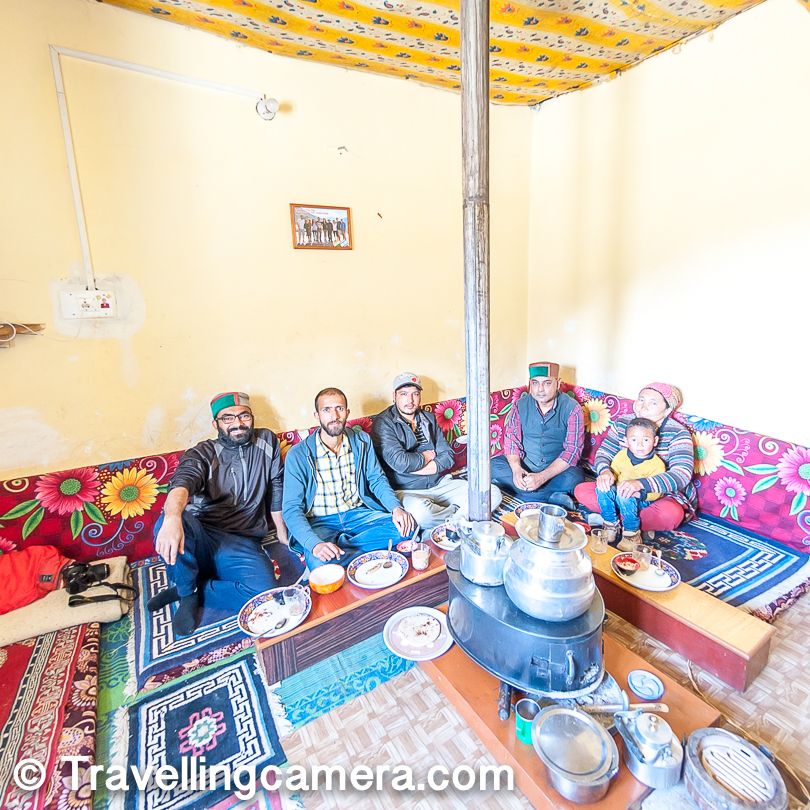
A homestay offers something a hotel rarely can:
time.
You see what happens after tourists leave for the day.
You hear conversations around dinner.
You notice how homes are heated.
You see food preparation.
You begin to understand the relationship between the village and the surrounding land.
That is the Spiti experience worth remembering.
Budget Tips for a Spiti Trip
Spiti does not have to be an expensive destination, but remote travel has hidden costs.
Save money by:
Using shared taxis where practical
Staying in homestays
Travelling with a small group
Carrying snacks from larger towns
Avoiding unnecessary gear rentals
Spending more time in fewer villages
Building buffer days rather than expensive last-minute changes
One important practical point: fuel availability is limited. Himachal Tourism has historically identified Kaza as having the valley's principal petrol station, so don't assume you will find fuel at every major settlement.

A Practical 9-Day Spiti Itinerary
Day 1: Shimla to Kalpa / Reckong Peo
Break the journey and begin acclimatising.
Day 2: Kalpa to Nako
Slow down and photograph the changing landscape.
Day 3: Nako to Tabo
Spend the evening exploring Tabo village.
Day 4: Tabo – Dhankar – Kaza
Visit Dhankar and continue towards Kaza.
Day 5: Kaza – Key Monastery – Kibber
Spend time around Key rather than rushing through it.
Day 6: Kaza – Langza – Hikkim – Komic
Return to Kaza for the night.
Day 7: Pin Valley
Stay overnight if possible.
Day 8: Kaza buffer day
Keep this day deliberately flexible.
Weather, road conditions or photography opportunities may change your plans.
Day 9: Kaza onward
Return via Kinnaur, or continue toward Manali if the Kunzum route is officially open and conditions are suitable.
A 10–12 day itinerary is even better if photography is your priority.

Responsible Travel in Spiti
Spiti's apparent emptiness can be deceptive.
It is not an empty wilderness.
People live here.
A few rules worth following:
Carry your waste back with you.
Avoid single-use plastic where possible.
Don't litter around monasteries or villages.
Ask before photographing people.
Dress respectfully inside monasteries.
Don't enter restricted religious spaces.
Don't disturb wildlife for photographs.
Don't fly drones without checking permissions and local restrictions.
Use water carefully.
Prefer locally owned homestays and services.
Don't pressure locals for photographs.
Respect village paths, farms and private homes.
The easiest way to remember the etiquette is simple:
Travel through Spiti as a guest, not as an owner of the landscape.
Common Mistakes to Avoid in Spiti
Trying to cover everything
Spiti looks compact on a map.
It isn't.
Distances, altitude and road conditions change the meaning of "nearby".
Arriving without acclimatisation
High altitude deserves respect.
Don't make your first day an ambitious sightseeing marathon.
....
Assuming Google Maps tells the whole story
Mountain roads change.
Always verify local conditions.

Treating monasteries as photo locations
They are living religious institutions.
Behave accordingly.

Packing only for daytime
Sun can make the afternoon feel pleasant while temperatures drop sharply after sunset.

Driving aggressively
The road may look empty, but that does not mean it is safe to drive quickly.
Blind corners, loose rock, water crossings and oncoming vehicles require patience.

Ignoring buffer days
This is probably the biggest mistake.
A Spiti itinerary without a buffer assumes the mountains will cooperate.
They don't.

Frequently Asked Questions About Spiti Valley in Himachal Pradesh
What is the best time to visit Spiti Valley in Himachal Pradesh?
For most travellers, June to October offers the most practical access, although exact road conditions vary each year. For photography, September and early October can be particularly rewarding because of clearer skies, changing vegetation and fewer peak-season crowds.
....
How many days are enough for Spiti Valley?
A minimum of 7–9 days is useful for a basic circuit, but 10–12 days is better for photographers and slow travellers. The extra time allows you to stay in villages, explore Pin Valley and keep buffer days for weather and road conditions.

Is Spiti Valley safe for tourists?
Spiti is generally considered a safe destination, but the primary risks are altitude, harsh weather, road conditions and limited medical infrastructure. Travel slowly, acclimatise properly and avoid taking unnecessary risks on mountain roads.

Is Spiti Valley better from Manali or Shimla?
Both routes offer different experiences. The Shimla–Kinnaur route generally allows a more gradual transition into high altitude and passes through Tabo and Nako. The Manali route offers a dramatic high-altitude approach via Kunzum Pass but is more dependent on seasonal road opening.
Is Spiti Valley suitable for a family trip?
It can be, but it depends on the family's tolerance for long road journeys, altitude and basic accommodation. Families with young children or elderly travellers should plan more conservatively and consult a doctor regarding high-altitude travel where appropriate.

What are the best places to visit in Spiti Valley?
Key Monastery, Tabo, Dhankar, Langza, Hikkim, Komic, Kibber and Pin Valley are among the most rewarding places to include. But some of Spiti's best experiences happen between these destinations.
Can I visit Spiti Valley in winter?
Yes, but winter Spiti requires significantly more preparation. Roads and services can be affected by heavy snowfall and extreme cold. It is better suited to experienced travellers with local support and flexible plans.
....
What should photographers carry for Spiti?
A wide-angle lens, a medium telephoto lens, spare batteries, memory cards, microfiber cloths, a sturdy but lightweight tripod and protection against dust and cold are useful. A polarising filter can also help manage glare, although it should be used carefully with very wide lenses.

Is there internet in Spiti Valley?
Connectivity is limited compared with cities and mainstream tourist destinations. Himachal Tourism notes that BSNL has traditionally been the more reliable mobile network in Spiti, though coverage and service can change.
Is a permit required to visit Spiti?
Indian citizens generally do not need a permit to enter Spiti. Foreign travellers using the Shimla-Kinnaur route need to check the applicable inner-line permit requirements because of the border-sensitive area. Requirements can change, so verify them before departure.

Final Thoughts: Don't Rush Spiti
The first photographs you take in Spiti will probably be the obvious ones.
A monastery on a hill.
A winding road.
A barren mountain.
A village below enormous peaks.
Then, if you stay long enough, something changes.
You begin photographing the shadow of a mountain moving across a field.
A wooden door.
A stack of firewood.
A bowl of steaming thukpa.
A monk walking down a corridor.
A farmer returning home.
Prayer flags disappearing into the distance.
The landscape becomes less of a spectacle and more of a living environment.

That is when Spiti Valley in Himachal Pradesh becomes truly interesting.
The grand landscapes of Spiti are undeniably spectacular. But the valley's deeper character lies in the relationship between those landscapes and the people who have learned to live among them.
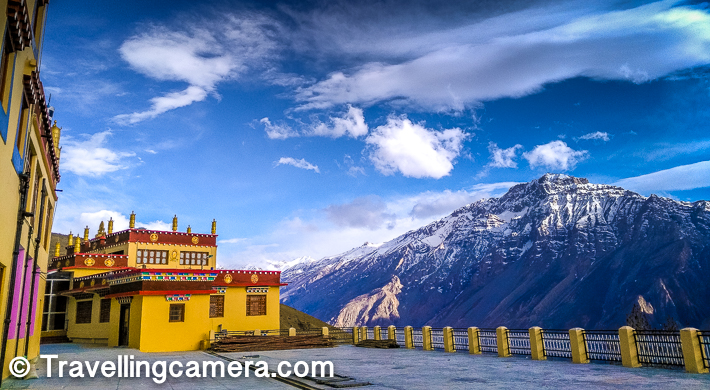
For a photographer, that is the real gift.
Spiti doesn't merely give you photographs.
It gives you a reason to look more carefully.
Related Blogposts :
 Langza Village - Popular place in Spiti Valley of Himachal Pradesh known for huge Buddha Statue at an altitude of 14,500 feet and spotting wild animals like Snow Leopards & Himalayan Ibex
 Just skip if you are not interested in exploring some of the great places around Kaza town of Spiti Valley in Himalayan State of India




.jpg)
Comments