

Introduction
There are destinations where you visit a monument, take a photograph and move on. Then there are places where the entire landscape becomes part of the experience.
Mahabalipuram is one of them.

For anyone interested in Mahabalipuram Tourism in Tamilnadu, the town offers an unusual combination of ancient architecture, enormous granite sculptures, coastal landscapes, traditional stone carving, local food and everyday life. Here, a Pallava-era temple can stand within walking distance of a busy street, a giant boulder can become a playground for children, and fishermen can continue their daily routines while visitors explore monuments that are more than a thousand years old.

Known historically as Mamallapuram, Mahabalipuram is particularly rewarding for photographers. The same monument can look completely different depending on the time of day. Early morning brings soft light and fewer people. Harsh midday sunlight reveals the textures of weathered granite. Late afternoon creates long shadows, while the coastline becomes especially atmospheric around sunset.

But Mahabalipuram isn't just about photographing famous monuments.
It is about walking slowly enough to notice the details.
A weathered sculpture.
A stone carver working outside a workshop.
A fisherman returning from the sea.
The sound of waves behind an ancient temple.
A plate of hot idli and vada after several hours of walking.

These small experiences often stay with you longer than the checklist of monuments.
If you are planning a trip as part of Tamilnadu Tourism, Mahabalipuram deserves more than a hurried stop between Chennai and Pondicherry.
Give it a full day if possible. Two days are even better.

Why Visit Mahabalipuram?
Mahabalipuram brings together several different kinds of travel experiences in one compact destination.
History enthusiasts can explore some of the finest surviving examples of Pallava architecture.
Photographers can work with stone textures, dramatic sculptures, coastal landscapes, people and changing light.
Architecture enthusiasts can study the transition from rock-cut experimentation to structural temple architecture.
Culture lovers can observe the living stone-carving tradition that continues in the town.
Beach lovers can combine heritage sightseeing with the Bay of Bengal.
Food travellers can explore South Indian breakfasts, seafood and local restaurants.
Perhaps the most interesting part is that these experiences don't exist in isolation.
You can spend the morning studying a 7th-century rock relief and, a short while later, watch an artisan carving a contemporary sculpture from granite.
That connection between the ancient and the living makes Mahabalipuram different from many heritage destinations.

Mahabalipuram Tourism in Tamilnadu: Understanding the History
The history of Mahabalipuram is closely associated with the Pallava dynasty, which played an important role in the development of South Indian architecture.
The town is particularly associated with Narasimhavarman I, also known as Mamalla. The name Mamallapuram is traditionally connected with this title.
During the Pallava period, Mahabalipuram developed as an important centre of architecture, sculpture and maritime activity.
What makes the monuments particularly fascinating is the variety of architectural techniques found within a relatively small area.
You can see:
Rock-cut cave temples
Monolithic rathas
Structural temples
Large open-air rock reliefs
Mandapas
Sculpted boulders
Decorative stonework
Remains associated with an ancient coastal settlement
The monuments collectively demonstrate an important period in the evolution of South Indian temple architecture.
The Group of Monuments at Mahabalipuram is also recognised as a UNESCO World Heritage Site.
However, understanding Mahabalipuram only through its monuments misses something important.
This is still a living town.
Stone carving continues.
Fishing continues.
Local businesses continue to operate around the heritage zone.
Families continue to live their everyday lives alongside an extraordinary archaeological landscape.

Main Places to Explore During Mahabalipuram Tourism in Tamilnadu

1. Shore Temple
The Shore Temple is undoubtedly the most recognisable landmark in Mahabalipuram.
Its location beside the Bay of Bengal gives it a setting that is difficult to replicate.
The temple appears to emerge from the coastal landscape, with the sea constantly changing the mood around it.
Built during the Pallava period, the Shore Temple is particularly significant because it represents structural temple architecture rather than the monolithic approach seen at the Pancha Rathas.
The temple complex contains shrines associated with Shiva and Vishnu.
Centuries of exposure to coastal weather have affected the granite. The stone has been shaped not only by human hands but also by wind, salt and moisture.
That weathering is part of the monument's visual character.
Photography at the Shore Temple
For photographers, early morning is one of the most rewarding times to visit.
The light is softer, the temperature is more comfortable and crowds are generally lower.
Instead of taking only the conventional wide photograph, look for details.
Try photographing:
Temple towers against the sky
Nandi sculptures
Weathered granite
Architectural repetitions
Shadows across the stone
Visitors providing scale
The relationship between temple and sea
If you are photographing sunrise, arrive early enough to settle into a composition rather than reaching the site just as the sun appears.
A slightly longer lens can also help isolate architectural details that disappear in a wide-angle photograph.

2. Pancha Rathas
The Pancha Rathas, commonly called the Five Rathas, are among the most fascinating monuments in Mahabalipuram.
These structures were carved from large pieces of granite and are commonly associated with the Pandavas and Draupadi because of their traditional names.
The names, however, should not be taken to mean that these monuments were actually constructed for the characters of the Mahabharata.
What matters architecturally is their monolithic construction and the variety of forms represented.
Each ratha has its own character.
The structures allow visitors to observe different architectural ideas expressed through stone.
Spend time walking around them rather than simply photographing the front.
Look at the sides.
Look at the roofs.
Notice the smaller decorative elements.
Study how light falls across the carved surfaces.
Photography Tip
Late afternoon can be particularly good here because angled sunlight creates shadows that reveal the depth of the carvings.
A person standing near the sculptures can also provide a useful sense of scale.

3. Krishna's Butter Ball
Krishna's Butter Ball is perhaps the most playful attraction in Mahabalipuram.
The enormous granite boulder appears to balance impossibly on a sloping rock surface.
It immediately raises the question: how did it get there?
The boulder has inspired various local stories and popular explanations over the years.
Whether you approach it as a geological curiosity, a historical landscape feature or simply a remarkable natural formation, it is difficult to ignore.
For photographers, the best trick is to use people for scale.
A person standing below the boulder makes its enormous dimensions immediately understandable.
Try photographing it from different angles rather than taking the standard front-facing photograph.

4. Arjuna's Penance or Descent of the Ganges
The enormous rock relief commonly called Arjuna's Penance or the Descent of the Ganges is one of Mahabalipuram's defining attractions.
At first glance, it is simply an enormous carved wall.
Spend a few minutes looking closely and it becomes an entire world.
Animals, humans, divine figures and other characters occupy different sections of the composition.
The vertical cleft running through the rock is an important part of the monument and contributes to interpretations connecting the relief with the descent of the Ganges.
The elephants are particularly impressive.
Their size, posture and expression give the composition a surprisingly natural quality.
A Photographer's Approach
Don't photograph the relief only as one enormous frame.
Break it down.
Use a longer focal length to isolate:
Elephant groups
Individual figures
Animal details
Ascetics
Architectural elements
Expressions and gestures
This creates a series of photographs that tells a much richer story.
5. Krishna Mandapam
Krishna Mandapam is another monument where mythology and everyday life come together.
The large relief is associated with Krishna lifting Govardhan Hill.
But look beyond Krishna.
The surrounding figures include animals, villagers and scenes that provide glimpses into pastoral life.
This is one of the reasons I find the relief particularly interesting from a photography perspective.
It is not merely a religious image.
It also contains observations about people, animals and community life.
Look closely and allow your eyes to move around the composition.
You will discover details that aren't obvious from a quick visit.

6. Mahishasuramardini Rock-Cut Mandapa
This rock-cut cave is one of the more atmospheric monuments in Mahabalipuram.
Inside are important sculptural panels, including the dramatic depiction of Mahishasuramardini and a reclining Vishnu.
The Durga panel has a strong sense of movement.
Figures, animals and weapons are arranged in a way that creates visual energy despite everything being carved into solid rock.
The darker interior can also create excellent opportunities for photography.
Rather than using only a wide-angle lens, try isolating sections of the sculptures.
The contrast between illuminated stone and shadow can produce powerful compositions.

7. Varaha Cave
Varaha Cave is smaller and quieter than some of the better-known attractions.
That makes it particularly enjoyable for travellers who prefer spending time with individual sculptures rather than moving constantly through crowds.
The cave contains important Pallava sculptures, including the famous Varaha representation.
Pay attention to the relationship between the natural rock and the carved figures.
The sculptors were not simply placing sculpture into an empty building.
They were working directly with the mountain and transforming the existing rock into architecture.
That idea runs through much of Mahabalipuram.

8. Trimurti Cave
The Trimurti Cave provides another glimpse into the rock-cut tradition of Mahabalipuram.
The cave contains three shrine-like sections associated with Brahma, Vishnu and Shiva.
It is usually less overwhelming than the most famous monuments.
That makes it a good place to slow down.
For photographers, the smaller scale can actually be an advantage.
Instead of constantly searching for a grand composition, concentrate on textures, shadows, sculptural details and the relationship between the cave and surrounding landscape.

Hidden Gems and Lesser-Known Places in Mahabalipuram
Mahabalipuram has enough famous attractions to fill an entire itinerary.
But some of its quieter places are equally rewarding.

Iswara Temple Hillock
The Iswara Temple area provides an elevated perspective and a different sense of Mahabalipuram.
It can be especially interesting for photographers looking beyond conventional monument photographs.
Late afternoon is a useful time to explore because the lower-angle light can add depth to the stone.
Draupadi's Bath
Draupadi's Bath is less dramatic than the Shore Temple or Pancha Rathas, but it contributes to the larger historical landscape.
It is worth including if you have enough time to explore beyond the headline attractions.
Raya Gopuram
The unfinished Raya Gopuram is fascinating precisely because it remains incomplete.
Finished monuments tell us what builders achieved.
An unfinished monument can reveal something about what was planned but never completed.
Look carefully at the stonework and unfinished surfaces.
They offer a different perspective on the construction process.
Gopi's Churn
Smaller heritage features such as Gopi's Churn can easily be overlooked.
For photographers and heritage enthusiasts, however, these details are often worth seeking out.
They make the exploration feel less like a checklist and more like discovering a historic landscape.

Mahabalipuram Lighthouse and the Coastal Landscape
The lighthouse area provides a different perspective of Mahabalipuram.
From elevated locations, you can appreciate how closely the historic settlement is connected to the coast.
The lighthouse itself is also an interesting photographic subject.
Late afternoon is particularly pleasant for exploring this area.
The light becomes softer, shadows lengthen and the landscape begins to take on warmer tones.
The surrounding heritage structures also become interesting foreground elements.
Beaches of Mahabalipuram
Mahabalipuram is not only about monuments.
The Bay of Bengal is an essential part of the town's character.
Spend some time on the beach without turning it into another sightseeing task.
Watch fishermen preparing boats.
Observe the waves.
Look at how local people use the shoreline.
Early morning is ideal for photography.
At sunrise, silhouettes of fishermen, boats and waves can create strong compositions.
Evening brings a different atmosphere, especially when clouds are present.
One important observation: the sea here is not simply a scenic background to the heritage monuments.
Historically, the coast was central to Mahabalipuram's identity as a maritime settlement.

Best Photography Spots in Mahabalipuram
Mahabalipuram offers an unusually diverse range of subjects for photographers.
| Location | Ideal Time | Photography Opportunities |
|---|---|---|
| Shore Temple | Sunrise | Temple, sea, silhouettes |
| Pancha Rathas | Early morning or late afternoon | Architecture and sculpture |
| Krishna's Butter Ball | Morning or late afternoon | Scale and landscape |
| Arjuna's Penance | Morning | Large relief and details |
| Krishna Mandapam | Morning | Sculptures and human-life scenes |
| Mahishasuramardini Cave | Morning | Shadows and stone textures |
| Lighthouse area | Late afternoon | Coastal landscape |
| Mahabalipuram beaches | Sunrise and sunset | Waves, boats and fishermen |
| Stone-carving workshops | Daytime | Craftspeople and traditional work |

How to Photograph Mahabalipuram Better
The most common mistake is photographing every monument from eye level with a wide-angle lens.
Change your position.
Move closer.
Step back.
Look for foreground objects.
Use people for scale.
Photograph details.
Try vertical compositions.
And wait for interesting light.
Early Morning
Early morning is excellent for:
Shore Temple
Beaches
Empty streets
Soft architectural light
Fishermen
Sunrise compositions
Midday
The harsh light of midday is not always ideal for architecture, but it can work well for:
Sculptural details
Strong shadows
Interior caves
Documentary photographs
Stone textures
Use the middle of the day as a break from the major outdoor monuments rather than forcing yourself through everything.
Late Afternoon
Late afternoon is one of the most versatile periods.
The granite starts responding beautifully to angled light.
Textures become more visible.
Long shadows add depth.
And the heat gradually becomes more manageable.

Local Food Experiences in Mahabalipuram
Food should be part of the Mahabalipuram experience rather than something squeezed between monuments.
Start your morning with a traditional South Indian breakfast.
Idli, dosa, vada, sambar and chutney are practical choices before several hours of walking.
Don't underestimate a good filter coffee either.
It can be the perfect pause after an early morning photography walk.
Because Mahabalipuram is a coastal town, seafood is naturally prominent in many restaurants.
Depending on availability, you may find:
Fish curry
Fried fish
Prawns
Crab
Fish meals
South Indian thalis
Coconut-based preparations
A useful local question is simple:
"What is fresh today?"
Instead of automatically ordering the most expensive seafood dish, ask about the day's catch.
For travellers who prefer vegetarian food, there are plenty of South Indian options.

Stone Carving: Mahabalipuram's Living Tradition
One of the most fascinating aspects of visiting Mahabalipuram is seeing stone carving continue as a living craft.
Walk through the town and you will encounter workshops filled with granite sculptures.
The sound is distinctive.
A hammer striking a chisel.
Then silence.
Then another series of precise strikes.
The tradition connects modern artisans with the artistic heritage for which Mahabalipuram is famous.
This is one of the best places to slow down and observe craftsmanship.
If you want to photograph an artisan, ask permission first.
Don't interrupt someone while they are working simply to create a photograph.
If you are genuinely interested, ask about the process.
A short conversation can turn an ordinary photograph into a meaningful travel story.

Best Time to Visit Mahabalipuram
Mahabalipuram is a year-round destination, but the experience changes considerably with the season.
October to February
These months are generally more comfortable for sightseeing.
Morning walks are pleasant, and the relatively cooler weather makes it easier to explore multiple monuments.
This is also a good period for photography.
March to May
The temperature can become uncomfortable, especially around midday.
Start early.
Take a break during the hottest hours.
Return to outdoor sightseeing in the late afternoon.
June to September
Weather conditions can vary.
Cloudy skies can actually be excellent for photography because they soften harsh sunlight.
October to December
The northeast monsoon is important for Tamil Nadu's eastern coast during this period.
Rain can interfere with outdoor sightseeing, but dramatic skies and wet stone can create beautiful photographic conditions.
Always keep some flexibility in your itinerary during the rainy season.

How to Reach Mahabalipuram
From Chennai
Road travel is the easiest way to reach Mahabalipuram from Chennai.
You can drive, hire a taxi or use bus services.
The East Coast Road makes the journey particularly enjoyable for travellers who prefer road trips.
From Pondicherry
Mahabalipuram and Pondicherry make a natural combination for a Tamil Nadu coastal itinerary.
You can explore Mahabalipuram's ancient heritage before continuing towards Pondicherry for its colonial architecture, cafés and cultural atmosphere.
By Air
Chennai International Airport is the nearest major airport.
From the airport, continue by road.

Where to Stay in Mahabalipuram
Mahabalipuram has accommodation options ranging from budget guesthouses and homestays to larger hotels and coastal resorts.
For photographers, location matters more than luxury.
Staying relatively close to the heritage area or beach means you can walk out early in the morning.
That can make a major difference.
If your priority is sunrise photography, staying nearby is far more convenient than commuting from Chennai every morning.
Families and travellers looking for a relaxed beach holiday may prefer one of the larger properties along the coast and East Coast Road.

Budget Travel Tips for Mahabalipuram
Mahabalipuram can be explored on different budgets.
For a more economical trip:
Choose a simple guesthouse.
Walk between nearby attractions.
Eat local South Indian breakfasts.
Carry drinking water.
Use local transport when distances are longer.
Avoid unnecessary tourist purchases.
Compare prices before buying handicrafts.
Ask about shipping costs if purchasing heavy stone sculptures.
Plan your sightseeing by location to reduce transport expenses.
Walking is particularly rewarding here.
Many monuments are close enough to make exploring on foot practical, and walking gives you opportunities to notice details you would miss from a vehicle.

Suggested One-Day Mahabalipuram Itinerary
If you have only one day, start early.
6:00 AM – Shore Temple
Begin your day beside the sea.
Photograph the temple in the soft morning light.
7:30 AM – Breakfast
Enjoy idli, dosa or vada with filter coffee.
8:30 AM – Pancha Rathas
Spend time studying the monolithic architecture.
10:30 AM – Krishna's Butter Ball
Explore the boulder and surrounding monuments.
11:00 AM – Arjuna's Penance
Give yourself enough time to study the details of the enormous relief.
12:00 PM – Krishna Mandapam
Look closely at the pastoral scenes and sculptures.
1:00 PM – Lunch
Take a proper break.
Avoid trying to walk continuously through the hottest part of the day.
3:00 PM – Rock-Cut Caves
Visit Mahishasuramardini Mandapa, Varaha Cave and other nearby monuments.
5:00 PM – Lighthouse and Coastal Area
Explore the elevated areas around the lighthouse and watch the changing light.
Sunset – Beach
End the day beside the Bay of Bengal.
If possible, stay overnight and experience the town after the day-trippers leave.

Responsible Travel in Mahabalipuram
Mahabalipuram's monuments are irreplaceable.
Treat them accordingly.
Do not climb protected structures simply to get a better photograph.
Don't touch delicate carvings unnecessarily.
Never scratch names into historic stone.
Avoid littering.
Dress respectfully around active religious spaces.
Ask before taking close-up photographs of local people.
When visiting stone-carving workshops, remember that these are workplaces rather than tourist attractions.
If you purchase local handicrafts, consider buying directly from genuine artisans whenever possible.
Responsible travel is not complicated.
It mostly comes down to awareness and respect.

Common Mistakes to Avoid in Mahabalipuram
1. Trying to See Everything in Two Hours
The monuments may be geographically close, but they deserve time.
2. Visiting Only the Shore Temple
The Shore Temple is iconic, but it is only one part of Mahabalipuram's heritage.
The caves, rathas and rock reliefs reveal much more about Pallava architecture.
3. Ignoring the Heat
Start early.
Take a midday break.
Return to sightseeing later.
4. Photographing Everything from the Same Angle
Move around.
Change your perspective.
Use different focal lengths.
Look for details.
5. Forgetting About People
People provide scale and context.
A fisherman, artisan, child or visitor can completely change the story of a photograph.
6. Treating Stone-Carving Workshops Like Photo Sets
Ask before photographing artisans.
A respectful conversation is always better than a stealth photograph.

Frequently Asked Questions About Mahabalipuram Tourism in Tamilnadu
What are the main places to explore in Mahabalipuram?
The major attractions include Shore Temple, Pancha Rathas, Krishna's Butter Ball, Arjuna's Penance, Krishna Mandapam, Mahishasuramardini Mandapa, Varaha Cave, Trimurti Cave, the lighthouse area and Mahabalipuram's beaches.
Is Mahabalipuram worth visiting for one day?
Yes. One full day is enough to experience the principal monuments. However, two days are preferable if you want time for photography, local food, beaches, stone-carving workshops and lesser-known heritage sites.
What is Mahabalipuram famous for?
Mahabalipuram is famous for its Pallava-era temples, rock-cut caves, monolithic rathas, large stone reliefs, Shore Temple and traditional stone-carving culture.
Is Mahabalipuram the same as Mamallapuram?
Yes. Mahabalipuram and Mamallapuram are commonly used names for the same historic town in Tamil Nadu.
What is the best time to visit Mahabalipuram?
October to February is generally comfortable for sightseeing. Regardless of the season, early morning is one of the best times to explore because temperatures are lower and the light is softer.
How many days are enough for Mahabalipuram?
One day is enough for the main attractions. Two days provide a more relaxed experience and allow time for beaches, local food, photography and lesser-known places.
Is Mahabalipuram good for photography?
Yes. Mahabalipuram offers architecture, sculpture, beaches, fishermen, stone-carving workshops, dramatic rock formations and changing coastal light.
What should photographers carry to Mahabalipuram?
A versatile zoom lens, wide-angle lens, telephoto lens if available, spare batteries, lens cloth and protection against sea spray are useful. Comfortable footwear is also important because considerable walking is involved.
Can Mahabalipuram be visited from Chennai as a day trip?
Yes. Mahabalipuram is a popular road-trip destination from Chennai and can be visited in a day. Staying overnight is better for travellers interested in sunrise, sunset and quieter exploration.
What food should you try in Mahabalipuram?
Try South Indian breakfast dishes such as idli, dosa and vada, along with local seafood such as fish, prawns and crab when available.
Is Mahabalipuram suitable for a family trip?
Yes. Families can combine heritage sightseeing with beaches, local food and relatively short walks between several attractions. However, children should be supervised around rocks, water and uneven heritage structures.

Final Thoughts
Mahabalipuram is easy to underestimate.
On a map, it can look like a compact group of monuments that can be covered in a few hours.
On the ground, it feels completely different.
The sea is always somewhere nearby.
Granite sculptures appear around corners.
Ancient temples share space with modern streets.
Stone carvers continue working with techniques connected to a much older artistic tradition.
Fishermen continue to use the coast.
And the light keeps changing the appearance of everything.
That is what makes Mahabalipuram Tourism in Tamilnadu so fascinating.
The past here does not feel completely separated from the present.
It is visible in the monuments, in the workshops, in the coastline and in the everyday rhythm of the town.
For photographers, Mahabalipuram offers much more than famous monuments.
For history enthusiasts, it offers an extraordinary glimpse into Pallava architecture.
For travellers interested in culture, it offers a living craft tradition.
For food lovers, there is plenty to explore.
And for anyone simply looking for a memorable Tamil Nadu coastal destination, the combination of heritage and sea is difficult to ignore.
So don't visit Mahabalipuram only to collect photographs of the Shore Temple.
Walk through the older streets.
Spend time with the smaller monuments.
Watch a stone carver at work.
Talk to people.
Eat something local.
Sit beside the sea.
Wait for the light.
And look closely.
Because the real pleasure of Mahabalipuram is not simply seeing its famous monuments.
It is discovering how history, landscape, craftsmanship and everyday life continue to exist side by side.
Related Blogposts from Tamilnadu:

Varaha Cave in Mahabalipuram: Exploring a Quiet Masterpiece of the Mamallapuram Heritage Site

Heritage Sites in Mamallapuram, Tamilnadu : Discovering the Unfinished Raya Gopuram

Draupadi’s Bath in Mahabalipuram, Tamilnadu : A Small Rock-Cut Cistern With a Curious Story
Trimurti Rock-Cut Cave Temple in Mahabalipuram, Tamilnadu : A Quiet Pallava Masterpiece

Mamallapur Lighthouse, Tamil Nadu: A Historic Beacon Above the Bay of Bengal

Ramanuja Mandapam in Mahabalipuram, Tamilnadu: A Quiet Chapter of Pallava Heritage

Krishna’s Butter Ball in Mamallapuram Heritage Park, Tamilnadu: The Giant Boulder That Refuses to Roll

Mahishasuramardini Rock Cut Mandapa, Mahabalipuram, Tamilnadu: A Photographer’s Journey Through Pallava Art

Iswara Temple Hillock, Mahabalipuram, Tamilnadu: A Quiet View into the Temples of Tamil Nadu

Shore Temple in Mahabalipuram, Tamilnadu: Where Pallava Stone Meets the Bay of Bengal

An Eventful Hike around Virupaksha Caves and Skand Ashram in Tiruvannamalai, Tamilnadu, India

The magnificent Arunachalesvara Temple, Tiruvannamalai, Tamilnadu || A Shiva Temple with a rich and interesting history

Chennai Travel Guide: The Cultural Capital of South India - Capital Cities of Indian States [Tamilnadu]

The Majestic Brihadeeshwara Temple: A Glimpse into the Architectural Brilliance of Thanjavur in Tamilnadu, India


Unlocking the Treasures of Saraswati Mahal Library in Thanjavur, Tamilnadu || Exploring India's oldest and most fascinating collection of manuscripts

The Magnificence of Cholapuram Temple: A Glimpse into the Ancient Heritage of Tamil Nadu, India

Discovering the Charms of Rameshwaram: Must-Visit Places for Travelers

Embracing the Serenity of Sunrise: Exploring Dhanushkodi in the Early Hours of the Morning | Tamilnadu Diaries

Vellore Fort in Tamilnadu, India : A Living Museum of South Indian Architecture

Exploring the Architectural Marvels and Historical Significance of Arulmigu Ramanathaswamy Temple in Rameshwaram, Tamilnadu : A Spiritual Journey Through Time

Pilgrimage to the Miraculous Churches of Velankanni: Exploring the History, Culture, and Beauty of this Sacred Town

Capturing the Serene Beauty of Sunset around Pamban Bridge in Rameshwaram, Tamilnadu : A Photographer's Delight

Exploring the Rich Fishing Heritage of Rameshwaram: A Journey Through the Bustling Fishermen Town Thangachimadam in Tamilnadu, India

Preserving the Grandeur of Chola Palace in Gangaikondacholapuram: The Role of the Archaeological Survey of India in Ariyalur District of Tamilnadu
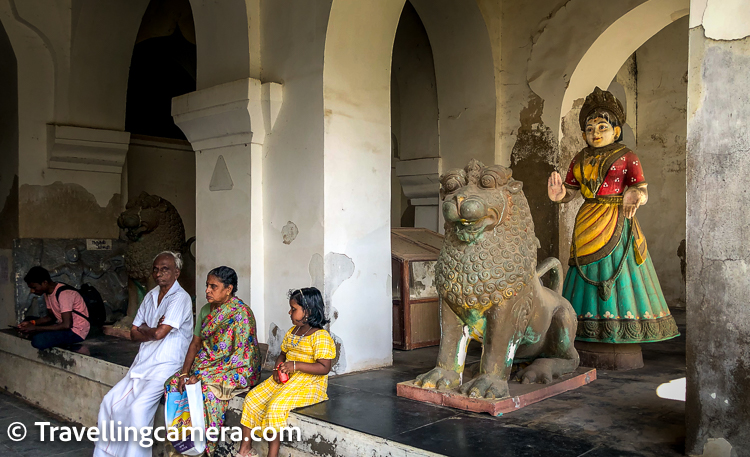
Thanjavur Palace in Tamilnadu: Where History and Art Come Together in a Spectacular Display

Auroville in India : The City of Dawn and a Model for Spirituality & Sustainable Living

Ramarpatham Shrine at Rameshwaram, Tamil Nadu || The site that has Lord Ram's footprints sculpted on a rock

The Sacred and Architectural Marvels of Ranganathaswamy Temple in Tamilnadu, India
%20to%20see%20the%20Danish%20fort%20in%20Tamilnadu%20state%20of%20India-3.jpg "Do you know about the 'Danish' Fort in India which is located at a beautiful location round the coast of Bay of Bengal?")
Do you know about the 'Danish' Fort in India which is located at a beautiful location round the coast of Bay of Bengal?

Uncovering the Rich History and Beauty of the Basilica of the Sacred Heart of Jesus in Pondicherry, India
 |
| Anaikarai Dam |
Anaikarai North and South Dams on Kollidam Rivers, Tamil Nadu || Two of the many dams on Cauvery, some of which are nearly 2000 years old

Starting the Day Right: A Personal Reflection on Sunrise at Serenity Beach in Pondicherry, India

Puducherry Travel Guide: French Charm Meets Indian Spirit - Capital Cities of Indian States or Union Teritorries [Pondicherry]

Madanapalle to Thanjavur via Vellore and Tiruvannamalai - 4th day of our 14 days long trip through east coast of India || Noida to Rameshwaram

Thanjavur to Rameshwaram via Tiruchirapalli - 5th day of our 14 days long trip through east coast of India || Noida to Rameshwaram

Rameshwaram's Marine Museum, Harbour and More: A Guide to the Best Sights and Sounds from Tamilnadu State of India
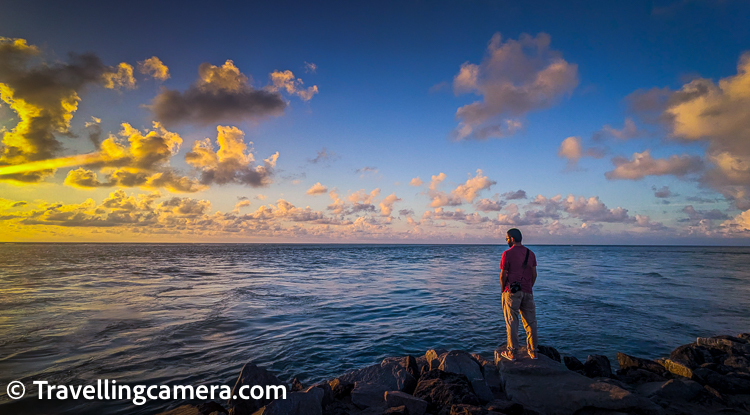
Rameshwaram in Tamilnadu, India - The Land of Sacred Shrines and Mesmerizing Beaches

Villoondi Teertham - Discovering the Spiritual and Natural Wonders of Rameshwaram, India
%20to%20see%20the%20Danish%20fort%20in%20Tamilnadu%20state,%20India-1.jpg "Drive from Rameshwaram to Pondicherry along the coast - 7th day of our 14 days long trip through east coast of India || Noida to Rameshwaram")
Drive from Rameshwaram to Pondicherry along the coast - 7th day of our 14 days long trip through east coast of India || Noida to Rameshwaram

Drive from Pondicherry to Tada - 8th day of our 14 days long trip through east coast of India || Noida to Rameshwaram

Exploring the Mahatma Gandhi Statue and Other Attractions around Promenade Beach in Pondicherry, India

Kolams and Culture: The Significance of Daily Floor Art in Tamilnadu Homes of South India

Healing Waters and Holy Legends: A Visit to Vibhishan Teertham in Rameshwaram, Tamilnadu

Discovering the Mysteries of Sri Panchmukhi Hanuman Mandir and the Floating Stones of Rameshwaram in Tamilnadu
 Climb to the Top of Chennai Lighthouse : Exploring Aerial views of Marine Drive, Sea and other interesting landmarks of Chennai, Tamilnadu


.jpg)
Comments