
An experience-led journey through Himachal Pradesh, from the colonial charm of Shimla and the apple orchards of Kinnaur to the stark landscapes of Spiti Valley, the green valleys of Kullu and the sacred lake town of Rewalsar.
Himachal Pradesh is one of those places that keeps revealing new reasons to return. You might arrive looking for snow-covered mountains, spend your days walking through pine and deodar forests, discover a centuries-old monastery, stop at a roadside dhaba for a plate of steaming food, and eventually find yourself sitting quietly beside a Himalayan river.
The state offers several different worlds within a relatively small geographical area. There are British-era hill towns, remote Buddhist settlements, apple-growing villages, high-altitude deserts, green valleys, alpine meadows, ancient temples and lakes that hold deep religious significance.
A first-time visitor often thinks of Shimla, Manali and perhaps Dharamshala. But Himachal Pradesh extends far beyond these familiar names. The quieter villages of Kinnaur, the dramatic landscape of Spiti, the monasteries around Rewalsar and the lesser-known corners of Mandi offer experiences that can be just as memorable.
This two-week Himachal Pradesh itinerary is designed for travellers who want to experience more than one kind of Himalayan landscape. It combines a road journey through Shimla, Kinnaur, Spiti, Kullu and Mandi, with enough time to appreciate the places rather than simply ticking them off a list.
The route is particularly rewarding for road-trip enthusiasts, photographers, culture lovers and travellers who enjoy discovering places at a slower pace.
Himachal Pradesh at a glance
Best overall duration: 14 days for the Shimla–Kinnaur–Spiti–Kullu–Mandi circuit.
Best season for this itinerary: Generally June to September, subject to road and weather conditions.
Starting point: Delhi or Chandigarh.
Best way to explore: Private car, experienced local driver or a carefully planned shared-taxi journey.
Major destinations: Shimla, Narkanda, Sarahan, Kalpa, Nako, Tabo, Dhankar, Kaza, Key Monastery, Kibber, Langza, Komic, Manali and Rewalsar.
Travel style: Scenic drives, village walks, monasteries, temples, local food and photography.
This is a high-altitude road trip, not a conventional hill-station holiday. The route into Spiti requires acclimatisation, flexibility and careful planning. Road conditions can change quickly, and the Manali–Kaza route over Kunzum Pass is seasonal.

Understanding the geography: Where should you go in Himachal Pradesh?
Himachal Pradesh is easier to explore when you think of it in geographical regions rather than as one long list of tourist destinations.
The Shimla region is known for its colonial history, forests, orchards and accessible mountain escapes. Kinnaur introduces a more dramatic Himalayan landscape, with deep valleys, traditional architecture and spectacular views of the Kinner Kailash range.
Spiti is different again. Its cold-desert terrain, Buddhist monasteries, high-altitude villages and unusual rock formations make it feel almost like another country.
Further west, Kullu and Manali bring back the green mountain landscapes, rivers and forests. Mandi offers a fascinating mix of temples, lakes and local culture.
Other important regions, including Kangra, Dharamshala, Palampur, Bir Billing, Dalhousie and Chamba, deserve their own dedicated journeys. They are covered later as possible extensions.
The 14-day Himachal Pradesh itinerary
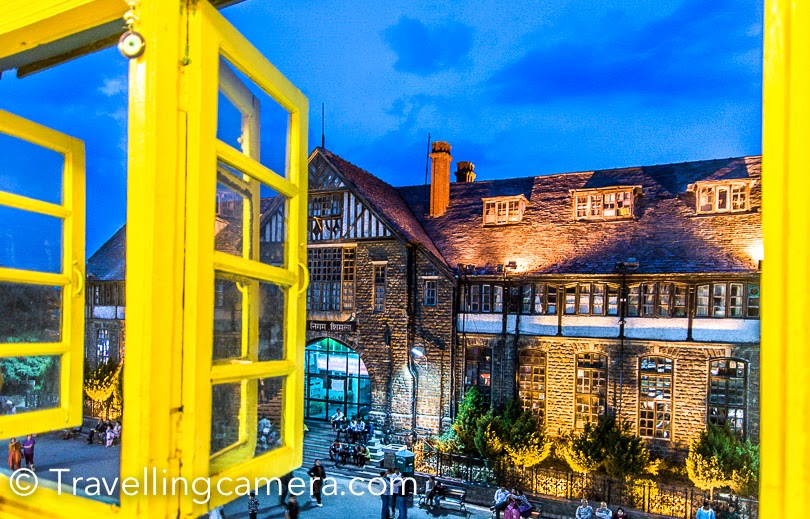
Days 1–2: Shimla and the surrounding Himalayan hills
<em>Colonial architecture, beautiful walks, mountain views and the charm of an old Himalayan town.</em>
Shimla is one of the most recognisable hill stations in India, but it is worth experiencing beyond its crowded shopping streets.
The town became the summer capital of British India and its architectural character still reflects that period. The Ridge, Christ Church, the Mall Road, old buildings and winding pedestrian streets are an important part of its identity.
Start with a relaxed walk along the Mall Road. It is one of those places where the experience is as much about observing people as it is about visiting landmarks. Local residents, college students, visitors, shopkeepers and street performers all share this pedestrian stretch.
TravellingCamera has revisited this area through its story on Shimla Mall Road and its colonial architecture. It is a useful read before exploring the town.
Another rewarding experience is walking from Sanjauli towards the Mall Road. The route passes through IGMC and Lakkar Bazaar and offers a different perspective on the everyday life of Shimla. Read the photo journey about the Sanjauli Market to Mall Road walk.
If you have an additional day, explore the surrounding viewpoints and green spaces. The TravellingCamera guide to places around Shimla offers ideas for planning these excursions.
What to experience in Shimla
Walk around the Ridge and Mall Road.
Visit Christ Church and admire the historic buildings.
Explore Lakkar Bazaar.
Walk through the quieter forested stretches around the town.
Visit Jakhu Hill for its views.
Explore the Indian Institute of Advanced Study at the former Viceregal Lodge.
Enjoy a relaxed café break and observe the rhythm of the town.
Photography tip: Shimla is particularly atmospheric during early mornings and after rainfall. The layers of hills, old buildings, clouds and deodar trees create interesting compositions.
Where to stay: Stay in or around central Shimla if you want to explore on foot. If you prefer quieter surroundings, look for accommodation away from the busiest market areas.

Day 3: Narkanda and the road towards Sarahan
Leave Shimla early and drive towards Narkanda. The landscape gradually changes as you move away from the busy hill station.
Narkanda is surrounded by forests and orchards and is known for its mountain views. During the right season, the apple-growing region is particularly beautiful.
Continue towards Sarahan, a charming settlement known for the Bhimakali Temple. The temple complex is an important example of traditional Himalayan architecture, with a distinctive combination of wood and stone.
Sarahan is a worthwhile overnight stop because it breaks the journey towards Kinnaur and gives you time to enjoy a quieter Himalayan settlement.
What to experience
Enjoy the mountain drive through Narkanda.
Stop at viewpoints along the route.
Explore the village atmosphere around Sarahan.
Visit Bhimakali Temple respectfully.
Enjoy local food and an early night before the next day's drive

Days 4–5: Kalpa and the beautiful Kinnaur region
<em>Apple orchards, traditional temples, dramatic mountain views and the character of old Himalayan villages.</em>
Kinnaur is one of the most rewarding regions of Himachal Pradesh for travellers who enjoy landscapes and cultural experiences.
The journey towards Kalpa follows the Sutlej valley, passing through mountain roads, small settlements and dramatic terrain. The mountains become more imposing as you travel deeper into the region.
Kalpa is a beautiful village near Reckong Peo, known for its views of the Kinner Kailash mountain range. It is a place where you should slow down. Spend time walking through the village, observing traditional houses, visiting temples and enjoying the mountain scenery.
TravellingCamera's article Magical Kalpa: A Himalayan town in Kinnaur shares details of the village, its landscapes and the experiences that make it special.
One of the interesting places to explore here is Chandika Devi Temple in Kalpa. Its traditional architecture and setting make it a worthwhile stop.
You can also look for the Narayan Nagini Temple and Hu-bu-lan-kar Monastery. These places provide a glimpse into the religious and cultural traditions of Kinnaur.
What to experience in Kalpa
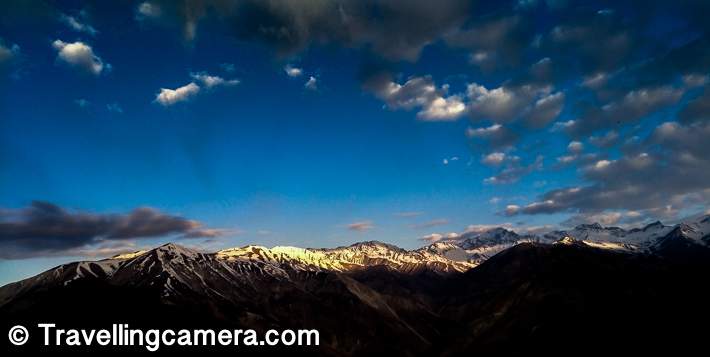
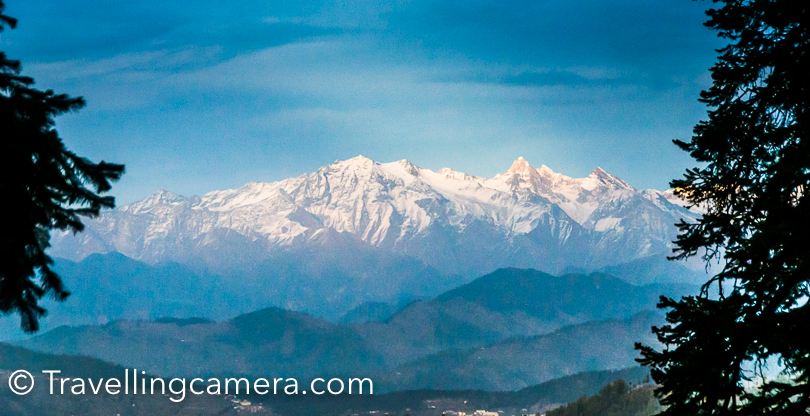
Enjoy sunrise and sunset views of the Kinner Kailash range.
Walk through Kalpa village.
Visit Chandika Devi Temple.
Explore traditional Kinnauri architecture.
Visit nearby Roghi village and enjoy the dramatic road and valley views.
Try local food and interact with residents.
Spend time around apple orchards when the season is right.
Photography tip: The changing light on the Kinner Kailash range is one of the highlights of staying in Kalpa. Keep your camera ready in the early morning and late afternoon.
Where to stay: Kalpa has hotels, guesthouses and homestays. A property with an open mountain view can make the experience much more memorable.

Day 6: Nako – a quiet Himalayan village
Leave Kalpa and continue towards Nako. This is one of the most scenic sections of the journey, with dramatic mountain terrain and changing landscapes.
Nako is a small village in the upper Kinnaur region, close to the Tibetan border. It is known for its lake, traditional houses and monastery.
The village has a distinct atmosphere. Its narrow lanes and old buildings are a reminder of the cultural connections between the Himalayan communities on either side of the border.
Spend time walking around Nako Lake and exploring the settlement. Avoid treating it as merely a photography stop on the way to Spiti.
The road journey itself is worth experiencing slowly. TravellingCamera has documented the route through its Spiti road-trip journey from Jeori, Tapri, Pooh and Nako.
What to experience
Walk around Nako Lake.
Explore the monastery and village lanes.
Observe traditional houses and local life.
Enjoy the mountain views.
Spend the night here if you need more time to acclimatise.

Days 7–8: Tabo, Dhankar and the cultural landscape of Spiti Valley
<em>Ancient monasteries, remote villages, high-altitude landscapes and a culture deeply connected with Tibetan Buddhism.</em>
Spiti Valley is among the most extraordinary regions of Himachal Pradesh. Its landscape is often described as a cold desert, but that description alone does not capture its character.
The valley is defined by high mountains, barren slopes, dramatic river valleys, small settlements and Buddhist monasteries. The architecture, food, prayer flags and village life reflect a culture shaped by the Himalayan environment.
Your first major stop should be Tabo.
Tabo Monastery
Tabo Monastery is one of the most important Buddhist monasteries in the region. Its history, murals and traditional architecture make it a fascinating place for anyone interested in Himalayan culture.
Read TravellingCamera's detailed photo journey about Tabo Monastery in Spiti Valley before visiting.
Take time to appreciate the monastery and its surroundings. Follow local instructions about photography, footwear and access to religious spaces.
Dhankar Village and Monastery
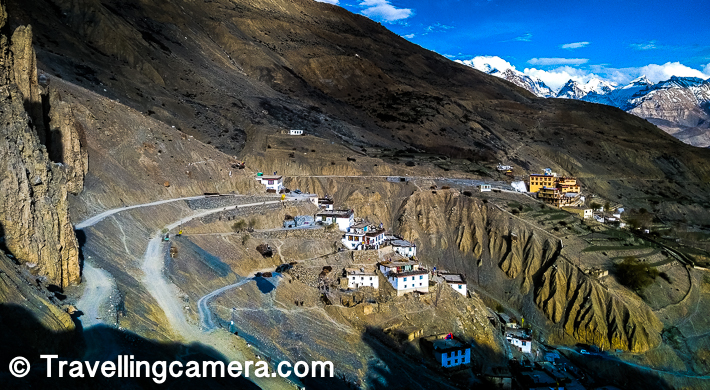
Continue towards Dhankar, a settlement dramatically positioned above the confluence of the Spiti and Pin rivers.
The old monastery and village setting are particularly striking. Dhankar is also a wonderful place to understand how communities have adapted to life in this rugged landscape.
TravellingCamera has a dedicated story on Dhankar village in Spiti. If you enjoy staying in local homes, the village is also an opportunity to experience the warmth of a Spitian homestay.
What to experience around Tabo and Dhankar
Explore Tabo Monastery.
Walk through Tabo village.
Visit Dhankar Monastery.
Enjoy the dramatic views of the Spiti river valley.
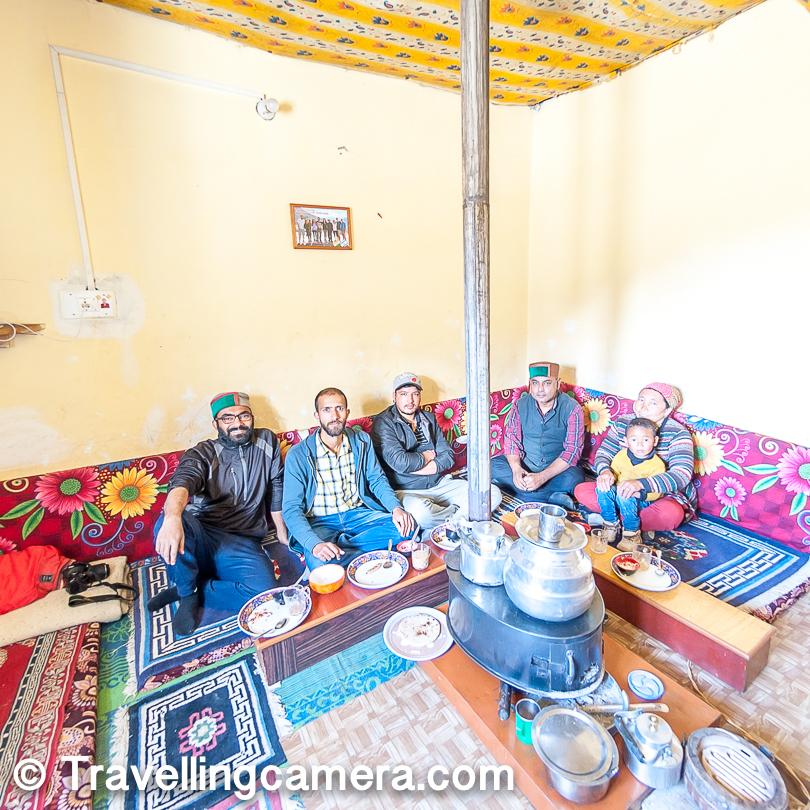
Experience a local homestay.
Taste simple regional food.
Spend time observing village life rather than rushing between attractions.
Important: Spiti is at a high altitude. Give your body time to acclimatise, stay hydrated and avoid strenuous activity immediately after arriving. If you experience symptoms of altitude sickness, take them seriously and seek medical advice.
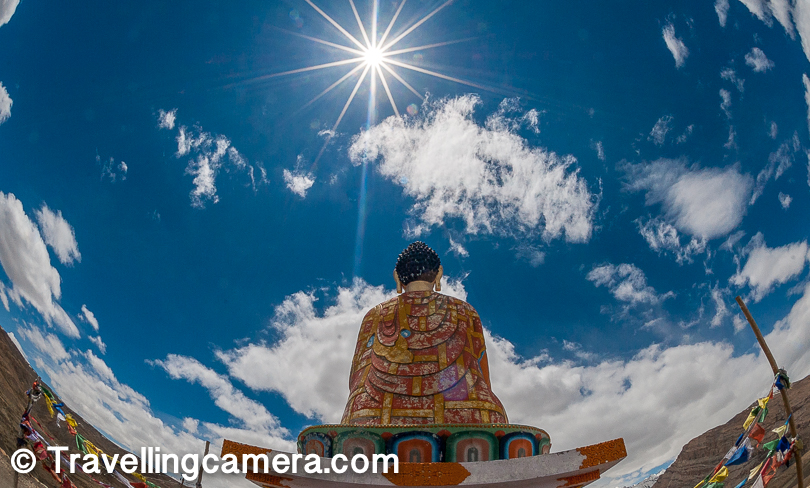
Days 9–10: Kaza, Key Monastery, Kibber, Langza and Komic
<em>The heart of Spiti, where ancient monasteries and remote villages sit amid spectacular high-altitude landscapes.</em>
Kaza is the main town and a convenient base for exploring central Spiti.
It has guesthouses, hotels, cafés, small shops and basic services. You can spend two nights here and explore the surrounding villages on day trips.
Key Monastery
Key Monastery is one of the most iconic landmarks of Spiti Valley. Its dramatic position on a hill overlooking the valley makes it one of the most photogenic monasteries in the region.
The monastery is also an important religious and cultural centre. Spend time observing the surroundings and understanding its significance rather than treating it as a quick photo stop.
Kibber
Kibber is a high-altitude village known for its landscape, traditional homes and wildlife habitat. The surrounding region is associated with sightings of the elusive snow leopard, although sightings are never guaranteed.
Langza
Langza is known for its dramatic mountain backdrop and the large Buddha statue overlooking the village. It is also famous for marine fossils found in the surrounding terrain.
Hikkim
Hikkim is widely known for its post office, often promoted as one of the world's highest post offices. Sending a postcard from here is a lovely way to remember the journey.
Komic
Komic is another high-altitude village worth exploring. Its remote location and sweeping landscape make the drive particularly memorable.
TravellingCamera's road journey through Kaza, Key Monastery, Kibber, Langza, Komic and Dhankar offers a useful visual introduction to these places.
For a more complete understanding of the region, also read the TravellingCamera Spiti Valley travel guide.
What to experience
Visit Key Monastery.
Explore Kibber village.
Photograph the Buddha statue at Langza.
Send a postcard from Hikkim.
Visit Komic.
Spend time in Kaza's cafés and local market.
Enjoy the night sky, subject to weather and visibility.
Photography tip: The landscapes around Langza, Komic and Kibber are best enjoyed with enough time. Carry a wide-angle lens for the mountain scenery, but don't forget to photograph the small details of village life.

Day 11: Manali via the high mountain route
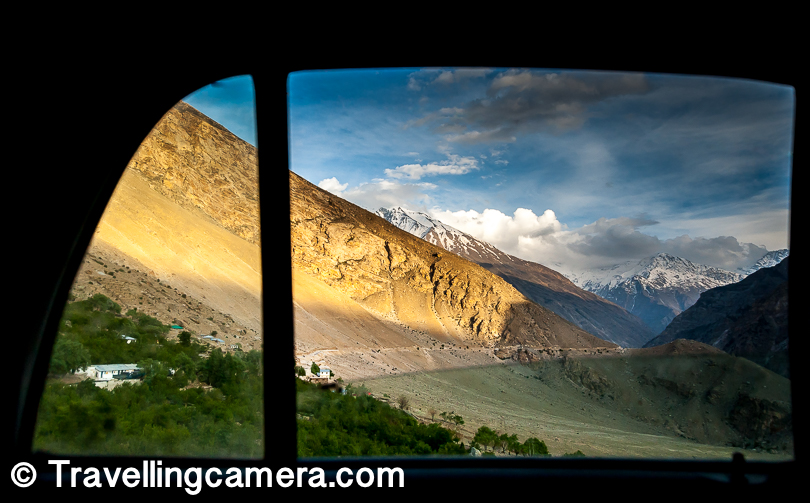
The route from Kaza towards Manali is one of the most dramatic road journeys in India. It crosses the high-altitude Kunzum Pass and passes through rugged terrain before reaching the greener landscapes around Manali.
However, this route is seasonal and can be affected by snow, landslides and road damage. Do not assume that it will be open simply because you are travelling during summer.
If the route is open and local authorities confirm that conditions are suitable, the journey can be a memorable highlight of your trip. If it is not open, return through Kinnaur instead. This can add several days to the journey, so keep your itinerary flexible.
The road is remote, and services are limited. Travel with sufficient fuel planning, food, water and an experienced driver who understands the route.
Important: Do not attempt the Kunzum route without confirming current road conditions. Keep a buffer day in your overall itinerary.

Day 12: Manali and the Kullu Valley
<em>Rivers, forests, mountain views, cafés and a very different Himalayan atmosphere.</em>
After the stark landscapes of Spiti, the green valleys around Manali can feel like entering a different world.
Manali is a popular tourist destination, but there are quieter ways to experience the region. Explore Old Manali, walk beside the river, visit nearby villages and enjoy the mountain scenery.
The wider Kullu region has much more to offer than the main town. Depending on your interests and available time, you can explore Naggar, traditional villages and quieter stretches along the river.
TravellingCamera's eight-day Himachal road trip covering major hill stations provides further ideas for combining Manali with other destinations.
If you enjoy exploring smaller settlements, consider a visit to Naggar and its heritage attractions. You can also use this day to relax after the demanding high-altitude road journey.
What to experience
Explore Old Manali.
Walk along the Beas River.
Visit Hadimba Temple.
Explore Naggar if time permits.
Enjoy local cafés and regional food.
Spend time in the surrounding forests and villages.

Days 13–14: Mandi, Rewalsar and the quieter side of Himachal
<em>Sacred lakes, monasteries, temples and a quieter Himalayan experience.</em>
The final part of this itinerary takes you towards Mandi and Rewalsar.
Mandi is often treated as a transit town on the way to Kullu and Manali. But the region has an interesting cultural and natural landscape that deserves more attention.
Rewalsar is particularly special. Also known as Tso Pema, the lake is sacred to Buddhists, Hindus and Sikhs. Monasteries, temples and a Gurudwara surround the lake, making it a unique place of shared religious significance.
TravellingCamera's detailed guide to Rewalsar Lake covers the lake, monasteries, temples, nearby attractions and the stories associated with the place.
One of the most visible landmarks is the large statue of Padmasambhava, also known as Guru Rinpoche. You can read more about it in the dedicated story on the Padmasambhava statue at Rewalsar.
The lake is also known for its fish. TravellingCamera has captured this experience in Fish Feeding Frenzy at Rewalsar Lake.
If you have time, drive uphill towards Naina Devi Temple. The route offers beautiful views of the surrounding hills and passes other small lakes. Read the Naina Devi Temple photo journey before planning the excursion.
What to experience
Walk around Rewalsar Lake.
Visit the monasteries.
Explore the Gurudwara and temples.
See the Padmasambhava statue.
Visit Naina Devi Temple.
Explore the surrounding lakes and viewpoints.
Enjoy Tibetan food and local cafés.
Rewalsar is a fitting place to end the journey. It offers a different kind of Himalayan experience, one shaped less by adventure tourism and more by faith, culture and the relationship between people and their landscape.
Other beautiful regions of Himachal Pradesh worth exploring
A two-week trip cannot do justice to every corner of Himachal Pradesh. If you have additional time, or are planning a second visit, consider these regions.

Dalhousie, Khajjiar and Chamba
Dalhousie is known for its colonial-era charm, deodar forests, mountain views and relaxed atmosphere. Khajjiar, with its green meadow surrounded by forested hills, is one of the region's most recognisable landscapes.
The wider Chamba region adds temples, local crafts and a distinct cultural character to the experience.
Read TravellingCamera's Dalhousie and Khajjiar travel story for ideas on exploring the area.
Khajjiar deserves a little more time than a quick stop. The Khajjiar travel guide covers how to reach the area and what to explore.
If you are visiting Chamba, consider spending time in the town rather than driving straight through. TravellingCamera's quick visit to Chamba from Dalhousie via Dainkund and Khajjiar is a useful starting point.

Kangra, Dharamshala and McLeod Ganj
The Kangra region offers a wonderful combination of mountain scenery, Tibetan culture, temples, forts and tea gardens.
Dharamshala and McLeod Ganj are particularly interesting for their Tibetan cultural influence, monasteries, cafés and views of the Dhauladhar range.
Kangra Fort is one of the region's major historical attractions. The wider area also includes Masroor's remarkable rock-cut temples.
For a broader regional itinerary, read TravellingCamera's road trip to Dharamshala from Delhi. It covers several interesting stops around the region, including Garli Pragpur, Pong Dam and Masroor.

Bir Billing and Palampur
Bir Billing is internationally recognised for paragliding. Billing is the take-off site, while Bir is the landing area. Even if you are not interested in flying, the surrounding landscape and Tibetan settlements make this region worth exploring.
The TravellingCamera road journey to Bir Billing captures the region's scenery and the experience of reaching this famous paragliding destination.
You can also read the practical Bir Billing paragliding planning guide before booking an activity.
Palampur is another lovely destination, known for tea gardens, mountain views and a relaxed atmosphere. It can be combined with Bir Billing, Baijnath and Dharamshala.

Garli Pragpur and the heritage villages of Kangra
If you enjoy heritage architecture and cultural landscapes, the villages of Garli and Pragpur deserve a place on your Himachal travel list.
These settlements are known for old havelis, traditional buildings and a different kind of Himalayan charm. They are a reminder that Himachal Pradesh is not only about mountains and adventure activities.
TravellingCamera's Dharamshala road trip includes this heritage region as part of a wider journey.

What to eat in Himachal Pradesh
Food is an important part of understanding a destination, and Himachal Pradesh has a variety of regional dishes worth trying.
Some dishes and food experiences to look for include:
Dham: A traditional celebratory meal, with regional variations across Himachal.
Siddu: A steamed bread often served with ghee or other accompaniments.
Madra: A yoghurt-based dish, commonly prepared with legumes.
Chha Gosht: A traditional meat preparation popular in some regions.
Babru: A stuffed, fried bread.
Tudkiya Bhath: A traditional rice preparation associated with the Chamba region.
Trout: Particularly popular in parts of Kullu and other river-valley destinations.
Tibetan food: Momos, thukpa and other dishes are widely available in areas such as McLeod Ganj, Bir and Spiti.
Food varies considerably between regions. In Spiti, expect simpler meals and locally available ingredients. In larger towns, you will find more variety.
Try small local eateries and homestay meals where possible. They often offer a more interesting experience than restaurants catering primarily to tourists.

Best time to visit Himachal Pradesh
The best time depends on the region you plan to explore.
March to June: A popular period for hill stations such as Shimla, Manali, Dalhousie and Dharamshala. Higher-altitude regions gradually become accessible as snow clears.
July to September: Landscapes are lush and dramatic, but the monsoon brings a greater risk of landslides, road closures and travel disruption. This period requires extra caution, particularly on mountain roads.
October to November: A beautiful period for clear skies, autumn colours and photography in many regions. Temperatures drop, especially at higher altitudes.
December to February: Winter brings snowfall to several hill stations and heavy snow to high-altitude regions. Spiti and some remote routes can become difficult or inaccessible.
For the complete Shimla–Kinnaur–Spiti road journey, always check current road conditions and local advisories. Do not plan around a fixed calendar alone.
How to reach Himachal Pradesh
By road
Delhi and Chandigarh are common starting points for road trips into Himachal Pradesh.
The state has road connections to major towns and tourist destinations, but journey times can be unpredictable because of traffic, roadworks, landslides and weather.
For the Spiti circuit, a private vehicle or experienced local driver is particularly useful. A smaller, well-maintained vehicle with suitable ground clearance is preferable to an unsuitable low-clearance car.
By train
Himachal Pradesh has limited broad-gauge rail connectivity. Pathankot, Chandigarh and Kalka are useful railheads depending on your destination.
The Kalka–Shimla narrow-gauge railway is itself a memorable experience and a popular way to approach Shimla.
By air
Shimla, Kullu-Manali and Dharamshala have airports serving limited routes. Flight schedules and operations can be affected by weather, so check availability carefully before building your itinerary around air travel.
Practical travel tips for Himachal Pradesh
1. Do not underestimate mountain driving
Distances in the Himalayas can be misleading. A journey that looks short on a map can take several hours. Avoid planning too many stops on a single day.
2. Acclimatise before entering Spiti
Spiti is a high-altitude destination. Move gradually, avoid strenuous activity immediately after arrival and understand the symptoms of altitude sickness.
3. Keep buffer days
Road closures, landslides and weather changes are part of Himalayan travel. A flexible itinerary is safer and more enjoyable than a tightly packed schedule.
4. Carry cash
Digital payments are increasingly common, but network connectivity and payment systems can be unreliable in remote villages.
5. Respect local culture
Himachal's temples and monasteries are living religious spaces. Dress appropriately, ask before photographing people and follow instructions at religious sites.
6. Travel responsibly
Carry your waste back, avoid unnecessary plastic, conserve water and avoid loud music in villages and forests.
7. Support local communities
Choose local homestays, guides, cafés and businesses where possible. Tourism can contribute meaningfully to the livelihoods of people in remote mountain communities.
8. Check road conditions before departure
This is particularly important for the Kaza–Manali route, Kunzum Pass and other high-altitude roads. Confirm the status locally rather than relying on old travel blogs or maps.

Frequently asked questions about travelling in Himachal Pradesh
How many days are enough to explore Himachal Pradesh?
Two weeks are enough for a focused journey through Shimla, Kinnaur, Spiti, Kullu and Mandi. Exploring the entire state requires several separate trips or a much longer holiday.
Which are the most beautiful places to visit in Himachal Pradesh?
Shimla, Kalpa, Spiti Valley, Manali, Dalhousie, Khajjiar, Dharamshala, Bir Billing, Palampur and Rewalsar are among the places worth considering. The best choice depends on whether you prefer culture, adventure, photography, nature or relaxed holidays.
Is Spiti Valley suitable for first-time visitors to Himachal Pradesh?
Yes, but Spiti is not a conventional hill-station holiday. It requires careful planning, acclimatisation and flexibility. First-time visitors should consider travelling with an experienced driver or guide.
Can Shimla, Spiti and Manali be covered in 14 days?
Yes, with a focused route and favourable road conditions. The route through Kinnaur and Spiti is demanding, and the Manali connection via Kunzum Pass is seasonal. Keep alternative plans and buffer days.
Is Himachal Pradesh suitable for a family holiday?
Yes. Shimla, Dalhousie, Dharamshala, Palampur and Manali offer family-friendly experiences. High-altitude destinations such as Spiti need additional consideration, particularly for young children, older travellers and anyone with medical conditions that could be affected by altitude.
Which places in Himachal Pradesh are best for photography?
Kalpa, Spiti Valley, Nako, Dhankar, Key Monastery, Langza, Rewalsar, Dalhousie and the Dhauladhar region offer a wide range of photographic subjects. You can photograph landscapes, architecture, village life, monasteries, temples and local culture.
What is the best way to explore Himachal Pradesh?
A road trip is one of the best ways to explore the state, particularly if you want to visit smaller villages and remote destinations. However, public buses and shared taxis are useful alternatives on many routes.
Final thoughts: Himachal Pradesh is much more than a hill-station destination
Himachal Pradesh is not a place that can be understood through a checklist of tourist attractions.
It is the experience of walking through Shimla's old streets, watching the morning light touch the mountains around Kalpa, discovering a monastery in Spiti, meeting people in a remote village, enjoying a simple meal in a homestay and spending a quiet evening beside Rewalsar Lake.
The state has many different identities. Some places are lively and popular, while others remain quiet and deeply connected to local traditions. Some offer adventure, while others invite you to slow down and observe.
This 14-day itinerary is only one way to explore Himachal Pradesh. You could return for a separate journey through Kangra and Chamba, spend a week exploring the villages around Kullu, or take a deeper road trip through the remote corners of Kinnaur and Spiti.
That is perhaps the best thing about travelling through Himachal Pradesh: there is always another valley, another village, another road and another story waiting to be discovered.

Travel thoughtfully, respect the mountains and leave every place a little better than you found it.
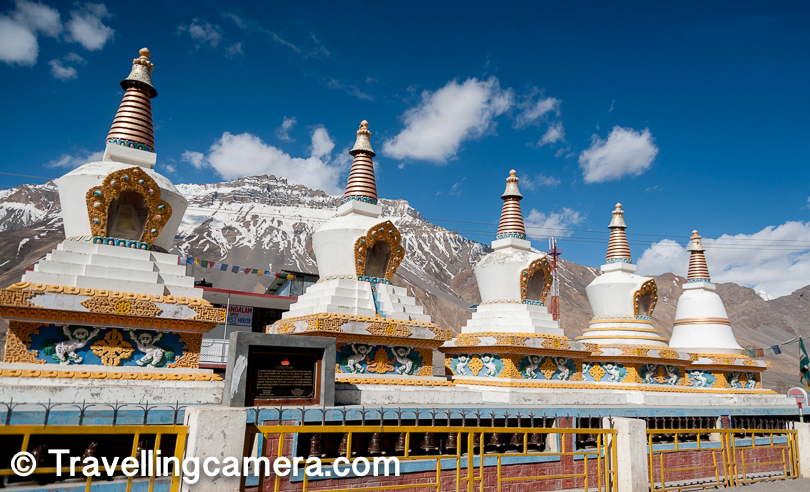

On the way from Kaza, Spiti Valley to Key Monastery, Spiti Valley

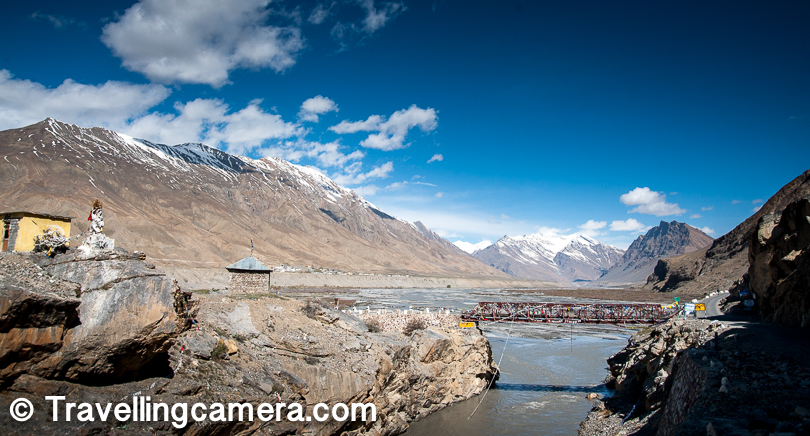
Chicham Bridge over Spiti River in Himachal Pradesh
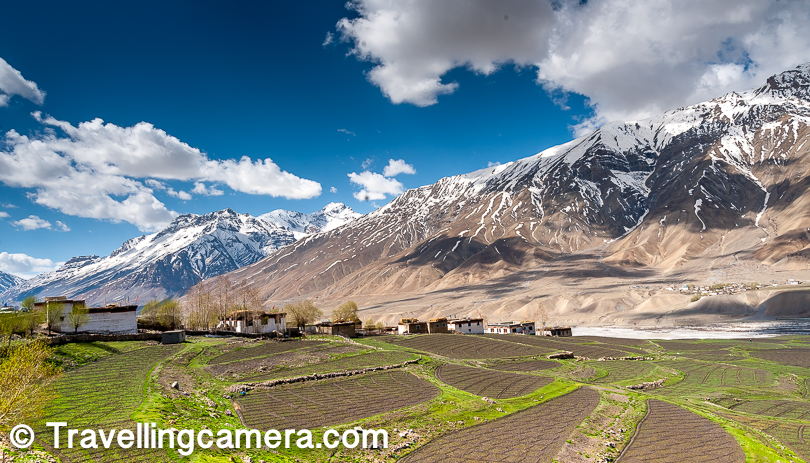
Spiti Valley is also known for it's vegetable farming and these farms look stunning with snow covered mountains in the background.

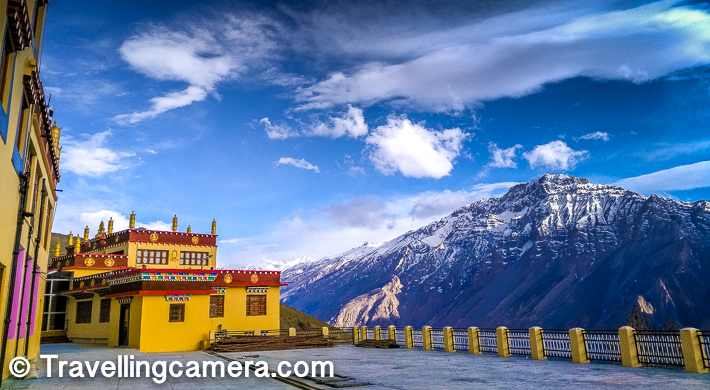
A colourful gate for Key Monastery against snow covered mountains in Himachal Pradesh

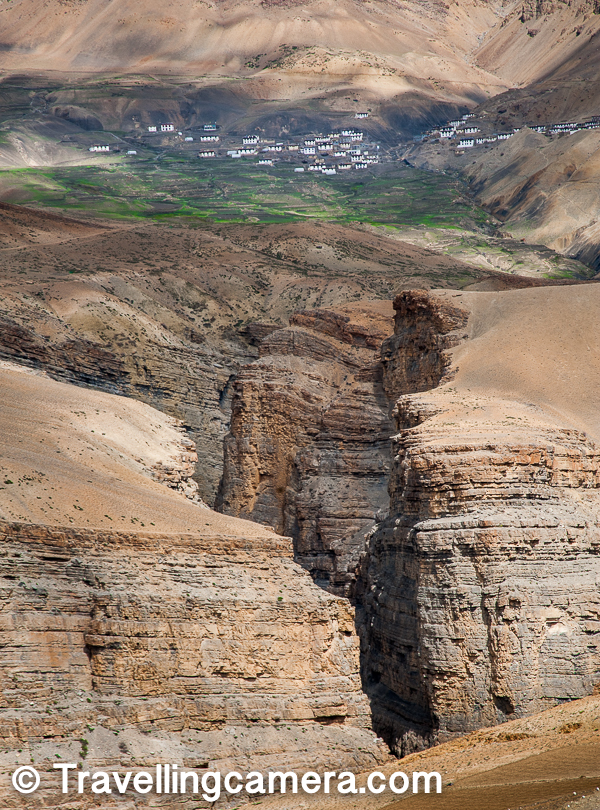
A view from road connecting Kaza with Kibber Village in Himachal Pradesh
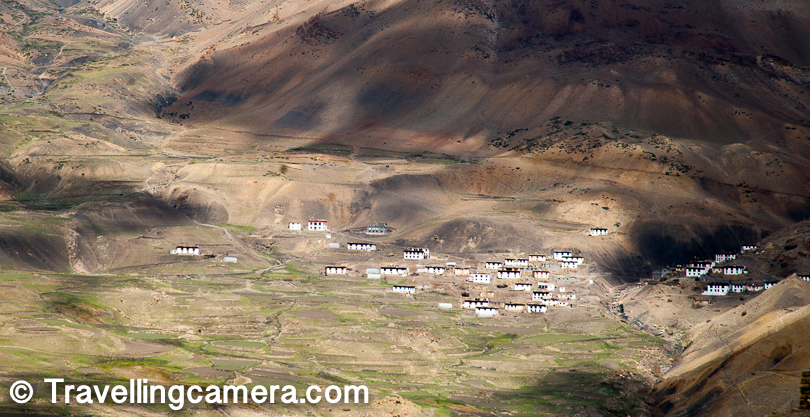
A view from road connecting Kaza with Kibber Village in Himachal Pradesh

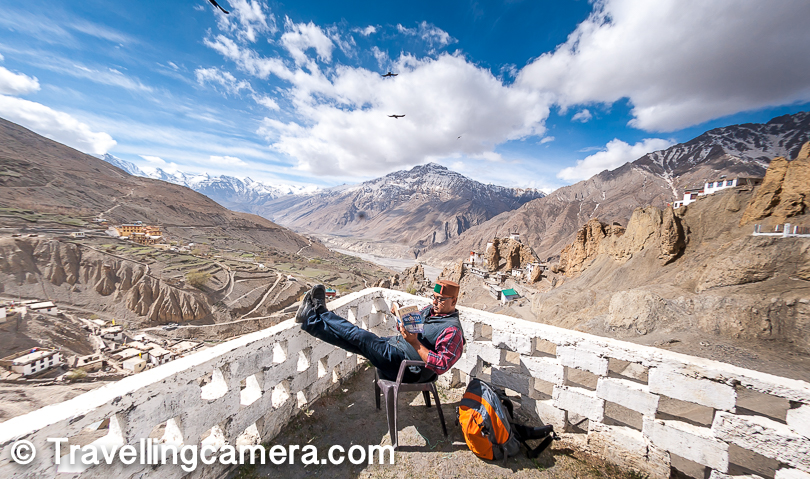
Dhankar Village with 360 view of mountains covered with snow and Spiti River in the middle

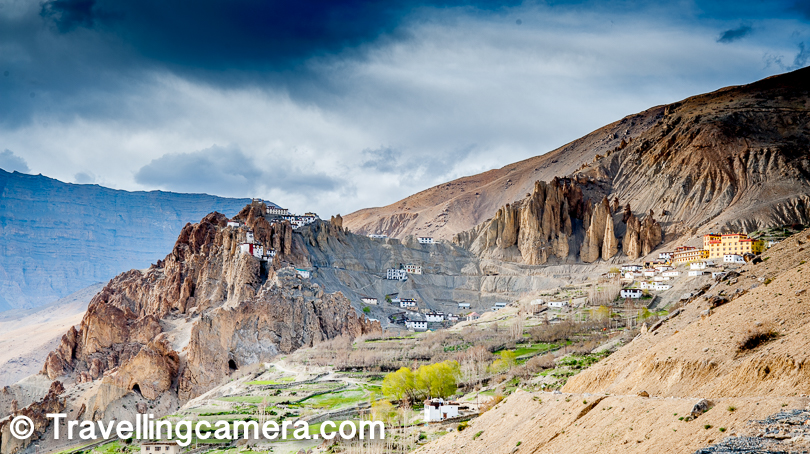
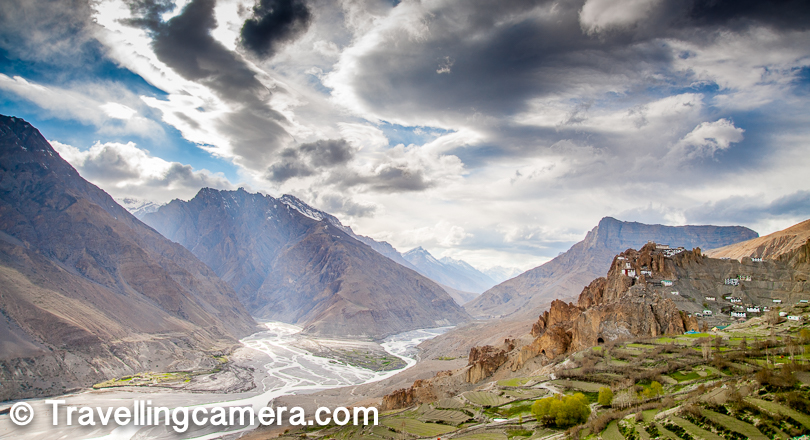




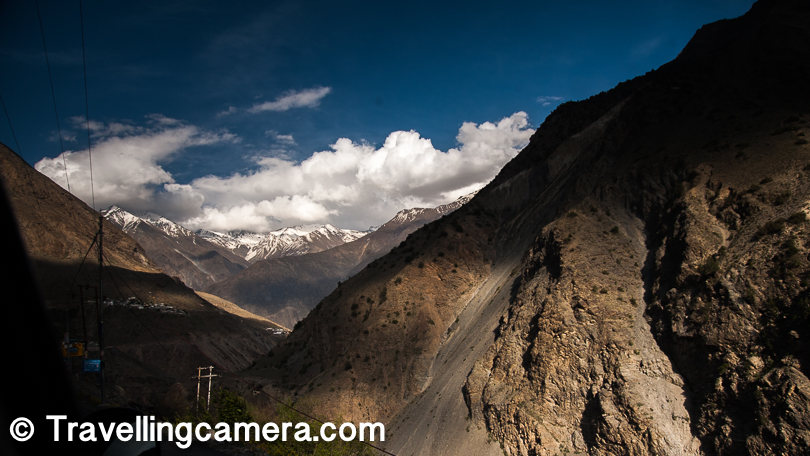
Pooh in Kinnaur region of Himachal Pradesh

Apple Orchards of Kinnaur in Himachal Pradesh


Kalpa Village in Kinnaur region of Himachal Pradesh

Chandika Devi Temple in Kinnaur, Himachal Pradesh


A crazy view of Roghi Village in Himachal Pradesh...


Govind Sagar Lake which spreads in Una and Bilaspur districts of Himachal Pradesh


Cloud play around Naina Devi Temple in Mandi, Himachal Pradesh

Rewalsar Lake, Mandi, Himachal Pradesh


Garli is a Heritage Village in Kangra, Himachal Pradesh with beautiful old Havelis


Pong Dam, Kangra, Himachal Pradesh


Kangra Fort in Himachal Pradesh


Yulla Kanda, Kinnaur, Himachal Pradesh
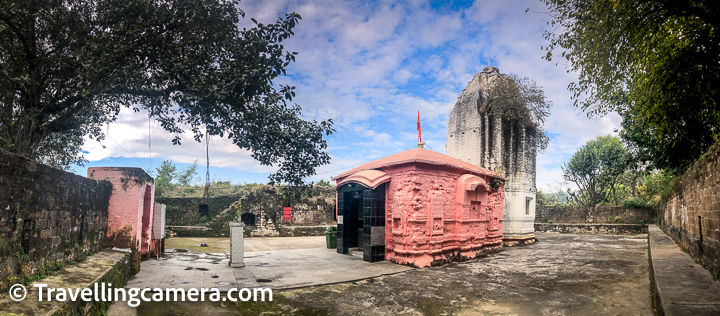
800 years old Ram Temple in Haripur, Himachal Pradesh

Monolithic Temples of Masroor, Kangra, Himachal Pradesh

St. John's Church, Mcleodganj, Himachal Pradesh

World's Highest Altitude Cricket Stadium in Dharmshala, Himachal Pradesh
Langza, Lahaul and Spiti, Himachal Pradesh

Khajjiar, Chamba, Himachal Pradesh
One of the cafes on Mall Road overlooking Town Hall Shimla, Himachal Pradesh
Dhomri, Shimla, Himachal Pradesh

Bhimakali Temple, Sarahan, Shimla, Himachal Pradesh

Bagha Sarahan, Kullu, Himachal Pradesh
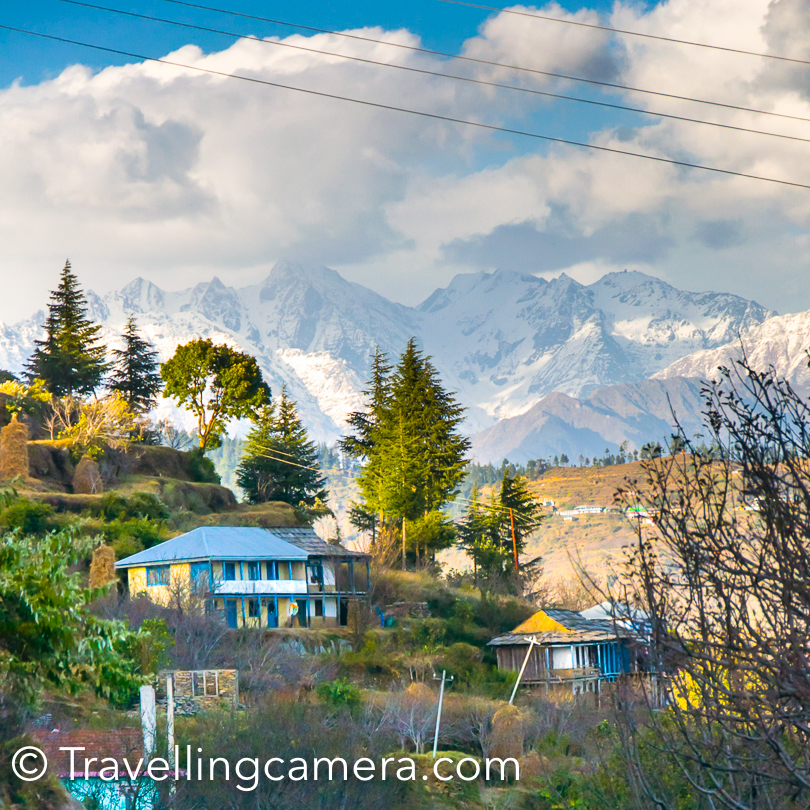
Jibhi, Kullu, Himachal Pradesh


Abandoned houses on the way to Sarolsar Lake, Kullu, Himachal Pradesh

Bathu Temples which are only visible during Summers in Kangra, Himachal Pradesh

Rampur Bushahr, Shimla, Himachal Pradesh

Chulai Fields, Himachal Pradesh

Sarolsar Lake around Jalori Pass, Kullu, Himachal Pradesh


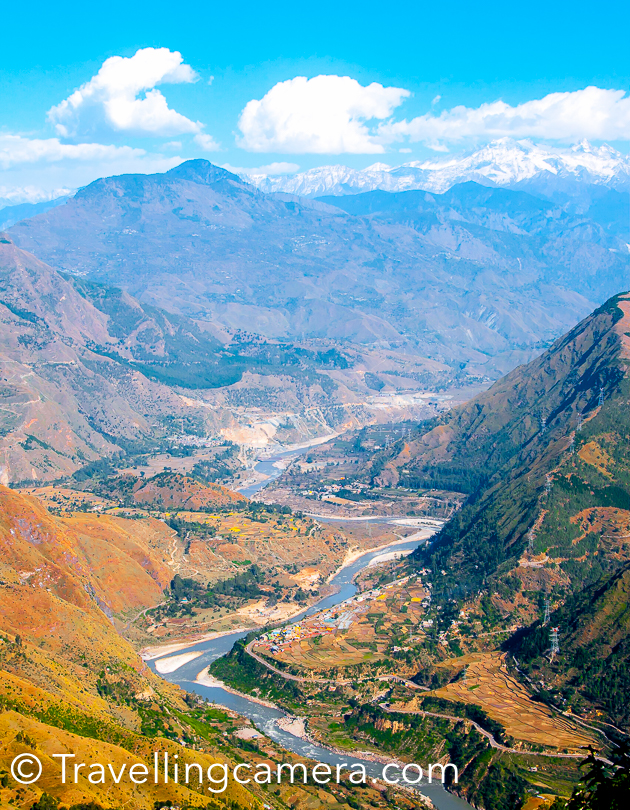
Satluj River, Himachal Pradesh


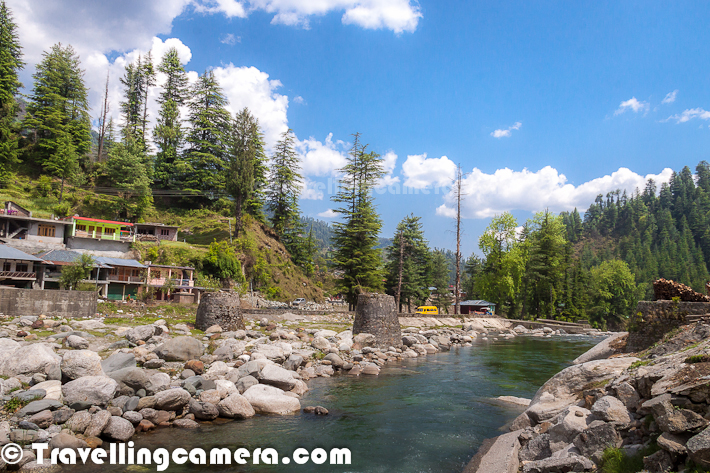
Barot Valley, Mandi, Himachal Pradesh


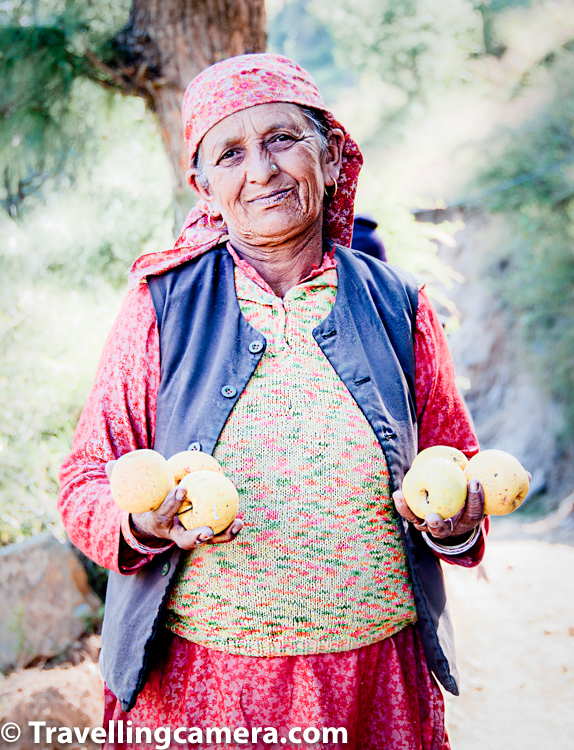

World's Highest Hockey Stadium, Shilaroo, Shimla, Himachal Pradesh


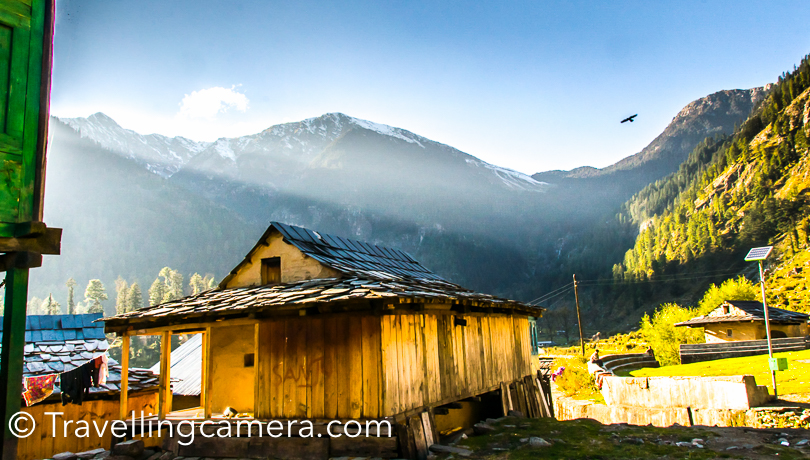


Shrikhand Mahadev Trek in Kullu, Himachal Pradesh


Sarahan Palace, Shimla, Himachal Pradesh










Comments