

Introduction: A Taste of Madhya Pradesh Beyond the Famous Food Streets
Some of the most memorable experiences of travelling in India begin when you sit down for a meal you have never tried before. In Madhya Pradesh, that experience can come in the form of dal bafle served hot with ghee, or paniya, a rustic preparation made from maize flour that carries the flavours of rural central India. If you want to understand the food in Madhya Pradesh, these traditional dishes offer a delicious starting point.
Madhya Pradesh is often introduced to travellers through its historic monuments, tiger reserves, temple towns and bustling markets. Indore draws food lovers with its lively street-food culture, Bhopal has its distinctive culinary traditions, and cities such as Ujjain and Gwalior have their own regional specialities. Yet some of the most interesting food experiences lie beyond these well-known destinations, in small eateries, village homes and rural kitchens where recipes have been passed from one generation to another.
Dal bafle and paniya are particularly interesting because they reveal two different sides of the state's food culture. Dal bafle is associated with the wider Malwa and neighbouring central Indian culinary landscape, where wheat-based dough is cooked, baked or roasted and served with lentils and generous amounts of ghee. Paniya, meanwhile, reflects the agricultural traditions of regions where maize has long been an important grain.
Neither dish needs elaborate presentation to make an impression. A plate of bafle, a bowl of dal, a spoonful of ghee and a simple accompaniment can make a deeply satisfying meal. Paniya has a different appeal: earthy, filling and closely connected to the grain traditions of rural life.
For travellers interested in Indian food when travelling, these dishes are reminders that local cuisine is not simply about finding the most famous restaurant. It is about understanding what people grow, how they cook, when they eat and why certain flavours belong to a particular landscape.

Why Explore the Traditional Food in Madhya Pradesh?
Food is one of the easiest ways to understand the character of a place. A monument may explain the political history of a kingdom, but an everyday meal can reveal how people adapted to the climate, used local crops and built traditions around family and community.
Madhya Pradesh is geographically large and culturally diverse. Its food varies across Malwa, Bundelkhand, Baghelkhand, the Nimar region, the Mahakoshal belt and tribal areas. There is no single menu that represents every household in the state.
Dal bafle and paniya are worth discovering for several reasons.
1. They connect food with the agricultural landscape
Wheat, maize, pulses and locally available vegetables have shaped many everyday meals in central India. The precise combination changes with the region, season and household, but these ingredients often form the foundation of traditional cooking.
Bafle demonstrate how wheat dough can be transformed into a substantial dish without sophisticated equipment. Paniya illustrates the versatility of maize, a grain particularly relevant to several rural and tribal food traditions.
2. They offer a different perspective on regional Indian cuisine
Many visitors associate Indian food with curries, biryani, dosa, chaat or elaborate thalis. These dishes are important, but India's culinary diversity also lies in preparations that are less familiar outside their home regions.
Dal bafle and paniya introduce travellers to flavours that may not appear on every restaurant menu, especially outside central India.
3. They are closely connected to hospitality
Traditional meals are often shared rather than treated as individual culinary experiences. A host may offer another bafla, add more dal or ask whether you would like additional ghee. In such moments, hospitality becomes part of the meal itself.
The experience can be especially rewarding for travellers who are willing to ask questions and learn a little about the food instead of simply ordering and leaving.
4. They reward curious food photographers
The warm colour of roasted bafle, the sheen of ghee, the texture of maize-based paniya and the simplicity of traditional serving utensils create interesting photographic subjects. Unlike heavily styled restaurant dishes, these foods often look best when documented naturally.
For anyone exploring food in Madhya Pradesh, the most rewarding photograph may be a close-up of a freshly broken bafla rather than a wide shot of a restaurant table.
Historical and Cultural Significance of Dal Bafle and Paniya
Dal bafle: A regional variation of a familiar grain-based tradition
Dal bafle is closely associated with Malwa and parts of the wider central Indian region. It belongs to a broader family of Indian dishes in which firm dough made from wheat flour is cooked over heat and eaten with lentils, clarified butter and accompaniments.
The dish is often compared with dal baati, particularly the well-known Rajasthani preparation. The resemblance is understandable: both combine a wheat-based baked or roasted bread with dal and ghee. However, the cooking methods, dough preparation, texture and serving traditions can differ by region and household.
In many preparations, bafle are first cooked in hot water and then baked or roasted until their exterior develops colour and their interior becomes firm. Some cooks use traditional ovens or open-fire methods, while others adapt the process to modern kitchens.
This combination of cooking methods gives bafle a distinctive texture. They are substantial without being quite like ordinary chapati or tandoori roti.
The origins of the dish should not be reduced to one precise historical moment. Like many regional foods, dal bafle evolved through everyday cooking practices rather than a single documented invention. Its continued popularity reflects the enduring appeal of wheat, lentils and ghee in the food culture of central India.
Paniya: A glimpse into maize-based food traditions
Paniya is a traditional maize-based preparation associated with parts of Madhya Pradesh, including tribal and rural food traditions. The name and preparation can vary locally, so it is useful to ask about the particular version being served rather than assume that every paniya is identical.
In some preparations, maize flour is mixed with water and seasoning to form a dough or batter, then shaped and cooked on a hot surface or with other traditional methods. The result is a rustic bread or cake-like preparation with a pronounced grain flavour.
Maize has played an important role in the diets of many farming communities because it can be cultivated in suitable local conditions and turned into filling everyday meals. Paniya reflects this relationship between crop, climate and kitchen.
Its cultural importance is different from that of a festival sweet or a celebratory feast. It can represent the ingenuity of everyday cooking: making a satisfying meal from locally available ingredients, with techniques suited to household needs.
Food traditions are living traditions
It is tempting to describe regional dishes as ancient recipes that have remained unchanged for centuries. In reality, food evolves. Ingredients become easier or harder to obtain, cooking equipment changes, and families adapt recipes to new circumstances.
The paniya made in one village may differ from the version prepared elsewhere. Even dal bafle can vary in size, firmness, seasoning and the quantity of ghee used.
These differences are not mistakes. They are part of what makes regional food worth exploring.
Dal Bafle: Understanding the Signature Dish of Malwa
If you are exploring the traditional food in Madhya Pradesh, dal bafle deserves more attention than it usually receives outside the region.
At first glance, the dish looks uncomplicated: round wheat-based breads, a bowl of dal, ghee and a few accompaniments. But the cooking technique makes all the difference.
What makes dal bafle different from dal baati?
The most important difference is how the bread is prepared. Traditional bafle are boiled before they are roasted or baked. This gives them a cooked, relatively tender centre and a browned outer surface. Baati, by comparison, is generally baked or roasted directly.
The finished bafla is often broken open or lightly crushed before ghee is poured over it. Hot dal is then served alongside or over the bread, allowing the flavours to come together.
A traditional serving may include:
Dal: Often prepared with toor dal, sometimes combined with other lentils, and seasoned with cumin, mustard seeds, asafoetida, garlic and chilli.
Bafla: Firm wheat dough shaped into balls, boiled and then roasted or baked.
Desi ghee: Added generously for flavour and richness.
Kadhi: A yoghurt-based preparation that can provide a tangy contrast.
Aloo sabzi: A simple potato preparation that makes the meal more substantial.
Chutneys and salad: Garlic chutney, coriander chutney, onions and other seasonal accompaniments.
Laddoo: Sometimes served as a sweet finish.
Not every restaurant or household serves all these accompaniments. The composition of the meal varies by place.
How does dal bafle taste?
The first thing you notice is the contrast in texture. The exterior of a well-roasted bafla is firm and slightly crisp, while the inside remains more tender. Ghee adds a rich aroma, and the dal brings moisture, warmth and spice.
The lentils are particularly important. A good dal should complement the bread rather than overpower it. Depending on the cook, it may be gently spiced or carry a more pronounced chilli-and-garlic flavour.
Eating bafle slowly is part of the pleasure. Break off a piece, mix it with dal, add a little chutney and take your time. It is a substantial meal, so ordering a full thali when you are also planning to explore other local dishes may be more than you need.
Where to try dal bafle in Madhya Pradesh
Indore is a convenient starting point, especially for travellers who want to explore Malwa cuisine alongside the city's famous street food. Ujjain, Dhar and Ratlam are also worthwhile places to look for traditional preparations.
In smaller towns, ask for a place that prepares bafle fresh rather than simply reheating them. If you are travelling through the region, lunch is a practical time to seek out the dish because traditional thalis are commonly served during the day.
A useful question to ask is: "Bafle abhi ban rahe hain kya?" In English, this means, "Are the bafle being prepared fresh right now?"
That simple question may help you find a meal that is fresher and more satisfying.
Paniya: The Rustic Flavour of Rural Madhya Pradesh
Paniya is arguably the more intriguing dish for travellers who enjoy discovering food that remains closely connected to local agricultural practices.
While dal bafle has become familiar in many restaurants, paniya can be harder to find consistently. Its association with traditional cooking in parts of Malwa, including the Mandu area, makes it especially interesting for anyone exploring the rural food culture of Madhya Pradesh.
What exactly is paniya?
Paniya, also called paniye in some local descriptions, is a maize-based preparation. It is commonly made into small cakes using maize flour, known locally as makki ka atta.
One traditional method involves placing the shaped cakes between leaves of the aak plant, Calotropis gigantea, and cooking them over an open fire using dried cow-dung cakes as fuel.
The leaves help protect the maize cakes from direct heat and burning. This traditional technique also contributes to the character of the finished food.
The use of aak leaves is one of the most distinctive aspects of the preparation. It illustrates how traditional cooks used locally available plants and fuels to manage heat before modern cooking equipment became commonplace.
However, cooking methods can vary. If you encounter paniya at a restaurant or food stall, ask the cook how that particular version is prepared.
What does paniya taste like?
Paniya has a more pronounced grain flavour than a typical wheat-based flatbread. Maize brings an earthy sweetness, while roasting develops a toasted aroma.
Its texture depends on the moisture of the dough and the cooking method. A well-made version may have a firm exterior and a softer centre, with occasional roasted notes that make it especially appealing when served hot.
Paniya is not necessarily a highly spiced dish on its own. Much of the flavour comes from the maize, the roasting process and the accompaniments.
That is why the meal served around it matters.
How is paniya traditionally eaten?
In the Malwa region, paniya can be served with dal, seasonal vegetable preparations, chutneys, onions and other accompaniments. Ghee may be added to enrich the maize cakes.
The combination is straightforward but satisfying. The grain provides substance, the dal adds protein and moisture, and the chutneys introduce sharper flavours.
For a traveller, this is a useful reminder that traditional meals often depend on combinations rather than one elaborate recipe. A simple bread becomes far more interesting when eaten with the right lentils, vegetables and condiments.
Why the cooking method matters
The most memorable detail about traditional paniya is not an unusual spice. It is the relationship between the ingredients and the fire.
The cook must judge the heat, the thickness of the maize cakes and the time needed for the centre to cook without scorching the outside. The protective leaves help manage that process.
For photographers, this is also where the story becomes compelling. A plate of paniya communicates the finished dish, but the preparation reveals the skill and knowledge behind it.
If you are fortunate enough to encounter paniya being made traditionally, ask permission to observe the process. A respectful conversation with the cook may teach you more about the dish than a menu description ever could.
Dal Bafle vs Paniya: Which Should You Try First?
Both dishes belong on a food-focused journey through Madhya Pradesh, but they offer different experiences.
| Feature | Dal bafle | Paniya |
|---|---|---|
| Main grain | Primarily wheat | Primarily maize |
| Characteristic cooking method | Boiled, then roasted or baked | Traditionally cooked between leaves over an open fire |
| Texture | Firm outside, tender inside | Rustic, with texture depending on the preparation |
| Typical accompaniments | Dal, ghee, kadhi, potato sabzi and chutneys | Dal, vegetables, ghee and chutneys |
| Best way to experience it | A freshly prepared regional thali | A traditional local preparation, ideally made fresh |
| Where to look | Indore, Ujjain, Dhar and Ratlam | Mandu and parts of the wider Malwa region |
If you have never tried either dish, start with dal bafle in Indore or Ujjain. It is generally easier to find.
Then look for paniya while travelling around Mandu or exploring rural food traditions in the Malwa region. Finding it may require more effort, but that search is part of the experience.
Personal Travel Experience: Looking Beyond the Famous Food Stops
Imagine a day exploring the heritage of Mandu. You have spent the morning walking through old stone gateways, looking across the landscape from historic pavilions and pausing to photograph the architecture. By lunchtime, the light is stronger, the paths are quieter and you are ready for a break.
Instead of returning immediately to a familiar restaurant, you begin asking about local food.
Someone mentions paniya.
You may not find it on the first menu you check. Another person might know a small eatery that prepares it occasionally, or suggest asking at a local establishment that serves traditional Malwa meals. The search becomes a small part of the journey.
When the dish finally arrives, the experience is different from ordering a familiar snack. You are tasting a preparation tied to a particular region, its crops and its cooking practices.
This is the kind of food discovery that makes travel memorable. It is not necessarily about finding the most luxurious restaurant or the most elaborate dish. It is about learning something new through an ordinary meal.
Dal bafle offer a different pleasure. In a busy Indore neighbourhood, a freshly served thali can be a welcome contrast to the quick rhythm of street food. The dish encourages you to sit down, eat slowly and appreciate the balance of bread, lentils, ghee and accompaniments.
For anyone documenting a journey through photography, both meals can become small visual narratives: the food itself, the people preparing it, the utensils, the cooking fire and the surroundings.
The important thing is to approach these scenes with curiosity rather than expectation. Traditional recipes are not museum exhibits. They are part of everyday life, and not every cook will prepare them in exactly the same way.
Hidden Gems and Lesser-Known Insights About Food in Madhya Pradesh
1. Paniya tells a story about local agriculture
Maize is more than an ingredient here. It is a clue to the agricultural traditions of the region.
When travelling through rural Madhya Pradesh, pay attention to the crops grown in the surrounding landscape, the grains sold in local markets and the seasonal vegetables available at small eateries. These details can help explain why particular dishes developed where they did.
2. The leaves used to cook paniya are part of the technique
The use of aak leaves is a distinctive traditional feature of paniya. They help shield the cakes from direct heat while allowing them to cook.
This is a good example of how regional food knowledge combines ingredients, plants and cooking methods. It also makes paniya a more interesting subject than a generic maize flatbread.
Because aak is a plant with potentially irritating and toxic milky sap, travellers should never attempt to prepare it themselves based on a casual description. Observe the method only when experienced cooks are handling it safely.
3. Malwa cuisine is much broader than two dishes
Dal bafle and paniya are excellent introductions, but they are only part of the region's food culture.
Other dishes worth exploring include:
Bhutte ka kees: Grated maize cooked with milk, spices and ghee.
Poha-jalebi: A much-loved breakfast combination, particularly associated with Indore.
Chakki ki shaak: A preparation made using wheat dough in a yoghurt-based gravy.
Malpua: A sweet pancake, often served with syrup or rabri.
Papad ki sabzi: A dish that turns dried papad into a cooked curry.
Mawa jalebi: A rich sweet associated with Burhanpur.
Each dish offers a different way to understand the region's use of grains, dairy, spices and seasonal ingredients.
4. Traditional food is not always available throughout the day
A restaurant may serve dal bafle regularly but prepare paniya only on certain days or when demand is sufficient. A rural kitchen may make it for a family meal rather than sell it commercially.
If paniya is an important part of your trip, ask local residents or your accommodation in advance. This is more effective than assuming every restaurant in Mandu will have it available.
5. The simplest meals may be the most revealing
Food tourism often focuses on famous markets and celebrated restaurants. Yet a modest local establishment can offer a clearer introduction to regional eating habits.
Notice the accompaniments, the way bread is broken, whether the meal is eaten with the hands, and how the cook balances spice and richness.
These observations help turn a meal into a cultural experience.
Best Photography Spots for Dal Bafle and Paniya
Food photography does not always require a studio, a professional camera or a carefully styled table. In fact, traditional dishes often look most convincing when photographed in their natural surroundings.
Photographing dal bafle
A freshly served thali offers several visual opportunities.
Close-up of a broken bafla: Show the interior texture and the contrast between the browned exterior and softer centre.
Ghee being poured: Capture the movement of the ghee as it falls onto the hot bread.
Dal being served: A spoon or ladle pouring dal creates a sense of action.
Overhead thali composition: Arrange the bafle, dal, chutneys, salad and accompaniments within one frame.
Three-quarter angle: This perspective is particularly useful when you want to show both the height of the bread and the contents of the bowls.
Avoid adding too much artificial styling. The appeal of the dish lies in its warmth and simplicity.
Photographing paniya
Paniya is particularly suited to storytelling photography because its preparation can be as interesting as the finished food.
Look for opportunities to photograph:
Maize flour being mixed or shaped.
The cook placing the cakes between leaves.
The cooking fire and the changing colour of the cakes.
The hands of the cook turning or checking the food.
Freshly cooked paniya served with dal and chutneys.
Ask permission before photographing people, especially in private kitchens or family spaces. If the cook is working near an open fire, avoid getting close enough to interfere with the process.
Best time of day for food photography
Late morning and lunchtime are useful periods for documenting traditional meals because you are more likely to encounter freshly prepared food.
For indoor photography, look for a table beside a window. Soft daylight creates natural highlights on the ghee and reveals the texture of the maize cakes without making the food look overly glossy.
If you are photographing an outdoor cooking fire, early morning or late afternoon can provide more attractive ambient light. However, the actual availability of paniya matters more than chasing the perfect golden-hour photograph.
Photography Tips for Documenting Traditional Indian Food While Travelling
Use natural light whenever possible
Position the plate near a window or in open shade. Direct sunlight can create harsh shadows and blow out highlights on stainless-steel plates.
A little side lighting works particularly well for foods with texture, including roasted bafle and paniya.
Include context in some frames
A close-up makes food look appetising, but a wider photograph can tell a richer story. Include the serving bowl, a traditional utensil, the cook's hands or the surrounding kitchen when appropriate.
Try to capture a sequence: preparation, cooking, serving and eating. Four thoughtful images can tell a more complete story than twenty similar photographs of the finished dish.
Choose your angle according to the dish
Use an overhead view for a complete thali.
Try a 45-degree angle for bafle with bowls of dal.
Get closer to show the texture of a broken bafla.
Use a wider frame to include the cooking environment when documenting paniya.
Be patient with people photography
Do not assume that a cook or restaurant worker wants to be photographed. Ask first, explain what you are doing and respect a refusal.
If someone agrees, photograph the action naturally rather than repeatedly asking them to recreate a gesture. A genuine moment is usually more meaningful than a staged one.
Local Food Experiences: What Else to Eat in Malwa
A journey to discover dal bafle and paniya can easily become a broader exploration of Malwa cuisine.
Bhutte ka kees
This preparation transforms grated maize into a warm, comforting dish. The corn is cooked with milk, ghee and spices, creating a texture that is different from grilled corn or a simple maize roti.
It is particularly interesting for travellers who want to understand how one ingredient can be used in very different ways.
Poha and jalebi
Indore's breakfast culture is famous for this pairing. Light, seasoned poha is served alongside a sweet, syrupy jalebi. The contrast between savoury and sweet is part of its appeal.
If you are visiting a busy breakfast establishment, arrive early to see the morning rhythm of the city. Vendors, office-goers, families and travellers often converge around the same counters.
Malpua
Malpua offers a sweeter side of Malwa cooking. The pancake-like sweet is often fried and served with syrup, and sometimes with rabri.
After a filling meal of dal bafle, you may prefer sharing one portion rather than ordering several desserts.
Regional chutneys and accompaniments
Do not overlook the small bowls served alongside the main dish. Garlic chutney, coriander chutney, raw mango preparations and seasonal accompaniments can change the character of a meal.
Ask what is homemade and what is seasonal. These small details often reveal more about a kitchen's style than a long menu does.
Local Conversations and Human Stories
One of the simplest ways to discover traditional food is to ask people about the dishes they grew up eating.
Instead of beginning with a question about the history of paniya, try asking a local resident whether their family prepares it at home. You may learn that the recipe belongs to a particular village, that it is easier to find during a certain season, or that a relative still uses a traditional cooking method.
You might ask a restaurant owner how long the bafle take to prepare or whether the dal recipe comes from a family tradition. These conversations can reveal practical details that rarely appear in printed menus.
Here are a few useful Hindi questions:
"Yeh dish yahan ki traditional hai?" — Is this a traditional dish from this region?
"Paniya roz milta hai ya kabhi-kabhi?" — Is paniya available every day or only occasionally?
"Yeh fresh bana hai?" — Has this been freshly prepared?
"Ismein kaun-kaun se anaj use hote hain?" — Which grains are used in this?
"Isko banane ka traditional tareeka kya hai?" — What is the traditional way of preparing this?
Listen carefully and avoid assuming that one person's explanation represents the entire region. Food traditions often differ between households and communities.
Best Time to Explore Traditional Food in Madhya Pradesh
Food can be explored throughout the year, but the weather and travel conditions influence the experience.
| Season | What to expect | Travel advice |
|---|---|---|
| October to February | Generally more comfortable conditions for exploring Malwa and Mandu | A good period for combining food exploration with heritage walks |
| March to June | Increasing heat, especially during the afternoon | Plan sightseeing early and choose shaded places for lunch |
| July to September | Monsoon landscapes can be attractive around Mandu and other parts of the region | Check road and weather conditions, and allow extra time for travel |
For dal bafle, lunchtime is a practical choice because it is a substantial meal and is commonly served as a main course.
For paniya, availability is more important than the season alone. Ask ahead if you are travelling specifically to taste it.
If photography is a priority, plan outdoor cooking and market visits for softer morning or late-afternoon light. Avoid scheduling all your food exploration during the hottest part of the day, when walking between establishments can become tiring.
How to Reach the Main Food Destinations
Indore
Indore is a convenient base for exploring Malwa cuisine. It has extensive road, rail and air connections, along with a wide range of accommodation and dining options.
You can explore dal bafle, poha-jalebi, bhutte ka kees and other local specialities within the city. It is also a useful starting point for trips towards Ujjain and Mandu.
Ujjain
Ujjain is well connected by rail and road and is a practical addition to a Malwa food itinerary. It is known for its religious significance as well as regional dishes such as bafle served with dal and accompaniments.
If you are combining food exploration with temple visits, plan meals around your sightseeing schedule and check local access rules where relevant.
Dhar
Dhar is another useful destination for travellers interested in traditional Malwa food. Dal bafle and related regional preparations are part of the local culinary landscape.
It can be included in a wider journey through the historic towns of the Malwa region.
Mandu
Mandu is especially relevant for travellers interested in paniya. It is known for its historic architecture, scenic surroundings and distinctive food traditions.
The town is commonly approached by road from Indore, although travel times depend on traffic and road conditions. Arrange transport in advance if you plan to visit several heritage sites and search for traditional food in the same day.
Where to Stay for a Food-Focused Trip
Your choice of accommodation depends on whether food is the main purpose of the trip or one part of a broader heritage journey.
Indore: Choose a hotel with convenient access to central neighbourhoods and local dining areas. This makes it easier to explore breakfast stalls, traditional restaurants and evening food markets.
Ujjain: Staying within convenient reach of the city's main areas allows you to combine religious sightseeing with regional food exploration. Check transport arrangements if you plan to visit places outside the centre.
Mandu: A guesthouse or hotel in or near Mandu allows you to explore its monuments at a comfortable pace. Ask your accommodation whether it can recommend local kitchens serving traditional Malwa meals, especially paniya.
For a food-focused visit, it is worth asking about breakfast options, restaurant closing times and the availability of traditional meals before booking. Smaller establishments may have limited dining hours.
Budget Tips for Trying Traditional Food
Dal bafle and paniya can be explored without turning the trip into an expensive culinary holiday.
Choose local eateries over upscale restaurants when you want to understand everyday regional cooking.
Ask about the portion size before ordering a full thali.
Share a meal if you want to sample several dishes during the same day.
Keep room in your food budget for accompaniments and regional sweets.
Avoid ordering too many rich dishes at once; dal bafle with ghee can be filling.
Ask about the price before ordering a special preparation that is not listed on the menu.
In smaller towns, carry sufficient cash as a backup, since payment options can vary.
Exact prices change with location, portion size and restaurant type. Rather than relying on a fixed budget from an old travel guide, check current menus when you arrive.
Suggested Two-Day Itinerary for Exploring Food in Madhya Pradesh
This itinerary combines traditional food with a little of the region's culture and heritage.
Day 1: Indore's Local Food Culture
Morning: Begin with poha and jalebi at a busy local breakfast establishment. Observe how the city starts its day and photograph the preparation process if permitted.
Late morning: Explore local markets or historic neighbourhoods. Look for shops selling regional snacks and ingredients.
Lunch: Order dal bafle at a restaurant that prepares the dish fresh. Try it with dal, ghee, chutney and other accompaniments.
Afternoon: Take a break before continuing your exploration. If you enjoy food photography, review your images and note which ingredients or techniques you would like to learn more about.
Evening: Explore Indore's street-food culture. Try a small portion of bhutte ka kees or another local speciality rather than filling up on several large dishes.
Day 2: Mandu and the Search for Paniya
Morning: Travel towards Mandu and explore its historic monuments while the weather is relatively comfortable.
Late morning: Ask local residents or your accommodation about paniya and where it may be available. Availability can vary, so do not leave the search until the last minute.
Lunch: If possible, try paniya with dal and local accompaniments. Ask how the dish is prepared and whether the recipe is specific to the area.
Afternoon: Continue exploring Mandu's heritage sites or enjoy the surrounding landscape. Keep enough time for the return journey if you are travelling back to Indore.
Evening: Record your observations while the experience is still fresh. A few notes about the texture, cooking method, serving style and conversations with local people can make a future travel story more informative.
If you prefer a slower trip, spend a night in Mandu rather than returning to Indore on the same day. This gives you more flexibility for photography and food exploration.
Responsible Travel Tips for Food Lovers
Traditional food is part of a community's living culture. Exploring it respectfully makes the experience better for both travellers and the people who prepare the meals.
Ask before photographing cooks, customers or private kitchens.
Do not interrupt food preparation for a photograph.
Avoid touching ingredients or cooking equipment without permission.
Be open to variations in recipes instead of insisting on one version being authentic.
Reduce food waste by ordering portions you can finish.
Carry a reusable water bottle where safe drinking-water refills are available.
If you have allergies or dietary restrictions, explain them clearly before ordering.
Follow the cook's guidance when observing traditional cooking methods involving open fires or plant leaves.
Remember that traditional techniques should be observed with care. Do not collect leaves or attempt to recreate paniya's traditional cooking method without appropriate knowledge of the plants and safe handling practices.
Common Mistakes to Avoid When Exploring Traditional Madhya Pradesh Food
Assuming every restaurant serves paniya
Paniya is less universally available than some well-known dishes. Ask in advance and keep an alternative meal in mind.
Confusing bafle with baati
The two dishes are related, but the boiling stage in traditional bafla preparation changes the texture. Trying both, where available, is a useful way to understand the difference.
Eating only at famous food markets
Popular markets can be exciting, but they do not represent the entirety of a region's culinary traditions. Explore ordinary neighbourhood eateries and ask about home-style dishes.
Ordering too much food
Dal bafle with ghee, dal and accompaniments can be substantial. Start with a sensible portion, particularly if you want to taste several regional dishes.
Treating one recipe as the only authentic version
Cooking methods differ across towns and households. The paniya served in one location may not be identical to a preparation elsewhere.
Forgetting to ask about cooking methods
If you are interested in food culture, ask how a dish is prepared. The difference between a boiled-and-roasted bafla and a traditional leaf-cooked maize cake is part of what makes these foods distinctive.
Frequently Asked Questions About Dal Bafle, Paniya and Food in Madhya Pradesh
1. What is the most famous traditional food in Madhya Pradesh?
Madhya Pradesh has several famous regional foods, including dal bafle, poha-jalebi, bhutte ka kees, paniya and malpua. Dal bafle is especially associated with Malwa and is widely recognised as a traditional meal of the state.
2. What is dal bafle made of?
Dal bafle is generally made with wheat flour, water and seasonings, sometimes with ingredients such as ghee or semolina depending on the recipe. The dough is shaped into balls, boiled and then roasted or baked. It is served with spiced lentils, ghee and often accompaniments such as kadhi, chutneys and potato sabzi.
3. What is the difference between dal bafle and dal baati?
The main difference is the cooking method. Bafle are traditionally boiled before being roasted or baked, while baati is generally baked or roasted directly. This gives bafle a somewhat softer interior.
4. What is paniya in Madhya Pradesh?
Paniya is a traditional maize-based preparation associated with parts of Madhya Pradesh, particularly rural and tribal food traditions. It is made from maize flour and may be cooked between aak leaves over an open fire. It is commonly served with dal and other accompaniments.
5. Where can I try authentic paniya in Madhya Pradesh?
Mandu and parts of the wider Malwa region are promising places to look for traditional paniya. However, availability varies by establishment and season. Ask local residents, your accommodation or a regional food specialist before planning your visit around the dish.
6. Is dal bafle vegetarian?
Yes, the traditional preparation described here is vegetarian. It generally consists of wheat-based bafle, lentils, ghee and vegetarian accompaniments. However, travellers with strict dietary requirements should confirm ingredients and cooking practices at the restaurant.
7. Is paniya gluten-free?
Paniya made entirely from maize flour can be naturally gluten-free. However, ingredients, preparation methods and cross-contamination vary. Travellers who must strictly avoid gluten should confirm how the dish is made and whether the cooking equipment is shared with wheat-based foods.
8. Is dal bafle spicy?
The spice level depends on the cook and the restaurant. The dal may contain chilli, garlic, cumin, mustard seeds and other seasonings, but the bafla itself is usually relatively mild. You can ask for less spicy dal if needed.
9. What should I eat with dal bafle?
Dal bafle is commonly served with lentils, ghee, chutneys, potato sabzi and sometimes kadhi, salad or laddoo. The exact accompaniments vary across restaurants and households.
10. What other foods should I try in Malwa?
Bhutte ka kees, poha-jalebi, chakki ki shaak, malpua and regional chutneys are worth exploring. In Burhanpur, you can also look for mawa jalebi, a distinctive local sweet.
11. When is the best time to try dal bafle and paniya?
Dal bafle is commonly available as a main meal, making lunchtime a practical option. Paniya may be less consistently available, so it is best to ask ahead. October to February is generally comfortable for combining food exploration with outdoor sightseeing in the Malwa region.
12. Can I photograph traditional food preparation in Madhya Pradesh?
Yes, when the cook or establishment permits it. Ask before photographing people or private spaces, avoid interrupting the cooking process, and take care around hot surfaces and open fires.
Final Thoughts: Discovering Madhya Pradesh One Meal at a Time
Dal bafle and paniya offer two rewarding ways to explore the food in Madhya Pradesh beyond familiar street-food favourites.
Dal bafle brings together wheat, lentils, ghee and a distinctive cooking technique in a meal that is filling, comforting and deeply rooted in Malwa's culinary identity. Paniya introduces a different tradition, built around maize flour and a cooking method that uses locally available leaves and fuel.
Their appeal lies not in elaborate presentation but in the relationship between ingredients, technique and place. One dish is easier to find in established restaurants; the other may require a little local knowledge and patience. Both reward travellers who are willing to ask questions and look beyond the menu.
For anyone interested in Indian food when travelling, this is an important lesson. Regional cuisine is not just a list of dishes to tick off. It is a way of understanding the people, landscapes and everyday practices that make each destination distinctive.
So, when you next travel through Indore, Ujjain, Dhar or Mandu, leave a little space in your itinerary for a traditional meal. Sit down, taste the food slowly, talk to the cook if there is an opportunity and pay attention to the details.
Sometimes, the most memorable discovery on a journey is not another monument or viewpoint. It is a simple plate of local food that helps you understand where you are.
Related Blogposts:


Jahaz Mahal in Mandu: One of the Main Places to See in Mandu, Madhya Pradesh

Ujala Bawadi: A Hidden Gem Among Mandu Heritage Sites in Madhya Pradesh, India

Aerial Photography around the land of Pan Singh Tomar ( Morena District of Madhya Pradesh, INDIA ) - Mitavali, Padavali, Sabalgarh Fort, Bateshwara, Kankanmath, Rahughat Chambal, Jawahargarh Quila, Shahadpur Garhi, Bagchini, Bareh, Morena

Suhania Kakanmath Temple in Morena region of Madhya Pradesh, India

Spots and Stripes at Panna National Park || Guess what we saw at the Tiger Reserve

Bateshwar Group of Temples in Morena region of Madhya Pradesh, India

Ancient Shiva Temple at Garhi Padhavali in Madhya Pradesh || A hidden architectural marvel in the remote rural landscape of Morena

Chausath Yamini Temple @ MItawali in Morena region of Madhya Pradesh, India

Pachmarhi in Madhya Pradesh – Paradise for the Trekkers

Bhopal Travel Guide: City of Lakes, Culture, and Contrasts - Capital Cities of Indian States [Madhya Pradesh]
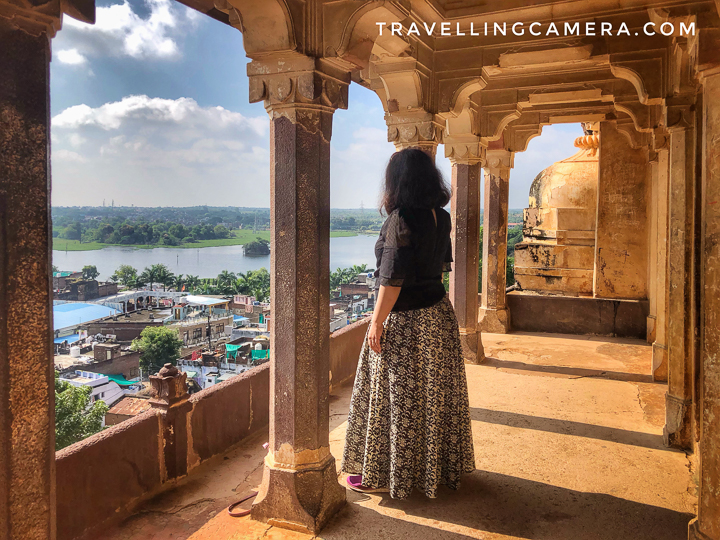
The Splendid Datia Palace in Madhya Pradesh || A Secluded, Desolate, yet Beautiful Building that has Stood Strong Against the Tides of Time

Exploring the Grandeur and Rich History of Gwalior Fort in Madhya Pradesh, India




Comments