
First Timer in Delhi: A Practical and Immersive Guide to Exploring India's Capital for Your First Visit
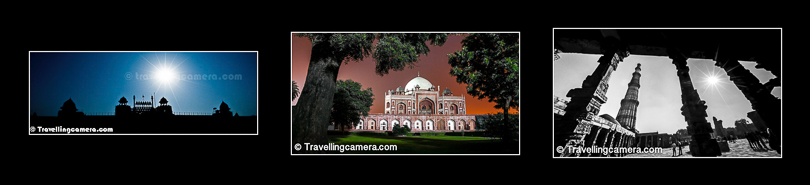
Every first journey to India begins with expectations.
Some arrive expecting chaos. Others expect ancient monuments, colorful markets, spicy food, and endless crowds. Delhi somehow manages to exceed every expectation while simultaneously challenging every stereotype.
For a first timer in Delhi, the city can initially feel overwhelming. The roads never truly sleep. A mosque's call to prayer blends with temple bells. The aroma of fresh parathas competes with roasting kebabs, while centuries-old forts stand beside sleek metro stations and modern cafés.
Delhi isn't a city that reveals itself all at once.
Instead, it unfolds layer by layer.
After spending years walking through its historic lanes with a camera in hand, revisiting familiar monuments during different seasons, getting lost in neighborhood markets, and discovering quiet corners hidden behind famous attractions, I have realized that Delhi rewards curiosity more than checklists.
If you are a first timer in India, this guide will help you understand Delhi beyond the typical tourist trail—balancing history with everyday life, practical advice with memorable experiences, and iconic landmarks with hidden discoveries.

Why Visit Delhi on Your First Trip to India?
Many travelers debate whether Delhi deserves more than a quick stop before heading to Agra, Jaipur, Kerala, or the Himalayas.
It absolutely does.
Delhi serves as the perfect introduction to India because nowhere else combines so many different eras into one city.
Within a single day, you can:
- Walk through a thousand-year-old monument
- Explore one of Asia's busiest spice markets
- Enjoy world-class museums
- Eat street food from generations-old shops
- Relax inside peaceful Mughal gardens
- Finish your evening at a rooftop café overlooking illuminated monuments
More importantly, Delhi teaches you how India works.
You'll learn how locals negotiate prices, how markets function, how food varies from one neighborhood to another, and how old traditions coexist with rapid modernization.
Once you've experienced Delhi, traveling across India becomes much easier.

Historical and Cultural Significance
Delhi has been destroyed and rebuilt numerous times throughout history.
Historians often refer to the "Seven Cities of Delhi," although many argue there were even more successive settlements.
Every empire left its signature.
- The Tomar Rajputs established early settlements.
- The Delhi Sultanate transformed the city into an imperial capital.
- The Mughals built magnificent forts, gardens, and mosques.
- The British developed New Delhi with broad avenues and colonial architecture.
Today, these different eras exist side by side.
One moment you're standing beneath medieval arches.
Ten minutes later you're walking past colonial government buildings.
Another short drive brings you into neighborhoods filled with glass skyscrapers.
This remarkable layering is what makes Delhi one of the world's most fascinating historical cities.
My First Real Experience of Delhi
My relationship with Delhi changed when I stopped trying to "cover" it.
Initially, like many travelers, I rushed from monument to monument.
Qutub Minar.
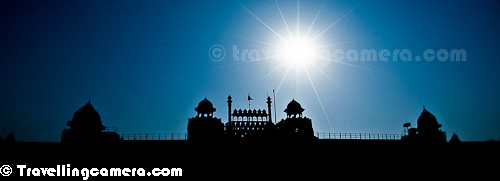
Red Fort.
India Gate.
Lotus Temple.
Humayun's Tomb.
The photographs were nice.
The memories were incomplete.
Everything changed one winter morning when I entered Old Delhi before sunrise.
Shopkeepers quietly swept narrow lanes.
Tea vendors poured steaming chai into tiny glasses.
Fresh bread emerged from neighborhood bakeries.
The streets slowly transformed as bicycles, rickshaws, and early commuters filled the city.
I barely photographed monuments that morning.
Instead, I photographed everyday life.
That remains one of my favorite days in Delhi.
The city became less about architecture and more about people.

Exploring Delhi: A Neighborhood-by-Neighborhood Approach
First Timer in Delhi: Start with New Delhi
For newcomers, New Delhi feels organized and approachable.
Wide roads.
Green spaces.
Excellent Metro connectivity.
Some highlights include:
- India Gate
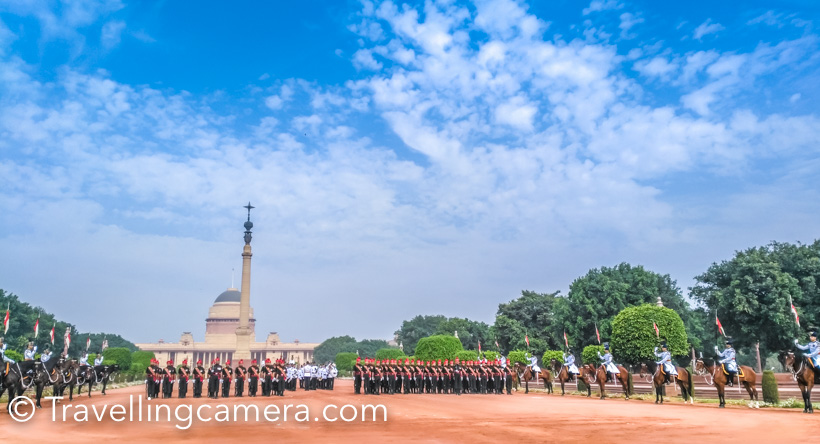
- Rashtrapati Bhavan viewpoints
- Kartavya Path
- National Museum
- Lodhi Garden
- Khan Market
Walking through Lodhi Garden during early morning reveals Delhi's slower rhythm.
Families exercise.
Bird photographers wait patiently near lakes.
Couples read books beneath centuries-old tombs.
It's difficult to imagine you're inside one of India's busiest cities.
First Timer in Delhi: Discover Old Delhi Slowly
Old Delhi isn't something to rush.
It deserves patience.
Walk instead of constantly hiring taxis.
Notice:
- Hand-painted signboards
- Traditional jewelry workshops
- Tiny temples between shops
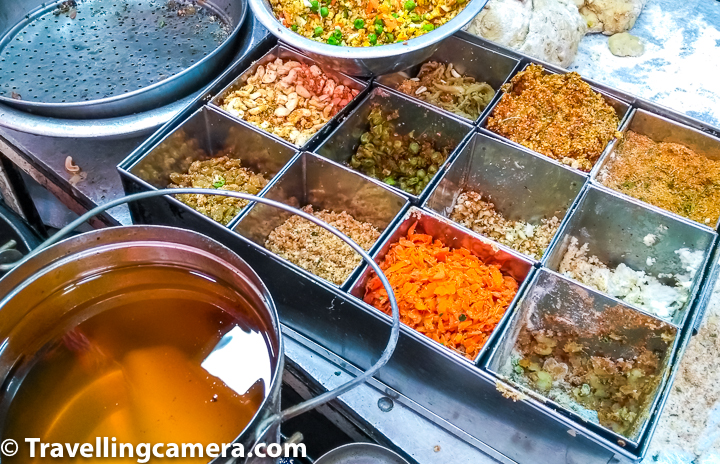
- Spice traders working exactly as previous generations did
The best experiences often happen unexpectedly.
You may discover an old haveli courtyard.
You might hear Urdu poetry drifting from a bookstore.
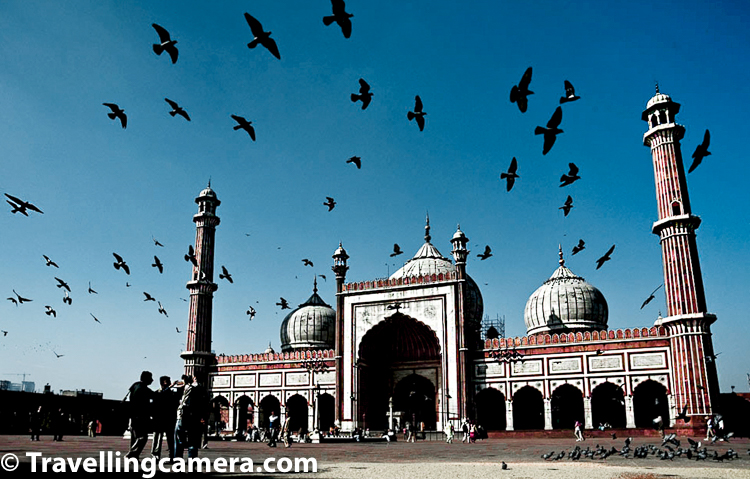
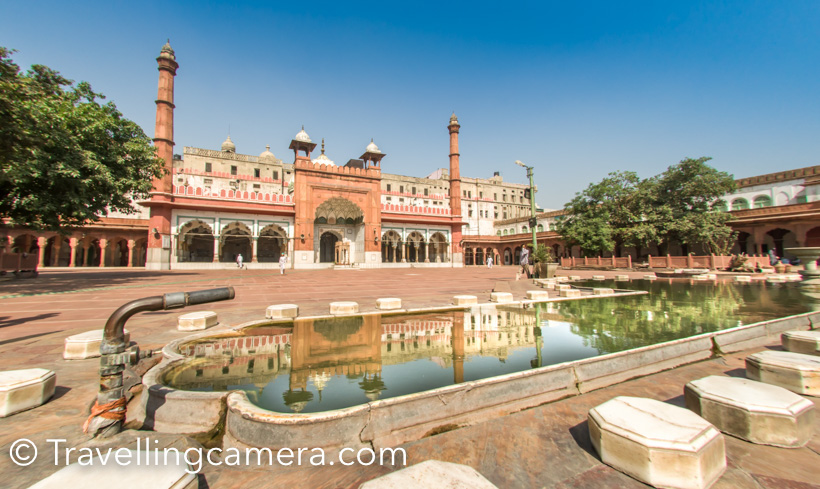
Or simply watch pigeons circling Jama Masjid at sunset.
Explore South Delhi Beyond the Monuments
Many visitors ignore residential South Delhi.
That's unfortunate.
Neighborhoods like Hauz Khas, Mehrauli, and Green Park combine heritage with contemporary Delhi.
Spend an afternoon exploring:
- Mehrauli Archaeological Park
- Hauz Khas Fort
- Deer Park
- Boutique cafés
- Art galleries
These areas reveal Delhi's creative side.

Hidden Gems Most First-Time Visitors Miss
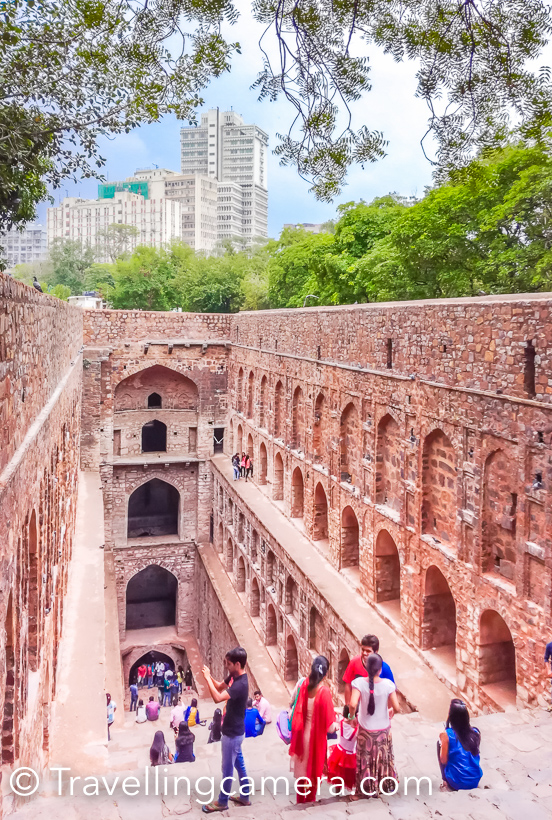
Agrasen ki Baoli Early Morning
Before crowds arrive, this ancient stepwell feels mysterious.
Morning light gradually illuminates each descending level.
Perfect for dramatic photography.
Mehrauli Archaeological Park
Although thousands visit nearby Qutub Minar, relatively few explore this enormous archaeological landscape.
Ancient tombs.
Forgotten mosques.
Ruins surrounded by greenery.
Peacocks occasionally appear after monsoon.
Sanjay Van
Nature lovers rarely associate Delhi with forests.
Sanjay Van changes that perception.
Ideal for birdwatching, morning walks, and peaceful photography.
Sunder Nursery
Often overshadowed by Humayun's Tomb next door, Sunder Nursery combines Mughal heritage with beautifully restored gardens.
Golden hour here is magical.
Majnu ka Tilla
A fascinating Tibetan neighborhood filled with cafés, monasteries, bakeries, and quiet lanes.
An entirely different cultural atmosphere within Delhi.
Best Photography Spots for a First Timer in Delhi
| Location | Best Time | Photography Style |
|---|---|---|
| Jama Masjid | Sunrise | Street, architecture |
| Humayun's Tomb | Early morning | Symmetry |
| Lodhi Garden | Morning | Nature & portraits |
| Chandni Chowk | Late afternoon | Street life |
| India Gate | Blue hour | Night photography |
| Qutub Minar | Morning | Wide-angle architecture |
| Hauz Khas Fort | Sunset | Landscape |
| Sunder Nursery | Golden hour | Gardens & reflections |
Photography Tips for Delhi
Delhi rewards photographers who wake up early.
Winter
Soft fog creates atmospheric images.
Historic monuments appear almost cinematic.
Summer
Strong sunlight produces deep shadows.
Use them creatively for architectural compositions.
Monsoon
Wet streets generate beautiful reflections.
Clouds add drama to skyline photographs.
Street Photography
Always smile before photographing people.
Many vendors happily agree when approached respectfully.
Some even enjoy seeing themselves on your camera screen.
Carry a lightweight zoom lens.
Delhi constantly presents unexpected moments.

Local Food Experiences Every First Timer in India Should Try
Delhi's food tells the city's history.
Rather than chasing famous names alone, explore neighborhoods.
Breakfast
Fresh parathas with butter.
Hot chai.
Poori sabzi.
Lunch
Butter chicken.
Rajma chawal.
North Indian thali.
Evening Snacks
Chaat.
Aloo tikki.
Golgappa.
Paneer tikka.
Desserts
Jalebi.
Kulfi.
Rabri.
Old Delhi remains unforgettable after sunset when aromas fill every lane.
However, first-time visitors should choose busy, popular vendors and drink bottled water.

Conversations That Define Delhi
One winter morning I stopped beside an elderly tea seller.
He asked where I was from.
When I mentioned photography, he smiled and pointed toward nearby rooftops.
"You'll find the best light there after sunrise."
He wasn't promoting his tea.
He simply wanted a visitor to experience his neighborhood differently.
That generosity appears repeatedly across Delhi.
Auto drivers recommend hidden temples.
Shopkeepers explain family businesses dating back generations.
Security guards often suggest quieter viewpoints tourists overlook.
Some of the city's finest experiences come from conversations rather than guidebooks.

Best Time to Visit Delhi
| Season | Experience |
|---|---|
| October-November | Pleasant weather |
| December-February | Best sightseeing and photography |
| March | Warm but manageable |
| April-June | Very hot |
| July-September | Monsoon greenery |
Winter remains ideal for first-time visitors.
Comfortable temperatures allow full-day exploration.

How to Reach Delhi
Delhi is India's primary international gateway.
By Air
Indira Gandhi International Airport connects with major cities worldwide.
Airport Metro Express offers one of the quickest routes into central Delhi.
By Train
Delhi is India's largest railway hub with connections nationwide.
By Road
Excellent highways connect Delhi with Agra, Jaipur, Chandigarh, and many northern destinations.

Where to Stay
Luxury
Choose central New Delhi for easy access to major attractions.
Mid-range
Karol Bagh offers excellent value and Metro connectivity.
Boutique Experience
Hauz Khas Village provides stylish hotels and cafés.
Backpackers
Paharganj remains popular due to affordable accommodation near New Delhi Railway Station.

Budget Tips for First-Time Visitors
- Purchase a Metro smart card.
- Begin sightseeing early to avoid both heat and crowds.
- Use app-based taxis for longer journeys.
- Eat where local families are dining.
- Carry reusable water bottles that can be refilled safely.
- Visit museums on discounted entry days when available.
- Combine nearby attractions into one day.
Suggested Three-Day Itinerary
Day One
- India Gate
- Kartavya Path
- National Museum
- Lodhi Garden
- Khan Market
Day Two
- Jama Masjid
- Chandni Chowk
- Spice Market
- Red Fort
- Evening street food
Day Three
- Humayun's Tomb
- Sunder Nursery
- Qutub Minar
- Mehrauli Archaeological Park
- Hauz Khas Village
This itinerary balances heritage, culture, photography, food, and relaxation without feeling rushed.
Responsible Travel Tips
- Dress modestly while visiting religious sites.
- Remove footwear where required.
- Ask permission before photographing people.
- Support family-owned businesses.
- Avoid littering.
- Carry reusable bottles whenever possible.
- Respect local customs during festivals and ceremonies.
Small gestures create meaningful travel experiences.

Common Mistakes First-Time Visitors Should Avoid
- Trying to visit too many monuments in one day.
- Ignoring the Delhi Metro.
- Skipping early mornings.
- Underestimating travel time between attractions.
- Visiting Old Delhi only for an hour.
- Wearing uncomfortable footwear.
- Forgetting sunscreen during winter.
- Not keeping small cash for local purchases.
Delhi deserves slow exploration.
Frequently Asked Questions
Is Delhi safe for first-time international travelers?
Yes. Like any major global city, staying aware of your surroundings, using registered transport, and avoiding isolated areas late at night helps ensure a safe trip.
How many days should a first timer in Delhi spend?
Three to five days provides enough time to experience both famous landmarks and lesser-known neighborhoods without rushing.
Is Delhi overwhelming for a first timer in India?
Initially, yes. However, excellent Metro connectivity, English signage, and welcoming locals make the city surprisingly manageable after the first day.
What should I wear in Delhi?
Comfortable walking shoes, breathable clothing during summer, and warm layers during winter mornings and evenings.
Can I explore Delhi using public transport?
Absolutely.
Delhi Metro is clean, efficient, inexpensive, and connects most major attractions.
What is the best season for photography in Delhi?
Winter mornings between November and February provide beautiful soft light, occasional mist, comfortable weather, and vibrant street scenes.

Final Thoughts
Delhi rarely offers love at first sight.
Instead, it grows on you with every conversation, every cup of roadside chai, every forgotten alleyway, and every sunrise illuminating centuries-old sandstone walls. For a first timer in Delhi, the city is more than a gateway to India—it is a living introduction to the country's astonishing diversity. It teaches patience in bustling bazaars, rewards curiosity in quiet archaeological parks, and offers moments of calm amid its relentless energy.
If you are also a first timer in India, resist the temptation to rush through Delhi on your way to other destinations. Spend a few extra days wandering beyond the famous landmarks. Sit in a neighborhood park at dawn, browse a local bookshop, share a meal at a family-run eatery, or strike up a conversation over a cup of chai. These seemingly ordinary experiences often become the most enduring memories.
From the grandeur of Mughal architecture to the rhythm of everyday life in its markets and neighborhoods, Delhi is a city that invites you to look beyond the obvious. Arrive with an open mind, keep your camera ready, leave room for spontaneous detours, and let the capital introduce you to India in all its complexity. Chances are, by the time you leave, you'll already be planning your return.
Related Blogposts -
Delhi Beyond the Guidebooks: Discover the Soul of India's Capital with 'Travellingcamera Host'










.jpg)
Comments