

The first thing that hits you in Kochi’s spice market isn’t the sight. It’s the smell.
Warm pepper. Sharp clove. Sweet cinnamon. Earthy turmeric. Green cardamom carrying a faint hint of eucalyptus. The air itself feels textured here — layered with centuries of trade, monsoon moisture, and human movement.
Long before container ships and international logistics networks, traders crossed oceans for spices from Kerala. Arabs, Chinese merchants, Portuguese explorers, Dutch traders, and British colonizers all arrived on these shores chasing the same treasure hidden inside tiny seeds, bark, roots, and berries.
Walking through the old spice trading lanes of Kochi today feels less like visiting a market and more like entering a living archive. The experience is messy, humid, loud, fragrant, chaotic, and deeply photogenic. Men haul giant sacks of pepper on bent backs. Scooters squeeze through impossibly narrow streets. Elderly traders still write accounts in thick paper ledgers while cardamom dust floats through shafts of afternoon light.
This is not a polished tourist attraction.
It is still a working market.
And that’s exactly what makes it unforgettable.

Why Visit Kochi’s Spice Market
It Is One of the Oldest Active Spice Trading Hubs in India
Kochi’s spice market, concentrated around Mattancherry and Jew Town, remains deeply connected to Kerala’s agricultural identity. Even today, spices from Kerala continue to dominate global perceptions of Indian spices because of their quality, aroma, and historical reputation.
Black pepper from Kerala was once called “black gold.” Cardamom from the Western Ghats still commands premium prices globally. Cinnamon, cloves, nutmeg, star anise, turmeric, and dried ginger continue to move through these trading lanes every day.
But the real reason to visit is not shopping.
It is atmosphere.
You Experience Kerala Beyond Backwaters
Many travelers come to Kerala for houseboats, beaches, and tea plantations. The spice market reveals another layer of Kerala — one built on maritime trade, migration, religion, and commerce.
In a single walk, you pass:
- Gujarati traders
- Jewish heritage buildings
- Konkani-owned shops
- Tamil laborers
- Arabic architectural traces
- Dutch-era warehouses
- Portuguese influences
Few places in India compress so much history into such a small area.

Historical and Cultural Significance
The Spice Route Changed Kochi Forever
For centuries, Kerala sat at the center of the global spice trade. Roman ships arrived here as early as the 1st century CE. Arab traders dominated commerce for hundreds of years before Europeans entered the picture.
When the Portuguese explorer Vasco da Gama arrived in Kerala in 1498, it wasn’t merely exploration.
It was a spice mission.
Europe desperately wanted direct access to Indian spices without relying on Arab middlemen. Pepper alone was worth fortunes in Europe.
Kochi became strategically vital because of:
- Its natural harbor
- Access to spice-growing hills
- Monsoon trade winds
- Established merchant communities
The city slowly evolved into a multicultural port where commerce shaped daily life.
Mattancherry and Jew Town
The spice market around Mattancherry developed near warehouses and trading houses connected to the port. Jew Town, despite its touristy reputation today, still retains traces of old trading culture.
Some buildings here are over 200 years old. Wooden beams sag under age. Faded signs reveal spice exporters that once shipped goods worldwide.
Look closely and you’ll notice:
- Dutch-influenced facades
- Colonial ventilation windows
- Antique weighing systems
- Thick spice storage walls designed for humidity control
The architecture itself tells trade stories.

My Personal Experience Walking Through Kochi’s Spice Lanes
I entered the market around 8:15 in the morning.
That timing changed everything.
The streets were still waking up. Workers unloaded burlap sacks from mini trucks while tea vendors moved between warehouses carrying steel kettles. The smell was strongest at this hour because freshly opened spice bags released concentrated aromas into the cool morning air.
One old trader sat outside his shop cleaning peppercorns by hand. His fingers moved with astonishing speed. I stopped to photograph him, but instead of posing, he simply continued working.
That made the frame better.
Authentic markets rarely reward staged photography.
A little later, I walked into a narrow warehouse where giant sacks of cloves and cardamom were stacked almost to the ceiling. Light entered through tiny gaps near the roof, creating dramatic beams cutting through floating spice dust. It felt cinematic.
The warehouse owner offered a small handful of green cardamom pods.
“Smell this,” he said.
The aroma was shockingly intense compared to supermarket cardamom. Freshness changes everything.
That conversation led to nearly forty minutes of storytelling about harvest seasons, export quality, monsoon damage, and how younger generations increasingly avoid spice trading businesses.
The market slowly revealed itself through these small interactions.
Not through monuments.
Not through sightseeing checklists.
But through people.

Detailed Exploration of Kochi’s Spice Market
Mattancherry Spice Market
This is the beating heart of Kochi’s spice trade.
Unlike curated tourist markets, Mattancherry feels raw and functional. Trucks block lanes. Laborers negotiate loudly. Traders inspect spice quality manually.
Things to observe carefully:
- Different pepper grades
- Cardamom sorting techniques
- Warehouse architecture
- Traditional weighing scales
- Workers stitching jute sacks by hand
Best Time to Visit
- 7:30 AM to 10:00 AM
- Activity is highest
- Softer photography light
- Less tourist traffic
Jew Town
Jew Town attracts tourists because of antique stores and cafes, but hidden behind souvenir shops are genuine spice warehouses.
Walk beyond the obvious storefronts.
The deeper lanes reveal:
- Old spice godowns
- Aging export offices
- Hand-painted commercial signs
- Quiet courtyards
- Families sorting spices manually
This area is particularly atmospheric during monsoon rain.
Wet stone streets intensify spice aromas dramatically.

Spice Warehouses
Some warehouse owners allow visitors inside if approached respectfully.
Inside, you’ll notice:
- Temperature differences
- Dense spice fragrance
- Massive storage systems
- Manual labor practices
- Layers of dust and history
Photography here can be extraordinary if you handle lighting well.

Hidden Gems and Lesser-Known Insights
The Smell Changes by Street
One of the strangest things about Kochi’s spice market is how distinct each lane smells.
One alley may smell overwhelmingly of pepper while another carries sweet cinnamon notes. This depends entirely on active warehouses nearby.
Very few travel blogs mention this sensory geography.
Look for Old Export Markings
Many spice sacks still carry faded export stamps for:
- Dubai
- Hamburg
- Singapore
- Rotterdam
These markings quietly reveal how connected Kochi remains to global trade.
Watch the Auction Conversations
Even if you don’t understand Malayalam, observing traders negotiate spice quality is fascinating. Much communication happens through touch, smell, and visual inspection.
Experienced traders can identify quality differences within seconds.
Visit During Rain
Monsoon transforms the experience completely.
For photographers, rainy mornings offer exceptional atmosphere.
Best Photography Spots in Kochi Spice Market
1. Narrow Mattancherry Alleys
Perfect for:
- Street photography
- Leading lines
- Human activity
- Layered compositions
Ideal Time
8:00 AM to 9:30 AM
2. Warehouse Interiors
Great for:
- Dramatic light beams
- Texture shots
- Portraits
- Dust particles in sunlight
Lens Recommendation
- 35mm prime
- 50mm for portraits
- Wide aperture for low light
3. Spice Sack Stacks
Colorful piles of:
- Red chili
- Yellow turmeric
- Brown cinnamon
- Green cardamom
These create excellent texture-based photography compositions.
4. Jew Town During Golden Hour
The aging buildings glow beautifully in evening light.
Especially photogenic:
- Wooden doors
- Antique signboards
- Colonial windows
- Reflections after rain
Photography Tips for the Spice Market
Use Natural Light
Avoid flash photography inside warehouses. It ruins atmosphere and often irritates workers.
Focus on Hands
The market tells stories through hands:
- Sorting pepper
- Stitching sacks
- Weighing spices
- Counting money
Human detail creates emotional depth.
Shoot Wide and Tight
Capture:
- Wide environmental scenes
- Tight macro spice textures
The combination strengthens storytelling.
Respect People
Always ask before photographing close portraits.
Reading body language matters.
Monsoon Protection
Humidity is intense.
Carry:
- Lens cloth
- Rain cover
- Silica gel packs
- Waterproof bag
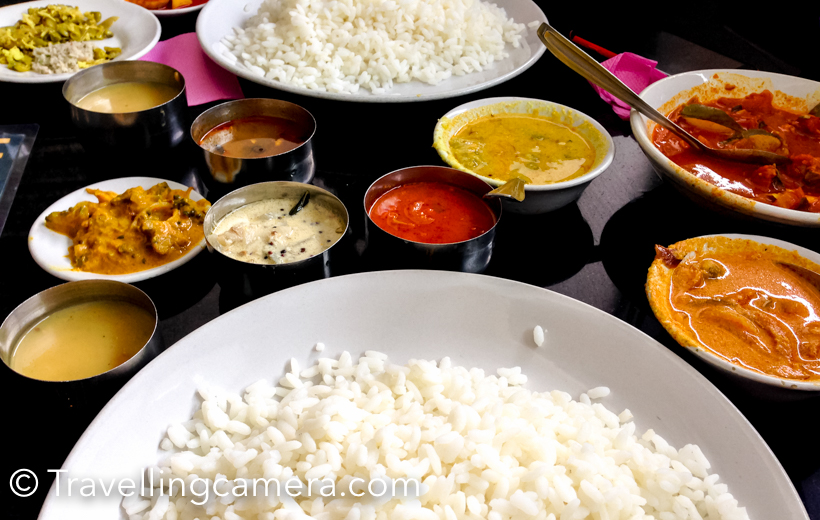
Local Food Experiences Around the Spice Market
Traditional Kerala Meals
After hours inside spice lanes, local Kerala food tastes even more meaningful because you recognize ingredients from the market itself.
Look for:
- Pepper-heavy curries
- Cardamom tea
- Clove-spiced biryani
- Cinnamon-infused desserts
Try Local Tea Shops
Tiny tea stalls near Mattancherry often serve:
- Strong chai
- Banana fritters
- Egg puffs
- Pazham pori
These informal spaces are ideal for observing local life.
Seafood Near Fort Kochi
Nearby Fort Kochi offers excellent seafood influenced by spice traditions.
Look for:
- Pepper crab
- Fish moilee
- Kerala prawn curry
- Malabar biryani
The spice market and local cuisine are inseparable.
Local Conversations and Human Stories
One conversation stayed with me long after leaving Kochi.
An elderly spice trader explained how his grandfather once traded directly with Arab merchants arriving by ship.
“There were no phones then,” he laughed. “Only trust.”
He spoke about how spice quality used to determine family reputation. A dishonest trader could lose generations of credibility.
Another younger worker told me many warehouses now struggle because large-scale logistics have changed traditional trading systems.
Yet despite modernization, parts of the market remain remarkably manual.
People still:
- Inspect spices by smell
- Test texture by hand
- Judge freshness visually
Best Time to Visit Kochi Spice Market
| Season | Experience |
|---|---|
| October to February | Pleasant weather, ideal walking conditions |
| June to September | Atmospheric monsoon photography |
| March to May | Hot and humid but less crowded |
Best Time of Day
Early morning is unquestionably best.
Why?
- Fresh activity
- Better light
- Cooler temperatures
- Stronger aromas
- Authentic workflow
Avoid late afternoons when activity slows.
How to Reach Kochi Spice Market
By Air
Nearest airport:
- Cochin International Airport (around 40 km away)
By Train
Nearest stations:
- Ernakulam Junction
- Ernakulam Town
By Ferry
Local ferries offer scenic access from Ernakulam to Fort Kochi areas.
By Auto Rickshaw
Easy and affordable from:
- Fort Kochi
- Ernakulam
- Marine Drive
Where to Stay
Fort Kochi
Best for:
- Heritage atmosphere
- Walking access
- Photography
- Cafes and art spaces
Options range from:
- Colonial homestays
- Boutique heritage hotels
- Budget hostels
Mattancherry
More local and less polished.
Ideal for travelers wanting:
- Authenticity
- Street photography
- Quiet evenings
- Cultural immersion
Budget Tips
- Visit early to avoid needing taxis in heavy traffic
- Stay in heritage homestays instead of luxury hotels
- Buy spices from trusted wholesalers instead of tourist shops
- Carry cash for smaller purchases
- Compare spice prices before buying
Suggested One-Day Itinerary
7:30 AM
Arrive at Mattancherry spice market
8:00 AM
Explore warehouses and trading lanes
10:00 AM
Tea break at local stall
11:00 AM
Walk through Jew Town
1:00 PM
Traditional Kerala lunch
3:00 PM
Photography walk in Fort Kochi
5:30 PM
Golden hour near Chinese fishing nets
Responsible Travel Tips
- Avoid blocking working spaces for photographs
- Ask permission before entering warehouses
- Support small spice sellers
- Do not bargain aggressively
- Dress modestly in traditional areas
- Avoid waste and plastic packaging
Common Mistakes Travelers Make
Only Visiting Tourist Shops
The real experience lies deeper inside working lanes.
Arriving Too Late
Morning activity is essential to the atmosphere.
Ignoring Weather
Humidity can exhaust you quickly.
Carry water.
Buying Pre-Packaged Tourist Spices Immediately
Compare freshness and aroma first.
Frequently Asked Questions About Spices from Kerala
What are the most famous spices from Kerala?
Kerala is famous for:
- Black pepper
- Cardamom
- Cinnamon
- Cloves
- Nutmeg
- Turmeric
Black pepper and cardamom are especially prized globally.
Is Kochi spice market worth visiting?
Yes, especially for travelers interested in culture, photography, food history, and authentic local experiences rather than polished tourist attractions.
Can tourists buy authentic Indian spices in Kochi?
Absolutely. Many wholesalers and shops sell fresh Indian spices directly sourced from Kerala plantations.
What is the best time to visit Kochi spice market?
Early mornings between October and February are ideal, though monsoon season offers exceptional atmosphere for photography.
Are spice markets in Kochi good for photography?
Yes. The textures, lighting, colors, workers, warehouses, and narrow streets make Kochi one of India’s most rewarding markets for documentary photography.
Final Thoughts
Kochi’s spice market is not beautiful in the conventional sense.
And deeply alive.
That is precisely why it stays with you.
In an age where many historic markets become sanitized for tourism, the spice lanes of Mattancherry still feel functional and real. Workers continue carrying sacks through narrow alleys. Traders still judge pepper by touch. Warehouses still smell of centuries-old commerce.
You do not simply see spices from Kerala here.
You feel their history in the air.
For photographers, storytellers, food lovers, and curious travelers, Kochi offers something increasingly rare — authenticity without performance.
And sometimes, the strongest memories of travel come not from monuments, but from a lingering scent carried through an old market street after rain.
Related Blogposts:




.jpg)
Comments