

The first thing I noticed while entering the historic Jewish town in India was not the synagogue, not the antique shops, and not even the tourists with cameras hanging around their necks. It was the smell.

A strange but beautiful mixture of cardamom, cinnamon, damp wood, old paper, sea breeze, and centuries of trade hung in the air. It felt ancient without trying too hard to look ancient.
The lanes were narrow. Blue-painted doors stood half-open. A rusted bicycle leaned against a colonial wall. Somewhere in the distance, a spice sack fell heavily onto stone flooring inside a warehouse. The sound echoed through the street.

Unlike many heritage neighborhoods that feel curated for visitors, Jew Town in Kochi still feels lived-in. Imperfect. Slow. Honest.
You don’t just visit this place.
And somewhere between the antique stores, spice godowns, synagogue walls, and old homes, you begin understanding how Kochi became one of the world’s most fascinating cultural crossroads.

Why Visit the Jewish Town in Kochi
Most travelers visiting Kochi spend time in Fort Kochi and quickly move on. But Mattancherry offers something deeper and more layered.
The Jewish town in Kochi is not just a tourist attraction. It is a surviving fragment of a global trading past where Arabs, Jews, Gujaratis, Dutch, Portuguese, Syrians, Tamils, Konkanis, and Malayalis shaped a city together.
What makes this place special is not grandeur.
It is atmosphere.
Here’s why this heritage neighborhood deserves slow exploration:
1. One of India’s Most Unique Cultural Landscapes
There are very few places in India where Jewish heritage survives so visibly within everyday urban life. The neighborhood still carries traces of the once-thriving Malabari Jewish community.
Street names, architecture, Hebrew inscriptions, antique Torah references, and oral histories continue to exist quietly within Mattancherry.
2. Incredible Street Photography Opportunities
For photographers, Jew Town is endlessly rewarding.
You’ll find:
- Layers of textures
- Colonial facades
- Spice warehouses
- Vintage typography
- Antique objects
- Old doors and windows
- Human moments
- Contrasting colors
- Morning light filtering through narrow lanes
Unlike polished tourist zones, the visual storytelling here feels organic.
3. The Spice Trade Still Feels Alive
Mattancherry was once deeply connected to the global spice trade. Even today, trucks loaded with pepper sacks move through old streets while spice merchants continue business inside aging warehouses.
You can literally smell history here.
4. It Encourages Slow Travel
Jew Town is best explored without plans.
No rushing.
No checklist tourism.
Just walking.
Sit at a café. Watch rainwater slide across tiled roofs. Listen to conversations between shopkeepers. Observe old architecture fading gracefully.
The neighborhood rewards patience.

Historical and Cultural Significance of the Jewish Town in India
To understand Mattancherry properly, you must understand Kochi’s relationship with trade.
For centuries, Kerala’s Malabar Coast attracted traders from around the world because of spices — especially black pepper, cardamom, and cinnamon.
Jewish communities are believed to have arrived in Kerala long before European colonization, though exact timelines remain debated. Some local narratives suggest Jewish traders came after the destruction of the Second Temple in Jerusalem.
Over time, the Jewish community established itself around Kochi and became deeply integrated into Kerala’s commercial and cultural life.
The area now known as Jew Town became an important center for the Paradesi Jewish community after the arrival of Sephardic Jews escaping persecution in Europe and West Asia.
One of the neighborhood’s most iconic landmarks is the Paradesi Synagogue, built in 1568.
The synagogue survived wars, colonial transitions, floods, and social changes. Its Belgian chandeliers, hand-painted Chinese tiles, and Hebrew inscriptions represent centuries of layered global connections.
But what’s fascinating is how naturally Jewish heritage blended into Kerala’s local culture.
Mattancherry became less of an isolated community and more of a shared cultural ecosystem.
Today, the Jewish population in Kochi is very small compared to the past, but the memory of that community continues through buildings, stories, rituals, and preservation efforts.

My First Walk Through Jew Town
I reached Mattancherry early in the morning before most tourists arrived.
That decision changed the entire experience.
The streets were still waking up.
Shopkeepers were sweeping the fronts of antique stores. A man unloaded spice sacks from a mini truck. Two elderly locals sat silently outside a tea stall reading Malayalam newspapers.
The sunlight was soft and golden.
Morning is when Jew Town feels most authentic.
Without crowds, you notice details more carefully:
- Faded blue wooden shutters
- Old lock systems
- Hebrew lettering above doors
- Colonial balconies
- Moss growing over walls
- Cats sleeping beside spice warehouses
I remember stopping near a narrow alley where sunlight entered diagonally between two old buildings. Dust particles floated visibly in the beam of light.
It felt cinematic.
As a photographer, these moments matter more than famous landmarks.
The best travel memories often happen between destinations.

Exploring the Streets of Mattancherry
The Antique Shops of Jew Town
One of the defining visual elements of Jew Town is its antique stores.
Some feel curated for tourists. Others resemble chaotic museums.
You’ll find:
- Brass lamps
- Wooden chests
- Colonial furniture
- Vintage clocks
- Hand-carved doors
- Old maps
- Kerala artifacts
- Gramophones
- Ship lanterns
- Ceramic pieces
Even if you don’t buy anything, browsing is fascinating.
But there’s also an interesting reality behind these shops.
Many objects are reproductions or restored pieces marketed as antiques. Genuine heritage items exist, but prices are often extremely high.
The real joy lies in conversations.
One shop owner explained how old Kerala homes are disappearing rapidly, and many architectural elements now end up inside antique markets instead of being preserved in original structures.
That conversation changed how I looked at every wooden window frame afterward.

The Spice Warehouses
The spice warehouses are among the most underrated experiences in Mattancherry.
While tourists photograph colorful storefronts outside, real business continues quietly inside large godowns.
If you pass respectfully and don’t interrupt workers, you’ll witness:
- Pepper sorting
- Sack stitching
- Manual weighing systems
- Dust-covered interiors
- Strong spice aromas
- Labor rhythms that have barely changed for decades
The smell inside these areas is unforgettable.
Black pepper dominates first. Then cardamom arrives softly. Cinnamon appears later.
For photographers, low-light warehouse scenes can be incredibly atmospheric.
However, always ask permission before photographing workers closely.

Hidden Residential Lanes
Many visitors only walk the main tourist street.
That’s a mistake.
The smaller side lanes reveal the emotional reality of Mattancherry.
You’ll notice:
- Elderly residents watering plants
- Old tiled roofs collapsing slowly
- Children cycling through narrow alleys
- Laundry hanging beside heritage walls
- Tiny shrines tucked into corners
These quieter spaces feel more personal and less commercialized.
Walk slowly and respectfully.
Mattancherry is not an open-air museum. People still live here.

Lesser-Known Insights About Jew Town
The Silence After Tourism Hours
Most travelers see Jew Town during daytime crowds.
Come around early morning or late evening and the mood changes entirely.
After shops close, the streets become almost hauntingly quiet.
Streetlights reflect on old wet stones after rain. The smell of spices lingers in empty lanes. You hear distant mosque calls blending with church bells.
This layered soundscape reflects Kochi’s multicultural identity beautifully.
Many Original Jewish Families Have Left
One emotional aspect of visiting Jew Town is realizing that much of its Jewish population emigrated to Israel over the decades.
The heritage remains.
The community presence is smaller.
This creates a unique feeling — the neighborhood is historically alive yet culturally fragile.
You’re walking through memory as much as geography.
The Blue Color Everywhere
Many buildings in Jew Town feature shades of blue.
Some locals associate this with aesthetic preference, while others link it loosely to older Jewish traditions where blue symbolizes divinity and spirituality.
Whether coincidence or continuity, the blue tones photograph beautifully against Kerala’s humid light.

Best Photography Spots in the Jewish Town in Kochi
1. The Main Jew Town Road Early Morning
Best Time: 7:00 AM – 8:30 AM
Why:
- Soft directional light
- Fewer tourists
- Shop shutters partially open
- Atmospheric street activity
Ideal for:
- Street photography
- Wide-angle compositions
- Human storytelling
2. Spice Warehouse Entrances
Best Time: Mid-morning
Why:
- Workers active
- Natural light entering warehouses dramatically
- Strong textures
3. Synagogue Lane Details
Best Time: Late afternoon
Focus on:
- Window textures
- Hebrew signboards
- Reflections
- Door frames
- Architectural symmetry
4. Rainy Season Reflections
Monsoon transforms Jew Town completely.
Wet roads create reflective surfaces that amplify colors beautifully.
Ideal for:
- Moody photography
- Reflections
- Atmospheric storytelling

Photography Tips for Mattancherry
Carry a Versatile Lens
A 35mm or 50mm prime works beautifully here because streets are narrow and intimate.
Wide lenses help for architecture, but storytelling often happens through tighter frames.
Respect Privacy
Not everyone wants to be photographed.
Always smile, ask permission when appropriate, and avoid treating residents like subjects in a staged documentary.
Shoot During Monsoon Carefully
Rain adds drama but humidity can damage gear.
Carry:
- Lens cloth
- Waterproof cover
- Dry bag
Focus on Layers
The best frames in Jew Town usually contain multiple visual layers:
These layered compositions create depth and narrative.

Local Food Experiences Around Jew Town
Mattancherry’s food culture reflects Kochi’s multicultural history beautifully.
Try Local Kerala Snacks
Small tea stalls near the market area often serve:
- Pazhampori (banana fritters)
- Parippu vada
- Ela ada
- Strong Kerala chai
Simple. Affordable. Authentic.
Seafood Experiences Nearby
Being close to the coast, seafood naturally dominates local cuisine.
Look for:
- Karimeen fry
- Prawn roast
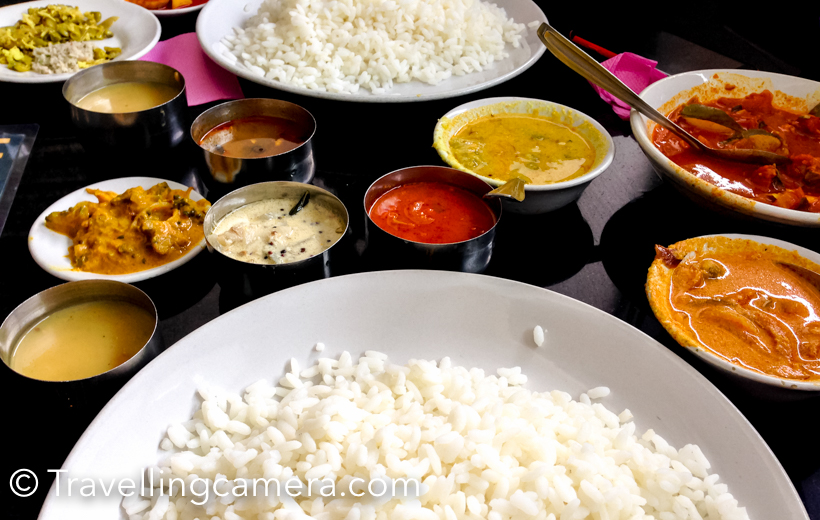
- Fish curry meals
- Tapioca with spicy fish curry
Avoid restaurants aggressively targeting tourists with flashy menus.
The quieter family-run places usually offer better food.
Spice Shopping
If buying spices:
- Compare prices
- Smell before purchasing
- Avoid overly polished tourist packaging
- Ask about harvest season
Fresh cardamom and black pepper from Kerala make excellent souvenirs.
Conversations That Stayed With Me
Near an old spice warehouse, I spoke briefly with a middle-aged worker who had spent over twenty years handling pepper sacks.
When I asked whether tourism changed Mattancherry, he laughed.
“Tourists come for photos,” he said. “We come for work.”
That sentence stayed with me.
It reminded me that heritage neighborhoods are not frozen cultural exhibits. They are living economic ecosystems.
Another antique seller explained how visitors often rush through Jew Town in less than an hour.
“But the street changes every few hours,” he said. “Morning is different. Rain is different. Evening is different.”
He was right.
The neighborhood feels alive because light, smell, weather, and activity constantly reshape it.

Best Time to Visit the Jewish Town in India
October to March
This is the best season overall.
Weather is relatively pleasant with lower humidity.
Ideal for:
- Walking tours
- Photography
- Cultural exploration
Monsoon Season (June to September)
Highly recommended for photographers.
The rain transforms textures and colors dramatically.
However:
- Streets can get slippery
- Sudden showers are frequent
- Humidity is intense
Still, monsoon brings emotional depth to Mattancherry.
Avoid Midday Heat
Between 12 PM and 3 PM, the heat and humidity become exhausting.
Early mornings are significantly better.
How to Reach Mattancherry Jew Town
From Fort Kochi
- Tuk-tuk: 10–15 minutes
- Ferry + short walk possible
- Cycling is enjoyable early morning
From Ernakulam
- Taxi or auto-rickshaw
- Public buses available
- Ferry routes offer scenic access
The ferry experience adds character to the journey and gives beautiful harbor views.

Where to Stay
Stay in Fort Kochi
Most travelers choose Fort Kochi because:
- Better accommodation variety
- Walkable cafés
- Heritage stays
- Easier access to attractions
Good options include:
- Heritage homestays
- Boutique colonial hotels
- Budget backpacker hostels
Stay Near Mattancherry for Quiet Mornings
If photography is your priority, staying closer to Mattancherry helps enormously.
You can explore before tourist crowds arrive.
Budget Tips
| Expense | Approximate Cost |
|---|---|
| Ferry Ride | Very cheap |
| Local Tea | Budget-friendly |
| Tuk-tuk Short Ride | Negotiable |
| Heritage Homestay | Mid-range |
| Street Snacks | Affordable |
Additional tips:
- Walk as much as possible
- Carry water
- Visit early to avoid heat exhaustion
- Bargain politely in antique stores

Suggested One-Day Itinerary for Mattancherry
Morning
- Reach before 8 AM
- Walk Jew Town streets
- Photograph morning light
- Visit spice lanes
Mid-Morning
- Explore antique stores
- Visit synagogue area
- Enjoy tea and Kerala snacks
Afternoon
- Lunch at local seafood restaurant
- Rest during peak heat
Evening
- Return for softer light
- Explore quieter residential lanes
- Watch sunset near waterfront areas
Responsible Travel Tips
Respect Religious Spaces
Dress modestly near heritage and religious areas.
Avoid Excessive Drone Usage
Narrow heritage neighborhoods can feel intrusive when drones are used carelessly.
Support Local Businesses
Buy from smaller family-run shops instead of only curated tourist stores.
Don’t Romanticize Poverty
Photograph respectfully.
Not every old building or worker exists for aesthetic storytelling.

Common Mistakes Travelers Make
Visiting Only for Instagram Photos
Jew Town deserves more than a quick photo stop.
Slow down.
Ignoring Side Lanes
The quieter lanes often hold the most authentic experiences.
Arriving Midday
Harsh sunlight destroys atmosphere and makes walking uncomfortable.
Treating Residents Like Tourist Props
Always remember people live and work here.
Respect matters.

FAQs About the Jewish Town in Kochi
Why is Jew Town in Kochi famous?
Jew Town is famous for its historic Jewish heritage, spice trade history, antique markets, and the centuries-old Paradesi Synagogue.
Is there still a Jewish community in Kochi?
Yes, though the population is much smaller than before. Much of the heritage survives through preserved architecture, stories, and cultural institutions.
How much time is needed to explore Jew Town?
At least half a day is ideal. Photographers and slow travelers can easily spend a full day exploring Mattancherry.
What is the best time for photography in Jew Town?
Early morning offers the best light, fewer crowds, and more authentic street activity.
Is Jew Town worth visiting during monsoon?
Absolutely. Rain enhances the atmosphere dramatically and creates excellent photography conditions.

Walking through the Jewish town in India is not about ticking off attractions.
It is about noticing survival.
Mattancherry does not overwhelm visitors with spectacle.
Instead, it whispers.
And if you walk slowly enough, you begin hearing those whispers everywhere — in spice warehouses, cracked walls, synagogue lanes, tea stalls, old shop signs, and conversations drifting through humid air.
In a world increasingly obsessed with fast travel and viral locations, Jew Town rewards those willing to pause.
Not everything here is polished.
That is exactly why it feels real.
Related Blogposts:




.jpg)
Comments