

Kochi is often introduced through Chinese fishing nets, spice markets, colonial lanes, and café culture. But somewhere between the tourist-heavy streets of Fort Kochi and the busy urban rhythm of Ernakulam lies a place that quietly holds centuries of Kerala’s memory together.
The Kerala Folklore Museum is not merely another stop among the many museums in Kochi. It feels more intimate than that. More layered. More alive.

The moment you stand in front of the museum building, the city’s traffic noise begins to fade behind carved wooden balconies, temple-style roofs, and intricate architectural fragments collected from different parts of Kerala. The structure itself looks like a carefully assembled historical puzzle — a blend of Malabar, Travancore, and Cochin architectural traditions.
Inside, dimly lit corridors open into rooms filled with ritual masks, ancient musical instruments, tribal artifacts, bronze sculptures, Kathakali costumes, wooden carvings, old manuscripts, temple lamps, and sacred objects that once belonged to homes, shrines, and performance traditions now slowly disappearing from everyday life.

Unlike polished modern museums that often feel distant, the Kerala Folklore Museum feels deeply human. Dusty in places. Overwhelming at times. Beautifully chaotic. And that is exactly why it stays with you long after you leave.
For photographers, storytellers, culture enthusiasts, and slow travelers, this museum offers one of the richest experiences among all museums in India focused on living traditions.

Why Visit Kerala Folklore Museum?
One of the Most Authentic Museums in Kochi
Many travelers visit Kochi for colonial history and seaside charm, but Kerala Folklore Museum reveals a completely different narrative — one rooted in local rituals, indigenous artistry, temple traditions, folk performance, and regional craftsmanship.
This museum is especially valuable because it preserves objects that were once part of everyday life rather than royal collections alone.
You do not simply observe Kerala here. You encounter it.

A Rare Architectural Experience
The museum building itself deserves attention before you even step inside.
Constructed using parts sourced from demolished traditional homes and temples across Kerala, the structure combines:
- Malabar architectural styles
- Cochin wood craftsmanship
- Travancore temple aesthetics
The hand-carved ceilings alone can keep photographers occupied for an hour.
Perfect for Cultural Photography
Among all museums in Kochi, this is one of the most photogenic interiors for those who enjoy:
- Low-light photography
- Texture-focused compositions
- Portraiture
- Architectural framing
- Documentary-style storytelling
The layered shadows and warm lighting create cinematic scenes almost everywhere.

Historical and Cultural Significance
The Kerala Folklore Museum was founded by cultural enthusiast George Thaliath and opened in 2009 with the vision of preserving Kerala’s fading artistic traditions.
What makes the museum culturally significant is the sheer diversity of its collection.
The museum houses over 4,000 artifacts connected to:
- Kathakali
- Theyyam
- Mohiniyattam
- Kalaripayattu
- Tribal rituals
- Temple ceremonies
- Folk music traditions
- Ancient household practices
Many items date back hundreds of years.
Some were rescued from abandoned ancestral homes. Others came from temples or traditional performers whose art forms no longer receive enough patronage.
In a rapidly modernizing Kerala, where concrete apartment buildings replace nalukettu homes and younger generations move away from folk traditions, the museum acts as an archive of disappearing memory.
It is one of the few museums in India where folklore is not treated as “past history,” but as something emotionally connected to contemporary identity.

Arriving at the Museum: First Impressions
The museum is located near Thevara in Kochi, slightly away from the heavy tourist zones.
The road outside feels ordinary. Auto-rickshaws buzz past. Shops sell daily essentials. Nothing prepares you for what rises behind the entrance gate.
The facade appears almost theatrical.
Massive wooden pillars. Sloping roofs. Ornamental carvings. Temple-inspired symmetry.
If you arrive in the late afternoon, the golden light softens the wood textures beautifully. This is the best time to photograph the exterior.
Inside, there is an immediate shift in atmosphere.
The air smells faintly of aged wood, oil lamps, and old textiles. Traditional music often plays softly in the background. Narrow staircases connect dim galleries packed densely with artifacts.

Unlike minimalist museums, this one overwhelms the senses intentionally.
And somehow, that density works.
You begin noticing details slowly:
- Brass lamps blackened by age
- Masks with fading paint
- Intricate jewelry worn during ritual performances
- Wooden sculptures with astonishing facial expressions
- Ancient grain-measuring tools
- Palm-leaf manuscripts
Every shelf feels like a forgotten chapter.

Exploring the Museum Floor by Floor
Ground Floor: Architecture, Rituals, and Kerala’s Visual Identity
The entrance level introduces visitors to Kerala’s visual language.
You will notice:
- Traditional temple carvings
- Wooden ceiling panels
- Sculptural door frames
- Ancient household artifacts
The craftsmanship here reflects a time when architecture itself carried spiritual meaning.

One particularly striking feature is the carved wooden pillars salvaged from old mansions. The detailing reveals influences from temple aesthetics, local mythology, and social hierarchy.
For photographers, wide-angle shots work beautifully here.
Look upward often.
The ceilings are extraordinary.
The Kathakali Section
This becomes an emotional highlight for many visitors.
The Kathakali costumes and facial masks displayed here reveal the incredible complexity behind Kerala’s classical dance-drama tradition.
Heavy layered skirts. Elaborate crowns. Hand-painted expressions. Intricate ornaments.
Seeing them up close changes your understanding of Kathakali performances completely.
The facial makeup styles represent specific emotions and character types:
- Green for noble heroes
- Red for aggression
- Black for hunters and forest characters
The craftsmanship involved is astonishing.
If you are lucky, you may also witness occasional live performances organized at the museum.

Tribal and Folk Art Galleries
These sections feel more intimate and mysterious.
You encounter:
- Ritual masks
- Tribal sculptures
- Folk instruments
- Sacred ceremonial objects
Some artifacts are linked to Theyyam traditions from northern Kerala — one of India’s most visually intense ritual art forms.
The masks here are particularly fascinating for close-up photography.
The fading paint textures tell stories of repeated ritual use rather than decorative preservation.
This distinction matters.
These objects were once alive within communities.

Antique Musical Instruments
One unexpected delight inside the museum is the musical instrument collection.
Ancient drums, string instruments, percussion tools, and ceremonial sound devices are displayed across multiple rooms.
Some are linked to temple rituals while others belonged to traveling performers.
For anyone interested in sound traditions or ethnomusicology, this section alone is worth the visit.

Hidden Gems Most Visitors Miss
The Staircase Details
Many visitors rush between galleries without noticing the staircases.
But the hand-carved railings and wooden joins reveal incredible craftsmanship.
Morning light filtering through side windows creates beautiful shadow patterns for photography.
Miniature Ritual Objects
Some of the smallest displays are the most fascinating.
Tiny oil lamps. Ritual spoons. Palm-sized bronze idols.
They reveal how spirituality was integrated into daily domestic life in Kerala.
Ceiling Compositions for Photography
Most people photograph artifacts at eye level.
Instead, spend time shooting upward.
The layered wooden ceilings and hanging lamps create dramatic symmetrical compositions.
A fast prime lens works exceptionally well here.

Best Photography Spots in Kerala Folklore Museum
Exterior Facade During Golden Hour
The best time:
- 4:30 PM to sunset
Warm sunlight enhances the wood textures beautifully.
Kathakali Display Room
Ideal for:
- Portrait-style framing
- Detail photography
- Texture shots
Use a wide aperture because lighting is dim.
Wooden Corridors
These create cinematic leading lines.
Perfect for:
- Moody travel photography
- Human silhouette shots
- Architectural storytelling
Antique Lamp Displays
The reflections and metallic textures look especially dramatic under museum lighting.
Macro photography works wonderfully here.

Photography Tips for the Museum
| Photography Situation | Recommended Approach |
|---|---|
| Low-light interiors | Use fast lenses (f/1.8 or wider) |
| Handheld shooting | Increase ISO rather than using flash |
| Wooden textures | Slight underexposure preserves mood |
| Crowded rooms | Wait patiently for empty frames |
| Symmetrical architecture | Use central compositions |
| Artifact details | Focus on textures instead of full objects |
Additional tips:
- Avoid flash photography if restricted.
- Carry a lightweight camera setup.
- A 35mm or 50mm lens works best indoors.
- Shoot RAW to recover shadow details later.

A Quiet Conversation with a Museum Staff Member
During my visit, one staff member pointed toward a centuries-old wooden sculpture and quietly said:
“Many people photograph these objects. Very few ask where they came from.”
That sentence stayed with me.
He explained how some pieces were collected from ancestral homes being demolished across Kerala. Families often no longer had space, resources, or emotional connection to preserve them.
Suddenly the museum felt less like a curated attraction and more like a rescue mission.
This emotional undercurrent gives Kerala Folklore Museum its depth.

Local Food Experiences Around the Museum
After exploring the museum, spend time discovering Kerala’s food culture nearby.
Try Traditional Kerala Meals
Look for:
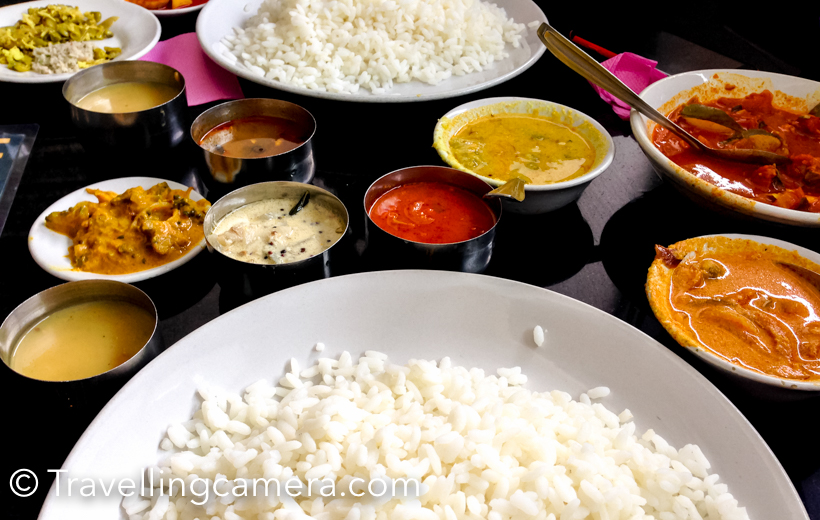
- Kerala sadya
- Fish curry meals
- Appam with stew
- Kappa and meen curry
- Puttu with kadala curry
The coconut-rich flavors and curry leaf aromas feel deeply connected to the cultural world represented inside the museum.
Nearby Café Culture
Kochi’s café scene blends heritage aesthetics with contemporary creativity.
Some cafés near Thevara and Fort Kochi feature:
- Old wooden furniture
- Local art displays
- Kerala-style snacks
- Filter coffee
These spaces often attract artists, photographers, and writers.

Lesser-Known Cultural Insights
Kerala’s Relationship with Wood
One subtle theme throughout the museum is Kerala’s historic mastery of woodcraft.
Due to heavy monsoon rains and dense forests, traditional Kerala architecture evolved differently from many other regions in India.
Wood became:
- Structural
- Decorative
- Spiritual
The museum captures this beautifully.
Folklore Was Community Memory
Many displayed objects were not luxury items.
They belonged to:
- Farmers
- Temple artists
- Ritual performers
- Village healers
- Folk musicians
The museum preserves ordinary cultural memory, not just elite history.

Best Time to Visit Kerala Folklore Museum
Ideal Months
The best season:
- October to February
The weather is pleasant and humidity is manageable.
Monsoon Visits
June to September offers a completely different atmosphere.
Rain-darkened wooden exteriors become incredibly photogenic.
The museum feels moodier and quieter during monsoon afternoons.
Photographers will love this season despite the humidity.
Best Time of Day
Arrive:
- Around 3 PM
This allows:
- Softer exterior light
- Fewer crowds
- Comfortable indoor exploration
- Golden hour photography outside afterward

How to Reach Kerala Folklore Museum
From Fort Kochi
- Approximate drive: 25–35 minutes depending on traffic
- Best option: Taxi or auto-rickshaw
From Ernakulam Junction Railway Station
- Around 20 minutes by road
From Kochi International Airport
- Approximately 1 to 1.5 hours depending on traffic
Public buses are available, but taxis are far more convenient for photographers carrying equipment.

Where to Stay in Kochi
For Heritage Lovers
Stay in:
- Fort Kochi
You will enjoy:
- Colonial architecture
- Art cafés
- Slow travel atmosphere
- Walking-friendly streets
For Convenience
Stay near:
- Ernakulam
- MG Road
- Marine Drive
These locations offer better connectivity and modern hotels.
Boutique Stay Recommendation Style
Look for:
- Heritage homestays
- Restored Portuguese villas
- Art-focused guesthouses
These complement the museum experience beautifully.

Budget Tips for Visiting Kerala Folklore Museum
| Expense | Approximate Budget |
|---|---|
| Entry ticket | Budget-friendly |
| Taxi from Fort Kochi | Moderate |
| Camera charges | Check updated rules |
| Local meals | Affordable |
| Half-day exploration | Ideal for budget travelers |
Additional savings tips:
- Combine with nearby attractions.
- Visit during weekdays for fewer crowds.
- Use auto-rickshaws for short local distances.

Suggested Half-Day Itinerary
Cultural and Photography-Focused Plan
2:30 PM
Arrive at Kerala Folklore Museum
3 PM – 5 PM
Explore galleries slowly
5 PM
Photograph exterior during golden hour
5:30 PM
Tea break at a nearby café
Evening
Head toward Marine Drive or Fort Kochi for sunset
Responsible Travel Tips
- Avoid touching fragile artifacts.
- Respect photography restrictions.
- Speak softly inside galleries.
- Support local artists when possible.
- Attend live performances respectfully.
- Avoid rushing through displays.
Museums like this survive because people continue valuing cultural memory.

Common Mistakes to Avoid
Treating It as a Quick Stop
This museum deserves time.
Most visitors underestimate how dense the collection is.
Ignoring the Architecture
The building itself is part of the experience.
Visiting Midday Only
Late afternoon offers much better lighting conditions.
Skipping Conversations
Museum staff often share fascinating stories unavailable on information boards.

Frequently Asked Questions About Kerala Folklore Museum
Is Kerala Folklore Museum worth visiting?
Absolutely. It is one of the most culturally immersive museums in Kochi, especially for travelers interested in Kerala’s traditional art, architecture, rituals, and photography.
How much time is needed for Kerala Folklore Museum?
Plan at least 2–3 hours for a meaningful visit.
Photography enthusiasts may spend longer.

Is photography allowed inside Kerala Folklore Museum?
Photography policies may change, so check current rules at the entrance.
Some sections may have restrictions.
Which is the best time to visit Kerala Folklore Museum?
October to February offers pleasant weather, while monsoon season creates dramatic photography conditions.
Is Kerala Folklore Museum suitable for children?
Yes, especially for families interested in culture, traditional costumes, masks, and folk stories.
How far is Kerala Folklore Museum from Fort Kochi?
The museum is approximately 10–12 km away depending on your starting point in Fort Kochi.

Why Kerala Folklore Museum Feels Different from Other Museums in India
Many museums preserve objects.
This museum preserves atmosphere.
That distinction matters.
You leave not with textbook facts but with lingering visual memories:
- The glow of brass lamps
- The smell of old wood
- The silence around ritual masks
- The intricate folds of Kathakali costumes
- The fading fingerprints of forgotten artisans
Among museums in India, Kerala Folklore Museum stands out because it feels emotionally rooted in lived culture rather than distant history.
And perhaps that is why it stays with travelers long after Kochi itself begins to blur into memory.

Final Thoughts
In a city celebrated for its colonial layers and coastal beauty, Kerala Folklore Museum offers something deeper — access to Kerala’s internal cultural landscape.
Not the postcard version.
The real one.
Complex. Ritualistic. Artistic. Spiritual. Handcrafted. Human.
If you genuinely want to understand Kerala beyond beaches, cafés, and backwaters, spend an unhurried afternoon here.
Walk slowly.
Look upward.
Notice the textures.
Listen carefully.
Because hidden inside these dim wooden corridors are fragments of Kerala that modern life is rapidly forgetting.
Related Blogposts:




.jpg)
Comments