
Introduction: Why a Trip to Gujarat Stays With You
A Trip to Gujarat rarely begins with a single landscape in mind.

You might arrive expecting the white salt desert of Kutch and find yourself instead standing inside a centuries-old stepwell. You may travel to Gir hoping to photograph an Asiatic lion, only to remember the Maldhari shepherd you met along the way. You may come looking for temples and monuments and end up spending your best hour photographing an old pol house in Ahmedabad as morning light enters through a carved wooden doorway.

That is the fascinating thing about Gujarat.
It is not one destination. It is a collection of very different worlds stitched together by long roads, dry landscapes, extraordinary craftsmanship, food, faith and an unmistakable entrepreneurial energy.

Within one state, you can photograph the geometric silence of the Great Rann of Kutch, explore a Harappan city dating back thousands of years, walk through Ahmedabad's tightly packed pols, watch lions in Gir, climb Pavagadh, explore the temples of Dwarka and Somnath, and eat your way through an astonishing variety of snacks.
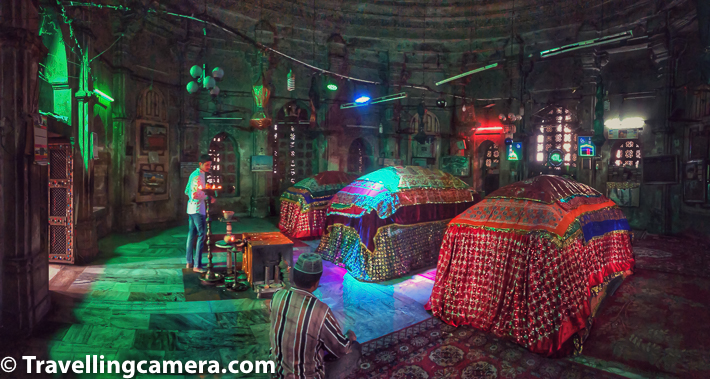
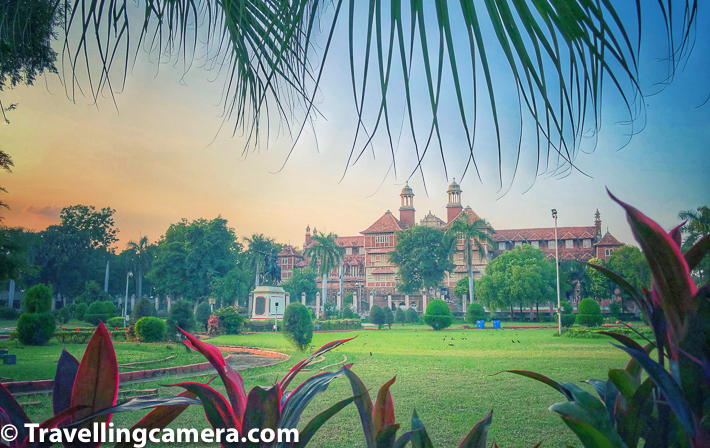
Gujarat currently has four UNESCO World Heritage properties: Ahmedabad's historic city, Rani-ki-Vav at Patan, Champaner-Pavagadh Archaeological Park and Dholavira.
For a photographer, however, the real attraction is what happens between those famous places.
The roadside tea stall.
The craftsman working patiently on embroidery.
A woman carrying a brightly patterned textile against an almost colourless landscape.
The sound of temple bells somewhere beyond a narrow lane.
And that moment in Kutch when the horizon seems to disappear.
Why Take a Trip to Gujarat?
Gujarat rewards travellers who are willing to slow down.
It has the obvious attractions, but some of the most memorable experiences happen away from the standard checklist.
Here are a few reasons to put Gujarat on your travel map:
Unusual landscapes: salt deserts, coastlines, dry forests, hills and agricultural plains.
Exceptional architecture: stepwells, mosques, temples, pol houses, forts and Harappan ruins.
Wildlife: Gir is the last natural home of the Asiatic lion.
Living handicrafts: Kutch is particularly famous for embroidery and textile traditions.
Food: from fafda and jalebi to undhiyu, Gujarati thali, khichu and regional snacks.
History: Gujarat connects prehistoric settlements, Harappan civilization, medieval kingdoms, maritime trade and modern India's freedom movement.
Photography: few Indian states offer such a varied combination of people, architecture, wildlife and landscapes.
And perhaps most importantly, Gujarat doesn't always reveal itself immediately.
You have to look.

A Trip to Gujarat Is Really a Journey Through Time
One of the most remarkable things about Gujarat is the sheer depth of its history.
Long before modern cities existed, Dholavira was already a sophisticated urban settlement.
Located on Khadir island in the Rann of Kutch, Dholavira was occupied roughly between 3000 and 1500 BCE. Archaeological evidence reveals fortified areas, streets, houses, craft workshops, a cemetery and an impressive water-management system designed for an extremely dry environment.
Standing there today, the landscape can feel almost empty.
That emptiness makes the ruins more powerful.
It is difficult not to wonder how people thousands of years ago understood water, storage, trade and urban planning so well in a place where water remains precious today.
Then there is Ahmedabad.

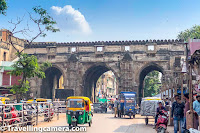
Founded by Sultan Ahmad Shah in 1411, the historic walled city developed around densely packed neighbourhoods known as pols. These traditional residential areas contain wooden houses, gateways, bird feeders, wells and religious structures woven into the urban fabric.
Walk through the old city early enough and Ahmedabad feels very different from the busy modern metropolis outside.
Doors open.
Milk is delivered.
Shopkeepers sweep their entrances.
Birds gather around old feeders.
Someone is making tea.
It is this ordinary morning activity that makes the architecture come alive.

The Rann of Kutch: Photographing a Landscape With Almost No Boundaries
If there is one image that has come to represent Gujarat to the outside world, it is probably the Great Rann of Kutch.
But photographs don't completely prepare you for the experience.
The first impression is not necessarily the whiteness.
It is the scale.

The horizon feels unusually far away. The ground seems to merge into the sky. On a clear day, there are moments when it becomes difficult to judge distance.
This is where photography becomes particularly interesting.
Instead of filling the frame, try removing things from it.
A lone person walking across the salt.
A camel.
A small group of visitors.
A distant vehicle.
These tiny subjects create a sense of scale.

The best time to photograph the Rann
Early morning: soft light, long shadows and cooler temperatures.
Late afternoon: warm light gradually introduces texture into an otherwise minimalist landscape.
Sunset: the classic time, but also the busiest.
For stronger photographs, arrive before the crowd becomes concentrated around the obvious viewing area.
The official Gujarat Tourism portal currently provides online permits for the White Rann at Dhordo, so check current requirements before travelling.
And don't make the mistake of treating the Rann as only a sunset destination.
The landscape changes dramatically under moonlight and during the colder winter mornings.

Kutch Beyond the White Desert
A Gujarat Trip focused only on the Rann misses much of what makes Kutch extraordinary.
The region has a deep textile culture, with embroidery traditions varying from community to community.
Spend time in craft villages rather than simply buying something from a tourist shop.
Watch how the work is done.
Look closely at the stitches.
Notice how mirrors catch sunlight.
Ask before photographing people.
A portrait made after a short conversation is usually more meaningful than a photograph taken from across the room.
The Kutch landscape also changes as you move away from Dhordo.
There are villages, seasonal wetlands, old settlements and stretches of surprisingly beautiful scrubland.
The region's immense scale makes it ideal for road photography.
Keep your camera accessible.
Some of the best images may appear for only a few seconds.
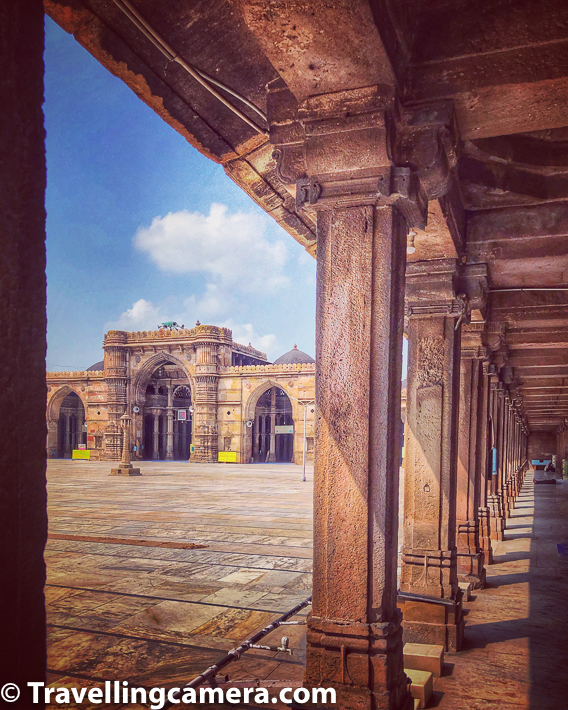
Ahmedabad: Gujarat's Most Photogenic Urban Experience
Ahmedabad is often treated as a gateway to Gujarat.
It deserves much more attention than that.
The historic city is a UNESCO World Heritage Site, recognised for its architecture and remarkably layered urban character. Its pols are particularly interesting because they are not simply collections of old buildings; they represent community-based urban organisation.
For photographers, the old city is best explored on foot.

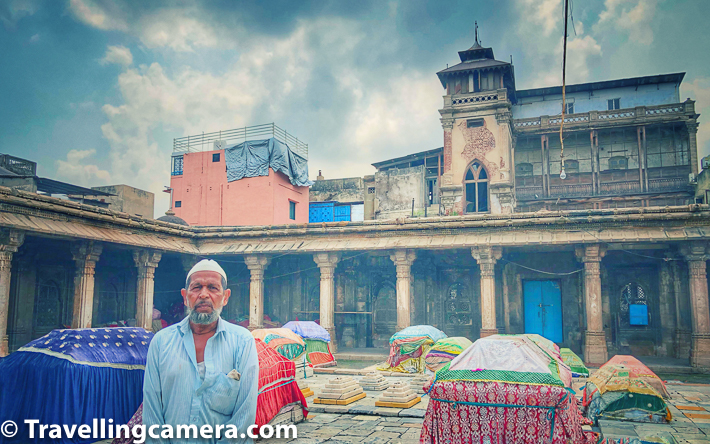
Photographing Ahmedabad's pols
Go early.
The harsh afternoon sun can make the narrow streets contrasty and difficult to photograph.
Morning light is much more forgiving.
Look for:
carved wooden balconies
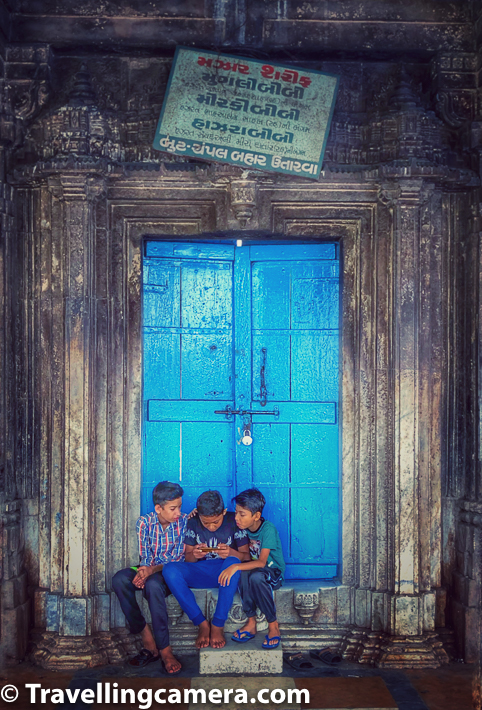
doors and door knockers
old signs
birds gathered around communal feeders
shafts of light between buildings
bicycles and scooters against old façades
people emerging into the street
Don't photograph the architecture as if it were an empty museum.
Photograph it as a living neighbourhood.
That distinction changes everything.

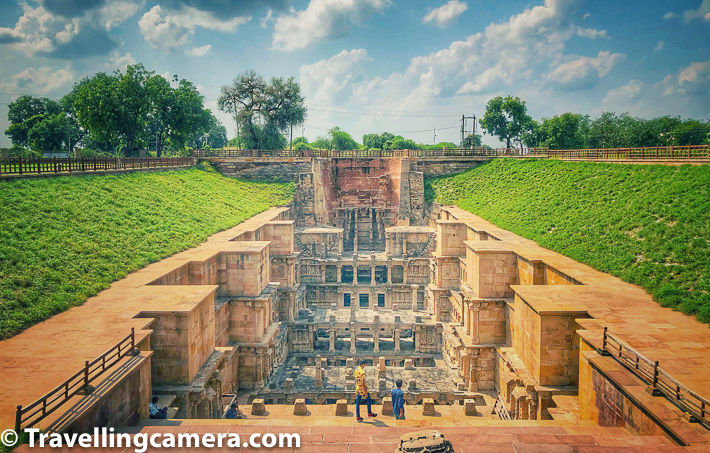
Rani-ki-Vav: When a Stepwell Becomes an Underground Temple
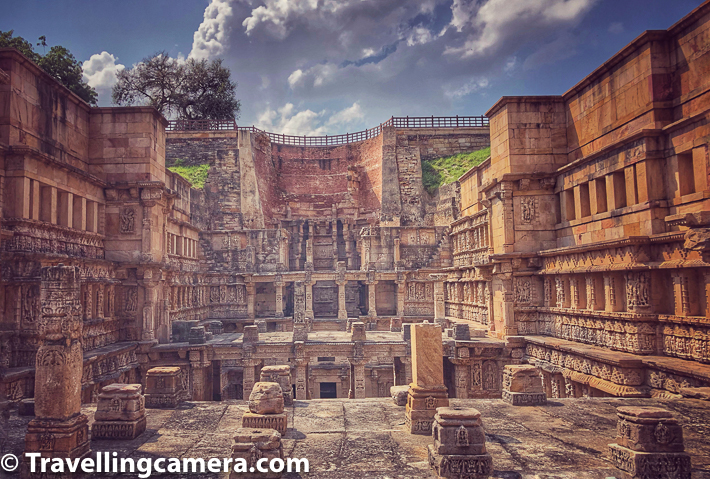
Rani-ki-Vav at Patan is one of Gujarat's most extraordinary architectural experiences.
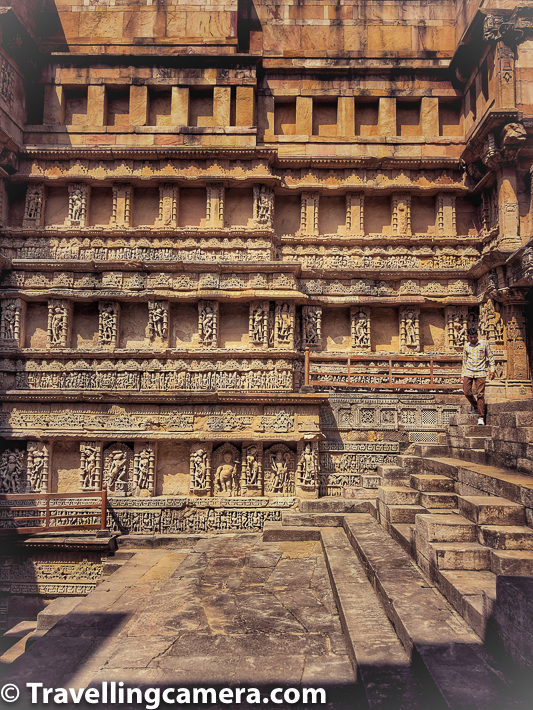
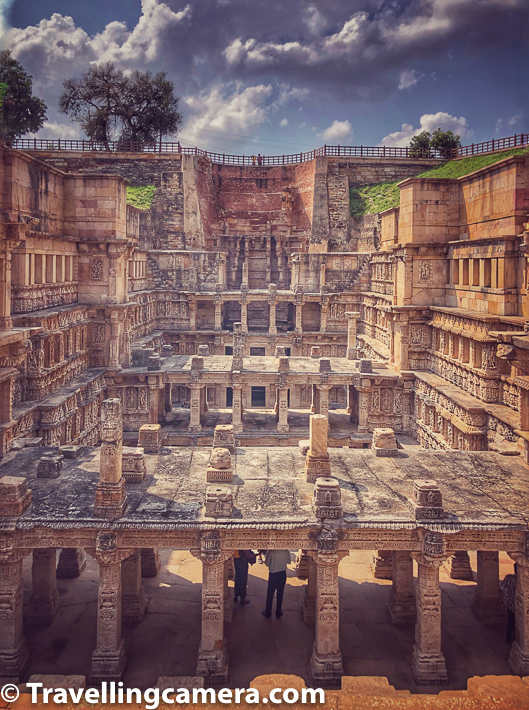
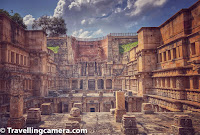
Built in the 11th century, it was conceived as both a functional water structure and a memorial, with seven levels of stairs and an extraordinary sculptural programme. UNESCO describes it as an inverted temple dedicated to the sanctity of water.
The mistake many visitors make is to photograph it only from the top.
Go down.
Look across the levels.
Use the repeating pillars and sculptures to create depth.
Try vertical compositions.
And then stop taking photographs for a moment.
The architecture becomes more impressive the deeper you descend.
For photography, early morning is generally preferable because softer light makes the sculptural details easier to handle.

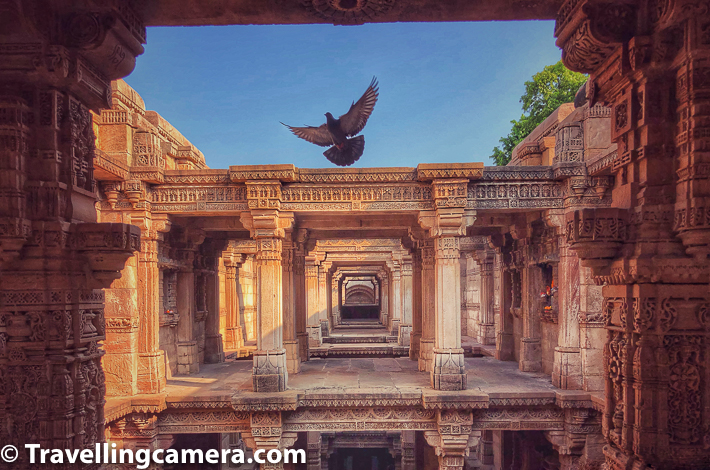
Adalaj ni Vav: A Smaller Stepwell With a Different Personality
Closer to Ahmedabad, Adalaj Stepwell offers another opportunity to understand Gujarat's relationship with water.
It is less monumental than Rani-ki-Vav but incredibly atmospheric.
The deeper levels are cooler and darker, creating a natural transition from the bright exterior to shadow-filled architectural spaces.
This is an excellent place to experiment with:
symmetry
leading lines
repeating columns
silhouettes
light-and-shadow compositions
A wide-angle lens can capture the geometry, but a standard lens often produces more intimate architectural photographs.

Champaner-Pavagadh: History Hidden in the Landscape
Champaner-Pavagadh is one of those destinations where the landscape is as important as the ruins.
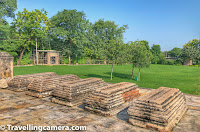
The UNESCO-listed archaeological park contains remains associated with prehistoric, Hindu and Islamic phases of occupation. Champaner became the capital of Sultan Mahmud Begada in the 15th century before being abandoned as a capital in the 16th century.
Much of the former city remains unexcavated.
That detail changes how you experience the place.
You are not walking through a perfectly reconstructed historical city.
You are walking through fragments.
Walls.
Mosques.
Water structures.
Roads.
Ruins disappearing into vegetation.
Pavagadh Hill itself rises dramatically from the plains, while the Kalika Mata temple remains an important living pilgrimage site.
This combination of archaeology and living religion makes Champaner especially interesting for documentary photography.

Gir: Looking for Lions, Finding a Landscape
Gir is famous for one reason: the Asiatic lion.
But a safari here shouldn't be reduced to a search for a trophy photograph.
The dry deciduous landscape itself is beautiful.
Watch the light.
Listen to the alarm calls.
Look at the tracks.
Observe how your driver reads the forest.
Wildlife photography teaches patience in a way that architecture never can.
You may spend hours seeing very little and then encounter an animal for only a few seconds.
Use a longer lens when possible, but don't obsess over filling the frame.
A lion surrounded by its landscape can tell a more powerful story than a tight headshot.
And remember: wildlife sightings are never guaranteed.
The forest is not a zoo.
That uncertainty is part of the experience.

Dwarka and the Western Coast
Gujarat's western edge has a completely different atmosphere.
Dwarka is one of India's major pilgrimage destinations and is deeply associated with Krishna traditions.
The town becomes especially interesting around dawn and dusk, when pilgrims, priests, shopkeepers and local residents create layers of movement around the temple precincts.
For photography, avoid treating religious spaces simply as architectural subjects.
Observe rituals.
Hands.
Offerings.
Flowers.
Bell ropes.
Wet stone.
Incense smoke.
These small details often tell the story better than a wide photograph of the temple.
Further south, Somnath combines pilgrimage with a dramatic coastal setting.
The Arabian Sea provides a very different visual language from the Rann.
Here, movement becomes important.
Waves.
People.
Flags.
Clouds.
Temple silhouettes.

Hidden Gems to Add to Your Gujarat Trip
The best Gujarat itinerary doesn't need to follow only the famous attractions.
Consider adding some of these less obvious experiences.
Polo Forest
Polo Forest in northern Gujarat is particularly attractive to travellers interested in nature, old temples, birds and forest landscapes. It is a very different Gujarat from the dry expanses of Kutch.
Go early.
The morning atmosphere is often more rewarding than the middle of the day.
Dholavira
If you have enough time, don't treat Dholavira as a quick detour.
Its isolation is part of its appeal.
The ruins make more sense when you understand the environment around them.
Modhera Sun Temple
The Sun Temple near Modhera is a superb architectural and photography stop, particularly when the angle of sunlight emphasises the geometry of the carved surfaces.
Sidhpur
Sidhpur can be fascinating for travellers interested in old residential architecture and cultural history.
Its distinctive mansions and streets offer a more intimate photographic experience than major monuments.
Adi Kadi Vav
Located near Junagadh, this unusual stepwell is cut directly into rock. It is far less elaborate than Rani-ki-Vav but interesting precisely because of its starkness.

Best Photography Spots in Gujarat
For a photography-focused Gujarat Trip, I would divide the state into several visual themes.
| Location | Best Subject | Ideal Time |
|---|---|---|
| Great Rann of Kutch | Minimal landscapes | Sunrise / sunset |
| Kutch villages | People and textiles | Morning / late afternoon |
| Ahmedabad pols | Architecture and street life | Early morning |
| Rani-ki-Vav | Sculpture and geometry | Morning |
| Adalaj Stepwell | Symmetry and shadows | Morning |
| Champaner | Ruins and landscape | Early morning / late afternoon |
| Gir | Wildlife | Safari hours |
| Dwarka | Pilgrimage and coast | Dawn / dusk |
| Somnath | Temple and sea | Evening |
| Modhera | Architecture | Morning / late afternoon |
| Polo Forest | Nature and birds | Early morning |
Photography Tips for Gujarat
Gujarat can be challenging photographically.
The light can be extremely harsh.
Dust can reduce contrast.
The landscape can be visually minimal.
That is exactly what makes it interesting.
Carry a polarising filter
A polariser can be useful for reducing reflections and controlling glare, particularly around architectural surfaces and landscapes.
Don't underestimate negative space
The Rann is perfect for minimalist compositions.
Place a person near the edge of the frame and allow the landscape to dominate.
Photograph colour against muted backgrounds
Kutch textiles can become extraordinarily vivid against dusty roads, mud walls and pale landscapes.
Use shadows deliberately
Stepwells and old city architecture offer natural graphic patterns.
Carry two lenses if possible
A versatile combination would be:
24–70mm or equivalent for general travel
70–200mm or equivalent for wildlife and compressed landscapes
A small prime lens can also be excellent for portraits and low-light street scenes.
Protect your equipment
Salt, dust and sand are not friendly to cameras.
Carry:
microfiber cloths
blower
lens cleaning solution
spare batteries
memory cards
camera rain/dust protection
a sealed bag for particularly dusty environments

Gujarati Food: The Journey Is as Much About Eating as Seeing
A Gujarat Trip without food would be incomplete.
Gujarati food is often described simply as sweet, but that explanation is too simplistic.
A traditional meal balances sweet, sour, salty, spicy and savoury flavours in ways that can be surprisingly complex.
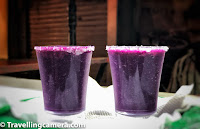
The Gujarati Tourism culinary guide includes dishes such as khandvi, handavo, khaman, khichu, dabeli, fafda, khakhra, ganthiya, patra, undhiyu, thepla and several varieties of rotla.
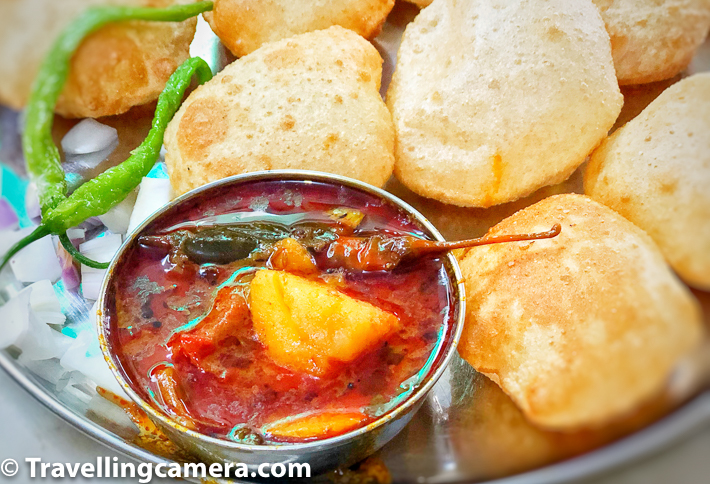
Start with breakfast
Try fafda with jalebi, particularly if you enjoy the contrast between crisp savoury gram-flour preparation and syrupy sweetness.
Fafda is especially associated with festive eating and is traditionally served with accompaniments including fried chillies, papaya sambaro and besan chutney.
Eat a Gujarati thali slowly
Don't rush through it.
Ask what each small bowl contains.
The variety is part of the experience.

Look for seasonal food
Undhiyu is particularly interesting.
Traditionally cooked in an earthen pot called a matla, the vegetables and muthia are layered and slow-cooked, producing a distinctive smoky flavour.
Seasonality matters.
That is one reason food experiences can differ significantly depending on when you visit.

Conversations That Make Gujarat Memorable
Some of the strongest memories from Gujarat are not associated with monuments.
They are associated with people.
A shopkeeper explaining why a particular embroidery pattern is different from one made in another village.
A tea seller who remembers your order after one visit.
A safari driver quietly interpreting sounds in the forest.
An elderly resident explaining an old Ahmedabad house.
A craftsman showing you how long a piece of textile actually takes to make.
These interactions are worth more than collecting dozens of photographs.
And there is a simple rule:
Ask before photographing people.
Especially in craft villages and religious spaces.
Sometimes the best approach is to photograph the hands doing the work rather than immediately making a portrait.
It is respectful and often visually stronger.
Best Time to Visit Gujarat
For most travellers, October to March is the most comfortable period for a Gujarat Trip.
Winter is particularly attractive for Kutch and outdoor sightseeing.
| Season | What to Expect |
|---|---|
| October–November | Pleasant travel weather, landscapes becoming greener after monsoon |
| December–February | Excellent for Kutch, heritage and wildlife |
| March | Increasingly warm but still useful for some itineraries |
| April–June | Very hot; plan early mornings and evenings |
| July–September | Monsoon transforms parts of Gujarat but some outdoor plans become weather-dependent |
Winter is also the season when the Rann becomes a major attraction, and Gujarat Tourism promotes the Rann Utsav period around Kutch.
For photographers, however, don't assume the busiest season automatically means the best photographs.
Sometimes the shoulder season gives you better light, fewer people and more relaxed interactions.
How to Reach Gujarat
By air
Ahmedabad is the most practical international and domestic gateway for many travellers.
Rajkot, Vadodara, Bhuj and other airports can also be useful depending on your itinerary.
By train
Gujarat is well connected by India's railway network.
Ahmedabad, Vadodara, Surat, Rajkot and Bhuj are useful rail gateways.
By road
Road travel is one of the best ways to experience Gujarat.
Distances can look deceptively manageable on a map.
When planning a photography trip, don't calculate only driving time.
Allow time to stop.
A roadside village, an old shrine, an unusual tree or a colourful market may become the photograph you remember most.

Where to Stay During a Gujarat Trip
Accommodation should depend on your route rather than forcing the entire trip around one city.
Ahmedabad
Choose the old city if heritage and photography are priorities, or a modern neighbourhood if comfort and connectivity matter more.
Kutch
Consider staying around Bhuj for flexibility, or in the Dhordo/Hodka region if the Rann is the main purpose of your visit.
Village-style accommodation can offer a more intimate cultural experience.
Gir
Stay near the forest gates if wildlife is your priority.
Reducing unnecessary early-morning driving can make a significant difference to a safari day.
Dwarka and Somnath
There is a broad range of accommodation, from basic pilgrim-oriented stays to more comfortable hotels.
Book ahead during major festivals and pilgrimage periods.
Gujarat Trip Budget: How Much Should You Plan?
Gujarat can be travelled on very different budgets.
| Travel Style | Approximate Daily Approach |
|---|---|
| Budget | Simple accommodation, local meals, public transport |
| Mid-range | Comfortable hotels, private transfers for selected routes |
| Premium | Heritage stays, private vehicle, curated experiences |
The biggest variable is transportation.
If you want to photograph extensively, a private vehicle can be worthwhile because you control the stops.
For backpackers, trains and buses can reduce costs considerably.
Food is one area where you don't need to spend much to eat well.
Local restaurants and snack shops often provide some of the most memorable meals.
A Practical 10-Day Gujarat Itinerary
Day 1: Ahmedabad
Explore the historic city.
Walk through the pols.
Photograph old wooden architecture in the morning.
Day 2: Ahmedabad – Adalaj – Modhera – Patan
Visit Adalaj Stepwell.
Continue towards Modhera.
End at Rani-ki-Vav in Patan.
Day 3: Patan – Little Rann / Bhuj
Depending on your route, travel towards Kutch.
Keep the day flexible.
Day 4: Bhuj and Kutch Villages
Explore craft communities and local markets.
Spend time photographing textiles and everyday life.
Day 5: Great Rann of Kutch
Visit the White Rann.
Photograph sunset, but don't rush away afterwards.
Day 6: Kutch – Dholavira
Dedicate time to the Harappan archaeological site.
Stay overnight where practical.
Day 7: Dholavira – Gir
Long travel day.
Break the journey if necessary.
Day 8: Gir National Park
Take a safari.
Keep expectations realistic.
The forest is the experience, not simply the lion sighting.
Day 9: Somnath – Dwarka
Follow the coast and visit the major pilgrimage sites depending on available time.
Day 10: Dwarka and Departure
Spend the morning around Dwarka before continuing to your onward destination.
A better alternative for slower travel
If you have 12–14 days, don't simply add more attractions.
Add more time in Kutch.
Add another day in Ahmedabad.
Spend an additional night around Gir.
Travel becomes much richer when you stop measuring it by the number of places visited.

Responsible Travel in Gujarat
Gujarat's attractions include fragile ecosystems, archaeological sites, religious spaces and living communities.
A few simple habits make a difference.
Don't remove salt, stones, archaeological fragments or other natural material.
Follow wildlife safari rules.
Never pressure local people into photographs.
Ask before entering private homes or workshops.
Buy crafts directly from artisans where possible.
Avoid excessive bargaining when buying handmade products.
Carry reusable water bottles where practical.
Avoid single-use plastic in rural areas.
Dress respectfully around temples and religious sites.
Don't disturb wildlife for photographs.
Stay on designated paths around archaeological sites.
The most responsible photograph is often the one taken without disturbing the scene.

Common Mistakes to Avoid on a Trip to Gujarat
Trying to cover the entire state in one week
Gujarat is much larger than it appears on a typical itinerary.
Treating Kutch as only the Rann
The salt desert is spectacular, but Kutch's communities, crafts and landscapes are equally important.
Visiting monuments in harsh midday light
For photography, early morning and late afternoon are generally much more rewarding.
Expecting a guaranteed lion sighting
Gir is a wild forest.
Ignoring local food
Some of Gujarat's strongest travel memories happen at breakfast tables and small snack shops.
Photographing people without asking
A camera can create distance.
Conversation often removes it.
Booking only major-city hotels
In some parts of Gujarat, staying closer to the landscape or local community can make the journey considerably more immersive.
Planning every hour
Leave room for unexpected stops.
Gujarat is particularly rewarding when you do.

FAQs About a Trip to Gujarat
How many days are enough for a Gujarat Trip?
10 days is a good starting point for a first trip covering Ahmedabad, Patan, Kutch and Gir. Ideally, allow 12–14 days if you want to travel more slowly.
What is the best time for a Trip to Gujarat?
For most travellers, October to March offers the most comfortable combination of weather, sightseeing and outdoor activities. Winter is particularly good for Kutch.
Is Gujarat good for photography?
Absolutely. Gujarat offers architecture, wildlife, deserts, crafts, portraits, street scenes, temples, coastlines and minimalist landscapes.
Which places should I include in a Gujarat itinerary?
For a first visit, consider Ahmedabad, Adalaj, Modhera, Patan, Kutch, the Great Rann, Dholavira and Gir. Add Dwarka and Somnath if you have more time.
Is Gujarat expensive for tourists?
It doesn't have to be. Local food and public transportation can be quite affordable. Private vehicles, premium hotels and organised wildlife experiences increase the budget.
What food should I try in Gujarat?
Try Gujarati thali, fafda-jalebi, khaman, khandvi, thepla, khichu, dabeli, ganthiya and seasonal dishes such as undhiyu.
Is Gujarat suitable for a family trip?
Yes. The state offers wildlife, heritage, temples, museums, landscapes and food experiences suitable for different age groups. However, long road journeys should be planned carefully.
Is Kutch worth visiting beyond the Rann?
Definitely. The region's embroidery, textile traditions, villages, crafts, landscapes and archaeological heritage are some of its most compelling experiences.
Can I photograph people in Gujarat?
You can, but always ask permission when making identifiable portraits, especially in villages, homes, workshops and religious settings.
What makes Gujarat different from Rajasthan?
Both offer desert landscapes, heritage and colourful culture, but Gujarat has a distinctly different visual and cultural character shaped by its coastline, Jain and mercantile traditions, Harappan history, Kutch communities and western Indian architecture.

Final Thoughts: Leave Some Space in Your Gujarat Itinerary
A great Gujarat journey isn't necessarily the one with the longest checklist.
It is the one where you remember details.
The sound of a bicycle bell disappearing into an Ahmedabad lane.
The cool air inside a stepwell after standing under the Gujarat sun.
The strange sensation of walking across a landscape where white salt seems to continue forever.
A lion appearing briefly through dry vegetation.
The smell of food cooking in a village kitchen.
A conversation with a craftsman.
A colourful textile hanging against a mud wall.
These are the moments that transform a destination into a story.
Gujarat has an extraordinary ability to make contrasts feel natural.
Ancient and modern.
Sacred and everyday.
Desert and sea.
Wildlife and industry.
Silence and crowded streets.
Stone monuments and living traditions.
For a photographer, that contrast is irresistible.
And for a traveller, it is the reason to return.
If you are planning your first Trip to Gujarat, don't simply ask, "What are the best places to visit?"
Ask a better question:
What do I want to notice?
Because Gujarat rewards attention.
Look closely, travel slowly, talk to people, eat locally, wake up early—and let the road between destinations become part of the journey.
Related Blogposts:

Exploring India: The Ultimate Travel Guide to Experiencing the Soul of a Timeless Civilization










.jpg)
Comments