
Introduction: Rajwada Palace – Where Indore's Royal Past Meets Its Bustling Present
Among the many heritage sites of Indore, Rajwada Palace occupies a special place. Standing proudly in the middle of the old city, surrounded by busy markets, traditional shops, street vendors and the constant movement of people, this historic palace offers a fascinating glimpse into the royal history of the Holkar dynasty.
Yet, in the middle of all this activity, Rajwada stands as a reminder of a very different era.
Built in the eighteenth century by Malhar Rao Holkar, the founder of the Holkar dynasty, the palace has witnessed the rise of Indore as an important political and commercial centre. It has experienced royal celebrations, changing rulers, devastating fires, political upheavals and painstaking restoration.
Its seven-storey façade is particularly striking. The lower stone structure and upper wooden floors create a distinctive architectural profile that combines Maratha traditions with Mughal and European influences.
For anyone interested in history, architecture, photography or the cultural identity of central India, Rajwada is much more than another tourist attraction. It is an important starting point for understanding the evolution of Indore.
And if you are exploring the heritage sites of Madhya Pradesh, this palace deserves a place on your itinerary.

Why Visit Rajwada Palace in Indore?
Rajwada Palace is worth visiting because it brings together several aspects of Indore's history and contemporary culture in one location.
Here are some reasons to include it in your Indore travel itinerary:
Holkar history: Discover the legacy of the Maratha Holkar dynasty, which played a significant role in shaping Indore.
Distinctive architecture: Observe a fascinating combination of Maratha, Mughal and European architectural influences.
Historical interiors: Explore the palace courtyard, traditional galleries, architectural details and spaces associated with royal functions, subject to visitor access.
Photography opportunities: Capture its imposing façade, wooden entrance, balconies, decorative elements and the contrast between historic architecture and modern city life.
Cultural surroundings: Explore Khajuri Bazaar, nearby traditional markets and the famous food destinations of old Indore.
Convenient location: Combine the visit with Krishnapura Chhatris, Sarafa Bazaar and other historical landmarks.
What makes Rajwada particularly interesting is that it allows visitors to experience history without disconnecting from the city around it.
You do not simply visit a palace. You experience a part of Indore's urban history.

Historical Significance of Rajwada Palace: The Story of the Holkars
The foundation of the Holkar dynasty
The story of Rajwada begins with Malhar Rao Holkar, one of the prominent Maratha military leaders of the eighteenth century.
Born in 1693, Malhar Rao rose through the ranks of the Maratha administration and military establishment. His association with the Maratha Peshwas eventually brought him control over territories in the Malwa region.
Indore gradually developed into an important centre under his leadership.
Construction of Rajwada Palace began in 1747, and the building became the royal residence of the Holkar rulers. It was not merely a private residence. The palace represented political authority, royal administration and the growing importance of Indore.
The Holkars were among the influential ruling families of the Maratha confederacy, and their legacy continues to be visible across Madhya Pradesh.
The connection with Ahilyabai Holkar
No discussion of Holkar history is complete without mentioning Ahilyabai Holkar.
Ahilyabai ruled the Holkar kingdom from 1767 to 1795 and is remembered for her administrative abilities, public welfare initiatives and patronage of temples and pilgrimage centres across India.
Although Rajwada is closely associated with the Holkar royal family, Ahilyabai's legacy extends far beyond the palace.
She supported the construction and restoration of temples, ghats, wells and public infrastructure in several parts of the country. Her contributions are remembered in places such as Varanasi, Somnath, Ujjain, Nashik and Maheshwar.
The statue of Ahilyabai in the garden facing Rajwada provides a visual connection between the palace and one of the most respected personalities in Indian history.
For travellers exploring Indore, this is also a reminder that the city's heritage is not limited to buildings. It is deeply connected with the people who shaped the region's political, cultural and social identity.
Fires, destruction and rebuilding
Rajwada's history has not been peaceful.
The palace experienced several fires during its existence. Historical accounts mention major fire incidents in 1801, 1837 and 1984, although the extent of damage varied.
The fire of 1984 was particularly devastating, destroying a significant portion of the palace.
For a building with substantial wooden construction, fire was always a serious threat. The upper floors, wooden structural components and decorative elements were especially vulnerable.
Following the destruction, the palace underwent restoration to bring back its historic appearance.
A major restoration initiative was undertaken in the 2000s, with efforts to retain traditional materials, construction methods and architectural details. The restoration was intended to preserve the building's original character rather than turn it into an entirely new structure.
This aspect makes Rajwada particularly interesting from a heritage conservation perspective.
What visitors see today is not simply an eighteenth-century palace that survived unchanged. It is also the result of several generations of rebuilding, conservation and efforts to protect an important symbol of Indore.

Understanding the Architecture of Rajwada Palace
One of the most fascinating aspects of Rajwada is its architecture. The palace does not follow a single architectural vocabulary. Instead, it brings together different influences that reflect the political and cultural environment in which the Holkars operated.
1. The seven-storey structure
The first thing that catches attention is the palace's seven-storey elevation.
The building has a rectangular layout with cylindrical bastions at its four corners. Its lower three floors are constructed primarily of stone, while the upper floors traditionally feature wooden construction.
This combination is visually distinctive and also reflects practical considerations of construction during that period.
The stone base gives the building a fortress-like appearance, while the wooden upper levels introduce a lighter, more residential character.
Look carefully at the façade and you will notice how balconies, windows, projecting sections and decorative details create a rhythm across the elevation.
2. The massive wooden entrance
The entrance is among the most memorable architectural elements of Rajwada.
A large wooden gateway, reinforced with iron studs, creates an impressive transition between the busy streets of Indore and the palace courtyard.
Historically, such entrances served practical as well as symbolic purposes. They provided security while communicating the authority and status of the royal establishment.
For photographers, the gateway is an interesting subject in itself. Its texture, scale and contrast with the surrounding stonework offer opportunities for architectural detail shots.
3. The Ganesh Hall
The Ganesh Hall is one of the important spaces within the palace complex.
The hall, characterised by Maratha-style arches and decorative architectural elements, was associated with religious ceremonies and royal functions.
It reflects the close relationship between royal life, religious traditions and public celebrations during the Holkar period.
Today, the hall also serves as a cultural space for exhibitions and other activities when such events are organised.
4. Courtyards, balconies and galleries
The palace courtyard offers a different perspective from the imposing exterior.
Look towards the balconies, windows and corridors connecting the internal spaces. These architectural features provide a sense of how the royal residence functioned.
The arrangement also allows interesting visual compositions, particularly when photographed from different levels and angles.
One detail worth observing is the contrast between the heavy stone construction below and the lighter wooden elements above. This is an important characteristic of Rajwada's architectural identity.
5. Maratha, Mughal and European influences
Rajwada is frequently described as a combination of Maratha, Mughal and French architectural styles.
The Maratha influence is particularly evident in the traditional courtyard arrangement, balconies and overall palace configuration.
Mughal-inspired elements can be observed in the decorative treatment of arches and openings, while European influences are associated with certain interior and formal architectural details.
Rather than trying to assign every feature to one particular style, it is more rewarding to appreciate the palace as an expression of the diverse cultural influences that shaped eighteenth- and nineteenth-century Indore.

Personal Experience: Discovering Rajwada in the Middle of Old Indore
The most interesting way to approach Rajwada is not to think of it as an isolated monument.
It is part of a living neighbourhood.
As you approach the palace through the old city, the surroundings become increasingly interesting. Shops, traditional businesses, narrow lanes, pedestrians and vehicles create the familiar atmosphere of a busy central Indian marketplace.
Then the palace appears.
The difference in scale is immediate. The seven-storey structure rises above the surrounding urban landscape, making it difficult to ignore even when the streets around it are crowded.
A particularly interesting experience is to stand across the road and observe the relationship between the palace and the market.
There are two different Indores visible in the same frame: the royal city of the Holkars and the commercial city that has evolved around it.
This contrast is perhaps Rajwada's strongest photographic and cultural attraction.
Inside the complex, the experience changes. The busy sounds of the marketplace gradually give way to the more enclosed atmosphere of the courtyard and palace interiors.
For travellers interested in architecture, it is worth spending time observing small details rather than simply walking through the complex.
Look at the wooden elements, the proportions of the openings, the arrangement of the galleries and the way natural light enters the courtyard.
Rajwada rewards curiosity.

Exploring the Surroundings of Rajwada: More Than Just a Palace
One of the advantages of visiting Rajwada is that several interesting places are located within walking distance.
These attractions help create a more complete understanding of Indore's heritage.
1. Rajwada Garden and the Statue of Ahilyabai Holkar
The garden facing the palace offers a pleasant foreground to the monumental structure.
The statue of Ahilyabai Holkar is an important visual element here. It also provides an opportunity to connect the architecture with the personality whose legacy remains central to the history of the Holkars.
The garden's fountains and landscaped surroundings create a contrast with the busy streets beyond.
For photography, this is one of the most convenient places to capture the entire palace façade.
2. Krishnapura Chhatris
Krishnapura Chhatris are among the most interesting heritage sites of Indore and are an easy addition to a Rajwada visit.
Located near the Khan River, these memorial structures are associated with members of the Holkar royal family, including Maharani Krishna Bai, Tukoji Rao and Shivaji Rao.
Their architectural character is different from Rajwada.
The chhatris feature domes, columns and decorative stonework, reflecting the memorial architecture associated with royal traditions.
The riverside setting gives them an entirely different photographic atmosphere.
If you enjoy architectural photography, do not restrict your exploration to the palace. The chhatris offer excellent opportunities for capturing symmetry, columns, domes and reflections.
3. Sarafa Bazaar
Sarafa Bazaar is located close to Rajwada and is one of Indore's most recognisable food destinations.
During the day, the area is known for its jewellery trade. After the shops close, the neighbourhood transforms into a popular street-food destination.
This transition is one of the most fascinating aspects of Indore's urban culture.
The same streets that are associated with traditional jewellery businesses during the day become gathering places for food lovers at night.
It is an excellent place to experience Indore beyond its historical monuments.
4. Kanch Mandir
Kanch Mandir is another fascinating heritage attraction in the old city.
Built by the prominent Jain businessman Seth Hukumchand Jain in the early twentieth century, the temple is known for its elaborate use of glass and mirrors.
Its interiors feature intricate glasswork, reflective surfaces and religious artwork.
The experience is completely different from Rajwada. Instead of stone, wood and palace architecture, visitors encounter a carefully designed interior in which light and reflection become the central attractions.
Photography inside religious premises should always follow the temple's current rules.
5. Gandhi Hall
Gandhi Hall represents a different phase of Indore's architectural history.
Originally constructed as King Edward Hall in 1904, it was later renamed Mahatma Gandhi Hall.
Its Indo-Gothic architectural character, clock tower and decorative elements reflect the colonial-era civic architecture of the city.
Together, Rajwada, Krishnapura Chhatris and Gandhi Hall provide a fascinating overview of different architectural periods in Indore.

Hidden Gems and Lesser-Known Insights About Rajwada Palace
Most visitors concentrate on the seven-storey façade. However, there are several lesser-known aspects worth understanding.
Rajwada is not just a palace building
The word Rajwada itself is associated with a royal residence or palace complex.
Rajwada represents the political and cultural establishment of the Holkars, rather than simply a grand residential building.
Understanding this distinction makes the visit more meaningful.
The palace has been rebuilt more than once
Many travellers assume that everything visible today is original eighteenth-century construction.
That is not entirely accurate.
The building has undergone significant repairs and reconstruction following repeated fires and deterioration.
The restoration work is particularly interesting because traditional materials and techniques were considered important in retaining its historic character.
Its appearance changes depending on the direction
Rajwada is an interesting building to photograph from different sides.
The front elevation presents a recognisable palace façade, while the internal courtyard reveals a different architectural experience.
Rather than taking just one photograph from directly opposite the entrance, walk around the accessible exterior and explore different perspectives.
Its surroundings are part of the heritage experience
The old markets around Rajwada are not merely commercial areas.
They represent the continuity of Indore's traditional trading culture.
Textile shops, jewellery businesses, food vendors and old commercial establishments provide a living context to the palace.
In many ways, this neighbourhood is as interesting as the monument itself.

Best Photography Spots at Rajwada Palace
For photographers, Rajwada is an interesting subject because it offers architectural photography, cultural documentation and street photography in a relatively compact area.
Here are some locations and compositions worth exploring.
Photography location | What to capture | Recommended time |
|---|---|---|
Across the main entrance | Complete palace façade | Early morning |
Palace garden | Palace with greenery and Ahilyabai statue | Morning |
Main wooden gateway | Textures, iron studs and architectural details | Morning or afternoon |
Internal courtyard | Symmetry, galleries and balconies | During visiting hours |
Accessible side angles | Architectural layers and vertical perspective | Morning |
Surrounding market streets | Palace and everyday Indore life | Late afternoon |
Illuminated exterior | Night architecture and urban atmosphere | After sunset |
1. The main façade
The most recognisable photograph of Rajwada is the front elevation.
Try capturing the complete seven-storey structure rather than concentrating only on the central portion.
A wide-angle lens can be useful, although it is important to avoid excessive distortion.
If possible, position yourself at a distance that allows the entire structure to fit comfortably into the frame.
2. The wooden entrance
Architectural details often tell more interesting stories than wide photographs.
The massive entrance provides an opportunity to capture wood grain, iron studs, weathered surfaces and the scale of traditional construction.
A 50mm or 85mm lens can work particularly well for detail photography.
3. Courtyard compositions
The courtyard is an excellent location for symmetrical compositions.
Look for repeating arches, galleries and balconies.
If sunlight enters from above, observe how the shadows change across the walls and floor.
These changing light patterns can create interesting architectural photographs.
4. Street photography around Rajwada
Some of the most interesting photographs may not involve the palace directly.
Capture the everyday life around it.
A shopkeeper opening his shutters, a customer bargaining over textiles, a cycle passing through a narrow lane or a food vendor preparing snacks can all contribute to a visual story of old Indore.
However, be respectful when photographing people, especially when making close-up portraits.
5. Night photography
The illuminated palace presents an entirely different photographic opportunity.
The warm architectural lighting against a darker sky can create a dramatic image.
Try experimenting with different exposures and compositions rather than relying entirely on automatic night mode.

Photography Tips for Visiting Rajwada Palace
A little preparation can significantly improve your photography experience.
Camera equipment worth carrying:
Wide-angle lens for the complete palace structure.
Standard zoom lens for everyday architectural compositions.
Prime lens for details and street photography.
Polarising filter, if needed, for managing reflections and contrast.
Small tripod, only if permitted and practical.
Practical photography suggestions:
Visit early in the morning if you want relatively fewer people in your architectural frames.
Use vertical compositions to emphasise the height of the seven-storey structure.
Avoid placing the palace exactly in the centre of every photograph. Experiment with foreground elements from the surrounding streets.
Look for geometric patterns in the balconies, arches and windows.
Use people in the foreground to communicate the scale of the palace.
Photograph the building from different distances to create a visual sequence.
Avoid photographing interiors where photography restrictions apply.
One interesting photographic approach is to create a small visual essay titled Rajwada: The Royal Past of Indore. Include the façade, entrance, courtyard, architectural details, nearby markets, street vendors and the palace at night.
Such a sequence tells a more complete story than a collection of disconnected monument photographs.

Local Food Experiences Around Rajwada Palace
A visit to Rajwada is incomplete without exploring Indore's food culture.
The old city is particularly interesting because food is closely connected with its commercial and social life. People gather around familiar food stalls, families visit traditional eateries, and certain market areas become food destinations after sunset.
1. Sarafa Bazaar: Indore's famous night food market
Sarafa Bazaar is perhaps the most famous food destination near Rajwada.
During the daytime, it operates as a jewellery market. As evening approaches and jewellery shops close, food stalls begin setting up.
The transformation is fascinating.
Some local favourites to explore include:
Bhutte Ka Kees: Grated corn cooked with milk, spices and traditional seasonings.
Garadu: A popular winter street-food preparation made using fried yam, typically served with tangy spices.
Dahi Bada: Soft lentil dumplings served with yoghurt and chutneys.
Poha and Jalebi: A popular Indore breakfast combination.
Malpua: A traditional sweet preparation enjoyed by people with a preference for rich Indian desserts.
Shikanji: Indore's distinctive spiced milk-based drink, quite different from the familiar lemon-based shikanji.
Sarafa is especially interesting for food photography. The illuminated stalls, cooking activity, steam rising from hot pans and interaction between vendors and customers create excellent opportunities.
2. Chappan Dukan
Another famous food destination is Chappan Dukan.
The name literally means 56 shops, referring to the original collection of food shops in the area.
Today, it is a popular food street where visitors can explore a wide range of snacks, sweets, chaats and local specialities.
Although Chappan Dukan is not immediately next to Rajwada, it can easily be included in a broader Indore food exploration itinerary.
3. Traditional Indore breakfast
If you are staying overnight in Indore, try beginning your day with poha and jalebi.
Poha in Indore is usually prepared with a distinctive combination of spices and garnishes, often including sev, onions, coriander and lemon.
It is a simple but satisfying way to experience the city's everyday food culture.

Local Conversations and Human Stories Around Rajwada
One of the most rewarding aspects of exploring historical neighbourhoods is observing how people interact with their surroundings.
Rajwada offers plenty of opportunities for this.
The palace may have been associated with royal families, but the neighbourhood around it belongs to generations of traders, shopkeepers, artisans and residents.
Spend some time observing the commercial activity around Khajuri Bazaar.
Traditional businesses continue to operate alongside newer shops. Some establishments have served generations of customers, while others reflect the changing preferences of younger shoppers.
For a traveller, even a short conversation with a shopkeeper can reveal interesting aspects of the neighbourhood.
You could ask about how the market has changed, whether their family has operated the business for generations, or how the palace has influenced the identity of the area.
For photographers, these conversations are particularly valuable.
Instead of photographing people from a distance, seek permission and explain why you are interested in documenting their work or surroundings.
A portrait of a shopkeeper standing outside an old establishment, with Rajwada visible somewhere in the background, could tell an interesting story about the continuity of Indore's commercial culture.
There is also an important distinction between photographing a monument and documenting a neighbourhood. The latter requires patience, curiosity and respect for the people who live and work there.
Best Time to Visit Rajwada Palace, Indore
The best time to explore Rajwada depends on whether your priority is photography, architecture, sightseeing or experiencing the surrounding markets.
Best season
October to March is generally the most comfortable period for exploring Indore.
Season | Weather and experience | Recommendation |
|---|---|---|
October–November | Pleasant weather and festive atmosphere | Excellent |
December–February | Cooler temperatures and comfortable sightseeing | Best overall |
March | Increasing temperatures | Good for morning visits |
April–June | Hot summer conditions | Visit early morning |
July–September | Monsoon showers and humid conditions | Interesting for atmospheric photography |
Winter is particularly enjoyable because you can combine heritage sightseeing with outdoor food exploration without dealing with excessive heat.
Best time of day
Early morning (8 AM–10 AM): A good period for exterior photography and exploring the surrounding streets before the markets become busier.
Late morning to afternoon: Suitable for exploring the palace interiors during official visiting hours.
Late afternoon: Useful for photographing the surrounding neighbourhood and observing market activity.
After sunset: A good time to experience the illuminated palace and continue towards Sarafa Bazaar.
Avoiding crowds
Rajwada is located in a busy commercial area, so crowds are part of the experience.
If you want relatively clean architectural photographs, visit early in the morning.
Weekends and festive periods can be particularly busy.
Diwali and other major celebrations bring a different atmosphere to the old city, although they also create additional crowds and traffic.
One important point: check the palace's current opening hours and entry arrangements before travelling. Interior access, museum operations and special programmes can have different schedules.

How to Reach Rajwada Palace in Indore
Rajwada is situated in the Khajuri Bazaar area of central Indore.
Its location makes it relatively easy to reach from different parts of the city.
By air
Devi Ahilya Bai Holkar Airport is the main airport serving Indore.
The palace is approximately 7–10 km from the airport, depending on the route.
You can hire a taxi or use an app-based cab service. Travel time depends considerably on traffic conditions.
By train
Indore Junction is the main railway station.
Rajwada is approximately 3–4 km from the station, making it convenient to reach by an auto-rickshaw or taxi.
By road
Indore is well connected to several major cities in Madhya Pradesh and neighbouring states.
Regular bus and private transport services connect it with destinations such as Ujjain, Bhopal, Dewas and Omkareshwar.
Local transportation
For reaching Rajwada, you can use:
Auto-rickshaws
App-based taxis
Local city buses
Walking, if you are staying nearby
Photography tip: The old city has narrow and busy roads. If you are carrying photography equipment, it is often easier to get dropped at a convenient point and explore the immediate surroundings on foot.

Where to Stay in Indore
Indore offers accommodation across different budgets.
The best location depends on whether you prefer convenient access to heritage attractions, shopping areas or modern commercial neighbourhoods.
Area | Suitable for | Advantages |
|---|---|---|
Rajwada and old city | Heritage explorers | Close to historical monuments and traditional markets |
Vijay Nagar | Comfortable city stays | Restaurants, shopping and modern hotels |
Palasia | Leisure travellers | Good connectivity and dining options |
Near Indore Junction | Short visits | Convenient railway access |
AB Road | Business and leisure travellers | Several hotel categories and transport options |
If your primary purpose is exploring the heritage sites of Indore, staying somewhere with convenient access to the old city can save considerable travelling time.
However, visitors looking for quieter surroundings and modern amenities may prefer Vijay Nagar or Palasia.
Budget Tips for Visiting Rajwada Palace
Rajwada is an excellent attraction for travellers who want to explore Indore without spending a significant amount on sightseeing.
Here are a few ways to manage your expenses.
Expense | Budget consideration |
|---|---|
Palace entry | Check the current official ticket rate |
Local transport | Use shared or local transport where convenient |
Food | Explore traditional street-food stalls |
Photography | Carry your own equipment |
Sightseeing | Combine nearby attractions on foot |
Accommodation | Choose accommodation according to your travel style |
Some practical suggestions:
Combine Rajwada with Krishnapura Chhatris and nearby heritage attractions.
Explore Sarafa Bazaar in the evening instead of travelling separately to multiple restaurants.
Avoid taking a private cab for every short journey in the old city.
Carry drinking water, especially during warmer months.
Confirm photography permissions and any additional charges before entering.
The biggest advantage of visiting Rajwada is that several experiences are concentrated within a relatively small area.

Suggested Itinerary: Exploring Rajwada and Nearby Heritage Sites of Indore
If you have only one day to explore the historic side of Indore, the following itinerary offers a good balance of architecture, culture, food and photography.
One-day Indore heritage and food itinerary
Time | Activity |
|---|---|
8:00 AM | Arrive at Rajwada and photograph the exterior |
9:00 AM | Explore the palace and its accessible interiors |
10:30 AM | Walk around Khajuri Bazaar |
11:30 AM | Visit Kanch Mandir |
12:30 PM | Lunch and rest |
2:30 PM | Explore Gandhi Hall and its surroundings |
4:00 PM | Visit Krishnapura Chhatris |
5:30 PM | Return towards Rajwada for evening photography |
7:00 PM onwards | Explore Sarafa Bazaar and enjoy local food |
Allow some flexibility because palace entry hours, local traffic and the time needed to explore the markets can affect the schedule.
If you have two days in Indore
You can extend the itinerary to include:
Day 1: Old Indore heritage
Rajwada Palace
Kanch Mandir
Krishnapura Chhatris
Gandhi Hall
Sarafa Bazaar
Day 2: Royal architecture and cultural attractions
Lalbagh Palace
Central Museum
Annapurna Temple
Chappan Dukan
Other attractions depending on your interests
If you have additional time, consider exploring Maheshwar, approximately 90 km from Indore, for its magnificent Ahilya Fort, riverside ghats and association with Ahilyabai Holkar.
Mandu is another rewarding historical destination for travellers interested in the heritage sites of Madhya Pradesh.

Responsible Travel Tips When Visiting Rajwada Palace
Historical buildings require thoughtful treatment, especially when they have survived fires, deterioration and extensive restoration.
Keep the following points in mind:
Avoid touching fragile wooden carvings, decorative elements and old architectural surfaces.
Do not write, scratch or leave marks on palace walls.
Follow instructions regarding photography and access to restricted areas.
Avoid littering inside the palace and surrounding gardens.
Respect religious spaces and local customs.
Ask permission before photographing shopkeepers, artisans and other individuals.
Support local businesses and traditional food vendors.
Avoid blocking narrow passages while taking photographs.
Heritage conservation is not only the responsibility of government departments. Visitors also play an important role in protecting historical places.
Common Mistakes to Avoid When Visiting Rajwada Palace
A few small mistakes can make your visit less enjoyable.
1. Spending only a few minutes at the palace
The exterior is impressive, but the architectural details and historical context deserve more attention.
2. Ignoring the surrounding neighbourhood
Khajuri Bazaar and its traditional businesses are an important part of the experience.
3. Visiting only during peak afternoon hours
The combination of heat, traffic and crowds can make photography difficult.
4. Expecting the palace to remain completely untouched
Rajwada has undergone several phases of restoration and reconstruction. Understanding its history makes it easier to appreciate the building as it exists today.
5. Not exploring Krishnapura Chhatris
These memorial structures provide another important perspective on the Holkar legacy.
6. Assuming all areas are open to visitors
Access to palace interiors and specific sections can change. Always confirm current arrangements.
7. Missing the night-time experience
The illuminated palace and nearby Sarafa Bazaar create an entirely different atmosphere compared with a daytime visit.
Frequently Asked Questions About Rajwada Palace, Indore
1. Why is Rajwada Palace famous in Indore?
Rajwada Palace is famous for its association with the Holkar dynasty, its seven-storey architecture and its historical importance in the development of Indore. It is among the most recognisable heritage sites of Indore.
2. Who built Rajwada Palace in Indore?
Rajwada Palace was initiated by Malhar Rao Holkar, the founder of the Holkar dynasty, in 1747. It subsequently became the royal residence of the Holkar rulers.
3. How old is Rajwada Palace?
Construction began in 1747, making the palace approximately 279 years old in 2026. However, the structure has undergone multiple phases of rebuilding and restoration.
4. How many floors does Rajwada Palace have?
Rajwada is a seven-storey structure. Its lower three floors are primarily made of stone, while the upper floors feature wooden construction.
5. What architectural style does Rajwada Palace represent?
Rajwada represents a combination of Maratha, Mughal and European architectural influences. Its distinctive features include a massive wooden entrance, balconies, arches, courtyards and decorative architectural elements.
6. Was Rajwada Palace damaged by fire?
Yes. Rajwada experienced several fires during its history. The fire of 1984 caused particularly significant damage to the palace, leading to subsequent restoration efforts.
7. What is the entry fee for Rajwada Palace?
Entry charges may change depending on visitor categories and the facilities available. Check with the official palace administration or local tourism authorities for the latest ticket prices before visiting.
8. What are the visiting hours of Rajwada Palace?
Daytime visiting hours can vary depending on museum operations, public holidays and special events. Visitors should confirm the current schedule before planning their visit.
9. How much time is required to explore Rajwada Palace?
Allow approximately one to two hours to explore the palace and its surroundings. If you also want to photograph the building, explore Khajuri Bazaar and visit nearby historical attractions, plan for at least half a day.
10. What are the best places to visit near Rajwada Palace?
Some interesting attractions near Rajwada include:
Krishnapura Chhatris
Kanch Mandir
Sarafa Bazaar
Gandhi Hall
Khajuri Bazaar
Lalbagh Palace and the Central Museum can also be included in a wider Indore heritage itinerary.
11. Is Rajwada Palace good for photography?
Yes. The palace offers excellent opportunities for architectural photography, street photography and cultural documentation. Early morning is particularly useful for capturing its exterior with fewer crowds.
12. What is the best time to visit Rajwada Palace?
October to March is generally the most comfortable season. Early morning is ideal for exterior photography, while late afternoon and evening are good for exploring the surrounding markets.
13. Is Rajwada Palace worth visiting?
Absolutely, especially if you are interested in Indian history, Maratha architecture, royal heritage and the cultural development of Indore. Its location within the old city also makes it easy to combine with food and market experiences.
14. Which other heritage sites of Madhya Pradesh should I visit after Rajwada?
If you are interested in the Holkar legacy, Maheshwar is an excellent destination. You can also explore Mandu, Ujjain, Orchha, Gwalior and the historic monuments of Bhopal.

Final Thoughts: Rajwada Palace Is More Than a Historical Monument
Rajwada Palace is one of those places where understanding the surroundings is just as important as appreciating the monument itself.
Its seven-storey structure tells the story of the Holkar dynasty, while its architectural details reveal the influences that shaped Indore over several centuries. The history of fires and restoration adds another dimension to the building, reminding visitors that heritage conservation is an ongoing process.
But perhaps the most interesting aspect of Rajwada is its relationship with modern Indore.
The palace continues to stand in the middle of a busy commercial neighbourhood. People walk past it every day, businesses operate around it, and generations of residents continue their everyday routines in its vicinity.
This coexistence of history and contemporary urban life makes Rajwada particularly fascinating.
For photographers, it offers much more than a grand architectural façade. There are stories in its wooden entrance, patterns in its balconies, changing light in its courtyard and interesting human interactions in the surrounding streets.
For history enthusiasts, it provides an introduction to the Holkar dynasty and the evolution of Indore as an important centre in central India.
And for anyone exploring the heritage sites of Madhya Pradesh, Rajwada is an excellent place to begin understanding the region's royal past.
A visit here is not simply about looking at an old palace. It is about observing how a city's history continues to exist within its everyday life.
That is what makes Rajwada worth exploring.
Related Blogposts:


Chhatri of Vithoji Rao Holkar in Maheshwar, Madhya Pradesh: History, Architecture and Photography


Jahaz Mahal in Mandu: One of the Main Places to See in Mandu, Madhya Pradesh


Ujala Bawadi: A Hidden Gem Among Mandu Heritage Sites in Madhya Pradesh, India

Aerial Photography around the land of Pan Singh Tomar ( Morena District of Madhya Pradesh, INDIA ) - Mitavali, Padavali, Sabalgarh Fort, Bateshwara, Kankanmath, Rahughat Chambal, Jawahargarh Quila, Shahadpur Garhi, Bagchini, Bareh, Morena

Suhania Kakanmath Temple in Morena region of Madhya Pradesh, India

Spots and Stripes at Panna National Park || Guess what we saw at the Tiger Reserve

Bateshwar Group of Temples in Morena region of Madhya Pradesh, India

Ancient Shiva Temple at Garhi Padhavali in Madhya Pradesh || A hidden architectural marvel in the remote rural landscape of Morena

Chausath Yamini Temple @ MItawali in Morena region of Madhya Pradesh, India

Pachmarhi in Madhya Pradesh – Paradise for the Trekkers

Bhopal Travel Guide: City of Lakes, Culture, and Contrasts - Capital Cities of Indian States [Madhya Pradesh]
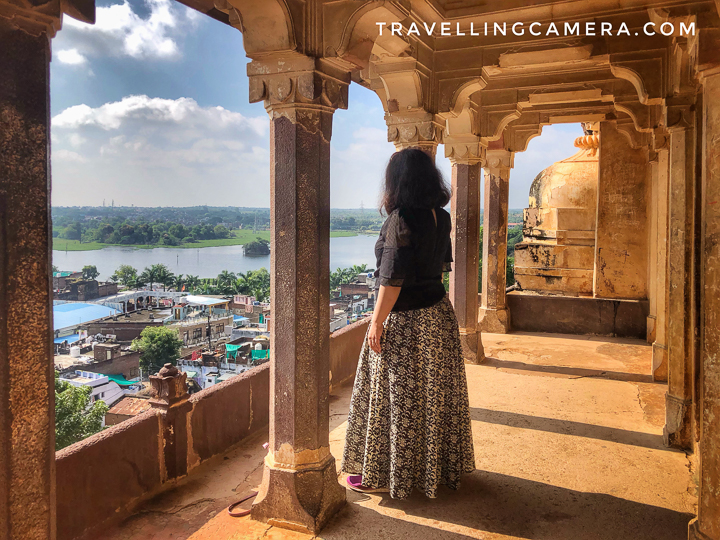
The Splendid Datia Palace in Madhya Pradesh || A Secluded, Desolate, yet Beautiful Building that has Stood Strong Against the Tides of Time

Exploring the Grandeur and Rich History of Gwalior Fort in Madhya Pradesh, India




Comments