

Explore Goa Beyond the Beaches
The first time you explore Goa properly, you begin to realise that the beach is only the opening frame.

There is another Goa behind the shacks and sunset cruises: narrow village roads shaded by coconut palms, old Portuguese houses with faded blue doors, temple courtyards waking before sunrise, fishermen sorting their catch, bakeries preparing pao before the streets get busy, and rivers that turn silver in the last light of the day.

Then there is Old Goa, where enormous churches stand amid lawns and archaeological remains, reminders of a period when this small coastal territory was one of the most important European centres in Asia.
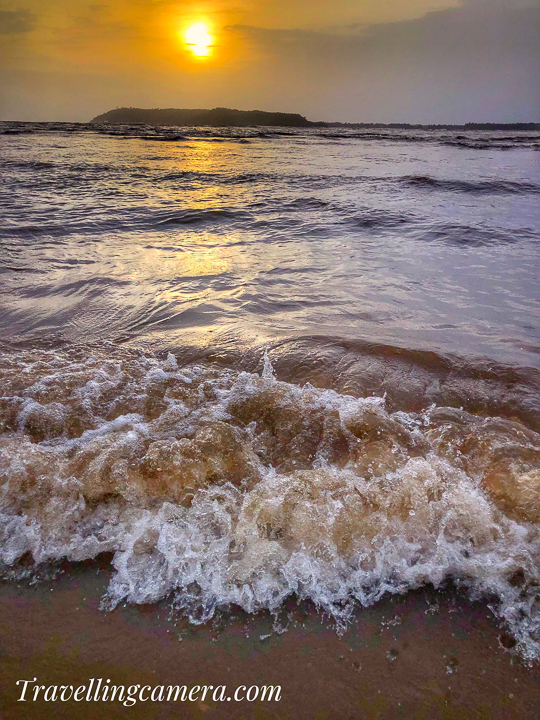
And there is the Goa that photographers tend to fall in love with: the Goa of monsoon clouds, laterite walls, wet roads, fishing boats, market portraits, colourful windows and quiet afternoons when the tourist crowds disappear.
.jpg "Explore Goa in India: A Complete Travel Guide for First-Time Visitors")
I have always felt that Goa rewards slow travel. You can certainly spend three days moving between famous beaches, but if you slow down, cross the Mandovi or Zuari, turn into a village lane and start paying attention, the character of Goa changes completely.
This Goa travel guide is designed for exactly that kind of journey.

Why Explore Goa?
Goa is unusually compact for the amount of variety it offers.
Within relatively short distances, you can photograph Arabian Sea beaches, mangrove-lined waterways, forests, colonial architecture, Hindu temples, Catholic churches, colourful markets and traditional homes.

The state is also culturally layered. Goa's history includes Hindu and Jain traditions, Islamic rule, the Portuguese period and post-liberation India. The result is not simply a mixture of cultures but a distinctive Goan identity that appears in architecture, language, food, music and everyday life.

Goa remained under Portuguese rule for around 450 years before liberation in 1961. It became a separate Indian state in 1987.
That history is still visible.
Look carefully at an old house and you may notice a European-influenced façade combined with a distinctly Indian courtyard, local laterite construction and tropical architectural adaptations.
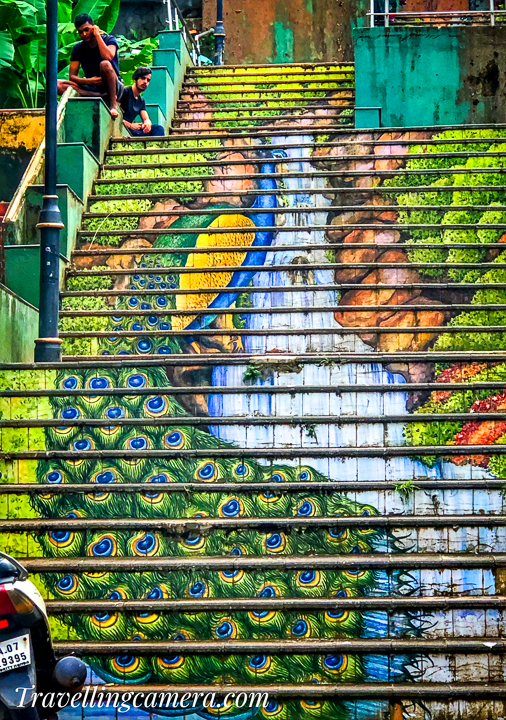
The same blending happens at the dinner table.
A Goan meal can bring together rice, coconut, kokum, seafood, spices and techniques shaped by centuries of cultural exchange.
That is what makes Goa interesting.
It isn't one destination. It is several different stories occupying the same landscape.

Goa's History: Much Older Than Its Beach Tourism
Goa's modern tourism identity can sometimes make its history easy to overlook.
That is a mistake.
The region has a long history extending back well before the Portuguese arrived. Government historical records trace Goa's past through the Mauryan period, several regional dynasties, the Kadambas, the Delhi Sultanate, Vijayanagara, the Bahmani Sultanate and the Adil Shahis of Bijapur.

The Portuguese arrived in 1510 after defeating the Bijapur rulers, aided by the local ally Timayya. Old Goa eventually developed into the centre of Portuguese power in Asia.
At its height, Velha Goa was a substantial city of churches, convents, administrative buildings and commercial activity.
Today, much of that urban landscape has disappeared.
What remains, however, is extraordinary.

The Churches and Convents of Goa were inscribed as a UNESCO World Heritage Site in 1986. The ensemble includes monuments such as the Basilica of Bom Jesus, Sé Cathedral, Church of St Francis of Assisi, Church of Our Lady of Rosary, Chapel of St Catherine, St Augustine ruins and Church of St Cajetan.

The Basilica of Bom Jesus is particularly significant because it contains the tomb of St Francis Xavier. UNESCO notes that the monuments also demonstrate how European architectural traditions were adapted to local materials and conditions, producing a distinctive Indo-Portuguese architectural expression.

A photographer's historical observation
Don't photograph Old Goa only as a collection of monuments.
Photograph the relationship between the buildings and the landscape.

A lone person crossing the enormous foreground of a church can communicate scale far better than a straight architectural record shot.
Visit early in the morning when the light is softer and the surroundings are quieter.

Explore Goa Through Its Different Regions
One of the easiest ways to improve a Goa trip is to stop treating the state as one giant beach destination.
North Goa, central Goa and South Goa have noticeably different personalities.

North Goa: Energy, Beaches and Old Neighbourhoods
North Goa is where much of the state's famous tourism infrastructure is concentrated.
Places such as Baga, Calangute, Candolim, Anjuna, Vagator and Morjim are popular for good reason, but they are not necessarily where I would spend all my time.
For photography, the spaces between these famous destinations can be more rewarding.

Vagator and Chapora
Vagator's cliffs provide elevated perspectives over the coastline.
Instead of photographing only the beach, look for layers: laterite cliffs in the foreground, palms in the middle distance and the Arabian Sea beyond.
Late afternoon works beautifully here.
The warm light catches the red laterite, while the low sun creates texture across the rocks.
Nearby Chapora has another kind of visual appeal.
The fort is well known, but the surrounding village landscape can be more interesting photographically than the fort itself.
Walk slowly.
Look for old walls, scooters, coconut trees, fishing activity and everyday scenes.

Anjuna
Anjuna is more than its famous flea-market association.
The coastline has dramatic rocky sections, while the surrounding lanes reveal a mixture of old Goan homes, newer cafés and tropical vegetation.
For street photography, early morning is considerably better than the busiest afternoon hours.

Explore Goa's Old Quarter Around Panjim
If you only associate Panjim with government buildings and casinos, you are missing one of Goa's best urban photography areas.
The Fontainhas neighbourhood is a favourite for good reason.
Its narrow lanes are lined with colourful houses, balconies, tiled roofs and decorative details.
But don't rush through it looking for the most colourful doorway.

Photograph the details.
A weathered nameplate.
A balcony with drying clothes.
An old window partially hidden by bougainvillea.
A scooter parked beneath a tiled overhang.
These small details tell you more about a neighbourhood than a checklist of buildings.

Best photography time
Go around 7:00–9:00 AM.
The light is gentle, streets are relatively quiet, and residents are beginning their day.
Late afternoon can also work, especially when warm sunlight reaches the façades.
A 35mm or 50mm equivalent lens is ideal for environmental portraits and architectural details.

Old Goa: Where Architecture Becomes History
Old Goa deserves at least half a day.
If possible, arrive before the main tourist groups.
The Basilica of Bom Jesus and Sé Cathedral are obvious starting points, but don't leave immediately after photographing the famous façades.

Spend time inside.
Notice the difference between exterior scale and interior intimacy.
Notice how light enters through windows.
Look at the surfaces rather than only the monuments.

UNESCO describes the churches as an important example of Manueline, Mannerist and Baroque influences adapted to local conditions.
There is another important lesson here for photographers: historic architecture often photographs better in indirect light.
Harsh midday sunlight can flatten ornate details. Soft morning light or diffused monsoon skies can produce much richer tonal separation.

South Goa: A Slower, More Rural Journey
If North Goa feels energetic, South Goa often feels more spacious.
Palolem, Agonda, Benaulim, Cavelossim and nearby villages offer a slower rhythm.
But even here, the best experiences are not always on the beach.
Drive inland.

The landscape changes quickly.
You encounter rice fields, coconut plantations, small chapels, temples, village houses and narrow roads where life continues largely independent of tourism.

This is where renting a scooter or hiring a local driver for a day can transform the trip.
Don't plan every turn.
Leave some time for getting lost.

Places to See in Goa Beyond the Obvious
If your goal is to explore Goa rather than simply tick off attractions, add some of these experiences to your route.

Loutolim
Loutolim offers a glimpse into Goa's traditional village landscape.
The area is particularly interesting for travellers fascinated by ancestral homes, local architecture and rural culture.
The government describes Ancestral Goa in Loutolim as a recreation of a traditional Goan village and notes its location around 8 km from Margao.

Divar Island
Divar is one of those places where Goa suddenly becomes quiet.
Take a ferry, leave the traffic behind and explore the village roads.
This is an excellent location for documentary-style photography.
Don't expect dramatic monuments every few hundred metres.
Instead, look for atmosphere.

Chorao Island
Chorao combines village landscapes with wetlands and mangroves.
The island is also associated with the Dr Salim Ali Bird Sanctuary.
For photographers interested in birds and environmental storytelling, early morning is the obvious choice.

Fontainhas
Ideal for architecture, street details and environmental portraits.

Old Goa
Ideal for architecture, history, interiors and human-scale compositions.

Cabo de Rama
The fort and surrounding cliffs provide dramatic coastal views.
Go close to sunset, but allow enough time to explore the surroundings before the light becomes interesting.

Hidden Goa: Look Where Tourists Don't
One of my favourite approaches to Goa is to deliberately spend a day without visiting a famous beach.
Take an inland road.
Stop at a local bakery.
Visit a village market.
Find a small temple or chapel.
Sit beside a river.
Ask a shopkeeper what people eat at home.
The conversation may lead you somewhere more interesting than any itinerary.

Goa's villages are particularly rewarding during the monsoon.
The landscape turns intensely green, laterite soil becomes saturated in colour and roadside vegetation becomes almost impossibly lush.
This is also when Goa reveals its agricultural character.
The state's landscape includes coconut, cashew, mango, jackfruit and pineapple, while its rivers include the Mandovi, Zuari, Terekhol, Chapora, Sal and Talpona.

A useful rule
If a road looks interesting but isn't on your itinerary, take it.
Within reason, of course.
That's often where the better photographs are.

Best Photography Spots in Goa
For photographers, Goa offers much more than sunsets.
| Location | Best Photography | Ideal Time |
|---|---|---|
| Fontainhas | Architecture, streets, portraits | Morning / late afternoon |
| Old Goa | Heritage architecture | Morning |
| Vagator | Cliffs, coast, landscapes | Late afternoon |
| Chapora | Fort, village, coast | Morning / sunset |
| Palolem | Beach, boats, landscapes | Sunrise / sunset |
| Agonda | Quiet beach scenes | Sunrise |
| Divar Island | Villages, people, landscapes | Morning |
| Chorao | Birds, wetlands, boats | Early morning |
| Panjim markets | Street photography, food | Morning |
| South Goa villages | Rural life, architecture | Early morning / evening |
.jpg "Explore Goa in India: A Complete Travel Guide for First-Time Visitors")
Photography Tips for Goa
1. Don't photograph only at sunset
Goa's famous sunset photographs are easy to make and equally easy to make repetitive.
Sunrise gives you cleaner beaches, softer light and fewer people.
.jpg "Explore Goa in India: A Complete Travel Guide for First-Time Visitors")
2. Use monsoon weather
Clouds are not bad weather for photography.
In Goa, overcast skies can produce beautifully even-lit scenes.
Wet laterite roads, reflections and saturated vegetation create opportunities unavailable during the dry season.
.jpg "Explore Goa in India: A Complete Travel Guide for First-Time Visitors")
3. Photograph people respectfully
Goan village life can be visually compelling, but people are not props.
Ask before making an intimate portrait.
A brief conversation often produces a much better photograph anyway.
.jpg "Explore Goa in India: A Complete Travel Guide for First-Time Visitors")
4. Look for layers
Goa's landscape works beautifully with foreground, middle ground and background.
Try shooting through foliage, doorways, market stalls and architectural openings.

5. Carry a weather-resistant setup
If you visit during the monsoon, protect cameras, batteries and memory cards from sudden heavy rain.
A simple dry bag can save expensive equipment.

Goan Food: Don't Stop at Fish Curry Rice
Goa's food deserves serious attention.
Fish curry rice is an essential part of the culinary landscape, but stopping there means missing a much bigger story.

Try dishes such as:
Goan fish curry
Prawn balchão
Chicken xacuti
Pork vindaloo
Sorpotel
Cafreal
Bebinca
Poi and local bread
Kokum-based drinks
Seasonal seafood preparations
.jpg "Explore Goa in India: A Complete Travel Guide for First-Time Visitors")
The food reflects Goa's layered cultural history, with local ingredients and techniques meeting influences that arrived through centuries of contact.
The state's tourism department has increasingly positioned gastronomy as a major part of Goa's tourism identity, including dedicated culinary programming during the monsoon.
The best food experience may be a small one
Instead of searching exclusively for the most famous restaurant, try a busy local eatery during lunch.
Look at what people around you are ordering.
If the place is full of local families, that is often a better signal than an elaborate tourist-facing menu.
.jpg "Explore Goa in India: A Complete Travel Guide for First-Time Visitors")
Conversations With Goans
Travel becomes memorable when destinations stop being collections of attractions and become collections of people.
Talk to the taxi driver.
Ask the fisherman about the morning catch.
Ask a bakery worker when the bread comes out.
.jpg "Explore Goa in India: A Complete Travel Guide for First-Time Visitors")
Talk to the person running a family-owned guesthouse.
You may discover that the person who has lived beside a famous monument for decades sees it completely differently from a first-time visitor.
Goa is also multilingual, reflecting its complicated history and population movements. Portuguese has largely receded from everyday use, although it remains part of the state's historical and cultural legacy, particularly among some older generations.
That linguistic history is itself an interesting part of travelling through Goa.

Best Time to Visit Goa
There isn't one perfect season.
There are different Goas.
.jpg "Explore Goa in India: A Complete Travel Guide for First-Time Visitors")
November to February: Classic Goa
This is the most popular period.
Expect pleasant weather, active tourism and higher accommodation demand.
It is excellent for beaches, outdoor exploration and photography.
.jpg "Explore Goa in India: A Complete Travel Guide for First-Time Visitors")
March to May: Hotter and Quieter
Temperatures rise, but crowds can ease outside peak periods.
Early mornings become increasingly important for photography.
.jpg "Explore Goa in India: A Complete Travel Guide for First-Time Visitors")
June to September: Monsoon Goa
This is a completely different experience.
The landscape becomes intensely green and the rain can be dramatic.
Don't visit expecting a conventional beach holiday.

Visit for waterfalls, rivers, clouds, village landscapes, food and atmosphere.
Goa's monsoon period typically brings substantial rainfall between June and September.
For a photographer, this can actually be one of the most rewarding seasons.
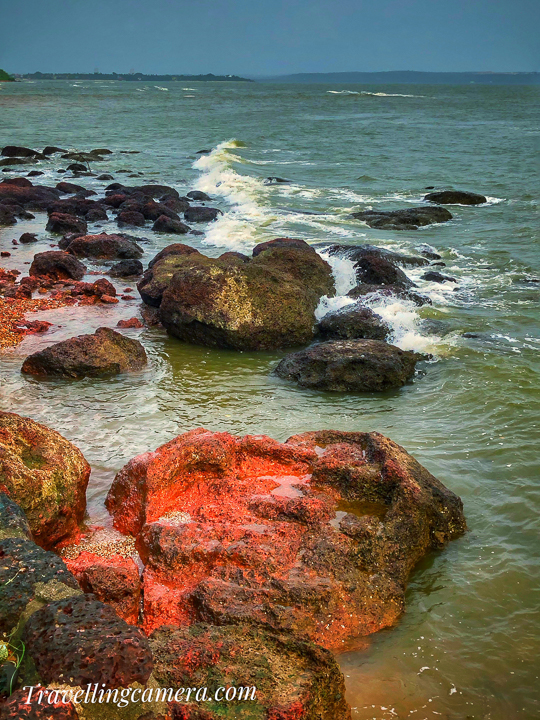
How to Reach Goa
Goa is well connected to major Indian cities.
By Air
Dabolim Airport and Manohar International Airport serve Goa.
Choose your arrival airport based on where you are staying.
If you're staying in North Goa, Manohar International Airport can be geographically convenient.
.jpg "Explore Goa in India: A Complete Travel Guide for First-Time Visitors")
By Train
Rail travel is particularly scenic as you approach Goa through the Konkan landscape.
Madgaon and Vasco da Gama are important railway points.
.jpg "Explore Goa in India: A Complete Travel Guide for First-Time Visitors")
By Road
Goa is well connected by road to Maharashtra and Karnataka.
Road travel can make sense if you want to combine Goa with destinations such as Gokarna, coastal Karnataka or Maharashtra.

Where to Stay in Goa
Your choice of neighbourhood can dramatically change the trip.

| Area | Best For |
|---|---|
| Panjim | Culture, architecture, city life |
| Fontainhas | Heritage atmosphere |
| Candolim | Convenient North Goa base |
| Anjuna/Vagator | Cafés, nightlife, beaches |
| Morjim | Quieter North Goa |
| Palolem | Beach and relaxed atmosphere |
| Agonda | Slow travel |
| South Goa villages | Rural and cultural experiences |
For photographers, I would prioritise location over luxury.
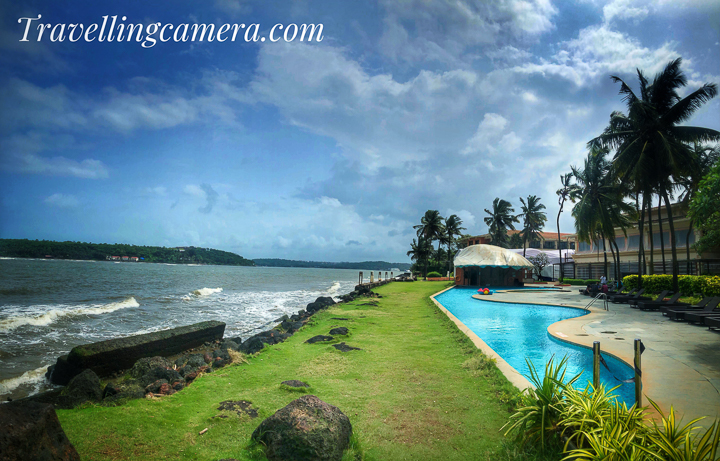
A beautiful hotel far from the places you want to photograph can become inconvenient very quickly.

Goa Travel Budget Tips
Goa can be expensive or surprisingly affordable depending on how you travel.

Save money by:
Staying slightly away from the most tourist-heavy beaches
Eating at local restaurants
Using public ferries where practical
Renting a scooter if you are comfortable and legally permitted to ride
Travelling outside peak season
Booking longer stays rather than changing hotels frequently
Exploring villages and public spaces instead of paying for attractions every day

One of the best things about Goa is that some of its most rewarding experiences cost almost nothing.
A sunrise over a fishing village is free.
So is walking through an old neighbourhood.
So is sitting beside a river at sunset.
A 5-Day Goa Itinerary for First-Time Visitors
Day 1: Panjim and Fontainhas
Morning:
Explore Fontainhas
Photograph old houses and streets
Visit central Panjim
Afternoon:
Lunch
Explore the Mandovi waterfront
Evening:
Photograph the city in warm light
Dinner featuring Goan cuisine

Day 2: Old Goa and Divar
Start early.
Explore the UNESCO-listed churches of Old Goa before the crowds become heavy.
After lunch, head toward Divar Island.
Spend the afternoon walking through village roads.
Return around sunset.
Day 3: Chapora, Vagator and Anjuna
Start at Chapora.
Continue to Vagator.
Spend the afternoon around Anjuna.
Stay until late afternoon for coastal photography.
Day 4: South Goa
Drive south.
Explore Palolem and Agonda.
Don't rush between beaches.
Spend time walking and photographing the surrounding landscape.
Day 5: Village Goa
Keep this day deliberately flexible.
Explore Loutolim, nearby villages, local bakeries, markets or a riverine area.
This may end up being your most memorable day.
Responsible Travel in Goa
Goa's popularity has brought enormous economic opportunities, but it has also placed pressure on its beaches, water resources, waste systems and local communities.
A responsible visitor can make a difference.
Avoid single-use plastic where possible.
Don't leave waste on beaches.
Respect village homes and private property.
Ask before photographing people.
Dress appropriately when entering religious sites.
Don't fly drones where they are restricted.
Avoid disturbing wildlife and nesting areas.
Support locally owned businesses.
Choose experiences that benefit local communities.
Don't treat traditional neighbourhoods as open-air film sets.
The best travel photograph is not worth making someone uncomfortable.

Common Mistakes to Avoid in Goa
Trying to see all of Goa in three days
You will spend most of the trip travelling between attractions.
Staying only in North Goa
South Goa and inland Goa offer a very different experience.
Photographing only beaches
Some of Goa's strongest visual stories are found in villages, markets, architecture and waterways.
Ignoring the monsoon
If you love landscapes and photography, monsoon Goa can be spectacular.
Eating only at tourist restaurants
Some of the best food experiences are in modest local establishments.
Treating every sunset as the same
Weather, tide, season and location dramatically change the quality of sunset photography.
Forgetting that Goa is someone's home
Behind every colourful house is a family, not a backdrop.

Frequently Asked Questions About Exploring Goa
What are the best places to see in Goa for first-time visitors?
For a first trip, combine Panjim and Fontainhas, Old Goa, Chapora, Vagator and at least one South Goa beach such as Palolem or Agonda. Add a village or island experience to see a quieter side of the state.
.jpg "Explore Goa in India: A Complete Travel Guide for First-Time Visitors")
How many days are enough to explore Goa?
Five days is a good starting point. Three days can cover the highlights, while seven to ten days allows you to explore villages, heritage sites, beaches, food and quieter parts of Goa without rushing.
.jpg "Explore Goa in India: A Complete Travel Guide for First-Time Visitors")
What is the best time to explore Goa?
November to February is ideal for conventional beach holidays. June to September is excellent for travellers interested in monsoon landscapes, food, greenery and photography.
.jpg "Explore Goa in India: A Complete Travel Guide for First-Time Visitors")
Is Goa good for photography?
Absolutely. Goa offers beaches, architecture, villages, markets, wildlife, rivers, portraits, food photography and dramatic monsoon landscapes.
.jpg "Explore Goa in India: A Complete Travel Guide for First-Time Visitors")
What are the best places to photograph in Goa?
Fontainhas, Old Goa, Chapora, Vagator, Palolem, Agonda, Divar Island and Chorao Island are particularly rewarding. Early morning and late afternoon generally provide the best natural light.
.jpg "Explore Goa in India: A Complete Travel Guide for First-Time Visitors")
Is South Goa better than North Goa?
Neither is universally better. North Goa offers more activity, nightlife and tourism infrastructure, while South Goa tends to offer a slower atmosphere and more open landscapes.
.jpg "Explore Goa in India: A Complete Travel Guide for First-Time Visitors")
What should I eat in Goa?
Try fish curry rice, prawn balchão, xacuti, cafreal, vindaloo, sorpotel, poi and bebinca. Look for local eateries rather than limiting yourself to tourist-oriented restaurants.

Is Goa worth visiting during the monsoon?
Yes, particularly if you enjoy photography, food, greenery and slow travel. Goa during the monsoon feels dramatically different from the postcard version of the state.

What are the most underrated places in Goa?
Divar Island, Chorao, Loutolim and the villages around South Goa can provide a more intimate experience than the major beach destinations.

Final Thoughts: The Goa You Remember Is Usually the One You Didn't Plan
There is a version of Goa that exists in travel brochures.
There are beaches, palm trees, sunsets and cocktails.
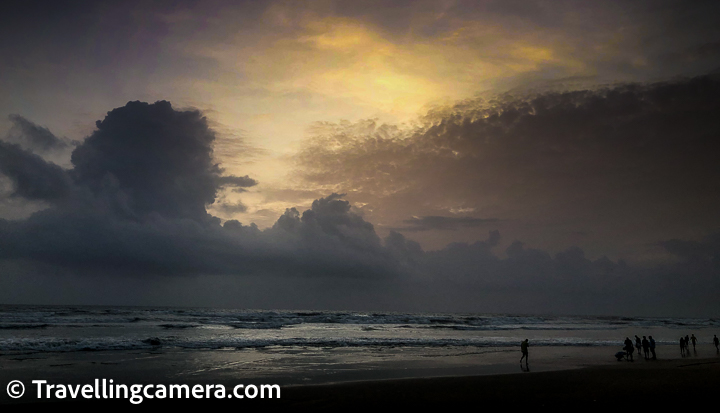
Then there is the Goa you encounter when you wake before everyone else.
You see a fisherman pushing his boat toward the water.
You hear church bells somewhere beyond a row of old houses.
A bakery opens and warm bread appears on the counter.
A scooter disappears down a narrow village road.
Rain begins unexpectedly.
Later, the road shines beneath the evening light.
You stop.
You take a photograph.

That is the Goa I would encourage you to explore.
Don't rush from one famous attraction to another. Give yourself enough time to notice what happens between them.
Walk through Fontainhas before breakfast. Sit quietly in Old Goa. Take a ferry to an island. Eat lunch where local families eat. Follow a village road. Photograph architecture in soft morning light. Return to the same beach on a different day and see how the tide, clouds and people have changed it.
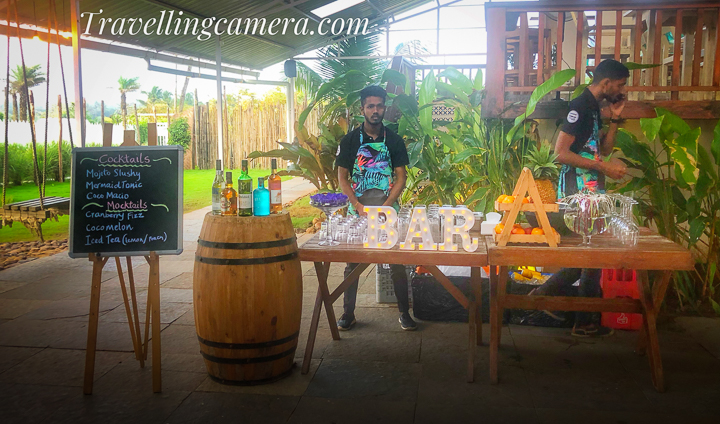
Most importantly, leave some space in the itinerary for the unexpected.
Because Goa's greatest strength isn't simply its beaches.
It is the extraordinary amount of life happening just beyond them.

And if you arrive with a camera, curiosity and enough patience to look twice, you may discover that the best places to see in Goa are not always the places you came looking for.
Related Blogpost -

Trip to Punjab State of India: A Complete Travel Guide for First-Time Visitors
Uttarakhand State of India: A Complete Travel Guide for First-Time Visitors

Himachal Pradesh State of India: A Complete Travel Guide for First-Time Visitors
Explore Karnataka State of India: A Complete Travel Guide for First-Time Visitors

Meghalaya State of India: A Complete Travel Guide for First-Time Visitors

Odisha State of India: A Complete Travel Guide for First-Time Visitors

Explore Uttar Pradesh State of India: A Complete Travel Guide for First-Time Visitors


Ladakh in India: A Complete Travel Guide for First-Time Visitors

Exploring India: The Ultimate Travel Guide to Experiencing the Soul of a Timeless Civilization

What Advice Would You Give to Someone Travelling to India for the First Time?

Rajasthan State of India: A Complete Travel Guide for First-Time Visitors
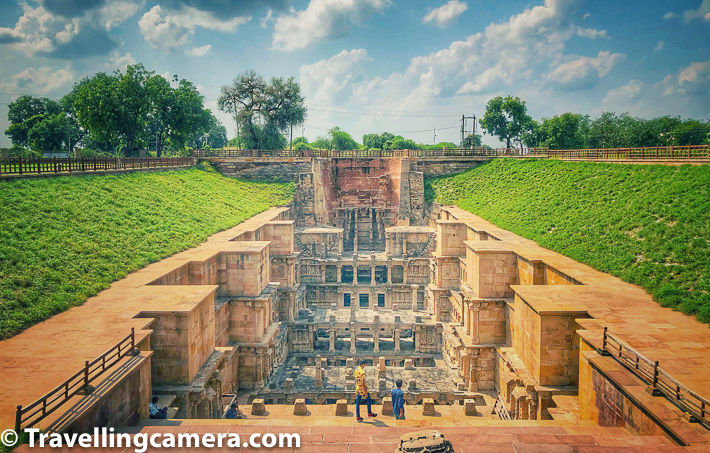
Trip to Gujarat State of India: A Complete Travel Guide for First-Time Visitors
 |
| A Theyyam blessing the priests. These performers are considered as God themselves once they don the Theyyam costume |
Trip to Kerala State of India: A Complete Travel Guide for First-Time Visitors

Jammu & Kashmir State of India: A Complete Travel Guide for First-Time Visitors


.jpg)


 Bay15 on rocky Beach Odxel of Goa - An interesting place for food and fun, but not sure about staying here
 Zuri White Sands Goa Resorts and Casino - A beautiful & popular place to stay around Varca Beach in South Goa
 The Colorful & Heritage neighbourhood of Fountainhas in Goa - A Place with Old Latin Quarters and a perfect Indo-Portuguese vibe


.jpg "Beautiful ride from Panjim to Shri Mangeshi Temple in Goa, India")


.jpg "The Time-Turner Series || Reliving togetherness in emerald-green, rain-soaked Goa")

.jpg)
Comments