Jammu & Kashmir State of India: A Complete Travel Guide for First-Time Visitors

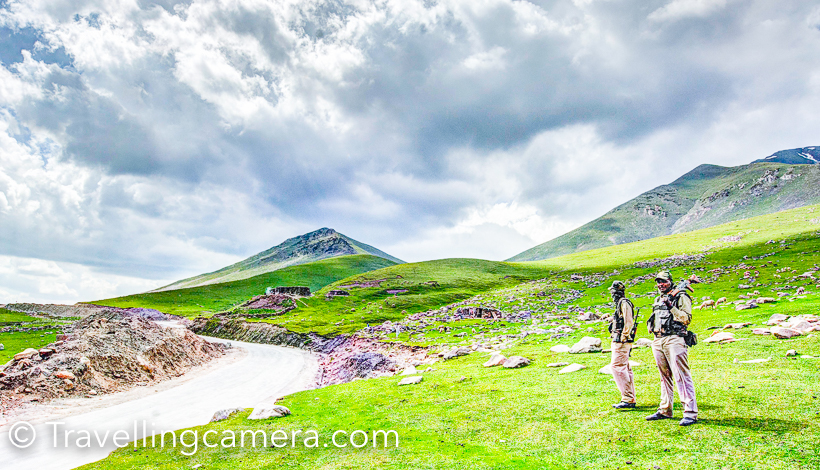
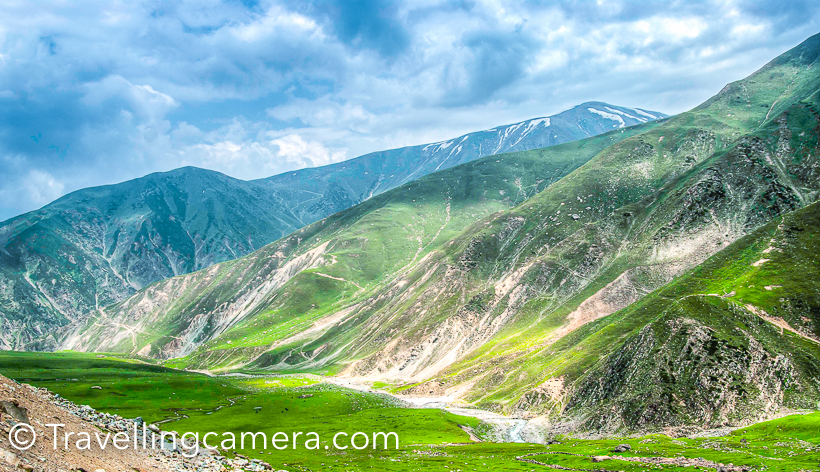
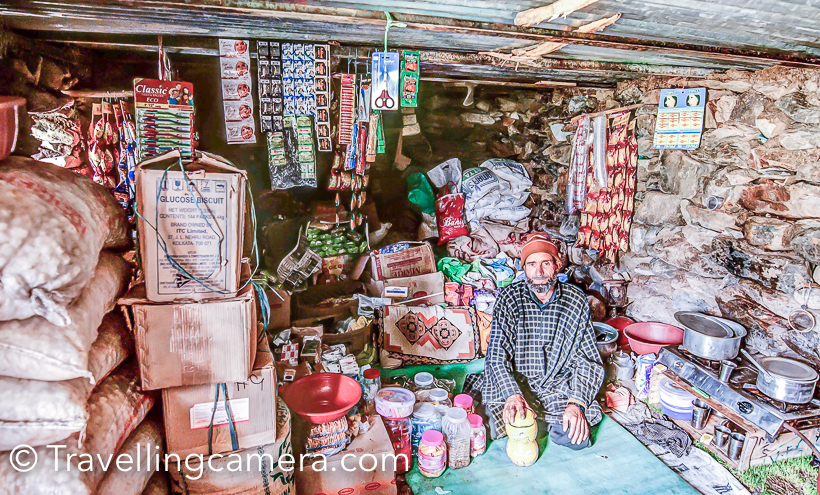
Peer Ki Gali is an amazing place on old Mughal road in Jammu & Kashmir State of India. This place is the highest passes on Srinagar Rajouri historic Mughal Road at 11300 Feets... Let's check out this Photo Journey to know more about this place with appropriate photographs...Various water streams can seen flowing through snow covered peaks of Peer-Ki-Gali hills. Cool freeze, freshening environment and roaming clouds all over makes this place wonderful. After talking to various folks at Peer ki Gali, we got to know that almost every day it rains on these hills. We spent two days around it and we also experienced rain showers both the days...Here is a photograph of a shopkeeper inside his small shop made up of stones. He had almost everything that is usually required for routine life in hills. These families come to these high hills with their cattle, as this place has got more than enough grazing land which becomes a problem during a particular time of the year. Ziarat of Peer Baba on hill top has gained its popularity. Almost every vehicle passing by Peer-ki-Gali stops here to enjoy the panaromic view as well as to take blessings of Peer Baba. Green layer on Peer-Ki-Gali hills looks amazing and it's a huge range of hills with green meadows...Shepherd sitting in these green hills around Peer ki Gali... Almost every alternate hill was full of sheeps and horses... This trend was only noticed around Peer-Ki-Gali on Mughal Road...In past this place have been of great interest for trekkers and now easily accessible for others as well. Tourism is picking up in this region of Jammu and Kashmir now. This will not only boost the economy of the state but also open new aspects to the residents.CRPF folks can seen here and there around these hills to make every person safe on these hills around Peer ki Gali. Really these folks are working really well to give confidence to common people to enjoy the beauty around Mughal Road.Sheeps all around in green hills of Peer Ki Gali, Kashmir, India.All these water streams make the whole environment more beautiful. All these streams have chilling water of melted snow of hill-tops. Dark clouds covering blue sky with lush green hills having multiple white-water streams - this whole combination makes Peer-Ki-Gali a unique place.Local folks on this stretch can organize various trekking trips with all arrangements for lodging in tents or some othe wooden houses, which can good source of income going forward.Jammu and Kashmir state of India is known as heaven on earth. In the seventeenth century the Mughal emperor Jahangir set his eyes on the valley of Kashmir and Peer-Ki-Gali is one of the place they used to stay. There is an old Mughal Residence in deep valley. Mughals said that if paradise is anywhere on the earth, it is here, while living in a houseboat on the mesmerizing Dal Lake.  In Jammu and Kashmir the most important tourist places are Kashmir, Srinagar, the Mughal Gardens, Gulmarg, Pahalgam, Jammu, and Ladakh...It will take a long more time to further develop the area but nobody can deny that it's magical. This whole stretch is magnetic. It draws you closer and closer. As we packed up, the beauty of the place wanted me to linger more. But I returned home with some amazing memories to cherish forever; vivid pics in the heart and mind that won't fade or get lost ever. It is a place that can't be expressed in words and that can't be explained in pics; just plan a trip and experience it all yourself.Before militancy intensified in 1989, tourism formed an important part of the Kashmiri economy. The tourism economy in the Kashmir valley was worst hit. Many five stars in Srinagar can be seen which are not well maintained now and owners can't afford to spend more on those properties. However, the holy shrines of Jammu and the Buddhist monasteries of Ladakh continue to remain popular pilgrimage and tourism destinations. Every year, thousands of Hindu pilgrims visit holy shrines of Vaishno Devi and Amarnath which has had significant impact on the state's economy.The Vaishno Devi yatra alone contributes Rs. 450+ crores to the local economy annually.Tourism in the Kashmir valley has rebounded in recent years and in 2009, the state became one of the top tourist destinations of India. Gulmarg, one of the most popular ski resort destinations in India, is also home to the world's highest green golf course. However with the decrease in violence in the state has boosted the states economy specifically tourism.Peer ki gali has religious importance as well. Most of the folks crossing through this place, stop by and spend some time around the mazar of Peer baba. This is of the holy places for Muslim saints. Here people from almost all the religions comes in large number to pray, on Thursday.There are some beautiful waterfalls around Peer Ki Gali and number/flow depends upon the time of the year & amount the snow these hills have got. Some of them are seasonal and many of them can be seen during most of the year.Kashmir's official language is Urdu. However the main languages spoken are Kashmiri in the Kashmir Valley, Ladakhi in Ladakh and Dogri in Jammu. Most people can speak Hindi as a second language. As elsewhere in India, English is fairly widely spoken among the educated classes and those involved in the tourist industry.Here i a photographs showing typical style of houses in Peer-Ki-Gali on Mughal Road in Jammu & Kashmir state of India. Mainly made up of rock-stones and flat roof made up of wood & mud. They are quite spacious and are seasonal. People go down to their main towns during snowfall in this region.A view of deep valley with curved roads from Peer-Ki-Gali, Jammu & Kashmir, India.


Introduction: Kashmir Is More Than a Beautiful Landscape

There are places you visit for the views, and then there are places that slowly change the way you look at a landscape. Kashmir belongs to the second category.

The first image many travelers carry of Kashmir is usually the familiar one: a shikara drifting across Dal Lake, snow-covered mountains behind it, perhaps a houseboat with carved wooden balconies catching the morning light. But spend a little more time here and the postcard begins to dissolve.

You notice the smell of wood smoke in an old Srinagar neighbourhood. You hear the soft splash of an oar before sunrise. You watch vegetables being loaded onto boats on Dal Lake while most tourists are still asleep. You discover that a meadow can feel completely different at 7 AM than at noon. You realize that autumn isn't simply a season here; it can turn entire hillsides into copper and gold.

That is why a good Kashmir Travel Guide shouldn't be a checklist of tourist attractions.

Kashmir is best experienced slowly, with time for detours.

Srinagar gives you history, lakes, gardens, architecture and food. Gulmarg brings high-altitude landscapes and snow. Pahalgam offers forests and the Lidder River. Sonamarg opens into a more dramatic Himalayan world. And beyond these famous destinations are places such as Gurez, Yusmarg, Doodhpathri, Aharbal and Wular Lake, where the experience can feel considerably quieter.

For photographers, the valley is particularly rewarding because the light keeps changing the story.


There is no denying that the entire Kashmir is very beautiful and worthy of being referred to as the Paradise on Earth. But within Srinagar, if we felt that there was paradise somewhere, it was in Pari Mahal.

Why Visit Kashmir?

A trip to Kashmir works because several kinds of travel come together in one relatively compact region.

You can spend the morning photographing historic wooden architecture in Srinagar, drink kahwa beside Dal Lake, drive through apple-growing countryside in the afternoon and wake up the next day surrounded by alpine mountains.

The garden was designed and built in 1633 by Asif Khan, the elder brother of Nur Jahan. when Emperor Shah Jahan saw the beautiful Garden, he expressed his appreciation of the garden's gradeur thrice to his father-in-law Asif Khan, apparently in hopes of receiving the garden as a gift. However, when that did not happen, the Emperor stopped the water supply to the garden.

Kashmir also rewards travelers who are interested in things beyond scenery:

  • Mughal garden architecture

  • Kashmiri handicrafts

  • Wazwan cuisine

  • Sufi traditions

  • Hindu pilgrimage sites

  • Old-city architecture

  • Houseboat culture

  • Alpine trekking

  • Wildlife and bird photography

  • Traditional village life

  • Autumn landscapes

  • Winter snow experiences

The official tourism authorities list destinations ranging from Srinagar, Gulmarg and Pahalgam to Gurez, Doodhpathri, Yusmarg, Aharbal, Lolab and Warwan, which gives you an idea of how much exists beyond the conventional tourist circuit.


Basically the taxi drivers and pony wallahs convince you that they will show you 7-8 points during the pony ride and you can take as long as you want at these locations. However, the truth is nowhere near this.

Kashmir Travel Guide: Exploring Srinagar

If you have never been to Kashmir, start with Srinagar.

Do not treat it merely as the airport city before heading to Gulmarg or Pahalgam. Srinagar deserves at least two or three days.

At around 1,585 metres above sea level, Srinagar sits at the heart of the Kashmir Valley and remains the cultural and commercial centre of the region.

All of us have heard of Dal Lake in Srinagar, but I was not aware of Nagin Lake before I visited Kashmir Valley. During this visit, I stayed at Centaur Hotel which is close to Nagin lake and that's how I got a chance to explore this lake well in Srinagar.  During my 3 days stay at Srinagar, I had various Shikara rides in Nagin lake and explored different parts of the lake. This PHOTO JOURNEY shares some of the photographs clicked around Nagin Lake and information about houseboats, markets, vegetation, Shikara rides, shopping and lot more. In fact, I found Nagin lake better than Dal lake. Less crowded, better maintained, cleaner and peaceful. The lake looks awesome during sunset time whenever most of the Shikaras move towards the shoreline and lake market closes down by handing over all the tourists & travellers to houseboats. Glittering lights of houseboats and their reflections in Nagin lake look amazing. Evening is best time for Shikara ride in Nagin lake. There are multiple reasons for that. I prefer Nagin lake over Dal lake because of less commercialization and hence peace :). Lot of families can be seen sitting around the lake during evening time. Some of them also enjoy fishing, although not sure if that's legal or not. There are some houses around the lake and hence you can see lot of local folks riding their boats to commute to other side of the lake. In morning, mothers can be seen riding their boats to drop kids on other side for joining school.   Shikaras can be seen at various places around the shoreline. After every 300 meters you can find Shikaras waiting for tourists. There are different kinds of Shikaras and tariff varies accordingly. The Shikara ride is usually 45 mins to 1 hr 15 mins. These Shikaras take you to lake market, which is in the middle of lake. All the shops are floating over the lake. On your way, you see some of the brilliant and popular houseboats in Srinagar. If not staying in these houseboats, you can plan to have lunch at one of those. Only few of them have restaurants. It can be a great experience to enjoy lunch on the lake, while listening to local folk songs.   We were fortunate to board the Shikara, who's owner was a singer. He sang few Kashmiri songs for us. Unfortunately we forgot to make videos, otherwise that could have been a great addition to this blog-post. After visiting lake market in the middle of Nagin lake, the Shikara takes you little further and exposes you to clusters of houses in the lake. Like we own cars to commute in cities, these folks own a boat to go to other side of the lake. In above photograph you see a boat, which is being used by a local to go back home after day job. Some of my friends had told that Nagin lake is little dirty, but when we were there it was much cleaner and cleaning project was under progress. The colorful lotuses were looking brilliant with millions of lotus-leaves all around. If you are having a Shikara ride during day, you can relax and have a nap :) and we did that when coming back from Lake market. There are lot of Shikaras in Nagin lake, which would come to you and sell snacks, bhutta & handicraft. You can enjoy fruit chats, bhutta, tea, local snacks when enjoying shikara ride. At the same time, if you don't have much time, you can do little shopping in lake only. One of my friends bought Kashmiri Jewelry for his friends & family.   I would rate Nagin lake experience much better in Srinagar and in my next trip, I intend to stay in one of the Houseboats in Nagin Lake.

Dal Lake: Go Before the Tourists Wake Up

Dal Lake is probably Kashmir's most photographed location, but it is surprisingly easy to photograph badly.

The solution is simple: get on the water early.

Before sunrise, the lake can become almost mirror-like. The mountains appear muted blue-grey, the first light touches the Zabarwan Range, and the shikara becomes a small moving element against a much larger landscape.

Dal Lake covers roughly 18 square kilometres and contains floating gardens known locally as Rad. It is not merely a scenic backdrop; it remains part of the economic and cultural life of Srinagar.

A morning shikara ride can reveal a different side of the lake from the standard tourist route. Watch for floating vegetable sellers, fishermen, houseboats, small wooden boats and people beginning their daily routines.

For photography, don't photograph everything wide.

Try compressing the scene with a telephoto lens. A boatman framed against the mountains can tell a much stronger story than a generic panoramic photograph.

All of us have heard of Dal Lake in Srinagar, but I was not aware of Nagin Lake before I visited Kashmir Valley. During this visit, I stayed at Centaur Hotel which is close to Nagin lake and that's how I got a chance to explore this lake well in Srinagar.  During my 3 days stay at Srinagar, I had various Shikara rides in Nagin lake and explored different parts of the lake. This PHOTO JOURNEY shares some of the photographs clicked around Nagin Lake and information about houseboats, markets, vegetation, Shikara rides, shopping and lot more. In fact, I found Nagin lake better than Dal lake. Less crowded, better maintained, cleaner and peaceful. The lake looks awesome during sunset time whenever most of the Shikaras move towards the shoreline and lake market closes down by handing over all the tourists & travellers to houseboats. Glittering lights of houseboats and their reflections in Nagin lake look amazing. Evening is best time for Shikara ride in Nagin lake. There are multiple reasons for that. I prefer Nagin lake over Dal lake because of less commercialization and hence peace :). Lot of families can be seen sitting around the lake during evening time. Some of them also enjoy fishing, although not sure if that's legal or not. There are some houses around the lake and hence you can see lot of local folks riding their boats to commute to other side of the lake. In morning, mothers can be seen riding their boats to drop kids on other side for joining school.   Shikaras can be seen at various places around the shoreline. After every 300 meters you can find Shikaras waiting for tourists. There are different kinds of Shikaras and tariff varies accordingly. The Shikara ride is usually 45 mins to 1 hr 15 mins. These Shikaras take you to lake market, which is in the middle of lake. All the shops are floating over the lake. On your way, you see some of the brilliant and popular houseboats in Srinagar. If not staying in these houseboats, you can plan to have lunch at one of those. Only few of them have restaurants. It can be a great experience to enjoy lunch on the lake, while listening to local folk songs.   We were fortunate to board the Shikara, who's owner was a singer. He sang few Kashmiri songs for us. Unfortunately we forgot to make videos, otherwise that could have been a great addition to this blog-post. After visiting lake market in the middle of Nagin lake, the Shikara takes you little further and exposes you to clusters of houses in the lake. Like we own cars to commute in cities, these folks own a boat to go to other side of the lake. In above photograph you see a boat, which is being used by a local to go back home after day job. Some of my friends had told that Nagin lake is little dirty, but when we were there it was much cleaner and cleaning project was under progress. The colorful lotuses were looking brilliant with millions of lotus-leaves all around. If you are having a Shikara ride during day, you can relax and have a nap :) and we did that when coming back from Lake market. There are lot of Shikaras in Nagin lake, which would come to you and sell snacks, bhutta & handicraft. You can enjoy fruit chats, bhutta, tea, local snacks when enjoying shikara ride. At the same time, if you don't have much time, you can do little shopping in lake only. One of my friends bought Kashmiri Jewelry for his friends & family.   I would rate Nagin lake experience much better in Srinagar and in my next trip, I intend to stay in one of the Houseboats in Nagin Lake.

Nigeen Lake: A Quieter Alternative

If Dal Lake feels too busy, consider staying around Nigeen Lake.

Nigeen is quieter and has a more intimate atmosphere. The surrounding trees, houseboats and relatively calmer water can be particularly attractive for photographers looking for reflections and minimalist compositions.

The best photographs often happen when there is very little happening.

A single shikara.

A lone bird.

One houseboat reflected in still water.

That restraint can make the photograph feel much more Kashmir-like than a crowded tourist scene.


However, this post is not about that. Let's talk a little about Baisaran Valley. It is a green meadow, high up in the mountains, surrounded by tall cedars and snow-covered mountains. No doubt it is very pretty. It is less than 5 kilometers from Pahalgam city and is reachable on foot if you are up for a little trek.

Srinagar's Mughal Gardens

The Mughal gardens are among the places where Kashmir's history and landscape become inseparable.

Kashmir Travel Guide covering Srinagar, Gulmarg, Pahalgam, Sonamarg, hidden valleys, food, photography, itineraries and practical tips for a memorable

Nishat Bagh

Nishat Bagh was commissioned by Asif Khan in 1633 and is arranged across twelve terraces. Its elevated position creates one of the best visual relationships between garden, Dal Lake and mountains.

The garden is especially interesting photographically because the terraces create natural leading lines.

Stand low.

Use the central water channel.

Let the mountain range become your background.

During spring, flowers add colour; in autumn, the mature trees provide an entirely different palette.

Kashmir Travel Guide covering Srinagar, Gulmarg, Pahalgam, Sonamarg, hidden valleys, food, photography, itineraries and practical tips for a memorable

Shalimar Bagh

Shalimar Bagh was created during the Mughal period and is associated with Emperor Jahangir and his wife Nur Jahan. Its formal terraces, water channels and pavilions demonstrate the Mughal fascination with designing gardens as ordered landscapes.

Visit early in the day if you want cleaner compositions.

Late afternoon can work beautifully too, particularly when the warm light catches old walls and tree trunks.

Kashmir Travel Guide covering Srinagar, Gulmarg, Pahalgam, Sonamarg, hidden valleys, food, photography, itineraries and practical tips for a memorable

Chashme Shahi

Smaller than Nishat and Shalimar, Chashme Shahi is associated with its natural spring and terraced garden design.

It works well as part of a sequence with Pari Mahal because both can be explored around the same side of Srinagar.

Kashmir Travel Guide covering Srinagar, Gulmarg, Pahalgam, Sonamarg, hidden valleys, food, photography, itineraries and practical tips for a memorable

Pari Mahal

Pari Mahal, or the "Palace of Fairies," is one of the most rewarding viewpoints in Srinagar.

Built in the 17th century by Dara Shikoh, son of Shah Jahan, it was associated with learning, astronomy and Sufi thought. Its terraces sit high on the Zabarwan range above Srinagar.

Come here around sunset.

The view changes rapidly as Srinagar's lights begin appearing beneath the fading sky.

For photographers, this is a classic blue-hour location.


Kashmir Travel Guide covering Srinagar, Gulmarg, Pahalgam, Sonamarg, hidden valleys, food, photography, itineraries and practical tips for a memorable

Srinagar's Old City: The Kashmir Many Visitors Miss

The old city is where you begin to understand that Kashmir is not simply mountains and lakes.

Walk through the historic areas around Nowhatta and explore the city's traditional architecture, markets and religious landmarks.

The Jama Masjid in Nowhatta is particularly striking. Built in 1402, it features 378 wooden pillars, each traditionally described as being made from a single deodar tree.

Another important place is the Hazratbal Shrine, associated with a relic believed by Muslims to be a hair of Prophet Muhammad.

Photography here requires more sensitivity than technical skill.

Ask before photographing people.

Don't photograph worshippers as if they are props.

Dress respectfully.

And remember that some of the most meaningful photographs may be the ones you don't take.


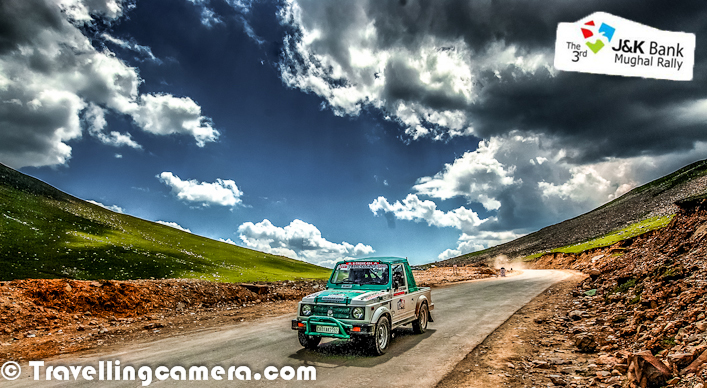
Last week 3rd Mughal Motorsports Rally happened in Jammu and Kashmir. This Photo Journey shares some moments with these flying machines at various places on Mughal Road. Let's check out this Photo Journey and know more about Mughal Rally and how it went..This Motorsports rally is organized by Himalayan Motorsports with 'J&K Bank' and 'J&K Tourism department'. Usually it's a three days event, which started on 29th with vehicle scrutiny. Whole day is dedicated to certify all vehicles as per rally guidelines. Every vehicle is checked on technical ground and ensured that driver & navigator are well equipped to drive during next two days. For more idea around the same, check out - http://www.xplorearth.com/program.htmThere were two competitions in Mughal Rally. One is called 'EXTREME' which is about speed. Each vehicle is released from start point afterregular intervals and they have to cover a particular terrain to reach final destination. Of course, vehicle with min time wins this but there are some penalty clauses as well. So calculation of winners is not that simple. First winner gets 2 Lac rupees and there are 5 prizes worth 2Lac, 1.25L, 1L, 50K, 25K. Entry Fees for each vehicle is 20K.Other competition is called 'ENDURO', which is more about disciplined and controlled driving. Other name is TSD (Time, Speed & Distance), which means that each vehicle has to move with constant speed, to cover a distance in specific time period. Vehicle with minimum delta wins this competition.After scrutiny on 29th June, first day of rally had to start at 2:30am on 30th. First day was on Mughal Road which connects Shri Nagar to Jammu through Peer-Ki-Gali. It was a wonderful stretch and J&K Tourism is working on this region to developfor tourism. This whole stretch has wonderful landscapes surrounded by snow covered hills and of-course waterfalls which are created out of melting snow on peaks.Local administration had wonderful arrangements for the rally. Most of the these roads were frozen for civil traffic, as it could have been dangerous. There are more than enough security on each turn of the Mughal Road. Ambulances, support vehicles and all other relevant resources were deployed upfront. All these rallies need lot of planning from organizer's point of view as well as local administration.First day completed with few minor break-downs due to which some of the participants were disqualified for day-2. One of the gypsy toppled and two girls started again within few minutes. It's amazing to see the passion & energy of these folks. Also this sport needs disciplined planning and straegic approach to reach the destination with full safety measures and keep yourself in competition. Every Vehicle has a driver and a navigator. Navigator is very important role of this game, which has critical responsibility with him. S/he keeps record of whole route and all minute details. So S/he keeps guiding the driver about the next movements.After tiring day on 30th June, it was time to relax for some time as next day had to start at 3:30 am again. So on first day, we started from Shrinagar and came back to Shrinagar after long drive through Peer-ki-gali. Second day was on other side of the Mughal Road. So we started at around 3:30am from Hotel Centaur (Shrinagar) and reached Sinthan Top between Kishtwar & Daksum. Sinthan Pass is a wonderful place capped with snow all around. Chilly wind was flowing around Sinthan HillsSecond day stretch had all dirt roads with melting snow flowing all over. All the roads were extremely narrow and plenty of turns. From the top of Sinthan Pass, we could see a stretch of 20 kilometers which was full of curved roads into the valley. On first day EXTREME folks had come back to Shrinagar, while ENDURA folks had gone to Jammu. On second day ENDURA folks had to come back through Sinthan Pass only. So, for EXTREME folks it was to & fro stage and for ENDURA, it was one side stage from Jammu to ShrinagarDifferent kinds of vehicles were participating in Mughal Rally, many of them were gypsys and others were TATA vehicles like XENON, SAFARI... Mahindra XUV500 was also there... Maruti's Grand Vitara... Detailed information about eligibility criteria for participating in Mughal Rally, check out - http://www.xplorearth.com/program.htFirst day of the rally was towards Rajouri district of Jammu&Kashmir and second day was towards Anantnag district.Third day is kept for prize distribution and podium finish ceremonies. But this year, these ceremonies were cancelled due to death of a rally participant on second day. One of the ENDURA vehicle went out of the way and got down to a deep valley. Driver died on the spot and navigator went to coma for some time. So third day ceremonies were cancelled.Some high end motorbikes also participate in Mughal Rally. After the event, one another scrutiny takes place to ensure that all vehicles were in right state and none of them was using any avoidable material.

Shankaracharya Temple: Look at Srinagar from Above

The Shankaracharya Temple sits on a hill roughly 1,000 feet above the city and provides a remarkable perspective over Srinagar and Dal Lake.

The temple itself is important, but for photographers the real attraction is the geographical perspective.

From above, Dal Lake becomes a composition rather than an enormous landscape.

The urban fabric of Srinagar, waterways, gardens and mountains begin fitting together.

Morning generally offers cleaner visibility, while late afternoon can produce warmer mountain tones.

Because this is a religious site, follow current security and photography instructions and dress appropriately.


2. Be clear about your choices and make those clear to your driver and host, so that you are not pestered with things you don't like.    Drivers, guides or anyone who is associated with Tourism will encourage you to opt for commercially important activities instead of enjoying the nature for free :). A typical example is those vendors who are in almost all parks of Srinagar with Kashmiri dresses. Asking is one thing but they tend to impose that everyone should get dressed in those dressed to get clicked. Not sure if they assume that everyone wants to get clicked in those dresses or is it a desperation to make more money. I am not against making money through tourist activities, but it's important to let tourists make their own choices without adding stress for them. There are many examples like this and you will see below.    Related Blogpost - Shalimar Bagh in Srinagar, Jammu and Kashmir || A Mughal Garden of Ethereal Beauty and stories in every nook and corner

Kashmir Travel Guide: Gulmarg

Gulmarg is where Kashmir changes character.

At approximately 2,650 metres, Gulmarg transforms dramatically through the year. Summer brings green meadows and flowers; winter brings snow and skiing. The Gulmarg Gondola rises toward Kongdoori and Apharwat.

But don't make the mistake of thinking Gulmarg is only about taking the gondola.

Walk.

Explore the meadow.

Look at the old trees.

Watch horses and local workers.

Pay attention to the changing weather.

In winter, fresh snow can create exceptionally clean compositions. In summer, the green meadow contrasts beautifully with darker conifer forests.

Kashmir Travel Guide covering Srinagar, Gulmarg, Pahalgam, Sonamarg, hidden valleys, food, photography, itineraries and practical tips for a memorable

Photography Tip

If you're photographing snow, don't automatically underexpose everything.

Your camera's meter may interpret the bright snow as excessive exposure and make the entire scene grey. Check your histogram and expose carefully for the highlights.

In winter, keep spare batteries warm because cold temperatures can reduce battery performance.


Pahalgam: Follow the Lidder River

Pahalgam means "Village of Shepherds" and sits at approximately 2,130 metres. It developed as a tourism destination during the British period and today serves as an important base for trekking and the Amarnath pilgrimage.

The Lidder River is the obvious attraction, but don't spend your entire visit photographing the same riverbank.

Explore the surrounding forests.

Look for bridges.

Photograph shepherds and ponies from a respectful distance.

Walk away from the busiest commercial areas.

Pahalgam is particularly beautiful in the softer light of early morning.

A slow shutter speed can turn the Lidder into a smooth ribbon, but don't make every river photograph silky. Sometimes a faster shutter speed that freezes individual droplets conveys the force of mountain water much better.


Kashmir Travel Guide covering Srinagar, Gulmarg, Pahalgam, Sonamarg, hidden valleys, food, photography, itineraries and practical tips for a memorable

Sonamarg: Kashmir's Gateway to the High Himalayas

Sonamarg means "Meadow of Gold" and lies at roughly 2,800 metres. It is surrounded by high mountains, glaciers and the Sindh River.

The landscape becomes noticeably more rugged here.

Thajiwas Glacier is one of the major attractions, while the region also provides access to major trekking routes.

Kashmir Travel Guide covering Srinagar, Gulmarg, Pahalgam, Sonamarg, hidden valleys, food, photography, itineraries and practical tips for a memorable

For photographers, Sonamarg is particularly rewarding when clouds move through the mountains.

Don't wait for perfect blue skies.

A mountain partially hidden by cloud can have more drama than a completely clear peak.

If you are travelling during the Amarnath Yatra season, expect significantly greater activity around the wider Sonamarg-Baltal region.


Kashmir Travel Guide covering Srinagar, Gulmarg, Pahalgam, Sonamarg, hidden valleys, food, photography, itineraries and practical tips for a memorable


Doodhpathri: A Different Kind of Kashmir

Doodhpathri is one of the better choices if you want a quieter meadow experience.

Located in Budgam district at around 2,730 metres, it is known for streams flowing across the meadow and surrounding pine forests. The tourism department describes it as a relatively less-explored destination compared with Kashmir's major tourist centres.

This is a place for slowing down.

Don't arrive with a checklist.

Walk along the stream.

Find a rock.

Sit for ten minutes.

Listen.

The photography here is less about iconic landmarks and more about texture: water over stones, pine trunks, wildflowers, mist and distant ridgelines.
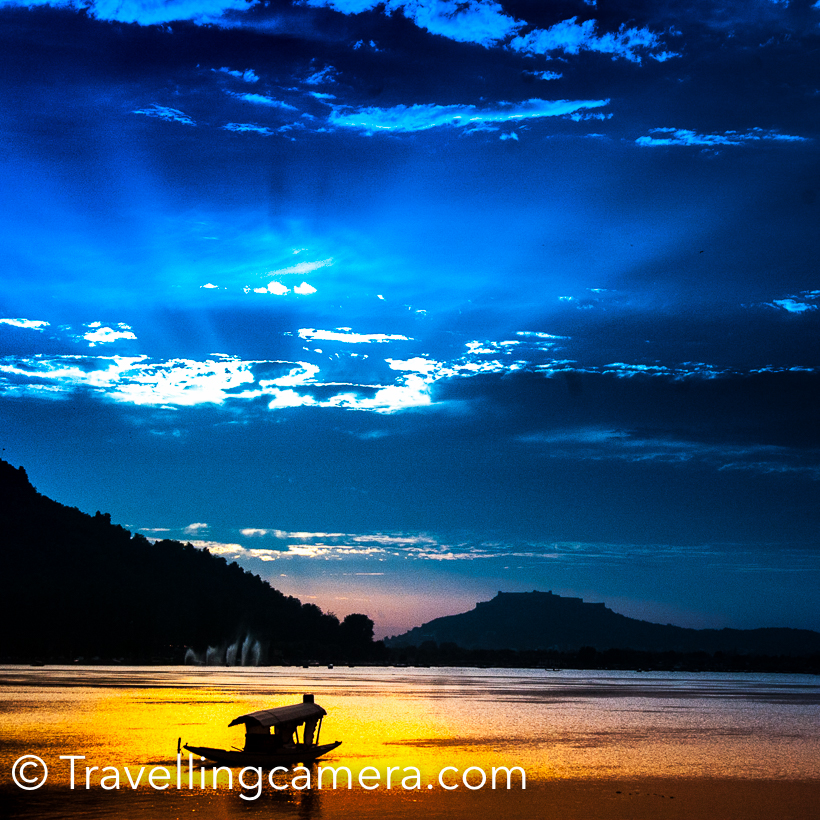

All of us have heard of Dal Lake in Srinagar, but I was not aware of Nagin Lake before I visited Kashmir Valley. During this visit, I stayed at Centaur Hotel which is close to Nagin lake and that's how I got a chance to explore this lake well in Srinagar.  During my 3 days stay at Srinagar, I had various Shikara rides in Nagin lake and explored different parts of the lake. This PHOTO JOURNEY shares some of the photographs clicked around Nagin Lake and information about houseboats, markets, vegetation, Shikara rides, shopping and lot more. In fact, I found Nagin lake better than Dal lake. Less crowded, better maintained, cleaner and peaceful. The lake looks awesome during sunset time whenever most of the Shikaras move towards the shoreline and lake market closes down by handing over all the tourists & travellers to houseboats. Glittering lights of houseboats and their reflections in Nagin lake look amazing. Evening is best time for Shikara ride in Nagin lake. There are multiple reasons for that. I prefer Nagin lake over Dal lake because of less commercialization and hence peace :). Lot of families can be seen sitting around the lake during evening time. Some of them also enjoy fishing, although not sure if that's legal or not. There are some houses around the lake and hence you can see lot of local folks riding their boats to commute to other side of the lake. In morning, mothers can be seen riding their boats to drop kids on other side for joining school.   Shikaras can be seen at various places around the shoreline. After every 300 meters you can find Shikaras waiting for tourists. There are different kinds of Shikaras and tariff varies accordingly. The Shikara ride is usually 45 mins to 1 hr 15 mins. These Shikaras take you to lake market, which is in the middle of lake. All the shops are floating over the lake. On your way, you see some of the brilliant and popular houseboats in Srinagar. If not staying in these houseboats, you can plan to have lunch at one of those. Only few of them have restaurants. It can be a great experience to enjoy lunch on the lake, while listening to local folk songs.   We were fortunate to board the Shikara, who's owner was a singer. He sang few Kashmiri songs for us. Unfortunately we forgot to make videos, otherwise that could have been a great addition to this blog-post. After visiting lake market in the middle of Nagin lake, the Shikara takes you little further and exposes you to clusters of houses in the lake. Like we own cars to commute in cities, these folks own a boat to go to other side of the lake. In above photograph you see a boat, which is being used by a local to go back home after day job. Some of my friends had told that Nagin lake is little dirty, but when we were there it was much cleaner and cleaning project was under progress. The colorful lotuses were looking brilliant with millions of lotus-leaves all around. If you are having a Shikara ride during day, you can relax and have a nap :) and we did that when coming back from Lake market. There are lot of Shikaras in Nagin lake, which would come to you and sell snacks, bhutta & handicraft. You can enjoy fruit chats, bhutta, tea, local snacks when enjoying shikara ride. At the same time, if you don't have much time, you can do little shopping in lake only. One of my friends bought Kashmiri Jewelry for his friends & family.   I would rate Nagin lake experience much better in Srinagar and in my next trip, I intend to stay in one of the Houseboats in Nagin Lake.

Yusmarg: For Travelers Who Prefer Quiet

Yusmarg sits around 47 kilometres from Srinagar and is surrounded by dense pine and fir forests and the Pir Panjal range. It remains less commercialized than Gulmarg and Pahalgam.

For photographers, Yusmarg is attractive because the landscape does not constantly demand attention.

There is space.

There are forests.

There are meadows.

And there is time.

If your idea of a successful Kashmir trip involves sitting quietly rather than collecting attractions, consider adding Yusmarg.


Dal Lake is beautiful lake in Srinagar city of Jammu & Kashmir State. Shrinagar is also know as summer capital of Jammu and Kashmir State of India. The urban lake, which is the second largest in the state, is integral to tourism and recreation in Kashmir and is nicknamed the 'Jewel in the crown of Kashmir' or 'Srinagar's Jewel'. The lake is also an important source for commercial operations in fishing and water plant harvesting. Let's check out this Photo Journey to know more about Dal Lake in this beautiful city of Kashmir !Last month I was in Shrinagar for 3rd Mughal Rally by Himalayan Motorsports and all these photographs are shot during one of the evenings, when we were relatively free and could spend some time around Nagin & Dal Lake. Although one of the mornings we also went for Shikara Ride through Old Kashmir and markets around lake. We shall also be sharing same photographs in colors soon, as sunset colors were really magical...Dal lake is quite popular as a visitor attraction and a summer resort for tourists from various parts of India and other countries. Fisheries and the harvesting of food and fodder plants are also important on Dal Lake. Weeds from the lake are extracted and converted into compost for the gardens. It also serves as a flood lung of the Jhelum River. Swimming, boating, snow skiing and canoeing are amongst some of the water sports activities practiced on the lake.Various Houseboats can be seen around different Lakes in Shrinagar. Houseboats and the Dal Lake are widely associated with Srinigar and are nicknamed 'floating palaces', built according to British customs. The houseboats are generally made from local cedar-wood and are graded in a similar fashion to hotels according to level of comfort. Many of them have lavishly furnished rooms, with verandas and a terrace to serve as a sun-deck or to serve evening cocktails. They are mainly moored along the western periphery of the lake, close to the lakeside boulevard in the vicinity of the Dal gate and on small islands in the lake. They are anchored individually, with interconnecting bridges providing access from one boat to the other. The kitchen-boat is annexed to the main houseboat, which also serves as residence of the boat-keeper and his family(Courtesy - http://en.wikipedia.org/wiki/Dal_Lake)Dal Lake is in the heart of Srinagar city and is well connected by road & air links. The nearest airport, which connects with other major cities in the country, is about 7 kilometres away at Badgam. The nearest railway station is 300 kilometres away at Jammu. The National Highway NH1A connects the Kashmir valley with rest of the countrDal lake covers an area of around 18 square kilometres and is part of a natural wetland which covers around 21 square kms, including its floating gardens. The floating gardens, known as 'Rad' in Kashmiri, blossom with lotus flowers during July and AugustThe wetland is divided by causeways into four basins - Gagribal, Lokut Dal, Bod Dal and Nagin. Nagin is also considered as separate lake and we stayed Centaur Hotel which is near to Nagin Lake only. Lokut-dal and Bod-dal each have an island in the centre, known as Rup Lank  and Sona Lank respectively.Shoreline of the Dal Lake is about 15.5 kilometres and encompassed by a boulevard lined with Mughal era gardens, parks, houseboats and hotels. Scenic views of Dal lake can be witnessed from Mughal gardens, such as Shalimar Bagh and Nishat Bagh built during the reign of Mughal Emperor Jahangir and from houseboats cruising along the lake in the colourful shikaras.Dal lake has numerous sites and places of interest, many of which are important to the cultural heritage of Srinigar. Aside from the Shalimar Bagh and Nishat Bagh, some of the other places frequented by tourists are the Shankaracharya temple, the Hari Parbat, the Nagin Lake, the Chashme Shahi, the Hazratbal Shrine, the famous Kashmir houseboats and the Shikara (boat) called the Gandola of Kashmir.Shikaras provide a water taxi service available to see the sights in the Dal Lake and to approach the houseboats moored on the lake periphery.Dal Lake has become an icon of the Kashmir tourism industry and almost every tourist dream of having a Shikara ride in this lake and stay at least for one night in House-Boats. A Himalayan urban lake which has five basins and a number of channels that are well linked with each other. There are plenty of fishes in Dal Lake and fishery is the second largest industry of the region centered on the lake.The sparkling quiet waters of Dal surrounded by snow-capped mountains on its three sides, undoubtedly mark it as one of the most beautiful lakes of India. It is also the second largest lake in the State of Jammu and Kashmir with numerous gardens and orchards all along its shores. Houseboats form an indelible part of the scenery of the Dal Lake that are always ready to take tourists to a romantic and peaceful ride of the lake and soothe their nerves as the houseboat floats over the slightly rippling waters. They also offer some of the most exotic views of the splendid scenery of the Dal Lake.

Gurez Valley: Go Beyond the Familiar Kashmir

Gurez is one of the most interesting choices for an adventurous traveler.

The valley lies at around 8,000 feet and follows the Kishanganga River. It is home to the Dard-Shin community and retains distinctive traditions, architecture and cultural characteristics.

The pyramid-shaped Habba Khatoon Peak dominates the landscape.

Dawar is the main settlement, while Tulail offers an even more remote experience.

Gurez is not a casual day trip.

Road access is seasonal, accommodation is limited, connectivity can be weak and conditions can change quickly. The tourism department currently describes the valley as accessible mainly during the warmer months and advises travellers to plan carefully.

This is precisely why it can be rewarding.

You aren't just photographing a landscape.

You are entering a living cultural landscape.


Kashmir Travel Guide covering Srinagar, Gulmarg, Pahalgam, Sonamarg, hidden valleys, food, photography, itineraries and practical tips for a memorable

Hidden Places Worth Considering

If you have more than a week, consider exploring:

PlaceWhy GoIdeal For
DoodhpathriMeadows and streamsLandscape photography
YusmargForests and quiet meadowsSlow travel
GurezDard-Shin culture and mountainsAdventure
Wular LakeHuge freshwater landscapeBird and sunset photography
Manasbal LakeLotus, water and quieter surroundingsNature photography
AharbalWaterfalls and forest landscapeNature lovers
Lolab ValleyRural landscapes and villagesOffbeat exploration
DachigamWildlife and Hangul habitatWildlife photography
NaranagAncient heritage and trekking accessHistory + hiking

Wular Lake, Manasbal and Gurez are particularly interesting if you want to see a side of Kashmir that feels different from the Dal-Gulmarg-Pahalgam circuit.


Kashmir Travel Guide covering Srinagar, Gulmarg, Pahalgam, Sonamarg, hidden valleys, food, photography, itineraries and practical tips for a memorable

Best Photography Spots in Kashmir

For a photography-focused trip, I would prioritize these locations:

  1. Dal Lake at sunrise — reflections and shikaras

  2. Nigeen Lake — quieter water and houseboats

  3. Pari Mahal at sunset — Srinagar from above

  4. Nishat Bagh — Mughal geometry and gardens

  5. Old Srinagar — architecture and street life

  6. Gulmarg — snow, forests and alpine landscapes

  7. Pahalgam — Lidder River and pine forests

  8. Sonamarg — dramatic mountain scenery

  9. Gurez — villages and high Himalayan landscapes

  10. Wular Lake — vast horizons and changing skies

Kashmir Travel Guide covering Srinagar, Gulmarg, Pahalgam, Sonamarg, hidden valleys, food, photography, itineraries and practical tips for a memorable

The Best Light in Kashmir

Sunrise:
Best for Dal Lake, Nigeen Lake and quiet streets.

Morning:
Excellent for gardens and architecture before crowds become intense.

Late afternoon:
Good for mountains when directional light creates texture.

Golden hour:
Ideal around Pari Mahal and elevated viewpoints.

Blue hour:
Excellent for Srinagar cityscapes from higher viewpoints.

Overcast weather:
Don't put your camera away. Soft light is fantastic for portraits, gardens, forests and architecture.


Kashmir Travel Guide covering Srinagar, Gulmarg, Pahalgam, Sonamarg, hidden valleys, food, photography, itineraries and practical tips for a memorable

Photography Tips for Kashmir

Carry more than a wide-angle lens.

A useful kit might include:

  • 24–70mm for general travel

  • 70–200mm for compressed landscapes and people

  • Wide-angle lens for interiors and dramatic mountains

  • Polarizer for reducing reflections

  • Neutral-density filter for waterfalls

  • Extra batteries

  • Rain protection

  • Microfiber cloths

The most important piece of equipment, however, is patience.

Wait for the boat to move into the right position.

Wait for the sunlight to touch the mountain.

Wait for the clouds to separate.

A photograph made five minutes later can be completely different.

And avoid photographing sensitive military installations or restricted locations. In areas such as Gurez, photography restrictions around strategic infrastructure can be particularly important.


Kashmir Travel Guide covering Srinagar, Gulmarg, Pahalgam, Sonamarg, hidden valleys, food, photography, itineraries and practical tips for a memorable

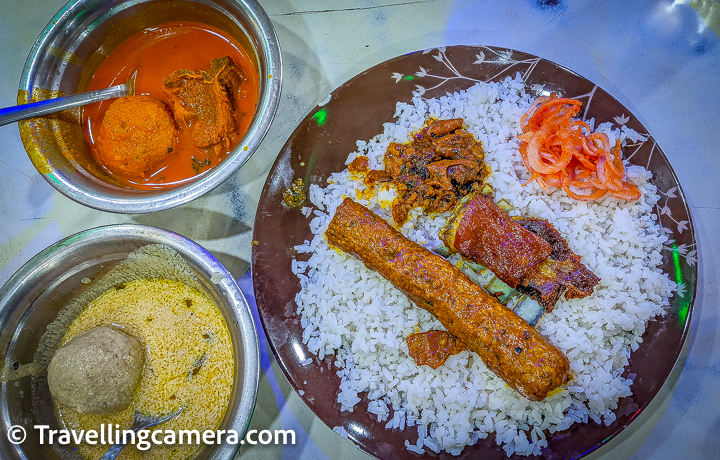
What to Eat in Kashmir

Kashmiri food deserves more attention than the standard list of Rogan Josh and kahwa.

If you have an opportunity to experience an authentic Wazwan, take it.

Wazwan is not simply a meal. It is a culinary tradition and social experience.

Depending on the occasion and preparation, dishes can include:

  • Rogan Josh

  • Yakhni

  • Tabak Maaz

  • Rista

  • Gushtaba

  • Marchwangan Kormeh

  • Haak

  • Modur Pulao

  • Kahwa

Kashmiri cuisine also has a strong vegetarian tradition, and dishes such as dum aloo, haak and nadru deserve attention.

And then there is kahwa.

A small cup of saffron-infused green tea with cardamom and almonds can feel entirely different when you're drinking it in a cold mountain evening rather than ordering it because a menu says "traditional."

Kashmir Travel Guide covering Srinagar, Gulmarg, Pahalgam, Sonamarg, hidden valleys, food, photography, itineraries and practical tips for a memorable

Local Conversations: Listen Before You Photograph

One of the best ways to understand Kashmir is to slow down around people.

Talk to your shikara boatman.

Ask a shopkeeper where a particular handicraft is made.

Ask about the walnut wood carving.

Ask an elderly person about how the neighbourhood looked decades ago.

Ask your homestay host what they eat at home.

These conversations often reveal more than another hour spent scrolling through tourist attractions.

But there is an important distinction between curiosity and intrusion.

Don't assume everyone wants to be photographed.

Ask.

And if someone says no, accept it immediately.

That simple gesture often earns more respect than any expensive camera.


Kashmir Travel Guide covering Srinagar, Gulmarg, Pahalgam, Sonamarg, hidden valleys, food, photography, itineraries and practical tips for a memorable

Best Time to Visit Kashmir

Kashmir changes dramatically through the year.

SeasonWhat to ExpectBest For
March-AprilFlowers and spring landscapesTulips, gardens
May-JuneGreen valleys and pleasant weatherGeneral sightseeing
July-AugustLush landscapes, pilgrimage activityMountains and greenery
SeptemberClearer weather and fewer crowdsPhotography
October-NovemberAutumn coloursChinar trees, landscapes
December-FebruarySnow and winter sceneryGulmarg, snow experiences

For photographers, October and early November can be particularly special because the valley's trees develop warm autumn colours.

For snow, winter is the obvious choice, but remember that mountain weather can affect road conditions and activities.

Always check current weather, road and local travel advisories before leaving.

Kashmir Travel Guide covering Srinagar, Gulmarg, Pahalgam, Sonamarg, hidden valleys, food, photography, itineraries and practical tips for a memorable

How to Reach Kashmir

The easiest entry point for most travelers is Srinagar International Airport.

The Airports Authority of India maintains the current Srinagar flight schedule and specifically advises passengers to verify timings with their airlines because schedules can change.

By Air

Regular flights connect Srinagar with major Indian cities.

This is generally the most convenient option if you have limited time.

By Train

Rail connectivity into Kashmir has improved significantly, with the railway network now extending into the Kashmir Valley. However, train schedules, connections and operational arrangements can change, so check Indian Railways and current railway information before planning an entire journey around rail travel.

By Road

The Jammu-Srinagar highway remains an important road connection.

If you enjoy road journeys, the route can itself become part of the Kashmir experience, but mountain weather and road conditions can cause delays.


Kashmir Travel Guide covering Srinagar, Gulmarg, Pahalgam, Sonamarg, hidden valleys, food, photography, itineraries and practical tips for a memorable

Where to Stay in Kashmir

Your choice of accommodation can significantly change the experience.

Srinagar

Consider splitting your stay between:

  • A houseboat experience

  • A hotel or guesthouse on land

A houseboat gives you a sense of Kashmir's relationship with water, while staying on land is usually more practical for exploring the city.

Gulmarg

Stay overnight if possible rather than treating it only as a day trip.

The landscape feels completely different after the tourist traffic begins to disappear.

Pahalgam

Choose accommodation slightly away from the busiest commercial stretch if peace matters more to you than convenience.

Gurez

Expect simpler accommodation.

Homestays and basic guesthouses can be part of the experience rather than a compromise.

The tourism authorities note that accommodation in Gurez is limited, making advance planning especially important.

Kashmir Travel Guide covering Srinagar, Gulmarg, Pahalgam, Sonamarg, hidden valleys, food, photography, itineraries and practical tips for a memorable

Kashmir Travel Budget Tips

Kashmir can be expensive or surprisingly affordable depending on how you structure the trip.

To save money:

  • Travel outside peak periods.

  • Share taxis for longer journeys where practical.

  • Stay in guesthouses instead of premium resorts.

  • Eat local meals.

  • Use public transport where convenient.

  • Avoid changing hotels every night.

  • Negotiate and clarify activity costs before starting.

  • Book popular activities through official channels where available.

Most importantly, ask for the price before a pony ride, local transfer or activity begins.

Don't assume a verbal "yes" means everyone has understood the same price.

The tourism department publishes official service-rate notifications for destinations including Pahalgam and Gulmarg, so checking current rates before travelling is worthwhile.


Kashmir Travel Guide covering Srinagar, Gulmarg, Pahalgam, Sonamarg, hidden valleys, food, photography, itineraries and practical tips for a memorable

A Practical 7-Day Kashmir Itinerary

Day 1: Arrive in Srinagar

Check in.

Keep the day slow.

Walk around the Dal Lake area at sunset.

Day 2: Srinagar

Start with an early morning shikara ride.

Explore Nishat Bagh, Shalimar Bagh and Chashme Shahi.

End the afternoon at Pari Mahal.

Day 3: Old Srinagar

Explore the old city, traditional markets, Jama Masjid and historic neighbourhoods.

Spend the evening around Dal or Nigeen Lake.

Day 4: Gulmarg

Drive to Gulmarg.

Explore the meadow and take the Gondola if operating conditions permit.

Stay overnight if your schedule allows.

Day 5: Pahalgam

Travel toward Pahalgam.

Spend time beside the Lidder River and explore the surrounding landscape rather than rushing through several attractions.

Day 6: Pahalgam or Doodhpathri

Choose based on your interests.

Stay around Pahalgam for a slower day, or return toward Srinagar and explore Doodhpathri.

Day 7: Srinagar and departure

Keep the final morning flexible.

Buy handicrafts, photograph the lake or simply have another cup of kahwa before heading to the airport.

If You Have 10–12 Days

Add:

  • Sonamarg

  • Yusmarg

  • Gurez

  • Wular Lake

  • Dachigam

Don't add all of them just to increase the number of places on your itinerary.

Choose two or three and spend more time there.


Kashmir Travel Guide covering Srinagar, Gulmarg, Pahalgam, Sonamarg, hidden valleys, food, photography, itineraries and practical tips for a memorable

Responsible Travel in Kashmir

Kashmir's landscapes are beautiful partly because they remain sensitive.

A responsible traveler should:

  • Carry reusable water bottles.

  • Avoid single-use plastic where possible.

  • Never leave waste in meadows or rivers.

  • Avoid disturbing wildlife.

  • Stay on designated trails where appropriate.

  • Respect religious spaces.

  • Ask before photographing people.

  • Buy genuine local handicrafts where possible.

  • Use local guides for specialized treks.

  • Avoid damaging wildflowers.

  • Follow local instructions around restricted areas.

Tourism can provide valuable income to local communities, but only when travelers treat the landscape and culture as something to participate in rather than consume.


Sonamarg promised to be as beautiful as all the articles on the Internet made it out to be. We never got past the first mountain, but if we had, we do not know what pretty sights would have awaited us. Guess we will need to find out on our next visit.

Common Mistakes to Avoid in Kashmir

1. Trying to See Everything

Kashmir isn't a place to conquer in four days.

You'll spend more time in a vehicle than experiencing the valley.

2. Treating Srinagar as a Transit Stop

This is perhaps the biggest mistake.

Srinagar deserves time.

3. Ignoring Early Morning

The best light and some of the most authentic lake activity happen before the crowds arrive.

4. Packing Only for the Season

Mountain weather can change quickly.

Carry layers.

5. Assuming Every Snowy Place Is Accessible

Snow affects roads, trails and mountain activities.

Check current conditions.

6. Photographing People Without Asking

A photograph may be technically beautiful and still be socially inappropriate.

7. Not Clarifying Activity Prices

Especially for pony rides, guides and local transportation.

8. Expecting Mobile Connectivity Everywhere

Remote valleys such as Gurez can have limited connectivity and basic infrastructure.

9. Staying Only in Famous Tourist Areas

Some of Kashmir's most memorable moments happen on roads between destinations.


Gadsar is Kashmir's valley of flowers and it takes a lot of courage and fitness to get there, like it is in the case of most valleys of flowers. The lake after which the valley is named is situated beyond the toughest and the most monstrous pass - the Gadsar pass. Satsar is a group of seven lakes spread over 4 kilometers, they can be covered on a trek that also goes past the Gadsar.

FAQs About a Trip to Kashmir

How many days are enough for a trip to Kashmir?

For a first visit, 7 days is a good starting point. This allows time for Srinagar, Gulmarg, Pahalgam and either Sonamarg or a quieter destination. Ten to twelve days is better if you want to explore Gurez, Yusmarg or other offbeat areas.

Which are the best places to visit in Kashmir for first-time travelers?

Srinagar, Gulmarg, Pahalgam and Sonamarg make the strongest first-time combination. Srinagar provides culture and history, Gulmarg snow and mountains, Pahalgam forests and rivers, and Sonamarg a more dramatic alpine landscape.

What is the best time to visit Kashmir for photography?

Spring is excellent for flowers, while October and early November are particularly rewarding for autumn colours. Winter is best for snow photography, especially around Gulmarg.

Is Kashmir good for a photography trip?

Absolutely. Kashmir offers landscapes, architecture, wildlife, portraits, food photography, documentary opportunities and changing seasonal colours within a relatively compact region.

Is Gulmarg better than Pahalgam?

They offer different experiences. Gulmarg is better for snow, skiing, the Gondola and high-altitude landscapes. Pahalgam is better for forests, rivers, meadows and a slower valley experience.

Is Gurez Valley worth visiting?

Yes, especially for experienced travelers who want a quieter and more culturally distinctive side of Kashmir. It requires more planning because access, accommodation and connectivity are limited.

What food should I try in Kashmir?

Try Wazwan dishes such as Rogan Josh, Rista, Gushtaba and Tabak Maaz, along with vegetarian dishes such as Haak and Nadru. Don't leave without trying Kashmiri kahwa.

Can I visit Kashmir in winter?

Yes. Winter can be spectacular, particularly around Gulmarg. However, snow and weather can affect roads and activities, so flexibility is important.

Should I stay on a Kashmir houseboat?

For a first visit, it is worth experiencing at least one night on a traditional houseboat if the accommodation suits your expectations. It provides a different perspective on Srinagar's relationship with Dal Lake.


I only wish that we were well enough to explore the hills nearby but I realized that we were getting tired with only a little bit of walking so hiking was out of question. In fact we wish we were in better health in the entire Kashmir trip. It would have been an entirely different experience.

Final Thoughts: Leave Some of Kashmir Unplanned

The most memorable part of Kashmir may not be the place you carefully marked on Google Maps.

It might be a road lined with poplar trees.

A sudden mountain appearing between clouds.

A cup of kahwa offered by a host.

A boatman rowing quietly through Dal Lake before sunrise.

An old wooden window in Srinagar.

A conversation in a village.

Or ten completely unplanned minutes beside a stream in the mountains.

That is the Kashmir I would look for as a traveler and photographer.

Yes, visit Dal Lake.

Ride a shikara.

Walk through the Mughal gardens.

See Gulmarg.

Stand beside the Lidder in Pahalgam.

Drive toward Sonamarg.

But then leave a little space in your itinerary.

Kashmir rewards curiosity more than speed.

And once you stop trying to photograph only the famous Kashmir, another one begins to appear: quieter, older, more human and far more difficult to forget.

That is why a Kashmir Travel Guide should ultimately be less about ticking places off a list and more about learning how to look.

Because Kashmir is not one landscape.

It is hundreds of small landscapes, changing with the light, the season, the weather and the people who live among them.

Related Blogposts -

Kashmir Travel Guide covering Srinagar, Gulmarg, Pahalgam, Sonamarg, hidden valleys, food, photography, itineraries and practical tips for a memorable

Pari Mahal in Srinagar of Kashmir Valley || The paradise within the paradise on earth, which offers great panoramic views of the city and Dal Lake

Kashmir Travel Guide covering Srinagar, Gulmarg, Pahalgam, Sonamarg, hidden valleys, food, photography, itineraries and practical tips for a memorable


Kashmir Travel Guide covering Srinagar, Gulmarg, Pahalgam, Sonamarg, hidden valleys, food, photography, itineraries and practical tips for a memorable


Kashmir Travel Guide covering Srinagar, Gulmarg, Pahalgam, Sonamarg, hidden valleys, food, photography, itineraries and practical tips for a memorable


Sonmarg, also known as Sonamarg or Sonamarag, is a hill station located in the the Ganderbal District of Jammu and Kashmir. Literally, its name means "Golden Meadow". Sonmarg is at a distance of 62 kilometers from Gandebal town and 80 Kilometers from Srinagar.


Kashmir Travel Guide covering Srinagar, Gulmarg, Pahalgam, Sonamarg, hidden valleys, food, photography, itineraries and practical tips for a memorable


Kashmir Travel Guide covering Srinagar, Gulmarg, Pahalgam, Sonamarg, hidden valleys, food, photography, itineraries and practical tips for a memorable


Kashmir Travel Guide covering Srinagar, Gulmarg, Pahalgam, Sonamarg, hidden valleys, food, photography, itineraries and practical tips for a memorable


Tourism Development is a very important aspect in many ways, but doing it right way is equally important. Different regions, states and countries put lot of efforts to develop tourism, which are much needed for overall economy. But many tourist-places remind you about unorganised ways of doing things and somehow our recent Kashmir experience was the worst ever. Before you read further, I want to share that it's a rant along with some useful tips to avoid irritable factors to enjoy your visit well.


Kashmir Travel Guide covering Srinagar, Gulmarg, Pahalgam, Sonamarg, hidden valleys, food, photography, itineraries and practical tips for a memorable


Kashmir Travel Guide covering Srinagar, Gulmarg, Pahalgam, Sonamarg, hidden valleys, food, photography, itineraries and practical tips for a memorable


6. Sonmarg follows the same pattern as Pahalgam, so will not repeat it.     Am I saying that don't go to these places or these are not worth visiting? No. Mainly I am recommending to not get influenced by locals, do your own research, make your own plan and enjoy your trip instead of let these tourism vendors decide what you want to see and how. Kashmir is beautiful and probably I would recommend taking your own car if possible. That will cut lot of chaos for you.     Related Blogpost - A short Pilgrimage Tour to Jammu and it's surrounding - by Shankar Rajaram


Kashmir Travel Guide covering Srinagar, Gulmarg, Pahalgam, Sonamarg, hidden valleys, food, photography, itineraries and practical tips for a memorable


Kashmir Travel Guide covering Srinagar, Gulmarg, Pahalgam, Sonamarg, hidden valleys, food, photography, itineraries and practical tips for a memorable


Bottomline - Think how you want to spend your time in Gulmarg and also think about the crowd you need to deal with when you go with obvious options. Also be aware of the scams like pony rides which are forced upon you because you are new to the place. Don't get the jacket/boots when you are there in summers and pick when you are sure you are going to indulge in snow activities. Even then it's worth when there is lot of snow. Phase-1 doesn't have that much snow, so save your money and energy to carry this unnecessary stuff with you.


To say that we were excited to go to Pahalgam during our visit to Kashmir, would be an understatement. The excursion, from what we had heard, promised to be the first glimpse of real paradise. While there will be another post about Pahalgam and its realities, this post is about the journey from Srinagar to Pahalgam, because the journey is at least as important as the destination.


Kashmir Travel Guide covering Srinagar, Gulmarg, Pahalgam, Sonamarg, hidden valleys, food, photography, itineraries and practical tips for a memorable


All of us have heard of Dal Lake in Srinagar, but I was not aware of Nagin Lake before I visited Kashmir Valley. During this visit, I stayed at Centaur Hotel which is close to Nagin lake and that's how I got a chance to explore this lake well in Srinagar.  During my 3 days stay at Srinagar, I had various Shikara rides in Nagin lake and explored different parts of the lake. This PHOTO JOURNEY shares some of the photographs clicked around Nagin Lake and information about houseboats, markets, vegetation, Shikara rides, shopping and lot more. In fact, I found Nagin lake better than Dal lake. Less crowded, better maintained, cleaner and peaceful. The lake looks awesome during sunset time whenever most of the Shikaras move towards the shoreline and lake market closes down by handing over all the tourists & travellers to houseboats. Glittering lights of houseboats and their reflections in Nagin lake look amazing. Evening is best time for Shikara ride in Nagin lake. There are multiple reasons for that. I prefer Nagin lake over Dal lake because of less commercialization and hence peace :). Lot of families can be seen sitting around the lake during evening time. Some of them also enjoy fishing, although not sure if that's legal or not. There are some houses around the lake and hence you can see lot of local folks riding their boats to commute to other side of the lake. In morning, mothers can be seen riding their boats to drop kids on other side for joining school.   Shikaras can be seen at various places around the shoreline. After every 300 meters you can find Shikaras waiting for tourists. There are different kinds of Shikaras and tariff varies accordingly. The Shikara ride is usually 45 mins to 1 hr 15 mins. These Shikaras take you to lake market, which is in the middle of lake. All the shops are floating over the lake. On your way, you see some of the brilliant and popular houseboats in Srinagar. If not staying in these houseboats, you can plan to have lunch at one of those. Only few of them have restaurants. It can be a great experience to enjoy lunch on the lake, while listening to local folk songs.   We were fortunate to board the Shikara, who's owner was a singer. He sang few Kashmiri songs for us. Unfortunately we forgot to make videos, otherwise that could have been a great addition to this blog-post. After visiting lake market in the middle of Nagin lake, the Shikara takes you little further and exposes you to clusters of houses in the lake. Like we own cars to commute in cities, these folks own a boat to go to other side of the lake. In above photograph you see a boat, which is being used by a local to go back home after day job. Some of my friends had told that Nagin lake is little dirty, but when we were there it was much cleaner and cleaning project was under progress. The colorful lotuses were looking brilliant with millions of lotus-leaves all around. If you are having a Shikara ride during day, you can relax and have a nap :) and we did that when coming back from Lake market. There are lot of Shikaras in Nagin lake, which would come to you and sell snacks, bhutta & handicraft. You can enjoy fruit chats, bhutta, tea, local snacks when enjoying shikara ride. At the same time, if you don't have much time, you can do little shopping in lake only. One of my friends bought Kashmiri Jewelry for his friends & family.   I would rate Nagin lake experience much better in Srinagar and in my next trip, I intend to stay in one of the Houseboats in Nagin Lake.


Dal Lake is one of the most popular lakes of India, which is located in Srinagar, the summer capital of Jammu and Kashmir. The urban lake, which is the second largest in the state, is integral to tourism and recreation in Kashmir and is nicknamed the 'Jewel in the crown of Kashmir' or 'Srinagar's Jewel'. The lake is also an important source for commercial operations in fishing and water plant harvesting.The shore line of the lake is encompassed by a boulevard lined with Mughal era gardens, parks, houseboats and hotels. Scenic views of the lake can be witnessed from the shore line Mughal gardens, such as Shalimar Bagh and Nishat Bagh built during the reign of Mughal Emperor Jahangir) and from houseboats cruising along the lake in the colourful shikaras. Dal Lake has some Floating gardens as well. The floating gardens, known as 'Rad' in Kashmiri, blossom with lotus flowers during July and August. The wetland is divided by causeways into four basins - Gagribal, Lokut Dal, Bod Dal and Nagin (although Nagin is also considered as an independent lake). During our trip to Shrinagar, we stayed in a hotel around Nagin lake only. Oldest Five star of the city is located on the bank of Nagin Lake. Lokut-dal and Bod-dal each have an island in the centre, known as Rup Lank (or Char Chinari) and Sona Lank respectively.  There are some personal houses around Dal Lake and people have their own boats to travel from one place to another for getting stuff from Lake-Market, which is again located inside Dal Lake only. Houseboats and the Dal Lake are widely associated with Srinigar and are nicknamed 'floating palaces', built according to British customs.The houseboats are generally made from local cedar-wood and are graded in a similar fashion to hotels according to level of comfort.Many of them have lavishly furnished rooms, with verandas and a terrace to serve as a sun-deck or to serve evening cocktails.They are mainly moored along the western periphery of the lake, close to the lakeside boulevard in the vicinity of the Dal gate and on small islands in the lake. They are anchored individually, with interconnecting bridges providing access from one boat to the other.The kitchen-boat is annexed to the main houseboat, which also serves as residence of the boatkeeper and his family.Many boats on Dal Lake are used for selling stuff to tourists. Anything like Artificial Jewellery, Corns, Fruits, Cloths, Wooden Articles, Flowers etc. Some of the vendors can be seen selling digital-cards for still/video cameras.        Each houseboat has an exclusive shikara for ferrying guests to the shore. A shikara is small paddled taxi boat, often about 15 feet and made of wood with a canopy and a spade shaped bottom.It is the cultural symbol of Kashmir and is used not only for ferrying visitors but is also used for the vending of fruits, vegetables and flowers and for the fishing and harvesting of aquatic vegetation.All gardens in the lake periphery and houseboats anchored in the lake are approachable through shikaras.The boats are often navigated by two boatmen dressed in 'Phiron' (traditional dress) and carry 'Kangris' or portable heaters on the boat.A shikara can seat about six people and have heavily cushioned seats and backrests to provide comfort in Mughul style.All houseboat owners provide shikara transport to their house guests free of charge. The shikara is also used to provide for other sightseeing locations in the valley, notably a cruise along the Jhelum River, offering scenic views of the Pir Panjal mountains and passing through the famous seven bridges and the backwaters enroute.


Kashmir Travel Guide covering Srinagar, Gulmarg, Pahalgam, Sonamarg, hidden valleys, food, photography, itineraries and practical tips for a memorable


When in Kashmir, we drove to Daksum, Anantnag, Sinthan Top and Kishtwar from Srinagar. This road also connects Srinagar with Jammu, but we had taken Mughal road  to hit Kashmir Valley when drove from Delhi. These is one of the most beautiful terrains of Kashmir Valley. In fact, it would be unfair to compare various terrains in Kashmir Valley, because all of these have unique character and equally beautiful. This Photo Journey shares more about this route, it's terrains and some important facts.Daksum is surrounded by dense forests with Bringhi River flowing right through its center. Daksum has been a popular destination for explorers and adventure lovers. Green meadows around Daksum look amazing and if you are lucky, you can find few shepherds singing some local songs. We met a gentleman, who loves playing flute. Unfortunately we didn't want to get clicked, so I don't have his photograph. All this may sound filmy but that's what you experience in Kashmir Valley.Clouds of Kashmir Valley are very interesting and naughty. They keep playing games with you, especially hide-n-seek.I clicked hundreds of cloud photographs in Kashmir. If you are lucky, these clouds also try to surround you from closer distance. Especially in early morning and late evening. Most of the times, these hills get drizzle.  On these terrains around Sinthan Top, you feel like stopping your car and sit around the edge to experience the cool breeze blowing through the valley and green landscapes all around. It's a must do experience at a place where you find peace around these hills.Road connecting Srinagar with Sinthan Pass goes through beautiful landscapes full of green meadows, dense forests, cities, some beautiful mosques and paddy fields.Above photographs is clicked during Mughal Rally (A motorsport event organized by Himalayan Motorsports). The Sinthan pass connects Kashmir valley with Jammu Province through Kistwar. Pass is 12500 feet above sea level and is snow-capped for most of the year. It is located at the Anantnag-Kokernag-Kishtwar NH1B Highway and is 130 km south of Srinagar and 72 kilometers from Anantnag and approximately 50 kilometers from Kokernag.These curvy hills offer you unmatchable views of snow capped hills shimmering with sunlight and intense shadows of clouds. Flora and fauna of Kashmir valley welcomes you with open arms on the way to Sinthan top. There are very few tourists come to this part of Kashmir valley. Some of the most popular destinations in Kashmir are Srinagar, Pehalgaon, Gulmarg and Leh.Sinthan Top has no local population. Shepherds from adjoining places like Kokernag, Duksum, and tourists and those working in the tourism industry may stay overnight in tents. There is a small tea shop at top, which serves tea and basic snacks to tourists and army folks roaming around.This post is sharing only the landscapes of green meadows and some of the hills full of snow. But the drive from Srinagar to Sinthan Pass offers you lot more than that. Foothills of Sinthan Pass on both sides have very beautiful villages full of wooden houses, which are usually seen in movies. All of those seemed old and most of the newer houses near road were all modern with concrete construction.  From Sinthan pass, there is an uphill trek to Sinthan top. The uphill climb to Sinthan top is a difficult and steep. Initially we hesitated to take this challenge but when did it, we found it worth. That was one of the best moments from our kashmir valley.How to reach this part of Kashmir Valley -Srinagar has nearest airport.  Anantnag railway station is also connected with Kashmir Railway that runs from Baramulla to Qazigund. If you are in Jammu or Srinagar, you can hire a taxi or take bus for this part of Kashmir Valley.Lodging around Sinthan Pass, Anantnag -There are not many places to stay in Daksum. A few decent options can be found in Anantnag or Kokernag. Now some of the NGOs are actively running homestays in this part of Kashmir. One can find some goods option to stay in Anantnag. There are enough dhabas and restaurants serving local and Indian cuisine. It's recommended to do more research about the place and do advance booking. Also keep a track of local news, before you head there.This part of Kashmir and Peer Panjal mountain ranges are like heaven on earth. These grand views hypnotize all travellers and tourists crossing through Sinthan Pass. Every turn offers you new surprise and journey remains interesting.You can find lot of snow around Sinthan Pass, but remains of snow can be seen at distant places as well. Above photograph share true colors and mood of Kashmir - the bright blue sky, pure white clouds and snow covered green meadows.Two companions of Travellingcamera who were accompanying me in Kashmir exploration.


Comments

Trending Post Today !

How to reach Kasol/Malana and top things to do around this stunning hill-station of Himalayan State of India

Main places to see & Top things to do around Dalhousie : Stunning Hill Station in Himalayan State of India