Best Wall Art for the South-East Direction: Vastu-Inspired Ideas for a Warm, Energetic and Prosperous Home

Choosing wall art for your home is often an emotional decision. Some people choose a painting because it reminds them of a memorable journey. Others are drawn towards colours, textures, photography or abstract compositions that simply make a room feel more alive.
But for homeowners who also consider Vastu Shastra, the direction of a wall can become an important part of the decision.
The South-East direction, traditionally known as the Agneya Kona, is associated with the element of Fire or Agni. In Vastu-inspired interior design, this zone is connected with energy, transformation, enthusiasm, passion, action and the dynamic aspects of everyday life. Because of this association, the artwork chosen for a South-East wall is generally recommended to feel warm, vibrant, optimistic and full of life.
The idea is not to turn your home into a collection of rigid Vastu rules. Instead, think of direction as an additional design language. A thoughtfully chosen artwork can simultaneously complement the architecture of your home, reflect your personality and create a visual atmosphere that feels energetic and harmonious.
This detailed guide explores the best kinds of wall art for the South-East direction, suitable colours, artistic themes, photography ideas, traditional Indian art forms, modern abstract artworks and the kinds of imagery many Vastu-inspired decorators prefer to avoid.
Important note: Vastu traditions and interpretations can vary between practitioners and regions. Wall art should ultimately make your home feel meaningful, beautiful and emotionally positive. The recommendations below should be viewed as Vastu-inspired design guidance rather than guaranteed outcomes.
Quick Answer: What Kind of Wall Art Is Best for the South-East Direction?
According to commonly followed Vastu-inspired design principles, the South-East direction is associated with the Fire element. Therefore, wall art featuring warm colours, light, energy, movement, transformation and positive action is generally considered suitable.
Some popular choices include:
Sunrise and golden light photography
Abstract art in red, orange, gold and warm yellow
Diya or lamp artwork
Phoenix-inspired paintings
Warm floral compositions
Sunflowers and marigolds
Fire-inspired abstract art
Dynamic horse artwork
Artistic depictions of sacred fire rituals
Golden landscapes
Dramatic desert photography
Warm-toned architectural photography
Contemporary art featuring energy and movement
On the other hand, many Vastu-inspired guides recommend avoiding excessively dominant water imagery, dark melancholic scenes and cold blue-heavy compositions in the South-East zone because they visually contrast with the symbolic Fire element associated with this direction.
Understanding the South-East Direction in Vastu
Before selecting a painting or photograph, it helps to understand the symbolic character traditionally associated with this direction.
In Vastu terminology, the South-East is commonly referred to as the Agneya direction because of its connection with Agni, the principle of fire.

Fire is not only associated with literal flames.
Symbolically, fire represents:
Transformation
Energy
Light
Passion
Enthusiasm
Action
Motivation
Creativity
Confidence
Movement
Warmth
This is why a South-East wall can be a wonderful location for artwork that feels alive rather than passive.

Imagine entering a room and seeing a dramatic photograph of the first golden light touching a mountain landscape. Or a large abstract canvas filled with glowing amber, burnt orange and deep crimson textures. Or perhaps an elegant artwork of a diya glowing in darkness.
These images naturally communicate warmth and energy.
That emotional experience is perhaps the most practical interpretation of direction-based wall art.

1. Sunrise and Golden Light Photography
One of the most beautiful options for a South-East wall is a photograph or painting featuring sunrise, morning light or golden illumination.

Sunrise imagery symbolises:
New beginnings
Hope
Energy
Optimism
Renewal
Movement towards a new day

While the East direction is traditionally most strongly associated with sunrise, warm sunrise photography can also visually complement the energetic character often associated with the South-East zone.

For photographers and art collectors, this opens many creative possibilities.
You could choose:
Sunrise over mountains
Golden light over desert landscapes
Sunlight entering an ancient temple
Early morning city skylines
Sun rays passing through forests
Golden Himalayan landscapes
Morning light over architectural monuments

The key is to select an image that feels bright and uplifting rather than gloomy.

A dramatic orange sky over a mountain ridge can become an exceptional statement piece in a living room.


2. Abstract Art in Red, Orange and Gold
Modern abstract art is perhaps one of the easiest ways to decorate a South-East wall.

You don't necessarily need literal images of fire.
A carefully designed abstract composition using warm colours can communicate the same sense of energy.

Consider artwork featuring:
Crimson
Vermilion
Burnt orange
Terracotta
Saffron
Amber
Gold
Warm yellow
Copper tones

Abstract art works particularly well in contemporary homes because it allows you to bring symbolic colour energy into a room without making the décor overly traditional.

Imagine a large canvas featuring flowing strokes of burnt orange and deep red.

Or a textured artwork where gold leaf interacts with dark earthy tones.

Or a minimalist composition featuring a glowing circular form representing the sun.

These pieces can feel sophisticated, modern and timeless.
Many contemporary Vastu-inspired décor guides specifically recommend warm, fire-related colour palettes for the South-East zone.

3. Diya and Lamp Artwork
Few visual symbols represent warmth and light as beautifully as a diya.
A painting or photograph featuring a glowing lamp can work wonderfully in the South-East area of a home.

The diya symbolically represents:
Light overcoming darkness
Knowledge
Hope
Warmth
Positivity
Celebration

This type of artwork can be interpreted in many artistic styles.

For example:

Traditional Style
A richly detailed painting of brass diyas surrounded by flowers.

Minimalist Photography
A single diya photographed against a dark background.

Contemporary Art
An abstract interpretation of flame and light.

Fine Art Photography
A carefully composed image where warm bokeh surrounds a glowing lamp.
This type of artwork can work beautifully in:
Living rooms
Dining spaces
Entry corridors
Meditation spaces
Home offices

A diya artwork is particularly effective when paired with warm lighting.
4. Phoenix Artwork: A Symbol of Transformation
The Phoenix is a powerful artistic symbol associated with rebirth and transformation.
According to popular Vastu and Feng Shui-inspired décor interpretations, Phoenix imagery can complement spaces associated with transformation, ambition and dynamic energy.
The symbolism is particularly interesting.
The Phoenix represents the ability to:
Rise again
Transform after difficulty
Begin a new chapter
Rebuild with strength
Move forward
For this reason, a Phoenix artwork can be an excellent choice for a home office, creative studio or living room.
Instead of choosing a highly dramatic or aggressive image, look for artwork that feels elegant and uplifting.
A contemporary Phoenix painting with:
Warm reds
Golden feathers
Orange highlights
Deep textured backgrounds
can create a spectacular visual focal point.
Phoenix imagery is frequently included among suggested themes for South-East wall art in contemporary Vastu-inspired guides.

5. Floral Art Featuring Warm-Coloured Flowers
Flowers are among the easiest ways to bring positivity into a home.
For the South-East direction, consider floral artwork featuring warm and vibrant flowers such as:
Sunflowers
Marigolds
Hibiscus
Orange lilies
Red roses
Yellow blooms
A field of sunflowers can immediately make a room feel bright.
A macro photograph of a hibiscus can introduce dramatic colour.
A traditional Indian painting of marigolds can bring cultural warmth into the space.
Floral art works particularly well when the rest of the interior design is minimal.
For example, a neutral living room with beige or white walls can be transformed by one large artwork featuring golden sunflowers.
The artwork becomes both a decorative focal point and a source of visual energy.
6. Seven Horses and Dynamic Movement Art
Horse artwork has been popular in Indian interiors for decades.
The visual symbolism is easy to understand.
Horses represent:
Movement
Strength
Speed
Freedom
Determination
Progress
However, if you choose horse artwork for your home, focus on the emotional quality of the composition.
Look for horses that appear:
Healthy
Energetic
Graceful
Forward-moving
Harmonious
Avoid imagery that feels violent, chaotic or disturbing.
A beautifully executed fine-art photograph of horses running through warm dust or golden light can look spectacular in a modern interior.
Similarly, a contemporary painting featuring dynamic horses in red, brown or golden tones can complement the energetic visual character associated with the South-East direction.
Several modern Vastu décor guides include warm-toned horse imagery among potential options for this zone.
7. Fire-Inspired Abstract Art
For homeowners who prefer contemporary interiors, literal paintings of fire may not always suit the space.
Instead, consider artwork inspired by the visual characteristics of fire.
This could include:
Flowing red lines
Orange gradients
Golden textures
Flame-like shapes
Glowing circles
Energetic brush strokes
Metallic copper patterns
The artwork doesn't have to depict an actual flame.
A skilled abstract artist can communicate heat and movement through colour and composition alone.
This is particularly suitable for:
Modern apartments
Contemporary villas
Home offices
Creative studios
Minimalist interiors
Large-format abstract art can become a powerful statement piece on a South-East wall.
8. Sacred Fire and Havan Artwork
For homeowners who appreciate traditional Indian symbolism, artwork featuring a havan or sacred fire ritual can be another meaningful choice.
The symbolism of sacred fire is deeply connected with:
Purification
Transformation
Spiritual energy
Ritual
Renewal
However, the artwork should be aesthetically peaceful.
Avoid images that feel visually chaotic or overly intense.
Instead, choose:
Fine-art photography of a havan
A traditional Indian painting
Minimalist sacred-fire artwork
Close-up photography of ritual flames
Artistic depictions of temple lamps
This type of artwork can be especially meaningful when displayed in a meditation room, cultural space or a home where traditional Indian aesthetics are an important part of the interior design.

9. Warm-Toned Architectural Photography
For photography enthusiasts, the South-East wall offers an excellent opportunity to display architectural photographs dominated by warm light.

India provides endless possibilities for such imagery.

Consider photographs of:
Rajasthan forts glowing during sunset
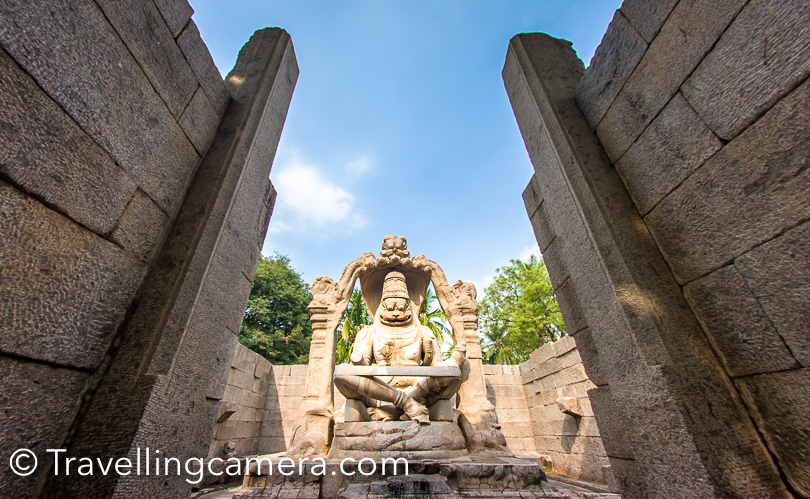
Golden temple corridors
Ancient stone architecture
Sunlit arches
Desert villages
Red sandstone monuments
Warm temple interiors
Golden palace windows
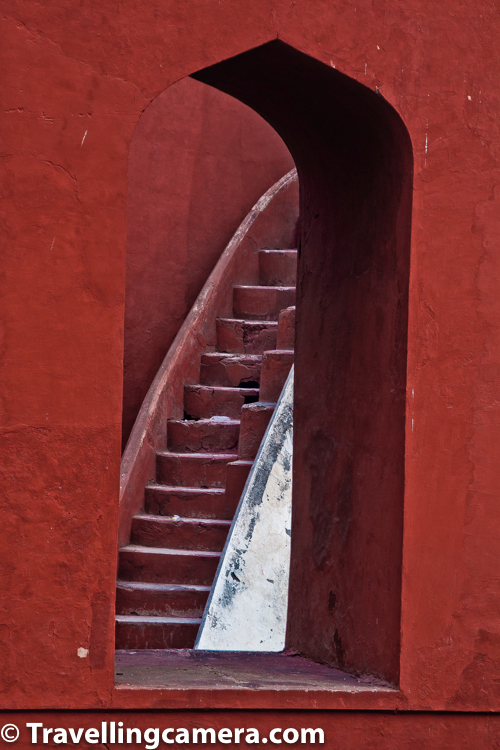
Architectural photography often combines two powerful elements:
structure and light.
A photograph of warm sunlight entering an ancient palace corridor can feel both artistic and deeply atmospheric.
For homes with modern interiors, architectural photography is often more sophisticated than generic decorative paintings.

It also allows the homeowner to display personal travel experiences.
A photograph you captured during a journey can carry much more emotional value than mass-produced wall décor.

10. Desert Landscapes and Golden Earth
Deserts naturally contain warm colours.
Sand dunes, golden sunlight and dramatic shadows can create visually powerful artwork.

Consider photographs featuring:
Thar Desert dunes
Rajasthan landscapes
Namibia deserts
Wadi Rum
Golden canyons
Dry grasslands
Warm rocky formations
Desert photography often works beautifully in minimalist interiors because the compositions are naturally clean.

A single dune with dramatic light can become a very elegant piece of wall art.
The colour palette also tends to complement:
Wooden furniture
Terracotta décor
Beige interiors
Earth-toned spaces
Warm lighting

11. Peacock Artwork with Vibrant Warm Accents
Peacock artwork is popular in Indian interiors because the bird represents beauty, elegance and celebration.
While interpretations vary regarding directional placement, a vibrant artistic depiction with warm colours and energetic composition can work beautifully as décor.
Instead of choosing overly decorative mass-produced imagery, consider:
Fine-art wildlife photography
Indian miniature painting
Contemporary peacock art
Textile-inspired artwork
Mixed-media compositions
A close-up photograph of peacock feathers illuminated by warm sunlight can create a sophisticated and artistic wall piece.
The important consideration is balance.
The artwork should complement the overall mood of the room rather than dominate it.

12. Traditional Indian Folk Art with Warm Colours
Indian homes do not always need Western-style canvas paintings.
Traditional Indian art forms can bring incredible cultural depth to a South-East wall.
Consider exploring:
Madhubani Art
Look for compositions featuring vibrant reds, oranges and warm colours.
Pattachitra
Traditional storytelling and rich colours can create a strong visual presence.
Warli Art
Minimalist tribal compositions can work beautifully in contemporary homes.
Kalamkari
Detailed hand-painted textile artwork can add warmth and craftsmanship.
Pichwai-Inspired Art
Depending on the subject and colour palette, traditional motifs can become dramatic statement pieces.
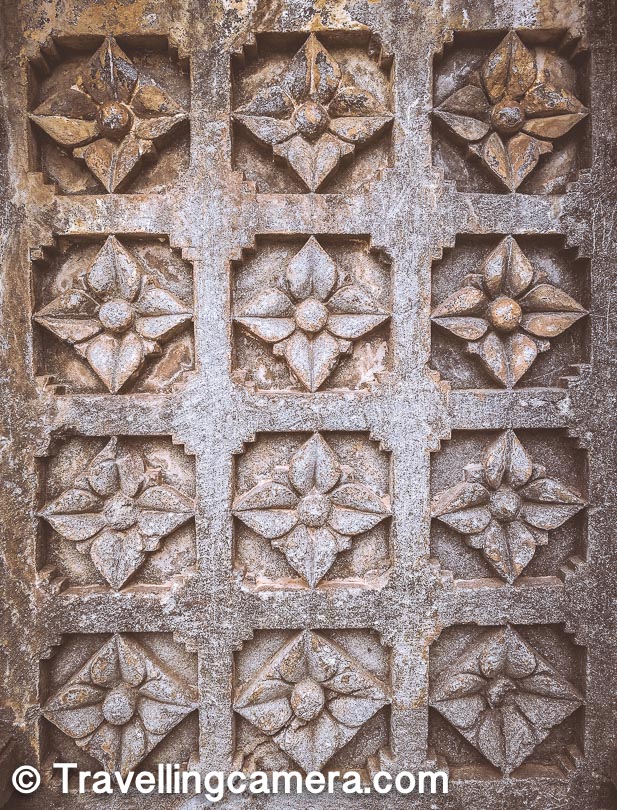
Traditional Indian art often brings something that generic décor lacks:
storytelling.
.jpg "Best Wall Art for the South-East Direction: Vastu-Inspired Ideas for a Warm, Energetic and Prosperous Home")
Every artwork can become a conversation between history, culture and contemporary interior design.

13. Photography of Light and Shadows
For photographers, one of the most artistic approaches to South-East wall décor is to focus on light itself.

The subject doesn't always matter.
The photograph could feature:
Sunlight on an old wall
Long shadows during golden hour
Light entering through a window
A glowing doorway
Sun rays through trees
Reflections of warm light

These photographs can feel poetic and deeply personal.

Fine-art photography of light and shadows also works extremely well in modern homes.

Choose prints with:
Strong composition
Limited colours
Emotional depth
Warm tonal range
A large archival print can look far more luxurious than a generic poster.

Best Colours for South-East Wall Art
If you want to follow a Vastu-inspired colour approach, consider warm tones.
Popular choices include:
Red
Orange
Saffron
Golden yellow
Amber
Maroon
Terracotta
Copper
Warm brown
You don't need to use all of these colours.
Even a neutral artwork with small warm accents can work beautifully.
For example:
A mostly beige desert photograph with golden sunlight.
Or a minimalist abstract painting with one strong orange element.
The objective is visual harmony, not colour overload.
Multiple Vastu-oriented décor sources associate the South-East with warm and fire-inspired palettes.

What Kind of Wall Art Should You Avoid in the South-East Direction?
If you are consciously following Vastu-inspired décor principles, some themes are commonly considered less suitable for the South-East direction.
These include:
1. Large Waterfalls
Water is often considered symbolically opposite to the Fire element.
A dramatic waterfall painting may be visually beautiful, but many Vastu guides recommend placing water imagery elsewhere.
2. Ocean and Storm Scenes
Large ocean photographs, stormy seas and rain-heavy compositions can create a cooler visual atmosphere.
These may be better suited to other areas depending on the interior concept.
3. Excessively Blue Artwork
Blue is not inherently a bad colour.
However, a large wall artwork dominated by cold blue tones may visually conflict with the warm energy many Vastu traditions associate with the South-East.
4. Sad or Melancholic Artwork
Avoid artwork that makes you feel emotionally heavy.
Examples include:
Loneliness
Destruction
War
Abandonment
Despair
Your home should contain art that supports your emotional well-being.
5. Violent or Aggressive Imagery
Art featuring conflict, anger or destruction may introduce unnecessary visual tension.
The goal should be energy without aggression.
This distinction is important.
The South-East can feel active and powerful without becoming chaotic.
Water-dominant, cold and melancholic imagery is commonly listed among themes to avoid in Vastu-inspired South-East décor guidance.
How to Choose the Right Size of Artwork
Direction matters, but proportion matters too.
A beautiful painting can look completely wrong if it is too small for the wall.
Here are some practical guidelines.
Large Wall
Choose:
One large statement artwork
A panoramic photograph
A large abstract canvas
Medium Wall
Consider:
A single medium-sized painting
Two coordinated artworks
A vertical photographic print
Small Wall
Choose:
Minimalist artwork
A framed photograph
A small folk-art piece
Avoid filling every empty wall.
Negative space is also part of interior design.
Sometimes one meaningful artwork is more powerful than ten decorative objects.

Frame Selection Matters
The frame can dramatically change the mood of the artwork.
For warm-toned South-East artwork, consider:
Wooden Frames
Perfect for:
Photography
Landscapes
Traditional art
Golden Frames
Suitable for:
Classical paintings
Traditional Indian artwork
Rich decorative interiors
Black Minimal Frames
Excellent for:
Fine-art photography
Contemporary artwork
Modern interiors
Floating Frames
Ideal for:
Canvas paintings
Large abstract art
Minimalist spaces
The frame should support the artwork rather than compete with it.
-2.jpg "Best Wall Art for the South-East Direction: Vastu-Inspired Ideas for a Warm, Energetic and Prosperous Home")
Lighting Your South-East Wall Art
Even the most beautiful artwork can lose its impact under poor lighting.
Consider using:
Warm LED spotlights
Adjustable picture lights
Soft wall washers
Indirect lighting
Warm lighting can particularly enhance artwork featuring:
Gold
Orange
Terracotta
Red
Copper
However, avoid excessive lighting that creates glare.
If the artwork is behind glass, position the light carefully.
For fine-art photography, museum-style lighting can dramatically improve the viewing experience.
Best Wall Art Ideas for Different Rooms
South-East Living Room Wall
Choose bold statement pieces.
Best options:
Large abstract artwork
Golden landscape photography
Phoenix artwork
Warm floral paintings
Architectural photography
South-East Dining Area
Choose art that feels warm and inviting.
Consider:
Floral artwork
Still life photography
Traditional Indian art
Warm-toned abstract compositions
South-East Home Office
Choose artwork representing movement and ambition.
Good options include:
Dynamic horse artwork
Sunrise photography
Abstract energy compositions
Phoenix symbolism
South-East Kitchen Area
Because the South-East is traditionally associated with fire and kitchens, subtle artwork can work well.
Consider:
Warm botanical art
Minimalist sun imagery
Food photography
Small diya artwork
Avoid overcrowding the kitchen walls.
South-East Bedroom
Choose energetic art carefully.
Bedrooms should still feel restful.
Instead of extremely intense red artwork, consider:
Warm sunset photography
Soft orange abstract art
Golden floral compositions
Gentle light photography
Balance is more important than blindly following colour symbolism.

Can Personal Travel Photography Be Used on the South-East Wall?
Absolutely.
In fact, personal photography can be one of the best forms of wall art because it carries memory and emotional connection.
For a South-East wall, choose photographs from your travels that feature:
Golden sunlight
Warm architecture
Desert landscapes
Sunrise
Festivals with lamps
Colourful flowers
Dramatic skies
Warm cultural scenes
Imagine displaying a photograph you captured while walking through the narrow streets of Jaisalmer during golden hour.
Or a sunrise photograph from Ladakh.
Or temple lamps glowing during an evening ceremony.
Such images are not merely decorative.
They become visual memories.
They remind you of places, journeys and experiences that shaped you.
That emotional connection is perhaps more valuable than any design rule.
Fine Art vs Mass-Produced Wall Prints
When choosing wall art, quality matters.
Mass-produced decorative prints may be affordable, but they often lack originality.
Consider investing in:
Fine-art photography
Limited-edition prints
Original paintings
Handmade Indian art
Signed artwork
Archival pigment prints
A good piece of art can remain with you for decades.
It can also become part of your home's identity.
Rather than asking:
"What should I put on this wall?"
Try asking:
"What artwork would I still love looking at ten years from now?"
That question often leads to better decisions.

How to Create a South-East Wall Art Gallery
If you prefer multiple artworks instead of one large piece, create a carefully curated gallery wall.
Choose a central theme.
For example:

Theme 1: Golden India
Rajasthan architecture
Desert landscapes
Temple lamps
Golden sunsets
Theme 2: Fire and Light
Abstract artwork
Candle photography
Sunrise images
Warm colour compositions
Theme 3: Floral Energy
Sunflowers
Hibiscus
Marigolds
Botanical illustrations

Theme 4: Travel Photography
Golden landscapes
Ancient architecture
Cultural festivals
Dramatic light
Keep the frames consistent.
This creates visual cohesion even when the subjects are different.
Frequently Asked Questions About South-East Wall Art
Which painting is best for the South-East wall?
Popular Vastu-inspired choices include warm abstract paintings, diya artwork, Phoenix imagery, bright floral compositions, sunrise photography, dynamic horse artwork and fire-inspired art. The most suitable choice depends on your interior style and personal connection with the artwork.
Can I put a seven horses painting on the South-East wall?
Some contemporary Vastu décor interpretations recommend warm-toned, positive and forward-moving horse artwork for the South-East direction. If choosing such artwork, select a composition that feels harmonious and energetic rather than aggressive.
Is abstract art good for the South-East direction?
Yes. Abstract artwork can be an excellent option, especially when it uses warm colours such as red, orange, saffron, gold, terracotta or copper.
Can I put a waterfall painting on the South-East wall?
If following common Vastu-inspired principles, water-dominant artwork such as waterfalls and ocean scenes is generally avoided in the South-East because the direction is associated with the Fire element.

Which colours are good for South-East wall art?
Warm colours are commonly recommended, including red, orange, gold, saffron, yellow, terracotta and warm brown tones.
Is diya artwork suitable for the South-East direction?
Yes. A diya or lamp naturally symbolises light and warmth, making it one of the most visually appropriate themes for a Fire-inspired interior concept.

Can photography be used instead of paintings?
Absolutely. Fine-art photography can be a beautiful alternative to paintings. Travel photographs featuring golden light, warm architecture, sunrise, desert landscapes and cultural rituals can work particularly well.

Final Thoughts: Choose Art That Creates Energy and Meaning
The South-East direction offers an exciting opportunity to introduce warmth and visual energy into your home.

From a Vastu-inspired perspective, this area is associated with Agni or the Fire element, making it a natural place for artwork that represents:
Light
Movement
Transformation
Passion
Creativity
Optimism
Warmth
But beyond symbolism, wall art should also reflect who you are.

A photograph from a memorable journey.
A painting created by an artist you admire.
A traditional artwork connected with your culture.
A minimalist abstract canvas that makes you feel energised every morning.
These are the things that transform a house into a home.

The best South-East wall art is ultimately not just artwork that follows a directional principle.
It is artwork that creates a positive emotional response every time you look at it.
Choose something that brings warmth to the room.
Choose something that tells a story.
Choose something that you genuinely love.
Because the most powerful wall art is not simply decoration.
It becomes a window into your memories, imagination and identity.
Related Blogposts -


.jpg)
Comments