

When Indore Comes Alive After Dark
Our experience of exploring Indore would feel incomplete without spending an evening at Sarafa. Imagine walking through an old market surrounded by jewellery shops, only to find the same narrow lanes gradually filling with food counters, enormous cooking vessels, glowing lights and people waiting patiently for their favourite snacks. The sound of sizzling oil mixes with conversations, the fragrance of freshly fried kachoris travels through the air, and sweet shops compete for attention with colourful chaat counters.

What makes Sarafa particularly interesting is that it isn't simply another street-food destination. It is a reflection of Indore's relationship with food, its trading history, its cultural influences and its ability to turn ordinary everyday spaces into something memorable.
From the famous bhutte ka kees and dahi bada to khopra patties, garadu, jaleba and the unusual Indori shikanji, the market offers an introduction to the food of Madhya Pradesh through small, delicious experiences.
And if you enjoy photography, Sarafa has another attraction. It is a wonderful place to document everyday Indian life after dark — the cooks, the customers, the food preparations, the colours and the constantly changing atmosphere of an old city.
Let's explore what makes Sarafa Bazaar one of the most interesting night food markets in India.

Why Visit Sarafa Food Market in Indore?
Sarafa offers something that is difficult to recreate in a conventional restaurant or modern food court. It brings an entire city's food culture into a relatively small collection of historic market lanes.
Here are some reasons why it deserves a place on your Indore itinerary.
1. A unique day-to-night transformation
Sarafa is a functioning jewellery market during the daytime. Once the jewellery businesses close, food vendors gradually occupy the available spaces outside the shops. Watching this transformation is an experience in itself.
2. An introduction to Malwa cuisine
Several dishes available here are closely associated with the Malwa region. Bhutte ka kees, garadu and Indori-style snacks offer a taste of regional cooking that you may not encounter in the same form elsewhere.
3. Incredible street-food variety
There is an impressive range of savoury snacks, fried preparations, chaats, milk-based drinks and traditional Indian desserts.
4. A lively local atmosphere
Sarafa attracts residents, students, families, tourists and food enthusiasts. It feels like a shared public space rather than a destination created exclusively for visitors.
5. Excellent opportunities for night photography
The illuminated stalls, steam rising from cooking vessels, colourful ingredients and expressive faces make Sarafa an interesting photography location.
6. An affordable food experience
You can sample several preparations without committing to an expensive restaurant meal. Ordering small portions and sharing plates is a good way to explore more of the menu.
For anyone interested in discovering the food markets in Indore, Sarafa provides an experience that goes beyond eating.

Historical and Cultural Significance of Sarafa Bazaar
The word Sarafa is associated with the traditional trade of precious metals, particularly gold and silver. Sarafa Bazaar developed as an important jewellery and bullion trading area in old Indore.
Its location near Rajwada Palace is significant. Rajwada was the historic centre of the Holkar dynasty's power, and the surrounding markets developed alongside the commercial and cultural life of the city.
Indore's growth as a trading centre brought together merchants, craftspeople and communities from different parts of central and western India. These interactions influenced its food culture as well.
How did Sarafa become a night food market?
One of the most fascinating aspects of Sarafa is the story behind its transformation into a food destination.
Local accounts commonly associate the tradition with the Holkar period. According to a popular story, jewellery traders wanted to ensure that their shops and surrounding streets did not become deserted after business hours. Food vendors were encouraged to occupy the spaces outside the shops, creating activity and keeping people around the market.
Over time, the arrangement developed into a distinctive night-food tradition.
It is worth treating the familiar story about Queen Ahilyabai Holkar encouraging night vending as local lore rather than an established historical fact. The exact origins and chronology of the food market are not conclusively documented.
There is also another interesting historical account. Early offerings reportedly centred on milk and milk-based sweets, with wrestlers visiting the area after their workouts among the customers.
Whatever the precise origin, the market's evolution is fascinating. A commercial space associated with precious jewellery gradually became one of the city's most celebrated culinary gathering places.
Today, Sarafa represents an unusual partnership between traditional commerce and street-food entrepreneurship.
An important detail is that Sarafa is not just a food market occupying an old street. Its food culture developed around the existing jewellery trade, and that relationship remains central to its identity.

Sarafa Food Market at Night: What Makes the Experience Special?
The heart of the experience is not just the food. It is the way the entire neighbourhood changes its personality after dark.
The transition after sunset
The transformation does not happen like a switch being turned on. It is gradual.
As jewellery shops begin closing, vendors arrive with their equipment, ingredients and cooking vessels. Temporary counters take shape. Gas burners are arranged, ingredients are prepared and the first customers begin looking for something to eat.
By around 9–10 PM, the food market is generally taking shape. The main late-night activity develops around 11 PM, and the market continues well past midnight, although individual vendors have different operating hours.
One detail worth observing is how little space some vendors need. A compact counter can accommodate a cooking station, ingredients, serving plates and a steady stream of customers. The efficiency is impressive.
Bada Sarafa and Chhota Sarafa
The historic market precinct includes Bada Sarafa and Chhota Sarafa. Both are associated with jewellery trading during the day and food activity at night.
Rather than treating Sarafa as one enormous food court, explore the lanes at a relaxed pace. Different vendors specialise in different preparations, and some of the more interesting discoveries happen when you move beyond the first few crowded counters.
The narrow streets also mean that pedestrian movement becomes part of the experience. You will frequently need to pause, make room for someone carrying food or wait for a group to finish ordering.
This is not a place to rush.

What to Eat at Sarafa: Exploring the Food of Madhya Pradesh
The most interesting way to explore Sarafa is to treat it as a tasting trail rather than a conventional dinner. Order small portions, share with your companions and leave room for dishes you have never encountered before.
Here are some preparations worth looking for.
1. Bhutte Ka Kees: A Malwa Speciality
If there is one preparation that deserves special attention, it is bhutte ka kees.
Bhutta means corn, while kees refers to the grated preparation. Fresh corn is grated and cooked with milk, spices and other ingredients until it develops a soft, creamy consistency.
The result is quite different from the roasted corn on the cob that many travellers associate with Indian street food.
The sweetness of corn combines with green chillies, mustard seeds and aromatic spices. Some preparations also use coconut and coriander.
It is a wonderful example of Malwa cooking, where a relatively simple agricultural ingredient becomes something distinctive through technique and seasoning.
If you happen to see a vendor preparing bhutte ka kees in a large pan, spend a few moments observing the process. The grated corn gradually changes consistency as it cooks, and the aroma of spices makes it difficult to resist ordering a portion.
2. Joshi Ji's Dahi Bada
Joshi Ji's dahi bada is among Sarafa's most recognisable food experiences.
Dahi bada is a familiar Indian preparation, but the presentation here adds an element of theatre. The vendor is known for tossing the prepared vadas into the air while adding ingredients and assembling the serving.
It is an entertaining performance, particularly when a small crowd gathers around the counter to watch.
The vadas are soft, soaked in yoghurt and served with sweet and tangy chutneys and spices.
There is a reason this particular stall receives attention from food enthusiasts and travel writers. It combines an established preparation with an entertaining serving style.
For photographers, this is one of the most interesting moments in the market. Watch the vendor's hands and anticipate the movement rather than waiting until the food is served.
3. Khopra Patties: A Surprise Inside
Khopra patties are another preparation worth trying.
Khopra means dried coconut. These patties generally consist of a potato-based outer covering with a coconut-based filling, often accompanied by spices and other ingredients.
The contrast between the crisp exterior and the softer filling makes them particularly enjoyable.
What makes them interesting is the way coconut is used in a savoury snack. It is not the first ingredient many people expect when they think about potato patties.
If you enjoy discovering regional variations of familiar street food, this is a good place to start.
4. Garadu: A Winter Favourite
Garadu is particularly interesting because of its seasonal association.
It is a yam-like tuber, cut into pieces, fried until crisp and coated with a spicy masala. Lemon juice is often added before serving.
The outside becomes slightly crunchy while the inside remains soft. The seasoning is usually bold, tangy and spicy.
Garadu is closely associated with Malwa's winter food culture. Its availability depends on the season and individual vendors, so do not assume that you will find it throughout the year.
For someone visiting Indore during the colder months, this is one of the more regionally distinctive snacks to look for.

5. Sabudana Khichdi
Sabudana khichdi is familiar across several parts of India, particularly as a fasting preparation.
However, Indori versions have their own character. Tapioca pearls are cooked with potatoes, peanuts, green chillies and spices. The combination creates a dish that is soft, slightly chewy and full of texture.
It is a useful option when you want something less heavily fried before moving on to the richer snacks.
6. Batla Kachori and Other Kachoris
Kachoris are an important part of central Indian snack culture, and Sarafa offers several variations.
Look for batla kachori, associated with green peas, as well as other local fillings.
The contrast between the crisp pastry and spiced filling makes these particularly satisfying when served hot.
A freshly fried kachori eaten immediately is a different experience from one that has been sitting on a counter for some time.
7. Jaleba: The Giant Jalebi
Jaleba is a larger, thicker relative of the familiar jalebi.
The batter is poured into hot oil or ghee in broad circular patterns, producing a substantial sweet that is then soaked in sugar syrup.
Watching the preparation is almost as interesting as eating it. The cook controls the flow of batter while the spirals gradually develop their golden colour.
A warm piece is particularly enjoyable when shared.
8. Malpua and Rabri
Malpua and rabri make a rich combination.
Malpua is a sweet, fried pancake-like preparation, while rabri is thickened milk with a creamy consistency.
Together, they offer a dessert experience that is indulgent without being complicated.
My suggestion would be to share one serving rather than ordering an individual portion after several savoury dishes.
9. Indori Shikanji: Not What You Expect
The name can be misleading for travellers familiar with the lemon-based shikanji found in northern India.
Indori shikanji is a different preparation. It is a rich milk-based drink, often associated with dry fruits and a creamy consistency.
It is closer to a dessert drink than a conventional summer lemonade.
This is one of those local specialities that illustrates how the same food or drink name can develop entirely different identities across India.
10. Kulfi, Rabri and Traditional Sweets
The sweet counters are difficult to ignore.
Depending on the vendor and season, you may find kulfi, rabri, gulab jamun, malpua, halwa and other milk-based desserts.
Rather than choosing something immediately, spend a few minutes looking at the preparation and asking vendors what is freshly made.
That small interaction often leads to a more interesting food discovery.

Hidden Gems and Lesser-Known Insights About Sarafa
Beyond the familiar food recommendations, a few aspects of Sarafa deserve attention.
The market has two distinct personalities
Most visitors experience Sarafa only at night. However, visiting once during the daytime can make the evening experience considerably more interesting.
During the day, you see the jewellery trade, traditional shopfronts and the commercial character of the neighbourhood. At night, the same space becomes a food destination.
Photographing both versions gives you a fascinating before-and-after visual story.
Its food culture reflects migration
Indore's cuisine is not the result of one isolated culinary tradition.
The city's trading history brought together communities from Gujarat, Rajasthan and other parts of India. These interactions contributed to its food culture, creating a culinary identity that combines regional Malwa traditions with influences from neighbouring regions.
The food of Madhya Pradesh is often discussed through regional specialities such as dal bafla, but Indore demonstrates how regional cuisine also evolves through trade, migration and everyday interactions.
Sarafa is a working market, not a permanent food court
This distinction matters.
Vendors occupy spaces associated with daytime businesses. Their counters, working arrangements and operating hours are connected to the market's daily rhythm.
The transformation of Bada Sarafa and Chhota Sarafa into food streets after jewellery shops close is one of the most distinctive aspects of Indore's urban culture.
Traditional food and modern experiments coexist
Alongside regional dishes, you may encounter fusion snacks, modern chaats, unusual combinations and contemporary street-food experiments.
Not everything is historically traditional, and that is part of the market's character.
A living food market should be allowed to evolve. The interesting question is whether the newer preparations can coexist with the dishes that made Sarafa famous.

Best Photography Spots at Sarafa Food Market
For photographers, Sarafa offers an excellent opportunity to document street life.
Unlike a monument where the subject remains largely stationary, this market is constantly changing. People move between counters, vendors prepare orders, steam rises from vessels and the lighting changes from one stall to another.
Here are some compositions worth trying.
1. The Main Food Lane
The narrow market lanes provide natural leading lines.
Stand at a suitable point where you can photograph the illuminated stalls extending into the distance. Include people in the foreground to communicate the scale and activity.
A wide-angle lens can be useful, although avoid standing in the middle of the walking path.
2. Food Preparation Counters
Some of the most compelling photographs happen before the food reaches the customer.
Look for:
Jalebi batter being poured into hot oil.
Bhutte ka kees being stirred.
Kachoris emerging from a frying vessel.
Dahi bada being assembled.
Garadu being tossed with masala.
These photographs tell a more complete story than simply photographing finished dishes.
3. Portraits of Food Vendors
The people behind the counters are an important part of Sarafa's identity.
A vendor concentrating on preparing an order, an experienced cook managing several customers or someone carefully arranging ingredients can make a wonderful portrait.
Always ask permission before taking close-up portraits.
4. Close-up Food Photography
Try photographing food at the moment it is served.
A close-up of freshly fried garadu, a spoonful of rabri or the texture of bhutte ka kees can work particularly well.
Use the available stall lighting creatively rather than relying entirely on your camera's flash.
5. Environmental Portraits
Photographing people eating, chatting and waiting for their orders helps capture the social atmosphere.
A photograph with a family sharing a plate or friends discussing what to order can communicate the human side of the market.

Photography Tips for Sarafa at Night
Night markets can be challenging because of mixed lighting, movement and crowded surroundings.
A few practical suggestions can improve your photographs.
Photography situation | Suggested approach |
|---|---|
Wide market scenes | 24–35mm equivalent lens |
Food close-ups | 35–50mm or a macro lens |
Vendor portraits | 50–85mm equivalent |
Moving cooking action | Shutter speed around 1/250 sec or faster |
Static food photographs | Experiment around 1/60–1/125 sec |
Low-light scenes | Start around ISO 800–3200 and adjust |
White balance | Auto initially; adjust for mixed lighting |
These are starting points rather than fixed settings. Actual exposure will depend on the stall's lighting and your camera.
A few additional tips:
Visit around 9–10 PM for a combination of active stalls and relatively manageable crowds.
Avoid using direct flash on every subject. It can destroy the atmosphere created by the warm stall lights.
Use a fast prime lens if you have one.
Keep an eye on shutter speed when photographing people moving through the market.
Capture vertical compositions for Instagram reels and stories, but also make a few wider horizontal photographs for your travel archive.
Try photographing steam against a darker background. It can add depth to food photographs.
Protect your equipment from oil splashes and crowded surroundings.
One particularly interesting photographic approach is to create a short visual series titled Sarafa After Dark, documenting the market through five subjects: the street, the food, the vendors, the customers and the final dessert.

Local Food Experiences: Understanding Indore Beyond Sarafa
Sarafa is one part of a much larger food culture.
To understand Indore properly, it helps to explore how different meals fit into the city's everyday routine.
Morning: Poha and Jalebi
Indore's relationship with food begins early.
Poha is a popular breakfast preparation made with flattened rice, onions, spices and other ingredients. It is often topped with sev, coriander and sometimes pomegranate.
Jalebi provides the sweet contrast.
The combination is an important part of the city's food identity. Many residents begin their day with this combination, and it is one of the most recognisable culinary experiences associated with Indore.
Afternoon: Dal Bafla
Dal bafla is one of the more substantial traditional dishes of the Malwa region.
Bafla consists of baked or boiled-and-baked wheat dough portions, generally finished with ghee. It is served with dal and often accompanied by chutney and other sides.
It has similarities to Rajasthan's dal baati, but the preparation and regional associations are distinct.
For travellers interested in understanding the food of Madhya Pradesh, dal bafla offers a different experience from the lighter snacks available at Sarafa.
Evening: Chappan Dukan
Another important destination is Chappan Dukan, also known as 56 Dukan.
Unlike Sarafa, which is particularly associated with the night, Chappan Dukan is a popular daytime and evening food destination.
It offers a mixture of traditional Indori snacks, sweets, chaats and contemporary preparations.
A good way to understand Indore's food culture is to explore Chappan Dukan during the day and Sarafa after dark.
The contrast between the two is quite interesting.

Local Conversations and Human Stories
One of the most rewarding things about visiting a food market is the opportunity to interact with the people who make it special.
At Sarafa, the vendors are not simply serving food. Many have developed their own identities around particular preparations, recipes and techniques.
A conversation about bhutte ka kees might reveal how the preparation changes slightly from one family to another. A sweet vendor might explain why a particular dessert is more popular during winter. Someone preparing garadu may tell you about the seasonal demand for the vegetable.
These are the kinds of details that rarely appear on printed menus.
Observe the customers, not just the food
Spend some time watching the people who come here.
You will notice:
Families arriving together after dinner.
Groups of college students sharing several small plates.
Couples exploring different food counters.
Older residents returning to familiar vendors.
Tourists trying regional dishes for the first time.
Sarafa is an interesting social space because food provides a common reason for people from different backgrounds to gather.
The conversations, laughter and occasional debates about which stall serves the best preparation are part of the experience.
If you are documenting the market for a travel story, these human interactions can become more memorable than another photograph of a plate of jalebi.

Best Time to Visit Sarafa Food Market in Indore
Timing makes a considerable difference to the experience.
The food market generally becomes active after jewellery shops close, with the main late-night activity developing around 10–11 PM.
Here is a practical guide:
Time | What to expect |
|---|---|
8–9 PM | Jewellery shops wind down and food stalls begin setting up |
9–10 PM | Increasing food activity; useful for photography |
10–11 PM | More stalls operating and crowds building |
11 PM–12 AM | Lively late-night atmosphere |
12–2 AM | Continued food activity, depending on individual vendors |
After 2 AM | Most food activity gradually winds down |
These are indicative timings, not guaranteed opening hours for every stall.
Which season is best?
October to February: This is generally a pleasant period to explore Indore. The cooler weather makes walking around the market more comfortable. Winter is also particularly interesting for seasonal preparations such as garadu.
March to June: Summer evenings can remain warm. A later visit may feel more comfortable, although the crowd can be considerable.
July to September: The monsoon brings a different atmosphere to the city. However, rain can affect temporary food counters, pedestrian movement and the overall experience.
Best time for photographers
I would recommend arriving around 9–10 PM.
You can document the stalls becoming active, capture food preparations and photograph the illuminated market before the lanes reach their busiest period.
If your priority is capturing the energy of Sarafa rather than individual details, stay until around 11 PM.
For relatively comfortable movement, consider a weekday rather than a Saturday or Sunday.

How to Reach Sarafa Food Market, Indore
Sarafa Bazaar is situated in the old city area of Indore, close to Rajwada Palace.
Its central location makes it relatively easy to reach from most parts of the city.
By Air
The nearest airport is Devi Ahilya Bai Holkar Airport, Indore.
From the airport, you can hire a taxi or use an app-based cab service to reach the Rajwada and Sarafa area.
Travel time depends on traffic and the route.
By Train
Indore Junction is the main railway station.
Auto-rickshaws, taxis and app-based transport services are available outside the station. Sarafa is only a short city journey away.
By Road
Indore has road connectivity with several important cities in Madhya Pradesh and neighbouring states.
You can reach the old city using a taxi or auto-rickshaw.
Local Transport and Parking
For a night visit, I would recommend taking an auto-rickshaw or cab and getting dropped near a convenient access point around Rajwada.
The old market lanes are narrow, and parking can be inconvenient. Avoid assuming that your vehicle can enter or park directly beside the food stalls.
Once you reach the market, exploring on foot is the best option.

Where to Stay in Indore
Your choice of accommodation depends on whether you want to explore the old city, enjoy the city's modern restaurants or use Indore as a base for nearby destinations.
Here are three broad areas worth considering.
1. Rajwada and Old Indore
Staying closer to the old city makes it easier to explore Rajwada, Sarafa and other traditional markets.
However, accommodation choices and road access can be more limited in the older neighbourhoods.
2. Vijay Nagar
Vijay Nagar is a more modern commercial and residential area, with several hotels, restaurants and shopping options.
It is suitable for travellers who prefer contemporary accommodation and convenient access to newer parts of Indore.
3. Palasia
Palasia is another convenient area, particularly if you want to explore Chappan Dukan and other food destinations.
It offers a good balance between city accessibility and dining options.
My suggestion would be to choose accommodation based on your overall Indore itinerary rather than staying exclusively close to Sarafa. The market is best explored for a few hours, and the city has several other interesting places worth visiting.

Budget Tips for Visiting Sarafa Bazaar
One of the appealing aspects of Sarafa is that you do not need a large budget to enjoy it.
You can try several preparations by ordering small portions rather than individual meals.
Here are some useful suggestions:
Set a food budget before entering the market.
Share dishes with friends or family.
Prioritise regional specialities over familiar fast food.
Carry some cash, although UPI may be accepted by many vendors.
Avoid ordering too many fried dishes at the beginning.
Keep room for desserts and traditional drinks.
Check prices before ordering, especially for larger sweet portions.
There is no entry fee for exploring the market. You pay individual vendors for what you order.
Rather than relying on old online price lists, check current prices at the counters because portions and prices can change.

Suggested Itinerary: One Evening Exploring Sarafa and Indore's Food Culture
If you have only one evening in Indore, here is a relaxed way to experience the area.
Time | Activity |
|---|---|
6:00 PM | Explore the area around Rajwada Palace |
7:00 PM | Walk through nearby historic market streets |
8:00 PM | Observe the transition as jewellery shops begin closing |
9:00 PM | Start exploring Sarafa's food counters |
9:30 PM | Try bhutte ka kees and sabudana khichdi |
10:00 PM | Visit the dahi bada and kachori counters |
10:30 PM | Explore seasonal preparations such as garadu |
11:00 PM | Try jaleba, malpua or rabri |
11:30 PM | Finish with Indori shikanji or a traditional dessert |
You do not have to follow this schedule strictly. The idea is to give yourself enough time to explore without turning the visit into a race to eat everything.
Extend Your Indore Food Trail
If you have another day, consider this combination:
Morning: Poha and jalebi at a traditional breakfast shop.
Late morning: Visit Rajwada Palace and the surrounding heritage precinct.
Afternoon: Explore Kanch Mandir and other old-city attractions.
Evening: Visit Chappan Dukan.
Night: Return to Sarafa for the food preparations you missed.
This gives you a broader understanding of Indore's culinary and cultural identity.

Responsible Travel Tips When Visiting Sarafa
A popular food market can only remain enjoyable when visitors respect the people who work there and the neighbourhood that hosts it.
A few simple practices make a difference.
Respect the vendors' working space. The counters are small and often busy. Avoid blocking the preparation area while taking photographs.
Ask before photographing people. Not everyone is comfortable being photographed, especially during work.
Avoid littering. Use the waste bins provided and do not leave plates, tissues or plastic cups on the street.
Be mindful of queues. Some popular vendors have long waiting lines. Wait your turn rather than crowding the counter.
Avoid unnecessary food wastage. Order small quantities, particularly when trying unfamiliar dishes.
Respect the neighbourhood. Remember that Sarafa is also a functioning commercial area with residents and businesses.
Choose freshly prepared food. Prefer busy counters where food is being cooked regularly. Observe cleanliness, food handling and the condition of serving equipment.
Carry your belongings carefully. Crowded markets require ordinary awareness of phones, wallets and camera equipment.

Common Mistakes to Avoid at Sarafa Food Market
A little preparation can make your visit considerably better.
1. Arriving too early: The market does not operate like a conventional restaurant. Many food counters become active only after the jewellery businesses close.
2. Eating a heavy dinner beforehand: Sarafa is best enjoyed as a food trail. Arrive hungry enough to sample several preparations.
3. Trying to eat everything: The variety is tempting, but several dishes are rich and filling. Prioritise regional specialities.
4. Visiting only the first few stalls: Walk through the market before deciding what to order. Some interesting preparations may be further along the lanes.
5. Ignoring seasonal food: If you visit during winter, look for garadu and other seasonal offerings.
6. Expecting restaurant-style seating: Much of the experience involves standing, walking and eating at compact counters.
7. Driving directly into the market: Parking and vehicle access can be challenging in the old city.
8. Using flash photography indiscriminately: It can disturb vendors and customers and often produces harsh photographs.
9. Assuming every preparation is traditional: Sarafa has evolved, and you will encounter contemporary snacks alongside regional specialities.
10. Treating online timings as fixed: Different vendors operate at different hours. Local conditions, festivals and restrictions can also affect access.

Frequently Asked Questions About Sarafa Food Market, Indore
1. What is Sarafa Bazaar famous for in Indore?
Sarafa Bazaar is famous for its transformation from a daytime jewellery market into a lively night street-food destination. It is particularly known for bhutte ka kees, dahi bada, khopra patties, garadu, jaleba, malpua and Indori shikanji.
2. What are the timings of Sarafa night food market?
Food stalls generally begin setting up after the jewellery shops close, around 8–9 PM. The market becomes particularly active around 10–11 PM and continues well past midnight. Individual stall timings vary.
3. Is Sarafa Bazaar open every day?
Sarafa has a regular night-food tradition, with food activity generally taking place throughout the week. However, individual vendors may have different schedules, and festival arrangements or local restrictions can affect operations.
4. What are the best foods to try at Sarafa Bazaar?
Some of the most interesting preparations include:
Bhutte ka kees
Joshi Ji's dahi bada
Khopra patties
Garadu
Sabudana khichdi
Batla kachori
Jaleba
Malpua with rabri
Indori shikanji
5. Is Sarafa Bazaar vegetarian?
Sarafa's traditional night-food identity is predominantly vegetarian, and the market is widely known for its vegetarian street-food offerings. If you have specific dietary requirements, confirm ingredients with individual vendors.
6. What is the best time to visit Sarafa Bazaar?
Around 9–10 PM is a good time to begin exploring. You will find food stalls becoming active without necessarily encountering the heaviest late-night crowds. For the liveliest atmosphere, stay until 11 PM or later.
7. Is Sarafa Bazaar suitable for families?
Yes. Families regularly visit the market. However, the narrow lanes can become crowded, particularly on weekends. Travellers with young children or elderly family members may find an earlier visit more comfortable.
8. How much time should I spend at Sarafa?
Allow approximately 1.5–3 hours, depending on how many dishes you want to try and how much time you spend photographing the market.
9. Is Sarafa Bazaar expensive?
No. It is generally an affordable street-food experience. You pay individual vendors, and sharing smaller portions is a good way to explore several dishes without spending too much.
10. Is there an entry fee for Sarafa Bazaar?
No. There is no general entry ticket. You only pay for the food and drinks you purchase.

11. What is the difference between Sarafa Bazaar and Chappan Dukan?
Both are popular food destinations in Indore, but they offer different experiences.
Sarafa is a traditional jewellery market that becomes a street-food destination at night. Chappan Dukan is a dedicated food street known for its wide variety of snacks and restaurants, and is popular during the daytime and evening.
12. Is Sarafa Bazaar good for photography?
Absolutely. It is particularly interesting for street photography, food photography and environmental portraits. The illuminated stalls, cooking activities and interactions between vendors and customers provide plenty of photographic opportunities.
13. Is garadu available throughout the year?
Garadu is a seasonal speciality associated with the colder months. Its availability depends on the season and vendor. Winter is generally the best time to look for it.
14. Why is Sarafa Bazaar historically important?
Sarafa developed as an important jewellery and precious-metal trading area in old Indore. Its night-food tradition grew around the daytime jewellery businesses, creating an unusual commercial and culinary arrangement that continues today.
15. What other places can I visit near Sarafa Bazaar?
Rajwada Palace is the most prominent nearby heritage attraction. You can also explore Kanch Mandir, Krishna Pura Chhatri, Boliya Sarkar Ki Chhatri and the historic streets of old Indore.

Final Thoughts: Sarafa Is More Than a Food Market
Some travel experiences are remembered because of a monument, a landscape or an architectural masterpiece. Others stay with us because of something much more ordinary — a street, a plate of food, a conversation or the atmosphere of a place after dark.
Sarafa belongs to the second category.
What makes this market special is the way it brings together different aspects of Indore's identity. Its trading history, regional food traditions, entrepreneurial spirit and social culture all come together in a relatively small stretch of old-city streets.
The transformation from a jewellery market into a night food destination is unusual enough to attract attention. But the real charm lies in the details: the cook preparing bhutte ka kees, the vendor demonstrating his dahi bada technique, the smell of freshly fried garadu and families gathering around small counters to enjoy their favourite preparations.
For travellers interested in discovering the food of Madhya Pradesh, Sarafa is an excellent starting point. It offers an opportunity to experience regional flavours without needing to visit multiple restaurants.
For photographers, it provides something equally valuable — a constantly changing street scene filled with people, food, expressions and everyday moments.
If you are planning a trip to Indore, keep one evening free for Sarafa. Don't arrive with a rigid checklist or try to eat your way through every counter. Walk slowly, observe the market, talk to the vendors and try a few preparations that are unfamiliar to you.
Sometimes the most memorable discoveries happen when you stop following a travel itinerary and simply become part of a city's everyday life.
And Sarafa, particularly after dark, is one of those places where Indore invites you to do exactly that.
Related Blogposts:


Chhatri of Vithoji Rao Holkar in Maheshwar, Madhya Pradesh: History, Architecture and Photography


Jahaz Mahal in Mandu: One of the Main Places to See in Mandu, Madhya Pradesh


Ujala Bawadi: A Hidden Gem Among Mandu Heritage Sites in Madhya Pradesh, India

Aerial Photography around the land of Pan Singh Tomar ( Morena District of Madhya Pradesh, INDIA ) - Mitavali, Padavali, Sabalgarh Fort, Bateshwara, Kankanmath, Rahughat Chambal, Jawahargarh Quila, Shahadpur Garhi, Bagchini, Bareh, Morena

Suhania Kakanmath Temple in Morena region of Madhya Pradesh, India

Spots and Stripes at Panna National Park || Guess what we saw at the Tiger Reserve

Bateshwar Group of Temples in Morena region of Madhya Pradesh, India

Ancient Shiva Temple at Garhi Padhavali in Madhya Pradesh || A hidden architectural marvel in the remote rural landscape of Morena

Chausath Yamini Temple @ MItawali in Morena region of Madhya Pradesh, India

Pachmarhi in Madhya Pradesh – Paradise for the Trekkers

Bhopal Travel Guide: City of Lakes, Culture, and Contrasts - Capital Cities of Indian States [Madhya Pradesh]
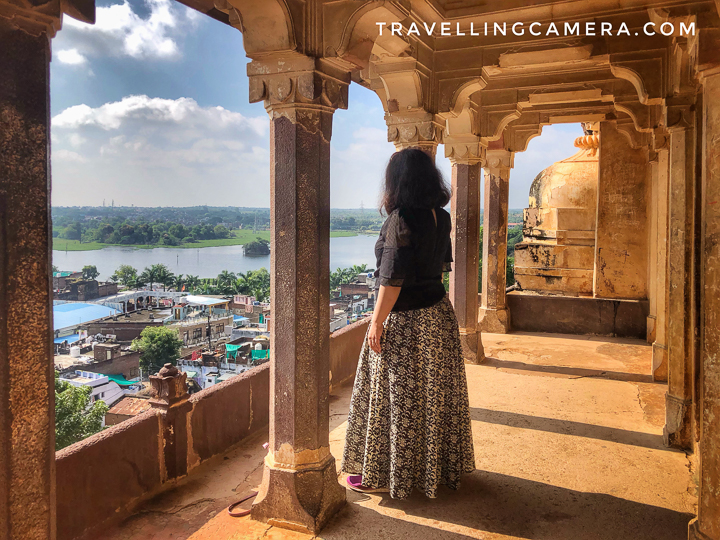
The Splendid Datia Palace in Madhya Pradesh || A Secluded, Desolate, yet Beautiful Building that has Stood Strong Against the Tides of Time

Exploring the Grandeur and Rich History of Gwalior Fort in Madhya Pradesh, India




Comments