
Lal Bagh Palace, Indore: Exploring the Royal Heritage in Indore and the Grandeur of the Holkar Dynasty

Introduction: Discovering the Royal Heritage of Indore
When we talk about heritage in Indore, the first images that often come to mind are the bustling streets around Rajwada, the legacy of Maharani Ahilyabai Holkar and the city's fascinating Maratha history. However, there is another side to Indore's royal past that feels quite different. Away from the crowded old-city markets stands Lal Bagh Palace, an impressive royal residence that offers a glimpse into the changing tastes, ambitions and lifestyles of the Holkar rulers.
Located in the southwestern part of Indore, Lal Bagh Palace is one of the most fascinating historical landmarks in Madhya Pradesh. Unlike many traditional Indian palaces, its architecture and interiors reflect a strong European influence. Italian Renaissance-inspired details, elaborate chandeliers, Belgian stained glass, Persian carpets, ornate furniture and beautifully decorated ceremonial rooms come together to create an unusual architectural experience in central India.

What makes this palace particularly interesting is the story behind its construction. It was not built by a single ruler in one continuous phase. Instead, three generations of Holkar rulers contributed to its development, each leaving something of their own preferences and personality in the building.
Walking through its rooms is almost like turning the pages of a family album, except that the photographs have been replaced by portraits, furniture, architectural details and objects that once formed part of royal life.
For travellers interested in history, architecture, photography and the cultural evolution of Madhya Pradesh, Lal Bagh Palace deserves a place on an Indore heritage itinerary.
And perhaps that is what makes Lal Bagh Palace so interesting: it is not simply a monument to royal wealth. It is a reflection of an era when Indore was looking beyond its traditional architectural vocabulary while retaining its own distinctive identity.

Why Visit Lal Bagh Palace? An Important Part of Heritage in Indore
Indore has several historical attractions, but Lal Bagh Palace offers an experience quite different from Rajwada Palace, the Chhatris and the city's religious landmarks.
While Rajwada introduces visitors to the earlier Holkar period and the traditional character of the old city, Lal Bagh Palace reveals a later chapter of royal life.
Here are some reasons why the palace is worth exploring:
European-influenced architecture: The palace is known for its Italian Renaissance Revival character and a combination of European architectural and decorative influences.
Royal interiors: Its ceremonial halls, decorative ceilings, chandeliers, marble columns and period furniture provide an insight into the lifestyle of the Holkar rulers.
Historical collections: The palace has displayed royal portraits, coins, artworks, sporting trophies and other objects associated with its history.
Unusual ballroom: One of its most interesting features is a wooden ballroom floor mounted on springs, designed to provide additional flexibility for dancing.
Monumental entrance gates: Its imposing cast-iron gates were modelled on those of Buckingham Palace in London and brought from England.
A fascinating restoration story: The conservation of Lal Bagh Palace demonstrates the effort required to preserve historic buildings and their delicate interiors.
The palace is especially rewarding for people interested in architectural photography. There are details here that can easily be missed if the visit becomes a quick walk through the rooms.
It is worth slowing down, looking at the ceilings, studying the furniture and noticing how different European decorative traditions were incorporated into an Indian royal residence.

Historical and Cultural Significance: The Story of Three Holkar Rulers
The history of Lal Bagh Palace is closely connected with the Holkar dynasty, one of the most influential Maratha ruling families in central India.
The Holkars played a major role in shaping Indore's political, cultural and economic identity. Their legacy can still be seen across the city, from Rajwada Palace and the Chhatris to temples, public buildings and charitable institutions.
Lal Bagh Palace represents a particularly interesting period in this history: the time when Indian princely families increasingly embraced European architectural styles, furniture, art and social customs.
Three generations, one royal residence
The palace developed under three successive Holkar rulers.
Holkar ruler | Reign | Contribution |
|---|---|---|
Tukojirao Holkar II | 1844–1886 | Initiated the palace project |
Shivaji Rao Holkar | 1886–1903 | Continued its construction and development |
Tukojirao Holkar III | 1903–1926 | Oversaw its later development and completion |
The palace was developed across these three reigns, with its final phase completed in 1926.
An interesting detail is that Tukojirao Holkar III continued living at Lal Bagh Palace even after abdicating in 1926. He remained associated with the residence until his death in 1978.
This makes the palace more than an architectural landmark. It was a home that witnessed the transition of Indore from a princely state into independent India.
From royal residence to public museum
Following the death of Tukojirao Holkar III, the property passed through trust arrangements before being acquired by the Madhya Pradesh government in 1987.
Its transformation into a museum gave the public an opportunity to explore a part of royal life that had previously been largely inaccessible.
Today, Lal Bagh Palace is an important destination for understanding heritage in Madhya Pradesh, particularly the cultural transformation of the Holkar court during the late nineteenth and early twentieth centuries.

Architecture of Lal Bagh Palace: A European Touch in the Heart of India
One of the first things that makes Lal Bagh Palace stand apart is its architectural personality.
Many historic palaces in India are associated with traditional Rajput, Mughal, Maratha or regional architectural elements. Lal Bagh, however, reflects the European tastes that became fashionable among Indian royalty during the colonial period.
The palace is associated with Italian Renaissance Revival architecture, alongside decorative influences from Baroque, Neoclassical and Rococo traditions.
The result is an unusual blend of architectural ideas brought together within an Indian royal residence.
The grand entrance gates
The entrance gates deserve attention even before entering the palace grounds.
They were modelled on the gates of Buckingham Palace in London and were manufactured in England before being transported to India.
The scale of these gates communicates something about the aspirations of the Holkar rulers. They wanted their residence to make an impression, and the entrance was an important part of that statement.
Look closely at the metalwork and the royal insignia. The gates carry the Holkar state emblem and the motto, "He who tries will succeed."
Two imposing lions made from Ashtadhatu, a traditional alloy of eight metals, stand guard near the main entrance.
For visitors interested in architectural photography, the gates provide an interesting opportunity to frame the palace through an architectural foreground rather than photographing the building in isolation.
Italian marble and decorative interiors
The interiors are where the European character of Lal Bagh Palace becomes particularly evident.
Italian marble columns, elaborate decorative plasterwork, ornate wall treatments and richly detailed ceilings create an atmosphere associated with European aristocratic residences.
Some of the decorative materials and finishes are particularly interesting because they demonstrate how far the Holkars went to recreate a particular European aesthetic.
The restoration work has also revealed the attention required to preserve these details. Architectural conservation experts worked on decorative plasterwork, gilding, murals, furniture and fabrics to bring important rooms closer to their historical appearance.
Belgian stained glass windows
The stained glass windows are among the most visually interesting features of the palace.
Coloured glass changes character depending on the direction and intensity of natural light. This is particularly relevant for anyone interested in architectural photography.
Look for the way daylight interacts with the glass and the surrounding decorative elements. Rather than photographing only the complete window, try capturing smaller sections that reveal the colours, patterns and craftsmanship.
Some of the glass panels also incorporate the Holkar insignia, including the sun and Nandi motifs.
The chandeliers and Persian carpets
The chandeliers, elaborate furniture and Persian carpets reflect the ceremonial character of the palace.
These were not simply decorative objects. They were part of the environment in which the Holkar rulers entertained guests, conducted formal gatherings and received important visitors.
The carpets are particularly interesting from a conservation perspective. A March 2026 report on the palace's restoration described specialists carefully repairing more than 50 historic carpets, preserving their original weaving patterns rather than replacing damaged sections wholesale.
The famous ballroom and its spring-mounted floor
Perhaps the most unusual feature of Lal Bagh Palace is its ballroom.
The wooden floor was constructed on springs to provide additional flexibility for dancers. This was a specialised design feature associated with European dance halls and ballrooms.
Imagine the room during a royal reception: musicians playing, formally dressed guests arriving, conversations taking place around the hall and dancers moving across a floor designed to respond to their movements.
It offers an interesting glimpse into the social life of the Holkar court.
The ballroom also reminds us that royal residences were not only administrative or residential spaces. They were places of entertainment, diplomacy and cultural exchange.

Exploring the Different Rooms of Lal Bagh Palace
Lal Bagh Palace is believed to have approximately 45 halls and rooms, including spaces with different ceremonial and domestic functions.
Rather than treating the palace as one large building, it is worth understanding the different functions of its rooms.
Darbar Hall
The Darbar Hall is among the most significant spaces in the palace.
A darbar was traditionally a formal court where rulers received visitors, conducted official business and held important gatherings.
The hall's scale and decorative treatment reflect the importance of such occasions.
Pay attention to the ceiling and the overall arrangement of the room. These details help communicate how architecture was used to establish hierarchy and create an impression on visitors.
Crown Hall
Crown Hall is another important restored space.
Its elaborate ceiling decorations, chandeliers, wall finishes and furniture reflect the palace's Italianate Renaissance Revival character.
The conservation team used archival photographs and historical references to understand how the original interiors were arranged.
This is particularly interesting because heritage restoration is not simply about repainting walls or replacing damaged furniture. It involves researching the original materials, colours, patterns and positioning of objects.
Council Hall
The Council Hall reflects the administrative and political side of royal life.
While the palace is often associated with entertainment and luxury, it also hosted political meetings and discussions involving representatives of other princely states and the British administration.
Billiard Hall and Dance Hall
These rooms reveal the recreational preferences of the royal family.
Billiards, formal dancing and European-style social gatherings became part of the lifestyle of several princely households during the colonial period.
They also illustrate how royal residences adapted to changing cultural influences without abandoning their Indian identity.
Indian and Western dining spaces
The presence of distinct Indian and Western dining rooms is another interesting aspect of the palace.
Food and dining customs often reveal more about cultural exchange than architecture alone.
The coexistence of these spaces reflects a household that was comfortable accommodating different culinary traditions and formal dining practices.

The Experience of Exploring Lal Bagh Palace
A visit to Lal Bagh Palace is best approached without rushing.
The first impression comes from its imposing entrance. The gates immediately create a sense of scale, while the surrounding grounds provide some distance between the busy city and the palace itself.
Once inside, the experience changes from looking at an imposing building to observing the details of a royal household.
It is easy to spend several minutes looking at a chandelier or a ceiling painting. Then something else catches your attention: a carved furniture detail, an old portrait, a decorative panel or the way a room has been arranged.
What makes this experience interesting is the contrast between the palace's European appearance and its distinctly Indian historical context.
This was not a European palace transported to India. It was a residence developed by an Indian royal family, using international influences to express its own identity and aspirations.
The rooms also encourage visitors to imagine the people who once occupied them.
Who sat around the dining table? What conversations took place in the Council Hall? Which guests danced in the ballroom? How did the royal household organise its everyday activities?
These questions make the palace more engaging than simply reading architectural descriptions.
One detail worth remembering is that the building has not survived without difficulties. Periods of neglect, damage and fire affected its condition before conservation work helped restore several important interiors.
Consequently, some of the palace's appeal lies in understanding the effort involved in preserving it.
For Travelling Camera readers, this is also a reminder that photographing heritage is not just about recording beautiful buildings. It is about observing the relationship between architecture, history, people and time.

Hidden Gems and Lesser-Known Stories of Lal Bagh Palace
Some of the most interesting stories associated with Lal Bagh Palace are not immediately visible to visitors.
Beyond the marble columns and elaborate rooms, there are details that reveal how the palace functioned as a working royal residence.
The 400-metre underground food tunnel
One of the most fascinating lesser-known stories associated with Lal Bagh Palace is its underground tunnel.
According to a report published in March 2026, a tunnel approximately 400 metres long was used to transport food from a nearby street to the palace.
Why would a royal palace need such an arrangement?
The answer is surprisingly practical.
The palace contained extensive wooden interiors and valuable artefacts. Cooking inside the building could expose these elements to heat and other risks. Food was therefore prepared away from the main residence and transported through the tunnel.
Over time, this story acquired the mystery associated with underground passages beneath royal buildings. However, the documented explanation is much more interesting than the usual secret-tunnel narrative: it was an ingenious arrangement for managing royal kitchens and banquets.
The tunnel is now sealed, so visitors should not expect to explore it.
The palace once stood beside a river
Another interesting detail concerns the river that once flowed near the palace.
Historical descriptions refer to the Saraswati River flowing alongside Lal Bagh Palace. The changing urban landscape has significantly altered the river's presence in this part of Indore.
It is worth remembering this when exploring the grounds.
The relationship between a palace and its surrounding landscape was an important part of royal architecture. Access to water, gardens, movement of people and the organisation of domestic spaces all influenced how these residences functioned.
Today, the urban environment around Lal Bagh looks very different from what the Holkars would have experienced.
A ballroom floor that tells a story
The spring-mounted ballroom floor is a small architectural feature with a fascinating story.
It reveals how seriously the royal household approached European-style entertainment.
Instead of simply creating a large room for dancing, the designers incorporated a specialised floor that improved the experience for dancers.
It is an example of how even seemingly minor architectural details can reveal the lifestyle and preferences of a historical household.
A palace that required specialist craftsmanship to restore
One of the most interesting modern stories about Lal Bagh Palace is its restoration.
A major conservation project was initiated in November 2023 by the Madhya Pradesh archaeology department in collaboration with other government and cultural institutions.
The work brought together specialists and artisans from different parts of India.
A particularly compelling example is the restoration of the palace carpets. Artisans from Bhadohi have been involved in carefully repairing historic carpets, preserving their original designs and weaving techniques.
Carpenters, conservators, painters and textile specialists have also contributed to the preservation of furniture, woodwork, paintings and fabrics.
In a way, the palace continues to bring together different craftspeople, just as it once brought together different architectural and cultural influences.

Best Photography Spots at Lal Bagh Palace
Lal Bagh Palace offers several interesting opportunities for architectural and heritage photography.
For photographers, the challenge is not necessarily finding a beautiful frame. It is deciding which details best communicate the character of the building.
1. The monumental entrance gates
The entrance gates are an excellent subject for architectural photography.
Try photographing them from a position that captures their complete scale. Including a person in the frame can help communicate their impressive proportions.
A symmetrical composition works particularly well here.
Ideal time: Morning, when softer light can reveal the metalwork without excessive contrast.
2. The palace facade
The exterior offers opportunities for wide architectural compositions.
Try including a section of the gardens or the surrounding grounds in the foreground. This creates a sense of depth and avoids making the palace look like a flat architectural elevation.
A slightly low camera angle can help emphasise the building's height.
Ideal time: Early morning or late afternoon.
3. The grand chandeliers
The chandeliers are natural subjects for detail photography.
Instead of photographing the entire room every time, look for interesting compositions involving chandeliers, decorative ceilings and architectural symmetry.
A wider lens can help capture the relationship between the ceiling and the chandelier.
4. The stained glass windows
The stained glass is particularly interesting when natural light passes through it.
Try exposing for the brighter glass sections while retaining enough detail in the surrounding architecture.
A close-up can sometimes communicate the beauty of the craftsmanship better than a photograph of the entire window.
5. The decorated ceilings
Look upwards.
Many visitors concentrate on furniture, paintings and objects displayed at eye level. However, the ceilings contain some of the most elaborate decorative details.
The restored ceiling paintings and plasterwork are worth documenting.
If the room allows it, experiment with a straight-up composition. Otherwise, use a wider frame that includes the ceiling and the upper walls.
6. The palace gardens
The gardens provide a different photographic perspective.
Instead of focusing exclusively on the architecture, photograph the relationship between the palace and its landscaped surroundings.
Use trees, pathways and garden elements as foreground interest.
Ideal time: Early morning and the golden hour before sunset.
Photography tips for Lal Bagh Palace
Photography subject | Recommended approach |
|---|---|
Palace facade | Wide-angle lens, symmetrical framing |
Entrance gates | Architectural symmetry and scale |
Chandeliers | Detail shots and ceiling compositions |
Stained glass | Expose carefully for highlights |
Decorative ceilings | Wide-angle or upward perspective |
Gardens | Natural framing and layered compositions |
Furniture and artefacts | Close-up details, where permitted |
A few additional suggestions:
Carry a wide-angle lens if you have one, particularly for interiors.
Avoid using an excessively wide focal length that distorts architectural lines.
Use natural light wherever possible.
Watch for reflections on glass surfaces.
Look for repeating patterns in furniture, columns and decorative elements.
Photograph architectural details that tell a story instead of collecting only conventional postcard views.
Be mindful of other visitors, especially in smaller rooms.
One important consideration is the ongoing conservation work. Certain rooms or sections may be temporarily inaccessible. Always follow the instructions of museum staff, particularly around restored furniture, carpets and fragile surfaces.
Indoor photography permissions have changed. A March 2026 report states that photography was permitted inside Lal Bagh Palace following an order from the Directorate of Archaeology, subject to a camera fee. Confirm the current fee and permitted equipment before visiting.

Local Food Experiences: What to Eat After Visiting Lal Bagh Palace
No exploration of Indore feels complete without experiencing its food culture.
The city has a distinctive food identity, and its street food is almost as important to its character as its historical landmarks.
After spending time at Lal Bagh Palace, consider heading towards the central parts of Indore for some local specialities.
Poha and jalebi
Indore's famous breakfast combination is poha with jalebi.
The poha is usually light, mildly spiced and topped with sev, coriander and other garnishes. The jalebi adds a contrasting sweetness.
It is a simple combination, but one that has become closely associated with the city's everyday food culture.
Bhutte Ka Kees
Bhutte ka kees is one of Madhya Pradesh's distinctive regional preparations.
Grated corn is cooked with milk and spices to create a soft, flavourful dish.
It is particularly enjoyable during the cooler months and is a good example of how local ingredients influence regional cuisine.
Garadu
Garadu is a popular winter street food in Indore.
This yam preparation is generally fried and seasoned with spices, creating a crispy exterior and a soft interior.
It is especially associated with the city's winter food scene.
Indori namkeen
Indore has a strong namkeen culture.
Sev, different savoury mixtures and regional snacks are popular both among locals and visitors.
You can explore traditional namkeen shops around the city and carry some back as edible souvenirs.
Sarafa Bazaar
If you have time in the evening, Sarafa Bazaar offers a different side of Indore.
During the day, the area functions as a jewellery market. After the shops close, food vendors transform the surrounding streets into a lively evening food destination.
It is a wonderful place to observe Indore's food culture, although it can become crowded.
Some popular things to try include:
Bhutte ka kees
Garadu
Dahi bada
Jalebi
Malpua
Different varieties of chaat
For visitors, Sarafa is not simply about eating. It is also an opportunity to observe how commercial spaces in Indian cities acquire a completely different identity after sunset.

Local Conversations and Human Stories Around Lal Bagh Palace
A historic building becomes more meaningful when we understand the people connected to it.
Lal Bagh Palace is particularly interesting because its preservation involves people whose skills are very different from those of the architects who originally designed it.
The carpet restoration story is a good example.
The artisans working on the palace's historic carpets are not simply repairing damaged textiles. They are preserving the original patterns, weaving traditions and craftsmanship that give these objects their historical value.
A March 2026 account of carpet weaver Ekhlaq Ahmad and his sons describes the careful process of repairing delicate carpets, sometimes working thread by thread to retain the original design.
This is an important reminder that heritage conservation is not only about monuments.
It also involves traditional crafts, specialist knowledge and the people who keep those skills alive.
When visiting the palace, take a moment to appreciate the less obvious contributors to its preservation. The people working behind the scenes are part of its contemporary history.
If museum staff are available and not occupied with their duties, a polite question about the restoration or the palace's history can sometimes add valuable context to the visit.

Best Time to Visit Lal Bagh Palace, Indore
The best time to explore Lal Bagh Palace is generally between October and March, when the weather in Indore is more comfortable.
However, the experience changes slightly with the seasons.
Season | Months | What to expect |
|---|---|---|
Winter | October–February | Pleasant weather for exploring the palace and gardens |
Spring | March | Warmer afternoons and generally comfortable mornings |
Summer | April–June | High temperatures; visit early in the day |
Monsoon | July–September | Greener surroundings, occasional rain and humid weather |
Winter: October to February
Winter is an excellent period for exploring heritage attractions in Indore.
The weather is comfortable for walking around the grounds and combining the palace with other historical landmarks.
Morning visits are particularly pleasant.
Summer: March to June
Indore can become quite hot during summer.
If visiting during these months, plan your trip around the opening hours and avoid spending too much time outdoors in the afternoon.
Carry water and wear comfortable footwear.
Monsoon: July to September
The monsoon brings a different atmosphere to the city.
The gardens and surrounding vegetation can look greener, creating interesting opportunities for outdoor photography.
However, rain can affect movement around the grounds, so carry an umbrella and check local weather conditions.
What is the best time of day for photography?
For exterior photography, early morning and late afternoon generally provide more pleasing light.
For interiors, the best time depends on the direction of natural light entering the rooms. If indoor photography is permitted on the day of your visit, observe how the light falls on the stained glass and decorative surfaces.
To avoid larger visitor groups, consider visiting near opening time on a regular weekday, subject to the palace's current schedule.

How to Reach Lal Bagh Palace, Indore
Lal Bagh Palace is located in the southwestern part of Indore and is relatively easy to reach from the city's major transport hubs.
By air
The nearest airport is Devi Ahilyabai Holkar Airport in Indore.
It is connected to several major Indian cities, including Delhi, Mumbai, Bengaluru and Hyderabad.
From the airport, you can hire a taxi or use a local cab service to reach Lal Bagh Palace.
By train
Indore Junction is the main railway station serving the city.
Indore has rail connections with several major destinations across India, including Delhi, Mumbai, Ahmedabad, Jaipur and Bhopal.
From the railway station, taxis, auto-rickshaws and app-based cabs are convenient options.
By road
Indore is well connected by road to other important destinations in Madhya Pradesh and neighbouring states.
You can reach the palace using a private vehicle, taxi or local transport.
Getting around Indore
For visitors planning to explore multiple heritage attractions, hiring a cab for half a day or a full day can be convenient.
This is particularly useful if you want to combine Lal Bagh Palace with Rajwada, the Chhatris, Central Museum and other attractions.

Lal Bagh Palace Visitor Information: Timings, Entry Fee and Photography
Here is a quick reference for planning your visit.
Information | Details |
|---|---|
Attraction | Lal Bagh Palace Museum |
Location | Indore, Madhya Pradesh |
Historical association | Holkar dynasty |
Suggested visit duration | 1–2 hours |
Published opening hours | 10 AM–5 PM |
Published weekly closure | Monday |
Other reported closures | Public holidays |
Published Indian entry fee | ₹20 |
Published international entry fee | ₹400 |
Important visitor update: The timings and ticket prices above are those published in the Madhya Pradesh Tourism article dated January 2023. They should not be treated as independently confirmed November 2026 rates.
Photography rules have also changed. A March 2026 report stated that visitors were permitted to take photographs inside Lal Bagh Palace following an order from the Directorate of Archaeology, subject to a camera fee.
Before travelling, confirm the current opening hours, entry charges, camera charges, last-entry time and availability of different sections with the museum authorities. The palace has been undergoing conservation work, and access arrangements may change.
Where to Stay in Indore
Indore offers accommodation across different budgets, from business hotels and premium properties to budget hotels and guesthouses.
Your choice of location should depend on how much time you want to spend exploring the city.
Central Indore
Staying around central Indore is convenient for visitors interested in exploring Rajwada, local markets, traditional food streets and other historical attractions.
You will also have easier access to the city's established dining areas.
Vijay Nagar
Vijay Nagar is a popular area for hotels, restaurants, shopping and modern city amenities.
It is suitable for travellers looking for contemporary accommodation and a relatively convenient base for exploring different parts of Indore.
Airport and AB Road surroundings
These areas offer several business hotels and accommodation options.
They can be useful for travellers arriving by air, staying for a short business trip or travelling onwards to other destinations.
Choosing your accommodation
If heritage exploration is your priority, I would suggest choosing a hotel that provides convenient access to both the old city and Lal Bagh Palace.
Indore traffic can become busy during peak hours, so location matters more than the apparent distance on a map.

Budget Tips for Visiting Lal Bagh Palace
One of the advantages of exploring Indore's heritage attractions is that you can experience much of the city's history without spending a significant amount on sightseeing.
Here are a few ways to manage your budget:
Travel during weekdays: Weekdays can be more comfortable for exploring heritage attractions and avoiding larger visitor groups.
Combine nearby attractions: Plan Lal Bagh Palace and other heritage sites into one sightseeing circuit.
Use local transport: Auto-rickshaws and app-based cabs can help manage short-distance travel.
Check camera charges: If you intend to photograph the interiors, confirm the applicable camera fee before entering.
Explore local food: Indore's traditional food options provide plenty of affordable choices.
Stay centrally: A well-located budget hotel can reduce daily transport expenses.
It is also worth remembering that some attractions have different opening days and timings. Plan your route accordingly rather than assuming every museum or monument will be open.
Suggested Itinerary: Exploring Heritage in Indore in One Day
If you have only one day in Indore and want to explore its historical attractions, you can combine Lal Bagh Palace with other important landmarks.
Here is a suggested route.
Time | Place | Experience |
|---|---|---|
8:00 AM | Local breakfast | Poha and jalebi |
9:00 AM | Rajwada Palace | Explore the old Holkar residence |
10:30 AM | Lal Bagh Palace | Discover royal architecture and museum collections |
12:30 PM | Central Museum | Explore regional history and artefacts |
2:00 PM | Lunch | Try traditional Indori food |
3:30 PM | Chhatris | Explore Holkar memorial architecture |
5:00 PM | Gandhi Hall | Photograph the Indo-Gothic landmark |
Evening | Sarafa Bazaar | Experience Indore's street food culture |
This is an indicative itinerary. Adjust the sequence according to museum opening hours, travel time and the availability of palace sections.
Rajwada Palace
Start your heritage exploration at Rajwada Palace.
Unlike Lal Bagh Palace, Rajwada represents an earlier architectural phase of the Holkar dynasty.
Its traditional Maratha architectural character, wooden upper floors, stone construction and central courtyard offer a different perspective on the history of Indore.
Central Museum
The Central Museum is another worthwhile stop for history enthusiasts.
Its collections include sculptures, coins, arms, armour and archaeological objects.
It helps place the Holkar period within the broader historical context of the region.
Chhatris of Indore
The Krishna Pura Chhatris are an interesting example of memorial architecture associated with the Holkar rulers.
The carved structures, architectural detailing and their relationship with the surrounding landscape make them rewarding subjects for photography.
Gandhi Hall
The Mahatma Gandhi Hall offers another architectural contrast.
Originally known as King Edward Hall, this early twentieth-century building is known for its Indo-Gothic architecture, domes, towers and distinctive clock tower.
Together, these attractions offer a fascinating overview of different architectural periods in Indore.
Nearby Hidden Places and Attractions Worth Exploring
If you have more than one day in Indore, there are several other places worth including in your itinerary.
Kanch Mandir
Kanch Mandir is a Jain temple famous for its elaborate use of glass and mirror work.
The reflective surfaces create fascinating visual patterns and make the temple particularly interesting for visitors interested in craftsmanship and religious architecture.
Photography rules should be checked before taking pictures inside.
Bada Ganpati
Bada Ganpati Temple is known for its enormous Ganesha idol.
It is an interesting stop for those interested in the religious and cultural life of Indore.
Krishna Pura Chhatris
These memorial structures are particularly interesting for people who enjoy exploring lesser-known heritage architecture.
The ornate stonework and riverside setting make them worth visiting, especially when you have time to study the details rather than simply stopping for a quick photograph.
Chhappan Dukan
Chhappan Dukan is not a heritage monument, but it offers an important insight into Indore's contemporary food culture.
It is a popular food destination with a variety of snacks, sweets and local specialities.
If you enjoy understanding a destination through its food, this is a useful addition to your Indore itinerary.

Responsible Travel Tips When Visiting Lal Bagh Palace
Heritage buildings are fragile environments. Even when a monument appears grand and sturdy, its decorative elements, furniture and historic materials may be vulnerable.
A few simple practices can help protect the palace.
Do not touch antique furniture, paintings, carpets or decorative surfaces.
Follow photography instructions provided by museum staff.
Avoid using flash if it is prohibited.
Do not lean against fragile structures or display cases.
Avoid littering in the gardens and surrounding grounds.
Respect conservation areas and restricted sections.
Do not attempt to access sealed passages or maintenance areas.
Give other visitors sufficient space to enjoy the rooms.
Avoid loud conversations inside museum spaces.
Remember that these buildings have survived generations of changing political and social circumstances. Their preservation depends on how responsibly they are treated today.

Common Mistakes to Avoid When Visiting Lal Bagh Palace
A few mistakes can make your visit less enjoyable.
1. Treating it as a quick photography stop
The palace deserves more than a few exterior photographs. Spend time understanding its rooms, architecture and historical context.
2. Confusing Lal Bagh Palace with Rajwada
Both are associated with the Holkar dynasty, but they represent different architectural periods and experiences.
3. Assuming photography is prohibited
Photography permissions changed in 2026. Check the latest rules and camera charges instead of relying on older travel information.
4. Ignoring ongoing restoration work
Some sections may be temporarily unavailable. Check accessibility before planning a detailed visit.
5. Visiting during the hottest part of the day
The gardens and outdoor spaces can become uncomfortable during summer afternoons.
6. Ignoring the palace's lesser-known details
The underground food tunnel, ballroom floor, stained glass and restoration stories are among its most interesting aspects.
7. Trying to cover every attraction without checking opening days
Some museums and monuments have different schedules. A little planning can prevent unnecessary travel.

Frequently Asked Questions About Lal Bagh Palace, Indore
1. Why is Lal Bagh Palace famous in Indore?
Lal Bagh Palace is famous for its European-influenced architecture, luxurious interiors, grand chandeliers, Belgian stained glass windows, Persian carpets and association with the Holkar dynasty. It is one of the most important historical landmarks representing the royal heritage in Indore.
2. Who built Lal Bagh Palace in Indore?
The palace was developed under three Holkar rulers: Tukojirao Holkar II, Shivaji Rao Holkar and Tukojirao Holkar III. Its construction began in the nineteenth century and its final phase was completed in 1926.
3. Where is Lal Bagh Palace located?
Lal Bagh Palace is located in the southwestern part of Indore, Madhya Pradesh, near the historic course of the Saraswati River.
4. What is the architectural style of Lal Bagh Palace?
Lal Bagh Palace is associated with Italian Renaissance Revival architecture and incorporates European decorative influences, including Baroque, Rococo and Neoclassical elements.
5. What are the main attractions inside Lal Bagh Palace?
Some of its most interesting features include:
Darbar Hall
Crown Hall
Council Hall
Ballroom with a spring-mounted wooden floor
Belgian stained glass windows
Grand chandeliers
Italian marble columns
Persian carpets
Historic furniture and royal collections
6. What are the timings of Lal Bagh Palace?
Madhya Pradesh Tourism publishes timings of 10 AM to 5 PM, with Monday and public holidays listed as closure days. Since these details come from an older publication, visitors should verify the current schedule before travelling.
7. What is the entry fee for Lal Bagh Palace?
The Madhya Pradesh Tourism website has published an entry fee of ₹20 for Indian visitors and ₹400 for international visitors. These are older published rates and should be reconfirmed with the museum before visiting.
8. Is photography allowed inside Lal Bagh Palace?
A March 2026 update stated that indoor photography had been permitted following a Directorate of Archaeology order, subject to a camera fee. Confirm the current fee and restrictions before entering.
9. How much time is needed to explore Lal Bagh Palace?
Approximately 1–2 hours is a reasonable estimate for exploring the palace and its major rooms. You may need additional time if you are interested in architecture, historical collections or photography.
10. What is the underground tunnel at Lal Bagh Palace?
Lal Bagh Palace reportedly had an underground tunnel approximately 400 metres long that was used to transport food from a nearby street. It helped keep cooking activities away from the palace's valuable wooden interiors and artefacts. The tunnel is now sealed.
11. Is Lal Bagh Palace suitable for photographers?
Yes. Its architecture, chandeliers, stained glass, decorative ceilings, entrance gates and landscaped surroundings offer interesting subjects for architectural and heritage photography. Photography permissions and equipment restrictions should be checked beforehand.
12. What are the other heritage places to visit near Lal Bagh Palace?
Some important historical attractions in Indore include:
Rajwada Palace
Krishna Pura Chhatris
Central Museum
Gandhi Hall
Kanch Mandir
Bada Ganpati
13. What is the best time to visit Lal Bagh Palace?
October to March is generally the most comfortable period to visit. Early mornings are particularly suitable for exploring the gardens and photographing the exterior.
14. Is Lal Bagh Palace worth visiting when exploring heritage in Madhya Pradesh?
Absolutely. It offers a different architectural and cultural perspective from the region's forts, temples and traditional palaces. Its European-influenced interiors and Holkar history make it an important part of Indore's heritage landscape.

Final Thoughts: Why Lal Bagh Palace Deserves a Place on Your Indore Travel Itinerary
Lal Bagh Palace is an interesting reminder that India's architectural history cannot be understood through a single style or period.
Its story is about the Holkar dynasty, changing royal lifestyles, international cultural influences and the relationship between architecture and power.
Unlike Rajwada, which introduces visitors to the earlier Maratha character of Indore, Lal Bagh Palace offers a glimpse into a later period when European aesthetics became an important part of royal life.
But perhaps the most interesting part of its story is that the palace continues to evolve.
Its conservation work, the artisans restoring its carpets and furniture, and the renewed interest in its architecture demonstrate that heritage is not something that belongs exclusively to the past.
It survives because people continue to care for it.
For anyone exploring heritage in Indore, Lal Bagh Palace is an important stop. And if you are interested in the broader heritage in Madhya Pradesh, it offers an opportunity to understand a fascinating chapter of the state's royal history.
Spend time looking beyond the grand entrance. Notice the glass, the ceilings, the furniture and the little architectural details. Imagine the conversations that once took place in its halls and the music that might have filled its ballroom.
That is when a visit to Lal Bagh Palace becomes more than sightseeing. It becomes an exploration of the people, aspirations and cultural influences that helped shape Indore.
Related Blogposts:


Chhatri of Vithoji Rao Holkar in Maheshwar, Madhya Pradesh: History, Architecture and Photography


Jahaz Mahal in Mandu: One of the Main Places to See in Mandu, Madhya Pradesh


Ujala Bawadi: A Hidden Gem Among Mandu Heritage Sites in Madhya Pradesh, India

Aerial Photography around the land of Pan Singh Tomar ( Morena District of Madhya Pradesh, INDIA ) - Mitavali, Padavali, Sabalgarh Fort, Bateshwara, Kankanmath, Rahughat Chambal, Jawahargarh Quila, Shahadpur Garhi, Bagchini, Bareh, Morena

Suhania Kakanmath Temple in Morena region of Madhya Pradesh, India

Spots and Stripes at Panna National Park || Guess what we saw at the Tiger Reserve

Bateshwar Group of Temples in Morena region of Madhya Pradesh, India

Ancient Shiva Temple at Garhi Padhavali in Madhya Pradesh || A hidden architectural marvel in the remote rural landscape of Morena

Chausath Yamini Temple @ MItawali in Morena region of Madhya Pradesh, India

Pachmarhi in Madhya Pradesh – Paradise for the Trekkers

Bhopal Travel Guide: City of Lakes, Culture, and Contrasts - Capital Cities of Indian States [Madhya Pradesh]
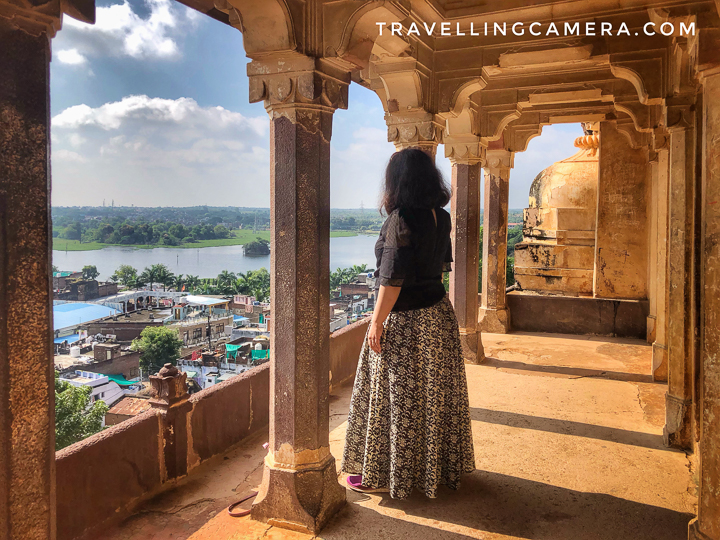
The Splendid Datia Palace in Madhya Pradesh || A Secluded, Desolate, yet Beautiful Building that has Stood Strong Against the Tides of Time

Exploring the Grandeur and Rich History of Gwalior Fort in Madhya Pradesh, India





Comments