Ahilyabai Fort, Maheshwar: Exploring the Royal Heart of Maheshwar Tourism, Madhya Pradesh

Some historical places impress you with their size. Others stay with you because of the life that continues within their old walls. Ahilyabai Fort in Maheshwar belongs to the second category. At the heart of Maheshwar tourism, Madhya Pradesh, this historic fort looks out over the Narmada River, bringing together royal memories, temple bells, stone ghats, traditional handlooms, and the unhurried rhythms of a riverside town.  Approaching the fort, you begin to notice that Maheshwar is not a destination where history sits quietly behind a ticket counter. It is part of everyday life. The river remains central to the town's identity. Worshippers descend the stone steps towards the water, boats move across the river, and the surrounding temples create a skyline that feels connected to centuries of devotion.

Introduction: Where History Meets the Narmada

Some historical places impress you with their size. Others stay with you because of the life that continues within their old walls. Ahilyabai Fort in Maheshwar belongs to the second category. At the heart of Maheshwar tourism, Madhya Pradesh, this historic fort looks out over the Narmada River, bringing together royal memories, temple bells, stone ghats, traditional handlooms, and the unhurried rhythms of a riverside town.

Approaching the fort, you begin to notice that Maheshwar is not a destination where history sits quietly behind a ticket counter. It is part of everyday life. The river remains central to the town's identity. Worshippers descend the stone steps towards the water, boats move across the river, and the surrounding temples create a skyline that feels connected to centuries of devotion.

Inside the fort complex, the experience becomes more intimate. There are courtyards, gateways, old stone surfaces, shrines, and spaces associated with one of India's most admired historical rulers, Maharani Ahilyabai Holkar. The fort was not simply a royal residence. It was also a centre of administration, religious patronage, and the cultural life that helped shape Maheshwar.  What makes the place especially interesting is the relationship between the architecture and the landscape. The fort does not dominate the river from a distant hill. Instead, it grows out of the historic settlement, with its walls and terraces opening towards the Narmada. From certain viewpoints, the river becomes the natural foreground to a composition of temples, stone steps, and centuries-old architecture.

Inside the fort complex, the experience becomes more intimate. There are courtyards, gateways, old stone surfaces, shrines, and spaces associated with one of India's most admired historical rulers, Maharani Ahilyabai Holkar. The fort was not simply a royal residence. It was also a centre of administration, religious patronage, and the cultural life that helped shape Maheshwar.

What makes the place especially interesting is the relationship between the architecture and the landscape. The fort does not dominate the river from a distant hill. Instead, it grows out of the historic settlement, with its walls and terraces opening towards the Narmada. From certain viewpoints, the river becomes the natural foreground to a composition of temples, stone steps, and centuries-old architecture.

For travellers exploring the heritage cities of Madhya Pradesh, Maheshwar offers something distinctive: a living historical landscape rather than a collection of isolated monuments. Its appeal lies as much in watching the town wake up beside the river as it does in understanding the history of the fort.  For photographers, the opportunities change throughout the day. Early morning brings soft light, cooler temperatures, and quieter ghats. Late afternoon creates warmer tones on the stone architecture. At sunset, the river can become a reflective surface beneath the fort and temples, although the best conditions depend on the season and the weather.  And if you allow yourself enough time, Ahilyabai Fort becomes more than a historical attraction. It becomes a way to understand Maheshwar itself.

For travellers exploring the heritage cities of Madhya Pradesh, Maheshwar offers something distinctive: a living historical landscape rather than a collection of isolated monuments. Its appeal lies as much in watching the town wake up beside the river as it does in understanding the history of the fort.

For photographers, the opportunities change throughout the day. Early morning brings soft light, cooler temperatures, and quieter ghats. Late afternoon creates warmer tones on the stone architecture. At sunset, the river can become a reflective surface beneath the fort and temples, although the best conditions depend on the season and the weather.

And if you allow yourself enough time, Ahilyabai Fort becomes more than a historical attraction. It becomes a way to understand Maheshwar itself.

Ahilyabai Fort deserves more than a quick stop between breakfast and a boat ride. It offers an opportunity to understand how architecture, faith, craftsmanship, and governance came together in an important historical town of central India.  Here are the main reasons to include it in your Maheshwar itinerary.  1. Discover the World of Maharani Ahilyabai Holkar The fort is closely associated with Ahilyabai Holkar, the celebrated queen who made Maheshwar her capital in the eighteenth century.  Her reputation rests not only on her ability to govern but also on her support for temples, pilgrimage centres, public works, and religious institutions. Her legacy can still be seen in the ghats, temples, and cultural traditions associated with Maheshwar.

Why Visit Ahilyabai Fort? Understanding Maheshwar Tourism, Madhya Pradesh

Ahilyabai Fort deserves more than a quick stop between breakfast and a boat ride. It offers an opportunity to understand how architecture, faith, craftsmanship, and governance came together in an important historical town of central India.

Here are the main reasons to include it in your Maheshwar itinerary.

1. Discover the World of Maharani Ahilyabai Holkar

The fort is closely associated with Ahilyabai Holkar, the celebrated queen who made Maheshwar her capital in the eighteenth century.

Her reputation rests not only on her ability to govern but also on her support for temples, pilgrimage centres, public works, and religious institutions. Her legacy can still be seen in the ghats, temples, and cultural traditions associated with Maheshwar.

Walking through the fort makes this history feel tangible. Rather than imagining a ruler in a distant royal court, you begin to picture the administrative and domestic spaces in which decisions were made and daily life unfolded.

The fort's position above the Narmada is one of its defining features. From the elevated viewpoints, the river, stepped ghats, temples, and boats form a layered landscape.  The view changes throughout the day. In the morning, the stone architecture can appear cool and muted. By late afternoon, warmer sunlight brings out the textures of the buildings. During the monsoon, the river may look fuller and more powerful, although water levels and access to the ghats can vary considerably.  You do not need a dramatic panoramic viewpoint to appreciate the scenery. Sometimes, a narrow opening between two old walls provides the most interesting frame.

2. Enjoy Beautiful Views of the Narmada River

The fort's position above the Narmada is one of its defining features. From the elevated viewpoints, the river, stepped ghats, temples, and boats form a layered landscape.

The view changes throughout the day. In the morning, the stone architecture can appear cool and muted. By late afternoon, warmer sunlight brings out the textures of the buildings. During the monsoon, the river may look fuller and more powerful, although water levels and access to the ghats can vary considerably.

You do not need a dramatic panoramic viewpoint to appreciate the scenery. Sometimes, a narrow opening between two old walls provides the most interesting frame.

3. Explore the Architectural Heritage of Maheshwar

Maheshwar's historical character is not confined to one building. The fort, palace spaces, temples, and riverfront structures form a connected heritage landscape.

Look closely at the details: stone steps worn by generations of visitors, traditional architectural patterns, carved elements, and the relationship between the buildings and the river.

These are particularly rewarding for travellers who enjoy heritage photography and architectural details rather than simply collecting photographs of famous landmarks.

4. Connect the Fort with Maheshwari Handloom Traditions

One of the most fascinating aspects of Maheshwar is the connection between its built heritage and its textile traditions.

Maheshwari sarees are associated with the patronage of Ahilyabai Holkar, who encouraged skilled weavers to settle in the town. Traditional designs draw inspiration from architectural and natural forms, including patterns associated with the fort and the Narmada.

This connection gives the fort an additional dimension. Its heritage is not only preserved in stone; elements of its visual language also live on in textiles.

For anyone interested in India's traditional crafts, this is an excellent reason to explore the fort and the town's weaving workshops together.

5. Experience a Different Side of Madhya Pradesh's Heritage Towns

Among the heritage cities of Madhya Pradesh, Maheshwar has a distinctive atmosphere. It combines a historic seat of power with an active religious landscape and a working craft economy.

Unlike destinations where visitors move between widely separated monuments, much of Maheshwar's historical experience can be enjoyed on foot around the fort and ghats.

You can spend an hour studying the architecture, another watching life beside the river, and a third learning about handloom weaving. Each experience adds context to the others.

That is what makes Maheshwar rewarding for slow travellers.

Maheshwar is traditionally identified with Mahishmati, an ancient city associated with Indian epic traditions and legends. Its long history is an important part of local identity, although individual associations with ancient rulers and events should be understood as traditions rather than treated as uniformly established historical facts.  The town's documented political significance grew considerably during the Maratha period.  After the death of Malhar Rao Holkar, the founder of the Holkar dynasty, Ahilyabai Holkar became the ruler of the Holkar territories. She established Maheshwar as her capital in 1767, transforming the town into an important centre of administration, religion, and cultural patronage.  The Narmada was central to this choice. It was an important sacred river, and its banks offered a setting for temples, pilgrimage, trade, and settlement.

Historical and Cultural Significance of Ahilyabai Fort

To understand the fort, it helps to look beyond its walls and consider why Maheshwar became such an important place.

From Ancient Mahishmati to the Holkar Capital

Maheshwar is traditionally identified with Mahishmati, an ancient city associated with Indian epic traditions and legends. Its long history is an important part of local identity, although individual associations with ancient rulers and events should be understood as traditions rather than treated as uniformly established historical facts.

The town's documented political significance grew considerably during the Maratha period.

After the death of Malhar Rao Holkar, the founder of the Holkar dynasty, Ahilyabai Holkar became the ruler of the Holkar territories. She established Maheshwar as her capital in 1767, transforming the town into an important centre of administration, religion, and cultural patronage.

The Narmada was central to this choice. It was an important sacred river, and its banks offered a setting for temples, pilgrimage, trade, and settlement.

Maheshwar consequently developed an identity that brought political authority and religious life together.

The fort and palace complex served as the setting for Ahilyabai Holkar's residence and court. Within it was Ahilya Wada, which included residential spaces, offices, and the darbaar, or audience hall.  The complex was therefore more than a defensive structure. It was a place from which the ruler administered her territories and received people.  The surviving historic spaces are associated with this period of Maheshwar's prominence, although the fort's architectural fabric reflects a longer history of construction and modification. It is more accurate to understand the present complex as a layered historical site than to assume every visible wall was built at one time.

What Was the Role of Ahilyabai Fort?

The fort and palace complex served as the setting for Ahilyabai Holkar's residence and court. Within it was Ahilya Wada, which included residential spaces, offices, and the darbaar, or audience hall.

The complex was therefore more than a defensive structure. It was a place from which the ruler administered her territories and received people.

The surviving historic spaces are associated with this period of Maheshwar's prominence, although the fort's architectural fabric reflects a longer history of construction and modification. It is more accurate to understand the present complex as a layered historical site than to assume every visible wall was built at one time.

The Significance of Ahilyabai's Rule

Ahilyabai Holkar is remembered for her emphasis on public welfare, religious patronage, and the maintenance and development of pilgrimage infrastructure.

Her contributions extended beyond Maheshwar. She supported temples and sacred sites in different parts of India, making her legacy relevant to the broader history of Hindu pilgrimage and regional governance.

Her style of rule is often contrasted with the extravagance associated with some royal courts. Historical accounts and the surviving traditions surrounding her present an image of a ruler whose personal austerity accompanied substantial investment in public and religious works.

That reputation is one reason the fort has a different emotional character from many palaces built primarily to display royal wealth.

Perhaps the most surprising connection between the fort and modern Maheshwar is the town's handloom industry.  Tradition credits Ahilyabai with encouraging skilled weavers from other regions to settle in Maheshwar and develop textiles for royal use and gifting. Over time, these textiles became a defining part of the town's identity.  Maheshwari fabrics are known for their distinctive borders, geometric patterns, and combinations of cotton and silk. Motifs such as Chatai, inspired by mat-like patterns; Eent, associated with brick-like designs; and Heera, representing diamond forms, are part of the craft's design vocabulary.  The relationship between the fort and the looms is especially interesting because it shows how architecture can influence a living craft.

How Ahilyabai Holkar Influenced Maheshwari Sarees

Perhaps the most surprising connection between the fort and modern Maheshwar is the town's handloom industry.

Tradition credits Ahilyabai with encouraging skilled weavers from other regions to settle in Maheshwar and develop textiles for royal use and gifting. Over time, these textiles became a defining part of the town's identity.

Maheshwari fabrics are known for their distinctive borders, geometric patterns, and combinations of cotton and silk. Motifs such as Chatai, inspired by mat-like patterns; Eent, associated with brick-like designs; and Heera, representing diamond forms, are part of the craft's design vocabulary.

The relationship between the fort and the looms is especially interesting because it shows how architecture can influence a living craft.

The stone buildings provide more than a historical backdrop. Their forms and decorative details have helped inspire patterns that continue to travel far beyond Maheshwar.

For visitors, this makes a visit to a local weaving centre a natural continuation of exploring the fort.

Exploring Ahilyabai Fort: What to Look for Inside The best way to explore the fort is to slow down. Instead of rushing from one photographed landmark to another, pay attention to the relationship between individual spaces.  Access to particular palace interiors and residential sections may be restricted, so follow the current arrangements and instructions provided on site.  The Palace and Royal Residential Spaces The palace area helps visitors imagine the domestic and administrative life of the Holkar court.  The historic complex includes spaces associated with royal residence, reception, and governance. The architecture is not necessarily defined by overwhelming scale or excessive ornamentation. Much of its appeal lies in its arrangement of courtyards, passageways, stone surfaces, and quieter architectural details.  Look for transitions between open and enclosed spaces. A courtyard can feel bright and expansive, while a shaded passage immediately beside it may feel intimate.  These contrasts are interesting from both an architectural and photographic perspective.  When exploring, remember that not every part of a historic palace is necessarily open to visitors. Some spaces are used privately or have been adapted for other purposes.

Exploring Ahilyabai Fort: What to Look for Inside

The best way to explore the fort is to slow down. Instead of rushing from one photographed landmark to another, pay attention to the relationship between individual spaces.

Access to particular palace interiors and residential sections may be restricted, so follow the current arrangements and instructions provided on site.

The Palace and Royal Residential Spaces

The palace area helps visitors imagine the domestic and administrative life of the Holkar court.

The historic complex includes spaces associated with royal residence, reception, and governance. The architecture is not necessarily defined by overwhelming scale or excessive ornamentation. Much of its appeal lies in its arrangement of courtyards, passageways, stone surfaces, and quieter architectural details.

Look for transitions between open and enclosed spaces. A courtyard can feel bright and expansive, while a shaded passage immediately beside it may feel intimate.

These contrasts are interesting from both an architectural and photographic perspective.

When exploring, remember that not every part of a historic palace is necessarily open to visitors. Some spaces are used privately or have been adapted for other purposes.

The Statue of Ahilyabai Holkar

One of the best-known features associated with the fort and palace is the life-size statue of Ahilyabai Holkar seated on a throne.

The statue provides a visual focal point for understanding the queen's continuing presence in the town's identity. For visitors unfamiliar with her story, it can be a useful starting point before exploring the surrounding spaces.

Rather than treating it as a quick photo opportunity, spend a moment considering why her memory remains so prominent here.

Her significance is visible not just in commemorative representations but also in the town's religious institutions, craft traditions, and historic landscape.

The Shiva Temple and Sacred Spaces

The fort complex includes a Shiva temple, reflecting the importance of religious devotion in the life of the Holkar court.

Religious architecture in Maheshwar is closely connected to the Narmada, and the town's temples and ghats are part of a broader sacred landscape.

If you visit during worship, observe quietly. You may hear bells, the sound of prayers, and the movement of devotees through spaces that are simultaneously historical monuments and living places of faith.

Avoid assuming that every area is available for unrestricted photography. Temple customs and rules can differ from one location to another.

Some of the most rewarding details are easy to overlook.  Look for the geometry of doorways, the texture of old stone, the way light enters a corridor, and the views revealed when you move from one courtyard into another.  A close-up of a weathered surface can tell a different story from a wide photograph of the palace. Small details help communicate the age and material character of the site.  For photographers, these spaces also provide opportunities to work with shadow, repetition, framing, and symmetry.  The Fort's Relationship with the Narmada The river is not merely scenery beyond the walls. It is fundamental to Maheshwar's historical and cultural identity.

Courtyards, Passages, and Old Stonework

Some of the most rewarding details are easy to overlook.

Look for the geometry of doorways, the texture of old stone, the way light enters a corridor, and the views revealed when you move from one courtyard into another.

A close-up of a weathered surface can tell a different story from a wide photograph of the palace. Small details help communicate the age and material character of the site.

For photographers, these spaces also provide opportunities to work with shadow, repetition, framing, and symmetry.

The Fort's Relationship with the Narmada

The river is not merely scenery beyond the walls. It is fundamental to Maheshwar's historical and cultural identity.

From the fort's elevated position, you can observe how the historic town meets the water through its temples and stepped ghats.

Look down towards the riverfront and notice the relationship between the built landscape and the movement of people. The architecture provides the setting, but the daily activities of worshippers, residents, and visitors give it life.

This is one of the most rewarding aspects of exploring Maheshwar: the distinction between monument and everyday life is often less pronounced than it is in heavily curated heritage destinations.

A Slow Walk Through Maheshwar: Experiencing the Fort Beyond Its Walls Imagine arriving at the fort early in the morning, when the day has not yet gathered its full intensity.  The first thing you notice is not a grand architectural feature. It is the changing quality of sound. Somewhere nearby, a temple bell rings. Footsteps cross a stone passage. From the direction of the river comes the gentle murmur of activity at the ghats.  Maheshwar is beginning its day.  As you move through the fort complex, the stone underfoot becomes part of the experience. Its colour changes with the light, and small variations in texture appear wherever the sun reaches a wall or threshold.  A wide doorway opens towards another space. The view beyond it draws your attention, but before walking through, you pause to look at the doorway itself.

A Slow Walk Through Maheshwar: Experiencing the Fort Beyond Its Walls

Imagine arriving at the fort early in the morning, when the day has not yet gathered its full intensity.

The first thing you notice is not a grand architectural feature. It is the changing quality of sound. Somewhere nearby, a temple bell rings. Footsteps cross a stone passage. From the direction of the river comes the gentle murmur of activity at the ghats.

Maheshwar is beginning its day.

As you move through the fort complex, the stone underfoot becomes part of the experience. Its colour changes with the light, and small variations in texture appear wherever the sun reaches a wall or threshold.

A wide doorway opens towards another space. The view beyond it draws your attention, but before walking through, you pause to look at the doorway itself.

It has a frame, a shadow, and a sense of depth. A photograph made from this position could contain the architecture of the fort and a glimpse of the world beyond it without needing to show everything at once.

Further along, the river comes into view.

The Narmada appears broad and calm from this perspective, although its character changes with the season. Near the water, the ghats are already part of the day's activity. Some people have come to pray, others to sit quietly, and some are simply passing through the landscape that has shaped their town for generations.

This is where Maheshwar begins to feel different from a conventional palace visit.

The history is present, but it is not the only thing happening.

You may notice someone carrying flowers towards a shrine, a family descending the steps, or a local resident crossing a familiar courtyard without giving the architecture a second glance. For the visitor, these spaces are remarkable. For people who live here, they are also part of everyday life.

That difference is worth remembering.

Later, a walk through the town can lead you towards its handloom traditions. The sound of a working loom offers a different rhythm from the riverfront. Threads move into place, patterns develop gradually, and a textile begins to take shape through repeated, skilled movements.

Suddenly, the connection between the fort and the sarees becomes more meaningful. Architectural details that seemed decorative during the palace visit now have a second life in the patterns of woven cloth.  By late afternoon, you might return to the river.  The stone structures take on warmer tones as the light changes. The steps and temple silhouettes become more pronounced, and the Narmada reflects parts of the town in shifting shapes.  The best part of the day may not be a single landmark or photograph. It may be the gradual realisation that Maheshwar's heritage exists in several forms at once: a historic fort, a sacred river, a working craft tradition, and a town that continues to live within its own history.

Suddenly, the connection between the fort and the sarees becomes more meaningful. Architectural details that seemed decorative during the palace visit now have a second life in the patterns of woven cloth.

By late afternoon, you might return to the river.

The stone structures take on warmer tones as the light changes. The steps and temple silhouettes become more pronounced, and the Narmada reflects parts of the town in shifting shapes.

The best part of the day may not be a single landmark or photograph. It may be the gradual realisation that Maheshwar's heritage exists in several forms at once: a historic fort, a sacred river, a working craft tradition, and a town that continues to live within its own history.

That is the experience worth making time for.

Hidden Gems and Lesser-Known Insights About Ahilyabai Fort The most memorable discoveries in Maheshwar are not always the places with the biggest names. Sometimes, they are the details that connect the town's history with its everyday life.  1. The Fort Is Also a Story About Textiles Many visitors admire Maheshwari sarees without realising how closely their design traditions are associated with the town's architecture.  Traditional borders and motifs include geometric patterns inspired by structures and decorative details found around Maheshwar. The Rehwa Society, established in the late 1970s by members of the Holkar family, has played an important role in supporting local weaving and providing employment to women.  A useful way to experience this connection: Photograph an architectural detail at the fort, then visit a weaving centre and look for related geometric patterns in the textiles. The comparison offers a more interesting travel story than photographing either place in isolation.

Hidden Gems and Lesser-Known Insights About Ahilyabai Fort

The most memorable discoveries in Maheshwar are not always the places with the biggest names. Sometimes, they are the details that connect the town's history with its everyday life.

1. The Fort Is Also a Story About Textiles

Many visitors admire Maheshwari sarees without realising how closely their design traditions are associated with the town's architecture.

Traditional borders and motifs include geometric patterns inspired by structures and decorative details found around Maheshwar. The Rehwa Society, established in the late 1970s by members of the Holkar family, has played an important role in supporting local weaving and providing employment to women.

A useful way to experience this connection: Photograph an architectural detail at the fort, then visit a weaving centre and look for related geometric patterns in the textiles. The comparison offers a more interesting travel story than photographing either place in isolation.

2. Ahilyabai's Legacy Is Visible Beyond the Palace

The queen's historical importance is not limited to the building in which she lived.

The ghats, temples, religious institutions, and wider traditions of Maheshwar reflect the importance of her patronage. Her legacy is therefore best understood by exploring the town rather than spending the entire visit inside the fort.

Walk down towards the river after your palace visit. Observe the relationship between the fort and the ghats, and look for the temples that form part of the same historical landscape.

3. Maheshwar Has a Connection with Ancient Indian Traditions

Maheshwar is traditionally associated with the ancient city of Mahishmati, which appears in Indian epic and literary traditions.

Local heritage narratives also connect the area with stories involving legendary rulers and sages. These accounts are culturally important, but it is worth distinguishing between religious tradition, local folklore, and events established through historical evidence.

For a traveller, the interesting question is not simply whether a particular legend can be verified. It is also how these stories shape the way local people understand their town.

4. Some of the Best Views Are Found at Ground Level

It is tempting to search for the highest viewpoint and take a wide photograph of the river.

However, some of Maheshwar's most compelling compositions can be made from the ghats. Look for the alignment of a temple doorway

Maheshwar can be explored on a range of budgets. The main variables are accommodation, transport, dining, and any paid experiences you choose.  Rather than relying on a fixed daily estimate that may quickly become outdated, consider the following approach.  1. Travel from Indore If It Suits Your Itinerary Indore is a practical transport hub for Maheshwar.  If you are travelling with friends or family, compare the total cost of a private taxi with the combined cost of public transport and local transfers.  A taxi may be more convenient when visiting several destinations, while public transport can help reduce costs if your schedule is flexible.

Budget Tips for Visiting Ahilyabai Fort

Maheshwar can be explored on a range of budgets. The main variables are accommodation, transport, dining, and any paid experiences you choose.

Rather than relying on a fixed daily estimate that may quickly become outdated, consider the following approach.

1. Travel from Indore If It Suits Your Itinerary

Indore is a practical transport hub for Maheshwar.

If you are travelling with friends or family, compare the total cost of a private taxi with the combined cost of public transport and local transfers.

A taxi may be more convenient when visiting several destinations, while public transport can help reduce costs if your schedule is flexible.

2. Stay Overnight Only If It Adds Value

A day trip from Indore may be sufficient if you have limited time and want to see the fort, ghats, and a weaving centre.

However, if your main interests are photography, local culture, or a slower travel experience, an overnight stay can make the visit significantly more rewarding.

The cheapest itinerary is not necessarily the best value if it leaves you rushing through every place.

3. Eat Where Local Residents Eat

Simple local eateries can provide satisfying meals without the cost of a premium dining experience.

Try regional breakfast dishes and ordinary thalis rather than assuming that every meal needs to be part of a heritage-hotel experience.

4. Walk Around the Historic Centre

Once you are in the fort and ghats area, walking can reduce the need for short vehicle transfers.

It also makes it easier to discover small shops, side lanes, and architectural details that you might otherwise miss.

5. Budget for Handloom Purchases

If you intend to buy Maheshwari textiles, decide how much you want to spend before visiting a weaving centre.

Ask about the fibre composition, weaving technique, design, and care requirements. Compare similar products rather than judging quality on colour alone.

Purchasing directly from a weaver or a reputable craft organisation can also give you a better understanding of the work involved.

6. Confirm Costs Before Booking Activities

Boat rides, guided experiences, heritage dining, and special activities may involve separate charges.

Confirm the price, duration, and terms before agreeing to an activity. Do not assume that an advertised experience is included with a hotel stay or a general visit to the fort.

The timings are suggestions rather than fixed opening hours. Confirm access to individual sites and workshops before visiting.  If photography is your priority, consider spending longer at the fort and riverfront rather than trying to cover every attraction.

Suggested One-Day Itinerary for Ahilyabai Fort and Maheshwar

If you have only one day in Maheshwar, you can explore its principal attractions without turning the visit into a race.

TimeActivityWhy it works
7:00–8:00 AMWalk along the Narmada ghatsEnjoy the cooler morning atmosphere and observe daily life
8:00–9:00 AMBreakfast at a local eateryTry poha or another regional breakfast
9:00–11:00 AMExplore Ahilyabai Fort and accessible palace areasFocus on the architecture, history, and views
11:00 AM–12:30 PMVisit a handloom centreUnderstand the connection between the fort and Maheshwari textiles
12:30–2:00 PMLunch and a breakAvoid rushing through the hottest part of the day
2:00–3:30 PMExplore nearby temples and historic lanesDiscover the wider heritage landscape
3:30–4:30 PMRest or browse local handloom shopsLeave time for shopping without rushing
4:30 PM onwardsReturn to the riverfrontPhotograph the ghats and enjoy the changing evening light

The timings are suggestions rather than fixed opening hours. Confirm access to individual sites and workshops before visiting.

If photography is your priority, consider spending longer at the fort and riverfront rather than trying to cover every attraction.

A Better Option: Two Days in Maheshwar

If possible, stay overnight.

Day 1: Explore Ahilyabai Fort, the palace areas accessible to visitors, the ghats, and the surrounding temples. Spend the late afternoon photographing the riverfront.

Day 2: Visit a weaving centre, explore the town's smaller lanes, and enjoy a more relaxed walk along the Narmada. If time permits, consider visiting Sahastradhara, a scenic stretch of the river located outside the main town. Its accessibility and conditions can vary with the season.

This two-day approach leaves more room for the unplanned moments that often make travel memorable.

Maheshwar is a heritage destination, but it is also a living town and a place of worship.  A few simple habits can help preserve its character.  Respect religious spaces. Dress appropriately and follow local instructions inside temples and shrines.  Ask before photographing people. This is particularly important during prayer, bathing, and other personal activities.  Do not litter. Carry waste until you find a suitable bin.  Protect the historic architecture. Avoid climbing on restricted structures or touching fragile surfaces unnecessarily.  Be cautious around the river. Follow local safety guidance, particularly during the monsoon and periods of high water.  Support local crafts responsibly. Ask about the origin and materials of handloom products, and consider purchasing from reputable local weavers or craft organisations.  Respect residents' privacy. Not every courtyard, doorway, or building is a public photography location.

Responsible Travel Tips for Ahilyabai Fort

Maheshwar is a heritage destination, but it is also a living town and a place of worship.

A few simple habits can help preserve its character.

  • Respect religious spaces. Dress appropriately and follow local instructions inside temples and shrines.

  • Ask before photographing people. This is particularly important during prayer, bathing, and other personal activities.

  • Do not litter. Carry waste until you find a suitable bin.

  • Protect the historic architecture. Avoid climbing on restricted structures or touching fragile surfaces unnecessarily.

  • Be cautious around the river. Follow local safety guidance, particularly during the monsoon and periods of high water.

  • Support local crafts responsibly. Ask about the origin and materials of handloom products, and consider purchasing from reputable local weavers or craft organisations.

  • Respect residents' privacy. Not every courtyard, doorway, or building is a public photography location.

  • Avoid disturbing rituals. Observe quietly and do not obstruct worshippers to obtain a photograph.

Responsible travel is not separate from experiencing Maheshwar. It is one way to understand the values that make the town important.

Common Mistakes to Avoid When Visiting Ahilyabai Fort 1. Treating the Fort as a Quick Photo Stop A brief visit may give you a photograph of the palace and river, but it will not reveal much about the history connecting the fort, the ghats, and the handloom industry.  Allow at least a couple of hours for a thoughtful exploration, with additional time for photography.  2. Assuming the Entire Palace Is Open to Visitors Some parts of the historic complex are associated with private residential or hospitality use.  Confirm access arrangements rather than expecting to enter every room or courtyard.

Common Mistakes to Avoid When Visiting Ahilyabai Fort

1. Treating the Fort as a Quick Photo Stop

A brief visit may give you a photograph of the palace and river, but it will not reveal much about the history connecting the fort, the ghats, and the handloom industry.

Allow at least a couple of hours for a thoughtful exploration, with additional time for photography.

2. Assuming the Entire Palace Is Open to Visitors

Some parts of the historic complex are associated with private residential or hospitality use.

Confirm access arrangements rather than expecting to enter every room or courtyard.

3. Visiting Only at Midday

Harsh sunlight and high temperatures can make the experience less comfortable, particularly in warmer months.

Start early and return to the riverfront in the late afternoon.

4. Ignoring the Ghats

The fort is the main attraction, but the ghats help explain why Maheshwar developed as it did.

Make time to walk down towards the Narmada and observe the relationship between the river, temples, and historic architecture.

5. Buying Textiles Without Asking Questions

Maheshwari textiles vary in materials, techniques, and quality.

Ask whether a piece is handwoven, what fibres it contains, and how it should be cared for. Request clear information about the product rather than assuming every textile sold in Maheshwar is made using the same techniques.

6. Underestimating the Weather

Summer heat can be intense, while monsoon conditions may affect the riverfront.

Carry water, wear comfortable footwear, and adapt your plans to the weather.

7. Expecting Every Moment to Be a Staged Heritage Experience

Maheshwar is not a museum set aside from everyday life.

People come here to work, worship, shop, and spend time with family. The town's character often emerges in ordinary moments rather than organised attractions.

Leave some time in your itinerary for walking without a strict destination.

1. Where Is Ahilyabai Fort Located? Ahilyabai Fort is located in Maheshwar, in the Khargone district of Madhya Pradesh, India. The historic fort and palace complex overlooks the Narmada River and is closely associated with Maharani Ahilyabai Holkar, who made Maheshwar her capital in 1767.  2. Why Is Ahilyabai Fort Famous? Ahilyabai Fort is famous for its association with Maharani Ahilyabai Holkar, its historic palace spaces, its elevated views of the Narmada River, and its place in Maheshwar's cultural history. It is also connected with the town's traditional Maheshwari handloom heritage.

Frequently Asked Questions About Ahilyabai Fort, Maheshwar

1. Where Is Ahilyabai Fort Located?

Ahilyabai Fort is located in Maheshwar, in the Khargone district of Madhya Pradesh, India. The historic fort and palace complex overlooks the Narmada River and is closely associated with Maharani Ahilyabai Holkar, who made Maheshwar her capital in 1767.

2. Why Is Ahilyabai Fort Famous?

Ahilyabai Fort is famous for its association with Maharani Ahilyabai Holkar, its historic palace spaces, its elevated views of the Narmada River, and its place in Maheshwar's cultural history. It is also connected with the town's traditional Maheshwari handloom heritage.

3. Who Built Ahilyabai Fort in Maheshwar?

The fort complex has a layered history associated with the Holkar rulers, particularly Ahilyabai Holkar. She made Maheshwar her capital in the eighteenth century and ruled from the palace complex. The surviving buildings reflect a historical landscape that developed over time rather than a single construction phase.

4. What Is the Best Time to Visit Ahilyabai Fort?

October to March is generally the most comfortable period to visit Ahilyabai Fort. Early mornings are suitable for exploring the architecture and photographing the ghats, while late afternoons offer attractive light over the Narmada River.

5. How Much Time Should I Spend at Ahilyabai Fort?

Allow around two hours to explore the fort and accessible palace areas at a relaxed pace. If you enjoy architecture or photography, you may want to spend longer. Additional time is useful for exploring the ghats, temples, and nearby weaving centres.

6. Can Tourists Enter Ahilyabai Fort?

Visitors can explore designated public areas associated with the historic fort and riverfront. However, not every palace interior or section of the heritage complex is necessarily open to general visitors. Some spaces are associated with private hospitality use, so confirm access arrangements before visiting.

7. Is There an Entry Fee for Ahilyabai Fort?

Entry arrangements can differ depending on the specific area or experience you wish to visit. Confirm current charges, access restrictions, and any separate costs for guided experiences or activities before your trip.

8. What Are the Main Attractions Near Ahilyabai Fort?

Important nearby attractions include the Narmada ghats, the historic temples around the riverfront, palace-related heritage spaces, and local handloom centres associated with Maheshwari textiles. Sahastradhara is another attraction outside the main town.

9. Why Are Maheshwari Sarees Associated with Ahilyabai Holkar?

Tradition credits Ahilyabai Holkar with encouraging skilled weavers to settle in Maheshwar and develop textiles for royal use and gifting. Over time, Maheshwari fabrics became known for their distinctive borders, geometric motifs, and combinations of cotton and silk.

10. Can I Visit Maheshwar as a Day Trip from Indore?

Yes. Maheshwar is approximately 90–100 kilometres from Indore by road, making it a feasible day trip for many travellers. An overnight stay is preferable if you want to photograph the fort and riverfront at different times of day or explore the town's handloom traditions at a relaxed pace.

11. Is Ahilyabai Fort Worth Visiting for Photographers?

Yes. The fort offers architectural details, courtyards, passageways, elevated views of the Narmada, and opportunities to photograph the relationship between historic buildings and everyday life. Early morning and late afternoon are generally the most rewarding times for outdoor photography.

12. What Food Should I Try in Maheshwar?

Try regional dishes such as dal bafla, poha, and traditional thalis. The town also has local eateries where you can enjoy simple meals while exploring the historic centre. Dining options and menus vary, so ask residents for recommendations when you arrive.

13. Can I Buy Maheshwari Sarees in Maheshwar?

Yes. Maheshwar has handloom centres, weaving organisations, and shops selling Maheshwari textiles. Visiting a working weaving centre can help you understand the production process and distinguish between different materials, patterns, and techniques.

14. Is Maheshwar Suitable for a Family Trip?

Yes. Maheshwar can be a rewarding family destination for travellers interested in history, religious architecture, traditional crafts, and riverside scenery. However, some areas have steep steps, uneven surfaces, and potentially unsafe river edges, so families should plan according to the mobility and needs of everyone travelling.

15. How Does Ahilyabai Fort Fit into a Madhya Pradesh Heritage Itinerary?

Ahilyabai Fort is an excellent addition to a wider journey through the heritage cities of Madhya Pradesh. It can be combined with visits to Mandu, Indore, or Omkareshwar, depending on your available time and interests. Maheshwar adds a distinctive combination of Maratha history, religious traditions, riverfront architecture, and handloom culture to such an itinerary.

Ahilyabai Fort offers a way to understand Maheshwar that goes beyond architecture and royal history.  Its stone walls recall the period when Ahilyabai Holkar governed from this riverside town. Its position above the Narmada connects the fort to a sacred landscape that continues to shape local life. The nearby ghats, temples, and weaving traditions reveal how the town's cultural identity extends beyond its palace complex.  For travellers exploring Maheshwar tourism, Madhya Pradesh, this is what makes the destination worth slowing down for.

Final Thoughts: Ahilyabai Fort Is More Than a Monument

Ahilyabai Fort offers a way to understand Maheshwar that goes beyond architecture and royal history.

Its stone walls recall the period when Ahilyabai Holkar governed from this riverside town. Its position above the Narmada connects the fort to a sacred landscape that continues to shape local life. The nearby ghats, temples, and weaving traditions reveal how the town's cultural identity extends beyond its palace complex.

For travellers exploring Maheshwar tourism, Madhya Pradesh, this is what makes the destination worth slowing down for.

You can visit the fort for its history, photograph it for its architecture, or come to understand the legacy of one of India's most admired women rulers. Yet the experience becomes richer when you connect these interests with the rest of the town.

Walk down to the river. Look closely at the stonework. Spend time with the textiles. Notice how people use the historic landscape in their daily lives.

If you are interested in the heritage cities of Madhya Pradesh, Maheshwar deserves a place on your itinerary not simply because it preserves the past, but because so much of that past remains woven into the present.

And perhaps that is the most compelling thing about Ahilyabai Fort: it does not tell its story through stone alone. Its story continues in the river below, in the temples around it, and in the handwoven fabrics that carry the visual language of Maheshwar far beyond the town itself.

Related Blogposts:


When people talk about the temples in Ujjain, the conversation almost always begins with Mahakaleshwar Jyotirlinga. It is understandable. One of the twelve Jyotirlingas of Lord Shiva, Mahakaleshwar attracts pilgrims from across India and beyond. However, Ujjain's spiritual landscape extends well beyond its celebrated Shiva temple. Along the banks of the Shipra River, away from some of the city's busiest pilgrimage routes, stands a place where an ancient banyan tree occupies the centre of religious life.  This is Siddhwat Mandir, also known as Siddhavat Temple.  Unlike conventional temples dominated by elaborate architecture, towering shikharas and intricately decorated sanctums, Siddhwat is closely associated with a living tree. Its enormous banyan, with spreading branches and hanging aerial roots, is considered sacred by generations of devotees. People come here to offer prayers, remember their ancestors, perform traditional Hindu rites and seek blessings for their families.


Introduction: Where Indore's Love for Food Comes Alive If there is one place that captures the relationship between people and food in Indore, it is Chhappan Dukan. Also known as 56 Dukan or Chappan Dukaan, this famous food street in New Palasia is much more than a collection of eateries. It is a reflection of the city's appetite, its entrepreneurial spirit and its remarkable ability to turn everyday snacks into memorable culinary experiences.


Introduction: When Indore Comes Alive After Dark There are cities where evenings are meant for winding down, and then there is Indore, where some of the most interesting food experiences begin after sunset. Among the many food markets in Indore, Sarafa Bazaar has a personality of its own. A traditional jewellery market during the day, it transforms into a lively street-food destination at night, attracting food lovers from across the city and travellers curious about the culinary traditions of Madhya Pradesh.


Introduction: Rajwada Palace – Where Indore's Royal Past Meets Its Bustling Present Among the many heritage sites of Indore, Rajwada Palace occupies a special place. Standing proudly in the middle of the old city, surrounded by busy markets, traditional shops, street vendors and the constant movement of people, this historic palace offers a fascinating glimpse into the royal history of the Holkar dynasty.  There is something particularly interesting about Rajwada's location. Unlike many historical palaces that sit within expansive gardens or isolated heritage complexes, Rajwada is woven into the everyday life of Indore. Step outside its imposing entrance and you are immediately surrounded by the energy of Khajuri Bazaar. Shopkeepers attend to customers, two-wheelers navigate narrow streets, shoppers bargain over textiles, and the city's famous food culture unfolds just a short walk away.


Whenever I visit a historic town, I find myself drawn towards the places where its history meets everyday life. A fort might tell me about its rulers, a museum might explain its past, and an old temple might reveal the religious traditions that shaped its identity. But a riverfront often brings all these stories together in a way that no single monument can.


The names associated with Ahilyabai Holkar can sometimes cause confusion. Ahilyeshwar Temple, also known as Ahilyabai's Chhatri, is a distinct historic structure associated with her memory. Madhya Pradesh Tourism describes it as a temple dedicated to Lord Rama, built in her honour by her daughter, Krishnabai. It stands near the Narmada River and forms part of Maheshwar's historic architectural landscape.


The Chhatri of Vithoji Rao Holkar in Maheshwar in Madhya Pradesh is one such place. Located within the historic fort complex overlooking the Narmada River, this memorial offers a different perspective on the Holkar dynasty, whose legacy shaped the architecture, culture and identity of Maheshwar.

Chhatri of Vithoji Rao Holkar in Maheshwar, Madhya Pradesh: History, Architecture and Photography 


Among the many Mandu Heritage Sites to explore, Jami Masjid stands out for a quality that is becoming increasingly rare in historic places: the ability to make you slow down. There are no elaborate painted ceilings demanding immediate attention, no colourful palace rooms to photograph in quick succession, and no elaborate displays explaining every corner. Instead, there is a vast courtyard, imposing arches, weathered stone, and an architectural rhythm that gradually reveals itself as you walk through the complex.


Some historical places draw you in through their architecture. Others make you pause because of the landscape surrounding them. Roopmati Mahal in Mandu, Madhya Pradesh, belongs to the second kind. Perched high above the Narmada valley, this historic pavilion brings together the romance of an old legend, the beauty of Malwa's rugged plateau and views that seem to stretch endlessly towards the horizon.


Imagine a long stone palace standing between two lakes, its domes rising above the water and its reflection changing with every passing cloud. From a distance, the building almost looks like a ship that has dropped anchor in the middle of a medieval landscape.  This is Jahaz Mahal in Mandu, Madhya Pradesh, one of the most distinctive monuments in central India.

Jahaz Mahal in Mandu: One of the Main Places to See in Mandu, Madhya Pradesh


Introduction: A Taste of Madhya Pradesh Beyond the Famous Food Streets Some of the most memorable experiences of travelling in India begin when you sit down for a meal you have never tried before. In Madhya Pradesh, that experience can come in the form of dal bafle served hot with ghee, or paniya, a rustic preparation made from maize flour that carries the flavours of rural central India. If you want to understand the food in Madhya Pradesh, these traditional dishes offer a delicious starting point.


One of Ujala Bawadi's most distinctive features is the way its staircases approach the water. Rather than presenting a single, straightforward descent, the structure combines different stair flights, including a more direct arrangement on one side and a turning, zigzagging route on the other.  This asymmetry makes the stepwell particularly interesting from an architectural perspective. The stairs create strong diagonal lines, while the landings and arched sections interrupt the geometry at different levels.  For visitors accustomed to symmetrical palace courtyards, this arrangement offers a refreshing change. It is also one reason Ujala Bawadi can be so rewarding to photograph. The eye moves naturally along the stairs towards the water, creating a sense of depth even in a relatively tight composition.

Ujala Bawadi: A Hidden Gem Among Mandu Heritage Sites in Madhya Pradesh, India


Aerial Photography around the land of Pan Singh Tomar ( Morena District of Madhya Pradesh, INDIA ) - Mitavali, Padavali, Sabalgarh Fort, Bateshwara, Kankanmath, Rahughat Chambal, Jawahargarh Quila, Shahadpur Garhi, Bagchini, Bareh, Morena


Suhania Kakanmath Temple in Morena region of Madhya Pradesh, India


To cut the suspense - no, we did not see a tiger. Though the way our guide was talking about it, we are more of an exception than a rule. Apparently during the morning safari, they had seen a tigress with cubs. But yes we saw a lot and it is definitely worth talking about.

Spots and Stripes at Panna National Park || Guess what we saw at the Tiger Reserve


Bateshwar Group of Temples in Morena region of Madhya Pradesh, India


We hadn't really planned to visit Gadhi Padhavali in Morena, but we happened to be in the vicinity. We had travelled to Mitaoli to visit the Chausath Yogini temple near Morena, Madhya Pradesh, and VJ knew that there were other interesting sites around. Several years ago, he had done a helicopter tour of this area for a Photography assignment.

Ancient Shiva Temple at Garhi Padhavali in Madhya Pradesh || A hidden architectural marvel in the remote rural landscape of Morena


Last year I was out in Morena district of Madhya Pradesh and got to explore some very interesting places. Although it was summer season but uniqueness of these places made the visit worth.There are stories associated that architecture of Indian Parliament is inspired from the Chausath Yogini Temple in Mitawali (Mitaoli). This campus is in circular shape, as you can see these photograph. There is an outer region with 64 ('chausath' in hindi) pillars and a temple in the middle. Between the pillars, there are various small temples.There are other Chausath Yogini Temples in other parts of India. I have been to the other one in Jabalpur (Madhya Pradesh)  and that's also similar, but probably smaller in size. Other Yogini temples are situated in Ranipur Jharial & Hirapur in Orissa and Khajuraho.As you can see in these photographs, this place is situated in dry region. One needs to trek to reach the temple, although the path is very well maintained.Chausath Yogini Temple, Mitawali AKA Ekattarso Mahadeva Temple, Mitaoli is dedicated to chausath yogini. This circular structure has 170 feet radius, located on 100 feet mountain.

Chausath Yamini Temple @ MItawali in Morena region of Madhya Pradesh, India


We simply needed a break from our day to day busy life, hence we planned a short trip to Pachmarhi. Pachmarhi is widely known as “the queen of Satpura” and also called “the trekker’s paradise”. Pachmarhi is a hill station in the Hoshangabad district of Madhya Pradesh state of central India. It has been the location of a cantonment (Pachmarhi Cantonment) since British Raj. This beautiful region in the hills was discovered by Captain James Forsyth in 1857. This most popular hill station of Madhya Pradesh is a treasure for travellers because of its ancient caves of the Buddhist era and its serene waterfalls..      More from Madhya Pradesh - Main places to visit & explore around Jabalpur, Madhya Pradesh (India)        If we talk about how to reach Panchmarhi, there are multiple ways. Pachmarhi is 195 kms from the nearest airport in Bhopal. The nearest railway station is Pipariya which is 50kms from Pachmarhi. Bus services to Pachmarhi are available from Bhopal, Nagpur, Jabalpur, Chhindwara, Pipariya and other places. There are 7 buses daily to Bhopal which take just 6-7 hours. Buses are operated by the Madhya Pradesh Tourism Development Corporation as well as other private companies.

Pachmarhi in Madhya Pradesh – Paradise for the Trekkers


Bhopal, the capital of Madhya Pradesh, is often called the City of Lakes thanks to its scenic upper and lower lakes that define the cityscape. But Bhopal is much more than water and landscapes — it is a city where Islamic architecture, tribal traditions, Mughal heritage, modern art, and natural escapes coexist.

Bhopal Travel Guide: City of Lakes, Culture, and Contrasts - Capital Cities of Indian States [Madhya Pradesh]
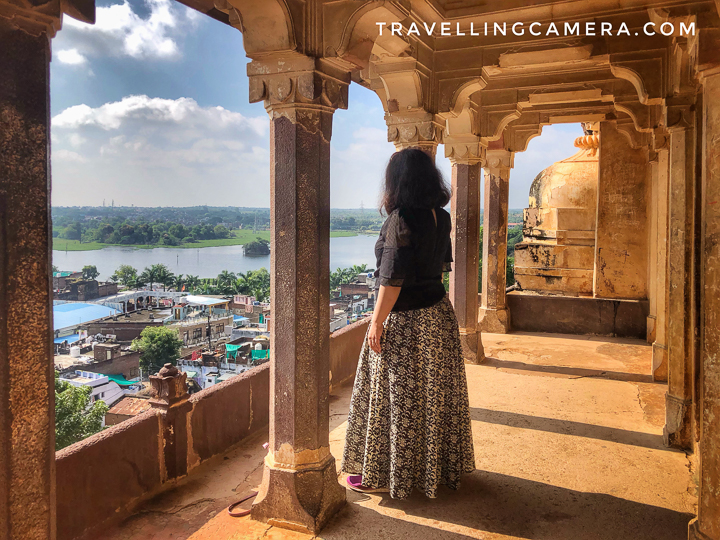

Datia in Madhya Pradesh was another location that we covered on our very productive drive back from Khajuraho to Noida. Upon reaching Datia, the state of the roads and the feel of the colony was such that we almost turned back. However a very enticing view of the Datia Palace, which is visible from quite a distance, kept us going.

The Splendid Datia Palace in Madhya Pradesh || A Secluded, Desolate, yet Beautiful Building that has Stood Strong Against the Tides of Time


Gwalior Fort is an impressive historic fort located in the city of Gwalior, Madhya Pradesh. The fort is one of the largest and most significant forts in India and is a must-visit destination for anyone interested in history and architecture.

Exploring the Grandeur and Rich History of Gwalior Fort in Madhya Pradesh, India


The Badal Mahal Gate is an important historical monument in Chanderi and is a popular tourist attraction. It is a symbol of the town's rich cultural heritage and is visited by thousands of tourists every year. The gate is also an important pilgrimage site for Muslims, as it houses a mosque inside its premises. In summary, the Badal Mahal Gate is a beautiful and iconic structure that is a must-visit destination for those interested in history, architecture, and culture.

Chanderi in Madhya Pradesh state of Incredible India - A Town That Weaves Magic With Silk and Stories


Many times it happens that we are in a particular region and some extra time in hand to explore. So if you are around Khajuraho and only have one day for exploraing the place, I am attemping to list down details itenreray here with details like, when to start, where to go, where to eat, what to skip even if it sounds tempting and why, and the most importantly must epxlore places. Certainly perferences may change on the basis of your interests and we shall also cover that in the end of the blogpost.


When we visited Khajuraho, we had a packed first day when we explored the Western, Eastern, and Southern Groups of temples. And after we were done with that, we had another complete day in the city. So we decided to visit some of the nearby places. We planned for Raneh Falls in the first half and then explore Pandava Caves in the second half. Pandava Caves did not happen because we ended up going for a safari in Panna National Park (Read about that exciting experience here), but Raneh falls did, and it was absolutely wonderful.


We were in Khajuraho, Madhya Pradesh, in October 2021 when the pandemic had relented for a bit and had loved the city. It had the air of tiny, charming hamlets where you could stay for days and relax. It looked like a good place to spend your days and evenings drinking beer in one of the many cafes facing the Western Group of Temples, and just chill. And when it comes to evenings, you should plan to spend at least one watching the sound and light show that is organized in the Western Group of Temples.


Khajuraho has three groups of temples - Western, Eastern and Southern. Of these, the Western Group of Temples is the most famous. This is the place that is most frequented  by tourists. It is also at the center of Khajuraho, opposite the most happening marketplace and cafe street. It is also the place where the Light and Sound Show happens.


Last winters we drove to Madhya Pradesh from Delhi and we didn't have any definitive plan. We debated multiple plans but finally booked stay in Orchha for 2 days and from thereon we planned on runtime. Finally this road-trip turned out a great success because we had wonderful experiences and most importantly we explored so many things we had never thought. and that's what I love when I say 'travel'. The motivation was to visit Orchha to see Dussehra there as Orchha is considered the land of Raja Ram, where Ram is worshipped as a king and great arrangements are done by private trusts in collaboration with local administration. This Blogpost will share about the itenerary we followed and it can be a great plan for anyone who loves driving and specially in winters, as this part of the country is usually super-hot in summers.


Whenever we travel different places, we try to find any place which can offer local food. Honestly we don't put lot of efforts to find local food when we are on the move but we have been lucky most of the times.  When we were in Kajuraho, we noticed that Khajuraho has plenty of those cool cafes with nice ambiance and most of them are serving all the fancier food which is served in Restaurants in Delhi. I personally prefer simpler food so I skip some of these places, unless there is no other good option around or in case, we feel lie having snacks with a good drink. Like we loved the Raja Cafe which is in front of Western Group of Temples in Khajuraho.     We were staying in Golden Tulip and checked with the staff about what kind of things they serve which are known as Madhya Pradesh delicacies. The response was not very convincing, so we chose to have most of the meals outside and go to different places. But most of the times, we were landing at good places with all the options which we get usually around our place in Noida.     During one of the conversations, someone recommend this Marwadi Thali place which was very close to our hotel. The place is called Badri Seth Marwari Bhoj and this place served other Indian food options as well.    While driving back, Vibha and I were wondering about key dishes of Madhya Pradesh that anyone should try. Then she reminded me about our morning walks in Khajuraho when we used to see MP Breakfast options in small halwai shops. You will find Poha which is popular in Madhya Pradesh, Jalebi and Dal Bafla. We saw people making Dal Bafla but not sure if that's consumed during breakfast or in lunch. Then we also realised that probably small dhabas may be serving some Madhya Pradesh food, which we may have missed.  Probably during our next trip we will try some of these following things in Madhya Pradesh.   - Poha  - Dal Bafla  - Bhutte ki Kees  - Palak Poori  - Bhopal Gosht Korma  - Chakki ki Shak  - Malpua  - Mawa Bati  - Jalebi    If you are from Madhya Pradesh or know about MP food, please drop a comment below to share your inputs/suggestions. Thanks !


While it is the Western Group of Temples that the city of Khajuraho is most famous for, there is a small but stunning temple that stands proud very close to the Western Group of Temples. While walking towards the Western Group of Temples from the Airport road (crossing Gold Tulip), there is a gate that looks like it does not lead anywhere. It is this gate that you would need to enter to visit the Chausath Yogini Temple.


On the Eastern side of Khajuraho, at about 2 kilometers from the Western Group of Temples, are the magnificent Jain temples, where unlike in other temples, active prayers and worship are still conducted. These temples are a part of the Eastern Group of Temples of Khajuraho. Like other temples of the area, you can also spot some erotic sculptures here, but many of them feature one mythical beast known as Shardul. We will talk about this entity later.


Most tourists, before actually visiting Khajuraho, are already aware of the Western Group of Temples, owing to the hype around the erotic sculptures. A little research wakes them up to the presence of two more groups of temples - the eastern group of temples and the southern group of temples.   In this blog post, we will talk about one temple in the Eastern Group of Temples. We have already talked about the Jain temples, which are also part of the Eastern Group of Temples. Now we will talk about Vamana temple, which is a smallish temple about 2 kilometers from the Khajuraho Jain Temples.


There are two main temples in the Southern Group of Temples in Khajuraho - Duladeo temple and Chaturbhuj Temple. The Duladeo temple is dedicated to Lord Shiv, whereas the Charturbhuj Temple is dedicated to Lord Vishnu, who is also known as Chaturbhuj. This temple is also known as Jatakari temple as it is located in the village Jatakari near Khajuraho.


The second temple in the Southern Group of Temples is the Dulhadeo temple. When we visited the temple it was under restoration, so we weren't able to look at the temple up close, but even from the distance the temple looked quite majestic standing alone amid vast lawns.   The Dulhadeo temple's name means "divine bridegroom". The temple is 2.1km from the Western Group of Temples and 1.6km from the Chaturbhuj temple, the second temple of the Southern Group of Temples. The approach road to this temple is a tough ride.


The Javari temple in Khajuraho is a part of the Eastern Group of Temples. It is 1.5km from the Western Group of Temples and about 250m from Brahma Temple. There is a narrow dust trail leading to the temple and your car drive right up to the temple complex.   The Javari temple is dedicated to Lord Vishnu, and has a four-armed idol in its sanctum. The statue is, however, now broken and headless. The temple, though small, is considered to be one of the most beautiful temples in Khajuraho.   The temple is built in Nirandhar style, which means that there is no ambulatory passage around the sanctum. It sits on a podium and has a portico, vestibule, mandapa, and a sanctum. The entrance has a makar toran that consists of four decorated loops.   Both the interiors and exterior of the temple are beautifully adorned with sculptures. There are sculptures of the trinity and the navagraha and on the exterior wall there are two bands of sculptures of couples in various positions.   The Javari temple, for some reason, was very difficult for me to write about. May be it is the headless idol or the fact that the temple is kind of secluded. But I realized that this is a perfect setting for a horror movie.


One of the temples of the Eastern Group of Temples in Khajuraho is the Brahma Temple. What is most interesting about this temple is that it is not a Brahma Temple at all. It is actually a temple of Lord Shiva. The temple's sanctum contains a four-faced lingam which led people to believe that this is a temple of Lord Brahma.  Unlike the other temples in Khajuraho that are built with grainstone, the Brahma Temple is made of granite. The shikhara of the temple is built with sandstone. It is said that the temple was built during the period of transition from granite to sandstone.   The outer walls are mostly devoid of sculptures and the plan is comparatively simpler when compared to the other temples of Khajuraho. The temple originally consisted of a garbha-griha and a porch. The porch has now been destroyed, and only the garbha-griha remains which houses the chaturmukh ling.   The temple is built on the banks of the Khajuraho Sagar lake and is 1.3kms from the Western Group of temples. One of the charms of the Eastern Group of Temples and the Southern Group of temples is to reach these temples, you need to cross villages, fields and general human activity. So these temples give you a better glimpse of the city of Khajuraho.

Comments

Trending Post Today !

Travel & Music || Enchanting Himachal and its Charming Songs

How to reach Kasol/Malana and top things to do around this stunning hill-station of Himalayan State of India

Main places to see & Top things to do around Dalhousie : Stunning Hill Station in Himalayan State of India

En Route from Srinagar to Pahalgam, Kashmir || Driving by the saffron fields, cricket bat factories, and spectacular snow-covered mountains