
Delhi is often introduced as India's capital, but that description barely scratches the surface. Beyond government buildings, political conversations, and traffic-filled roads lies a city that celebrates art, music, literature, theatre, crafts, food, and traditions almost every single day.
The beauty of cultural events in Delhi isn't limited to large festivals or famous performances. Sometimes culture reveals itself through an impromptu classical recital inside an old haveli, a pottery workshop tucked inside a quiet neighborhood, a weekend handicraft bazaar, or an evening poetry session at an independent bookstore.
As someone who enjoys wandering through cities with a camera instead of a checklist, Delhi has always surprised me. Every visit uncovers another layer. One morning may begin photographing Mughal architecture glowing under soft winter light, while the evening ends watching Kathak dancers perform beneath ancient arches.
Unlike cities where culture exists inside museums, Delhi's culture spills onto streets, gardens, university campuses, heritage buildings, community centres, and public squares.
This guide explores Delhi's most vibrant cultural hubs while helping travelers experience the city beyond monuments and shopping malls.

Why Visit Delhi for Cultural Events?
Delhi is perhaps one of the few Indian cities where centuries coexist effortlessly.
Within a single day, you can:
- Attend a classical music concert.
- Watch contemporary theatre.
- Explore tribal art exhibitions.
- Visit an international book launch.
- Experience Sufi music.
- Taste regional cuisines from across India.
- Photograph centuries-old architecture.
- Meet artists creating handcrafted masterpieces.
Its cultural diversity comes from centuries of migration. Every ruler, trader, artist, scholar, refugee, and craftsman has left behind traditions that continue to evolve.
Rather than preserving culture inside glass showcases, Delhi keeps reinventing it.

Historical and Cultural Significance of Delhi
Delhi has served as the capital of multiple empires for nearly a thousand years.
The city witnessed:
- Rajput kingdoms
- Delhi Sultanate
- Mughal Empire
- British Raj
- Independent India
Every era introduced new architectural styles, languages, cuisines, music traditions, textiles, literature, and artistic influences.
Persian aesthetics merged with Indian craftsmanship.
Punjabi refugee culture reshaped post-independence Delhi.
Today, artists from every Indian state contribute to Delhi's ever-changing cultural landscape.
This continuous evolution makes Delhi one of South Asia's most exciting cultural destinations.

My Experience Discovering Cultural Events in Delhi
Some of my most memorable Delhi photographs were never planned.
One winter afternoon, I entered an art exhibition simply because classical flute music drifted through an open doorway. Inside, young artists discussed miniature paintings while visitors quietly appreciated canvases inspired by Old Delhi.
Another evening at India Habitat Centre, I arrived early for a photography exhibition but stayed much longer after discovering an outdoor theatre performance.
The audience ranged from students to retired couples, diplomats to photographers carrying heavy camera bags.
Nobody seemed in a hurry.
That relaxed pace is something I appreciate about Delhi's cultural spaces. They encourage lingering.
Instead of rushing between tourist attractions, you begin slowing down, observing conversations, watching painters work, or simply enjoying changing light across historic buildings.
Those unplanned moments often become the strongest travel memories.

Delhi's Cultural Hotspots Worth Exploring

India Habitat Centre
One of Delhi's finest cultural venues, India Habitat Centre hosts:
- Art exhibitions
- Documentary screenings
- Classical concerts
- Theatre performances
- Photography exhibitions
- Literature discussions
The architecture itself deserves attention.
Natural light enters beautifully through open courtyards, making photography enjoyable throughout the day.
The cafés inside also attract writers, photographers, filmmakers, and students.

India International Centre
This elegant institution quietly hosts some of Delhi's most intellectually stimulating cultural programs.
Expect:
- Film festivals
- Author interactions
- Classical performances
- Historical lectures
- Art displays
Unlike crowded tourist destinations, the atmosphere here remains peaceful.

Kamani Auditorium
For decades, Kamani Auditorium has been one of Delhi's premier venues for performing arts.
Many renowned dancers, musicians, theatre groups, and orchestras regularly perform here.
If your visit coincides with a classical dance festival, don't miss it.

Triveni Kala Sangam
This cultural institution combines:
- Art galleries
- Dance schools
- Music classes
- Workshops
- Open-air performances
Walking through Triveni Kala Sangam feels less like visiting an attraction and more like entering an active creative community.
Young painters sketch beside experienced artists while musicians rehearse nearby.

National School of Drama
Even if you're not attending a performance, the energy around NSD is infectious.
Student productions often showcase experimental theatre that reflects contemporary India while respecting traditional storytelling.

Dilli Haat
One of Delhi's liveliest cultural marketplaces, Dilli Haat brings artisans from different Indian states under one roof.
Beyond shopping, visitors experience:
- Folk music
- Regional dance
- Handicraft demonstrations
- Traditional cooking
Unlike conventional markets, every visit feels different because artisans rotate regularly.

Crafts Museum
Often overlooked by first-time tourists, the Crafts Museum offers one of Delhi's richest cultural experiences.
Traditional homes from different regions recreate village life.
Artisans frequently demonstrate weaving, pottery, wood carving, and textile printing.
For photographers, this place offers endless textures and authentic human stories.
Sunder Nursery
Although known as a heritage park, Sunder Nursery increasingly hosts:
- Cultural festivals
- Music performances
- Heritage walks
- Storytelling sessions
Early mornings combine beautiful light with peaceful landscapes.

Hidden Gems Beyond the Famous Cultural Venues
Delhi rewards curiosity.
Some lesser-known cultural spaces include:

Lodhi Art District
India's first public art district transforms ordinary walls into enormous murals.
Street photography enthusiasts can spend hours here.
Morning light works wonderfully.

Shahpur Jat
Hidden inside narrow lanes are:
- Independent fashion designers
- Art studios
- Cafés
- Creative workshops
The blend of old village architecture and modern design creates fascinating visual contrasts.

Majnu Ka Tilla
Home to Delhi's Tibetan community, this neighborhood introduces visitors to Buddhist culture, monasteries, Tibetan cafés, and peaceful streets rarely explored by mainstream tourists.

Nizamuddin Basti
While many visit for the famous shrine, few stay long enough to appreciate:
- Heritage walks
- Qawwali evenings
- Community stories
- Ancient stepwells
- Traditional neighborhoods
The atmosphere changes dramatically after sunset.

Best Photography Spots Around Delhi's Cultural Hubs
| Location | Best Time | Photography Style |
|---|---|---|
| Lodhi Art District | Morning | Street Art |
| Sunder Nursery | Sunrise | Heritage Landscapes |
| Dilli Haat | Evening | Portraits & Crafts |
| Crafts Museum | Afternoon | Documentary |
| India Habitat Centre | Late Afternoon | Architecture |
| Nizamuddin | Evening | Cultural Photography |
| Shahpur Jat | Morning | Urban Lifestyle |
| Old Delhi | Early Morning | Street Photography |

Photography Tips for Capturing Delhi's Cultural Spirit
Delhi isn't just about monuments.
Focus on people.
Photograph:
- Hands weaving textiles.
- Musicians tuning instruments.
- Artists painting murals.
- Children learning classical dance.
- Elderly craftsmen carving wood.
Golden hour creates beautiful light across sandstone buildings.
Winter mornings often produce soft diffused light ideal for portraits.
Avoid harsh summer afternoons unless photographing interiors.
Always ask permission before taking close portraits.
Many artisans happily share stories once conversations begin.
Those stories often become more memorable than the photographs themselves.

Local Food Experiences Around Cultural Hotspots
Delhi's cultural exploration naturally becomes a culinary journey.
Near Lodhi Road:
- Modern Indian cafés
- Artisan bakeries
Near Dilli Haat:
- Regional cuisines from every Indian state
- Northeastern delicacies
- Kashmiri dishes
- Rajasthani meals
Near Nizamuddin:
- Kebabs
- Biryani
- Traditional sweets
Near Majnu Ka Tilla:
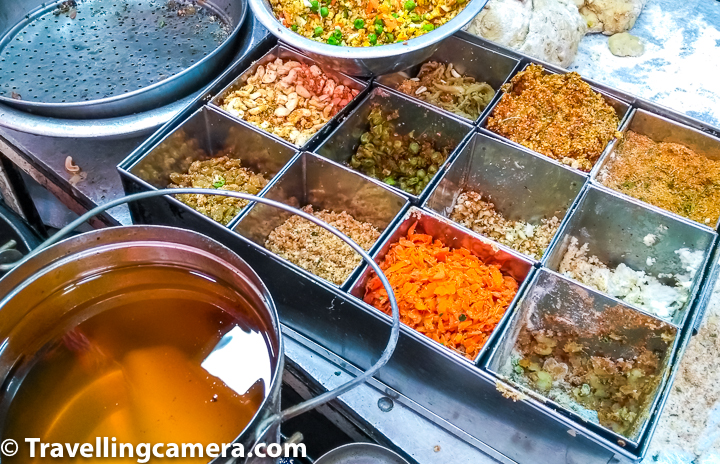
- Tibetan momos
- Thukpa
- Butter tea
Near Shahpur Jat:
- Boutique cafés
- Fusion cuisine
Instead of chasing famous restaurants, try smaller family-run eateries.
Often, conversations become part of the meal.

Conversations That Reveal Delhi's Soul
One of the most rewarding aspects of exploring Delhi's cultural venues is meeting people.
At Dilli Haat, an artisan from Odisha patiently explained how every handcrafted palm-leaf painting required weeks of careful work.
Inside the Crafts Museum, a potter spoke about how fewer young people now learn traditional techniques.
At an independent gallery, a young artist described how Delhi's rapidly changing skyline influences contemporary paintings.
These encounters remind us that culture isn't preserved by buildings.
It's preserved by people.

Best Time to Experience Cultural Events in Delhi
The ideal months are:
| Season | Experience |
|---|---|
| October | Festival season begins |
| November | Heritage walks, concerts |
| December | Pleasant weather, major festivals |
| January | Literature festivals, performances |
| February | Art fairs and outdoor events |
| March | Spring cultural celebrations |
Winter is undoubtedly the best season.
Outdoor performances become enjoyable, photography conditions improve, and walking long distances becomes comfortable.

How to Reach Delhi's Cultural Hubs
Delhi's metro makes cultural exploration remarkably easy.
Most major venues lie close to Metro stations.
Options include:
- Delhi Metro
- App-based taxis
- Auto-rickshaws
- Cycle rickshaws in heritage areas
Walking remains the best way to discover hidden galleries, cafés, murals, and local interactions.

Where to Stay
Depending on your interests:
| Area | Suitable For |
|---|---|
| Connaught Place | Central access |
| Lodhi Road | Art lovers |
| Hauz Khas | Cafés and nightlife |
| Karol Bagh | Budget travelers |
| Paharganj | Backpackers |
| South Delhi | Longer stays |
Staying near a Metro station significantly reduces travel time.

Budget Tips
- Many galleries offer free entry.
- Public cultural festivals often have no ticket charges.
- Use Delhi Metro instead of taxis.
- Carry a reusable water bottle.
- Visit museums on discounted days when available.
- Combine nearby attractions into one walking route.
Delhi can be surprisingly affordable for cultural travelers.
.jpg "Cultural Events in Delhi: Exploring the Cultural Hubs That Keep India's Capital Alive")
Suggested 3-Day Cultural Itinerary
Day 1
- India Habitat Centre
- Lodhi Art District
- Sunder Nursery
- Evening cultural performance
Day 2
- Crafts Museum
- National Gallery
- Dilli Haat
- Regional dinner
Day 3
- Nizamuddin Heritage Walk
- Majnu Ka Tilla
- Shahpur Jat
- Theatre performance at NSD or Kamani Auditorium
.jpg "Cultural Events in Delhi: Exploring the Cultural Hubs That Keep India's Capital Alive")
Responsible Travel Tips
- Respect religious customs.
- Ask before photographing people.
- Support local artisans by purchasing directly.
- Avoid bargaining excessively for handmade crafts.
- Carry reusable bags.
- Dispose of waste responsibly.
- Dress appropriately when visiting religious venues.
Responsible tourism helps preserve the very culture visitors come to experience.

Common Mistakes to Avoid
- Planning only monument visits while ignoring cultural venues.
- Visiting during peak afternoon heat in summer.
- Missing evening performances.
- Spending all time inside malls.
- Photographing without permission.
- Ignoring smaller art galleries.
- Skipping conversations with local artists and craftspeople.
- Visiting only on weekends if you dislike crowds.

Frequently Asked Questions (FAQs)
What are the best places for cultural events in Delhi?
India Habitat Centre, India International Centre, Kamani Auditorium, Triveni Kala Sangam, Dilli Haat, the Crafts Museum, and Sunder Nursery are among the city's most active cultural hubs.
When is the best time to experience cultural events in Delhi?
The period from October to March offers pleasant weather and a packed calendar of festivals, performances, exhibitions, and heritage walks.
Are cultural events in Delhi expensive?
Not necessarily. Many exhibitions, gallery openings, lectures, and public performances are free, while ticketed events are often reasonably priced.
Which cultural hotspot is best for photography?
Lodhi Art District is ideal for street art, Sunder Nursery for heritage landscapes, the Crafts Museum for documentary photography, and Dilli Haat for vibrant portraits and artisan-focused images.
Can solo travelers explore Delhi's cultural hubs safely?
Yes. Most established cultural venues are well-maintained and attract families, students, artists, and international visitors. Use the Delhi Metro or trusted cab services, stay aware of your surroundings, and avoid isolated areas late at night.
How can I find upcoming cultural events in Delhi?
Check the event calendars of major cultural institutions, local art galleries, theatre groups, and community spaces before your trip. Many venues publish weekly schedules online, making it easy to plan around exhibitions, concerts, and festivals.
.jpg "Cultural Events in Delhi: Exploring the Cultural Hubs That Keep India's Capital Alive")
Final Thoughts
Delhi's greatest cultural treasure isn't confined to its UNESCO monuments or grand museums—it's found in the everyday rhythm of the city. A sitar recital echoing through an intimate auditorium, an artisan patiently demonstrating a centuries-old craft, a mural that transforms an ordinary street, or a conversation over chai with an artist can reveal as much about Delhi as any famous landmark.
For photographers, every cultural hub presents a fresh canvas of color, light, architecture, and human expression. For curious travelers, these spaces offer opportunities to connect with the city's living traditions rather than simply observe them. And for anyone seeking to understand India's remarkable diversity, exploring cultural events in Delhi is one of the most rewarding ways to experience the capital.
Slow down, wander beyond the obvious, and leave room for serendipity. In Delhi, the most memorable cultural experiences are often the ones you never planned for.
Related Blogposts -
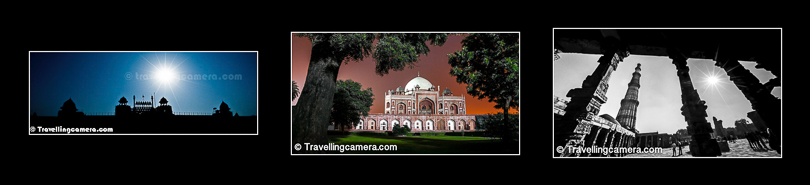
Delhi Beyond the Guidebooks: Discover the Soul of India's Capital with 'Travellingcamera Host'










.jpg)
Comments