
The first thing that struck me at Mattancherry Water Metro Station wasn't the station itself.
It was the silence.
Not complete silence, of course. This is Kochi. There were distant ferry horns, fishermen chatting near the shore, the occasional cry of a seabird circling above the harbor, and the gentle slap of water against the jetty. Yet compared to the chaos of urban transport systems elsewhere in India, this place felt remarkably calm.
Standing there, watching sleek electric ferries glide across the backwaters, it became impossible not to appreciate what Kochi has achieved with the World's First Water Metro.
This isn't merely a transportation project.
It's a city rediscovering its relationship with water.
For centuries, Kochi's waterways were its highways. Traders, fishermen, spice merchants, sailors, and local communities depended on these channels long before roads connected the islands. Today, the Kochi Water Metro revives that tradition with modern technology, sustainability, and passenger comfort.
And among its most fascinating stops is Mattancherry Water Metro Station — a gateway to some of Kerala's richest cultural heritage.
For travelers, photographers, history enthusiasts, and curious explorers, this station offers much more than a commute. It offers a unique perspective on how the past and future coexist in one of India's most fascinating coastal cities.

Why Visit Mattancherry Water Metro Station?
More Than Just a Transport Hub
Many visitors assume metro stations are functional spaces designed solely for transit.
Mattancherry Water Metro Station challenges that assumption.
Reasons to visit include:
- Experience the World's First Water Metro
- Enjoy panoramic harbor views
- Witness sustainable urban transport in action
- Access historic Mattancherry and Fort Kochi
- Observe daily waterfront life
- Capture unique photography opportunities
- Explore Kochi's maritime heritage
Unlike conventional transportation hubs, the station feels integrated into its natural environment.
Water is not an obstacle here.
It is the infrastructure.

Historical and Cultural Significance
Mattancherry's Deep Connection With Water
Long before the Kochi Water Metro existed, Mattancherry was one of India's most important maritime trading centers.
For centuries, ships arrived carrying merchants from:
- Arabia
- China
- Portugal
- The Netherlands
- Britain
The waterways surrounding Mattancherry connected spice warehouses, fishing communities, royal centers, and international trade routes.
Nearby attractions include:
- Mattancherry Palace
- Paradesi Synagogue
- Jew Town
The Water Metro represents a fascinating continuation of this history.
Instead of spice-laden boats, electric ferries now carry office workers, students, tourists, and residents across the same waters.
Personal Experience Narrative
Arriving at Mattancherry by Water
My journey began from another Water Metro terminal.
As the ferry departed, Kochi gradually revealed itself from a perspective most visitors never experience.
Road traffic disappeared.
Buildings appeared to float.
Fishing nets punctuated the horizon.
Small boats crossed our path.
The ride itself became part of the destination.
As we approached Mattancherry Water Metro Station, the city's layers unfolded like a story.
Historic warehouses stood alongside modern structures.
Fishing boats shared water space with ferries.
Church spires emerged behind palm trees.
The arrival felt surprisingly cinematic.
Unlike stepping off a bus or train, arriving by water creates anticipation. You approach slowly. The destination reveals itself gradually.
It is travel at a more human pace.
Exploring Mattancherry Water Metro Station
Architecture and Design
The station embraces simplicity.
Large open areas maximize natural ventilation.
Glass panels allow uninterrupted views of the water.
The design prioritizes accessibility and efficiency without overwhelming the surrounding landscape.
The architecture reflects modern Kerala's preference for climate-sensitive public infrastructure.
Instead of fighting nature, it works with it.
The Ferry Experience
The ferries are among the most impressive aspects of the Kochi Water Metro.
Features include:
- Air-conditioned interiors
- Comfortable seating
- Digital information systems
- Accessibility features
- Electric propulsion
- Reduced environmental impact
For travelers accustomed to crowded ferries elsewhere in India, the experience feels refreshingly modern.
Watching Kochi From the Water
One unexpected pleasure is simply observing daily life.
You'll notice:
- Fishermen repairing nets
- Harbor workers loading supplies
- Schoolchildren commuting
- Local families crossing between islands
- Traditional boats sharing waterways with modern vessels
These small moments reveal the authentic rhythm of Kochi.
The World's First Water Metro: Why It Matters
A Global Urban Transport Innovation
The World's First Water Metro is significant because it reimagines urban mobility.
Many coastal cities possess waterways but fail to integrate them into public transportation systems effectively.
Kochi has done exactly that.
Benefits include:
| Advantage | Impact |
|---|---|
| Reduced road congestion | Faster commuting |
| Lower emissions | Cleaner environment |
| Better island connectivity | Increased accessibility |
| Scenic travel | Enhanced passenger experience |
| Sustainable growth | Future-ready infrastructure |
The project has attracted international attention as a model for water-based urban mobility.
Hidden Gems Near Mattancherry Water Metro Station
Quiet Waterfront Lanes
Most tourists rush directly toward major attractions.
Take a detour.
The narrow lanes around Mattancherry reveal:
- Historic warehouses
- Aging wooden doors
- Hidden shrines
- Traditional homes
- Small tea shops
These streets tell stories rarely found in guidebooks.
Spice-Scented Corners
Mattancherry remains connected to Kerala's spice trade.
Walk around the old commercial areas and you may smell:
- Pepper
- Cardamom
- Cinnamon
- Cloves
- Nutmeg
The aroma itself becomes part of the travel experience.
Local Fishing Areas
Early mornings reveal a different side of Mattancherry.
Small fishing boats return with fresh catches.
The interaction between fishermen, buyers, and transport workers offers compelling opportunities for cultural photography.
Best Photography Spots Around Mattancherry Water Metro Station
1. Station Jetty During Sunrise
The soft morning light creates beautiful reflections.
Ideal for:
- Long exposures
- Reflection photography
- Minimalist compositions
2. Ferry Arrival Points
Capture:
- Passenger movement
- Water splashes
- Architectural symmetry
Best timing:
- Early morning
- Late afternoon
3. Harbor Views
The harbor offers layered compositions featuring:
- Boats
- Water
- Skyline
- Clouds
Telephoto lenses work particularly well here.
4. Heritage Streets Nearby
The contrast between historic architecture and modern transportation creates strong storytelling images.
5. Golden Hour Waterfront
Perhaps the most rewarding time.
The evening light transforms the entire waterfront.
Warm tones reflect across the water, creating stunning visual depth.
Photography Tips
Gear Recommendations
Bring:
- Wide-angle lens for landscapes
- 50mm lens for street scenes
- Telephoto lens for harbor activity
- Polarizing filter for water reflections
Ideal Timings
| Time | Photography Advantage |
|---|---|
| 6:00–8:00 AM | Soft light, fewer crowds |
| 4:30–6:30 PM | Golden hour colors |
| Blue hour | City lights and reflections |
Composition Ideas
Try framing:
- Ferries between traditional boats
- Reflections beneath station structures
- Passengers against expansive water backgrounds
- Heritage buildings viewed from ferry windows
Local Food Experiences
What to Eat Near Mattancherry
The area surrounding the station is a culinary treasure.
Must-try dishes include:
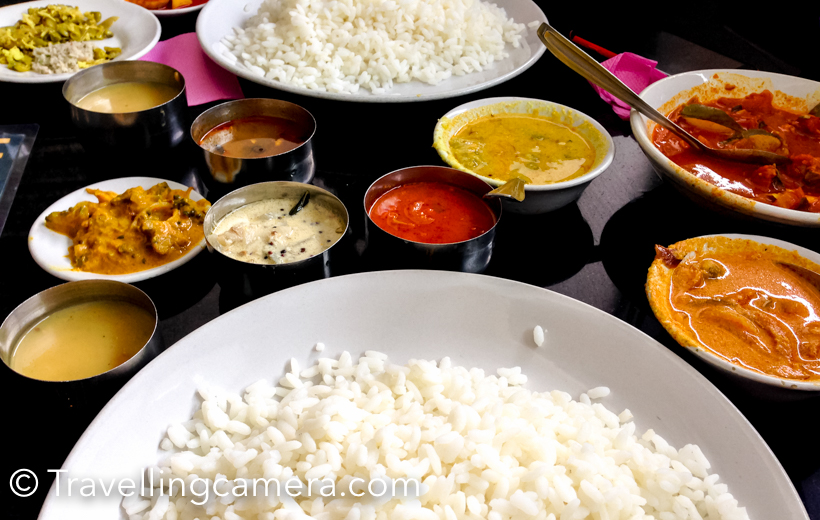
Kerala Fish Curry
Rich, tangy, and deeply flavorful.
Appam and Stew
A classic breakfast option.
Malabar Parotta
Best enjoyed with beef curry or vegetable kurma.
Fresh Seafood
Depending on the catch, you'll find:
- Pearl spot fish
- Prawns
- Crab
- Squid
Banana Chips and Local Snacks
Perfect for carrying during exploration.
Local Conversations and Human Stories
The Boatman Who Remembered Older Kochi
One of the most memorable conversations happened near the waterfront.
An elderly boat operator spoke about Kochi before bridges connected many islands.
He described school journeys made entirely by boat.
Water wasn't scenic then.
It was practical.
The Water Metro, he said, feels like "Kochi remembering who it used to be."
That sentence stayed with me long after leaving.
Best Time to Visit
Seasonal Breakdown
October to February
The best period overall.
Advantages:
- Pleasant temperatures
- Clear skies
- Comfortable exploration
March to May
Warmer but manageable.
Ideal for:
- Morning photography
- Fewer tourists
June to September
Monsoon season transforms the landscape.
Expect:
- Dramatic skies
- Rich greenery
- Atmospheric photography
Carry rain protection.
How to Reach Mattancherry Water Metro Station
By Air
Nearest airport:
Cochin International Airport
Approximately 35–40 km away.
By Rail
Nearest major station:
Ernakulam Junction Railway Station
By Road
Well connected through Kochi's road network.
By Water Metro
The most enjoyable option.
Traveling via the Kochi Water Metro turns transportation into an attraction itself.
Where to Stay
Budget Travelers
Consider guesthouses in:
- Fort Kochi
- Mattancherry
Mid-Range Travelers
Boutique heritage properties offer excellent value.
Luxury Travelers
Waterfront resorts and heritage hotels provide memorable experiences.
Staying in Fort Kochi allows easy access to Mattancherry and Water Metro services.
Budget Tips
- Use Water Metro services instead of taxis where possible.
- Visit attractions early.
- Eat at local restaurants rather than tourist-focused cafés.
- Carry a reusable water bottle.
- Explore on foot.
Suggested One-Day Itinerary
| Time | Activity |
|---|---|
| 7:00 AM | Water Metro ride |
| 8:00 AM | Waterfront photography |
| 9:00 AM | Local breakfast |
| 10:00 AM | Mattancherry Palace |
| 12:00 PM | Jew Town exploration |
| 1:30 PM | Lunch |
| 3:00 PM | Spice market walk |
| 5:00 PM | Water Metro sunset ride |
| 6:30 PM | Evening photography |
Responsible Travel Tips
- Respect local communities.
- Ask permission before photographing people.
- Avoid littering near waterways.
- Support local businesses.
- Reduce plastic consumption.
Common Mistakes to Avoid
- Visiting only during midday.
- Ignoring the ferry ride itself.
- Rushing through Mattancherry.
- Missing sunrise photography.
- Not exploring side streets.
- Overlooking local food stalls.
- Assuming the station is merely transportation infrastructure.
Frequently Asked Questions
Why is Kochi Water Metro called the World's First Water Metro?
It is the first large-scale integrated water-based metro transportation system designed to function like an urban metro network using modern electric ferries.
Is Mattancherry Water Metro Station worth visiting for tourists?
Yes. It offers scenic ferry rides, photography opportunities, cultural access, and a chance to experience innovative public transport.
How much time should I spend at Mattancherry Water Metro Station?
Plan at least 2–3 hours including a ferry ride and nearby exploration.
Is Kochi Water Metro suitable for photographers?
Absolutely. Sunrise, sunset, reflections, harbor activity, and heritage surroundings provide exceptional photographic opportunities.
Can I combine Fort Kochi and Mattancherry in one day?
Yes. They are close enough to explore comfortably in a single day.
Is the Water Metro operational during monsoon?
Generally yes, though schedules can occasionally be affected by severe weather conditions.
Final Thoughts
Mattancherry Water Metro Station is more than a transit point.
It represents an idea.
An idea that cities can evolve without abandoning their heritage.
An idea that sustainability can coexist with cultural identity.
And perhaps most importantly, an idea that travel itself can still be beautiful.
The World's First Water Metro is undoubtedly an engineering achievement, but what makes it truly special is how naturally it fits into Kochi's story.
As ferries glide across waterways once traveled by spice merchants, fishermen, and sailors, passengers become part of a narrative centuries in the making.
For photographers, it offers extraordinary compositions.
For travelers, it offers memorable experiences.
For Kochi, it offers a glimpse of the future.
And for anyone willing to slow down and watch the water, it offers something increasingly rare in modern travel: perspective.
Related Blogposts:




.jpg)
Comments