
There are very few genres of photography that test a photographer's reflexes, patience, and creativity as intensely as Motorsports Photography. Unlike landscapes that patiently wait for the perfect light or architecture that remains perfectly still, motorsports presents a constantly changing canvas. Every passing second creates a completely different frame. One missed moment is gone forever.

My fascination with motorsports photography didn't begin with Formula One or MotoGP. It started much closer to home—at a local racing event where the smell of burning rubber mixed with high-octane fuel, engines echoed across the circuit, and spectators instinctively turned their heads as race cars thundered past. That day taught me an important lesson: motorsports photography is not just about photographing machines. It is about documenting human ambition, engineering brilliance, teamwork, and split-second decisions.
This guide shares everything I've learned over years of photographing racing events—from camera settings and composition techniques to storytelling and practical advice. Whether you're attending your first race or planning to build a career in sports photography, these insights will help you create images that feel alive.
Why Motorsports Photography Is So Fascinating
Unlike many photography genres where careful planning dominates, motorsports constantly pushes photographers to adapt.
Every race tells multiple stories simultaneously:
- Drivers battling for position
- Mechanics working under immense pressure
- Marshals ensuring safety
- Families cheering from the stands
- Engineers monitoring data
- Fans expressing raw emotion
A great motorsports photograph often reveals these human stories rather than simply documenting a fast-moving vehicle.
The beauty of racing photography lies in anticipation. Experienced photographers rarely react after something happens—they predict it before it unfolds.
A Brief History of Motorsports Photography
Motorsports photography has evolved alongside automobile racing itself.
Early racing events in Europe during the early twentieth century were documented using bulky large-format cameras. Photographers had to carefully compose each frame because shutter speeds were limited.
As camera technology improved, sports photography experienced a revolution. Faster shutter mechanisms, telephoto lenses, autofocus systems, and digital sensors transformed what photographers could achieve.
Today's professionals routinely capture:
- Cars exceeding 350 km/h
- Flying gravel during rally stages
- Night races
- Rain-soaked circuits
- Slow-motion action
- Split-second overtakes
Yet despite all technological advances, timing remains the most valuable skill.
My First Real Motorsports Photography Experience
Nothing prepares you for the sensory overload of standing beside a race circuit.
You hear the cars before you see them.
The ground vibrates.
The smell of fuel lingers in the air.
Mechanics rush between garages carrying tires and equipment while photographers quietly study corners, shadows, and backgrounds.
Initially, I made the classic beginner's mistake.
I photographed only the cars.
Thousands of sharp photographs later, I realized they lacked emotion.
Then I began paying attention to everything happening away from the racing line.
A mechanic wiping sweat before a pit stop.
A child wearing oversized ear protection.
Rain droplets on a driver's visor.
Celebrations after the checkered flag.
These became my favorite images.
Motorsports photography isn't about horsepower—it is about humanity wrapped in speed.

Understanding Different Types of Motorsports Photography
Circuit Racing
Permanent racing circuits offer controlled environments with predictable racing lines.
This allows photographers to plan compositions in advance.
Look for:
- Hairpin corners
- Chicanes
- Braking zones
- Pit exits
- Start-finish straight
These areas usually provide the most dramatic action.
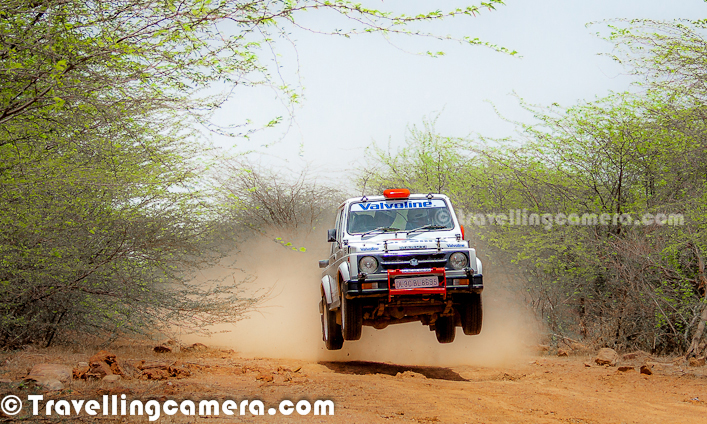
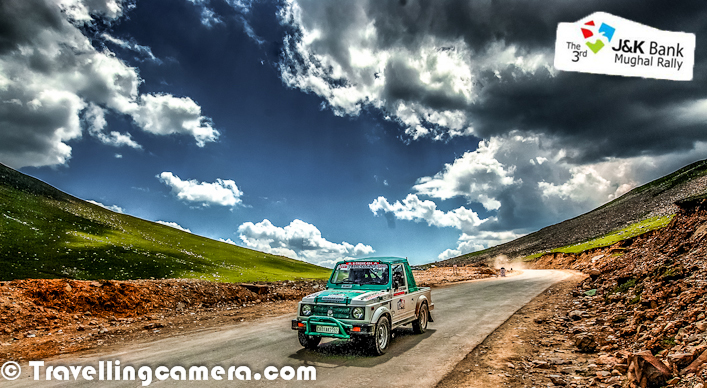
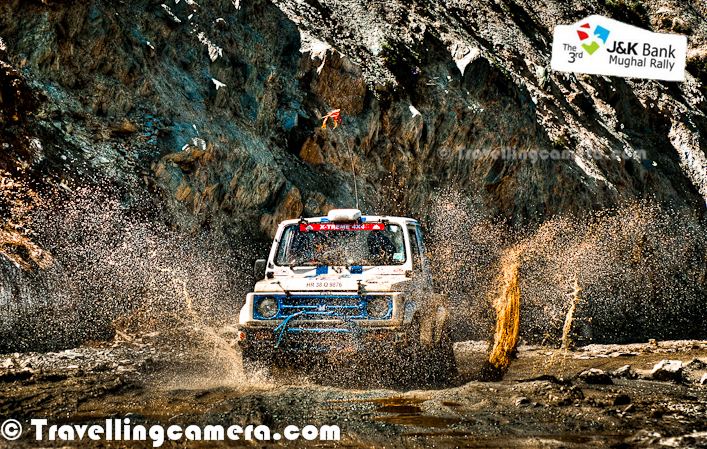
Rally Photography
Rally photography is completely different.
Instead of waiting beside a track, photographers hike through forests, mountains, deserts, or villages to reach remote stages.
Every corner offers unique backgrounds.
Dust clouds.
Snow.
Water splashes.
Jump sections.
Natural scenery often becomes as important as the car itself.
Motorcycle Racing
Motorcycle racing introduces an entirely different aesthetic.
Extreme lean angles.
Visible rider body movement.
Bright racing suits.
Helmet reflections.
The interaction between rider and machine creates incredibly dynamic compositions.
Drift Events
Drifting is perhaps one of the most visually dramatic forms of motorsports photography.
Smoke fills the air.
Cars slide sideways.
Tires scream.
Sunlight filters through drifting smoke, producing cinematic lighting conditions rarely found elsewhere.

Best Photography Spots at a Race Circuit
Not every location inside a racing venue produces memorable photographs.
Some of my favorite positions include:
Corner Entry
Cars dive under braking.
Weight shifts dramatically.
Brake discs glow during endurance races.
Apex
Perfect for capturing steering angle and racing precision.
Corner Exit
Acceleration creates beautiful tire smoke and aggressive body movement.
Pit Lane
One of the richest storytelling locations.
Here you'll photograph:
- Mechanics
- Engineers
- Tire changes
- Driver emotions
- Team strategy
Sometimes the most memorable image of the day never includes a moving car.

Photography Tips for Motorsports Photography
Learn to Pan
Panning creates the sensation of speed.
Instead of freezing everything, follow the moving vehicle while using slower shutter speeds.
Start with:
- 1/250 sec
- 1/160 sec
- 1/100 sec
As confidence improves, experiment with even slower speeds.
Use Continuous Autofocus
Modern cameras excel at tracking moving subjects.
Use:
- AI Servo (Canon)
- AF-C (Nikon/Sony/Fujifilm)
Combine this with burst mode for maximum success.
Don't Always Shoot Wide Open
Many photographers automatically choose the widest aperture.
Instead:
f/5.6 to f/8 often provides enough depth while keeping the entire vehicle sharp.
Watch the Background
A cluttered background ruins otherwise excellent photographs.
Before cars arrive, study:
- Advertising boards
- Fences
- Spectators
- Trees
- Buildings
Position yourself where backgrounds remain clean.
Camera Gear Recommendations
While professional equipment helps, it is not essential.
A practical kit includes:
| Equipment | Why It Helps |
|---|---|
| 70-200mm lens | Versatile trackside photography |
| 100-400mm lens | Distant corners |
| 24-70mm lens | Pit lane storytelling |
| Wide-angle lens | Garage atmosphere |
| Extra batteries | Continuous shooting drains power |
| Ear protection | Essential at loud racing events |
| Comfortable shoes | You'll walk several kilometers |
Remember:
Great photographs come from observation—not expensive cameras.

Hidden Moments Many Photographers Miss
The race itself is only part of the story.
Look beyond the obvious.
Notice:
- Mechanics cleaning windshields
- Volunteers preparing safety equipment
- Fans collecting autographs
- Drivers walking quietly before the race
- Sunset over empty grandstands
- Children watching their heroes
These quieter moments often become the most meaningful images.

Food Experiences Around Racing Events
Motorsports is surprisingly social.
Food stalls become gathering places where conversations naturally begin.
Depending on the event, you may find:
- Local barbecue
- Regional street food
- Fresh coffee stands
- Burgers and sandwiches
- Traditional snacks unique to the host country
Sharing a meal with fellow photographers often leads to discovering new shooting locations and practical tips.

Conversations That Stay With You
One volunteer marshal once told me:
"Drivers race for trophies. We come back every year because we love the people."
That sentence completely changed how I approached motorsports photography.
Since then, I always dedicate time to photographing everyone who makes racing possible—not just the stars.
Behind every driver stand hundreds of passionate individuals whose dedication deserves recognition.

Best Time to Photograph Motorsports
Lighting transforms every race.
| Time | Photography Opportunities |
| Sunrise | Soft golden light, empty paddocks |
| Morning | Balanced lighting |
| Afternoon | Fast shutter speeds |
| Golden Hour | Dramatic reflections |
| Blue Hour | Atmospheric pit lane |
| Night Racing | Creative light trails |
Whenever possible, stay until spectators leave.
Empty circuits often reveal surprisingly peaceful scenes.

Budget Tips
Motorsports photography doesn't have to be expensive.
- Attend local club races.
- Volunteer as an event photographer.
- Share accommodation with fellow photographers.
- Carry reusable water bottles.
- Purchase tickets early.
- Rent expensive lenses before buying.
Local racing championships frequently provide outstanding photographic opportunities without international-level ticket prices.
Responsible Motorsports Photography
Always respect safety regulations.
Never cross restricted barriers.
Avoid distracting drivers with flash photography.
Respect marshals and event officials.
Leave spectator areas clean.
Support local businesses whenever possible.
Responsible behavior helps photographers maintain access to racing venues.
Common Mistakes to Avoid
- Photographing only cars.
- Ignoring weather conditions.
- Standing in one location all day.
- Forgetting extra batteries.
- Using extremely fast shutter speeds for every image.
- Neglecting storytelling.
- Over-editing colors.
- Arriving just before the race starts.
Preparation always improves results.
Frequently Asked Questions
What camera is best for motorsports photography?
Any modern mirrorless or DSLR with reliable continuous autofocus performs well. Technique matters more than equipment.
What shutter speed should I use?
For sharp action, use around 1/1000 second. For creative panning, experiment between 1/60 and 1/250 second.
Is motorsports photography suitable for beginners?
Absolutely. Local racing events provide excellent opportunities to learn tracking, anticipation, and storytelling.
Which lens is most useful?
A 70-200mm lens remains the most versatile choice for most race circuits.
Can smartphones capture motorsports?
Yes, particularly in pit lanes, paddocks, and fan areas. However, interchangeable-lens cameras provide greater flexibility for on-track action.

Motorsports Photography is much more than freezing a racing car in motion. It is about preserving moments that disappear in fractions of a second—the determination on a driver's face before lights go out, the concentration of mechanics during a pit stop, the excitement of fans, and the quiet satisfaction that follows the checkered flag.
The best motorsports photographers don't simply chase speed. They chase stories.
Every circuit has its own rhythm. Every race has its own atmosphere. Every photograph becomes a small piece of motorsport history.
If you approach each event with curiosity, patience, and respect for the people behind the machines, your portfolio will grow into something far more meaningful than a collection of fast cars. It will become a visual archive of passion, perseverance, and the relentless pursuit of excellence.
At TravellingCamera, we believe that travel and photography are inseparable. Whether you're documenting a world-famous Formula One weekend, a local autocross event, or a dusty rally stage in the countryside, remember that the strongest images often come from slowing down long enough to notice the stories unfolding beyond the racing line.

.jpg)
Comments