
St. Peter's and St. Paul's Orthodox Church, Fort Kochi: Discovering a Quiet Chapter of Kerala's Christian Heritage

Fort Kochi is often introduced through its iconic Chinese fishing nets, colonial streets, cafés, and the famous churches that dominate most travel itineraries. Yet, some of its most rewarding discoveries lie away from the crowds. One such place is St. Peter's and St. Paul's Orthodox Church, a peaceful Kochi Church that reflects Kerala's ancient Christian traditions far more intimately than many of the city's better-known landmarks.
Unlike monuments surrounded by queues and souvenir shops, this church invites you into an atmosphere where silence feels as important as architecture. The sounds of passing bicycles, distant waves from the Arabian Sea, and church bells blend effortlessly into the rhythm of Fort Kochi's slow-paced life.
For photographers, history enthusiasts, and travelers seeking authentic experiences, this is more than another stop among the many churches in Kerala. It is a place where centuries of faith, local craftsmanship, and community life continue to coexist without demanding attention.

Why Visit This Kochi Church?
Many visitors arrive in Fort Kochi with a checklist dominated by the famous colonial landmarks. While those deserve their popularity, St. Peter's and St. Paul's Orthodox Church offers something they often cannot—a sense of everyday spirituality.
Here, there are no large tour groups interrupting your moments of reflection. Instead, you'll often encounter parish members quietly preparing for prayers or caretakers maintaining the church grounds with remarkable dedication.
The church beautifully represents the traditions of the Malankara Orthodox Syrian Church, whose roots trace back to one of the world's oldest Christian communities. This living heritage distinguishes it from churches that are appreciated primarily as historical monuments.
A Brief History
Christianity reached Kerala remarkably early, with local tradition attributing its arrival to St. Thomas the Apostle in the first century AD. While historians continue to debate various details, there is broad agreement that Kerala has one of the oldest Christian communities outside the Middle East.
Over the centuries, Portuguese, Dutch, and British influences transformed Fort Kochi into a remarkable meeting point of cultures. Yet the Orthodox churches retained distinctive Syrian Christian liturgical traditions that differed from the Roman Catholic institutions established during Portuguese rule.
St. Peter's and St. Paul's Orthodox Church reflects this continuity. Rather than showcasing elaborate European grandeur, it emphasizes sacred symbolism, local craftsmanship, and community-centered worship.
This blend of indigenous traditions with subtle colonial influences makes the church particularly interesting for travelers exploring the diverse religious landscape of Kerala.
Walking Into the Church
Approaching the church, the first impression is not grandeur but calmness.
The compound feels detached from the busy tourist circuit despite being only a short walk from several famous attractions. Mature trees provide welcome shade, softening the tropical sunlight that often dominates Fort Kochi afternoons.
Stepping inside, your eyes gradually adjust to the subdued lighting. Wooden furniture polished by decades of use, elegant arches, hanging lamps, and beautifully painted icons create an atmosphere that encourages quiet observation rather than hurried sightseeing.
Unlike museums where history is displayed behind barriers, this church allows visitors to witness heritage as part of everyday life.
A few elderly parishioners exchanging greetings after prayer, children playing outside before evening service, and families arriving in traditional attire remind visitors that this is a living place of worship rather than merely a heritage structure.
Architectural Details Worth Noticing
The beauty of this Kochi Church lies in restraint rather than extravagance.
Notice the elegant altar, intricate wooden detailing, and traditional Orthodox iconography. Unlike many European churches that rely heavily on stained glass, Orthodox churches often communicate theology through icons and symbolic artwork.
The architecture also reflects Kerala's climate.
High ceilings improve ventilation, while thick walls help regulate indoor temperatures during humid summers. Natural light enters gently through carefully placed openings, producing constantly changing shadows that photographers will appreciate.
Take time to observe the craftsmanship of wooden doors, decorative carvings, and the subtle balance between local architectural practices and ecclesiastical traditions.
Hidden Details Many Visitors Miss
One of the pleasures of exploring lesser-known heritage sites is discovering details that don't appear in guidebooks.
Spend a few extra minutes looking closely at:
- Traditional hanging oil lamps
- Handcrafted wooden furnishings
- Ancient-style liturgical symbols
- Peaceful corners of the church courtyard
- Mature trees framing the building beautifully
- Local families gathering after services rather than rushing away
These ordinary scenes often tell richer stories than the building itself.
Photography Guide
For photographers, timing makes a tremendous difference.
Best Time
- 7:00–9:00 AM for soft golden light
- 4:30–6:00 PM for warm evening tones
- Weekdays for fewer visitors
Best Compositions
- Symmetrical view of the entrance
- Doorway framing the interior
- Wide-angle shots of the nave
- Close-ups of wooden carvings
- Oil lamps with shallow depth of field
- Exterior through surrounding trees
- Reflections after monsoon showers
Rather than trying to photograph everything, slow down.
Observe how sunlight gradually moves across the walls. Sometimes the most compelling image isn't the entire church but a single ray of light illuminating an old wooden bench.
Local Human Stories
One of the most memorable aspects of visiting smaller churches is the warmth of local communities.
If you visit outside prayer hours and respectfully engage with parish members, conversations often drift toward family histories, festivals, and memories of growing up in Fort Kochi.
Many families have worshipped here across multiple generations, witnessing the transformation of Fort Kochi from a quiet coastal town into one of Kerala's most visited destinations.
Their stories reveal a side of Kochi that guidebooks rarely capture.
Nearby Experiences
After visiting the church, consider exploring nearby attractions on foot:
- Fort Kochi Beach
- Chinese Fishing Nets
- Santa Cruz Basilica
- St. Francis Church
- Vasco da Gama Square
- David Hall Art Gallery
- Princess Street cafés
- Local spice shops
Together, they create a rewarding half-day heritage walk.
Local Food Nearby
Fort Kochi is one of Kerala's finest culinary destinations.
After your visit, reward yourself with:
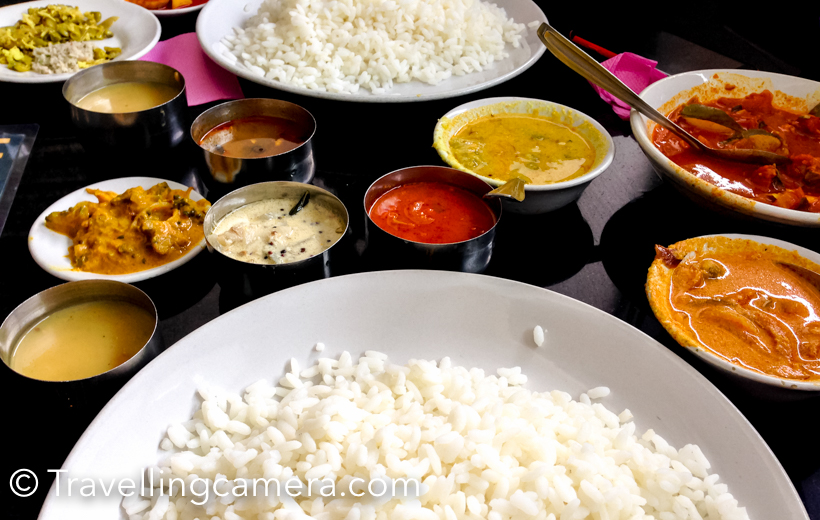
- Kerala fish curry with red rice
- Appam and vegetable stew
- Prawn roast
- Karimeen (Pearl Spot fish)
- Malabar biryani
- Fresh tender coconut
- Filter coffee in heritage cafés
- Homemade coconut desserts
Many family-run cafés around Princess Street provide a relaxed atmosphere that complements the slow pace of heritage exploration.
Practical Information
| Information | Details |
|---|---|
| Ideal Visit Duration | 30–60 minutes |
| Entry Fee | Usually free |
| Photography | Respect ongoing services and seek permission if photographing interiors |
| Dress Code | Modest clothing recommended |
| Best Season | October to February |
| Accessibility | Easily reached by taxi, auto-rickshaw, or walking within Fort Kochi |
Budget Tips
- Explore Fort Kochi on foot.
- Rent a bicycle for the day.
- Combine several heritage sites into one walking tour.
- Carry water, especially during summer.
- Visit early morning to avoid both crowds and heat.
Responsible Travel Tips
- Maintain silence inside the church.
- Avoid flash photography during prayers.
- Dress respectfully.
- Do not block entrances while taking photographs.
- Support nearby local cafés and artisan shops instead of large chains.
- Ask permission before photographing people.
Common Mistakes to Avoid
- Visiting during the hottest afternoon hours.
- Treating the church solely as a photography location.
- Ignoring service timings.
- Wearing revealing clothing.
- Spending all your time at the famous attractions while skipping quieter heritage sites.
Frequently Asked Questions
Is St. Peter's and St. Paul's Orthodox Church worth visiting?
Yes. It offers a quieter, more authentic perspective on Fort Kochi's Christian heritage and is ideal for travelers interested in history, architecture, and photography.
How much time should I spend here?
Around 30 to 60 minutes is sufficient, though photographers may wish to stay longer.
Can tourists enter the church?
Visitors are generally welcome outside prayer services, provided they behave respectfully.
Which is the best time for photography?
Early morning offers soft light, fewer visitors, and pleasant temperatures.
Can this visit be combined with other attractions?
Absolutely. The church fits perfectly into a walking itinerary covering Fort Kochi's heritage landmarks.
Final Thoughts
In a destination celebrated for its colonial architecture and bustling waterfront, St. Peter's and St. Paul's Orthodox Church quietly reminds visitors that heritage is not always measured by popularity. Sometimes, the most meaningful experiences emerge from places where faith continues uninterrupted by tourism, where sunlight filters through familiar windows each morning, and where history survives not as an exhibit but as part of everyday life.
For anyone exploring churches in Kerala, this Kochi Church deserves more than a brief stop. It rewards those willing to slow down, listen, observe, and appreciate the quieter stories that have shaped Fort Kochi for generations.
Related Blogposts:




.jpg)
Comments