
Most cities hide their waterways behind buildings. Kochi celebrates them.
The first thing I noticed while standing at the gleaming terminal wasn't the boats themselves—it was the silence. There was no chaotic honking, no smoky buses, and no rush of traffic. Instead, gentle waves lapped against floating pontoons while fishermen prepared their nets nearby. Office commuters waited alongside tourists carrying cameras, and schoolchildren chatted excitedly as the electric ferry approached almost noiselessly.
This is Water Metro in India, an ambitious public transport system that has transformed Kochi's centuries-old relationship with its backwaters into one of the world's most innovative urban mobility projects. Frequently described as the World's First Water Metro, it isn't merely another tourist attraction—it is public transportation designed around water rather than roads.
For a traveler, it offers something equally valuable: an affordable front-row seat to everyday life unfolding along Kerala's legendary backwaters.

Why Visit Water Metro in India?
Many travelers associate Kerala's waterways with luxury houseboats in Alleppey or Kumarakom. While those experiences remain iconic, Kochi's Water Metro offers something refreshingly authentic.
Instead of being designed exclusively for tourists, it serves residents commuting between islands, students heading to college, vendors transporting goods, and families visiting relatives.
That authenticity makes every ride fascinating.
Reasons to experience it include:
- Affordable compared to private cruises
- Modern electric ferries with panoramic windows
- Beautiful views of Kochi skyline
- Unique perspective of islands
- Eco-friendly public transportation
- Excellent photography opportunities
- Comfortable and air-conditioned cabins
- Easy integration with Kochi Metro
Unlike sightseeing cruises, the Water Metro lets visitors experience Kochi as locals do.

A City Built on Water
Long before highways connected Kochi's neighborhoods, boats were the primary mode of transport.
The city's geography made this inevitable. Dozens of islands—including Vypin, Bolgatty, Willingdon Island, Mulavukad, Kadamakkudy, and Fort Kochi—are separated by interconnected lagoons and estuaries.
Historically, traders from Arabia, Portugal, China, the Netherlands, and Britain sailed these waters carrying spices, timber, and textiles. Chinese fishing nets became permanent symbols of the waterfront, while ferry crossings remained essential for generations.
The Water Metro is not a departure from Kochi's history.
It is, in many ways, a return to it.
Instead of replacing waterways with roads, the city has modernized water transport using electric ferries, floating terminals, digital ticketing, and integrated metro connectivity.
Few cities have embraced their geography so intelligently.

My Journey Across Kochi's Waterways
I boarded the ferry shortly after sunrise.
Morning light spread softly across Vembanad Lake, turning the water into sheets of silver. The terminal itself felt remarkably clean—minimalist architecture, digital displays, accessible ramps, and an efficiency rarely associated with public transport in India.
As the ferry pulled away, Kochi slowly revealed itself.
Luxury apartments stood beside fishing villages.
Historic churches overlooked modern bridges.
Cargo ships crossed paths with tiny wooden fishing boats.
Children waved from village jetties.
A kingfisher darted across the water before disappearing into mangroves.
Unlike a road journey, nothing obstructed the view.
The city unfolded in 360 degrees.
Inside the ferry, conversations happened in Malayalam, English, Hindi, and occasionally Tamil. Some passengers barely looked outside—they had made this journey hundreds of times.
For me, every minute felt like a moving documentary.

Exploring the Water Metro Experience
Modern Terminals
The terminals deserve appreciation.
They are bright, accessible, and thoughtfully designed with elevators, waiting areas, ticket counters, digital displays, and clean washrooms.
Compared to traditional ferry jetties across India, they feel surprisingly futuristic.
Electric Ferries
The boats themselves are quiet.
Without diesel engines roaring beneath your feet, you begin noticing subtle sounds:
- Water brushing against the hull
- Birds overhead
- Conversations drifting across the cabin
- Wind entering through open decks
The absence of engine noise changes the entire experience.
Scenic Routes
Every route offers something different.
Some pass industrial docks where massive container ships dominate the horizon.
Others weave through calmer waters lined with coconut palms and fishing villages.
The High Court–Vypin route is ideal for first-time visitors, while longer routes reveal quieter corners of Kochi rarely explored by tourists.

Hidden Gems Along the Journey
One of the greatest pleasures of riding the Water Metro is discovering places that rarely appear in mainstream itineraries.
Kadamakkudy
A peaceful cluster of islands known for:
- Mangrove ecosystems
- Sunset reflections
- Birdwatching
- Traditional fishing
Early mornings here feel magical.
Mulavukad
A fascinating blend of urban expansion and traditional village life.
Look closely and you'll notice fishermen repairing nets beneath newly constructed apartment buildings.
Bolgatty Island
Often overshadowed by Fort Kochi, this island combines colonial heritage with peaceful waterfront walks.
Its quieter atmosphere makes it especially rewarding for photographers.
Photography Guide
For photographers, the Water Metro is a moving observation deck.
Best Time
Sunrise (6:00–8:00 AM)
Golden light illuminates both the city skyline and fishing boats.
Late Afternoon (4:30–6:30 PM)
Warm light creates beautiful reflections across the water.
Avoid harsh midday sunlight unless shooting dramatic architectural compositions.
Best Subjects
- Reflections of terminals
- Commuters waiting
- Electric ferry approaching dock
- Fishing boats crossing modern ferries
- Chinese fishing nets
- Cargo ships
- Seagulls following ferries
- Coconut-lined islands
Lens Suggestions
- 24–70mm: versatile storytelling
- 70–200mm: compressing harbor scenes
- 16–35mm: terminal architecture
- 50mm prime: candid portraits
Polarizing filters help reduce glare while preserving reflections.
Local Food Experiences
Every terminal becomes an opportunity to discover local flavors.
Try:
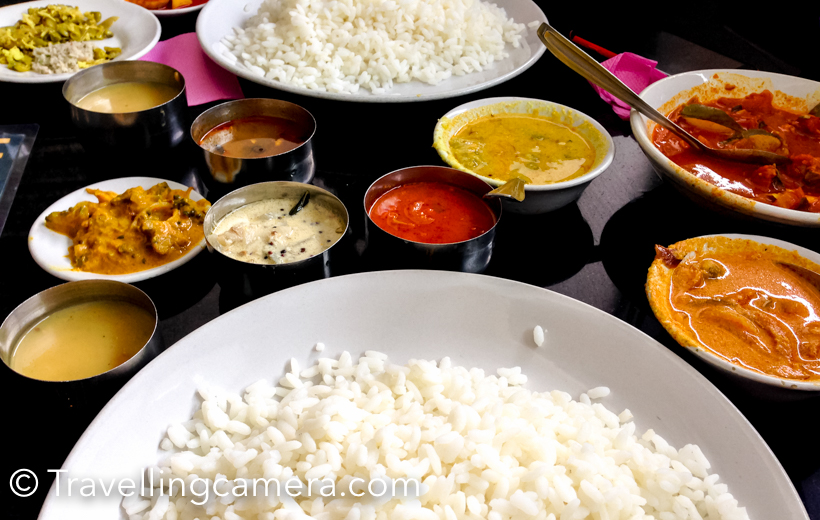
- Appam with stew
- Puttu and kadala curry
- Kerala banana chips
- Pazham pori
- Fresh lime soda
- Karimeen preparations
- Toddy shop seafood (where appropriate)
Near High Court and Fort Kochi terminals, small cafés often serve excellent filter coffee alongside freshly made snacks.
Rather than seeking upscale restaurants immediately, spend time exploring neighborhood eateries within walking distance of terminals.
Many memorable meals come from family-run establishments.
Conversations That Stay With You
One elderly passenger smiled after noticing my camera.
"You are taking pictures," he said, "but this is our daily bus."
That sentence stayed with me.
To visitors, the Water Metro represents innovation.
To locals, it simply makes life easier.
A college student explained she now reaches class much faster.
A shopkeeper mentioned reduced dependence on crowded roads.
The ferry wasn't changing tourism alone—it was quietly improving everyday lives.
Sometimes the best travel memories come not from monuments, but from ordinary conversations.
Best Time to Experience Water Metro
| Season | Experience |
|---|---|
| October–February | Pleasant weather, clear skies, ideal photography |
| March–May | Hot afternoons, beautiful mornings |
| June–September | Dramatic monsoon landscapes with lush greenery |
Monsoon rides offer spectacular cloud formations and emerald landscapes, though occasional rain may limit photography.
How to Reach
Kochi is well connected by:
- Air: Cochin International Airport
- Rail: Ernakulam Junction railway station and Ernakulam Town railway station
- Metro: Kochi Metro connects seamlessly with several Water Metro terminals.
Where to Stay
Depending on your interests:
- Fort Kochi for heritage walks
- Marine Drive for waterfront evenings
- Ernakulam for metro connectivity
- Bolgatty Island for quieter surroundings
Choose accommodation near metro stations if planning multiple ferry rides.
Budget Tips
- Use Water Metro instead of taxis where possible.
- Purchase integrated travel cards if available.
- Travel during weekdays for fewer crowds.
- Carry reusable water bottles.
- Combine ferry rides with walking tours.
- Visit nearby attractions on foot instead of hiring autos.
Suggested One-Day Itinerary
| Time | Activity |
|---|---|
| 6:30 AM | Reach terminal before sunrise |
| 7:00 AM | First Water Metro ride |
| 8:00 AM | Kerala breakfast |
| 10:00 AM | Explore Fort Kochi |
| 1:00 PM | Lunch |
| 3:30 PM | Ride another Water Metro route |
| 5:30 PM | Sunset photography |
| Evening | Marine Drive walk |
Responsible Travel Tips
- Allow daily commuters to board first during rush hours.
- Avoid playing loud music onboard.
- Do not litter into the backwaters.
- Respect local photography privacy.
- Carry reusable bottles instead of single-use plastic.
- Support local cafés and family-owned businesses.
Common Mistakes to Avoid
- Visiting only during midday.
- Assuming it is merely a tourist ride.
- Ignoring lesser-known islands.
- Skipping sunrise.
- Carrying oversized luggage during peak hours.
- Missing nearby walking trails after disembarking.
Frequently Asked Questions
Is Water Metro in India worth experiencing?
Absolutely. It combines scenic travel, sustainable transport, and authentic local experiences at a very reasonable cost.
Why is Kochi called the World's First Water Metro?
It is widely recognized as the World's First Water Metro because it integrates scheduled electric ferry services into an urban metro-style public transport network connecting multiple islands through dedicated terminals and ticketing.
How much time should I spend?
Two to four hours is sufficient for one or two ferry rides, though photography enthusiasts may spend an entire day exploring different routes.
Is it suitable for families?
Yes. The ferries are comfortable, safe, accessible, and enjoyable for all age groups.
Can photographers carry professional cameras?
Yes. Morning and evening rides offer excellent opportunities for landscape, street, and documentary photography.
Final Thoughts
Some journeys are memorable because of where they take you.
Others become unforgettable because of how they change your perspective.
The Water Metro in Kochi belongs firmly to the second category.
It is easy to admire the sleek electric ferries or the engineering that has stitched together islands with modern infrastructure. Yet what lingers long after the ride ends is something less tangible: watching a city reclaim the waterways that shaped its history. As fishermen cast their nets beside container ships, children wave from village jetties, and office-goers quietly commute across shimmering backwaters, you realize this is more than a transport system—it is a living reflection of Kochi itself.
For photographers, it is a constantly shifting canvas of light, reflections, and human stories. For travelers, it is one of the most affordable and authentic ways to experience Kerala beyond the usual postcard imagery. And for anyone curious about sustainable urban mobility, it offers a hopeful glimpse into what the future of Indian cities could look like.
If your itinerary already includes Fort Kochi, Marine Drive, or the historic spice markets, make room for at least one Water Metro ride. Chances are, it will become one of the experiences you remember most—not because it was extravagant, but because it revealed Kochi from the perspective that has always mattered most: the water.
Related Blogposts:




.jpg)
Comments