
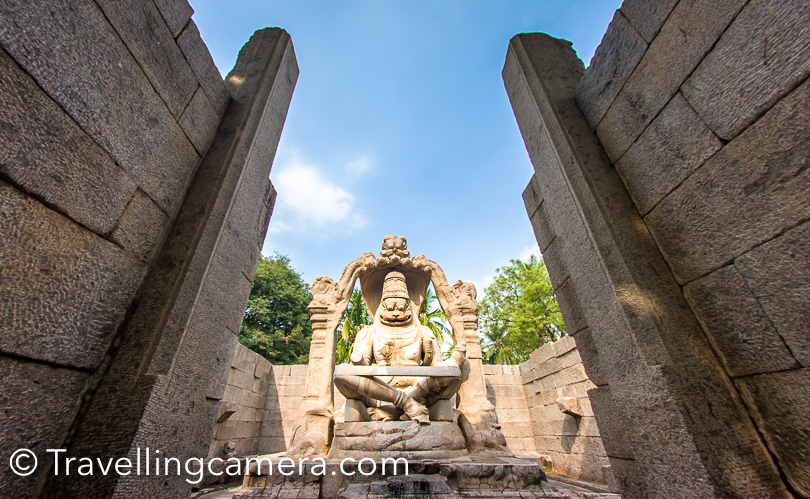
Introduction: Karnataka Is Not One Journey, But Many
If you want to Explore Karnataka State of India, don't begin by making a checklist.
Begin with a map.

Then look at what happens when that map stretches from the granite landscapes of Hampi to the mist-covered Western Ghats, from the royal avenues of Mysuru to the fishing villages of the Arabian Sea. Karnataka is not a destination that reveals itself in a single trip. It is a collection of very different worlds stitched together by highways, railway lines, old kingdoms, temple traditions, coffee plantations, forests and food.

That variety is precisely what makes Karnataka fascinating for a photographer.
One morning can begin with the sound of temple bells in a centuries-old town. By afternoon, you may be standing beneath towering cliffs in Badami. A few days later, you could be watching monsoon clouds roll across the coffee country around Chikkamagaluru or Kodagu. Head west and the landscape changes again: coconut palms, laterite houses, fishing boats and beaches facing the Arabian Sea.
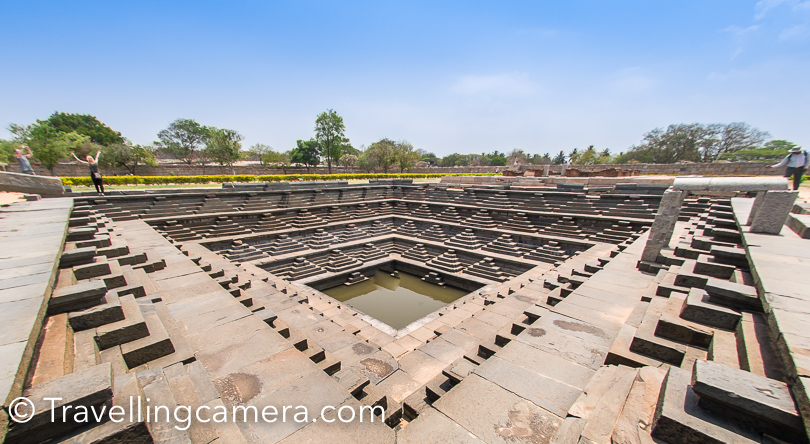
The official Karnataka Tourism description of the state as "One State, Many Worlds" is not merely a slogan. The geography genuinely changes the experience from region to region.
And that is why the best places to see in Karnataka are not necessarily the ones you can tick off in a weekend.
They are the places where landscape, history and everyday life overlap.
Why Explore Karnataka State of India?
Karnataka works particularly well for travelers who dislike one-dimensional destinations.
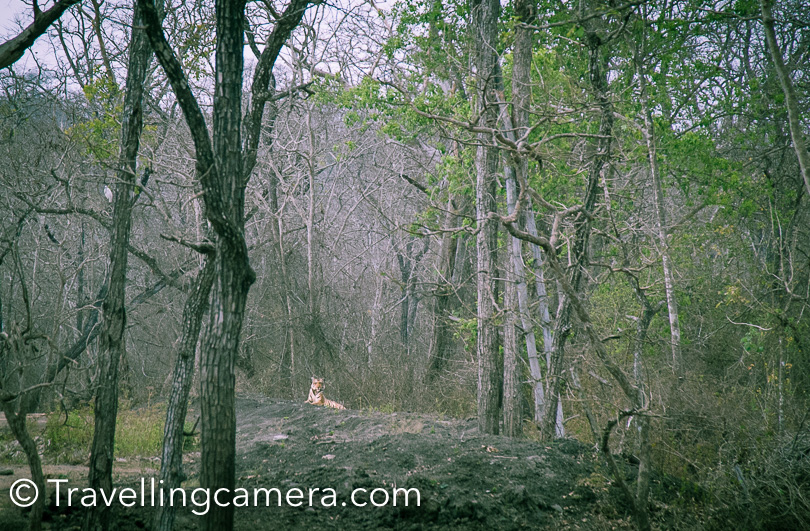
History lovers have Hampi, Badami, Aihole, Pattadakal, Belur and Halebeedu. Wildlife enthusiasts can head toward the forests of the Western Ghats and southern Karnataka. Beach lovers have Gokarna, Udupi, Malpe, Kaup and the quieter coastline beyond the obvious resorts.

Then there is Bengaluru, which provides an entirely different experience: technology, contemporary culture, old markets, cafés, art spaces and surviving pockets of the city's earlier identity.
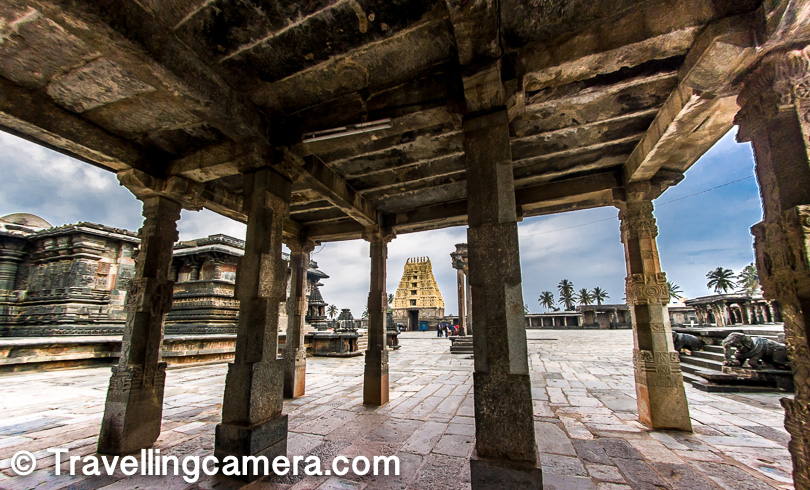
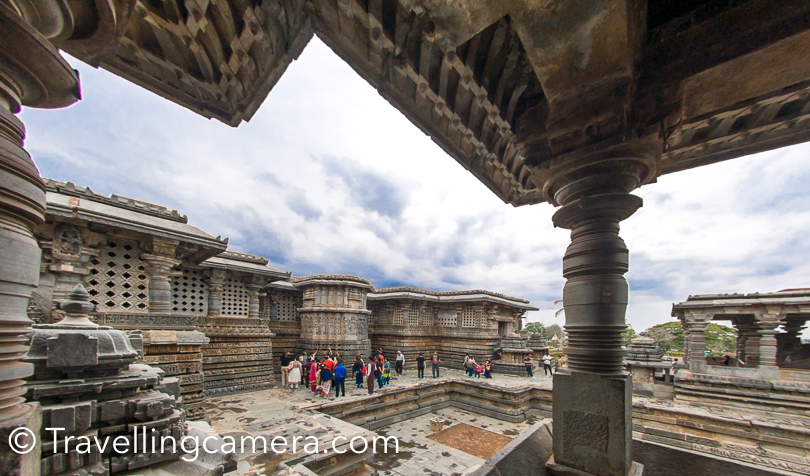
The state also has an unusually rich architectural story. Chalukyan, Hoysala, Vijayanagara and Mysuru traditions appear across different regions, often within a few hours' drive of one another.
Karnataka currently has three UNESCO World Heritage properties represented through Hampi, Pattadakal and the Western Ghats; the state's heritage landscape also includes remarkable Hoysala monuments around Belur and Halebeedu.
For a traveler with a camera, this means something important:

Karnataka rarely runs out of subjects.
A Short History: Kingdoms Written in Stone
Karnataka's history becomes much easier to understand when you travel through its landscapes rather than reading about it as a list of dynasties.
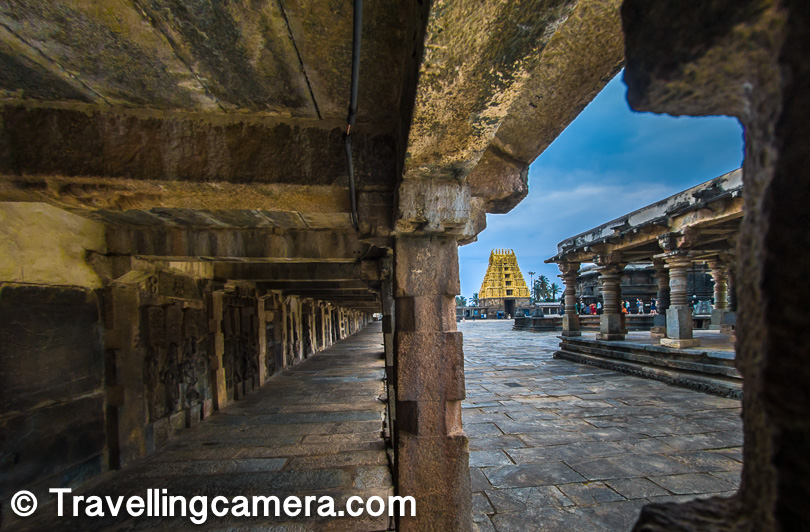
The Chalukyas left some of their earliest architectural experiments around Badami, Aihole and Pattadakal. Pattadakal is especially interesting because its temples demonstrate a sophisticated meeting of northern and southern architectural traditions. UNESCO describes the 7th- and 8th-century complex as the high point of this eclectic Chalukyan architectural tradition.
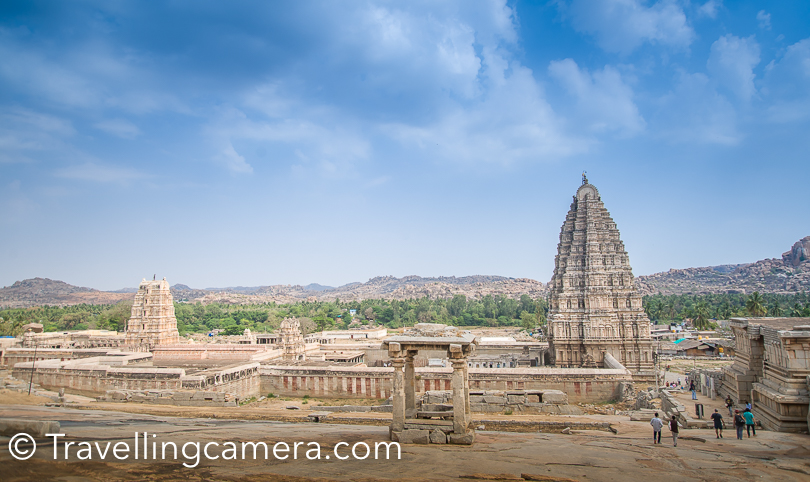
Then came the extraordinary Vijayanagara Empire.
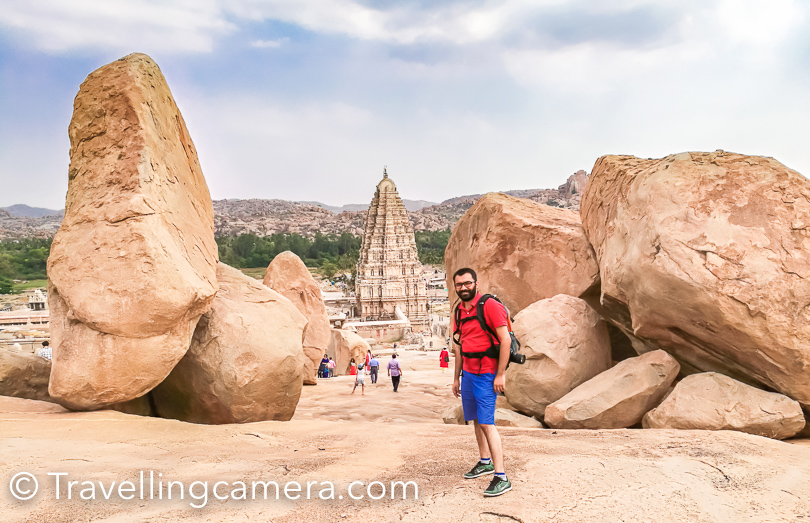
Hampi was its capital, and its surviving ruins give an almost cinematic impression of the scale of the city. The Tungabhadra River, enormous granite boulders, temple complexes, market streets and royal structures combine to create one of India's most unusual archaeological landscapes. Hampi flourished particularly between the 14th and 16th centuries before its destruction and abandonment following the Battle of Talikota in 1565.

Later, the Wadiyar rulers of Mysuru shaped another important chapter of Karnataka's cultural history.
But the state's history isn't only about palaces and empires.
It lives in Yakshagana performances on the coast, in traditional temple festivals, in old markets, in craft traditions, in classical music, in village fairs and even in the way different regions cook rice, coconut, lentils, spices and meat.

Explore Karnataka State of India Through Its Most Remarkable Regions
Trying to rank Karnataka's destinations is difficult because each region offers a completely different experience.
A better approach is to travel by landscape.
1. Hampi: Where Ruins Meet Giant Granite Landscapes
Hampi is probably the place that most photographers associate with Karnataka.
But the usual Stone Chariot photograph only tells part of the story.
The real magic is in the relationship between architecture and terrain. Granite boulders appear to have been scattered randomly across the landscape, yet ancient temples, pathways and water systems were built around them.
Start early.
Hemakuta Hill is particularly rewarding around sunrise, when low-angle light gives the stone temples texture without the harsh contrast of midday. Later, explore the Sacred Centre before the heat intensifies.
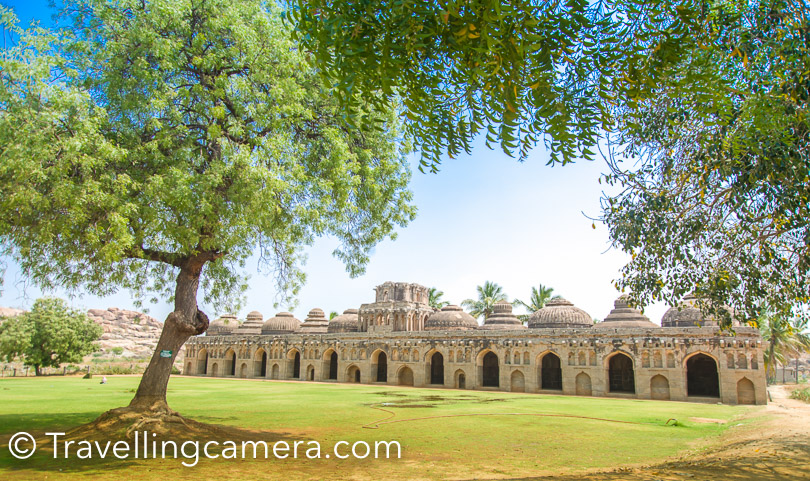
The Vittala Temple complex deserves patience rather than a quick photograph. Look beyond the iconic chariot and study pillars, shadows and sculptural details.
For a different perspective, walk around the river and explore the less photographed corners of Hampi.
Hampi covers a huge landscape, so treating it as a compact monument complex is one of the easiest ways to have a disappointing visit.
2. Badami, Aihole and Pattadakal: Karnataka's Architectural Laboratory
If Hampi is Karnataka's dramatic historical landscape, Badami is its sculptural counterpart.
The red sandstone cliffs around Agastya Lake immediately establish the mood.
The four Badami cave temples were carved between the 6th and 8th centuries and contain Hindu and Jain imagery.
Photographically, Badami rewards early morning and late afternoon. Midday light bouncing off the red sandstone can become intense, while softer light reveals the texture of the rock.
Then connect Badami with Aihole and Pattadakal.
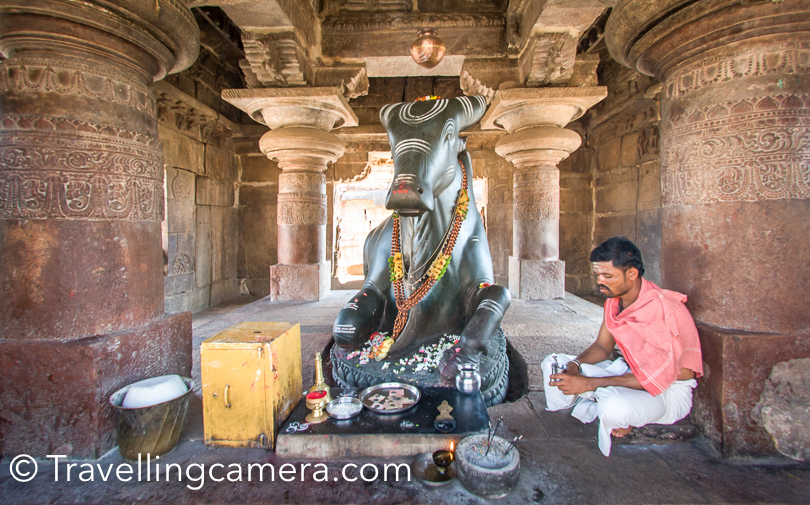
Pattadakal is particularly significant because the complex includes Hindu and Jain monuments and showcases the architectural experimentation of the Chalukyan period. The Virupaksha Temple, commissioned around 740 by Queen Lokamahadevi, is one of its masterpieces.
One fascinating detail is that Pattadakal was also associated with royal coronation ceremonies.
This three-stop circuit is one of the most rewarding heritage journeys in Karnataka and remains surprisingly underappreciated compared with Hampi.
3. Mysuru: Palaces, Markets and the Rhythm of an Old City
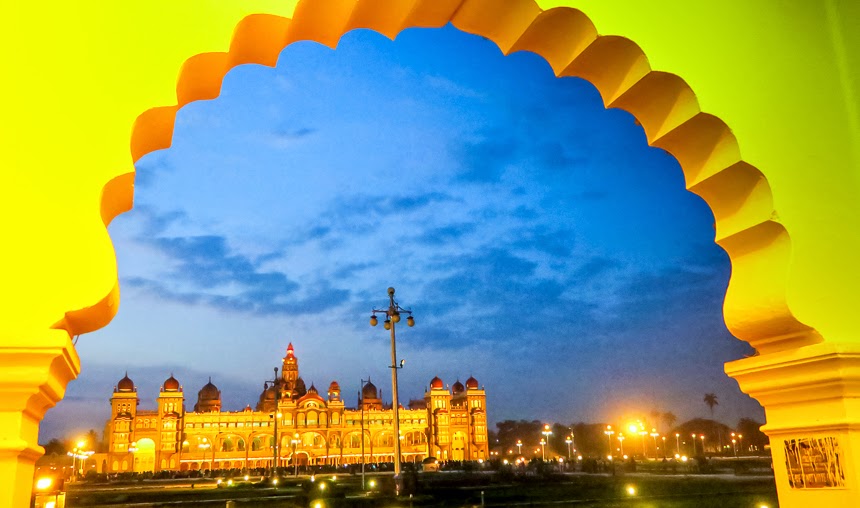
Mysuru is often presented through one photograph: the illuminated Mysore Palace.
Take that photograph.
But don't stop there.
The city becomes more interesting when you walk away from the palace.
Visit Devaraja Market and look for layers rather than landmarks: piles of flowers, turmeric, incense, fruit, vegetables, vendors arranging produce and shoppers moving through narrow spaces.
Morning is particularly good for street photography because the light is softer and markets are active.
Mysuru is also a place to slow down over breakfast.
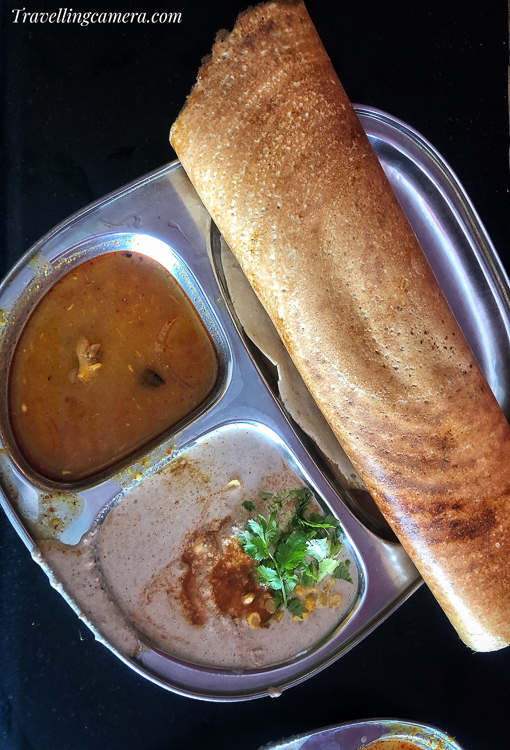
Try a crisp Mysuru masala dosa, bonda, filter coffee and, of course, Mysuru Pak. The latter is surrounded by a charming culinary legend about its origins in a royal kitchen. Karnataka Tourism also notes the city's traditional connections with silk, sandalwood and rosewood crafts.
For photographers, Mysuru's best images may not come from the palace at all.
They may come from a flower seller's hands.
4. Coorg: Coffee, Rain and Mist
Kodagu, commonly called Coorg, feels almost like another Karnataka.
Coffee plantations dominate the visual identity, but the region's character is deeper than plantations and viewpoints.
Walk through a coffee estate when the soil is damp. Listen to the sound of water moving through the plantation. Notice the shade trees and pepper vines.
During the monsoon, roads can disappear into mist.
For photographers, this is a gift.
Instead of chasing panoramic views, look for intimate compositions: a narrow plantation trail disappearing into fog, droplets on coffee leaves, workers moving between rows or a distant house framed by trees.
October to March is generally considered a favorable period for coffee-country travel, trekking and nature walks.

5. Chikkamagaluru: Coffee Country With Bigger Landscapes
Chikkamagaluru is ideal if you want a combination of plantations, hills and road-trip photography.
The landscape changes dramatically as you climb toward the higher areas.
Sunrise can be spectacular, but don't assume every morning will produce a dramatic sky. Some of the best photographs come after rain, when the atmosphere clears enough to create layers between ridges.
If you have time, look beyond the main viewpoints and explore plantation roads and village landscapes with local permission.
The difference between photographing a coffee estate and photographing a coffee-growing community is enormous.
6. Gokarna and the Karnataka Coast
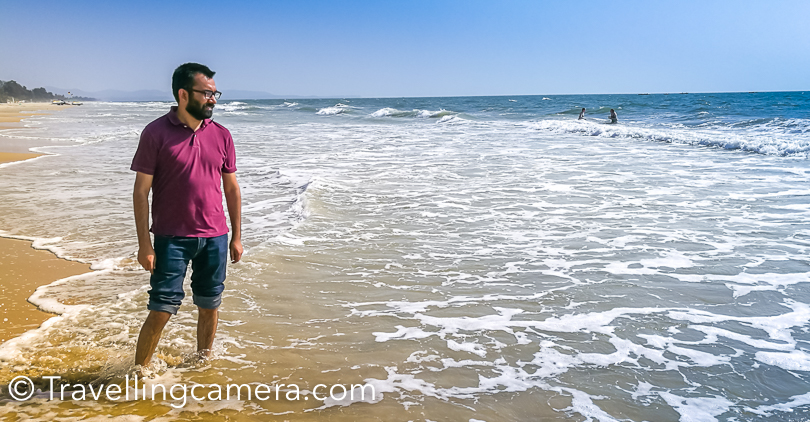
Karnataka's coast deserves more than a quick beach stop.
Gokarna is the most famous name, but the wider coastal belt includes quieter beaches and fishing communities.
Try arriving at a beach before sunrise.
At that hour, the beach belongs to fishermen, walkers, dogs and the sea rather than tourists.
The best coastal photographs often happen before the colors become obvious. Blue-hour silhouettes, fishing boats, wet sand and soft side light can produce much more atmospheric images than a crowded sunset.
Kaup and Malpe are also worth considering if you're building a coastal road trip.
And remember that coastal Karnataka changes dramatically during the monsoon. The Western Ghats and coastal belt receive substantial rainfall from June through September.

Hidden Gems and Lesser-Known Karnataka
The most memorable travel days often happen when you leave the headline destinations.
Consider adding places such as:
Aihole for early Chalukyan architecture and quieter heritage exploration.
Banavasi for a slower cultural experience away from major tourist circuits.
Agumbe for rainforest landscapes and dramatic monsoon weather.
Kudremukh for highland landscapes and trekking.
Karkala for Jain heritage and monolithic sculpture.
Moodabidri for its remarkable Jain architectural heritage.
Dharwad for music, literature, food and its distinctive cultural identity.
Udupi's surrounding villages for food, temples and coastal life beyond the standard tourist circuit.
Dharwad is particularly interesting for travelers interested in culture. It has strong connections with Hindustani classical music and figures including Kumar Gandharva, Gangubai Hangal and Bhimsen Joshi. It is also famous for Dharwad Peda and Kasuti embroidery.
These places aren't necessarily better than Hampi or Mysuru.
They are simply different.
And often quieter.
Best Photography Spots in Karnataka
For photographers, Karnataka is unusually generous.
| Destination | Best Subject | Best Time | Photography Idea |
|---|---|---|---|
| Hampi | Ruins and boulders | Sunrise/sunset | Wide landscapes with human scale |
| Badami | Cave temples and cliffs | Early morning | Texture and reflected light |
| Pattadakal | Temple architecture | Morning/evening | Symmetry and details |
| Mysuru | Palace and markets | Morning/evening | Architecture + street life |
| Coorg | Coffee plantations | Morning/monsoon | Mist, layers and intimate details |
| Chikkamagaluru | Hills | Sunrise | Atmospheric landscapes |
| Gokarna | Beaches | Sunrise/sunset | Silhouettes and minimalism |
| Udupi | Temples/coastal life | Morning | People, rituals and food |
| Agumbe | Rainforest | Monsoon | Mist and layered greenery |
| Dharwad | Street culture | Morning/evening | People and everyday life |
A Photographer's Tip: Don't Chase the Landmark
A common mistake is to arrive at a famous monument and immediately make the obvious photograph.
Instead, spend 20 minutes watching.
Where do people walk?
Where does the light fall?
Which wall has the best texture?
Can a person provide scale?
Does the landscape tell a better story than the monument?
Karnataka is particularly rewarding when photographed as a relationship between people, architecture and landscape.

Photography Tips for Karnataka
Carry more than a wide-angle lens.
A 24–70mm equivalent is useful for general travel, while a 70–200mm or similar telephoto can compress layers in the Western Ghats and isolate details at heritage sites.
A few practical rules:
At heritage sites
Use early morning or late afternoon light. Pattadakal itself recommends early mornings and evenings for photography and more comfortable exploration.
In Hampi
Don't underestimate heat. Carry water and protect your camera from dust.
On the coast
Protect equipment from salt spray. A microfiber cloth and a simple rain cover are inexpensive insurance.
During monsoon
Carry a proper waterproof camera cover rather than relying only on a backpack rain cover.
For people photography
Ask before making close portraits, particularly in villages, religious spaces and private settings.
A photograph is not worth making someone uncomfortable.
Eating Your Way Across Karnataka
Karnataka's food changes almost as dramatically as its geography.
South Karnataka tends toward rice, lentils, coconut and relatively balanced flavors. Coastal cuisine brings seafood, coconut and stronger spice combinations. Kodagu has its own meat-centered traditions. Northern Karnataka is famous for dishes built around jowar, pulses and bold flavors.
Karnataka Tourism describes the state's cuisine as deeply influenced by geography and community, ranging from Udupi vegetarian food and coastal seafood to Kodava pork and Dharwad sweets.
Don't leave without trying:
Mysuru masala dosa
Mysuru Pak
Bisi Bele Bath
Ragi-based dishes
Udupi-style vegetarian meals
Neer dosa
Mangalorean seafood
Kodava pork preparations
Jolada rotti
Dharwad Peda
Filter coffee
Seasonal local fruits
One of the best ways to experience Karnataka's food is to eat where locals eat rather than searching exclusively for restaurants designed for tourists.
A busy breakfast establishment at 7:30 in the morning can tell you more about a city than a highly rated dinner restaurant.

Local Conversations: The Karnataka You Don't See in Guidebooks
The most useful conversations on a Karnataka trip are often very ordinary.
Ask a shopkeeper where they eat breakfast.
Ask a driver which road they would take.
Ask a coffee-estate worker what the plantation looks like during the harvest.
Ask a fisherman when the boats return.
Ask a local photographer where the light falls in the evening.
These questions open doors.
You also begin to notice how differently Karnataka speaks and behaves across regions. Kannada is the dominant language, but coastal Karnataka, Kodagu and northern Karnataka have their own linguistic and cultural textures.
Don't assume that the Karnataka you experience in Bengaluru represents the entire state.
It doesn't.
And that's precisely the point.

Best Time to Visit Karnataka
There is no single "best month" for the entire state.
That is one of the most important things to understand before planning your trip.
| Season | Best For | Regions |
|---|---|---|
| October–February | Heritage, cities, beaches, wildlife | Almost all regions |
| March–May | Hills, coffee country | Coorg, Chikkamagaluru |
| June–September | Monsoon landscapes | Western Ghats, coastal Karnataka |
| November–February | Coastal road trips | Gokarna, Udupi, Mangaluru |
Karnataka Tourism identifies October to February as a particularly comfortable period overall, while noting that coastal and Malenadu areas experience heavy rainfall from June through September.
However, photographers should not automatically avoid the monsoon.
The Western Ghats can become spectacularly green and atmospheric during this period, with mist, waterfalls and cloud-covered ridges.
The trade-off is obvious:

Beautiful conditions, less predictable logistics.
How to Reach Karnataka
For most travelers, Bengaluru is the easiest international and domestic gateway.
The state is also well connected by rail and road, with major airports serving Bengaluru, Mangaluru, Hubballi and other regional centers.
For a multi-region trip, don't automatically build everything around Bengaluru.
Instead, consider a route based on geography.
For example:
Bengaluru → Mysuru → Coorg → Chikkamagaluru → Hampi → Badami → Pattadakal → Goa or coastal Karnataka
Or for a more heritage-focused journey:
Bengaluru → Hampi → Badami → Aihole → Pattadakal → Hubballi
For the coast:
Mangaluru → Udupi → Malpe → Kaup → Gokarna
The second option is especially attractive for photographers because driving times are manageable and sunrise/sunset locations can be planned more deliberately.
Where to Stay
Accommodation in Karnataka ranges from luxury heritage properties and city hotels to homestays, plantation stays and simple guesthouses.
Choose accommodation based on what you want to photograph.
In Hampi, staying close to the heritage landscape can make sunrise photography much easier.
In Coorg and Chikkamagaluru, a plantation stay can provide a deeper experience than a conventional hotel.
On the coast, choose a property that allows easy early-morning access to the beach.
In Mysuru, staying reasonably close to the old city makes market walks and evening photography more convenient.
For smaller heritage towns such as Pattadakal, accommodation choices are more limited, so Badami is often a more practical base. Karnataka Tourism also recommends combining Pattadakal with Badami.
Budget Tips for Traveling Karnataka
Karnataka can work for almost every travel budget.
Budget traveler
Use buses and trains, stay in hostels or simple guesthouses, and eat at local establishments.
Mid-range traveler
Combine comfortable hotels with occasional homestays or plantation stays.
Photography-focused traveler
Spend less on changing hotels every night and more on staying close to sunrise locations.
That's an important distinction.
Saving 500 rupees on accommodation is not useful if it means missing the best light because you have to drive 45 minutes before sunrise.
A Practical 10-Day Karnataka Itinerary
If this is your first trip and you want a balance of history, culture, landscapes and food, consider:
Days 1–2: Bengaluru
Explore old markets, architecture, food and contemporary culture.
Days 3–4: Mysuru
Palace, Devaraja Market, local food and nearby heritage.
Days 5–6: Coorg or Chikkamagaluru
Coffee estates, hills and plantation landscapes.
Days 7–8: Hampi
Dedicate at least one sunrise and one sunset to the ruins.
Day 9: Badami
Explore the cave temples and Agastya Lake.
Day 10: Pattadakal and Aihole
Spend the day exploring Chalukyan architecture before continuing onward.
If you have another 3–4 days, extend toward Udupi and the coast.
If photography is your priority, I would rather spend 12–14 slower days in Karnataka than attempt to see the entire state in seven.

Responsible Travel in Karnataka
Karnataka's most beautiful landscapes are also some of its most environmentally sensitive.
The Western Ghats are globally important for biodiversity and contain exceptionally high levels of endemic species. UNESCO recognizes the region as one of the world's major biodiversity hotspots.
That makes responsible travel more than a slogan.
Avoid:
Leaving plastic behind
Playing loud music in forest areas
Disturbing wildlife for photographs
Entering restricted areas for better viewpoints
Touching or climbing protected monuments
Photographing people without consent
Driving recklessly on mountain roads
Treating villages as photographic sets
Carry reusable water bottles.
Use local guides where appropriate.
Eat local.
Stay longer.
And spend money with small local businesses whenever possible.
Common Mistakes to Avoid in Karnataka
1. Trying to see everything
Karnataka is too large and diverse for a rushed itinerary.
2. Visiting Hampi only in the afternoon
The heat can be brutal, and the light is usually less flattering.
3. Ignoring North Karnataka
Badami, Aihole and Pattadakal are among the state's most rewarding historical destinations.
4. Treating the coast as only a beach destination
The fishing culture, temples, food and villages are equally interesting.
5. Underestimating distances
A destination that looks close on a map may take much longer by road.
6. Packing only a wide-angle lens
Details, portraits and compressed landscapes can be among your strongest photographs.
7. Expecting the same weather everywhere
Karnataka's climate varies significantly between the coast, Western Ghats, southern plains and northern interior.

Frequently Asked Questions About Exploring Karnataka
What are the best places to see in Karnataka?
Some of the most rewarding places to see in Karnataka include Hampi, Mysuru, Badami, Aihole, Pattadakal, Coorg, Chikkamagaluru, Gokarna, Udupi, Agumbe and the Western Ghats.
The best choice depends on whether you prefer heritage, nature, beaches, food, wildlife or photography.
How many days are enough for Karnataka?
For a first trip, 10–14 days is a good starting point. A shorter trip should focus on one region rather than attempting to cover the entire state.
What is the best time to explore Karnataka?
October to February is generally the most comfortable period for a broad Karnataka itinerary. The monsoon months from June to September are particularly rewarding for Western Ghats landscapes, although heavy rain can affect travel.
Is Karnataka good for photography?
Absolutely. Karnataka offers architectural photography, landscapes, wildlife, street photography, food photography, cultural festivals and coastal photography within one state.
Is Hampi worth visiting?
Yes, particularly if you enjoy history, architecture or landscape photography. The combination of ancient ruins, granite boulders and the Tungabhadra River makes Hampi visually distinctive.
What food should I try in Karnataka?
Try Mysuru masala dosa, Mysuru Pak, bisi bele bath, Udupi cuisine, neer dosa, coastal seafood, Kodava dishes, jolada rotti and Dharwad Peda.
Which is better for a first trip: Coorg or Chikkamagaluru?
Coorg is particularly good for coffee estates, plantation stays and a relaxed hill experience. Chikkamagaluru works well for mountain landscapes, coffee culture and road trips.
Is Karnataka suitable for a family trip?
Yes. Karnataka offers a wide range of family-friendly experiences, from Mysuru and heritage sites to beaches, wildlife areas and hill destinations.
Which Karnataka destinations are best during monsoon?
The Western Ghats, including areas around Coorg, Chikkamagaluru, Agumbe and Kudremukh, become particularly dramatic during the monsoon. However, travelers should check local road and weather conditions before heading into remote or forested areas.

Final Thoughts: Don't Just Visit Karnataka. Read the Landscape.
The best way to Explore Karnataka State of India is to stop thinking of it as a collection of tourist attractions.
Think instead of landscapes.
Granite and river at Hampi.
Red sandstone and ancient sculpture at Badami.
Temple geometry at Pattadakal.
Royal architecture and market life in Mysuru.
Coffee, rain and forest in Kodagu.
Mist-covered mountains around Chikkamagaluru.
Salt air and fishing boats on the coast.
Jowar rotis in the north.
Coconut and seafood in the west.
Filter coffee almost everywhere.
That is the real Karnataka.
And for a photographer, the most rewarding photographs are often not the obvious ones.
They are the small moments between destinations: sunlight falling through a temple doorway, a flower seller arranging a basket before the market becomes busy, mist moving across a coffee plantation, an old man watching traffic from a tea stall, fishermen pulling a boat onto the beach, or a child running through the shadow of a centuries-old monument.
Those are the photographs that turn a trip into a story.
So take the famous photographs.
But stay long enough to make the unfamiliar ones too.
That is when Karnataka begins to reveal itself.
Related Blogposts -

Meghalaya State of India: A Complete Travel Guide for First-Time Visitors

Odisha State of India: A Complete Travel Guide for First-Time Visitors

Explore Uttar Pradesh State of India: A Complete Travel Guide for First-Time Visitors


Ladakh in India: A Complete Travel Guide for First-Time Visitors

Exploring India: The Ultimate Travel Guide to Experiencing the Soul of a Timeless Civilization

What Advice Would You Give to Someone Travelling to India for the First Time?

Rajasthan State of India: A Complete Travel Guide for First-Time Visitors
Trip to Gujarat State of India: A Complete Travel Guide for First-Time Visitors
 |
| A Theyyam blessing the priests. These performers are considered as God themselves once they don the Theyyam costume |
Trip to Kerala State of India: A Complete Travel Guide for First-Time Visitors

Jammu & Kashmir State of India: A Complete Travel Guide for First-Time Visitors
Golden Chariot Train in India: A Royal Journey Through the Soul of South India

Pattadakal Temples in Karnataka - UNESCO World Heritage site with magical influence




.jpg)
Comments