Exploring India: The Ultimate Travel Guide to Experiencing the Soul of a Timeless Civilization

Taj Mahal is one of the most visited tourist place in India and popular amongst local as well as international travelers. I have been to the Taj Mahal a few times and came back with mixed feelings, but some of the memories from Taj are still fresh because of certain exceptional experiences around this grand monument built in 1600s. We will get to know more about Taj Mahal in this post, along with details like how to reach Agra, along with other tips to make your experience most enjoyable by avoiding unnecessary hassles & by taking safety measures.

Some countries are famous for their landmarks.

Some are celebrated for their food.

Others impress with natural beauty.

India somehow manages to be all of these—and much more.

Surrounded by the majestic Pir Panjal and Zanskar ranges, the Sangam offers stunning views of the contrasting waters of the two rivers as they join forces. The Chandra’s calm, silver-blue waters meet the Bhaga’s more turbulent, darker flow, creating a mesmerizing visual spectacle. The area around the confluence is peaceful, making it an ideal spot for reflection and photography.

The moment you begin Exploring India, you realize this isn't a destination that can be understood through guidebooks or social media reels. Every city introduces a different rhythm of life. Every state speaks a different language. Every meal tells a story that has evolved over centuries. Every train ride, roadside tea stall, village market, mountain trail, temple corridor, bustling bazaar, and coastal fishing harbor reveals another layer of one of the world's oldest living civilizations.

By this time, the rain finally caught up with us and it rained incessantly while we were trekking back to our car. We got badly drenched but came back happy.

Unlike many destinations where attractions are neatly packaged, a Tour to India rewards curiosity more than checklists. The best memories rarely come from famous monuments alone. They emerge from conversations with strangers, unexpected festivals, forgotten streets, roadside breakfasts, mountain sunsets, and countless little moments that no itinerary can predict.

Through the day we visited several other temples and Teerthams, among them the panchmukhi Hanuman Temple where one can see the floating rocks that were apparently used to build the Ram Setu.

After years of travelling across India—from the snow-covered villages of Himachal Pradesh to the emerald backwaters of Kerala, from the silent monasteries of Ladakh to the chaotic bazaars of Old Delhi, from the white salt desert of Kutch to the rainforests of the Western Ghats—I have realized something fascinating.

We concluded the day around the ocean appreciating the sunset among fishermen on a local beach with an excellent view of the Pamban bridge. This is not a tourist beach. We just ended up there while we were searching for a sandy beach to spend some time on.

India never gives you the same experience twice.

Even returning to the same destination during another season feels like visiting somewhere entirely new.

That unpredictability is India's greatest luxury.


In the morning we walked up to the Serenity beach to witness sunrise. We found a handful of tourists enjoying the white sands and the lapping waves while the sun slowly emerged from the horizon.

Why Exploring India Should Be on Every Traveller's Bucket List

India isn't one destination.

It is dozens of countries quietly living within one nation.

Experiencing Fort Kochi Beach The best way to experience Fort Kochi Beach is without an agenda.  Start early.  At sunrise, the beach belongs to fishermen. Nets are repaired with practiced hands while small fishing boats gently rock against the shoreline. Tea stalls slowly open, serving steaming chai to locals beginning their day.  Morning light is soft, almost painterly. The sea reflects pale blues and silvers while colonial buildings glow warmly.

In just a few weeks, you can travel from glaciers to tropical beaches, dense jungles to high-altitude deserts, Portuguese colonial towns to futuristic metropolitan skylines, Buddhist monasteries to thousand-year-old Hindu temples, Mughal forts to French cafés.

Inside Auroville, one can walk up to the Matrimandir (the golden domed temple), but unless you are an Aurovillian or an approved guest, you cannot go in. In order to get initiated you need to write to Auroville and need to be willing to explore spiritual research. It seemed like a great place to experience and is an experimental township run by Aurovillians who have come and made it their home. We found this place interesting and will definitely explore it more closely sometime in future.

Few places on Earth offer such diversity without crossing international borders.

We were on the road for 14 days. Drove across 7 states of India and one Union Territory, a total of 6300 kilometers.   We went without any prior bookings, decided the itinerary on the go every day, booked hotels each night, ate local food with local people, and felt at home at almost every city we landed in.   The warmth of the people, especially food joint owners, the generosity of the spirit of our country and how eager everyone is to help others out, their curiosity about an Uttar Pradesh number plate in their state - all this made this journey all the more special, apart from the incredible landscapes and amazing historical sites we visited.    Now that we are back, we are already missing that life on the road, the excitement and the unpredictability. This has been an enriching experience and there will definitely be some profound returns from it. We will only need to look back at it after some time. This will definitely be a milestone in our lives.

Some of the experiences that make India extraordinary include:

  • Watching sunrise over the Himalayas
  • Walking through cities continuously inhabited for thousands of years
  • Spotting Bengal tigers in the wild
  • Cruising through Kerala's peaceful backwaters
  • Photographing ancient stepwells hidden inside bustling towns
  • Riding toy trains through mountain forests
  • Sleeping under millions of stars in Ladakh
  • Exploring UNESCO World Heritage Sites
  • Witnessing religious ceremonies performed exactly as they were centuries ago
  • Sampling cuisines that change every few hundred kilometres
A short walk from the monastery leads to a small stream, where prayer flags flutter in the wind, and the sound of flowing water adds to the sense of tranquility. The peaceful environment makes Samstanling an ideal place for meditation and reflection, away from the distractions of the outside world.

One of India's greatest strengths is that it caters to every type of traveller.

Traveller TypeExperiences You'll Love
PhotographersLandscapes, portraits, festivals, architecture, wildlife
FamiliesHill stations, beaches, heritage cities, national parks
BackpackersAffordable transport, hostels, local culture
Luxury TravellersPalace hotels, wellness retreats, luxury trains
Food LoversRegional cuisines across every state
Adventure SeekersTrekking, rafting, diving, paragliding, desert safaris
History EnthusiastsForts, temples, palaces, archaeological sites

C. The Fourth Level — A Marble Finish The topmost level introduces white Makrana marble, marking a visual shift that anticipates Shah Jahan’s preference for pure marble expression. Here, filigree-like jalis filter light into geometric constellations, and corner pavilions echo Rajput chhatris found across Rajasthan.

Exploring India Through Its Remarkable History

India isn't merely old.

It is continuously old.

One of the largest and the most intricately carved temples of the complex, Kandariya Mahadev shares its platform with a small Mahadev shrine and the mid-sized Devi Jagdambi Temple. The temple measures about 30 meters in length and 20 meters in width. The temple's shikhara rises 35.3 meters above the ground.

Unlike ancient civilizations that disappeared, India's traditions have evolved while remaining remarkably alive.

There is also an offering of marigold flower petals and the sight of it is simply beautiful. I think the aarti is a fantastically choreographed event and substantial amount of attention has been paid to the aesthetics of it. The marigold petals floating down create a spectacle for sure.

Long before many modern nations existed, cities like Varanasi, Madurai, Ujjain, and Puri were already thriving centers of learning, commerce, philosophy, and spirituality.

When we mentioned our impending trip to Ahmedabad, two of our friends immediately asked us whether we were planning to visit Lothal. Upon asking what that was, they mentioned that it was a Harappan site. That immediately interested me. I had thought that most of the Harappan sites were in Pakistan. But it turns out that post independence, the Government of India has invested a lot of money to excavate sites on this side of the border. I think this is great. I am quite fascinated by archaeology and this was the first site I would be visiting. To be honest the expectations were pretty high. We rented a cab on our third day in Ahmedabad and headed out to Lothal. We started early and the weather was still pleasant. But we hadn't factored in the afternoon heat into this trip. And we also had no idea what the terrain was going to be like. You can say that we could have done a better job researching about the site. In the hindsight, I agree. But then we were kind of living by the moment. Not the best decision for sure.  The drive itself was very pleasant. Roads were more or less okay. They could be better though. What I really enjoyed on the way was the water-filled fields on both the sides of the road. There were many Ibises, Egrets, and Painted storks around. I think I also spotted a woolly necked stork. With good music to accompany us, the mood was set for some serious exploration. After driving on highway for over an hour and a half, we now entered a narrow, yet pretty road that took us through the fields, towards Lothal. This was an amazing experience. Our driver was a young fellow who was as enthusiastic as us about everything. It was irritating at times, but was definitely better than having a dull driver. This guy also seemed to enjoy every song that we played. In fact, at times he sang along with the songs as well. Soon we reached the site. At first, we thought that it was closed. There was absolutely no one around. There was a stone building standing and an enclosed area that looked very much like a parking. Soon we started seeing signs of life. Some laborers emerged from an area that was marked as the excavation site. Soon a bus drove up into the complex and about a dozen American Tourists disembarked from it. And soon the place was buzzing with life. We went to the ticket counter and were surprised to find that it was just Rs. 5 per person. And that Rs. 5 was just for the museum. The entry to the excavation site was free of charge. Anyhow, we decided to visit the museum first and it was amazing. There were engraved seals from thousands of years ago, and stones that they used for weights. There were ornaments and vases and a whole lot of information about the people who built this city. Apparently these people came from various parts of the world and settled here. Along with themselves, they brought cultural influences from other parts of the world. People of Harappa contributed a lot to the growth of human civilization. Just one look at the excavation site tells you how well planned their cities were. They had drainage system, markets, irrigation system, and even a dock that was connected to the nearby Sabarmati river that was connected to the sea when the erstwhile Kutch desert was a part of the Arabian Sea. Yes, this is how far back this civilization goes. There was controversy about this claim. Some archaeologists argued that the "dock" was just an irrigation tank. However, that controversy was settled after shells and remains of other sea creatures were found during the excavation. Religion was an interesting aspect of these people. Most of them seemed to have worshipped a fire god, others the Mother Goddess. This implies that these people had diverse religious beliefs. Then there's also the matter of how they disposed of their dead. During excavation, archaeologists have found graves with human remains. They have also found signs of burials of cremated remains. The most interesting discovery was however of twin burials. The Harappans seemed to have practiced double burials in some cases. Graves containing remains of two people have been found. These could either have been a couple or master and a dependent. And it is also not clear whether the dependent or wife was sacrificed on the master's/husband's death or the deaths occurred at the same time. We were quite amazed by the kind of art human beings were capable of creating thousands of years ago. The civilization seems to be quite advanced. It seems incredible that if these people were able to create these beautiful things and such sturdy infrastructure so long ago, then the pace of development seems to have slowed down now. Not many people would agree with me, but I feel that considering where these people were in their times, human beings should have made so much more progress by now. Apparently, Lothal is just one site in this area. There are hundreds of smaller sites spread out in this area. We spoke to the gentleman who was guiding the group of American tourists and he informed us of this. The American tourists were enthusiastic but a few were quite obnoxious. They seemed to discredit everything that ASI has put together in this site. They were incredulous that this site was indeed a part of Harappan civilization. But their guide was pretty patient with them, and wasn't trying too hard to dispel their doubts. I kind of liked this approach. It is quite incredible to see that even at those times, people knew how to make fire-baked bricks. The fact that they thought of sanitation is quite incredible, considering that even today the government has to run a campaign to make people build toilets in their homes. Exactly at what point in history, did we take the first wrong turn that led us from then to now?

The Indus Valley Civilization, one of the world's earliest urban cultures, flourished over 4,500 years ago with remarkably advanced city planning. Excavations at Dholavira and Lothal reveal sophisticated water management systems, dockyards, and urban layouts that continue to intrigue archaeologists.

The Perfect Getaway in Ladakh  Sumur is an ideal destination for those looking to experience the natural beauty and tranquility of Ladakh away from the more touristy areas. Whether you are wandering through the lush fields, riding a camel across the sand dunes, or simply sitting by the river, soaking in the views, Sumur offers a sense of peace and connection with nature that is hard to find elsewhere.

Centuries later, empires such as the Mauryas, Guptas, Cholas, Mughals, Vijayanagara, and Marathas shaped architecture, literature, trade, and governance across the subcontinent.

Among the wide variety of exhibits in the Albert Hall Museum, an Egyptian mummy from 322–30 BC is one of the most remarkable. In a room by itself, this rare artifact not only draws history buffs but curios who are not so interested but have heard about the burial practices of ancient Egyptian culture.

Yet history in India isn't confined to museums.

You experience it while:

  • hearing temple bells at dawn,
  • watching artisans use techniques passed down through generations,
  • tasting recipes preserved within families,
  • walking through medieval bazaars still serving their original purpose,
  • or watching pilgrims follow routes that have remained unchanged for centuries.

History here isn't frozen.

It breathes.


1. The Route from Leh  Most travelers begin their journey to Pangong Tso from Leh, the capital of Ladakh. The drive is approximately 160 kilometers and usually takes about 5 to 6 hours. The road to Pangong Tso from Leh is an adventure in itself, as it takes you over the Chang La Pass, one of the highest motorable roads in the world at an altitude of 5,360 meters (17,590 feet).

My Journey While Exploring India

One memory often returns whenever someone asks why I continue travelling across India.

It wasn't at the Taj Mahal.

Nor during a tiger safari.

Nor while standing on a Himalayan summit.

It happened in a tiny Himachali village.

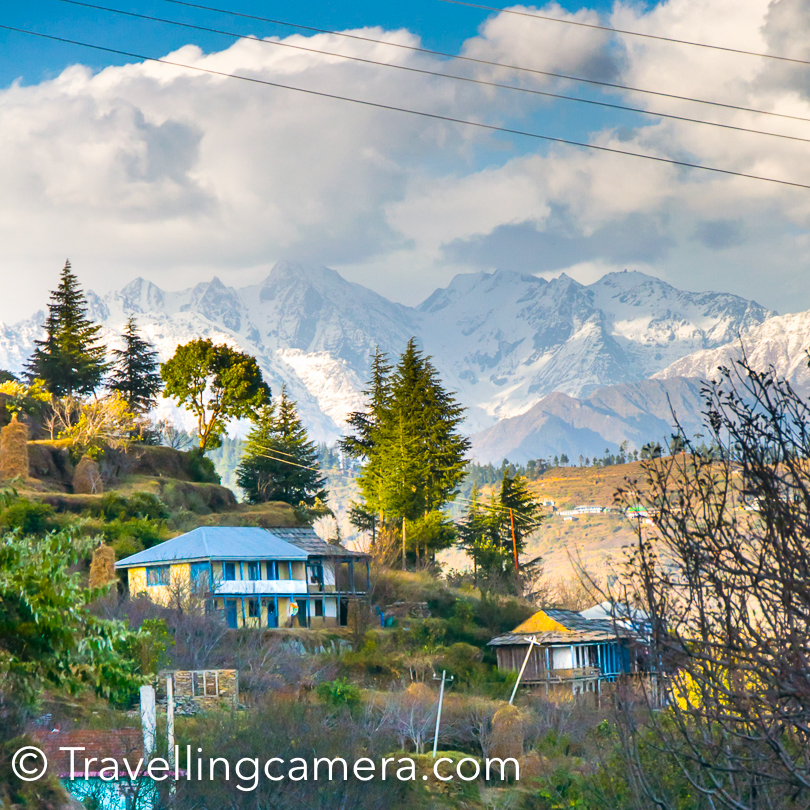
Sarahan village has beautiful houses all around, with varied architectures. Roofs of all these houses are the same. Sloped roofs are made of rock-cut slates. These rocks are usually found on hills which get snow all the time. These rocks/slates are considered very strong and that's why are used on roof tops in areas which get heavy rains or snowfall.   Related Blogpost - Wonderful stay at Sarahan Village of Kullu District of Himachal Pradesh (During MTB Himachal 2010)

The morning had just begun.

Mist floated lazily between cedar trees while smoke curled from traditional slate-roofed homes. An elderly woman invited us inside after noticing our cameras. There was no common language between us.

She smiled.

Served fresh makki ki roti with homemade butter.

Poured steaming tea into steel glasses.

Pointed toward old family photographs hanging on mud-plastered walls.

For nearly an hour we communicated entirely through smiles, gestures, and curiosity.
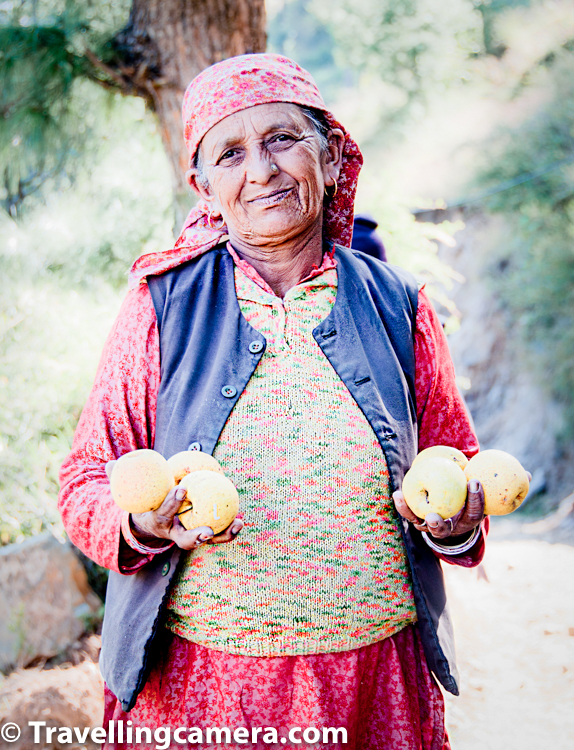
Above photograph shows a kind lady who saw us resting on road side when we were tired on hike-n-bike day. She started chatting with us to know about the cyclists and offered tea at her home, which was few yards away from the road. We didn’t have time as we had to continue our walk. She went back and brought these juicy apples for us. Wish that she is staying healthy during these days and enjoying organic produce from her own farms. How can someone forget such sweet experiences. Whenever I look at this photograph, I feel great about these moments and god bless such experiences to all humans.

Before leaving, she handed me a freshly picked apple from her orchard.

No ticket.

No souvenir shop.

No guided tour.

Yet that remains one of my richest travel memories.

Exploring Puga Hot Springs: A Hidden Gem in Ladakh’s Rugged Wilderness

Moments like these define Exploring India far more than any famous attraction.

Hemis Monastery has withstood the test of time, surviving invasions, political upheavals, and the harsh climatic conditions of the region. Over the centuries, it has grown in size and importance, becoming a major center for Buddhist learning and practice in Ladakh. The monastery’s wealth is evident in its vast collection of ancient texts, thangkas (religious paintings), and other sacred artifacts, many of which are considered priceless.

Throughout my journeys, similar encounters kept appearing.

A boatman in Kerala explaining how tides shape daily life.

Above photograph shows 2 men in Kinnauri dress and carrying devtas with them. This photograph was clicked from moving car. In hills, there is very high probability of finding smiling people and that makes your trip more joyful.

A monk in Spiti describing silence as a form of education.

Varanasi is a city that has a deep love affair with tea, and you'll find tea shops and vendors in almost every corner of the city. The love for tea in Varanasi has been deeply ingrained in the culture and the social fabric of the city. Here are some reasons why tea is so popular in Varanasi and the special varieties of tea you can find there:

A tea vendor near Varanasi insisting that conversations are as important as chai itself.

The Rare Temple of Brahma One of the most unique aspects of Pushkar is the presence of the Brahma Temple.  Temples dedicated to Brahma are incredibly rare, and Pushkar is home to one of the most significant ones.

A camel herder in Rajasthan explaining stars as if they were lifelong friends.

India reveals itself through people long before monuments.


Then we drove toward some quaint villages, such as Basgo, toward Alchi Village. Alchi managed to make us fall in love with it at one glance. Beautiful lanes meandering through pretty cottages, various fruit trees, prayer wheels - this looked like an ideal place to stay for a few days and just soak in the environment. Along with all this, Alchi Monastery is one of the most beautiful monasteries we have seen till date. Photography is not permitted inside the monastery, but this was one place where we did not resent this fact. In fact, it was at this spot that we received a call from our hotel. Our bag had arrived. So it was indeed an auspicious day.

Exploring India Region by Region

One mistake many international travellers make is treating India as a single destination.

It isn't.

The world of classical dance is rich with tradition, storytelling, and cultural heritage. One of its most enchanting forms is the Doll Dance, a mesmerizing blend of grace, precision, and expressive storytelling. Recently, I had the pleasure of witnessing a captivating Doll Dance performance by the renowned artist K P Satish Babu. Held in an intimate theater setting, this performance was a testament to the timeless beauty and intricate artistry of this unique dance form. In this blog post, I will share my personal experience and insights into K P Satish Babu's extraordinary performance, the history and significance of Doll Dance, and the mesmerizing artistry that left the audience spellbound.

Each region has its own identity, cuisine, architecture, festivals, dialects, landscapes, and pace of life. Understanding these regional differences helps you plan a more rewarding journey.


It was 5PM by the time we reached Turtuk. We decided to go to the Turtuk Palace and Museum and check if it was still open, even before we check into our guest house. And yes, the palace was open. We purchased the ticket and then headed to the Diwan-e-khas on first floor to meet the current Raja of Baltistan, who educated us about the history of Batlistan and his ancestors. Then a young Balti woman took us around the ground floor educating us about the various rooms and utensils placed in them. It was an interesting experience.

Exploring North India: Mountains, Spirituality, and Imperial Grandeur

North India often becomes the starting point for international visitors, and for good reason. It combines iconic monuments with dramatic landscapes and deep spiritual traditions.
Looking for the best Delhi tours, hidden gems in Delhi, authentic food experiences, cultural walks, heritage sites, photography tours, and unforgettable local experiences? Welcome to Travellingcamera with Travellingcamera Host.

Delhi: Where Every Era Lives Side by Side

Delhi isn't simply India's capital—it is a city built upon the ruins and ambitions of multiple empires. Ancient forts, Mughal gardens, colonial boulevards, and glass skyscrapers coexist within a few kilometres.

Looking for the best Delhi tours, hidden gems in Delhi, authentic food experiences, cultural walks, heritage sites, photography tours, and unforgettable local experiences? Welcome to Travellingcamera with Travellingcamera Host.

One moment you're wandering through the narrow lanes of Chandni Chowk, where spice aromas, temple bells, and cycle rickshaws compete for your attention. Minutes later, you're standing beneath the symmetry of Humayun's Tomb or strolling through the wide avenues of New Delhi designed by Edwin Lutyens.

Looking for the best Delhi tours, hidden gems in Delhi, authentic food experiences, cultural walks, heritage sites, photography tours, and unforgettable local experiences? Welcome to Travellingcamera with Travellingcamera Host.

For photographers, Delhi is a city of contrasts. Dawn at Lodhi Gardens offers soft light and quiet reflections, while Old Delhi comes alive after sunrise with vibrant street scenes, expressive faces, and colorful markets. During festivals like Diwali or Eid, the city's energy transforms completely.

Qutub Minar is one of the most popular heritage compounds in Delhi and quite popular destination amongst tourists visiting Delhi. It's also a good places for local folks to spend quality time with their family & friends. Many times photographers and heritage explorers can be seen around Qutub Minar campus. This Photo Journey shares some of the special photographs from Qutub Minar campus. Reaching Qutub Minar has become pretty easy now. One can take Metro to Qutub Minar. The Qutub Minar Metro station is not close to the compound, but there are autos which drop folks from Metro to Qutub Minar and charge 10 rs each. If you don’t want to share the auto, most of the folks use meters and that’s reliable. It will not cost more than 30 Rs.Other good to way explore these beautiful monuments in Delhi are HOHO buses run by Delhi Tourism department. You can buy a daily pass and hop on/off to/from these buses at defined stations, which are usually very well located around the most popular tourist destinations in Delhi.Booking a Taxi to go to Qutub Minar from Central Delhi, East Delhi or Noida might be a bad idea because of slow traffic movement. I had gone through such experience twice and now try to use Metro, if possible.After Red Fort, Qutub Minar is most visited monuments in Delhi and one should expect lot of people inside Qutub Minar compound, even on weekdays. Apart from the main minaret, there are various architectural structures in this compound  having different stories associated. There are no guides around Qutub Minar now, but you can get an audio device on rent which will keep telling you about the place. Easy to use device and have good details about various spots in Qutub Minar campus.As you walk around this huge compound, you get to see spectacular beauty of the Qutub Minar from different angles. Above photograph shows one of the views of Qutub Minar through the other structures around.It's a wonderful place for photographers because of diversified opportunities to click architecture, people, landscapes and lot more. I have been part of various photo-walks here and every time it was different experience.Tourists from different parts of the world come to Qutub Minar to witness it's grandness and know about it's history. It's really strange that we don't care much to know our own history, but things have been changing for good. There are lot of social circles which inspire folks to visit such places and know more about our heritage. Mehrauli Archeological park  is another interesting place around Qutub Minar.  It's awesome to see these airplanes crossing through Qutub Minar. Although there is a huge different between the top most peak of Qutub and the flight, but such views look dramatic.Qutub is the 2nd tallest minar (73 metres) in India after Fateh Burj. Qutb Minar originally is a UNESCO World Heritage Site which is made of red sandstone and marble. The stairs of the tower has 379 steps, is 72.5 metres high, and has a base diameter of 14.3 metres, which narrows to 2.7 metres at the top. Construction was started in 1192 by Qutb-ud-din Aibakand was carried on by his successor, Iltutmish. Check out more about Qutub on Wikipedia  His expressions explain it all about the height and grandness of Qutub Minar.

Hidden perspective: Visit Mehrauli Archaeological Park early in the morning. Spread over hundreds of acres, it contains more than a hundred historical monuments, yet receives only a fraction of the visitors who crowd nearby Qutub Minar.

The Daulat Khana is a museum that displays some of the best-preserved and most important examples of the fine art prevalent during the Mughal Period. Apart from the Daulat Khana, there are also some galleries that display some of the finest examples of paintings from the Marwar region of Rajasthan.

Rajasthan: Where Every Fort Tells a Different Story

Rajasthan is often imagined as a land of palaces and deserts, but that image only scratches the surface. Each city has a distinct personality. Jaipur's planned streets reflect royal vision, Jodhpur's blue houses spill down from Mehrangarh Fort, Udaipur's lakes shimmer at sunset, Jaisalmer rises from the Thar Desert like a golden mirage, and Churu hides exquisite frescoes in near silence.

After Sheesh Mahal, there is the Sukh Niwas (Hall of Pleasure), which is very much in the known for having a cool climate due to water channels and intricate ventilation. It is said that the Rajput king used to sit here during hot summer as a means of relaxation.

Beyond the famous forts lie abandoned stepwells, forgotten havelis, shepherd communities, village fairs, and artisan workshops where block printing, miniature painting, and blue pottery continue using techniques refined over centuries.

One of the most famous fortifications in India, it lies in Jaipur, Rajasthan. Amber Fort is known as Amer Fort. Amber Fort stands on a small hill that takes an hour car ride from the city center. This marvellous fort features masterly fusion of Hindu and Mughal styles of architectural excellence. Amber Fort was built in 1592 by the great king Raja Man Singh I and was the capital of the Kachwaha Rajput clan until the formation of Jaipur. The monument, with its stunning beauty, rich history, and dramatic views, continues to be one of the first choices for people of all walks of life from all over the world.

Photographers should wake before sunrise to capture the warm sandstone architecture before harsh daylight washes away its textures. During the golden hour, the desert transforms into a canvas of shifting shadows and glowing dunes.

Hidden among the snow covered hills of Shrikhand Mountian Ranges, which are known for their mythological significance and is said to be one of the adobe of Lord Shiva, this unknown village beckon those with an adventurous spirit as its beautiful landscape and lush green valley will take your breath away.

Himachal Pradesh: Slow Mornings in the Mountains

The Himalayas are not merely a backdrop in Himachal—they shape every aspect of life. Villages cling to steep slopes, apple orchards define local economies, and ancient wooden temples stand quietly beneath deodar forests.

Naggar Castle, perched in the Kullu Valley of Himachal Pradesh, is a historic marvel that blends medieval architecture, natural beauty, and local art. Built in the 15th century by Raja Sidh Singh of Kullu, this castle showcases the unique Kath-Kuni architectural style, which uses stone and wood to withstand earthquakes common in the region. Naggar Castle now serves as a heritage hotel and a cultural landmark, attracting visitors eager to explore its royal past, stunning views, and ancient charm.

Instead of rushing between famous hill stations, spend time in lesser-known villages. Walk through terraced fields, listen to stories from shepherds returning with their flocks, and discover traditional Kath-Kuni architecture that has withstood earthquakes for generations.
How to Reach Malana Drive to Malana road head Trek 4–5 km to reach village 💡 Tip: Start early to avoid trekking in the dark.

Morning light filtering through pine forests creates atmospheric scenes ideal for landscape photography, while evenings often reveal dramatic mountain silhouettes.

After successful blogpost about Top 10 Hill stations in North India, we received lot of queries to also share about comparatively lesser known hill stations. And this blogpost is about some of my favourites. While sharing the list I request to request that if you any of these places, be mindful that these are not as popular and hence less commercialised and less polluted. So please be sensible and ensure that your visit doesn't create any problems to the ecosystem  of the place.

Uttarakhand: Rivers That Are Worshipped

The Ganga and Yamuna originate in these mountains, giving Uttarakhand immense spiritual significance. Yet beyond pilgrimage, the region offers alpine meadows, wildlife reserves, remote villages, and some of India's finest trekking routes. 

3. Janki Setu  The newest addition to Rishikesh, Janki Setu is a pedestrian bridge inaugurated in 2020. It offers a modern alternative to the older suspension bridges, providing a wider path for easier crossing. The three-lane design includes separate sections for pedestrians and bicycles, making it convenient for locals and tourists while offering equally stunning river views.

Rishikesh

India, with its diverse landscapes and mighty rivers, offers exhilarating opportunities for river rafting enthusiasts seeking adrenaline-pumping adventures. From the snow-fed torrents of the Himalayas to the meandering rivers of the Western Ghats, here are the top 10 places in India to enjoy the thrill of river rafting:

Local folklore speaks of hidden valleys where sages meditated for centuries, and many trails still carry an aura of quiet reverence. Even if you're not spiritually inclined, the serenity of places like Chopta or Munsiyari leaves a lasting impression.


Key Features of Chand Baori:  Symmetrical Steps: The steps are laid out in a criss-cross pattern, descending into the well in a way that creates a zig-zag effect. This precision in design was essential not only for aesthetics but also for easy access to water during different levels of the dry and rainy seasons.

Exploring Western India: Desert Landscapes, Coastal Charm, and Living Traditions

Western India presents an extraordinary contrast of salt deserts, bustling financial capitals, Portuguese heritage, tribal villages, and pristine beaches.

Gujarat: The Art of Preserving Heritage Gujarat often surprises first-time visitors. While many come for the Statue of Unity or Gir National Park, the state's true charm lies in its living traditions.

Gujarat: The Art of Preserving Heritage

Gujarat often surprises first-time visitors. While many come for the Statue of Unity or Gir National Park, the state's true charm lies in its living traditions.

In the heart of the Indian wilderness, amidst the dense jungles and tranquil landscapes, lies one of the world's most iconic predators – the Bengal tiger. Revered as the epitome of grace, power, and untamed beauty, the tiger holds a special place in India's rich tapestry of wildlife heritage. Join us as we embark on a captivating journey into the wild to witness the majestic spectacle of tiger sightings in India.

The white expanse of the Rann of Kutch appears almost surreal under a full moon. Nearby villages are home to master artisans whose intricate embroidery, leatherwork, and weaving techniques have been preserved for generations.

A Harmony of Color, Glitter, Music, and Fast-Paced Dance Moves || Traditional Garba in Navratras, Gujarat

In Ahmedabad's old city, centuries-old pol houses reveal beautifully carved wooden facades and community courtyards that continue to foster neighborhood life. Walking these lanes at dawn, when residents sweep their thresholds and vendors set up for the day, offers a glimpse into a rhythm that has changed little over time.

Few weeks back I was in Mumbai for 2 days and had great company to explore this beautiful town in monsoons. This Photo Journey shares about Gateway of India, which is one of the most visited places in Mumbai and things to do around it. Gateway of India is surrounded by some of the best architectures in Mumbai and few popular restaurants & cafes.And if you are visiting Gateway of India, it makes sense to also know about other interesting things to do around it. So this post also talks about main things to do around Gateway of India and the famous Taj Mahal Palace Hotel.Gateway of India is located on waterfront and was built in 20th century. This beautiful architecture is in south Delhi. I was staying near Airport and it took 1.5 hrs to reach Gateway of India from our hotel. This is most visited place in Mumbai city.If you like knowing or photographing architecture, there are some beautiful buildings around Gateway of India. I highly recommend to walk around Gateway of India on foot and explore some of the beautiful buildings around the famous Taj Mahal Palace hotel.There is also a street behind Taj Mahal Palace hotel for people who love to do some shopping. There are lot of kiosks selling artificial jewelry. I didn't do any shopping here, but it seemed that lot of negotiation happens in these street, which is not very surprising.There are lot of beautiful buildings all around. It was my first visit to Mumbai and the city lot of old structures surrounded by high-rise apartments.Here is a photograph of the famous Leopold Cafe & Bar . I am sure you would have heard of this name. If it's getting a little difficult, let me help in reminding that cafe was impacted by terror attack in 2008. I loved these windows. This whole street behind famous Taj Mahala Palace Hotel has beautiful windows. I wish I had more time to observe them in a better way and capture through my Travellingcamera.I know traffic of Mumbai is talked about a lot, but I must say that traffic police does a great job. And most of the drivers are quite disciplined. Lack of these 2 would certainly convert the whole thing into chaos. We drove from Sahar to Colaba in a cab at around 3pm and it took us 1.5 hrs. During evening it may take somewhere around 2.5 hrs to 3 hrs (told by our hotel staff).Above is photograph of famous Taj Mahal Palace Hotel and you can see horse carts in front of it. Tourists can have a tour around this place in these horse carts.When I pointed my camera towards this building, this couple was wondering what am I clicking here. Notice the smile on the face of this boy and girl is looking back to figure out my subject :)Group of photographer friends around Gateway of India. It was time to relax a bit. These guys click photographs of tourists around Gateway of India and hand-over the printouts in few minutes. It's certainly a very tiring job to be on feet all the day, creating beautiful memories for tourists and try best to deliver good quality.

Maharashtra: Beyond Mumbai's Skyline

Mumbai is India's financial powerhouse, but beneath its modern façade lies a city of remarkable resilience and diversity. Ride a local train during non-peak hours, wander through Kala Ghoda's art district, explore colonial architecture around Fort, and end the day at Marine Drive as the city transitions from business to leisure.

After our Baramati visit, we came back to pune and had 3 days in hand. It was amazing to know about plenty of weekend destinations around Pune, but it made difficult for us to decide on 1-2 of the destinations we could plan for. A day trip to Lonavala & Khandala was something that we planned on day one. This Photo Journey shares more about this one-day road-trip to Lonavala & Khandala from Pune.When we were deciding one-day destinations around Pune, we had a very long list and with time, it was getting difficult to decide. We hadn't enough time to go through blogs and decide the best options as per our taste of travel. Lonavala was most familiar name in the list and it was easily approachable through Pune-Mumbai highway. So we chose to drive to Lonavala and explore this part of Maharashtra state. So picked car of our cousin, who stays there in Pune and moved towards Lonavala. We started from Pune and followed Pune-Mumbai highway till the point which tells you to take left for Lonavala. Above photograph shows the exact point where we took this left to hit Lonavala.Just taking this left from the highway, we stopped at one of the shops to know what exactly is there in Lonavala and where should we go now :). I know that it sounds odd that we were not even sure that what we would be doing in Lonavala. Somehow we had no clue till we talked to the shopkeeper. And the response from other side way - 'There is hardly anything in Lonavala, especially in the month of Feb, During Monsoons you can see hundreds of waterfalls all around the hills of Lonavala'. This was quite disappointing and after a short chit-chat, we were wondering if we should spend more time around this town or drive towards Mumbai. After a quick thought we thought of going towards the hilly part of Lonavala which was 20 kilometers from main town. After few kilometers of drive, we reached on top of hills which were looking beautiful from Pune-Mumbai highway. These hills of Lonavala was quite different with hundreds of marks of waterfalls, which were inactive during winters.Soon after we hit a picnic spot called Tiger-Point, which was a typical point which are marketed very well in most of the tourist destinations :There was a huge parking space on roadside, with few stalls around the corners, camels and few other things to keep tourists engaged. We also thought of parking and see what's there. Various groups were sitting around the other side of this parking lot. As we moved towards these groups, we realized that other side of this hill had huge valley full of different elevations making beautiful formations. This was one of the views from Tiger-point around these hills in Lonavala. Although I am not sure if this part is also considered in Lonavala or not. These views were breathtaking and I had never seen something like this.Tiger's Point is a cliff-top with a sudden drop of over 700 meters giving an amazing view of relatively lower hills spread over a huge area around Lonavala. It seems that buses for Tiger and Lion points are available to this place from Lonavala town. I also noticed few Auto-Rickshaws coming to this place from main town. It seems that during Monsoons, the view from Tiger's point is phenomenal with lot of waterfalls. During monsoons, tourists prefer to sit around these waterfalls instead of Bushy dam which comes on the way to Tiger point from Lonavala Town. The place around Bushy dam didn't seem that exciting so we skipped stopping there. One needs to park the car on road-side and need to walks for few minutes to hit Bushy Dam. Just next to Tiger Point, there is another point called Lion point. I didn't understand of point of these two different tourist spots nearby and didn't even bother to figure out. The only thing on my mind was the location on other side of this hills, the amazing views of gorges all around.  After spending some time around these hills, we planned to drive towards Ambey Valley, which is 20 kilometers away from Tiger Point. When we asked folks at Tiger Point, they described Ambey Valley as a place where you can find big houses and villas of all Bollywood actors and big personalities of India. Since we had some time in hand, we thought of driving till Sahara City in Ambey Valley. I will be sharing a separate Photo Journey from Ambey Valley, which is a city developed by Sahara and has a private Airport as well. Lonavala is a town and a hill station is part of Pune district only. It takes around 1.5 hrs to reach Lonavala from Pune. It is located around 55 kilometers from Pimple Saudagar part of Pune city. and Mumbai from here is around 90 kilometers away.Lonavala is known for its production of the hard candy known as chikki and Chocolate fudge. It's one of the major stations on the rail line connecting Mumbai and Pune. Both the Mumbai-Pune Expressway as well as the Mumbai-Chennai highway pass through Lonavla. We explored both these highways and opted for the other route while going back.Having tea while travelling is a very special experience and a short conversation with Tea-stal owners makes it special. You get to know a lot about the place, culture and local things. We had few cups of tea and some maggie at this shop which is located around a Shiva temple which comes on the way from Lonavala to Ambey Valley in Maharshtra. The Journey of our day didn't end here. After a quick drive to Ambey Valley, we moved back to Loanavala Town and then Khandala. I shall be sharing the next part of the Journey in upcoming post

Beyond Mumbai, Maharashtra reveals dramatically different landscapes. 

Stay Options in Bhopal Luxury: Jehan Numa Palace, Noor-Us-Sabah Palace.  Mid-range: Hotel Lake View Ashok, Courtyard by Marriott.  Budget: Guesthouses near Old City, boutique stays near lakes.

The Sahyadri forts echo with Maratha history, the Konkan coast hides secluded beaches, and the ancient rock-cut caves of Ajanta and Ellora showcase artistic achievements that continue to inspire historians and travelers alike.

Recently I have been sharing posts from recent Goa trip. As you may know by now that it was a work trip and we stayed there for a week. The place we chose for this work meetup was Goa Marriott Resort & Spa, which is in Panjim and close to Miramar beach. In this blogpost, I will share more about Goa Marriott Resort & Spa, it's location, amenities, services, food etc.

Goa: More Than Beaches

Many visitors arrive in Goa expecting only nightlife and beaches, but its quieter villages, whitewashed churches, spice plantations, and Latin Quarter tell a richer story. Explore Fontainhas on foot in the early morning, when colorful Portuguese-era homes glow in soft light and the streets remain peaceful.

Further inland, village bakeries, local taverns, and traditional homes reveal a slower side of Goa that often escapes hurried itineraries.


The next stop was the Rancho school. It was here that the last part of 3 Idiots was shot, not to be confused with the school run by Sonam Wangchuk. The school is apparently quite a good one, but as a tourist point, it was pretty disappointing. And in no time we were done with 3rd out of 4 points.

A Photographer's Reflection

One lesson has become clear after years of photographing India: don't chase only the postcard views. Some of the most compelling images emerge from everyday life—a potter shaping clay at sunrise, children walking to school through mustard fields, women arranging marigold garlands outside temples, fishermen repairing nets before dawn, or an old shopkeeper patiently waiting for his first customer.

These scenes are not staged. They are the heartbeat of India.

Travel slowly, stay curious, and let the country reveal itself one conversation, one meal, and one sunrise at a time.
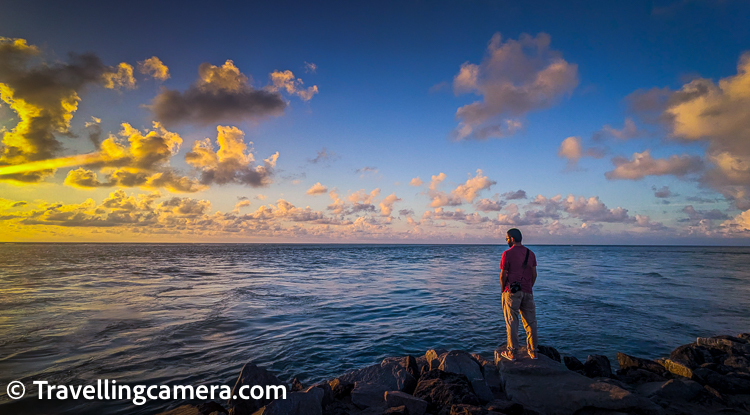
 But despite its eerie atmosphere, Dhanushkodi is also a place of great natural beauty. The beach here is stunning, with crystal clear water and soft white sand. It's the perfect place to relax and soak up the sun, or to take a refreshing dip in the sea. If you're lucky, you might even spot some dolphins swimming in the distance.

Exploring India Through Its Southern Landscapes: Where Nature, Heritage, and Traditions Flow Together

If North India introduces you to grandeur, South India teaches you patience.

The landscapes change gradually. Coconut palms replace pine forests. Temple bells mingle with the sound of waves. Rice paddies stretch endlessly, and life seems to move at a gentler pace.

South India is not simply about beaches or backwaters. It is about civilizations that flourished independently for thousands of years, developing unique architecture, classical music, literature, cuisines, and traditions that continue to thrive.

The deeper you travel, the more you realize that every state has a distinct personality.
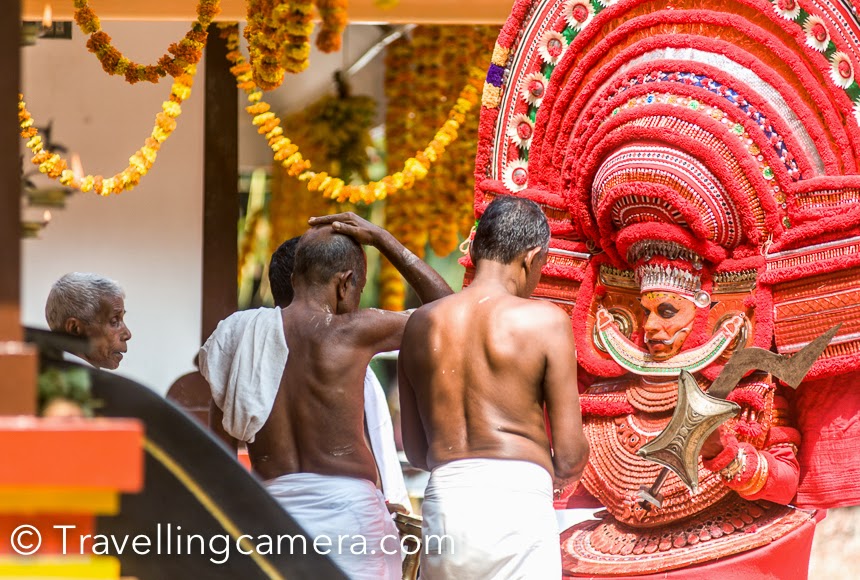

India is also referred to as 'God's Own Country'. Kerala is a coastal state in India and has rich traditions, culture and lush unspoiled tropical beauty with unmatchable landscapes. Kerala is popularly known for its landscapes, backwaters, food, elephants, Theyyam  & various types of spices. Kerala is perfect destination for folks visiting India and even for Indians who want to spend some time at peace & slow pace of life. Kerala has options for different types for tourists and travellers. This post lists some of the popular places to explore and things to do in Kerala state of India. Munnar  - Usually I hate to do comparisons of places because it's usually unfair, as every place is unique. But I would like to call out that Munnar is popularly known as Kashmir of South India. Munnar is one of the key destination in Kerala which attracts lot of domestic and foreigner tourists to Kerala. It's a beautiful hill station which has lush green tea estates apart from spice plantations.Some of the popular places to explore in Munnar  are Eravikulam National Park, Indo Swiss Dairy Farm, Chinnar Wild Life Sanctuary, Anamudi, Tata Tea Museum, Idukki Arch Dam.Thekkady  - Thekkady is one of the most important tourist destinations in Kerala state of South India.  Thekkady is located in the famous Periyar National Park. The Periyar National Park is home to a large number of Indian elephants, lion-tailed Macaques, Nilgiri Langurs, Indian bison and Bengal Tigers. Mullaperiyar Dam around the area on the Periyar River and formed an artificial lake for Periyar Wildlife Sanctuary.Kovalam Light house beach in Kovalam is must visit place. And I am sure that you must have seen some exceptional photographs of lighthouse beach. Just notice the lighthouse in above photograph and you would be able to recall other photographs from same place and beach. Kovalam is also known as beach town of Kerala. It is also known as the paradise of the south and beaches of KOvalam are considered some of the best beaches in India. Kovalam means a grove of coconut trees and true to its name the village offers an endless sight of coconut trees. Alleppey - Alappuzha is an important backwater tourist destination in Kerala. Alleppey is one of the most preferred place for tourists, which attracts several thousands of foreign tourists each year. If you have ever watched boat races, Alleppy is the place to host these events. Apart from boat races Alleppy is also popularly known for beaches, marine products and coir industry. Allapuza Backwaters is a must experience thing in Kerala.Some of the other interesting other places around Alleppy include Statue Of Karumadikuttan, Mannarasala Sri Nagaraja Temple and Revi Karuna Karan (RKK) Memorial Museum.Wayanad  - Wayanad is north Kerala and popular for it's tea & coffee plantations. Hilly region of Kerala which has plenty of natural things to explores. Lakes, Waterfalls, caves, tea estates, adventure activities, home stays, wildlife and lot more. Kalpetta, Pookot Lake , Edakkal Caves , Pakshipathalam, Lakkidi, Sulthan Bathery, Banasura Sagar , Wayanad Wildlife Sanctuary, Neelimala view point , Meenmutty falls and Curuva Island are some of the popular places to explore in Wayanad. On our blog, we have shared about some of the best home-stays in Wayanad and incredible experience of Bamboo village.  Check out more on the blog and I am sure that you would definitely plan for this region of Kerala.Vagamon hill station is located on Idukki - Kottayam border area. A best place to spend time during summers of Kerala. Vagamon is immensely beautiful with many points of tourist interest, which offer great landscapes. The meadows, forests and hills surrounded by fog/clouds make this place more interesting. ( Cochin ) / Ernakulam  - If you are taking flight to south Kerala, most likely you would be hitting Kochi first. Kochi  is located in Ernakulam district of Kerela, which was earlier known as Cochin. Kochi is also an important seaport in India. Ernakulam is popular for shopping options in Kerala. I haven't really done shopping in Kerala but this is well known fact about Ernakulam. Some of the popular places to explore around Cochin include Jewish Synagogue, Cherai Beach, Marine Drive, Santa Cruz Cathedral Basilica, Fort kochi & Chinese Fishing Nets, Mattancherry Palace, Kodanad Elephant Sanctuary, Ezhattumugham Nature Village and Athirappally Falls. Thiruvananthapuram - Poovar is a small village in the Southern tip of Trivendrum. Around Poovar beach you can explore mangroves, floating restaurants, varieties of birds and biodiversity. The beach is pristine with golden sand with no or less people. Solitude’s comfort, you see! Fisherman waiting to trap the fishes in their giant nets at one corner and eagles and crows waiting for the fishes to be their fodder. Nature, oh nature, vicious circle, it is Some of the interesting places to explore around Thiruvanantpuram are Priyadarshini Planetarium, Vizhinjam Rock Cut Temple, Kuthiramalika, Kanakakunnu Palace. A photograph of Coffee plants from Kerala state of India. some of the old temples. Some of the temples around Kannur celebrate Theyyam festival and lot of foreigner tourists visit Kannur for Theyyam. Thottada beach is one of the popular and isolated beach in Kannur. Riding around these beaches and backwaters can be interesting.Kumarakom Houseboats  Kumarakom is most popular tourist spot located near the Kottayam city and famous for its houseboats in backwaters of Vembanad Lake. Vembanad Lake is the largest freshwater lake of Kerala and longest lake in India. Kumarakom is a famous Bird Sanctuary and home to a wide variety of local and migratory birds.One of the most important recommendation is to try Kerala food when you are in Kerala, but be careful about the quantity you order. Usually lot of curries are served, so it's recommended to order the minimum portion from menu and then decide, if you need more.

Kerala: Life Moves with the Water

Kerala is often called God's Own Country, but its greatest attraction isn't a single destination—it's the rhythm of life itself.

The famous backwaters around Alleppey and Kumarakom certainly deserve their reputation, but Kerala reveals its true charm when you venture beyond the houseboats.

Wake before sunrise in a village along the canals.

Watch fishermen untangle their nets while kingfishers dart across still waters. Women paddle narrow canoes carrying vegetables to local markets. Church bells ring from one side of the lake while the call to prayer drifts across from another.

This peaceful coexistence defines Kerala as much as its landscapes.

Further north, Fort Kochi feels like an open-air museum where Portuguese, Dutch, British, Jewish, and Indian influences blend naturally. Walk through Jew Town, admire colonial warehouses transformed into cafés and art galleries, and pause beside the iconic Chinese Fishing Nets silhouetted against an orange sunset.

The road connecting Mandi to Parashar Lake is partly paved but becomes challenging as you approach the lake. The initial stretch from Mandi to Baggi village is generally smooth, though with some narrow and winding sections typical of mountain roads. After Baggi, the road turns rough, with stretches that are rocky, uneven, and can be especially difficult in bad weather. It’s best suited for 4WD vehicles, and for those unfamiliar with mountain driving, hiring a local driver or trekking from Baggi is recommended.

Hidden Experience

Instead of booking only a houseboat, spend a night in a homestay within the backwaters. Conversations with local families often become the highlight of the journey. You learn how monsoons affect daily life, how coconut trees provide everything from food to roofing materials, and why many children still travel to school by boat.


Tamil Nadu: The Land Where Temples Are Living Cities Tamil Nadu doesn't merely preserve history—it lives it every single day.  The towering gopurams of Madurai, Thanjavur, Srirangam, and Chidambaram aren't abandoned monuments.

Tamil Nadu: The Land Where Temples Are Living Cities

Tamil Nadu doesn't merely preserve history—it lives it every single day.

The towering gopurams of Madurai, Thanjavur, Srirangam, and Chidambaram aren't abandoned monuments.

Inside Auroville, one can walk up to the Matrimandir (the golden domed temple), but unless you are an Aurovillian or an approved guest, you cannot go in. In order to get initiated you need to write to Auroville and need to be willing to explore spiritual research. It seemed like a great place to experience and is an experimental township run by Aurovillians who have come and made it their home. We found this place interesting and will definitely explore it more closely sometime in future.

They remain vibrant centers of worship, music, dance, and community life.

Walking through Meenakshi Temple before sunrise is unlike visiting any museum. Priests chant ancient Sanskrit verses while flower vendors arrange jasmine garlands. Pilgrims quietly circle shrines that have welcomed devotees for centuries.

Photography inside many temples is prohibited, but the surrounding streets offer remarkable opportunities.

Morning markets filled with colorful flowers, brass lamps, spices, fruits, and smiling vendors create authentic visual stories.

After Belum Caves, we headed to Gandikota. And for that we had to drive through the interiors of Andhra. The roads here could have been better and the traffic less noisy. But the destination took our breath away. Not only is Gandikota Fort an understated, yet worthy destination, the Gandikota Canyon is really grand too. We got a little drenched because of the constant drizzle, but it was completely worth it.

Rare Historical Perspective

The Brihadeeswarar Temple in Thanjavur, completed over a thousand years ago during the Chola dynasty, features a granite dome weighing approximately 80 tonnes. Historians still debate the exact engineering techniques used to lift it to the top without modern machinery.


India is also referred to as 'God's Own Country'. Kerala is a coastal state in India and has rich traditions, culture and lush unspoiled tropical beauty with unmatchable landscapes. Kerala is popularly known for its landscapes, backwaters, food, elephants, Theyyam  & various types of spices. Kerala is perfect destination for folks visiting India and even for Indians who want to spend some time at peace & slow pace of life. Kerala has options for different types for tourists and travellers. This post lists some of the popular places to explore and things to do in Kerala state of India. Munnar  - Usually I hate to do comparisons of places because it's usually unfair, as every place is unique. But I would like to call out that Munnar is popularly known as Kashmir of South India. Munnar is one of the key destination in Kerala which attracts lot of domestic and foreigner tourists to Kerala. It's a beautiful hill station which has lush green tea estates apart from spice plantations.Some of the popular places to explore in Munnar  are Eravikulam National Park, Indo Swiss Dairy Farm, Chinnar Wild Life Sanctuary, Anamudi, Tata Tea Museum, Idukki Arch Dam.Thekkady  - Thekkady is one of the most important tourist destinations in Kerala state of South India.  Thekkady is located in the famous Periyar National Park. The Periyar National Park is home to a large number of Indian elephants, lion-tailed Macaques, Nilgiri Langurs, Indian bison and Bengal Tigers. Mullaperiyar Dam around the area on the Periyar River and formed an artificial lake for Periyar Wildlife Sanctuary.Kovalam Light house beach in Kovalam is must visit place. And I am sure that you must have seen some exceptional photographs of lighthouse beach. Just notice the lighthouse in above photograph and you would be able to recall other photographs from same place and beach. Kovalam is also known as beach town of Kerala. It is also known as the paradise of the south and beaches of KOvalam are considered some of the best beaches in India. Kovalam means a grove of coconut trees and true to its name the village offers an endless sight of coconut trees. Alleppey - Alappuzha is an important backwater tourist destination in Kerala. Alleppey is one of the most preferred place for tourists, which attracts several thousands of foreign tourists each year. If you have ever watched boat races, Alleppy is the place to host these events. Apart from boat races Alleppy is also popularly known for beaches, marine products and coir industry. Allapuza Backwaters is a must experience thing in Kerala.Some of the other interesting other places around Alleppy include Statue Of Karumadikuttan, Mannarasala Sri Nagaraja Temple and Revi Karuna Karan (RKK) Memorial Museum.Wayanad  - Wayanad is north Kerala and popular for it's tea & coffee plantations. Hilly region of Kerala which has plenty of natural things to explores. Lakes, Waterfalls, caves, tea estates, adventure activities, home stays, wildlife and lot more. Kalpetta, Pookot Lake , Edakkal Caves , Pakshipathalam, Lakkidi, Sulthan Bathery, Banasura Sagar , Wayanad Wildlife Sanctuary, Neelimala view point , Meenmutty falls and Curuva Island are some of the popular places to explore in Wayanad. On our blog, we have shared about some of the best home-stays in Wayanad and incredible experience of Bamboo village.  Check out more on the blog and I am sure that you would definitely plan for this region of Kerala.Vagamon hill station is located on Idukki - Kottayam border area. A best place to spend time during summers of Kerala. Vagamon is immensely beautiful with many points of tourist interest, which offer great landscapes. The meadows, forests and hills surrounded by fog/clouds make this place more interesting. ( Cochin ) / Ernakulam  - If you are taking flight to south Kerala, most likely you would be hitting Kochi first. Kochi  is located in Ernakulam district of Kerela, which was earlier known as Cochin. Kochi is also an important seaport in India. Ernakulam is popular for shopping options in Kerala. I haven't really done shopping in Kerala but this is well known fact about Ernakulam. Some of the popular places to explore around Cochin include Jewish Synagogue, Cherai Beach, Marine Drive, Santa Cruz Cathedral Basilica, Fort kochi & Chinese Fishing Nets, Mattancherry Palace, Kodanad Elephant Sanctuary, Ezhattumugham Nature Village and Athirappally Falls. Thiruvananthapuram - Poovar is a small village in the Southern tip of Trivendrum. Around Poovar beach you can explore mangroves, floating restaurants, varieties of birds and biodiversity. The beach is pristine with golden sand with no or less people. Solitude’s comfort, you see! Fisherman waiting to trap the fishes in their giant nets at one corner and eagles and crows waiting for the fishes to be their fodder. Nature, oh nature, vicious circle, it is Some of the interesting places to explore around Thiruvanantpuram are Priyadarshini Planetarium, Vizhinjam Rock Cut Temple, Kuthiramalika, Kanakakunnu Palace. A photograph of Coffee plants from Kerala state of India. some of the old temples. Some of the temples around Kannur celebrate Theyyam festival and lot of foreigner tourists visit Kannur for Theyyam. Thottada beach is one of the popular and isolated beach in Kannur. Riding around these beaches and backwaters can be interesting.Kumarakom Houseboats  Kumarakom is most popular tourist spot located near the Kottayam city and famous for its houseboats in backwaters of Vembanad Lake. Vembanad Lake is the largest freshwater lake of Kerala and longest lake in India. Kumarakom is a famous Bird Sanctuary and home to a wide variety of local and migratory birds.One of the most important recommendation is to try Kerala food when you are in Kerala, but be careful about the quantity you order. Usually lot of curries are served, so it's recommended to order the minimum portion from menu and then decide, if you need more.

Karnataka: Where Ancient Empires Meet Coffee Hills

Many travellers associate Karnataka with Bengaluru, yet the state's diversity is astonishing.

Tips for Wildlife Safaris  Keep Expectations Flexible: Nature is unpredictable, and every safari offers unique experiences.  Appreciate All Life: From the smallest bird to the majestic deer, every sighting is valuable.  Be Patient and Observant: Often, the quieter moments reveal the most fascinating aspects of nature.

One week can include:

  • Exploring the magnificent ruins of Hampi
  • Trekking through the Western Ghats
  • Visiting coffee estates in Coorg
  • Watching elephants in Nagarhole
  • Wandering heritage streets in Mysuru

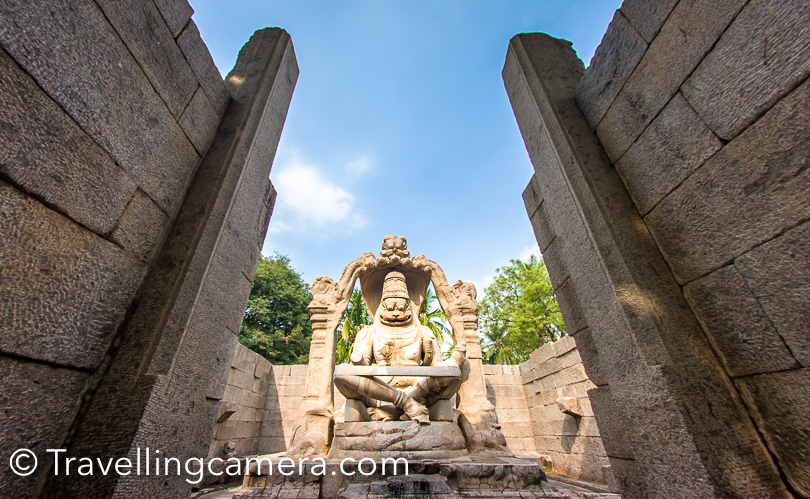
Statue of Ugra Narasimha : This structure is located a little away from other monuments in Hampi. Narsimha statue & Shivlinga temple are located nearby.  Timings of Narsimha temple in Hampi : 5am to 9pm  Entry Ticket Fees for Narsimha temple in Hampi: Nil Camera Charges for Narsimha temple in Hampi: Nil

Hampi: An Open-Air History Book

Few places inspire photographers like Hampi.

Gigantic granite boulders appear randomly scattered across the landscape, creating surreal compositions that change dramatically throughout the day.

Sunrise from Matanga Hill paints the ruins in warm golden tones.

By sunset, long shadows stretch across ancient temples, reminding visitors that this was once one of the world's richest cities.
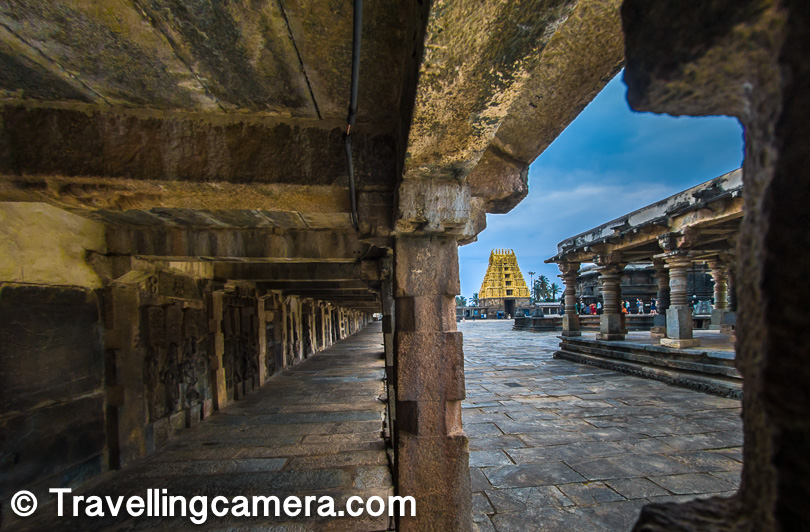
Many times when tourists search best or top Indian States to explore, Karnataka doesn't come or comes at the bottom of these lists. And even in those lists, not much in Karnataka is highlighted. Hampi takes out all the spotlights in Karnataka and then places like Mysore. But when I spent a week in the Karnataka state on a fast paced tour, I realized that there is a lot to explore in Karnataka state of India and I need to visit the state few times to know it better. During one of my visits to the state, I spent some time around Belur and in this post we are trying to share some relevant details around how to reach Belur, how to do local commute, where to stay and what all can be explored w.r.t. time available.

Many tourists focus only on Virupaksha Temple and Vittala Temple.

Instead, rent a bicycle or scooter.

There are very few genres of photography that test a photographer's reflexes, patience, and creativity as intensely as Motorsports Photography. Unlike landscapes that patiently wait for the perfect light or architecture that remains perfectly still, motorsports presents a constantly changing canvas. Every passing second creates a completely different frame. One missed moment is gone forever.

Spend time exploring forgotten reservoirs, village roads, abandoned gateways, and quiet banana plantations surrounding the UNESCO World Heritage Site.

The beauty of Hampi lies between the monuments as much as within them.
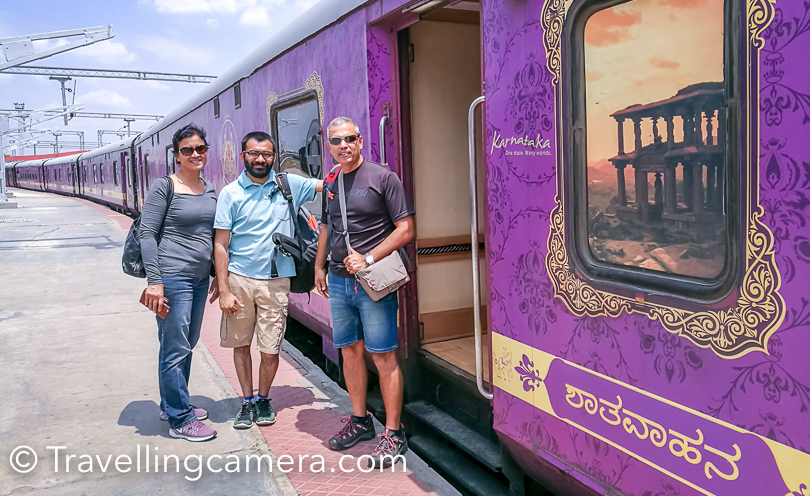
After a wonderful day on Golden Chariot, we woke up when the train was parked at Mysore Railway Station. Last night, the train took only a few hours to reach Mysore from Bangalore and was parked in a secluded area, away from the noise of the railway station. Most of the folks had had a sound sleep as the train was stationary, although I missed the experience of sleeping in the train while it’s moving :).

Golden Chariot Train of India


Exploring Eastern India: Culture, Rivers, and Quiet Surprises

Eastern India often remains underrepresented in international itineraries.

Ironically, this makes it one of the most rewarding regions to explore.


West Bengal is a state in eastern India that is known for its rich cultural heritage, beautiful landscapes, and vibrant festivals. One of the most important festivals celebrated in West Bengal is Durga Puja, which is a grand celebration of the victory of goddess Durga over the demon Mahishasura. Durga Puja is celebrated with great enthusiasm and fervor across the state, but the celebrations in Kolkata, the capital city of West Bengal, are particularly special.

West Bengal: Conversations Over Tea

Kolkata isn't a city that reveals itself quickly.

Festival season has started in India. Navratris, Durga Puja, Dussehra, Diwali and all of these in the month of October. These days everyone is enjoying Durga Puja by visiting various pandals in the vicinity.     The other day we were discussing about Durga Puja on lunch table. And scale of this festival amazes most of us. It's prominently celebrated in West Bengal but now it's celebrated in almost every city and not limited to Bengali families. There is a huge area called Kumartuli in Kolkata where Durga Puja idols are made and exported to various countries in the world. Lot artists from Kumartuli and other areas move to various cities of India to help creating some beautiful Durga idols. Soil used to make these idols has to come from Kumartuli. So soil from Kumartuli is mixed in all idols made across the world. Isn't that amazing.     There are many such regional festivals in India which are celebrated at community level but I have seen Durga Puja as one of the most popular so far. In Kolkata, almost every street has it's own Pandal and celebration. And in cities like Delhi, non-Bengali people also love visiting these Pandal and celebrate Durga Puja. There are plenty of options to eat in these pandals and that's one of the best part of Durga Puja.     Ganesh Chaturthi is another community festival which is extremely popular in Maharashtra but I have not seen much influence in north. People has started celebrating it in cities like Delhi, but still it's not happening at community level like Durga Puja.     The preparations of Durga Puja celebrations start very early. Kumartuli artists start working on idol from the month of March, even when it's celebrated in the month of October. Lot of these artists start getting orders for next year just after the Durga Puja. To fulfil high demand of these idols in international market, Artists have to start quite early. They also need to consider the time for shipping these idols to different countries. It seems there are agencies, which take care of these logistics. And apart from Durga, various other idols are also made.     There are various kinds of demands in market w.r.t. design, color combination, size etc. In fact, in Kolkata prizes are given on the basis of size, best decorated pandal, most eco-friendly Pandals etc. I know a little about this festival and to really experience what happens during Durga Puja, you need to visit one of these pandals near you. And if you can visit Kolkata during Durga Puja, nothing like it.     During evenings, lot of entertainment programs are organised at these pandals. You would be surprised to see some of the bollywood artists performing in these pandals. Certainly it generates lot of business for bollywood stars, especially for folks who belong to West Bengal. Most of the popular bengali singers can be heard live in these Pnadals.     I never miss a chance to do Pandal hopping in Noida and have seen Bollywood singers performing at Sector-26 pandal, which is one of the most popular pandals in Noida. These days, pandals can be found in almost every sector or even bigger societies.     I would like to hear from you about your favorite community festival celebrated in India and please do let us know if you think there is other community festival which is bigger than Durga Puja.

Its magic lies in details.

College Street's endless bookstores.

Kolkata has lot of beautiful buildings from british era and Victoria memorial is one of the most beautiful & popular place in the city. During our trip to Kolkata, we visited Victorial memorial twice - once in the morning and once in the evening, when whole building was well lit. This post shares about Victoria Memorial, it's lush green gardens and some of the interesting facts about this beautiful building & other places around.The Victoria Memorial is a huge marble building in Kolkata  (Calcutta) city of West Bengal, India. Victoria Memorialis dedicated to the memory of Queen Victoria  and is now a museum and tourist destination and taken care of by Ministry of Culture. The Memorial is surrounded by grounds around Hooghly river  near Jawaharlal Nehru road.There are multiple gates for Victoria Memorial and the Memorial building is surrounding some water bodies & lush green lawns. We entered into the Victoria Memorial campus through main which is just front of the memorial.We turned towards left just after entering into the Victoria Memorial campus. There is a beautiful water body on the left side of the memorial, which offers great views of Victoria Memorial in water reflection.Different types of birds can be seen around lush green gardens of Victoria Memorial in Kolkata, but Cormorants were in abundance. Most of them were sitting around the edge of water body and it seems that campus has good amount of fish as well.The day we visited Victoria Memorial was being celebrated as National Tourism Day and entry to all monuments was free. Otherwise entry ticket for Victoria Memorial costs 10 rs and ticket for museum is extra,which is priced at 20 rs.Lot of folks come to Victoria Memorial for morning walk or jogging. There are monthly/yearly passes available for folks which cost 100 rs for month and 1000 rs for an year.Victoria Memorial opens at 10am in morning and closes at 5pm. Ticket counter closes at 5pm.  There are lot of maulshree trees around Victoria Memorial, which make the whole environment fragrant. Especially the other side of water body, which is full of trees and plants.These lions sitting on the entry makes the places grander.

The smell of freshly baked bread from century-old bakeries.

Yellow Ambassador taxis.

What's the deal with Trams of Kolkata and why this is one of the top recommended experiences in West Bengal?

Trams slowly crossing colonial avenues.

When we were in Kolkata Sohail from 'The Beacon' took us on Night tour of the city and ourfirst stop was Kolkata's famous Doodh-Fanta. The name is not thatexciting but both  Vibha and I were excited to try new thing in thecity. This post shares more about Doodh(Milk)-Fanta of Kolkata.From Bikers Cafe,we drove to Balwant Singh Dhaba, Bhawanipur. It was around 10:30pm andthere was huge queue of cars outside the dhaba. There were lot of folkson the road who were taking order. While sitting in the car, we alsoordered a Doodh-Fanta. After few minutes, we were given a jug of Doodh-Fanta and few bhats (earthen cups). Sohail served us the drink in Kulhad(bhat) . After first sip, I realized that it is very different than what I imagined. A cold mild with a very different flavor and in orange color. Definitely Fanta was not the prominent flavor, which I liked. Milk has subtle fruity taste with very nice flavor. It seems, no one knowns the recipe. I would say that drink was not very impressive. It's not like I would crave for it, but it's not bad at all. A nice drink and probably you would fall in love if you drink it more often. It takes time to develop taste for any drink. After having 3 cups of Doodh-Fanta, we went out to check the place and they were also selling tea. There were lot of people around the counter to get token for tea. I loved the environment around this street - lot of cars parked and people enjoying Doodh-Fanta and services in car. Few discussions about Doodh-Fanta on Facebook - Later on Sohail told us about 7 such places in Kolkata where you get a very different experience of food/drinks. Check out their link to know more about '7 places in Kolkata where you will find the quirkiest foods'.

Evening discussions inside roadside tea stalls.

Photography here isn't about monuments.

It's about people.

Spend time near Kumartuli, where artisans handcraft thousands of Durga idols each year.

Watching sculptors gradually transform clay into expressive faces offers one of India's most fascinating visual experiences.

Crowd Tip

Visit Kumartuli several months before Durga Puja.

You'll witness artisans at work without overwhelming crowds.


Tucked away in the lush landscapes of Bhubaneshwar, the capital city of Odisha, lies a temple that whispers secrets of ancient mysticism and feminine power. The Chausath Yogini Temple stands as a mesmerizing testament to a bygone era, where the divine feminine was revered, and the esoteric arts held sway. Join us as we step into the enigmatic world of the Chausath Yogini Temple, a realm where spirituality, history, and artistry intertwine.

Odisha: India's Best-Kept Heritage Secret

Odisha quietly protects some of India's greatest architectural masterpieces.

Nestled on the picturesque eastern coast of India, the town of Konark boasts a cultural jewel - the Sun Temple, a UNESCO World Heritage site that attracts visitors from across the globe. However, a perplexing question echoes through the town's narrow lanes and serene beaches: why hasn't Konark witnessed the same level of development that its revered temple suggests? In this exploration, we delve into the factors that contribute to Konark's developmental conundrum.

Konark's Sun Temple continues to amaze historians with its astronomical alignments and intricate stone carvings.

Here is another artist from Raghurajpur village who is also national awardee. I had captured his name in my notes and misplaced somewhere. I I will try to find and add more about it.

Nearby villages still practice ancient crafts including:

Nestled along the shimmering Bay of Bengal in the vibrant coastal town of Puri, the Golden Beach stands as a picturesque haven of tranquility and natural beauty. With its golden sands, azure waters, and breathtaking sunsets, this idyllic stretch of coastline offers a mesmerizing retreat for beach enthusiasts, nature lovers, and wanderers seeking solace amidst the rhythmic lull of the waves and the warm embrace of the sun. Join us on a virtual journey to the Golden Beach, where the elements of nature converge to create an enchanting tapestry of serenity and bliss.

While many visitors rush through Bhubaneswar and Puri, spending extra time in artisan villages reveals another side of Odisha rarely included in guidebooks.


I never saw a person throwing garbage on the road and almost every place has dustbins. Many of the taxi drivers keep plastic-bins to keep the waste. Every village is equipped with dustbins which are most of the times made up of waste. This level of awareness and proactive planning is very much required to encourage tourism in right way. Involving local communities always help in maintaining places well and they start seeing huge value in ensuring that places remain clean and well maintained. Most of the folks we encountered were very humble and cheerful.

Sikkim: Mountains with Gentle Souls

Although geographically small, Sikkim feels immense.

River Teesta is the main river that flows through Sikkim. It is a beautiful and grand river that keeps you company during most of your travel from Bagdogra to Gangtok. However, there are smaller rivers that are as beautiful (if not more) and easily accessible. River Rimbi is one such river. We came across it when we were on our way from Pelling to Yuksom. We were able to approach the banks through the River Orange Garden. The time we spent here was one of the most memorable of this entire trip.

Prayer flags flutter across mountain passes.

Monasteries overlook deep valleys.

A wonderful place for adventurous campers: Sarahan, Kullu : Vandana Bhagra, Shimla : Hidden among the snow covered hills of Shrikhand Mountian Ranges, which are known for their mythological significance and is said to be one of the adobe of Lord Shiva, this unknown village beckon those with an adventurous spirit as its beautiful landscape and lush green valley will take your breath away. Many of you may get confused with Sarahan in Shimla district with its beautiful Bhimakali Temple but those you know and have been to Kullu will know this Sarahan better at 3200 metres height, and that too if they have had the zeal to walk all the way to picture its magnificent beauty.If you start your journey from Shimla then head towards Narkanda about 63 kms and then towards Nirmand which is another 28 kms approximately, with panoramic views of the Satluj Valley. From there you reach Bhagi Pul and then an uphill narrow road covering a distance of about 12 kms leads to this small village nestled among the mountains in all is pristine. Those who wish to travel by bus should be prepared for a long journey as it is nearly 176 kms from Shimla and can take up to 10 hours to reach, but of course with few stops and immense beauty to admire. Those planning to come from Beas side should be aware that there is no motorable road and would have to cross on foot from the Bishloi Pass.The HPPWD rest house situated outside the village offers decent accommodation which needs to be booked in advance but for the more adventurous laying out their tents (which of course you need to carry) in the open meadows can always be an option. With permission from the Government School nearby you can set your camp under the starry sky. The huge ground in the centre of the village is surrounded by fields, flora and fauna, water streams, waterfalls with amazing views of the snow covered hills nearby.  With so much natural beauty around it becomes quite hard to concentrate on anything and then there were these kids studying in their open air classrooms.Those rring to go can begin their trek from Kullu Sarahan to Bashleo Pass through the dense forests and green meadows to experience this place and its serenity. A one day trek to the nearest snow covered peak is an enjoyable experience as one would come across innumerable waterfalls, small stream and unexplainable natural beauty. The freshness and the virginity of the place suddenly hits you taking you thousands and thousands of miles away from your hustle bustle city life.  Other trekking options include heading towards the Jaon village to begin the Shrikhand trek through various hills, forests and streams. Village folk are often seen walking all the distance to Bangar and making it back by dinner time.The most typical feature about this village is its beautiful temple dedicated to sage Shring and gives a feeling of being a step closer to god and reaching for the sky. The use of vibrant colours, intricate artwork and unique architectural style will capture your imagination. The snow covered hills behind the templegives it a perfect backdrop of picture perfect beauty. The recently concluded two day Jhiru mela held during sangrand in April celebrates the beginning of the New Year which witnesses the village folk in their traditional dresses, dancing and singing to folk songs and wishing for prosperity.In case you plan a trip to Kullu and its better known destination do not forget to enquire about this small little village as it will equally charm you as would the other destinations.Photo credits: VJ Sharma

Snow peaks emerge between drifting clouds.

Waterfalls in another story altogether. Most waterfalls in Sikkim, at least the ones we came across, are highly commercialized. People have come up with ingenious ways to monetize the waterfalls. At Khangchendzonga Falls, we saw an entire family of locals (mother, father, possible grandmother, daughter, son, grandson) standing near the pool, offering their hand to the tourists to navigate the rocks and charging money for it. And these really weren't difficult rocks to navigate. What surprised us further was that the Tourists were gladly availing this service and paying money for it. We aren't judging anyone. As long as it made everyone happy, there was nothing wrong with it. We visited several waterfalls during this vacation, and the waterfall that we liked the best was a comparatively smaller one with just one Kiosk at a distance selling snacks. This was the Rimbi waterfall, and another place that we want to keep safe in our memory and literally too.

Unlike crowded Himalayan destinations, many villages here maintain remarkable tranquility.

Early mornings often produce crystal-clear mountain views before clouds roll in.

Photographers should always keep a telephoto lens ready.

The rapidly changing weather creates extraordinary opportunities for layered landscape compositions.


Activities to Enjoy in Sissu During Autumn  Nature Walks: The vibrant trails around the village and along the riverbank are perfect for leisurely walks, allowing you to soak in the beauty of autumn.


Exploring Northeast India: India's Most Underrated Region

Ask seasoned travellers about India's hidden treasures, and many will quietly mention the Northeast.

Connected to the rest of the country by the narrow Siliguri Corridor, these eight states remain refreshingly different from mainstream tourist circuits.

Distinct languages.

Distinct cuisines.

Distinct architecture.

Distinct identities.


Let's talk about some of the main places to explore in and around Cherrapunji ni Meghalaya state of India.     Nohsngithiang (Seven Sisters) Falls :    Above photograph shows Seven Sisters falls which is also called Nohsngithiang Falls and this photograph is clicked during the month of November. Supposedly these falls look even awesome during monsoons when rains are pouring continuously and there is more water in these falls.

Meghalaya: Living Bridges and Living Traditions

The famous Living Root Bridges aren't constructed.

They are grown.

Above photograph shows living root bridge of Mawlynnong village of Meghalaya state in India. Mawlynnong village is also considered as one of the cleaner villagers in the country although I could not appreciate that aspect given I have seen even more beautiful villages in Sikkim but I am sure I must be missing someone on this front and probably I don't understand the criterion well. Certainly the village was not dirty given it's a popular touristy place and there are lot of shops all around. There are lot of shops around the path you take from parking area to the place where Living root bridge is located. There is a ticket of 20 rupees per person to go beyond a point and this is managed by village community group.

Over decades, local Khasi communities guide the roots of rubber trees across rivers until they become natural bridges capable of supporting entire villages.

Some bridges are believed to be several centuries old.

Unlike concrete structures, these become stronger with age.

Visiting after rainfall transforms the forests into lush green wonderlands.

However, trails become slippery, making sturdy footwear essential.


Nestled in the picturesque Lahaul Valley, Gondhla Fort is a captivating blend of history, architecture, and natural beauty. Located in the quaint village of Gondhla, about 18 km from Keylong on the Manali-Leh highway, this fort is a testament to the region’s rich heritage and strategic importance in ancient times. Built in the 17th century, the fort was the residence of the Thakur (chief) of Gondhla, showcasing Himachali craftsmanship and traditional architecture.

Arunachal Pradesh: Where India Greets the First Sunrise

India's easternmost villages receive sunlight well before much of the country wakes.

Monasteries overlook dramatic mountain valleys.

Roads wind through forests untouched by mass tourism.

Ancient tribal cultures continue preserving traditions that have largely disappeared elsewhere.

Because visitor numbers remain relatively low, interactions with local communities often feel more genuine and unhurried.


The monastery itself was quite beautiful. It was brightly colored and had an interesting statue of Maitreya Buddha. There is also a Tara temple with interesting forms of Tara. We explored this and then started back down to meet Norbu. It was just 10am and we were done with 2 out of 4 stops we had planned for.

Nagaland: Festivals Beyond Imagination

The Hornbill Festival has become internationally famous, but travelling beyond festival dates offers deeper cultural experiences.

Traditional villages reveal fascinating wood carvings, community architecture, and agricultural practices adapted to mountainous terrain.

Visitors who approach respectfully often discover remarkable hospitality.


Cultural Artifacts: The museum highlights the cultural heritage of Turtuk, with exhibits showcasing traditional Balti music instruments, religious texts, and artwork. These pieces reflect the unique blend of Tibetan, Central Asian, and Indian influences that characterize the culture of Baltistan.

Hidden Gems That Reward Curious Travellers

One of the greatest joys of Exploring India is discovering places that rarely appear on social media.

So if you can start your day early, you should start with visiting Raneh Falls, the canyon around Ken river with 5 coloured rocks and nature walks/drive. Why do I say that when we are talking about Khajuraho which is popular for it’s temples? Short answer is that you can explore Khajuraho temples in second half of the day and if you go to Raneh fall in the second half you lose the opportunity to find colourful birds & more wilflide. Going to Raneh Falls in early morning increases your chances of finding birds in the forest.  What to expect at Raneh Fall, road condition and expenses involved? You need to drive for 20 kms to reach entry of Rahen fall, which takes 40 mins as this road is narrow but well built.  When you reach entry gate, you will be charges 300 Rs for 4 wheeler. Charges are different for different vehicles. If you are not driving, you can take auto-rickshaw and entry charges for that are 200 Rs. Since it’s huge area to explore, you need to take vehicle inside to enjoy it well. That’s not even optional.  You will also be charged 125 Rs for mandatory guide.  Then you drive into the forest and reach a spot where you hand over the guide slip and a guide tag along with you. This person takes you to different places inside the forest to show Ken River, Wildlife, Trees, Birds, Colourful Canyon and finally the waterfall. It’s a lovely forest where you will also see spotted deers, sambhars, birds etc.  You can also take a nature walk trails if time permits, but recommended is to go to all places guide shows here. It may take 2 hours to explore all these things at Rahen.

Majuli, Assam

The world's largest inhabited river island.

Ancient Vaishnavite monasteries.

Mask-making traditions.

Cycling through peaceful villages.

Misty mornings along the Brahmaputra.


Chettinad, Tamil Nadu

Magnificent mansions built by wealthy trading families.

Extraordinary architecture combining European influences with Tamil craftsmanship.

Authentic Chettinad cuisine beyond restaurant versions.


Nestled in the remote Nubra Valley, Turtuk is one of India's northernmost villages, lying close to the Line of Control (LoC) with Pakistan. This picturesque village, with its stunning landscapes and rich cultural heritage, has only been open to tourists since 2010, making it a relatively unexplored destination. Turtuk is a blend of Balti culture, breathtaking views, and a sense of tranquility that is hard to find in more popular tourist spots. For those seeking an offbeat adventure in Ladakh, Turtuk offers an experience like no other.

Ziro Valley, Arunachal Pradesh

Rolling green landscapes.

Apatani tribal villages.

Sustainable farming techniques.

Music festivals.

Wonderful opportunities for portrait photography.


Now that we have addressed the elephant in the room, let's talk a bit about Khajuraho itself as well as its history. As you would also gain from the sound and light show, the city, when it was discovered had a dense population of date trees or Khajoors. And that led to it being called Khajuraho. The first actual reference in historical text was in the written accounts of the Iranian Scholar  Abu Rayhan Muhammad ibn Ahmad al-BiruniAbu Rihan, as he described the region while accompanying Mahmud of Ghazni in his campaign against Kalinjar. The next mention is by Ibn Batuta, who visited this place in 1335 AD, during rule of Mohammad Bin Tuglaq.

Mandu, Madhya Pradesh

Often overshadowed by Khajuraho.

Magnificent Afghan architecture.

Romantic legends.

Monsoon clouds drifting through ancient palaces.

Exceptional drone-like viewpoints without needing a drone.


There are festivals… and then there are living traditions that feel like myths unfolding in real time. The week-long celebration of Mandi Shivratri in Mandi is one such phenomenon—where devotion, folklore, and Himalayan culture merge into a spectacle that is both spiritually overwhelming and visually unforgettable.

Chitkul, Himachal Pradesh

The last inhabited Indian village before Tibet.

Traditional wooden homes.

Crystal-clear Baspa River.

Excellent astrophotography opportunities due to minimal light pollution.


On our recent visit to Rishikesh, we indulged in a traditional Garhwali Thali, a culinary delight that offered a taste of the region’s rich culture and simplicity. The thali, a harmonious combination of earthy flavors and wholesome ingredients, showcased the essence of Garhwali cuisine.

Exploring India Through Food

Indian cuisine cannot be described using a single menu.

4. When you are done with desired click, it's time to do editing. And now you can do things like adjusting colours, blurring some of the non-food parts of the frame to have depth & more focus on Food Dish.

Every state reinvents familiar ingredients.

Even the same dish often tastes entirely different depending on where it's prepared.

Breakfast alone illustrates this diversity.

In the heart of Himachal Pradesh lies a culinary treasure waiting to be discovered – the famous Luchi of Mandi Town. Amidst the majestic mountains and lush greenery, Mandi offers not only breathtaking landscapes but also a rich gastronomic heritage. Among its culinary delights, Luchi holds a special place, drawing food enthusiasts and travelers alike to savor its delectable taste. Let's embark on a flavorful journey to explore the charm of Luchi served in various shops across Mandi Town.

You might begin one morning with:

  • Idli and filter coffee in Chennai
  • Poha in Indore 
  • Chole Bhature in Delhi
  • Luchi with Aloo Dum in Kolkata
  • Misal Pav in Pune
  • Appam with stew in Kochi

Lunch introduces another world.

There are cities that are remembered by their monuments. Some linger in memory because of the food served on old wooden tables overlooking quiet streets. And then there is Kochi, a city where even the changing seasons seem to have their own fragrance.

Dinner another.

Street food another.

Festival food yet another.

The diversity is endless.
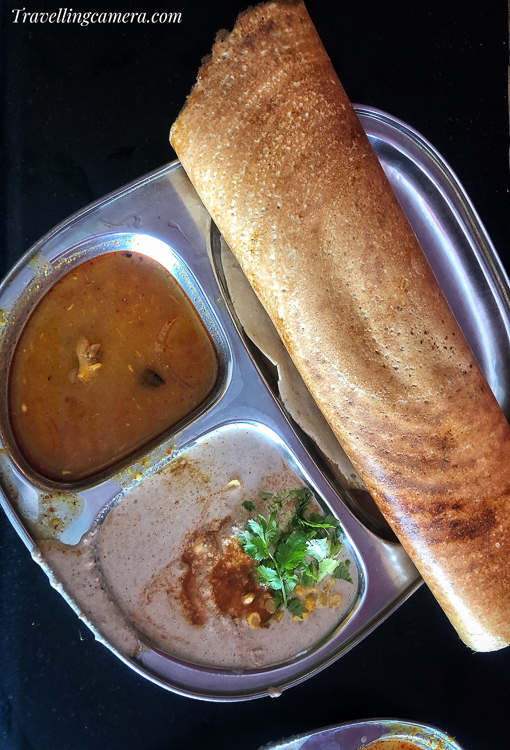
If you're looking for an authentic South Indian breakfast experience, look no further than Reddy Tifin Centre in Medak. This popular food joint has been serving up delicious breakfast dishes to locals and tourists alike for years, and it's not hard to see why.

Practical Advice

Instead of eating only at highly rated restaurants, occasionally visit busy local establishments where families gather.

High customer turnover often means fresher food and more authentic flavours.

The Ultimate Food Guide to Delhi: Every Cuisine, Every Budget, Every Food Story

Observe hygiene, choose freshly prepared dishes, and don't hesitate to ask locals for recommendations.

Some of the best meals you'll ever have in India won't appear on travel websites.


Peer Ki Gali is an amazing place on old Mughal road in Jammu & Kashmir State of India. This place is the highest passes on Srinagar Rajouri historic Mughal Road at 11300 Feets... Let's check out this Photo Journey to know more about this place with appropriate photographs...Various water streams can seen flowing through snow covered peaks of Peer-Ki-Gali hills. Cool freeze, freshening environment and roaming clouds all over makes this place wonderful. After talking to various folks at Peer ki Gali, we got to know that almost every day it rains on these hills. We spent two days around it and we also experienced rain showers both the days...Here is a photograph of a shopkeeper inside his small shop made up of stones. He had almost everything that is usually required for routine life in hills. These families come to these high hills with their cattle, as this place has got more than enough grazing land which becomes a problem during a particular time of the year. Ziarat of Peer Baba on hill top has gained its popularity. Almost every vehicle passing by Peer-ki-Gali stops here to enjoy the panaromic view as well as to take blessings of Peer Baba. Green layer on Peer-Ki-Gali hills looks amazing and it's a huge range of hills with green meadows...Shepherd sitting in these green hills around Peer ki Gali... Almost every alternate hill was full of sheeps and horses... This trend was only noticed around Peer-Ki-Gali on Mughal Road...In past this place have been of great interest for trekkers and now easily accessible for others as well. Tourism is picking up in this region of Jammu and Kashmir now. This will not only boost the economy of the state but also open new aspects to the residents.CRPF folks can seen here and there around these hills to make every person safe on these hills around Peer ki Gali. Really these folks are working really well to give confidence to common people to enjoy the beauty around Mughal Road.Sheeps all around in green hills of Peer Ki Gali, Kashmir, India.All these water streams make the whole environment more beautiful. All these streams have chilling water of melted snow of hill-tops. Dark clouds covering blue sky with lush green hills having multiple white-water streams - this whole combination makes Peer-Ki-Gali a unique place.Local folks on this stretch can organize various trekking trips with all arrangements for lodging in tents or some othe wooden houses, which can good source of income going forward.Jammu and Kashmir state of India is known as heaven on earth. In the seventeenth century the Mughal emperor Jahangir set his eyes on the valley of Kashmir and Peer-Ki-Gali is one of the place they used to stay. There is an old Mughal Residence in deep valley. Mughals said that if paradise is anywhere on the earth, it is here, while living in a houseboat on the mesmerizing Dal Lake.  In Jammu and Kashmir the most important tourist places are Kashmir, Srinagar, the Mughal Gardens, Gulmarg, Pahalgam, Jammu, and Ladakh...It will take a long more time to further develop the area but nobody can deny that it's magical. This whole stretch is magnetic. It draws you closer and closer. As we packed up, the beauty of the place wanted me to linger more. But I returned home with some amazing memories to cherish forever; vivid pics in the heart and mind that won't fade or get lost ever. It is a place that can't be expressed in words and that can't be explained in pics; just plan a trip and experience it all yourself.Before militancy intensified in 1989, tourism formed an important part of the Kashmiri economy. The tourism economy in the Kashmir valley was worst hit. Many five stars in Srinagar can be seen which are not well maintained now and owners can't afford to spend more on those properties. However, the holy shrines of Jammu and the Buddhist monasteries of Ladakh continue to remain popular pilgrimage and tourism destinations. Every year, thousands of Hindu pilgrims visit holy shrines of Vaishno Devi and Amarnath which has had significant impact on the state's economy.The Vaishno Devi yatra alone contributes Rs. 450+ crores to the local economy annually.Tourism in the Kashmir valley has rebounded in recent years and in 2009, the state became one of the top tourist destinations of India. Gulmarg, one of the most popular ski resort destinations in India, is also home to the world's highest green golf course. However with the decrease in violence in the state has boosted the states economy specifically tourism.Peer ki gali has religious importance as well. Most of the folks crossing through this place, stop by and spend some time around the mazar of Peer baba. This is of the holy places for Muslim saints. Here people from almost all the religions comes in large number to pray, on Thursday.There are some beautiful waterfalls around Peer Ki Gali and number/flow depends upon the time of the year & amount the snow these hills have got. Some of them are seasonal and many of them can be seen during most of the year.Kashmir's official language is Urdu. However the main languages spoken are Kashmiri in the Kashmir Valley, Ladakhi in Ladakh and Dogri in Jammu. Most people can speak Hindi as a second language. As elsewhere in India, English is fairly widely spoken among the educated classes and those involved in the tourist industry.Here i a photographs showing typical style of houses in Peer-Ki-Gali on Mughal Road in Jammu & Kashmir state of India. Mainly made up of rock-stones and flat roof made up of wood & mud. They are quite spacious and are seasonal. People go down to their main towns during snowfall in this region.A view of deep valley with curved roads from Peer-Ki-Gali, Jammu & Kashmir, India.

Conversations That Stay Longer Than Photographs

Years later, I rarely remember ticket prices.

I rarely remember hotel rooms.

But I remember people.

The chai seller in Rajasthan who proudly explained why every village has its own recipe.

The monk in Spiti who smiled before saying,

"Mountains don't teach speed. They teach perspective."

The fisherman near Kochi who laughed when I asked whether he ever gets tired of sunsets.

He replied,

"The sea never repeats yesterday's sky."

An elderly bookseller in Kolkata insisted I carry an old Bengali novel—not because I could read it, but because "every traveller should carry one story home."

These conversations never appear on maps.

Yet they become the true souvenirs of Exploring India.


Historical Background  The Gatore cenotaphs were established in the early 18th century by Maharaja Sawai Jai Singh II, the founder of Jaipur. This location was chosen as the official cremation ground for the royal family of Jaipur, and over time, it became the resting place of many Maharajas and their close relatives. The word "Gatore" is believed to be a mispronunciation of the Hindi phrase "Gaya ka Thor," which means "the resting place of the departed souls."

Best Photography Locations While Exploring India

India rewards photographers who observe patiently rather than constantly move.

Different beaches come to our mind when we think about Goa, but Goa has many other interesting things to explore. And Old Goa has some of the beautiful architecture which takes you to a very different world. In this particular post, we are talking about two main churches situated in Old Goa - 'Se Cathedral' & 'Basilica of Bom Jesus'.The very first photograph of this Photo Journey shows entry to the Basilica of Bom Jesus which is located in old part of Goa. The Vasilica of Bom jesus is a UNESCO World Heritage Site. The Basilica holds the mortal remains of St. Francis Xavier. There aresome very interesting facts associated with this place and we recommend to find a guide to walk you through some of the interesting elements of The Basalica. It was third day of our Goa Trip, when we though of exploring Southern part of Goa. Old Goa is in southern region. From Panjim, one needs to drive through Goa Institute of Management to reach Se Catheral and Basilica of Bom Jesus. Both of these campuses are nearby and at walking distance. So we parked our car near Se Cathedral. Spent some time around the Cathedral and then walked to the Basilica.Se Cathedral is also known as The Se Catedral de Santa Catarina. This is the cathedral of the Latin Rite Roman Catholic Archdiocese of Goa. Supposedly it's considered as the largest church in India, which is dedicated to Catherine of Alexandria. Se Cathedral is one of the oldest and most celebrated religious buildings in Goa and is one of the largest churches in Asia as well.Above photograph shows the view of Cathedral from Basilica of Bom Jesus. Both of these are located across the road in Old Goa. Above photograph shows interiors of the Basilica of Bom Jesus. This church is located in Old Goa, which was the capital of Goa in the early days of Portuguese rule. 'Bom Jesus' name is used for the infant Jesus. The church is India’s first minor basilica which is considered to be one of the best examples of baroque architecture in India.Another view of Cathedral from Basilica. Cathedral's tower has a large bell which is popularly known as the 'Golden Bell' on account of its rich tone. There is an altar, which is dedicated to Catherine of Alexandria and there are various old paintings on both the sides. On the right hand side, there is a Chapel of the Cross of Miracles. Check out more about this cathedral at - http://en.wikipedia.org/wiki/Se_CathedralIf I try to summarize overall experience of Old Goa, it was more about Portuguese architecture. Both Se cathedral and Basilica of Bom Jesus are in a huge area and very well maintained. Both of these are very high buildings with some of the cool painting and sculptures. To me the marvelous architecture was beautiful thing to explore in Old Goahe architectural style of the Se Cathedral is Portuguese-Manueline. The exterior is Tuscan, whereas the interior is Corinthian. The church is very long &approximately 250 feet. And the breadth is bit more than 180 feet. Architecture was something that I could appreciate the most around this place & old Goa.This was shot inside the Basilica of Bom Jesus and wikipedia has very intersting details about it's architecture, which we missed exploring during the visit. Actually we had to go to Spice plantation on same day and didn't want to miss because of timings. Check out wiki link to know more about Basilica - http://en.wikipedia.org/wiki/Basilica_of_Bom_Jesus

DestinationBest TimePhotography Style
LadakhSunriseMountains, monasteries
Old DelhiEarly morningStreet photography
VaranasiDawnSpiritual rituals
JaipurGolden hourArchitecture
HampiSunrise & SunsetHeritage landscapes
Kerala BackwatersEarly morningReflections
MeghalayaMonsoonWaterfalls
Rann of KutchFull moonMinimal landscapes
Spiti ValleyBlue hourAstrophotography
Fort KochiSunsetCoastal life

Every year, Himachal Tourism brings the vibrant culture, traditions, and flavors of the mountains to the heart of Delhi with Him Utsav, a grand cultural festival held at Dilli Haat. This much-anticipated event is a showcase of Himachal Pradesh’s rich heritage, offering visitors a chance to experience the state’s colorful traditions, delicious cuisine, and exquisite handicrafts without leaving the city.

Photography Tips for Capturing the Real India

Rather than photographing only monuments, look for stories unfolding around them.

A few practical suggestions:

  • Wake up before sunrise. India is at its quietest and most photogenic during the first hour of daylight.
  • Spend time in local markets rather than rushing through them.
  • Ask permission before taking close portraits, especially in villages and religious settings.
  • Use longer lenses for candid moments to avoid disturbing daily life.
  • Carry a lightweight prime lens for low-light temple streets and evening bazaars.
  • During festivals, protect your camera from colors, dust, or water depending on the celebration.
  • Include people in landscapes to add scale and emotion.
  • Revisit the same location at different times of day—India's changing light can transform an ordinary scene into an extraordinary photograph.

Historical and Cultural Significance To appreciate this route fully, it helps to understand the remarkable history beneath your feet.  Few places in India have witnessed such diverse influences.  Over centuries, Kochi welcomed:

One final piece of advice: sometimes, lower the camera. Sit quietly. Listen. Smell the spices in the air, hear distant temple bells or the rhythm of waves, and let the place sink in before you frame it. The photographs you take afterward will often carry far more meaning.

When we talk about some of the most popular tourist destinations in Kashmir, Gulmarg is one of those options but typically some standard things are sold to tourists in Gulmarg while you can enjoy it much better by cutting through the clutter and choosing unusual way of exploring this beautiful place, which is very rich in terms of natural beauty. In this blogpost, we shall talk about Gulmarg in details. We will talk about most popular activities in Gulmarg where lot of tourists go and indulge themselves in different kind of activities along with some standard scams run in these tourist places of Kashmir. and then we will share some other unsual things you can do in Gulmarg to feel special by ignoring the FOMO on obvious things everyone talks about Gulmarg.

Best Time for Exploring India

One of the biggest misconceptions about planning a Tour to India is assuming there is a single "best season."

India is nearly ten times larger than many European countries and spans tropical coastlines, scorching deserts, dense rainforests, fertile plains, and some of the world's highest mountain ranges. While it may be raining heavily in Kerala, the skies could be crystal clear in Ladakh. Snow may cover Himachal Pradesh while beaches in Goa remain warm and inviting.

Instead of asking, "When should I visit India?", ask:

"Which part of India do I want to experience?"

To cut the suspense - no, we did not see a tiger. Though the way our guide was talking about it, we are more of an exception than a rule. Apparently during the morning safari, they had seen a tigress with cubs. But yes we saw a lot and it is definitely worth talking about.

October to March – The Most Comfortable Season

This is generally considered the ideal period for first-time visitors.

The weather is pleasant across much of the country, making it comfortable for sightseeing, wildlife safaris, cultural festivals, and road trips.

Best for:

  • Rajasthan
  • Delhi
  • Agra
  • Varanasi
  • Gujarat
  • Madhya Pradesh
  • Kerala
  • Goa
  • Karnataka
  • Tamil Nadu

It is also the season of festivals such as Diwali, Christmas, Pongal, Makar Sankranti, and the Pushkar Camel Fair, offering travelers a chance to experience India at its most colorful.


For those seeking an off-the-beaten-path adventure, Tso Moriri presents an opportunity to experience Ladakh in its most untouched and pristine form.

April to June – The Season for the Himalayas

Temperatures soar across the plains, but the mountains come alive.

Shalimar Bagh in Srinagar, Jammu and Kashmir || A Mughal Garden of Ethereal Beauty and stories in every nook and corner

Popular destinations include:

  • Himachal Pradesh
  • Uttarakhand
  • Ladakh (towards late May and June)
  • Kashmir
  • Sikkim
  • Arunachal Pradesh

Apple orchards bloom, alpine meadows turn lush green, and trekking routes gradually reopen after winter.

For photographers, the crisp mountain air often creates exceptional visibility.


Architecture and Design  The Hadimba Temple stands out for its four-tiered Pagoda roof and intricately carved wooden walls, showcasing traditional Himachali craftsmanship. The structure is made primarily of wood and stone, with exquisite carvings depicting various Hindu deities and mythological scenes. The temple’s sanctum sanctorum enshrines a footprint of the goddess on a stone, worshipped as Hadimba herself.

July to September – India's Monsoon Magic

Many travelers avoid India during the rains.

That can be a mistake.

While heavy monsoon showers may disrupt some plans, they transform landscapes into lush green paradises.

Some of the finest monsoon destinations include:

  • Western Ghats
  • Kerala
  • Meghalaya
  • Coorg
  • Cherrapunji
  • Mahabaleshwar

Waterfalls become spectacular, forests regain life, and fewer tourists mean quieter experiences.

However, always monitor weather forecasts in landslide-prone regions.


Scenic Beauty and Tranquility  The temple is surrounded by the breathtaking landscapes of the Dhauladhar ranges, offering panoramic views of snow-capped peaks and lush greenery. The nearby Parashar Lake, with its crystal-clear waters and floating island, enhances the spiritual and scenic allure. The serene environment makes it an ideal spot for meditation, photography, and nature exploration.

Seasonal Planning Table

RegionBest Time
RajasthanOctober – February
KeralaNovember – March
LadakhJune – September
Himachal PradeshMarch – June & September – November
UttarakhandMarch – June
GoaNovember – February
Northeast IndiaOctober – April
Wildlife SafarisNovember – May
Desert ExperiencesNovember – February

The Corner Towers — Minarets in Embryo At each corner of the tomb rise slender octagonal towers, capped with small chhatris. These towers are not full minarets in the functional sense, but they introduce a vertical rhythm that would later be perfected at the Taj Mahal.

How to Reach India

India is exceptionally well connected to the world through major international airports.

Popular entry points include:

  • Delhi
  • Mumbai
  • Bengaluru
  • Chennai
  • Hyderabad
  • Kochi
  • Kolkata

Most international visitors find Delhi and Mumbai the most convenient gateways due to their extensive global connections and onward domestic flights.

Before traveling:

  • Check visa requirements well in advance.
  • Ensure your passport has sufficient validity.
  • Purchase travel insurance that covers medical emergencies and trip interruptions.
  • Keep digital and printed copies of important documents.

Getting Around India

Traveling within India is an adventure in itself.

Flights Domestic airlines connect hundreds of cities and are often the fastest option for covering long distances.
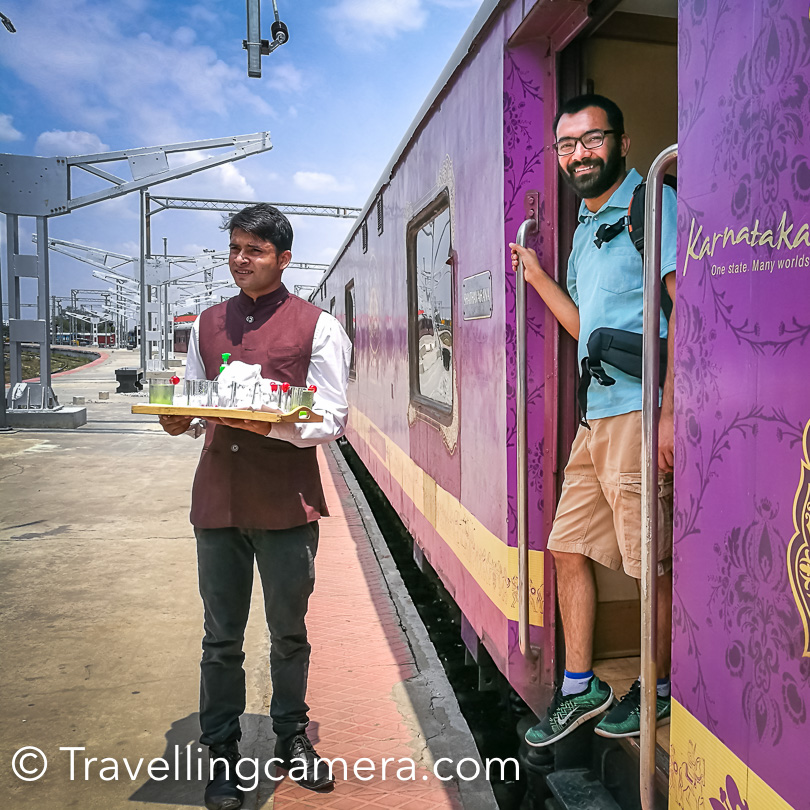
Flights

Domestic airlines connect hundreds of cities and are often the fastest option for covering long distances.

It was the day of Holi Festival and I started early at 3am for Bengaluru. I was full of excitement and everything went well and I reached Bengaluru by 9:30am. Now plan was to start at 4pm from Taj West End and I had whole day. Because of Holi I didn’t want to go out, but later got to know that Holi is not celebrated at that scale in south India.

Railways

India's railway network is among the largest in the world and remains one of the most rewarding ways to experience the country.

A train journey introduces you to landscapes, conversations, and communities that flights simply cannot.

Book tickets in advance, especially during holiday seasons.

The drive from Ramtek to Sagar through Pench National Park is a scenic route that takes you through some of the most beautiful landscapes in central India. The journey covers a distance of approximately 250 km and can take anywhere from 5 to 7 hours depending on traffic and road conditions.

Road Trips

Driving through Himachal Pradesh, Rajasthan, Kerala, or the Konkan Coast reveals a slower, richer side of India.
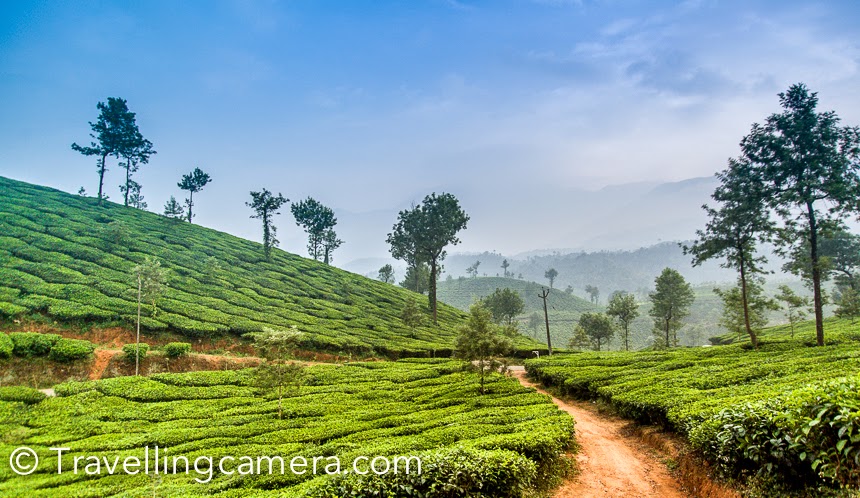
Unexpected roadside tea stalls, local markets, and scenic viewpoints often become highlights

Unexpected roadside tea stalls, local markets, and scenic viewpoints often become highlights.

India is the seventh largest nation in the world with a population spanning billions. Urban growth has intensified and along with it, so have the public transportation systems. Mega cities Delhi, Mumbai and Kolkata are among the largest in the world in terms of population. Rail and road travel account for a majority of public transportation in India. Economic growth has been followed by the advent of technology, and along with it, new innovations such as the monorail and the sky bus.   With lots of low cost carriers, Indian aviation has also seen a rise in the number of commuters. From the Jawaharlal Nehru Urban Renewal Mission to road development, several policy initiatives have taken place to change the way people use public transport in India. Several cities  have started luxury bus services with improved quality of service to mitigate congestion and pollution levels. Metro and monorail services are now available and several Indian cities have also taken up the BRTS (Bus Rapid Transit System). Also on the anvil is the sky bus.   Systematic Growth of Public Transport  Transportation in India has recorded a considerable growth in terms of spread of network and output of the system. India has one of the largest rail and road networks in the world. It has many national and state highways as well as district and village roads. About 90 percent of the nation’s commercial cargo is transported by ships. India has the largest merchant shipping fleet among developed nations and around 12 major ports and 200 non major ports. India also has 14,500 km of navigable waterways including rivers, canals, backwaters and creeks where boats and ferries ply. Some of the most scenic areas where inland water transport systems operate include the Kerala backwaters, inland waters in Mumbai and the Ganga and Hooghly river systems.  Train  Train travel is an unforgettable experience in India. With the exception of certain Northern and NE states, rail network covers almost every part of India. Three types of passenger trains in India are the super fast, local passenger and inter-city/express mail. Toy trains also carry tourists across short distances in hilly terrains. Rail fares are calculated for the specific distance travelled. Luxury tourist trains are another innovation for tourists and passengers to enjoy the different parts of India and explore its unique cultural heritage.  Airplanes

Metro Systems

Major cities including Delhi, Bengaluru, Mumbai, Hyderabad, Kochi, Chennai, and Kolkata offer efficient metro networks.

Delhi Metro, in particular, is one of the easiest and safest ways to explore the capital.
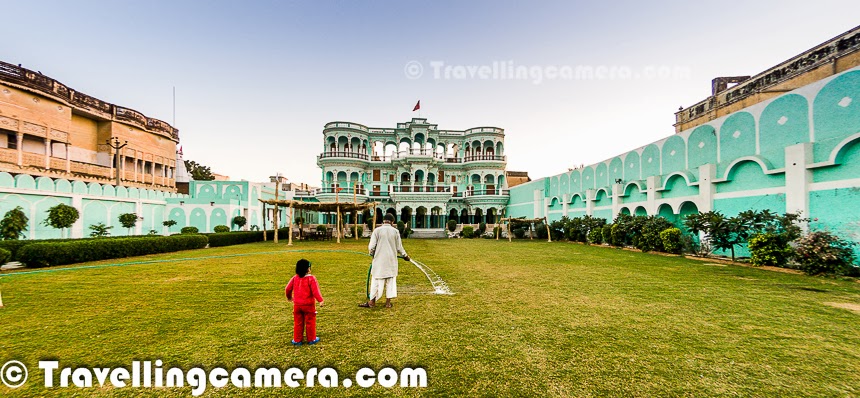

For last few weeks, you must be seeing various interesting things to explore around Churu region of Rajasthan. During our weekend trip to Churu, we stayed at Malji ka Kamara which is located in the middle of Churu town and this property was a Haveli of Kotharis and now converted into a Heritage Hotel. This Photo Journey shares some of the photographs from Malji Ka Kamara and some details about The Hotel, services they offer and relevant stuff. After a tiring drive from Delhi to Churu, we reached Malji Ka Kamara which is located in one of the streets near Churu Market. Ater reaching at the place, we parked our car. There is space for parking 5-6 vehicles inside the campus and few outside in the street. So Parking can be an issue is Hotel has decent bookings. But the good part is that many of the folks come to Churu by Trains, so it's highly likely that you will get parking inside the campus. Anyways, staff helped us in taking the luggage to our room and offered a welcome drink.Malji Ka Kamra has Solar heating system to get hot water which effectively means that in morning, one may need to wait for hot water. But if needed, staff provides hot water in rooms. Malji Ka Kamra has installed geyser in two of the rooms on top floor and we were lucky to have one of them, so more freedom in getting Hot water whenever we wanted :) , although the fitting were wrong.. The Cold point was giving hot water :) ... After having bath with hot water and a quick nap, we headed towards the restaurant for lunch.Above Photograph shows the Restaurant of Malji Ka Kamara and the view is from first floor. Like the Havelis we see in Bollywood movies, Malji Ka Kamra has very high roof in the middle and first floor of the Haveli ha visibility to the ground floor through lobbies in all four directions. This corridor gives a royal feeling of being at a haveli. Some parts of the Haveli are kept intact to make visitors feel about the older look and feel of the place. It seems Foreigner tourists like that style, which don't even understood by Indian visitors. This is a common sentence you would hear or experience in Rajasthan. Folks from Rajasthan Tourism industry understand the foreigner tourists better and plan things accordingly. Let me stop here and write a separate post of the behavioral and strategic decision making of Rajasthan Tourism Stakeholders.Malji ka Kamra was built long time back in 1920, which was use by Kotharis for many years and then turned into ruins for a significant duration. Restoration of this Haveli started in 2006.. Haveli was in very bad shape when restoration started, because it was locked for more than 20 years and condition was very bad, which is happening with many of the other Havelis in Churu. Kotharis used to have this Haveli only for guests. Their family Haveli is just across the street which was again a huge building with colorful paintings. Malji Ka Kamara has mint green extiriors and there are different personalities sculptured on the walls, although these creations look very odd :) . It seems that original color of the Haveli was almost same and restorers attempted to retain those hues of this building.ere is view we get on seeing up from the Restaurant of Malji Ka Kamara.Malji Ka Kamara is considered as one of the well maintained Havelis (palaces) in Shekhawati region of Rajasthan State in India.Food served at Malji Ka kamara was nice. The Hotel has trained local chefs who are really good at cooking Rajasthani as well as other cuisines. During our stay we were were some of the famous rajasthani delicacies and we loved them. Staff was very polite, although they may need more training with time. The good part is the local folks are hired by Hotel which is a good way of ensuring that local communities also grow along with local tourism and the business of these Hotels. Local folks may not be that trained but with time, things can be changed and we have seen that happening in many of the other properties across India. So I personally like such properties which take responsibility of their own localities one or the other way.The Staff at Malji Ka Kamara offers some of the cool activities which make your stay experience more memorable to cherish for longer period of time. Two days for me were very tight and I wish to visit Churu again with at least 3 days in hands. I love to spend time with local culture, place, people at my own pace. During the stay we had Heritage Haveli Walk in Churu Town, Desert BonFire with lot of shooting stars around us, High Tea at Sethani ka Joahara, Visit to Golden Jain Temple in Churu Town, Royal Lunch at Prem Sarovar, Haveli Tour in Ramgarh, Visit to another Heritage Hotel in Ramgarh, Meeting National Award Winner Family of Wood-Carving Artists and some shopping of hand-made lacquer bangels. This list is never-ending and we missed lot of things which will be covered during our next visit. And here I would like to thanks the staff at Malji Ka Kamara who arranged all of these for us. Churu is not very popular destination among majority of the tourists who visit Rajasthan State of India, but it's definitely a hot off-beat destination and many of the foreigner tourists visit Shekhawati region and Thar Desert. Churu which is gateway to Thar is another special destination for those visitors. Due to seasonal and lesser inflow of tourists, local hospitality industry is not that mature but that gels well with the local atmosphere. So if you plan to visit this region, expect some hiccups and some non-touristic things.Above photograph shows one of the few rooms which are in their original form. But there are only very few such rooms which are maintained like they were earlier and reason is that it was very difficult to restore major parts of the Haveli. Arrangements in all the rooms are quite comfortable and if you feel something missing, staff is ready to help you on a call. Staff at Malji Ka Kamara is quite co-operative. Some of them had some language problems, but it was manageable. This Hotel has some of the selected folks from the region like Mr. Lal Singh, who is acclaimed guide in Shekhawati region. He took us to the Haveli tour in Churu. Since most of the Haveli Owners/Caretakers know him, we got access to go inside and see some of the beautiful Havelis in town. Likewise, Malaji Ka Kamara is associated with some historians who visit the hotel to share some facts about the history of Churu and Shekhawati with tourists staying there. Although we had our own doubts on some of the facts shared by Mr. Bhanwar Singh Somour, but he looked a passionate and knowledgeable person who has high regards for his land, culture and the way different families of this region has influenced various things in our country.Most of the rooms at Malji Ka Kamra look just like any other Hotel and don't have any old paintings on walls of roof, expect the few which are mentioned above. But Malji Ka Kamra Management tried to give Rajasthani touch to the rooms by using some of the local crafted stuff. The rooms are large and comfortable with basic facilities and bathrooms are also very basic. To know more about the place, checkout their original website which has appropriate contact details as well.We enjoyed being there at Malji Ka Kamara, it's humble staff and moderatelycrowded lanes full of old Havelis around it...

Where to Stay During Your Tour to India

India offers accommodation for virtually every budget and travel style.

Budget Travelers

  • Backpacker hostels
  • Guesthouses
  • Family-run lodges
  • Homestays
I remember sitting cross-legged inside a traditional cultural center in Fort Kochi while the smell of coconut oil lamps mixed with sandalwood incense. Outside, auto-rickshaws buzzed through narrow colonial lanes. Inside, time seemed suspended somewhere between mythology and theatre.

Homestays often provide insights into local culture that hotels cannot.

Sharing breakfast with your hosts may teach you more about a destination than a guided tour.


Mid-Range Travelers

Boutique hotels are increasingly popular across India.

Many occupy restored heritage buildings while offering modern comforts.

They often strike the perfect balance between affordability and memorable experiences.


Historical Significance of Sagar Jalashay  Sagar Jalashay was constructed as a part of the royal water management system in Alwar, designed to collect and store rainwater. The lake played a crucial role in providing water to the residents of the region, as well as to the various palaces and forts in the vicinity. Its strategic location near Moosi Rani ki Chhatri highlights the importance of water conservation and the architectural ingenuity of the rulers who designed it to complement the grandeur of the surrounding monuments.

Luxury Travelers

India excels in luxury hospitality.

Options include:

  • Restored royal palaces
  • Wildlife lodges
  • Heritage havelis
  • Luxury houseboats
  • Wellness retreats
  • Tea estate bungalows
  • Luxury trains like the Maharajas' Express , Palace on Wheels or Golden Chariot

These properties often incorporate local architecture, cuisine, and traditions into the guest experience.


The Hawa Mahal, also known as the Palace of Winds, is one of Jaipur's most recognizable landmarks and a masterpiece of Rajput architecture. Built in 1799 by Maharaja Sawai Pratap Singh, this stunning palace was designed to allow royal ladies to observe daily life and festivities on the street without being seen themselves, adhering to the strict purdah system. With its intricate latticework and honeycomb-like structure, Hawa Mahal stands as a symbol of Jaipur’s royal past and architectural grandeur.

Budget Planning for Exploring India

One of India's greatest strengths is its flexibility.

You can travel comfortably on a modest budget or indulge in extraordinary luxury.

Travel StyleApproximate Daily Budget (per person)
BackpackerUSD 25–40
BudgetUSD 40–70
Mid-rangeUSD 80–180
PremiumUSD 200–400
LuxuryUSD 500+

These estimates vary depending on season, destination, and accommodation choices.


Pandit Hariprasad Chaurasia is widely regarded as one of the greatest flutists in Indian classical music, celebrated for his mastery over the bansuri (bamboo flute). Born on July 1, 1938, in Allahabad, Chaurasia’s journey to musical greatness was far from conventional. His father, a wrestler, had hoped Hariprasad would follow in his footsteps, but fate had other plans. Despite early resistance, his dedication to music and his natural talent would eventually make him an international icon of Indian classical music, respected for his groundbreaking contributions to the world of Hindustani music.

Suggested Itineraries for Exploring India

7-Day Classic Introduction

Perfect for first-time visitors.

Day 1–2: Delhi

Explore Old Delhi, Humayun's Tomb, Lodhi Gardens, India Gate, and local food markets.

Day 3: Agra

Visit the Taj Mahal at sunrise and Agra Fort.

Day 4–5: Jaipur

Amber Fort, City Palace, Hawa Mahal, bazaars, and local craft workshops.

Day 6–7: Return to Delhi or extend to Varanasi.


Up Close: The Artistry in the Details From afar, the Taj looks pure and monochromatic. Up close, it is a riot of craftsmanship.  Pietra dura inlay made of jasper, jade, onyx, and turquoise  Calligraphic bands with verses from the Quran executed by Abdul Haq  Flower reliefs carved so delicately they seem botanical rather than architectural  There’s a moment when sunlight catches these carvings at an angle and casts shadows into the recesses. That’s when the marble comes alive.

14-Day Cultural Journey

  • Delhi
  • Agra
  • Jaipur
  • Jodhpur
  • Udaipur
  • Mumbai
  • Kochi

This itinerary balances heritage, architecture, food, and urban experiences.


21-Day India Immersion

  • Delhi
  • Agra
  • Jaipur
  • Jodhpur
  • Udaipur
  • Mumbai
  • Goa
  • Hampi
  • Kochi
  • Munnar
  • Varanasi

For travelers wanting to understand India's diversity rather than simply seeing its landmarks, three weeks allows a more meaningful pace.


Responsible Travel While Exploring India

Travel leaves an impact.

The goal is to ensure that impact is positive.

A few mindful practices make a significant difference:

  • Carry a reusable water bottle where refill stations are available.
  • Avoid single-use plastics whenever possible.
  • Dress respectfully when visiting religious places.
  • Remove footwear where required.
  • Seek permission before photographing people, especially in rural communities.
  • Support local artisans instead of mass-produced souvenirs.
  • Stay in locally owned accommodations whenever possible.
  • Respect wildlife by maintaining distance and avoiding flash photography.
  • Avoid littering in mountains, forests, beaches, and heritage sites.

Responsible travel enriches not only destinations but also the traveler's own experience.


Common Mistakes to Avoid During a Tour to India

Even experienced travelers occasionally make these mistakes.

Trying to Cover Too Much

India cannot be "done" in a week.

Choose fewer destinations and spend more time in each.

Depth creates better memories than speed.


Underestimating Distances

Two cities that appear close on a map may require an entire day's journey.

Always check realistic travel times.


Design and Layout: Geometry in Bloom The Charbagh Concept Reimagined Anguri Bagh follows the classic charbagh (four-quartered garden) layout but with a uniquely geometric grid system rather than flowing water channels.  The garden is divided into regular square plots  Each plot is bordered by narrow stone pathways  The symmetry is precise, mathematical, and deliberate

Ignoring Local Advice

Residents usually know the best viewpoints, hidden cafés, quieter temple entrances, and scenic routes.

Conversations often lead to discoveries.


As I drove through the lush green outskirts of the city, the roads narrowed and the river shimmered in the distance. A small board reading “Undavalli Caves – Protected Monument” appeared, and behind it rose a massive sandstone hill dotted with rock-cut openings. At first glance, it looked modest, but as I climbed closer, the scale and craftsmanship began to unfold — each level revealing something remarkable.

Only Visiting Famous Attractions

Some of India's finest experiences occur away from iconic monuments.

Spend time exploring neighborhoods, village markets, local festivals, and everyday life.


On this Rakshabandhan, I visited Dalhousie to meet my sister and niece. During the visit, we planned to walk down from Dalhousie Public School of Panchpula Waterfalls. This Photo Journey shares some of the photographs clicked during the walk and around Panchpula waterfalls. All photographs shared in this Photo Journey are clicked with Huawei P9.Gandhi Chowk in Dalhousie market is around 1.5 kilometers from Dalhousie Public school and it’s a downhill. And there is a road which again goes down towards Panchpula from Gandhi Chowk. It should be around 2-3 kilometers from Gandhi Chowk. So it was around 4/5 kilometers walk from DPS till Panchpula. Above photograph is clicked at Gandhi Chowk of Dalhousie town, which is a part of mall road.It was a bright sunny day and clouds were having fun in bright blue sky. I clicked hundreds of photographs of these clouds while walking down to Panchpula and shared few of them here. I have been to Panchpula 8 years back and now I wanted to see how it has changed over the years.During the walk we observed few interesting things. Above photograph shows the parking slot of one of the houses built on the hill. This was very close to road and standing on top of high pillar made up of concrete.It was interesting to reach 'Rai Bahadur' on the entry gates of one of the villas around Dalhousie hills. There are lot of beautiful villas around Dalhousie town and most of them belong to families who had good connections with britishers, or business families. Good chunk of villas belong of army officers. So overall it gives you a feel of idea retirement destination.Here is another photograph showing path to a huge village up in the hill.s The white compound you see at the distance is Dalhousie Public School and they have installed a huge flag in the campus.On the way from Dalhousie market to Panchpula there are few places to have rest and enjoy the views of valleys & hills. We didn't stop in any of these and kept moving till we reach Panchpula.It was a bright sunny day after heavy rains a day before. So monsoons are risky - either they spoil your day and you have to be inside the house or everything is fresh and bright like what you see in these photographsAs you reach Panchpula , you see this structure which is dedicated to Saradar Ajit Singh. This is the point from where you have to climb up. The Waterfall is just across this structure and on other side of the road. Like other tourist places, there few shops where shopkeepers would insist you to buy some local stuff. I was surprised to see folks selling kesar here and I know kesar is not grow locally. Probably it's brought from J&K.And as I saw the place, I realized that it has changed a lot. Now there are more shops on the way and a cafe close to the waterfall. There is Shiva Cafe which is pretty close to the waterfall. We spent some time around this cafe and had delicious snacks. The good part was that I didn't find litter here and I was extremely happy to see dustbins installed by this cafe.I am not a selfie enthusiast but the environment and 2 girls forced me to click this one :)It was fun to sip hot tea while sitting in chilled water body near Cafe Shiva.Vibha will be sharing her review about the tea we had at this cafe near Panchpula Waterfalls in Dalhousie.Overall it was fun to walk and have some peaceful time around Panchpula waterfall. To go back, we hired a cab. Usually cab charges 150 Rs for Gandhi Chowk but if you are in hurry and look desperate to book a cab, people may ask for 300 Rs.Bon Voyage !If you liked this post and found it helpful, I would request you to follow these things when traveling -- Manage your waste well and don’t litter- Use dustbins. Tell us if you went to a place and found it hard to locate a dustbin.- Avoid bottlewatersin hills. Usually you get clean water in hills and water bottles create lot of mess in our ecosystem.- Say big no to plastic and avoid those unhealthy snacks packed in plastic bags. Rather buy fruits.- Don't play loud blaring music in forests of jungle camps. You are a guest in that ecosystem and disturbing the locals (humans and animals) is not polite


Photographing Without Engaging

People appreciate genuine curiosity.

Smile.

Ask permission.

Share the image afterward if possible.

Those few extra moments often create both better portraits and meaningful interactions.


Frequently Asked Questions About Exploring India

Is India safe for international tourists?

Yes. Millions of international visitors travel across India every year. As with any destination, remain aware of your surroundings, use trusted transportation, avoid isolated areas late at night, and follow local advice. Solo travelers, including women, can have rewarding experiences by taking sensible precautions and planning carefully.


Nestled in the heart of the Himalayas, Dalhousie is a quaint hill station known for its charming colonial architecture, lush greenery, and panoramic views. Among its many attractions, the Upper Bakrota Round, also known as Bakrota Loop, stands out as a serene walking trail that offers visitors a peaceful retreat amidst nature.

How many days are enough for exploring India?

For a first visit, 10 to 14 days offers a good introduction to the country's diversity. If you wish to experience multiple regions at a relaxed pace, three weeks or more is ideal.


Black Makeup (Kari) Typically used for hunters, forest dwellers, or demonic female characters.  Yellow or Soft Makeup (Minukku) Represents sages, women, and gentle personalities.  Watching the makeup process in Kochi is almost meditative. Artists spend hours applying rice paste, pigments, paper extensions, and intricate detailing under bright lamps and mirrors.  The silence backstage feels sacred.

What is the best way to travel around India?

For long distances, domestic flights save time. Trains provide one of the most authentic travel experiences, while road trips are perfect for mountain regions, coastal routes, and rural exploration.
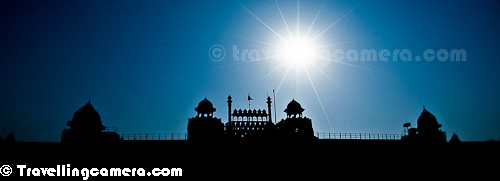

Rising majestically along the banks of the Yamuna River, the Red Fort is more than just a monument—it is a living symbol of India’s layered history, cultural richness, and enduring identity. Known locally as Lal Qila, this UNESCO World Heritage Site stands as a silent witness to centuries of imperial grandeur, colonial upheaval, and the birth of a nation.

Is India expensive to visit?

India can suit almost any budget. Backpackers can travel economically, while luxury travelers will find some of the world's finest heritage hotels and premium experiences.


There are some places in India that stay with you long after the journey ends. In the historic coastal city of Kochi, the iconic Chinese Fishing Nets are one such experience. Standing silently against the backdrop of the Arabian Sea, these massive cantilevered fishing structures are more than just fishing equipment — they are living symbols of history, trade, culture, and the rhythm of coastal life in Kerala.

What should I wear while traveling in India?

Light, breathable clothing works well for most regions. In religious places, dress modestly by covering shoulders and knees. In the Himalayas, carry warm layers regardless of the season, as temperatures can change quickly.


Rukmani Kund: A Hidden Gem in Bilaspur District, Himachal Pradesh

Which places are best for photography in India?

Some of the most rewarding photography destinations include:

  • Ladakh
  • Varanasi
  • Hampi
  • Rajasthan
  • Kerala Backwaters
  • Meghalaya
  • Spiti Valley
  • Old Delhi
  • Rann of Kutch
  • Kaziranga National Park

Tourism: A Must-Visit in Shimla While it remains an academic institution, the Indian Institute of Advanced Study is also one of the most rewarding heritage experiences in Shimla.  What Makes It Special Guided Tours: Visitors can explore selected parts of the building while learning about its history Expansive Lawns: Beautifully maintained gardens offer panoramic views of the surrounding hills

Do I need a guide everywhere?

Not necessarily. Many destinations can be explored independently, but knowledgeable local guides can add historical context and help uncover lesser-known stories, neighborhoods, and traditions.


One of the highlights is the incredible view of the Stok Kangri peak and the winding Indus River, all framed by the vast expanse of the Tibetan Plateau. The ever-changing scenery, from snow-laden mountains to arid landscapes, provides an unforgettable visual treat.

Final Thoughts: India Is Never Finished

After years of traveling across India with a camera slung over my shoulder, I've realized something that every return journey reinforces.

India doesn't ask you to understand it.

It asks you to experience it.

Traditional Breads Served Near Jama Masjid  1. Khambir  One of the most famous breads of Ladakh, khambir is a round, slightly thick whole wheat bread with a soft interior and crispy exterior. Baked in a traditional clay oven, khambir is often enjoyed with butter tea or used to scoop up Ladakhi dishes like thukpa. The simplicity of khambir makes it a staple in Ladakhi homes, and you’ll find it in almost every bakery around Jama Masjid.

There will be mornings when mist slowly lifts from Himalayan valleys, revealing villages that seem untouched by time. There will be afternoons spent wandering forgotten lanes where weathered doors hint at stories spanning centuries. You'll find yourself sharing tea with strangers, listening to folk songs you don't understand yet somehow feel, and watching sunsets that make conversations fall silent.

Visitors to Ranganathaswamy temple should follow certain customs and traditions to show respect for the temple and its deities. Here are some of the customs and traditions that visitors should follow when visiting the temple:  Dress code: Visitors should dress modestly and appropriately when visiting the temple. Men should wear dhotis or pants and shirts, while women should wear sarees or salwar kameez. Shorts, skirts, and sleeveless tops are not allowed inside the temple.  Footwear: Visitors are required to remove their footwear before entering the temple. The temple provides shoe stands where visitors can keep their footwear.  Photography: Photography is not allowed inside the temple. Visitors should refrain from taking pictures of the deities or any other sacred objects inside the temple.  Silence: Visitors should maintain silence inside the temple and refrain from talking loudly or making noise. The temple is a place of worship, and visitors should show respect for the devotees who come to pray.  Offerings: Visitors can make offerings of flowers, fruits, or prasad to the deities inside the temple. These offerings can be purchased from shops inside the temple complex.  Temple timings: Visitors should check the temple timings before visiting the temple. The temple is open from early morning till late evening, and there are specific timings for darshan or viewing of the deities.  Respect for the deities: Visitors should show respect for the deities inside the temple and should not touch them or climb on the platforms where they are placed.

And then there are the moments that never appear in brochures: a child proudly showing you the shortcut to a hidden viewpoint, a potter inviting you to try the wheel, an elderly priest explaining a ritual with quiet patience, or a train journey where fellow passengers insist you taste homemade food from their lunchbox. These encounters are difficult to plan—but they often become the memories that define a journey.

The Legend That Shaped Pushkar Like many ancient towns in India, Pushkar’s origins are deeply rooted in mythology.  It is believed that Brahma, the creator of the universe, dropped a lotus flower on earth. Wherever its petals touched the ground, sacred water bodies appeared. One of them became the lake at Pushkar

As a photographer, India has taught me one lesson more valuable than any camera setting: great travel photographs begin with curiosity, not equipment. The most memorable images rarely come from standing where everyone else stands. They come from waiting a little longer, taking a different lane, starting before sunrise, returning after the crowds leave, and allowing yourself to notice the ordinary.

The same philosophy applies to travel itself.  Don't measure your journey by the number of monuments you visited. Measure it by the conversations you had, the regional dishes you tasted, the festivals you stumbled upon, the quiet mornings you experienced, and the stories you carried home.

The same philosophy applies to travel itself.

Don't measure your journey by the number of monuments you visited. Measure it by the conversations you had, the regional dishes you tasted, the festivals you stumbled upon, the quiet mornings you experienced, and the stories you carried home.

There are festivals… and then there are living traditions that feel like myths unfolding in real time. The week-long celebration of Mandi Shivratri in Mandi is one such phenomenon—where devotion, folklore, and Himalayan culture merge into a spectacle that is both spiritually overwhelming and visually unforgettable.

A Tour to India is never just a vacation.

It's an introduction to countless civilizations, landscapes, languages, faiths, and ways of life that continue to evolve while staying deeply rooted in tradition.

All suicide points (it's weird that there are so many so called 'suicide points' around Indian hill stations) I have seen so far, this one was very scary. Usually I hate these points, but really liked this place. The surroundings are brilliant and the edge around the road is very scary. Just notice the bus crossing this place. There is hardly any space on left of the bus. Roads in this region of Himachal are very scary.  Whenever I have shared this photograph, lot of folks liked and shared their curiosity through comments & questions. That's when I realized how amazing this view is and why such photographs go viral on internet.   I visited this place while coming back from Spiti Valley and trust me, there are much riskier places in Spiti. It's just that people don't stop at all the spots and probably there are not good places from where photographers can click those scary views and can show the scale. This photograph was shot in May'2017 and since then I have been getting lot of messages from travelers, publishing houses, media people to understand more about it. And this place is quite popular so I was also wondering why people have to know this from me and not search on google. That's where I realised about this opportunity to write a special post about this famous Suicide point near Kalpa town in Kinnaur district of Himachal Pradesh.   If you are visiting Rekong-Peo or Kalpa towns in Kinnaur, please do visit this place and it's certainly very interesting. We walked around a bit and then drove back to Shimla.  This suicide point is located on the road which connects Kalpa with Roghi village and it's approximately 3 km from Kalpa village.

Perhaps that's why so many travelers return—not because they missed a destination, but because they realized that every visit only revealed one chapter of a much larger story.
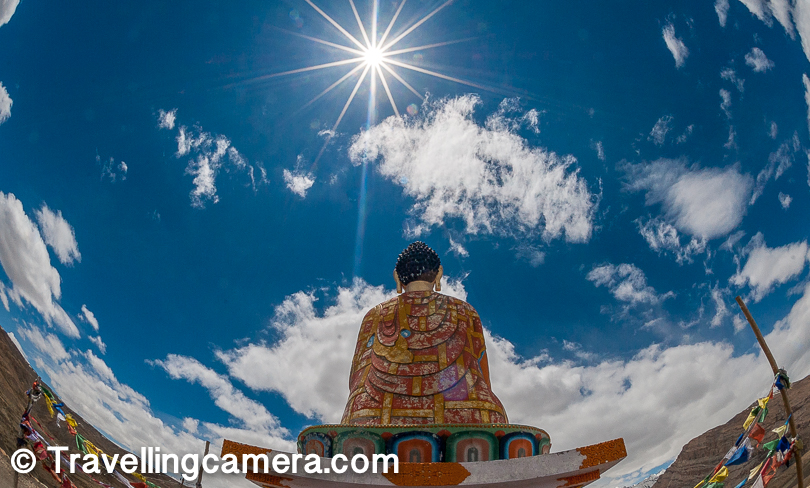
After wonderful journey from Shimla to Kaza through Jeori, Nako, Gue, Tabo & lot of other villages in Kinnaur & Spiti valley it was time to explore other places around Kaza and gradually head back. When you go from Shimla to Kaza, there are 2 ways to return back - one is to take the same route through some detours which I am going to explain in my future posts and other is to move ahead towards Manali & then head back to Delhi or wherever you want to go. In second option you don’t need to hit Shimla and folks who plan it well do the same way. We were traveling in a Santro car and road ahead was not very favorable. Also we had some time constraints, so didn’t want to risk things.  In today’s post I will be sharing about our explorations around Kaza, which includes visit to Kye Monastery, drive till jibber village which is supposedly world’s 3rd highest village, Langza, Koumik & then Dhankar along with some interesting experiences on the way to Dhankhar from Koumik.

India doesn't fit into a single itinerary, a single season, or a single article.
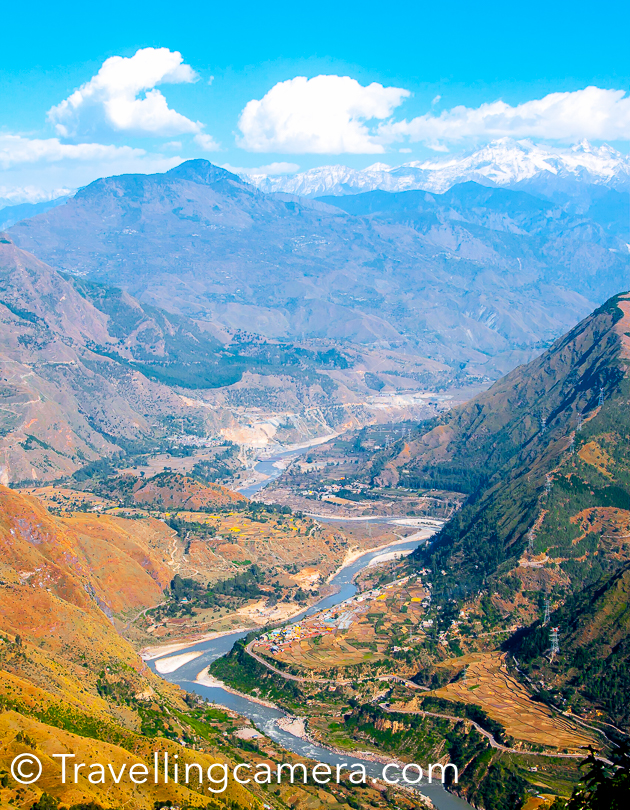
If you are planning to visit Tirthan Valley, there are several homestays that offer a comfortable stay and a chance to experience the local culture and hospitality. Here are some of the best homestays in Tirthan Valley:    Raju Bharti Guest House: This is a popular homestay in Gushaini village, which is located at the confluence of the Tirthan and Flachan rivers. The guest house is run by a local family and offers comfortable rooms, home-cooked meals, and a chance to experience the local way of life.    Himalayan Trout House: This is a beautiful homestay located in the village of Ropa, which is known for its trout fishing. The homestay offers cozy rooms, delicious meals, and a chance to experience the local culture and traditions.    Tirthan River View Homestay: This is a lovely homestay located on the banks of the Tirthan river, in the village of Nagini. The homestay offers comfortable rooms, delicious food, and stunning views of the river and mountains.    The Mudhouse Experiential Hostel: This is a unique homestay located in the village of Jibhi, which is known for its traditional architecture. The homestay is made of mud, stone, and wood, and offers a rustic yet comfortable stay. It also offers a chance to experience the local way of life and participate in cultural activities.    Tirthan Valley Homestay: This is a cozy homestay located in the village of Gushaini. The homestay offers comfortable rooms, delicious meals, and a chance to experience the local culture and traditions.

It remains one of the few places in the world where every journey feels like the beginning of another.

This is how Gue Monastery looks from a distance when you are driving towards it. This mummy is places in a room near this Monastery. Gue village comes on the way, so if you are planning to visit the place just take a pause in village to check if the room is open. If not, you need to take someone with you so that room can be opened to see this mummy.      Related Post - Morning walk around Nako Lake and the village in Kinnaur, Himachal Pradesh

So pack light, keep your plans flexible, wake up early, talk to people, follow your curiosity, and don't rush.

This Photo Journey is about a very different temple in Himalayan ranges of Himachal Pradesh. These are few old photographs, which were clicked during back journey from Barot to Mcledoganj. These photographs are trying to share about regionally popular temple of Pashakot Dev. Let's have this quick journey to Temple of Dev Pashakot...Here is a photograph of main temple of Dev Pashakot near Barot town in Mandi district of Himachal Pradesh. This temple is located near a river in the bottom of a hill. One needs to trek down for 15 minutes, which may take 30 mins to climb up during back journey. Temple is located at a very peaceful environmentPashakot Temple doesn't come exactly on the road which connect Barot with Mandi/Palampur. There is a diversion of 2 kilometers and after parking the car near hyderal plant, one needs to trek down towards the river and Pashakot Dev's temple is on the bank of this river. Now sure but this rive is part of Uhl river which flows at it's highest power near Barot. I hope you can make out about the temple from its photographs, as it's quite different from other temples. Many people know it as smaller version of Hadimba Temple in Manali TownDuring this visit to Pashakot, we also saw some Himlayan Goats... Some Gaddi folks were roaming around the same area with their goats and it seems they were planning to spend some time around Pashakot Temple only.At the same time, we saw some hairs on back side of Pashakot Dev temple. It seems Animal Sacrifice is done at the temple for some occasions. This was found on river bank where a dedicated shed was created for this thing.Surroundings of Pashakot Temple are extremely beautifuAnother photograph of Goat-baby around Barot region of Himachal Pradesh. He was sitting quietly on a hill-topHimalayan Goats are usually  huge with long hair. Mostly these kind of goats can be seen around Gaddi folks, who keeps moving from one place to other during winters and go back to their home in summersHere is a view of Uhl river flowing on one side of Pashakot Temple. This photograph is clicked from half-way while we were going down towards temple from main-road.Clean water, greenery all around and cool breeze - What can bebetter in summers... I am feeling better thinking about all these things, while I am in Delhi right nowWith zoom lens on Travellingcamera I could see ripples on water surface, although photograph could have been far better in such lighting conditions.Pashakot Temple is situated under a foot-hill and a huge deodar(cedar) has made an umbrella around it. River sounds from the back side makes overall environment more interestingA series of bells hanging on outer sides of Pashakot Temple in Mandi disrict of Himachal Pradesh.

Because the real joy of Exploring India isn't reaching the destination.

It's discovering, again and again, that the journey itself is the destination.

Related Blogposts-

Taj Mahal is one of the most visited tourist place in India and popular amongst local as well as international travelers. I have been to the Taj Mahal a few times and came back with mixed feelings, but some of the memories from Taj are still fresh because of certain exceptional experiences around this grand monument built in 1600s. We will get to know more about Taj Mahal in this post, along with details like how to reach Agra, along with other tips to make your experience most enjoyable by avoiding unnecessary hassles & by taking safety measures.

Exploring India: The Ultimate Travel Guide to Experiencing the Soul of a Timeless Civilization

India is not a country you simply “see.” It is a country you gradually learn to read.  On your First India Trip, the first few hours can feel overwhelming. The traffic seems impossibly chaotic. A chai seller is preparing tea beside a centuries-old monument. A cow may decide that a busy road is the perfect place for an afternoon nap. A train platform can feel like a small city. And somewhere between the noise, colours, smells and unexpected conversations, India begins to make sense.

What Advice Would You Give to Someone Travelling to India for the First Time?

Introduction: A Trip to Rajasthan Is More Than a Visit to the Desert A Trip to Rajasthan often begins with an image.  A sandstone fort glowing orange in the late afternoon. A blue-painted house beneath Mehrangarh. A camel silhouette disappearing into the Thar Desert. Perhaps a woman in a bright red odhni walking through an otherwise dusty landscape.

Rajasthan State of India: A Complete Travel Guide for First-Time Visitors
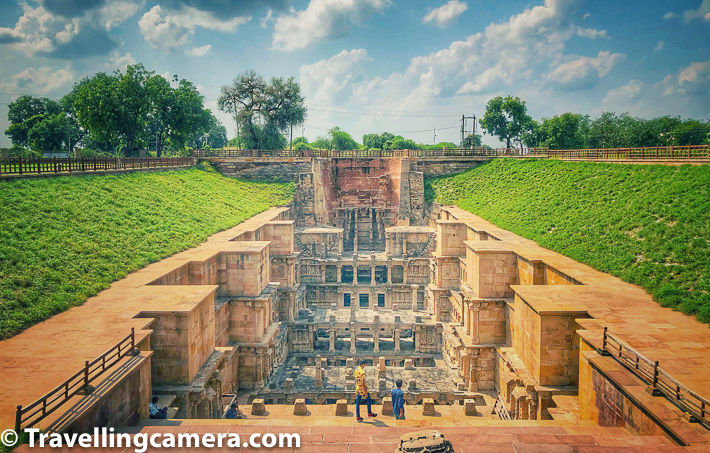
Every year, some of the Garba committees of Guajarat plans something unique which gets world's attention through some world record. The celebrations are becoming grander with every passing year. It's like Durga pujo of West Bengal where festivities are all around and every year there is an intent to celebrate in better way than last year, whether that is about pandal decoration, size/design of Durga idol or decorations of streets in unique ways.

Trip to Gujarat State of India: A Complete Travel Guide for First-Time Visitors

The first Theyyam to perform was pulimaran, a reincarnation of Vishnu. This Theyyam had a large but manageable headdress, but looked fierce with his kohl-lined eyes that were like marbles in the sockets. Pulimaran danced and performed prayers at the main temple and then went around temple complex blessing people and distributing Prasadam.
A Theyyam blessing the priests. These performers are considered as God themselves once they don the Theyyam costume


Trip to Kerala State of India: A Complete Travel Guide for First-Time Visitors

Peer Ki Gali is an amazing place on old Mughal road in Jammu & Kashmir State of India. This place is the highest passes on Srinagar Rajouri historic Mughal Road at 11300 Feets... Let's check out this Photo Journey to know more about this place with appropriate photographs...Various water streams can seen flowing through snow covered peaks of Peer-Ki-Gali hills. Cool freeze, freshening environment and roaming clouds all over makes this place wonderful. After talking to various folks at Peer ki Gali, we got to know that almost every day it rains on these hills. We spent two days around it and we also experienced rain showers both the days...Here is a photograph of a shopkeeper inside his small shop made up of stones. He had almost everything that is usually required for routine life in hills. These families come to these high hills with their cattle, as this place has got more than enough grazing land which becomes a problem during a particular time of the year. Ziarat of Peer Baba on hill top has gained its popularity. Almost every vehicle passing by Peer-ki-Gali stops here to enjoy the panaromic view as well as to take blessings of Peer Baba. Green layer on Peer-Ki-Gali hills looks amazing and it's a huge range of hills with green meadows...Shepherd sitting in these green hills around Peer ki Gali... Almost every alternate hill was full of sheeps and horses... This trend was only noticed around Peer-Ki-Gali on Mughal Road...In past this place have been of great interest for trekkers and now easily accessible for others as well. Tourism is picking up in this region of Jammu and Kashmir now. This will not only boost the economy of the state but also open new aspects to the residents.CRPF folks can seen here and there around these hills to make every person safe on these hills around Peer ki Gali. Really these folks are working really well to give confidence to common people to enjoy the beauty around Mughal Road.Sheeps all around in green hills of Peer Ki Gali, Kashmir, India.All these water streams make the whole environment more beautiful. All these streams have chilling water of melted snow of hill-tops. Dark clouds covering blue sky with lush green hills having multiple white-water streams - this whole combination makes Peer-Ki-Gali a unique place.Local folks on this stretch can organize various trekking trips with all arrangements for lodging in tents or some othe wooden houses, which can good source of income going forward.Jammu and Kashmir state of India is known as heaven on earth. In the seventeenth century the Mughal emperor Jahangir set his eyes on the valley of Kashmir and Peer-Ki-Gali is one of the place they used to stay. There is an old Mughal Residence in deep valley. Mughals said that if paradise is anywhere on the earth, it is here, while living in a houseboat on the mesmerizing Dal Lake.  In Jammu and Kashmir the most important tourist places are Kashmir, Srinagar, the Mughal Gardens, Gulmarg, Pahalgam, Jammu, and Ladakh...It will take a long more time to further develop the area but nobody can deny that it's magical. This whole stretch is magnetic. It draws you closer and closer. As we packed up, the beauty of the place wanted me to linger more. But I returned home with some amazing memories to cherish forever; vivid pics in the heart and mind that won't fade or get lost ever. It is a place that can't be expressed in words and that can't be explained in pics; just plan a trip and experience it all yourself.Before militancy intensified in 1989, tourism formed an important part of the Kashmiri economy. The tourism economy in the Kashmir valley was worst hit. Many five stars in Srinagar can be seen which are not well maintained now and owners can't afford to spend more on those properties. However, the holy shrines of Jammu and the Buddhist monasteries of Ladakh continue to remain popular pilgrimage and tourism destinations. Every year, thousands of Hindu pilgrims visit holy shrines of Vaishno Devi and Amarnath which has had significant impact on the state's economy.The Vaishno Devi yatra alone contributes Rs. 450+ crores to the local economy annually.Tourism in the Kashmir valley has rebounded in recent years and in 2009, the state became one of the top tourist destinations of India. Gulmarg, one of the most popular ski resort destinations in India, is also home to the world's highest green golf course. However with the decrease in violence in the state has boosted the states economy specifically tourism.Peer ki gali has religious importance as well. Most of the folks crossing through this place, stop by and spend some time around the mazar of Peer baba. This is of the holy places for Muslim saints. Here people from almost all the religions comes in large number to pray, on Thursday.There are some beautiful waterfalls around Peer Ki Gali and number/flow depends upon the time of the year & amount the snow these hills have got. Some of them are seasonal and many of them can be seen during most of the year.Kashmir's official language is Urdu. However the main languages spoken are Kashmiri in the Kashmir Valley, Ladakhi in Ladakh and Dogri in Jammu. Most people can speak Hindi as a second language. As elsewhere in India, English is fairly widely spoken among the educated classes and those involved in the tourist industry.Here i a photographs showing typical style of houses in Peer-Ki-Gali on Mughal Road in Jammu & Kashmir state of India. Mainly made up of rock-stones and flat roof made up of wood & mud. They are quite spacious and are seasonal. People go down to their main towns during snowfall in this region.A view of deep valley with curved roads from Peer-Ki-Gali, Jammu & Kashmir, India.

Jammu & Kashmir State of India: A Complete Travel Guide for First-Time Visitors

Comments

Trending Post Today !

How to reach Kasol/Malana and top things to do around this stunning hill-station of Himalayan State of India

Main places to see & Top things to do around Dalhousie : Stunning Hill Station in Himalayan State of India