

There are places that become famous because of grand palaces, towering forts, or luxurious resorts. Then there are places like Jai Sagar Lake in Ajabgarh, where the silence itself becomes the attraction.
Hidden among the rolling ridges of the Aravalli Hills, Jai Sagar is one of those destinations that rewards travelers willing to slow down. The lake doesn't announce itself with crowded viewpoints or commercial boating activities. Instead, it quietly reflects changing skies, distant hills, grazing cattle, village life, and flocks of birds that arrive without any fanfare.
For photographers, nature lovers, birdwatchers, and anyone looking to experience rural Rajasthan beyond its royal cities, Jai Sagar Lake in Ajabgarh offers something increasingly rare—space to breathe.
During my time exploring Ajabgarh, I realized that while nearby attractions often receive more attention, Jai Sagar Lake quietly holds together the ecological and cultural landscape of the region. It is not merely a water body; it is where local livelihoods, wildlife, changing seasons, and history intersect.

Why Visit Jai Sagar Lake in Ajabgarh?
Among all the lakes in Ajabgarh, Jai Sagar stands apart because of its simplicity.
There are no amusement parks.
No loud music.
No endless rows of souvenir shops.
Instead, visitors find:
- Calm waters reflecting the Aravalli hills
- Beautiful sunrise and sunset scenery
- Excellent birdwatching opportunities
- Rural landscapes untouched by excessive tourism
- Peaceful walking trails
- Agricultural fields changing with the seasons
- Excellent photography opportunities throughout the day
The lake feels especially rewarding because every visit looks different depending on the weather, season, and time of day.

Historical and Cultural Significance of Jai Sagar Lake in Ajabgarh
Like many reservoirs across Rajasthan, Jai Sagar was created with a practical purpose—water conservation.
The Aravalli region has always depended heavily on carefully managed water systems. Lakes, dams, stepwells, johads, and reservoirs were engineered long before modern irrigation systems existed.
Jai Sagar Dam represents this centuries-old understanding of harvesting monsoon water for agriculture and village life.
Although the structure itself is relatively modest compared to Rajasthan's famous historic lakes, it reflects the region's long tradition of balancing human settlements with challenging geography.
Local farmers still depend on the stored water, making the lake an important part of everyday life rather than merely a scenic attraction.
Unlike urban lakes designed mainly for recreation, Jai Sagar remains deeply connected to the surrounding villages.

Experiencing Jai Sagar Lake: A Morning Worth Waking Up For
One of the best decisions I made was arriving just before sunrise.
The road leading toward the lake passed through small villages where smoke slowly rose from kitchen fires. Farmers prepared for the day's work while peacocks called from distant fields.
By the time I reached the dam, the landscape was almost silent.
The lake stretched calmly beneath a soft layer of mist.
The surrounding hills slowly shifted from deep blue to golden brown as the first sunlight touched their rocky slopes.
There were no crowds competing for viewpoints.
No loud conversations.
Only birds crossing the water.
A fisherman adjusting his small boat.
The occasional sound of cowbells carried by the morning breeze.
This quiet rhythm defines Jai Sagar.
Instead of trying to impress visitors, it invites them to observe.
The longer you stay, the more details reveal themselves.
Exploring Different Parts of Jai Sagar Lake in Ajabgarh
The Dam Wall
The dam itself provides one of the widest panoramic views.
Standing here offers a wonderful perspective of:
- The expansive reservoir
- Surrounding Aravalli ridges
- Agricultural fields
- Distant villages
- Changing cloud formations
Morning light is particularly beautiful from this point.
The Village Side
Walking through nearby villages introduces another dimension of the lake.
Children often walk toward schools.
Women collect water.
Farmers discuss crops.
Buffaloes cool themselves near shallow edges.
Life here unfolds naturally without being staged for visitors.
Respectful travelers often find locals happy to share stories about changing rainfall patterns and farming traditions.
Shoreline Walks
Unlike developed tourist lakes, Jai Sagar has several natural shoreline sections.
Walking slowly reveals:
- Water birds feeding
- Butterfly activity
- Wildflowers during monsoon
- Interesting rock formations
- Reflections changing with the wind
Every bend offers a slightly different composition for photography.
Hidden Gems Around Jai Sagar Lake
Many visitors simply stop at the dam and leave.
However, the surrounding landscape offers several rewarding discoveries.
Seasonal Bird Activity
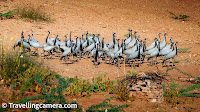
Winter transforms the lake into an important resting place for migratory birds.
Patient observers may spot:
- Egrets
- Herons
- Kingfishers
- Cormorants
- Lapwings
- Painted storks
- Various ducks depending on water levels
Monsoon Reflections
After good rainfall, the hills become surprisingly green.
Cloud reflections create dramatic photographic opportunities rarely associated with Rajasthan.
Rural Roads
Some of the most memorable photographs are actually taken before reaching the lake.
Small roads passing through mustard fields, millet farms, and rocky landscapes provide wonderful storytelling images.
Night Sky
Because Ajabgarh experiences relatively low light pollution, clear winter nights occasionally offer impressive opportunities for astrophotography.
Best Photography Spots at Jai Sagar Lake in Ajabgarh
For photographers, the lake offers multiple compositions.
| Location | Best Time | Photography Opportunities |
|---|---|---|
| Dam Wall | Sunrise | Wide landscapes |
| Eastern Shore | Early Morning | Reflections |
| Village Road | Golden Hour | Rural storytelling |
| Rocky Hills | Sunset | Silhouettes |
| Lake Edge | Winter Morning | Birds |
| Elevated Slopes | Evening | Panoramic landscapes |
Photography Tips for Jai Sagar Lake
Sunrise
Soft pastel colors.
Calm water.
Minimal wind.
Excellent reflections.
Golden Hour
The surrounding hills develop rich golden tones.
Dust particles in the air often create beautiful diffused light.
Telephoto Lens
Useful for:
- Birds
- Farmers working
- Wildlife
- Layered mountain compositions
Wide-angle Lens
Ideal for:
- Landscape panoramas
- Cloud reflections
- Dam structure
- Environmental portraits
Drone Photography
If permitted and flown responsibly, aerial perspectives reveal the relationship between the lake, hills, farms, and villages.
Always avoid disturbing birds or flying over people.
Local Food Experiences Around Jai Sagar
The area surrounding Jai Sagar isn't known for luxury cafés.
Its charm lies elsewhere.
Small roadside eateries serve freshly prepared local meals that feel deeply satisfying after a morning of exploration.
Some local favorites include:
- Bajra roti with white butter
- Gatte ki sabzi
- Ker Sangri
- Fresh curd
- Garlic chutney
- Dal
- Seasonal vegetables
- Masala chai
During winter mornings, hot tea enjoyed beside the lake feels almost like part of the journey itself.
Nearby resorts and heritage properties also serve elaborate Rajasthani thalis featuring traditional recipes.
Conversations That Stay With You
Travel memories are often shaped by people rather than places.
Near Jai Sagar, conversations happen naturally.
A farmer explaining how monsoon timing affects crops.
A shepherd describing changing grazing routes.
Children curious about cameras.
An elderly villager recalling years when the reservoir almost dried completely.
These small interactions reveal how deeply connected local communities remain with the lake.
Unlike heavily commercial destinations, conversations here rarely feel transactional.
They feel genuine.
Best Time to Visit Jai Sagar Lake in Ajabgarh
| Season | Experience |
|---|---|
| July–September | Green hills, full reservoir |
| October–November | Pleasant weather, clear skies |
| December–February | Birdwatching, photography, cool mornings |
| March | Dry landscapes with dramatic textures |
| April–June | Very hot; visit only during sunrise |
Winter remains the best overall season.
How to Reach Jai Sagar Lake in Ajabgarh
By Road
Ajabgarh is well connected by road from:
- Delhi
- Gurgaon
- Jaipur
- Alwar
The final approach passes through scenic rural landscapes.
Private vehicles offer the greatest flexibility.
Nearest Railway Stations
- Alwar
- Bandikui
Nearest Airports
- Jaipur International Airport
- Delhi Airport
Navigation apps generally guide visitors accurately to the lake.
Where to Stay
Accommodation options include:
Luxury
Resorts around Ajabgarh provide:
- Nature-facing rooms
- Swimming pools
- Spa facilities
- Guided walks
Boutique Stays
Small heritage properties offer quieter experiences with personalized hospitality.
Budget
Guesthouses in nearby towns provide economical accommodation for photographers and backpackers.
Budget Tips
- Visit early to avoid midday heat.
- Carry drinking water.
- Pack snacks if spending several hours.
- Hire a local guide for nearby village walks.
- Combine the lake with nearby attractions to maximize your journey.
- Carry cash, as small vendors may not accept digital payments.
Suggested One-Day Itinerary
| Time | Activity |
|---|---|
| 6:00 AM | Reach Jai Sagar before sunrise |
| 7:00 AM | Photography around the dam |
| 8:00 AM | Birdwatching |
| 9:00 AM | Local breakfast |
| 10:00 AM | Village exploration |
| 12:00 PM | Visit nearby heritage attractions |
| 3:00 PM | Lunch |
| 5:00 PM | Return for sunset photography |
| 6:30 PM | Evening drive back |
Responsible Travel Tips
Help preserve Jai Sagar's peaceful character by following a few simple practices:
- Do not leave plastic waste.
- Avoid playing loud music.
- Respect private farmland.
- Do not disturb nesting birds.
- Ask before photographing local residents.
- Stay on existing paths whenever possible.
- Support local food vendors and small businesses.
The lake's greatest attraction is its tranquility. Responsible visitors help ensure it remains that way.
Common Mistakes to Avoid
- Arriving after noon for photography.
- Visiting during peak summer afternoons.
- Expecting boating or commercial entertainment.
- Ignoring birdwatching opportunities.
- Wearing unsuitable footwear for uneven ground.
- Rushing through the visit in under 30 minutes.
- Forgetting binoculars during winter.
Frequently Asked Questions (FAQs)
Is Jai Sagar Lake in Ajabgarh worth visiting?
Yes. If you enjoy peaceful landscapes, birdwatching, photography, and rural experiences, Jai Sagar is one of the most rewarding natural attractions in the region.
What is the best time to visit Jai Sagar Lake in Ajabgarh?
October through February offers pleasant weather, clear skies, and excellent conditions for photography and birdwatching. The monsoon season also brings lush greenery and fuller water levels.
How much time should I spend at Jai Sagar Lake?
Plan at least two to three hours. Photographers and nature enthusiasts may easily spend half a day exploring different viewpoints and observing wildlife.
Is Jai Sagar suitable for birdwatching?
Yes. Winter is particularly rewarding, with resident and migratory birds frequenting the lake and its surrounding wetlands.
Are there restaurants near Jai Sagar Lake?
There are a few local eateries serving simple Rajasthani meals and tea. For a wider choice of dining options, nearby resorts and hotels in the Ajabgarh area are good alternatives.
Can families visit Jai Sagar Lake?
Absolutely. The peaceful setting makes it suitable for families, couples, photographers, and anyone looking for a relaxing day in nature. Visitors should supervise children near the water and the dam.
Is there an entry fee?
The lake itself is generally accessible without a formal entry fee, though conditions can change. It's a good idea to check locally if any restrictions or charges apply before visiting.
Final Thoughts
Not every memorable destination announces itself with towering monuments or bustling markets. Jai Sagar Lake in Ajabgarh proves that some of the most rewarding travel experiences are found in places where nature quietly takes center stage. Here, the Aravalli hills cradle a reservoir that sustains nearby villages, attracts birds through the changing seasons, and offers photographers an ever-shifting canvas of light, reflections, and rural life.
Whether you're exploring the lakes in Ajabgarh as part of a longer Rajasthan itinerary or simply seeking a peaceful escape from city life, Jai Sagar invites you to slow your pace. Watch the first rays of sunlight ripple across the water, linger for conversations with locals, savor a simple Rajasthani meal, and let the stillness become part of your journey.
For travelers who value authenticity over attractions, and experiences over checklists, Jai Sagar is not just another stop on the map—it is a reminder that the quiet corners of Rajasthan often leave the deepest impressions.
Related Blogposts:


.jpg)


.jpg)






.jpg)
Comments