
The City That Keeps Rearranging Itself

One moment you are walking through streets scented with espresso and sourdough. A few minutes later, fog rolls over Victorian rooftops like slow-moving theatre curtains. Cable cars rattle past murals, startup offices stand beside century-old bookstores, and suddenly the Pacific Ocean appears at the end of a residential street as if the city forgot to hide it.

Planning a San Francisco trip is not just about ticking landmarks off a list. SF rewards curiosity. It rewards travelers who slow down, sit longer at cafés, walk uphill despite tired legs, and wander into neighborhoods without a strict itinerary.

This city is layered. Gold Rush ambition. Counterculture rebellion. Chinese heritage. LGBTQ+ activism. Tech wealth. Earthquake scars. Ocean melancholy. Californian optimism.
And somehow, all of it coexists.
For travelers visiting California, USA, San Francisco often becomes more than just another destination. It becomes a mood — cool, cinematic, intellectual, slightly chaotic, and deeply photogenic.
The best San Francisco trip is not rushed.
It unfolds gradually.

Why Visit San Francisco
There are prettier coastal cities. There are larger American cities. There are cleaner cities too.
But very few places in the USA feel as visually distinctive and emotionally textured as San Francisco.
Here’s what makes SF unforgettable:
The Geography Creates Drama
San Francisco was built on steep hills surrounded by water. That alone changes how the city feels. Streets tilt dramatically toward the bay. Sunlight changes every hour because of the fog. Neighborhoods feel separated like little villages.
Photographers especially notice this quickly.
Morning light in SF feels silver. Afternoon light can suddenly become golden and cinematic. Evening fog transforms ordinary streets into film scenes.
Neighborhoods Feel Like Different Worlds
- Chinatown feels dense, loud, fragrant, and alive
- The Mission District bursts with murals and Latin culture
- Pacific Heights feels elegant and quiet
- Haight-Ashbury still carries echoes of the 1960s counterculture
- North Beach blends Italian cafés with Beat Generation history
- Japantown moves at a gentler pace
Unlike many American cities where downtown dominates everything, places to see in SF are spread across neighborhoods with distinct personalities.
Nature Exists Inside the City
One of the most surprising aspects of San Francisco trip planning is realizing how much nature exists within city limits.
You can:
- Watch sea lions at Fisherman’s Wharf
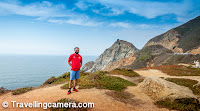
- Hike coastal cliffs at Lands End
- Picnic in Golden Gate Park
- Drive across the Golden Gate Bridge
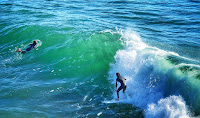
- Watch surfers near Ocean Beach
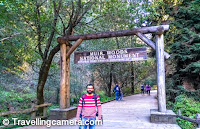
- Explore redwood forests less than an hour away
Very few global cities combine urban life and raw nature this seamlessly.

Historical and Cultural Significance of San Francisco
San Francisco’s story is one of reinvention.
The Gold Rush Changed Everything
Before 1848, SF was a relatively small settlement. Then gold was discovered in California.
Within months, ships flooded the bay. Fortune seekers arrived from China, Latin America, Europe, and across the USA. The city expanded recklessly and rapidly.
Interestingly, many abandoned ships from the Gold Rush era still lie buried beneath modern downtown San Francisco streets.
The 1906 Earthquake
The devastating earthquake and fire of 1906 destroyed huge parts of the city.
But locals rebuilt quickly.
That rebuilding spirit still defines SF culture today — resilient, experimental, and slightly rebellious.
Counterculture Capital
San Francisco shaped modern cultural history:
- Beat poets gathered in North Beach
- The Summer of Love transformed Haight-Ashbury
- LGBTQ+ rights movements gained momentum in Castro
- Activism and artistic expression became part of the city’s identity
Walking through SF feels like walking through multiple social revolutions at once.

My First Slow Walk Through SF
The first thing I noticed was the silence.
Not complete silence — but the strange softness created by fog.
I had arrived early in the morning near the Embarcadero after a long flight into SFO. The city still seemed half asleep. Ferry commuters walked quickly with coffee cups. Seagulls circled the waterfront. A street musician played saxophone under a cloudy sky.
Then sunlight briefly pierced through the fog and illuminated the Bay Bridge.
That moment changed the entire mood.
San Francisco constantly shifts visually. It refuses to stay static.
Later that evening, I climbed up to Coit Tower before sunset. The wind was cold enough to numb fingers. Below, the city glowed softly under rolling fog. Tiny yellow cable cars crawled through steep intersections.
An elderly local photographer standing nearby quietly said:
“Never trust SF weather. Wait five minutes and the whole city changes.”
He was right.

Detailed Exploration of the Best Places to See in SF
Golden Gate Bridge: More Than a Landmark
Most visitors photograph the bridge from the same viewpoints.
But the bridge changes personality depending on weather.
Best Experiences
- Walk partway across during early morning fog
- Visit Battery Spencer at sunrise
- Watch sunset from Crissy Field
- Explore Fort Point beneath the bridge
Photography Tip
Foggy days often produce more dramatic photos than clear skies. Use the bridge as a disappearing subject rather than trying to capture it fully.
Lesser-Known Detail
The bridge is not actually “golden.” Its official color is “International Orange,” chosen because it remains visible through fog.

Golden Gate Park: San Francisco’s Breathing Space
Many travelers underestimate this park.
Golden Gate Park is larger than New York’s Central Park and feels wonderfully local away from tourist-heavy sections.
Highlights
- Japanese Tea Garden
- Conservatory of Flowers
- Stow Lake
- California Academy of Sciences
- Hidden forest trails
Families particularly enjoy the slower pace here.
Photography Perspective
Morning mist around Stow Lake creates dreamy reflections. The best light appears between 7–9 AM before crowds arrive.

The Mission District
The Mission feels alive in a completely different way from waterfront San Francisco.
Murals cover walls. Latin music spills from restaurants. Cafés are full of remote workers and artists.
Don’t Miss
- Balmy Alley murals
- Dolores Park
- Independent bookstores
- Local taquerias
Cultural Observation
The Mission reflects both creative energy and visible gentrification tensions. Expensive cafés exist beside long-standing immigrant communities.
Walking slowly here reveals the city’s modern contradictions.

Chinatown: One of the Oldest in North America
San Francisco’s Chinatown is not merely tourist-oriented.
It remains deeply functional and community-driven.
You’ll notice:
- Elderly residents practicing tai chi
- Fresh produce markets
- Traditional herbal medicine shops
- Alleyways hidden behind crowded streets
Hidden Gem
Waverly Place feels quieter and more intimate than Grant Avenue.
Photography Tip
Avoid photographing people aggressively in markets. Observe respectfully first.

Lands End Coastal Trail
One of the best slow-travel experiences in SF.
This coastal trail combines:
- Cypress trees
- Cliffside paths
- Ocean views
- Bridge vistas
- Shipwreck history
Very few first-time visitors prioritize Lands End, which makes it feel peaceful compared to central attractions.
Best Timing
Late afternoon for softer coastal light.
Rare Fact
The Sutro Baths ruins nearby were once part of an enormous Victorian swimming complex.

Ferry Building Marketplace
What Makes It Special
- Farmers’ markets
- Gourmet local products
- Fresh oysters
- Exceptional coffee
- Bay views
Food Observation
Locals often come here not for tourism but for ingredients, bread, and weekend brunch.
That authenticity matters.

Hidden Gems and Lesser-Known Insights
Ina Coolbrith Park
Tiny. Quiet. Almost invisible.
But this small hilltop park offers surprisingly beautiful skyline views without major crowds.
Perfect for:
- Sunset photography
- Reading quietly
- Escaping tourist noise
Seward Street Slides
Concrete slides built into a neighborhood park.
Children love them. Adults secretly enjoy them more.
Bring cardboard for faster sliding.
The Wave Organ
An acoustic sculpture near the bay that creates strange sounds using wave movement.
Visit during high tide for the best effect.
Few tourists make it here.
Clement Street
You’ll find:
- Dim sum spots
- Russian bakeries
- Asian grocery stores
- Vintage bookstores
- Less polished but more authentic SF life

Best Photography Spots in San Francisco
1. Battery Spencer
Classic Golden Gate Bridge composition.
Best Time
Sunrise or foggy mornings.
2. Baker Beach
Perfect for dramatic wide-angle coastal shots.
Photography Note
Strong winds are common. Bring lens cloths because sea spray can become an issue.

3. Twin Peaks
One of the best panoramic city viewpoints.
Ideal Timing
Blue hour after sunset.

4. Lombard Street
Touristy but visually interesting.
Better Perspective
Photograph from the bottom looking upward rather than standing in the crowd at the top.

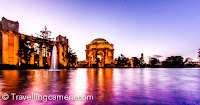
5. Palace of Fine Arts
Especially beautiful during softer morning light.
The reflections can become magical on calm days.
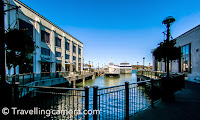
6. Pier 7
Excellent symmetrical composition opportunities.
Best Time
Early morning before crowds.

Photography Tips for a San Francisco Trip
Pack Layers for Yourself and Your Gear
SF weather changes constantly.
Fog and moisture can affect lenses.
Wake Up Early
Morning light transforms the city.
You’ll also avoid:
- Tourist crowds
- Harsh midday contrast
- Heavy traffic
Use Fog Creatively
Many visitors become disappointed when fog hides landmarks.
Photographers should celebrate it.
Fog adds:
- Mystery
- Depth
- Mood
- Minimalism
Shoot Neighborhood Details
Don’t only focus on landmarks.
Some of the best storytelling images come from:
- Fire escapes
- Corner cafés
- Painted stairways
- Cable car interiors
- Local street scenes

Local Food Experiences in SF
San Francisco’s food scene reflects migration, innovation, and California produce culture.
Mission Burritos
Massive, flavorful, and iconic.
The Mission District popularized this style.
Sourdough Bread
SF sourdough tastes unique partly because of local wild yeast cultures.
Yes, even bread here carries geographical identity.
Seafood Along the Waterfront
Try:
- Dungeness crab
- Clam chowder
- Oysters
- Cioppino
Lesser-Known Observation
Some waterfront restaurants prioritize views over quality. Research carefully.
Dim Sum in Chinatown
Go early.
Weekend mornings feel wonderfully energetic and communal.
Third-Wave Coffee Culture
San Francisco helped shape modern American specialty coffee culture.
Independent cafés matter here.
People linger longer.
Conversations happen slowly.

Human Stories and Local Conversations
One evening near North Beach, I spoke to an elderly bookstore owner who had lived in San Francisco for decades.
He laughed when I asked whether the city had changed too much.
That sentence stayed with me.
Another memorable interaction happened near Fisherman’s Wharf.
A crab fisherman explained how climate shifts and environmental regulations had affected local fishing seasons.
Tourists nearby focused only on photos.
But hearing real local concerns added depth to the experience.
Cities become richer when conversations go beyond sightseeing.

Best Time to Visit San Francisco
Surprisingly, summer is not always ideal.
September to November
Often the best period.
Why?
- Warmer temperatures
- Less fog
- Clearer skies
- Beautiful evening light
Spring
Fresh greenery and fewer crowds.
Winter
Rainy but atmospheric.
Hotels may also become more affordable.
Summer
Tourist-heavy and surprisingly cold due to fog.
Always carry layers.

How to Reach San Francisco
By Air
Most international travelers arrive via:
- San Francisco International Airport (SFO)
SFO connects efficiently with:
- Asia
- Europe
- Major USA cities
From the Airport
Options include:
- BART trains
- Airport shuttles
- Rental cars
- Ride-share services
For slow travelers staying centrally, public transit works well.

Where to Stay in SF
| Area | Best For | Vibe |
|---|---|---|
| Union Square | First-time visitors | Central & busy |
| Fisherman’s Wharf | Families | Tourist-friendly |
| Nob Hill | Luxury travelers | Elegant & historic |
| Mission District | Food & nightlife | Creative |
| Pacific Heights | Quiet luxury | Residential charm |
| North Beach | Culture lovers | European feel |
Luxury Hotel Suggestions
- Fairmont San Francisco
- The Ritz-Carlton
- Hotel Drisco
- Proper Hotel
Boutique Stay Experience
Smaller heritage hotels often provide more character than large chains.

Budget Tips for San Francisco Trip Planning
San Francisco can become expensive quickly.
Save Smartly
- Use public transport
- Walk neighborhoods
- Stay outside peak tourist zones
- Visit free parks and viewpoints
- Use city passes selectively
Free Experiences Worth Doing
- Lands End hike
- Chinatown exploration
- Golden Gate Park
- Dolores Park sunsets
- Ferry Building wandering

Suggested 5-Day Slow Travel Itinerary for SF
Day 1
- Ferry Building
- Embarcadero walk
- North Beach
- Coit Tower sunset
Day 2
- Golden Gate Bridge
- Crissy Field
- Palace of Fine Arts
- Marina District
Day 3
- Golden Gate Park
- Haight-Ashbury
- Japanese Tea Garden
Day 4
- Mission District
- Dolores Park
- Chinatown
- Evening cable car ride
Day 5
- Lands End
- Ocean Beach
- Slow café hopping
- Sunset at Twin Peaks

Responsible Travel Tips
Respect Residential Areas
Some iconic streets are actual residential neighborhoods.
Avoid blocking driveways or creating noise.
Support Local Businesses
Independent bookstores, cafés, and family-run restaurants form the soul of SF.
Be Environmentally Conscious
San Francisco values sustainability strongly.
Carry reusable bottles and avoid excessive waste.

Common Mistakes to Avoid During a San Francisco Trip
Underestimating the Weather
Even sunny mornings can become cold quickly.
Renting a Car Unnecessarily
Parking is expensive and stressful.
Public transport plus walking works well.
Only Visiting Fisherman’s Wharf
Many travelers never explore deeper neighborhoods.
That’s where the real SF experience exists.
Packing Only Summer Clothes
Even in July, evenings can feel surprisingly cold.

Frequently Asked Questions About San Francisco Trip Planning
How many days are enough for a San Francisco trip?
A minimum of 4–5 days allows slower exploration beyond major landmarks.
Is San Francisco family-friendly?
Yes. Families enjoy parks, waterfront attractions, museums, cable cars, and nearby coastal experiences.
What is the best month to visit SF?
September and October often offer the warmest and clearest weather.
Is San Francisco expensive for tourists?
Compared to many US cities, yes. However, smart planning and public transport help reduce costs.
Can tourists explore SF without a car?
Absolutely. Walking, BART, trams, buses, and ride-shares make transportation manageable.

What are the best places to see in SF for photographers?
- Battery Spencer
- Twin Peaks
- Baker Beach
- Palace of Fine Arts
- Lands End
- Pier 7

Final Thoughts: The Real Beauty of San Francisco
The best San Francisco trip is not built around rushing.
It comes from allowing the city to reveal itself slowly.
Sit longer at cafés. Walk uphill without checking maps constantly. Watch fog move across rooftops. Talk to locals. Explore beyond famous attractions.

San Francisco rewards attention.
Its beauty is not always immediate.
And perhaps that is exactly why travelers remember it so deeply.
Because SF feels less like a polished postcard and more like a living story still being written.














.jpg)
Comments