

The first thing I noticed was the silence.
Not the absence of sound — because Jew Town in Kochi is rarely silent — but a softer rhythm hiding beneath the noise of tourists, spice traders, antique sellers, and passing scooters. Somewhere between the smell of cardamom and old wood, the narrow lane leading to Paradesi Synagogue felt suspended in time.
Kochi is layered. Portuguese churches stand beside Dutch buildings. Chinese fishing nets frame Arabian Sea sunsets. Mosques echo evening prayers while temple drums vibrate through humid air. Yet tucked quietly inside Mattancherry lies one of the most unexpected cultural treasures in India: the historic Paradesi Synagogue, widely regarded as the oldest active synagogue in India.
For many travelers, Fort Kochi becomes a quick checklist destination — cafés, colonial lanes, Kathakali shows, and seafood dinners. But the synagogue tells a different story. It speaks of migration, exile, trade routes, survival, faith, and coexistence. It reveals how Jewish communities from Europe, the Middle East, and the Malabar coast shaped the identity of Kerala over centuries.
Walking into the synagogue is not merely entering a religious structure. It feels like stepping into a living archive where blue hand-painted Chinese tiles, Belgian chandeliers, Hebrew inscriptions, and Kerala architecture unexpectedly coexist.
As a photographer, I found the place visually hypnotic. As a traveler, emotionally grounding. And as someone fascinated by layered histories, I realized the synagogue is among the most compelling cultural spaces in South India.
This guide goes beyond standard tourist information. It explores stories, photography angles, hidden details, local interactions, and the quieter observations that often disappear from quick online itineraries.

Why Visit Paradesi Synagogue in Kochi
More Than Just a Historic Synagogue in India
Many travelers visit because it appears on Kochi sightseeing lists. But the real value of Paradesi Synagogue lies in how deeply it connects global history with local Kerala culture.
This synagogue in India is remarkable because it represents centuries of multicultural exchange:
- Jewish traders arriving on the Malabar Coast
- Portuguese persecution
- Dutch influence in Kochi
- Spice trade connections
- Kerala craftsmanship
- Middle Eastern religious traditions
Unlike grand monuments built for spectacle, Paradesi Synagogue feels intimate and deeply human.
The building does not overwhelm you with size. Instead, it pulls you closer through details:
- Worn wooden benches
- Hanging oil lamps
- Ancient Torah scrolls
- Hand-painted floor tiles
- Fading clocks and inscriptions
- Quiet prayers once spoken here
You leave feeling reflective rather than entertained.

Historical and Cultural Significance of the Synagogue in Kerala
The Arrival of Jews in Kerala
Jewish communities are believed to have reached Kerala centuries ago through maritime trade routes connecting the Middle East with the Malabar Coast.
Local legends suggest Jewish settlers arrived after the destruction of the Second Temple in Jerusalem in 70 CE. While historians debate exact timelines, records clearly establish a long Jewish presence in Kerala.
The Malabar Coast was globally famous for:
- Black pepper
- Cinnamon
- Cardamom
- Ivory
- Timber
Arab, Chinese, Jewish, and European traders all passed through these ports.
Birth of the Paradesi Synagogue
The Paradesi Synagogue was built in 1568 by Sephardic Jews who fled persecution in Spain and Portugal.
The word “Paradesi” roughly translates to “foreigner” in several Indian languages.
These Jewish settlers established themselves near the Mattancherry Palace area under the protection of the Kochi royal family.
However, history was not always kind.
When the Portuguese captured Kochi, parts of the synagogue were damaged during anti-Jewish persecution. Later, the Dutch restored the structure after taking control of Kochi in the 17th century.
Today, the synagogue stands as one of the last visible reminders of Kerala’s once-thriving Jewish community.

Walking Through Jew Town: A Personal Experience
The Slow Approach Matters
One mistake many travelers make is rushing directly into the synagogue.
The experience actually begins outside.
The lane leading to Jew Town is one of the most atmospheric streets in Kochi. Antique shops spill brass lamps onto pavements. Old spice warehouses still carry faint aromas of cloves and pepper. Faded colonial walls hold decades of monsoon stains.
Around mid-morning, sunlight enters the street unevenly, creating dramatic patches of shadow and gold. It becomes a dream for street photography.
I stopped frequently:
- A shopkeeper polishing a brass menorah
- Cats sleeping near spice sacks
- Wooden windows painted turquoise
- Elderly men discussing business over tea
Jew Town rewards slow observation.
Entering the Synagogue
Shoes must be removed before entering.
The transition from humid Kerala heat into the cool interiors is immediate. Your eyes take a moment to adjust. Then the details emerge slowly.
The famous blue-and-white Chinese tiles instantly capture attention.
No two tiles are identical.
That fact alone changes how you look at the floor. Suddenly you stop walking casually and begin observing patterns like a collector studying artwork.
The chandeliers hanging above seem almost surreal in the Kerala setting. Belgian glass. Hebrew inscriptions. Colonial architecture. Kerala timber craftsmanship. Everything feels geographically impossible yet perfectly harmonious.
Architectural Details Worth Observing
The Chinese Hand-Painted Tiles
The synagogue’s floor contains hundreds of hand-painted willow-pattern tiles imported from China during the 18th century.
Photography enthusiasts should spend time studying them closely.
Some tiles show:
- Pagodas
- Bridges
- Birds
- Trees
- Water scenes
Because each tile differs slightly, photographing repetitive symmetry becomes surprisingly interesting.
Photography Tip
Use a 35mm or 50mm lens at a low angle during softer indoor light. Focus on selective tile details rather than trying to capture the entire floor.
Belgian Chandeliers
The chandeliers add an almost cinematic atmosphere.
When natural light enters through windows, reflections create layered textures across the room. Dust particles floating in light beams make the interiors feel timeless.
Late morning often provides the best interior illumination.
The Clock Tower
Built in 1761, the clock tower outside the synagogue is often overlooked.
Look carefully and you’ll notice:
- Hebrew numerals
- Roman numerals
- Malayalam numerals
This tiny detail beautifully represents Kochi’s multicultural identity.
Hidden Gems and Lesser-Known Insights
The Nearly Vanished Jewish Community
One emotional reality becomes clear during conversations in Jew Town: the Jewish population in Kochi has dramatically declined.
Most Cochin Jews migrated to Israel after Indian independence.
Today, only a very small Jewish community remains in Kerala.
This changes how you experience the synagogue. It no longer feels merely historic — it feels fragile and precious.
The Quiet Emotional Weight
There’s a subtle melancholy here.
Unlike crowded monuments where tourism dominates, the synagogue still carries emotional memory. You sense absence as much as presence.
Old family homes nearby remain locked or converted into shops. Hebrew inscriptions fade quietly above doors.
For observant travelers, this emotional layer becomes unforgettable.
The Cemetery Nearby
Many visitors miss the old Jewish cemetery located near the synagogue complex.
It is modest but historically important.
Please approach respectfully:
- Avoid loud conversations
- Do not pose casually for photographs
- Maintain distance from graves
Best Photography Spots Around the Synagogue in India
1. Jew Town Street Early Morning
The best street photography happens before tourist crowds arrive.
Ideal timing:
- 7:00 AM to 8:30 AM
You’ll capture:
- Empty heritage lanes
- Shopkeepers opening stores
- Soft golden light
- Textured colonial walls
2. Synagogue Exterior
The façade is understated compared to many Indian religious structures.
Use:
- Leading lines from narrow lanes
- Wide-angle framing
- Human subjects for scale
3. Spice Warehouses Nearby
Several old spice buildings near Jew Town create extraordinary visual compositions.
Look for:
- Wooden doors
- Vintage weighing scales
- Burlap sacks
- Light rays entering dusty interiors
4. Mattancherry Backstreets
Most tourists stay on the main road.
Walk deeper into surrounding lanes to photograph:
- Traditional Kerala homes
- Faded Jewish signboards
- Hidden courtyards
- Street cats and bicycles
Photography Tips for Capturing the Synagogue in Kerala
Respect Photography Restrictions
Photography rules inside the synagogue may change occasionally. Always check before shooting interiors.
If photography is restricted:
- Respect the rules fully
- Observe quietly
- Use the opportunity to absorb details without distraction
Best Camera Gear
Ideal setup:
- Mirrorless camera
- 35mm prime lens
- Wide-angle lens for architecture
- Lightweight tripod for exterior low-light shots
Avoid oversized equipment that disrupts the peaceful environment.
Best Season for Photography
October to February
Best overall conditions:
- Pleasant weather
- Cleaner skies
- Softer humidity
- Better walking experience
Monsoon Season
Unexpectedly beautiful for atmospheric photography.
Rain enhances:
- Reflections
- Moss textures
- Saturated wall colors
- Moody skies
But equipment protection becomes essential.
Local Food Experiences Near Jew Town
Ginger House Restaurant
Located near the waterfront, this heritage-style restaurant offers atmospheric dining after exploring Mattancherry.
Try:
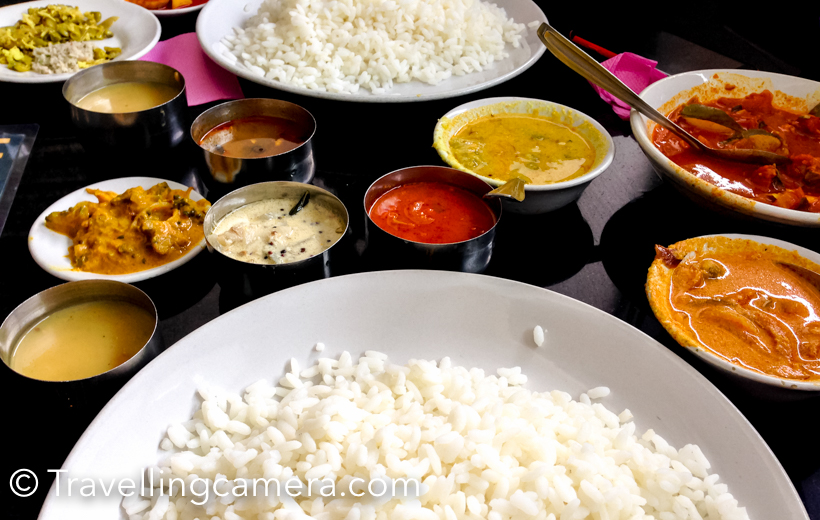
- Kerala fish curry
- Appam
- Prawn dishes
- Fresh lime soda
Small Tea Shops Matter More
Some of my favorite moments came from tiny tea stalls rather than formal restaurants.
A local chai vendor near Jew Town asked where I was from before telling stories about how tourist crowds changed the neighborhood over the years.
These small conversations often become the soul of travel memories.
What to Eat Nearby
| Dish | Why Try It |
|---|---|
| Appam with stew | Classic Kerala comfort food |
| Malabar biryani | Rich coastal flavors |
| Banana fritters | Perfect during rainy evenings |
| Filter coffee | Ideal after heritage walks |
| Fresh seafood | Kochi’s coastal specialty |
Human Stories from Jew Town
The Antique Shop Owner
One antique seller explained how many visitors rush through Jew Town without understanding its layered history.
He pointed toward old wooden beams above his shop and said quietly:
“People photograph the street but don’t see the stories.”
That sentence stayed with me.
Conversations About Migration
Several locals spoke about Jewish families who once lived here before moving abroad.
There’s pride in the history, but also nostalgia.
Some older residents still remember:
- Jewish festivals
- Hebrew songs
- Community gatherings
- Shared neighborhood traditions
Travel becomes meaningful when places are experienced through memory rather than monuments alone.
Best Time to Visit the Synagogue in India
Best Months
November to February
Ideal weather:
- Cooler temperatures
- Lower humidity
- Comfortable walking conditions
Avoid Midday Heat
Kochi humidity becomes exhausting after noon.
Best visiting hours:
- Morning: 8 AM – 11 AM
- Evening walks afterward in Fort Kochi
Festival Seasons
Jewish festivals occasionally bring unique cultural moments, though access and schedules may vary.
Always check locally before planning around religious events.
How to Reach Paradesi Synagogue
From Fort Kochi
- Auto-rickshaw: 15–20 minutes
- Ferry + auto combination possible
- Taxi available easily
From Kochi Airport
Distance:
- Approximately 40 km
Travel time:
- Around 1.5 hours depending on traffic
By Ferry
One of the most atmospheric ways to reach Mattancherry is via Kochi’s ferry system.
The water approach gives:
- Harbor views
- Slower transition into old Kochi
- Excellent photography opportunities
Where to Stay Near the Synagogue in Kerala
Heritage Stays in Fort Kochi
Best for:
- Photographers
- Slow travelers
- Cultural exploration
Look for:
- Portuguese-era homes
- Boutique heritage hotels
- Homestays with local hosts
Mattancherry Stays
Less touristy than Fort Kochi.
Better for:
- Early morning photography
- Quiet exploration
- Authentic local atmosphere
Budget Tips for Visiting Kochi
| Expense | Approximate Cost |
| Ferry ride | Very affordable |
| Auto-rickshaw | Moderate |
| Heritage stay | Mid-range to premium |
| Local meals | Budget-friendly |
| Walking tours | Optional but useful |
Save Money By:
- Using ferries instead of taxis
- Walking between heritage zones
- Eating at local cafés
- Traveling during shoulder season
Suggested One-Day Itinerary
Morning
- Explore Jew Town early
- Visit Paradesi Synagogue
- Photograph Mattancherry lanes
Afternoon
- Lunch at heritage café
- Visit Mattancherry Palace
- Explore spice warehouses
Evening
- Ferry to Fort Kochi
- Sunset photography near Chinese fishing nets
- Seafood dinner by the waterfront
Responsible Travel Tips
Respect Religious Spaces
Even though the synagogue attracts tourists, it remains a sacred place.
Avoid:
- Loud conversations
- Flash photography
- Disruptive posing
Support Local Businesses
Instead of buying mass-produced souvenirs, consider:
- Handmade spice blends
- Locally crafted antiques
- Art from local creators
Slow Down
Jew Town rewards patience.
The most meaningful experiences often happen away from itineraries.
Common Mistakes to Avoid
1. Visiting During Peak Afternoon Heat
The humidity can make exploration uncomfortable.
2. Treating It Like a Quick Stop
Many travelers spend only 15 minutes here.
The neighborhood deserves at least half a day.
3. Ignoring the Side Streets
Some of the most atmospheric photography lies away from the main tourist lane.
4. Overplanning
Leave time for:
- Conversations
- Tea breaks
- Wandering
- Observing daily life
FAQs About the Paradesi Synagogue
Is Paradesi Synagogue the oldest synagogue in India?
Yes, it is widely considered the oldest active synagogue in India, established in 1568.
Where is the synagogue located in Kochi?
It is located in Mattancherry’s historic Jew Town area near Mattancherry Palace.
Can tourists enter the synagogue?
Yes, visitors are generally allowed, though timings and photography rules may vary.
What is special about the synagogue floor?
The floor contains rare hand-painted Chinese porcelain tiles, each with unique patterns.
Is photography allowed inside?
Rules may change periodically. Always confirm locally before photographing interiors.
How much time should I spend there?
Ideally 2–4 hours including exploration of Jew Town and nearby heritage lanes.
What should I wear?
Dress modestly and respectfully, especially when entering religious spaces.
Final Thoughts
Paradesi Synagogue is not the loudest attraction in Kochi.
It doesn’t compete with dramatic forts, giant temples, or cinematic landscapes. Instead, it invites quiet attention. The kind of place that reveals itself slowly through textures, conversations, fading inscriptions, and layered histories.
Long after leaving Kochi, I remembered tiny details:
- Blue porcelain tiles beneath soft light
- Smell of spices drifting through Jew Town
- An old clock tower carrying three numeral systems
- Stories of migration and memory
- Silence inside a centuries-old synagogue in Kerala
Travel often becomes richer when we stop searching only for spectacle.
Sometimes the most unforgettable places are the ones that whisper instead of shout.
And Paradesi Synagogue whispers beautifully.
Related Blogposts:




.jpg)
Comments