
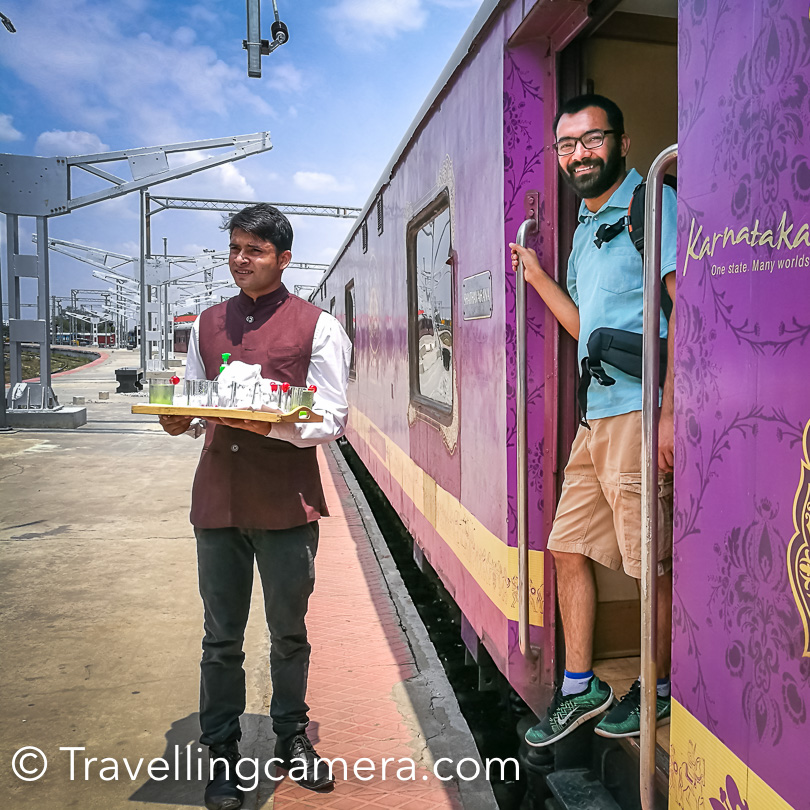
There is something deeply romantic about train journeys in India.
Not the hurried overnight rides between cities. Not the crowded suburban networks that pulse like arteries through urban chaos. But the slower journeys. The kind where landscapes unfold gradually, where stations smell of chai and wet earth, where conversations linger longer than expected, and where the rhythm of the tracks almost becomes meditative.
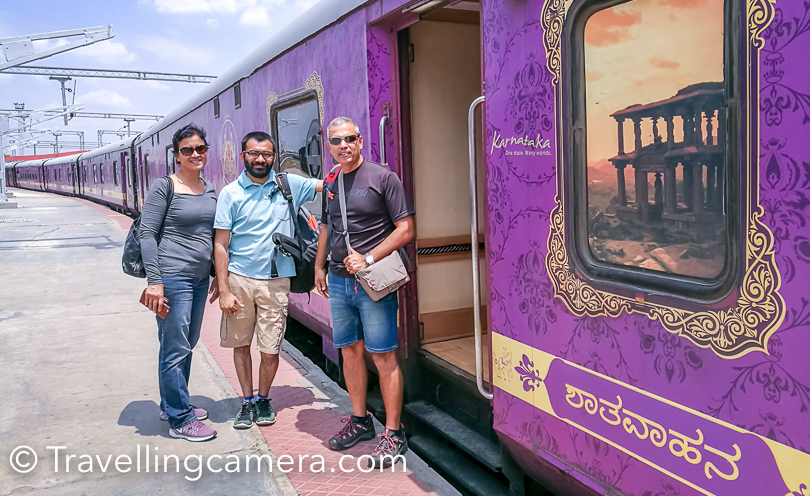
The Golden Chariot belongs to a completely different world within Indian Railways.
This is not merely transportation. It is theatre on rails.
Among the most fascinating luxury trains in the world, the Golden Chariot offers something that many international luxury rail experiences cannot replicate — an immersive cultural passage through living civilizations. South India is not frozen in nostalgia. Temples are still active. Markets still chaotic. Rituals still deeply woven into daily life. And from the windows of this elegant train, you watch layers of history coexist with modern India.
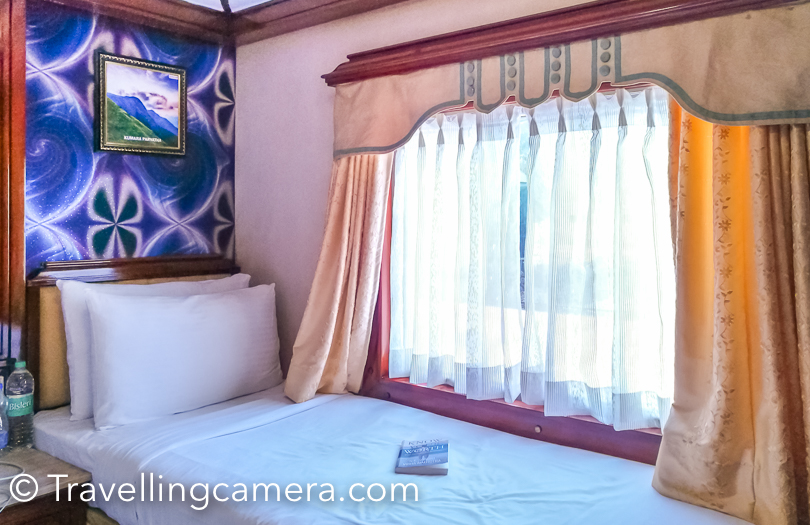
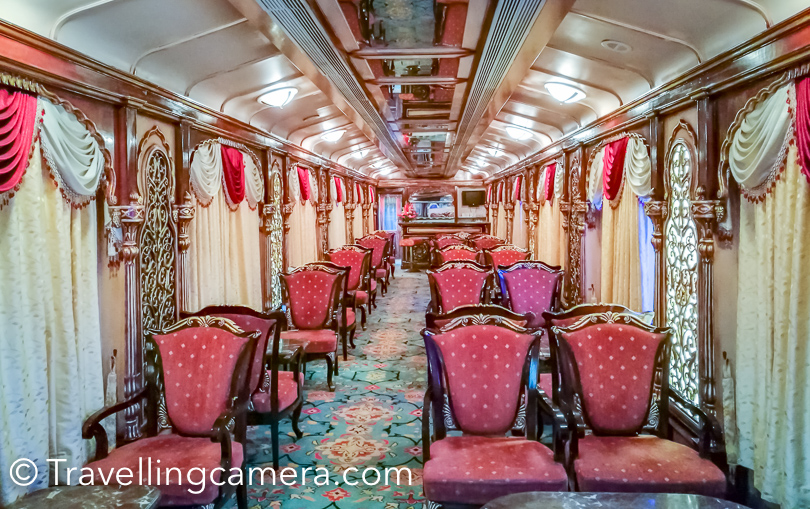
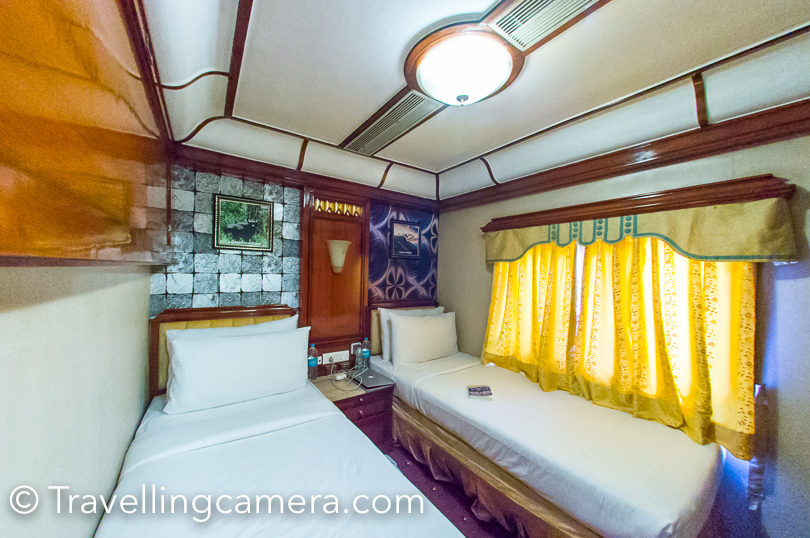
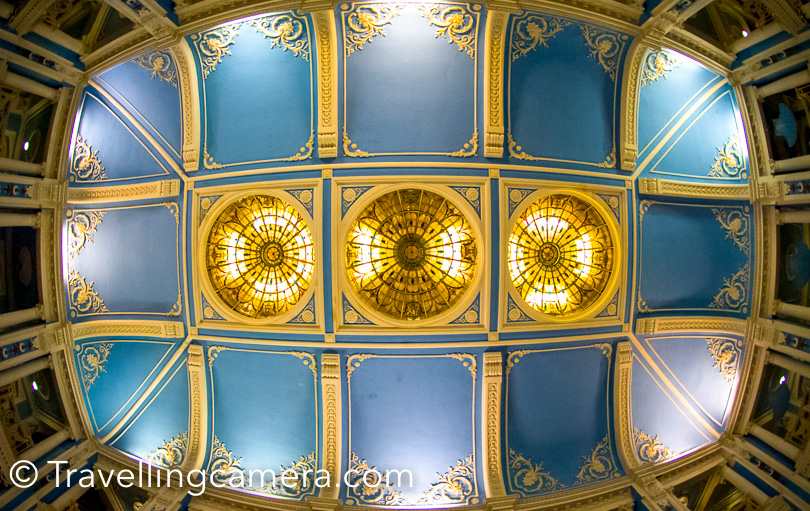
The first glimpse of the train itself feels cinematic. Polished exteriors gleam under station lights. Attendants dressed with old-world elegance welcome guests with folded hands. Inside, carved motifs inspired by Karnataka’s dynasties decorate corridors. Soft lighting reflects on polished wood panels. Somewhere in the background, instrumental Carnatic music quietly fills the air.

Winter is perhaps the best time to experience the Golden Chariot. The weather across Karnataka, Goa, Kerala, Tamil Nadu, and surrounding regions becomes gentle enough for exploration without exhaustion. Morning mist lingers over plantations. Temple stones glow warmly during golden hour. Coastal sunsets become softer and more photogenic.

And if you are a photographer, this train journey is a moving visual feast.

Why Visit the Golden Chariot?
One of the Most Unique Luxury Trains in the World
Many luxury trains focus primarily on opulence. The Golden Chariot certainly delivers comfort, but what makes it memorable is the depth of experiences outside the train.
This journey combines:
- UNESCO World Heritage Sites
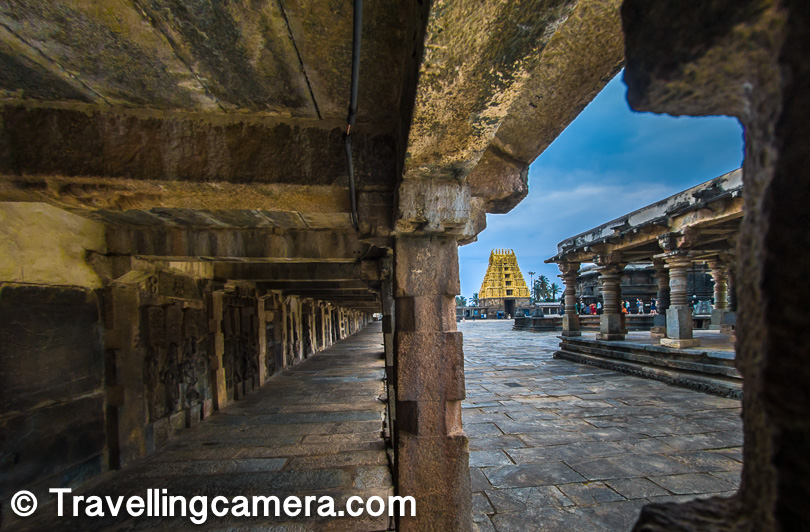
- Ancient temple architecture
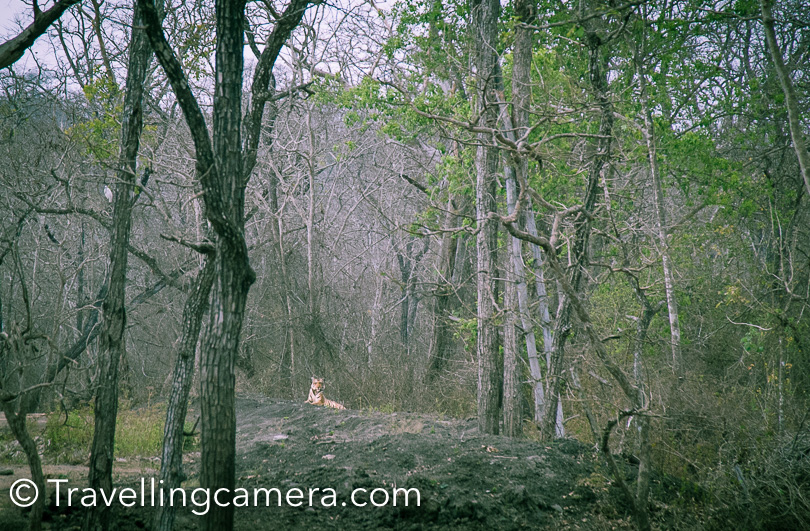
- Wildlife reserves
- South Indian cuisine
- Coastal landscapes
- Spiritual traditions
- Royal heritage
- Slow travel experiences
Unlike conventional luxury vacations where guests remain isolated inside resorts, the Golden Chariot constantly pushes you into interaction with living cultures.
You wake up in a different landscape almost every day.

One morning begins with temple bells in Tamil Nadu. Another starts near spice plantations in Karnataka. By evening, you may be photographing Portuguese-era streets in Goa.
That variety makes the journey emotionally rich rather than merely luxurious.

Historical and Cultural Significance
Inspired by Karnataka’s Royal Heritage
The Golden Chariot derives its identity from the royal dynasties of South India, especially the Hoysalas, Chalukyas, and Vijayanagara Empire.
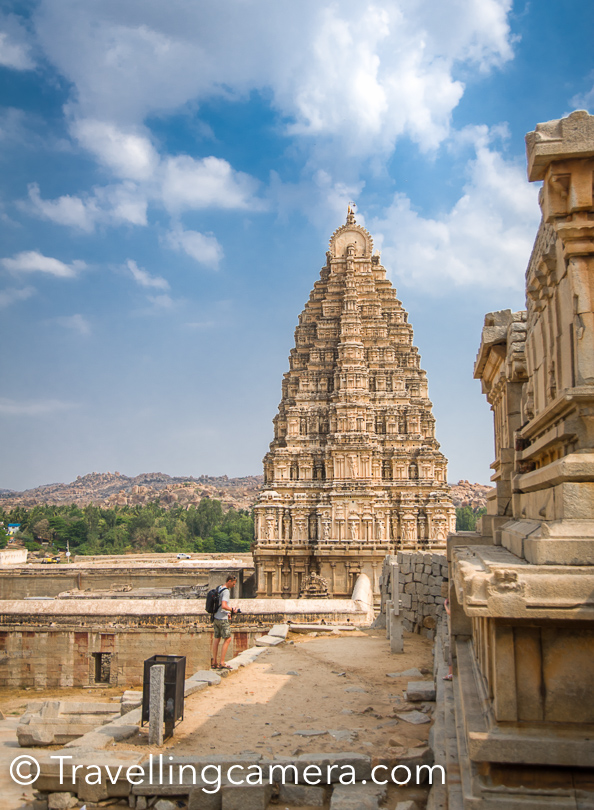
The train’s name itself references the famous Stone Chariot at Vitthala Temple in Hampi — one of India’s most photographed architectural icons.
Inside the train, each coach is named after historic kingdoms and dynasties. Decorative details borrow heavily from temple architecture, sandalwood carving traditions, Mysore aesthetics, and Dravidian motifs.
What makes the experience culturally meaningful is that these references are not superficial decorations. The destinations themselves reinforce the narrative.
You are not simply seeing monuments.
You are tracing the geography of South Indian empires.
My Personal Experience Aboard the Golden Chariot
The journey began at Yesvantpur Junction Railway Station in Bengaluru.

Luxury train departures in India still carry traces of colonial-era ceremony. There was live classical music at the platform. Fresh flower garlands. Warm smiles. Elderly travelers adjusting cameras around their necks. Couples celebrating anniversaries. International guests quietly absorbing the atmosphere.

And then there was that unmistakable railway emotion.
The feeling that something meaningful is about to begin.
As the train slowly moved out of Bengaluru after sunset, city lights blurred into distant amber streaks. Dinner was served shortly after. Soft appams. Peppery stew. Delicate desserts plated with precision.

Later that night, I stood near the vestibule between coaches watching darkness swallow the tracks behind us. Occasionally, small stations appeared briefly — illuminated tea stalls, sleepy porters, passengers waiting under fluorescent lights.
Luxury existed inside the train.
But India remained gloriously alive outside it.
That contrast stayed with me throughout the journey.

Exploring the Golden Chariot Routes
The Golden Chariot operates multiple itineraries covering parts of:
- Karnataka
- Goa
- Kerala
- Tamil Nadu
- Puducherry
Some of the most remarkable stops include:
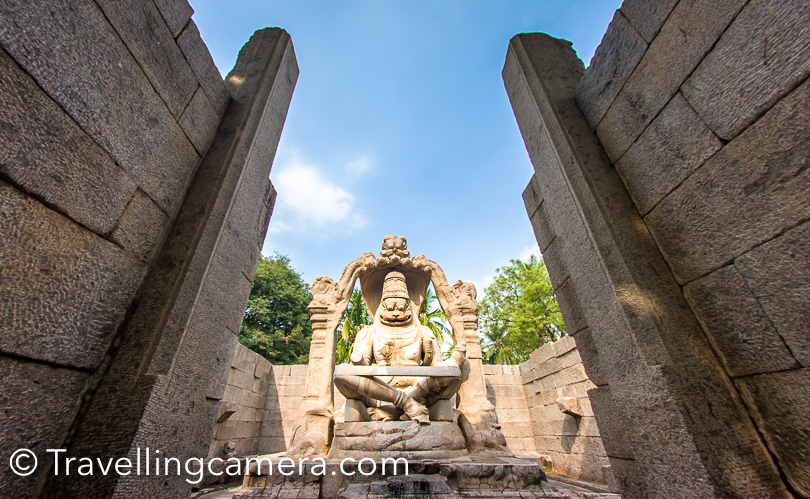
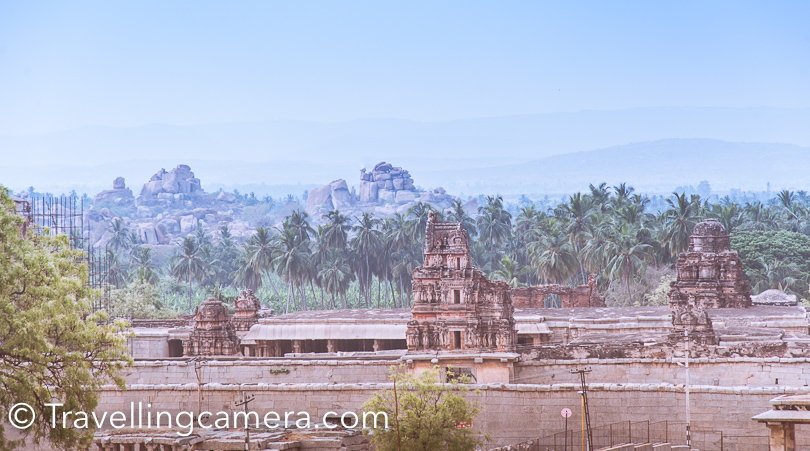
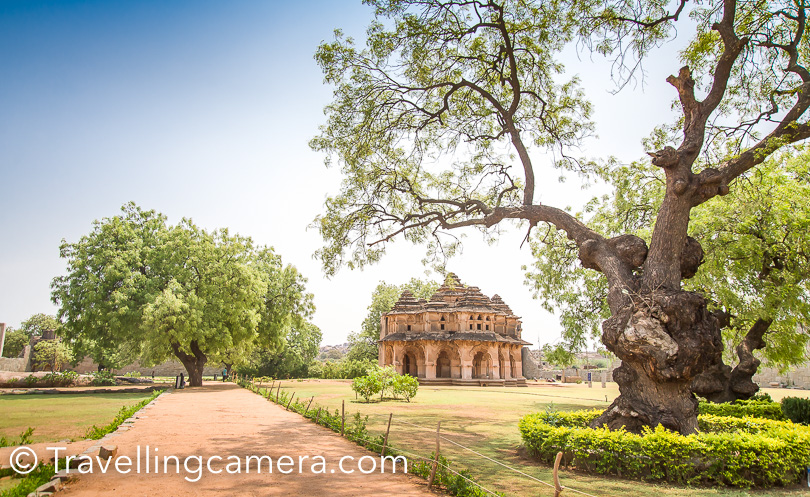
Hampi: The Kingdom of Ruins
Hampi feels unreal.
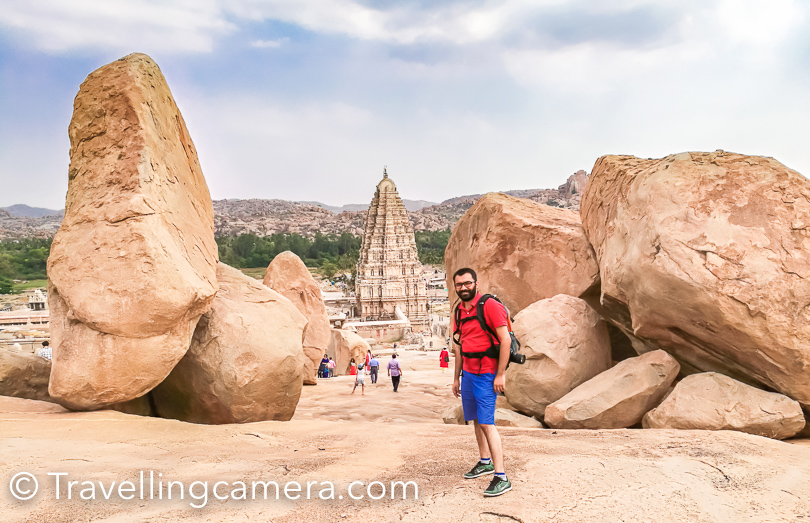
Massive boulders balance dramatically across the landscape as though giants abandoned them centuries ago. Temple ruins emerge unexpectedly between banana plantations and dusty roads.
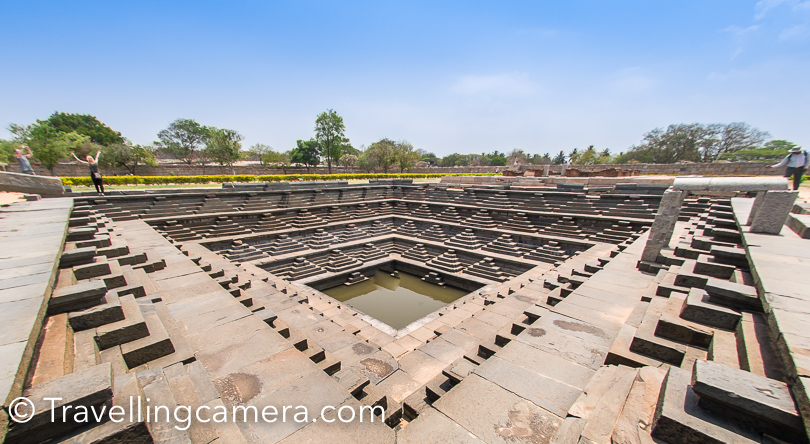
The best photography happens early morning.
Before tourist groups arrive, the ruins carry extraordinary silence. The first rays of winter sunlight strike temple pillars with warm golden tones that photographers dream about.

A local guide once told me a fascinating legend — that the strange boulder formations were remnants of monkey warriors from the Ramayana era. Mythology and geology coexist naturally here.

Photography Perspective
- Best Time: Sunrise to 8:00 AM
- Lens Recommendation: Wide-angle for landscapes; 70-200mm for temple carvings
- Ideal Spot: Matanga Hill during dawn
- Winter Advantage: Softer light and cleaner skies

Mysuru: Royal Grandeur and Slow Evenings
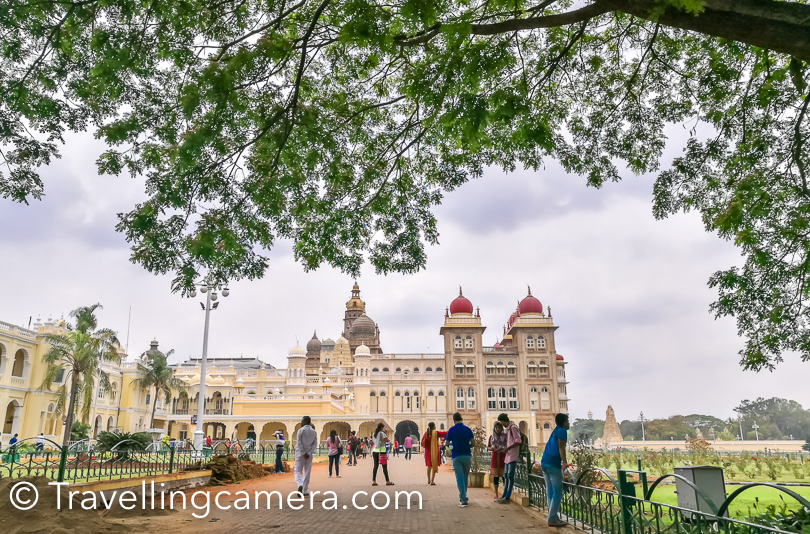
Mysore Palace remains one of the grandest royal residences in India.

But what fascinated me most was not the palace alone.
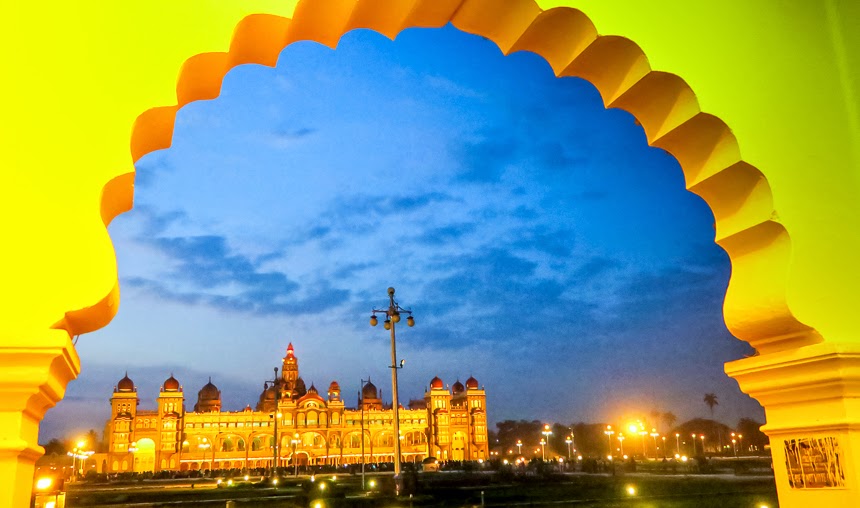
It was the city’s pace.

Mysuru moves slower than Bengaluru. Elderly men still gather near tea stalls discussing politics. Flower vendors arrange jasmine garlands patiently. Incense drifts through market streets.

The Devaraja Market is especially rewarding for photographers. Turmeric heaps, rose petals, sandalwood oils, and colorful powders create compositions that feel almost painterly.

Goa Beyond Beaches
Luxury train itineraries often introduce travelers to a quieter side of Goa.

Instead of only beach nightlife, the Golden Chariot experience highlights:
- Latin quarters
- Portuguese churches
- Heritage mansions
- Traditional Goan cuisine
- Spice farms

In winter mornings, Fontainhas becomes magical for photography. Soft light reflects beautifully on faded pastel walls. Locals cycle through narrow lanes carrying bread baskets. Laundry lines create naturally layered frames.

This is the Goa many tourists completely miss.
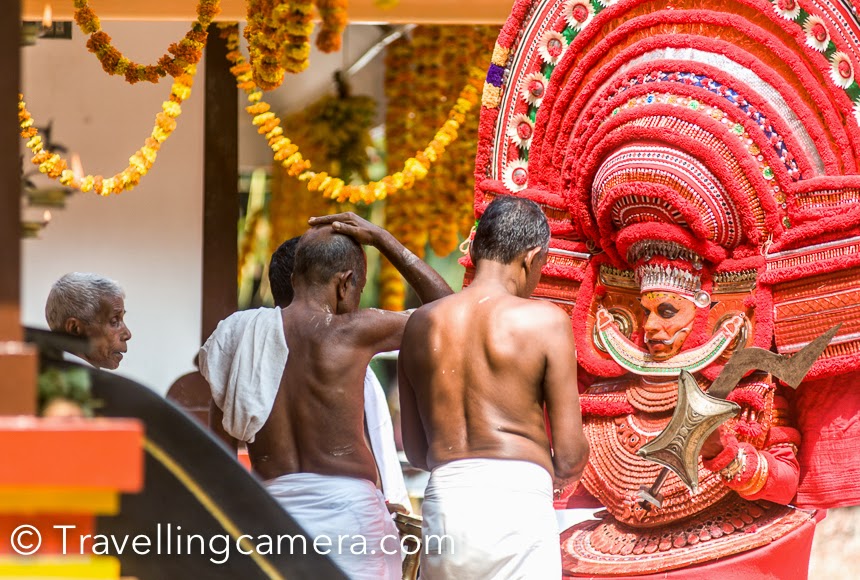
Kerala Backwaters and Silence
One of the most calming moments of the journey came near the backwaters of Kerala.
After days of architectural grandeur and urban heritage, Kerala introduces stillness.
Palm reflections shimmer on quiet canals. Fishermen move slowly through morning mist. Coconut trees lean lazily toward the water.
Luxury travel often becomes exhausting because itineraries are overdesigned.
Kerala restores balance.

Hidden Gems and Lesser-Known Insights
The Railway Staff Stories
One of the most memorable aspects of the Golden Chariot is interacting with onboard staff.
Many attendants come from railway families spanning generations. Some grew up near railway colonies. Others previously worked on conventional Indian Railways routes before transitioning into luxury tourism.
During late-night tea conversations, I heard stories about monsoon routes, forgotten stations, and how train culture in India has evolved.

Those human moments made the experience feel less commercial and more personal.
Temple Stone Colors Change Through the Day
Photographers will notice something extraordinary in South Indian temples.
Granite structures dramatically change color depending on the light.
- Dawn: Cool grey-blue
- Midday: Neutral stone textures
- Golden Hour: Warm honey tones
- Post-rain: Deep charcoal contrast
Winter sunlight enhances these tonal transitions beautifully.

Smaller Stations Reveal Real India
Luxury trains often stop briefly at lesser-known railway stations.
Step outside for even five minutes and observe carefully.

Children wave enthusiastically. Tea vendors balance steel kettles skillfully. Elderly passengers stare curiously at the polished luxury coaches.
These fleeting interactions reveal the emotional relationship Indians still have with trains.

Best Photography Spots During the Golden Chariot Journey
| Destination | Best Spot | Best Time | Photography Style |
|---|---|---|---|
| Hampi | Matanga Hill | Sunrise | Landscape |
| Mysuru | Devaraja Market | Early Morning | Street Photography |
| Goa | Fontainhas | Morning | Architecture |
| Kerala | Backwaters | Sunrise | Reflection Photography |
| Mahabalipuram | Shore Temple | Golden Hour | Heritage |
| Badami | Cave Temples | Late Afternoon | Texture & Shadows |

Photography Tips for the Golden Chariot
Carry Flexible Gear
A heavy photography setup becomes tiring during train journeys.
Ideal setup:
- One mirrorless body
- 24-70mm lens
- Compact telephoto
- Lightweight tripod
Wake Up Early
The best moments happen before breakfast.
Morning fog, empty monuments, local routines, and softer light create stronger visual storytelling opportunities.

Photograph Train Interiors Carefully
The train interiors contain warm artificial lighting. Use:
- Higher ISO
- Fast prime lens
- White balance adjustments

Avoid excessive flash photography inside heritage-inspired interiors.
Capture Human Details
Do not only photograph monuments.

Photograph:
- Hands making dosa batter
- Temple priests arranging flowers
- Porters lifting luggage
- Reflections on train windows
- Railway signage
These details create emotional depth.

Local Food Experiences on the Golden Chariot
Food becomes one of the defining memories of this journey.
Unlike many international luxury trains that maintain largely continental menus, the Golden Chariot celebrates regional cuisines aggressively.

Memorable Dishes

Karnataka
- Bisi Bele Bath
- Mysore Pak
- Ragi Mudde

Goa
- Prawn Balchão
- Bebinca
- Fish Curry Rice

Tamil Nadu
- Chettinad Chicken
- Filter Coffee
- Kothu Parotta

Kerala
- Appam with Stew
- Karimeen Pollichathu
- Banana Chips fried in coconut oil

The chefs often explain ingredients and regional influences personally, which makes dining feel educational rather than transactional.

Human Stories Along the Journey
In Mysuru, I met an elderly craftsman selling sandalwood miniatures near the palace area.
He spoke softly about how tourism changed after smartphones and social media. Earlier, travelers spent more time observing. Now, many visitors only rush for quick photographs.

His comment stayed with me.
Luxury travel today often risks becoming performative. But train journeys slow people down again.

You notice conversations more carefully aboard trains.

You look outside windows longer.
You sit quietly without feeling guilty.
The Golden Chariot creates rare pauses in modern travel.

Best Time to Visit
Winter (November to February) is Ideal
This is unquestionably the best season for the Golden Chariot journey.

Why Winter Works Best
- Comfortable exploration weather
- Better photography light
- Lower humidity
- Pleasant train journeys
- Clearer skies
- Easier monument visits

Temperatures remain manageable across South India compared to intense summer heat.
How to Reach the Golden Chariot Departure Points
Most itineraries begin from Bengaluru.
By Air
Kempegowda International Airport Bengaluru connects with major international and domestic cities.
By Train
Bengaluru is well connected to:
- Chennai
- Hyderabad
- Mumbai
- Delhi
- Kochi
By Road
Luxury travelers often combine the train journey with:
- Coorg road trips
- Kabini safaris
- Kerala backwater stays

Where to Stay Before or After the Journey
Luxury travelers usually spend 1–3 extra nights before boarding.
Recommended Cities for Extended Stay
Bengaluru
- Heritage hotels
- Boutique stays
- Modern luxury properties

Mysuru
- Palace-view heritage hotels
- Quiet luxury resorts
Hampi
- Riverside boutique retreats
- Heritage-inspired stays

Budget Tips for Luxury Travelers
The Golden Chariot is expensive, but value improves with strategic planning.
Smart Booking Suggestions
- Travel during shoulder winter weeks
- Book early for cabin selection
- Combine with airline offers
- Use extended itineraries for better value-per-day

Luxury train travel becomes more meaningful when treated as a slow cultural journey rather than a checklist vacation.

Suggested 7-Day Itinerary
| Day | Destination | Experience |
|---|---|---|
| Day 1 | Bengaluru | Boarding & Welcome Dinner |
| Day 2 | Mysuru | Palace & Markets |
| Day 3 | Kabini | Wildlife Safari |
| Day 4 | Hampi | Ruins & Sunset |
| Day 5 | Badami | Cave Temples |
| Day 6 | Goa | Heritage Walks |
| Day 7 | Bengaluru | Return & Departure |

Responsible Travel Tips
- Dress respectfully at temples
- Avoid drone usage at protected monuments
- Support local artisans directly
- Minimize plastic waste onboard
- Ask before photographing people
- Respect silence in spiritual spaces
Luxury travel should never disconnect travelers from local realities.

Common Mistakes to Avoid
Overpacking
Train cabins are comfortable but compact.
Ignoring Early Mornings
Late risers miss the best photography opportunities.
Treating Stops Like Checklists
Slow down. Observe details. Sit quietly sometimes.
Focusing Only on Interiors
The real magic lies outside the train.
FAQs About the Golden Chariot
Is the Golden Chariot among the best luxury trains in the world?
Yes. The Golden Chariot is considered one of the premier luxury trains in the world because it combines heritage travel, cultural immersion, fine dining, and curated South Indian experiences.
What is the best season for the Golden Chariot?
Winter, especially from November to February, offers the most comfortable weather and best photography conditions.
How expensive is the Golden Chariot?
Prices vary depending on itinerary, cabin type, and season. It is positioned as a premium luxury travel experience.
Is photography allowed everywhere?
Photography is generally allowed, but some temples and heritage interiors restrict cameras.
What kind of travelers enjoy the Golden Chariot most?
- Heritage lovers
- Luxury travelers
- Slow travelers
- Cultural explorers
- Photographers
- Culinary travelers
How many days is the journey?
Most itineraries range from 3 to 7 nights.

Final Thoughts
Among all luxury trains in the world, the Golden Chariot stands apart because it feels deeply rooted in place.
Many luxury experiences could exist anywhere.
But this train could only exist in India.
Only India can offer landscapes where ruined empires, sacred rituals, bustling stations, spice-laden cuisine, ancient myths, and modern railway romance coexist so naturally.
The Golden Chariot is not merely about luxury cabins or curated dining.
It is about rediscovering the beauty of gradual movement.
It reminds travelers that journeys become meaningful not when we move fastest, but when we finally learn how to slow down.
And perhaps that is why train travel continues to feel timeless.
Related Blogposts -


.jpg)
Comments