
There are cities you visit once and remember for their monuments. Then there are cities that slowly enter your memory through sounds, light, weather, conversations, and unexpected corners. San Francisco belongs firmly to the second category.

The first thing that strikes you while you explore San Francisco is not the skyline. It is the rhythm. Cable cars grinding uphill. The salty smell drifting in from the bay. Morning fog wrapping itself around Victorian houses. Jazz leaking out from a tiny café in North Beach. A steep staircase suddenly opening to cinematic views of the Pacific Ocean.

San Francisco is not a city that reveals itself quickly.
You have to walk it.

You have to climb its hills even when your legs protest. You have to get lost in alleys where murals tell immigrant histories. You have to wake before sunrise to see the Golden Gate Bridge disappear into moving fog. You have to sit beside old men in Chinatown parks and watch silent games of mahjong unfold with complete seriousness.

And somewhere between these moments, the city begins to feel personal.

For photographers, this city is endlessly dramatic. For slow travelers, it rewards curiosity. For food lovers, every neighborhood becomes a culinary passport. For storytellers, San Francisco offers layers of migration, rebellion, innovation, counterculture, and resilience.

This is not a checklist-style guide.
This is an immersive journey into how to truly explore San Francisco.

Why Visit San Francisco
Explore San Francisco Beyond Famous Postcards

Most travelers arrive expecting only a few iconic images:
- The Golden Gate Bridge
- Alcatraz
- Cable cars
- Painted Ladies
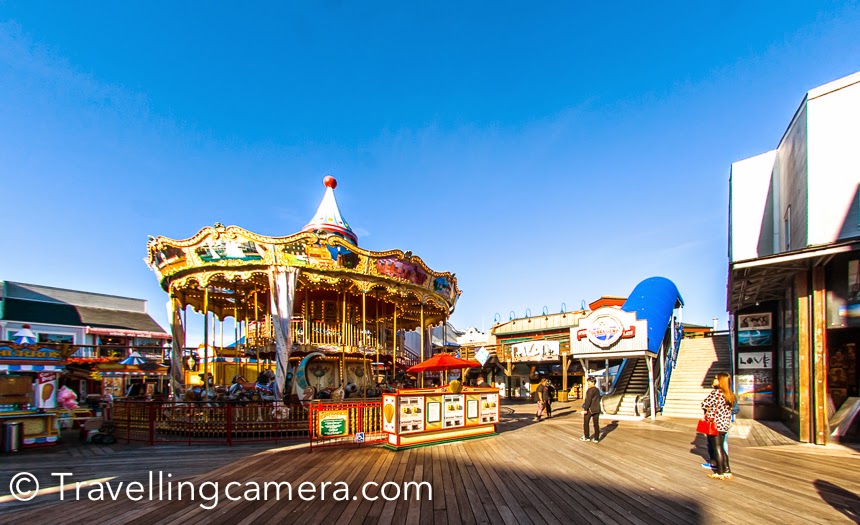
- Pier 39

Those landmarks matter, of course. But the deeper beauty of San Francisco lies between them.

The city feels like dozens of tiny worlds stitched together by hills and fog.

Within a single day, you can:
- Drink espresso in an Italian café in North Beach
- Eat dim sum in Chinatown
- Photograph murals in the Mission District
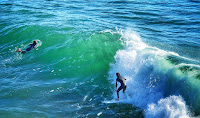
- Watch surfers near Ocean Beach
- Explore bookstores in Haight-Ashbury
- Hike coastal cliffs at Lands End
- End the evening with sunset views from Twin Peaks

Few American cities offer this kind of geographic and cultural diversity in such a compact area.

San Francisco is also emotionally textured. It has elegance and grit existing side by side. Billion-dollar tech campuses coexist with aging bookstores and decades-old diners. Historic trams pass futuristic architecture. Protests and poetry still occupy public spaces.
That tension gives the city character.

Historical and Cultural Significance
A City Built on Earthquakes, Gold Rushes and Rebellion
To understand San Francisco, you need to understand reinvention.

The city exploded during the California Gold Rush of 1849. What began as a small settlement suddenly became one of the fastest-growing cities in the world. Ships carrying fortune seekers arrived daily. Many crews abandoned vessels entirely and rushed toward gold fields.

Some abandoned ships still lie buried beneath downtown San Francisco today.
The city later survived:
- The devastating 1906 earthquake and fire
- Economic upheavals
- Counterculture revolutions
- AIDS activism
- Massive waves of immigration
- Tech booms that reshaped neighborhoods

San Francisco has long been a city of outsiders:
- Chinese immigrants
- Beat poets
- LGBTQ+ communities
- Artists
- Activists
- Dreamers

That layered identity remains visible in its streets.

The Mission District carries strong Latino heritage. Haight-Ashbury still whispers memories of the Summer of Love. Castro became a global symbol of LGBTQ+ rights. Chinatown remains one of the oldest and largest Chinese communities outside Asia.

When you explore San Francisco carefully, history is not confined to museums. It spills onto sidewalks.

A Personal Experience of Exploring San Francisco
I still remember my first sunrise in the city.
The alarm rang at 4:45 AM. The room was freezing despite being midsummer. A local photographer I met the previous evening had insisted:
“Don’t photograph the Golden Gate at noon. San Francisco rewards patience.”
Half asleep and carrying a tripod, I reached Battery Spencer before dawn. Fog moved like living smoke across the bay. The bridge emerged slowly — not fully, just fragments of its towers glowing orange against pale blue light.
Then the city woke.

Tiny headlights moved below. A ferry sliced through the water. Wind rattled the grass around the viewpoint. Nobody spoke. Every photographer there seemed hypnotized.
That moment changed the way I experienced San Francisco.

The city stopped being about landmarks. It became about atmosphere.
Later that day, I wandered through the Mission District where murals carried stories of migration, injustice and identity. An elderly bookseller in North Beach recommended poetry collections while jazz played softly in the background. In Chinatown, a tea shop owner explained how younger generations were slowly moving away, changing the neighborhood’s dynamics forever.

San Francisco reveals itself through people willing to share fragments of their city.
Best Neighborhoods to Explore San Francisco
North Beach: Italian Cafés, Poetry and Slow Evenings
North Beach feels European in rhythm.

You hear espresso machines hissing from old cafés. Sidewalk conversations continue late into the evening. Tiny bookstores survive despite soaring rents.
This neighborhood became famous during the Beat Generation era. Writers like Allen Ginsberg and Jack Kerouac once gathered here.

Best experiences:
- Browse independent bookstores
- Sip coffee at traditional Italian cafés
- Walk to Coit Tower
- Photograph neon-lit streets after sunset

Photography Notes
- Early morning offers cleaner compositions with fewer crowds
- Evening street photography works beautifully here
- Telephoto lenses capture layered hills and street textures

The Mission District: Murals, Food and Cultural Energy
If North Beach feels nostalgic, the Mission feels alive and evolving.

Murals cover walls with political art, indigenous symbolism and neighborhood memories. Latin American influences shape music, food and community life.

Walk slowly through Balmy Alley and Clarion Alley.
The murals are not merely decorative. Many are visual protests.

Food Experiences in the Mission
- Authentic tacos
- Salvadoran pupusas
- Third-wave coffee shops
- Experimental bakeries

Photography Perspective
The Mission is best photographed:
- Late afternoon
- Golden hour
- Overcast mornings for softer mural colors

Street portraits here can be powerful, but always ask permission before photographing locals closely.

Chinatown: A Different World Inside the City
San Francisco’s Chinatown is sensory overload in the best possible way.

Herbal medicine shops release unfamiliar aromas. Elderly residents practice tai chi in parks. Hanging lanterns create dramatic nighttime scenes.

Tourists often remain near Grant Avenue. But quieter side streets reveal the neighborhood’s real rhythm.

Lesser-Known Insight
Many buildings here hide ornate temples on upper floors. Some can be visited respectfully during quiet hours.

Best Walks in San Francisco Start Here
One of the most rewarding urban walks begins in Chinatown and gradually climbs toward Nob Hill.

You witness:
- Architectural shifts
- Cultural transitions
- Stunning hilltop perspectives

Haight-Ashbury: Echoes of the 1960s
Even decades later, Haight-Ashbury still carries traces of rebellion.
Vintage clothing stores, psychedelic murals and record shops create a nostalgic atmosphere. Yet the area feels less theatrical in quieter morning hours.
Visit early.

Before crowds arrive, you notice details:
- Faded posters
- Colorful staircases
- Independent cafés
- Locals walking dogs beneath Victorian houses
Nearby Golden Gate Park offers calm after urban intensity.

Fisherman’s Wharf and Why You Should Wander Beyond It
Yes, it is touristy.
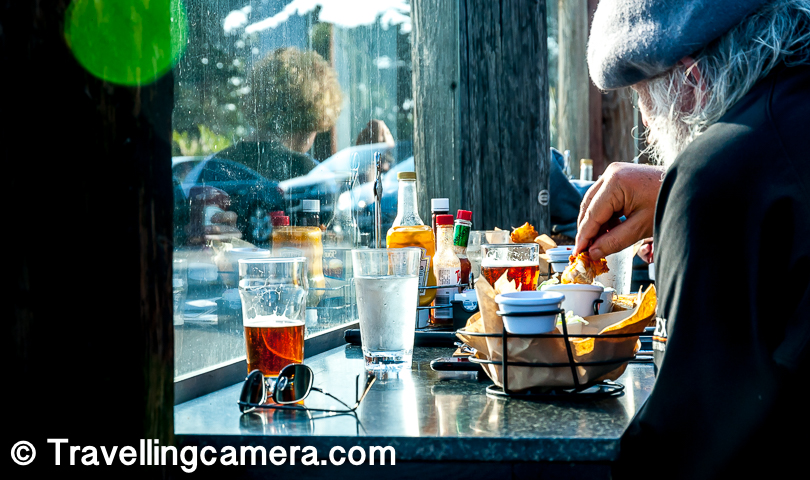
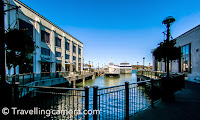
But dismissing Fisherman’s Wharf entirely would be unfair. The waterfront contains layers of maritime history, sea lions, historic ships and cinematic bay views.
The trick is timing.
Visit early morning before souvenir shops fully awaken.
Then continue walking westward toward quieter piers and Aquatic Park.
That is where San Francisco becomes contemplative again.
Hidden Gems and Lesser-Known Experiences
Lands End Coastal Trail
This is where many travelers finally fall in love with San Francisco.
The Lands End trail combines:
- Rugged coastline
- Cypress trees
- Ocean cliffs
- Hidden ruins
- Wild Pacific views
It feels surprisingly untamed for a major city.
Photography Tip
Fog dramatically transforms this landscape. Some of the best photographs happen during partially foggy conditions rather than clear skies.

The Mosaic Stairs of San Francisco
San Francisco hides extraordinary public staircases decorated with colorful mosaic art.
Best known:
- 16th Avenue Tiled Steps
- Hidden Garden Steps
These are not merely photo spots. They reflect neighborhood creativity and volunteer-driven urban beautification.
Go early morning for:
- Better lighting
- Fewer people
- Cleaner compositions

Seward Street Slides
One of the strangest hidden attractions in the city.
Concrete slides built into a tiny park allow adults and children alike to slide downhill using cardboard pieces.
It feels wonderfully absurd.

Ina Coolbrith Park
This tiny hilltop park offers one of the most underrated skyline views in San Francisco.
Tourists rarely come here.
Photographers should visit during blue hour when city lights begin glowing softly.

Best Photography Spots to Explore San Francisco
Golden Gate Bridge from Battery Spencer
The classic shot still deserves respect.

Best Timing
- Sunrise
- Foggy mornings
- Winter mornings often offer clearer conditions
Lens Suggestions
- Wide-angle for environmental scale
- Telephoto for compressed fog layers
Twin Peaks
Twin Peaks provides dramatic panoramic city views.

Photography Advice
- Visit just before sunset
- Stay into blue hour
- Bring warm layers because winds become intense

Alamo Square
The Painted Ladies with downtown skyline remain iconic.
But instead of standing directly with crowds:
- Move sideways
- Use foreground trees
- Experiment with compressed perspectives
Morning light works best here.
Cable Cars at California Street
Most visitors photograph cable cars on Powell Street.
California Street often provides:
- Cleaner compositions
- Fewer crowds
- Better hill perspectives
Rainy weather enhances reflections beautifully.
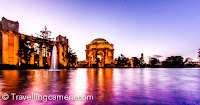
Palace of Fine Arts
This location feels dreamlike during early mornings.
Reflections become calmer. Joggers quietly circle the pond. Architectural symmetry creates elegant compositions.
Fog adds cinematic mood.

Photography Tips for San Francisco
Understanding the Light
San Francisco light changes rapidly.
Fog can completely transform scenes within minutes.
Key Photography Observations
- Morning fog creates softer contrasts
- Midday light becomes harsh on clear days
- Golden hour can be brief due to hills
- Blue hour cityscapes work exceptionally well

Carry Layers for Yourself and Your Gear
Weather shifts constantly.
A sunny afternoon can suddenly become windy and cold.
Protect cameras from:
- Ocean mist
- Sudden drizzle
- Sand near beaches

Best Photography Walks in San Francisco

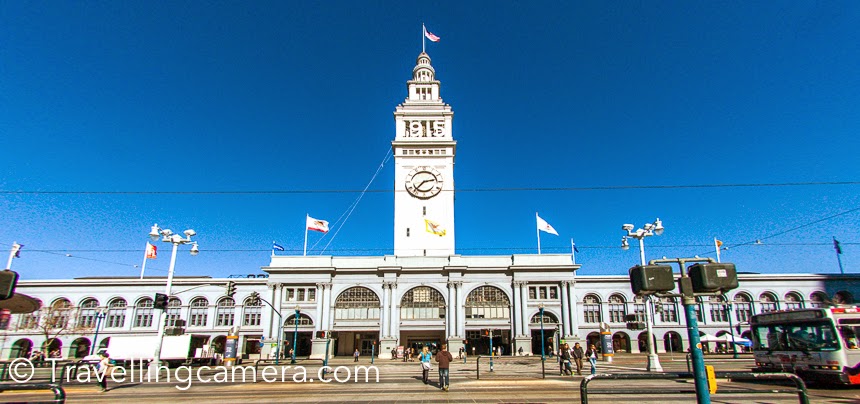
Route 1: Ferry Building to North Beach
Perfect for:
- Street photography
- Architecture
- Food scenes

Route 2: Mission District Murals Walk
Perfect for:
- Portraits
- Urban textures
- Documentary-style photography

Route 3: Lands End Coastal Walk
Perfect for:
- Landscapes
- Nature
- Long exposures
 Local Food Experiences

San Francisco Through Its Food
San Francisco’s food culture reflects migration and experimentation.
The city takes ingredients seriously.
Even small cafés often focus deeply on sourcing and craftsmanship.

Sourdough Bread Traditions
San Francisco sourdough carries distinct tanginess because of local wild yeast strains.
Watching fresh bread emerge from old bakeries early morning feels almost ritualistic.
 Chinatown Dim Sum Culture

Avoid restaurants displaying aggressive tourist marketing outside.
Instead:
- Observe where local families gather
- Visit during weekday mornings
- Expect noisy authenticity
Tea, steam and conversation create the atmosphere.
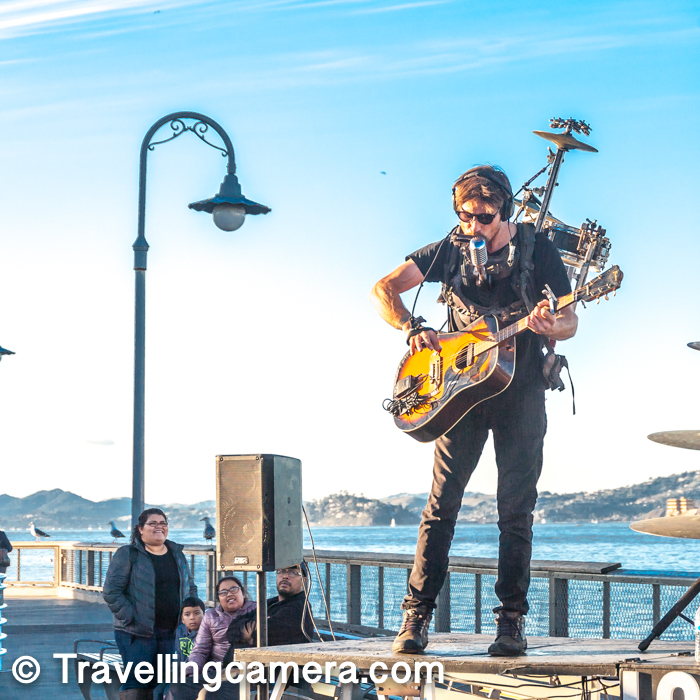
Mission Burritos
The Mission-style burrito became globally famous for a reason.
Large, flavorful and deeply satisfying after long urban walks.

Seafood Along the Waterfront
Fresh Dungeness crab remains a beloved local specialty during season.
Smaller seafood spots often provide more authentic experiences than flashy tourist restaurants.

Local Conversations and Human Stories
One evening near Ocean Beach, I spoke with an elderly photographer carrying a film camera older than many tourists nearby.
He had photographed San Francisco for over forty years.
“People think the bridge is the city,” he said while watching fog swallow distant cliffs. “But the fog itself is the city.”
That sentence stayed with me.
Another memorable interaction happened in Chinatown where a tea seller explained how different generations experience San Francisco differently. Older residents preserved traditions while younger communities navigated rising living costs and changing identities.
Travel becomes meaningful when cities stop being attractions and become conversations.
Best Time to Visit San Francisco

Seasonal Guide
| Season | Experience |
|---|---|
| Spring | Blooming parks, cooler weather, manageable crowds |
| Summer | Surprisingly foggy and cool near coast |
| Autumn | Often the warmest and clearest season |
| Winter | Rainy but atmospheric and less crowded |
Important Local Reality
Summer in San Francisco is often colder than visitors expect.
Always carry layers.

How to Reach San Francisco
By Air
Main airport:
- San Francisco International Airport (SFO)
Other nearby airports:
- Oakland International Airport
- San Jose International Airport

By Road
California road trips connecting:
- Big Sur
- Monterey
- Napa Valley
- Yosemite
make San Francisco an ideal stop.

Public Transportation
The city’s public transit network includes:
- BART
- MUNI buses
- Historic streetcars
- Cable cars
Walking remains the best way to absorb neighborhood character.
Where to Stay in San Francisco
Best Areas for Different Travelers
| Traveler Type | Recommended Area |
|---|---|
| First-time visitors | Union Square |
| Food lovers | Mission District |
| Photographers | North Beach |
| Quiet stays | Pacific Heights |
| Budget travelers | Outer Sunset |
| Luxury travelers | Nob Hill |
Budget Tips
San Francisco can be expensive, but thoughtful planning helps.
.jpg "Explore San Francisco Through Its Hills, Fog, Walks and Hidden Stories")
Money-Saving Suggestions
- Use public transportation
- Walk extensively
- Eat in neighborhood cafés
- Visit free viewpoints
- Explore public parks
- Stay slightly outside tourist zones

Many of the city’s best experiences cost nothing:
- Watching fog roll over hills
- Coastal walks
- Neighborhood exploration
- Street art photography
Suggested 4-Day Itinerary to Explore San Francisco

Day 1
- Ferry Building
- Embarcadero walk
- Chinatown
- North Beach
- Coit Tower sunset

Day 2
- Golden Gate Bridge sunrise
- Palace of Fine Arts
- Marina District
- Lands End sunset

Day 3
- Mission District murals
- Dolores Park
- Haight-Ashbury
- Golden Gate Park

Day 4
- Twin Peaks sunrise
- Ocean Beach
- Cable car ride
- Waterfront dinner
.jpg "Explore San Francisco Through Its Hills, Fog, Walks and Hidden Stories")
Responsible Travel Tips
Respect Neighborhoods Beyond Tourism
San Francisco struggles with:
- Housing pressures
- Gentrification
- Homelessness challenges
Travel thoughtfully.

Responsible Behaviors
- Support local businesses
- Avoid intrusive photography
- Respect residential areas
- Leave natural trails clean
- Use reusable bottles and bags

Common Mistakes to Avoid
Underestimating Hills
Distances on maps appear deceptively short.
San Francisco walking requires energy.

Dressing for Warm California Weather
This mistake happens constantly.
Carry:
- Layers
- Windproof jackets
- Comfortable walking shoes

Spending Entire Trip at Fisherman’s Wharf
The city becomes far richer once you explore neighborhoods beyond major tourist zones.

FAQs About Exploring San Francisco
Is San Francisco walkable for tourists?
Yes. Despite steep hills, San Francisco is one of America’s most rewarding walking cities. Neighborhood-based exploration reveals far more than driving.

What are the best walks in San Francisco?
Some of the best walks in San Francisco include:
- Lands End Trail
- Embarcadero waterfront
- Mission District mural walks
- Chinatown to Nob Hill climb
- Golden Gate Park trails

How many days are enough to explore San Francisco?
At least 4–5 days allow slower exploration beyond famous landmarks.

Is San Francisco good for photography?
Absolutely. The city offers:
- Foggy landscapes
- Historic architecture
- Diverse neighborhoods
- Coastal scenery
- Street photography opportunities

When is the best time to explore San Francisco?
Autumn usually provides the clearest skies and warmest temperatures, while spring offers fewer crowds and vibrant greenery.
Final Thoughts
To explore San Francisco properly, you need to accept unpredictability.
Fog may erase your perfect skyline view. A random alley may become your favorite memory. A conversation inside a café may stay with you longer than any landmark.
This city rewards curiosity over checklists.

It asks travelers to slow down.
Walk its hills. Sit quietly in neighborhood parks. Watch changing light on Victorian facades. Listen to street musicians echoing between steep roads. Follow the smell of coffee into tiny cafés. Let the city unfold gradually.

Because San Francisco is not just seen.
It is experienced in fragments.
And those fragments linger long after the trip ends.














.jpg)
Comments