

Introduction: Sikkim Is Best Experienced Slowly
The main places to see in Sikkim are easy to list: Gangtok, Tsomgo Lake, Nathula Pass, Pelling, Yumthang Valley, Gurudongmar Lake and a handful of famous monasteries.
But a trip to Sikkim is rarely remembered as a checklist.

It is the sound of prayer flags snapping in a cold wind above a mountain road. It is a cup of butter tea warming your hands while clouds disappear into a valley. It is the sudden appearance of Khangchendzonga between two houses just after sunrise. It is a driver stopping without being asked because he knows the light is about to change.

Sikkim is compact, but its geography is extraordinary. Within a relatively small area, the landscape changes from subtropical valleys to rhododendron forests and finally to high-altitude alpine terrain. The state's official tourism information describes this remarkable variation as a journey from sub-tropical valleys to snow-bound tundra.

For a photographer, this makes Sikkim particularly rewarding.
You can begin the morning photographing orchids and old houses around Gangtok and, a few hours later, be standing beside a frozen mountain lake surrounded by barren Himalayan slopes.
This Sikkim travel guide is therefore not just about where to go. It is about how to experience the places, when to photograph them, what to notice, what to eat, and where to slow down.

Why Visit Sikkim?
Sikkim works beautifully for several kinds of travellers.
If you love mountains, there are high passes, glacial lakes and some of the finest Himalayan trekking landscapes in India. If monasteries interest you, the state has an extraordinary Buddhist heritage. If photography is your priority, the combination of dramatic terrain, changing weather, village life and Himalayan light creates endless opportunities.

There is also something particularly interesting about Sikkim's cultural landscape.
Lepcha, Bhutia and Nepali communities have shaped the state, while Buddhist monasteries, Hindu temples, churches, mosques and a gurudwara exist within the same broader social landscape.

Sikkim also feels different from many conventional Himalayan destinations because the landscape is not merely a backdrop. Mountains, forests, rivers, lakes and monasteries are deeply connected to local beliefs.
That becomes especially obvious when you visit the sacred lakes.

Main Places to See in Sikkim
There is no single perfect Sikkim itinerary. The best route depends on whether your priority is mountains, monasteries, photography, snow, villages or trekking.
For a first trip, however, the following places provide an excellent introduction.

1. Gangtok: The Natural Starting Point
Gangtok is where most travellers begin to understand Sikkim.
It is not simply a transit point for excursions to Tsomgo Lake and Nathula. Spend at least a couple of days here.
Walk around MG Marg. Explore the older neighbourhoods. Visit monasteries. Stop at a small restaurant rather than eating every meal in a hotel. Watch the clouds move across the surrounding ridges.
For photographers, Gangtok is particularly interesting early in the morning.
The city wakes slowly. Shopkeepers begin opening shutters. Cars appear on the roads. Mountain slopes emerge from mist. On clear days, distant Himalayan peaks provide a dramatic background.

What to see around Gangtok
Rumtek Monastery
Enchey Monastery
Namgyal Institute of Tibetology
Do Drul Chorten
MG Marg
Hanuman Tok
Ganesh Tok
Tashi View Point
Banjhakri Falls
Rumtek deserves special attention. Rather than treating it as another monastery photo stop, spend some time observing the architectural details, prayer wheels, courtyards and rhythm of monastic life.
The quiet moments are often more interesting than the obvious photographs.

2. Tsomgo Lake: The Famous Lake That Keeps Changing
Tsomgo, also known as Changu Lake, is among the most recognisable places in Sikkim.
Located at roughly 4,000 metres, the lake changes character dramatically with the seasons. It can be surrounded by snow in winter, while spring brings flowers and clearer colour to the surrounding landscape.
The name and history of the lake are more interesting than many visitors realise. Local traditions recorded by the Sikkim government describe an older name associated with a horse-tail or horse-hair noose, while today's commonly used name evolved from local terminology.

The photography challenge here is avoiding the obvious snapshot.
Instead of photographing only the lake, look for layers.
Foreground: prayer flags, rocks or people.
Middle ground: the lake.
Background: mountain ridges.
On clear mornings, use a polarising filter carefully to control reflections and reveal texture in the surrounding slopes.
And remember that weather changes rapidly at this altitude.
The same lake can look blue one minute and disappear behind cloud ten minutes later.
That unpredictability is part of the experience.

3. Nathula Pass: Where Geography Becomes History
Nathula is one of those places where the physical landscape and political history overlap.
Located on the old trade route between Tibet and India, the pass sits at an elevation of more than 4,000 metres and remains a strategically important border region.
For Indian travellers, Nathula is one of the most popular high-altitude excursions from Gangtok. Access is regulated and requires a permit through authorised channels; current official guidance should always be checked before planning the visit.

Do not make Nathula only about standing at the border sign.
Look around.
Notice the military infrastructure, barren mountain terrain, prayer flags and rapidly moving cloud. The landscape itself explains why this corridor has mattered for centuries.
Photography here is challenging because the light can be extremely harsh.
A wide-angle lens works well for the landscape, but keep a 70–200mm or similar lens handy if you want compressed layers of ridges.
Main Places to See in Sikkim: West Sikkim Is a Different Experience
If East Sikkim introduces you to the dramatic high mountains, West Sikkim introduces you to the historical and spiritual heart of the state.

4. Pelling: Mountains, Monasteries and Big Views
Pelling is one of the best places in Sikkim for mountain photography.
The attraction is obvious: on clear days, the Khangchendzonga range dominates the horizon.
But Pelling is more than a viewpoint.
Use it as a base for exploring monasteries, forests, villages and historic sites.

The best mountain photographs are often made around dawn. The eastern sky begins brightening while the peaks remain relatively cool in tone. On clear mornings, the first light can touch the highest summits before the valleys become fully illuminated.
That separation creates depth.
Don't leave your camera packed away once the sun rises. Fog and passing cloud can transform the same view repeatedly.
5. Rabdentse Ruins: Photographing Sikkim's Lost Capital
Rabdentse is one of the places that deserves more attention from travellers interested in history.
The ruins lie close to Pemayangtse and represent the second capital of the former Kingdom of Sikkim. The capital remained here until 1814.
The ruins are surrounded by forest, which makes the site feel more like an archaeological discovery than a conventional tourist attraction.
This is a good place to slow down.
Instead of looking only for grand compositions, photograph fragments:
Moss-covered stone walls
Tree trunks growing around old structures
Prayer flags
Forest pathways
Mountain glimpses through vegetation
The combination of history and forest makes Rabdentse particularly atmospheric during soft morning or late-afternoon light.

6. Pemayangtse Monastery
Pemayangtse is among Sikkim's most important monasteries.
The monastery has historical links to Lhatsun Chempo and the establishment of the Sikkimese Buddhist tradition. It also contains an intricate wooden representation of Guru Rinpoche's heavenly palace, known as Sangtokpalri.
For photographers, interiors require restraint.
Do not treat a monastery like a studio.
Ask before photographing people or religious ceremonies. Avoid flash unless specifically permitted. Observe where photography is restricted.
Often, the most meaningful photograph is made outside: a monk walking through a courtyard, sunlight falling across a doorway or prayer flags moving against a Himalayan backdrop.

7. Yuksom: Where Sikkim's History Begins
Yuksom is one of my favourite places to recommend to travellers who want something beyond conventional sightseeing.
In 1642, Phuntsog Namgyal was consecrated as the first Chogyal of Sikkim at Norbugang in Yuksom. The stone thrones associated with the four religious figures involved in the ceremony remain an important historical landmark.

This is not just another historical site.
It gives context to the entire state.
The Namgyal dynasty ruled Sikkim from 1642 until the monarchy ended in 1975, when Sikkim became India's 22nd state.
Yuksom is also an important starting point for trekking towards Dzongri and Goecha La.
If you are interested in combining culture and trekking, this is one of the most rewarding places to build an itinerary around.
Main Places to See in Sikkim: Sacred Lakes and High Mountains

8. Khecheopalri Lake: A Place to Whisper
Khecheopalri Lake is different from Tsomgo.
There are no dramatic roads climbing through barren high-altitude terrain. Instead, you walk through forest before the lake gradually appears.
It feels hidden.
The lake is sacred to both Buddhist and Hindu communities, and local belief says that birds prevent leaves from remaining on its surface.
Whether you interpret the story literally or symbolically, the atmosphere is striking.
In 2025, Khecheopalri was designated Sikkim's first Ramsar Site, recognising its importance as an internationally significant wetland.

That makes responsible behaviour particularly important.
Do not throw coins into the water.
Do not disturb birds.
Do not use loud music.
And don't rush away after taking the obligatory photograph.
Sit quietly.
The reflections often become more interesting once the first movement of visitors settles down.

9. Yumthang Valley: The Landscape Changes Again
Yumthang is often called the Valley of Flowers, but that description doesn't really capture its personality.
The valley is broad, high and surrounded by Himalayan mountains. In spring, rhododendrons and other alpine vegetation add colour. In winter, the same landscape becomes stark and snow-covered.
This is one of those places where the season changes the photograph completely.
Spring:
Rhododendrons
Green slopes
Flowers
Running streams
Winter:
Snow
Bare terrain
Muted colours
Dramatic skies
The official tourism department identifies spring and autumn as particularly favourable periods, while noting that Sikkim's weather varies considerably with altitude and season.

10. Lachung and Lachen: Stay, Don't Just Pass Through
Many visitors treat Lachen and Lachung as overnight stops on organised North Sikkim tours.
That is understandable, but it misses something.
These mountain settlements are valuable precisely because they allow you to experience the transition between inhabited Himalayan landscapes and high-altitude terrain.
Wake before breakfast.
Walk outside.
Look at the roofs, woodwork, roadside prayer flags, streams and surrounding slopes.
At this altitude, ordinary details become extraordinary.
A plume of smoke rising from a house against a mountain can be a better photograph than another panoramic viewpoint.

11. Gurudongmar Lake: The High-Altitude Experience
At roughly 5,100 metres, Gurudongmar is among the highest accessible lakes in the region.
The landscape is almost austere.
There are fewer trees. The air feels thin. Mountains surround the lake in enormous layers.
The lake is considered sacred, and local traditions connect it with Guru Padmasambhava. One popular belief concerns a portion of the lake that does not freeze completely in winter.
This is not a place to rush.
Altitude affects people differently. Even healthy travellers can experience headaches, nausea, dizziness or fatigue.
Follow local instructions, stay hydrated and don't treat the journey as a competition.
Hidden Gems in Sikkim
Sikkim becomes much more interesting when you move away from the standard Gangtok–Tsomgo–Pelling circuit.

Zuluk and the Old Silk Route
Zuluk sits along the historic Silk Route and is famous for its dramatic zigzag roads.
The view from Thambi View Point is particularly striking.
The road itself becomes the subject.
Photograph it from above with a telephoto lens rather than relying only on a wide-angle shot.
Zuluk is a restricted area, and current permit requirements should be checked before travelling.

Tashiding
Tashiding is one of the quieter spiritual destinations in West Sikkim.
The monastery sits on a hill between river valleys and is surrounded by cardamom plantations and orange orchards. The monastery is associated with the Nyingmapa tradition and dates to the 17th century.
It is an excellent location for photographers interested in cultural landscapes rather than postcard views.

Uttarey
Uttarey is another relatively quiet western destination.
The government tourism portal describes it as a tranquil destination with Himalayan views and fewer tourists than many better-known Sikkim attractions.
If you want to photograph village life, forests and mountain landscapes without constantly encountering tour groups, consider spending a night here.

Ravangla
Ravangla is a useful base in South Sikkim, especially for travellers interested in monasteries, mountain views and a slower pace.
It also works well as a stop between the western and southern parts of the state.

Best Photography Spots in Sikkim
For a photographer, these are some of the most rewarding locations:
| Location | Best Light | What to Photograph |
|---|---|---|
| Gangtok | Early morning / blue hour | Streets, monasteries, mountain layers |
| Tsomgo Lake | Morning | Lake, prayer flags, mountains |
| Nathula | Morning | Border landscape, ridges, snow |
| Pelling | Sunrise | Khangchendzonga range |
| Rabdentse | Early morning / late afternoon | Ruins and forest |
| Pemayangtse | Morning | Architecture and mountain views |
| Yuksom | Morning | Heritage, village life, forests |
| Khecheopalri | Early morning | Reflections, forest, birds |
| Yumthang | Morning | Valley, flowers, mountains |
| Zuluk | Sunrise | Hairpin roads and ridges |
| Tashiding | Late afternoon | Monastery, hills and villages |
| Uttarey | Morning | Village landscapes and mountains |

Photography Tips for Sikkim
1. Carry a Telephoto Lens
The Himalayan landscape is not always best photographed wide.
A 70–200mm lens can compress layers of mountains beautifully.
2. Photograph Clouds
Do not automatically curse cloudy weather.
Cloud creates scale.
A mountain partially hidden by cloud can be more atmospheric than a perfectly clear sky.
3. Shoot Before Sunrise
For mountain photography, reaching a viewpoint after sunrise is often too late.
The best light may last only a few minutes.
4. Carry a Rain Cover
Sikkim is extremely wet in many areas. The state receives heavy monsoon rainfall, and July is among the wettest months in many locations.
A rain cover for the camera bag is not optional.
5. Photograph People With Respect
If someone is part of the photograph rather than merely incidental background, ask permission.
This matters especially around monasteries and village homes.
6. Use People for Scale
A lone person walking beside a Himalayan landscape can communicate the enormous scale of the mountains better than an empty panorama.

Sikkim Food: Don't Stop at Momos
Momos are everywhere in Sikkim, but stopping there would be a culinary mistake.
Sikkimese food reflects Tibetan, Nepali and Lepcha influences and makes considerable use of fermented foods, locally grown vegetables and meat.
Try:
Thukpa
Sha Phaley
Sel Roti
Gundruk
Kinema
Bamboo shoot preparations
Ningro fern
Dalle chilli
Chayote
Local meat preparations
Tongba
Sha phaley is particularly satisfying on a cold day: crisp fried bread surrounding a savoury meat filling.
Gundruk is another food worth seeking out. It is a fermented leafy preparation traditionally associated with Nepali cooking and remains an important part of local food culture.
If you find a family-run homestay serving food, eat there.
That is often where the most interesting meal of your trip happens.

Local Conversations: The Stories Between Destinations
One of the best things you can do on a trip to Sikkim is ask simple questions.
Ask your driver where he grew up.
Ask a homestay owner what grows locally.
Ask about the monastery you are visiting.
Ask which festival matters most to their village.
You will quickly realise that Sikkim is not one homogeneous culture.
The Lepcha, Bhutia and Nepali communities have distinct histories, traditions and cultural practices, even though they have lived alongside each other for generations.
And don't underestimate the value of talking to older residents.
A conversation about a road can become a story about how people once travelled between villages.
A monastery can lead to a discussion about changing religious practices.
A plate of fermented vegetables can reveal more about Himalayan food preservation than a restaurant menu ever will.

The History Behind Sikkim's Monasteries
Sikkim's monasteries are not simply beautiful buildings.
They are part of a much deeper religious landscape.
According to Sikkim's official historical account, Guru Padmasambhava visited the region in the 8th century and Sikkim was regarded within Tibetan Buddhist traditions as a sacred hidden land known as Demojong.
The state's religious history later developed around the Namgyal dynasty and important monasteries including Pemayangtse, Tashiding, Rumtek, Ralong and others.
Interestingly, traditional monasteries were deliberately associated with secluded locations. The government explains that the term Gonpa refers to a solitary or wilderness place, reflecting the historic desire for monks to practise away from worldly distractions.
Once you understand this, the locations of many monasteries make more sense.
They aren't randomly placed on scenic hilltops.
The isolation is part of the philosophy.

Best Time to Visit Sikkim
There is no single best month for every traveller.
March to May
Excellent for:
Rhododendrons
Flowers
Pleasant temperatures
Trekking
Green landscapes
Spring is particularly rewarding for photographers.
October to December
Excellent for:
Clear Himalayan views
Mountain photography
Crisp mornings
Comfortable sightseeing
The official tourism department particularly highlights October to mid-December for clearer Himalayan views.
January to February
Best for:
Snow
Frozen landscapes
Winter photography
But high-altitude routes can become difficult or inaccessible depending on conditions.
June to September
This is monsoon season.
The landscape becomes intensely green, waterfalls become powerful and tourist numbers can drop.
However, landslides, road closures and transport disruptions can affect plans.
If photography is your priority, monsoon can produce spectacular images—but you need flexibility.

How to Reach Sikkim
The most common gateway is Siliguri/Bagdogra in West Bengal.
From there, travellers generally continue by road towards Sikkim.
Pakyong Airport provides another option. It is located in Pakyong district, which officially became a separate district in 2021.
However, mountain weather can affect flights.
For many travellers, the road journey itself becomes part of the experience.
The Teesta valley route gradually introduces you to the geography of Sikkim.
Don't expect a fast highway journey.
This is Himalayan terrain.
Road conditions, weather, traffic and landslides can all influence travel time.

Where to Stay in Sikkim
Your accommodation should match the experience you want.
Gangtok
Best for:
First-time visitors
Restaurants
Comfortable hotels
Day excursions
Pelling
Best for:
Mountain views
Photography
Monasteries
Relaxed stays
Yuksom
Best for:
History
Trekking
Village atmosphere
Nature
Lachung/Lachen
Best for:
North Sikkim
High-altitude landscapes
Yumthang and Gurudongmar trips
Zuluk
Best for:
Silk Route experience
Mountain roads
Village stays
Photography
Homestays
For a more meaningful experience, choose at least one homestay rather than staying exclusively in hotels.
The morning conversation over breakfast can be more memorable than another hotel buffet.

Budget Tips for a Trip to Sikkim
A Sikkim trip can be expensive or relatively affordable depending on how you structure it.
Save money by:
Travelling outside peak holiday periods
Using shared transport where practical
Staying in locally run guesthouses
Eating local food
Spending more nights in fewer places
Avoiding unnecessary hotel changes
Booking permits and transport carefully
Sharing vehicles for excursions when permitted
The biggest mistake is trying to cover every corner of Sikkim in a short trip.
Distances on a map are misleading.
Mountain roads take time.

A Practical 8-Day Sikkim Itinerary
| Day | Base | Experience |
|---|---|---|
| Day 1 | Gangtok | Arrive, MG Marg, local food |
| Day 2 | Gangtok | Monasteries, viewpoints, local exploration |
| Day 3 | Gangtok | Tsomgo Lake and Nathula, subject to permits/conditions |
| Day 4 | Pelling | Travel west, explore viewpoints |
| Day 5 | Pelling | Rabdentse, Pemayangtse, nearby monasteries |
| Day 6 | Yuksom | Yuksom, Norbugang, village walk |
| Day 7 | Khecheopalri | Sacred lake, forest and local villages |
| Day 8 | Return | Travel towards gateway |
If you have more time, extend the trip rather than simply adding more sightseeing stops.
Add North Sikkim or Zuluk.

Responsible Travel in Sikkim
Sikkim's beauty is fragile.
High-altitude ecosystems recover slowly.
Some practical rules matter enormously:
Carry reusable water bottles.
Avoid single-use plastic where possible.
Never leave wrappers on mountain roads.
Do not feed wildlife.
Don't disturb birds around sacred lakes.
Ask before photographing people.
Dress respectfully at monasteries.
Follow photography restrictions.
Do not touch religious objects without permission.
Stay on designated trails.
Support local homestays and guides.
Avoid wasting food.
Don't treat remote villages as photo sets.
Sikkim's appeal comes partly from the fact that its landscapes still feel alive rather than over-engineered.
Help keep them that way.
Common Mistakes to Avoid in Sikkim
Trying to See Everything
You cannot meaningfully experience Gangtok, North Sikkim, West Sikkim, South Sikkim and the Silk Route in a few days.
Choose.
Ignoring Altitude
A trip to Gurudongmar is very different from sightseeing in Gangtok.
Altitude matters.
Treating Weather as an Inconvenience
Cloud can create some of your best photographs.
Carry your camera.
Not Checking Permits
Protected areas require permits and regulations can change. Official guidance should be checked close to your travel date.
Expecting Exact Travel Times
Mountain roads are unpredictable.
Leave buffer time.
Visiting Only Famous Viewpoints
Some of the best experiences happen in villages, monasteries and roadside cafés.
Photographing Without Asking
A beautiful photograph is not worth making someone uncomfortable.

Frequently Asked Questions About Sikkim
What are the main places to see in Sikkim?
The main places to see in Sikkim include Gangtok, Tsomgo Lake, Nathula Pass, Pelling, Rabdentse, Pemayangtse Monastery, Yuksom, Khecheopalri Lake, Yumthang Valley, Lachung, Lachen, Gurudongmar Lake, Rumtek, Tashiding and Zuluk.
How many days are enough for a trip to Sikkim?
Seven to ten days is a good starting point for a first trip. A shorter trip can cover Gangtok and East Sikkim, while a longer journey allows you to explore West or North Sikkim without rushing.
Which is the best place in Sikkim for photography?
Pelling is excellent for Himalayan landscapes, while Yuksom, Rabdentse and Tashiding are particularly rewarding for cultural and environmental photography. Zuluk is excellent for photographing mountain roads and layered landscapes.
Which is better, North Sikkim or West Sikkim?
Choose North Sikkim for dramatic high-altitude landscapes, lakes, snow and Yumthang. Choose West Sikkim for monasteries, history, villages, forests and Khangchendzonga views.
Is Sikkim good for a family trip?
Yes, but the itinerary should be adapted to the group's age and altitude tolerance. Very high-altitude destinations such as Gurudongmar require more caution than Gangtok or Pelling.
What is the best month to visit Sikkim?
October and November are particularly attractive for clear mountain views, while March to May is excellent for flowers and greener landscapes. Winter is better if snow is your priority.
Is Nathula Pass open to all tourists?
No. Nathula is a regulated border area and access is subject to permits and prevailing government restrictions. Current rules should be confirmed before travelling.
Is Sikkim expensive?
It can be, particularly when travelling to remote high-altitude areas by private vehicle. However, local accommodation, homestays, shared transport and regional food can make a trip considerably more affordable.
What food should I try in Sikkim?
Look beyond momos. Try thukpa, sha phaley, sel roti, gundruk, kinema, bamboo-shoot dishes, ningro and local chilli preparations. Sikkimese cuisine combines Tibetan, Nepali and Lepcha influences.
What should photographers carry to Sikkim?
A wide-angle lens, a medium telephoto lens, spare batteries, microfiber cloths, rain protection and a lightweight tripod are useful. A polarising filter can help with reflections and atmospheric haze, although it should be used carefully on wide-angle lenses.

Final Thoughts: Leave Some Sikkim Unseen
The strange thing about Sikkim is that the more you explore it, the less interested you become in finishing the list.
At first, you want to see Tsomgo Lake.
Then you want to see the mountains behind it.
Then you want to know who lives in the village below those mountains.
Then someone tells you about a monastery down another road.
Then you discover a forest path.
And suddenly your carefully planned itinerary begins to fall apart.
That is when the trip becomes interesting.
Sikkim is not a destination I would recommend rushing through. Its greatest experiences often arrive between the famous places: during a slow breakfast in a homestay, while waiting for a cloud to move away from Khangchendzonga, inside a quiet monastery courtyard, or on a mountain road where your driver suddenly stops and says, "Look."
So yes, explore the main places to see in Sikkim.
See Gangtok.
Stand beside Tsomgo Lake.
Look towards Tibet from Nathula.
Watch sunrise from Pelling.
Walk through Rabdentse.
Sit quietly beside Khecheopalri.
Travel north towards Yumthang and Gurudongmar if conditions allow.
But leave room for the unplanned.
Because Sikkim's most memorable photographs—and often its most meaningful stories—are rarely the ones you went looking for.


Ladakh in India: A Complete Travel Guide for First-Time Visitors

Exploring India: The Ultimate Travel Guide to Experiencing the Soul of a Timeless Civilization

What Advice Would You Give to Someone Travelling to India for the First Time?

Rajasthan State of India: A Complete Travel Guide for First-Time Visitors
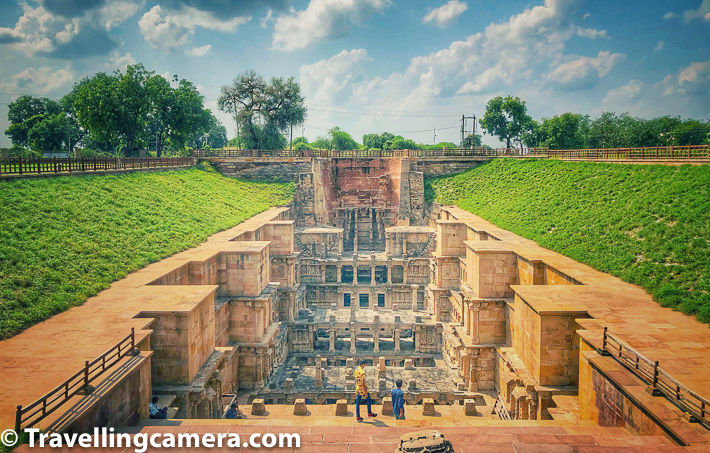
Trip to Gujarat State of India: A Complete Travel Guide for First-Time Visitors
 |
| A Theyyam blessing the priests. These performers are considered as God themselves once they don the Theyyam costume |
Trip to Kerala State of India: A Complete Travel Guide for First-Time Visitors

Jammu & Kashmir State of India: A Complete Travel Guide for First-Time Visitors

Best of Sikkim through Ankit Sood's Travelling-Camera


Gangtok Travel Guide: Gateway to Sikkim’s Himalayan Charm - Capital Cities of Indian States [Sikkim]


.jpg)

Comments