
There are places that impress you instantly.
And then there are places like Hampi — places that slowly enter your bloodstream.
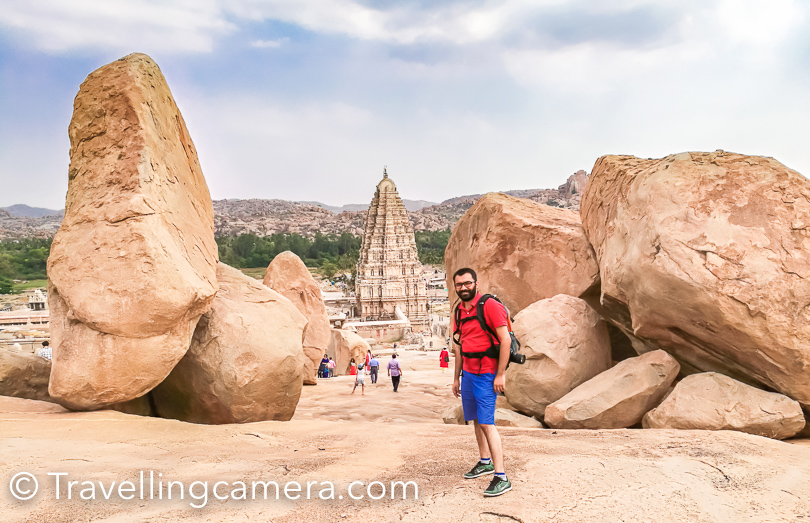
At first glance, Hampi feels surreal. Massive boulders appear stacked impossibly over one another, as if giants once played a forgotten game across the landscape. Ancient temple towers rise suddenly from banana plantations. Monkeys jump across carved pillars that have survived invasions, changing dynasties, and centuries of silence.
But Hampi is not merely a collection of ruins.
It is a living memory.
A vast open-air museum where history refuses to stay trapped inside textbooks.
As a UNESCO World Heritage Site, Hampi attracts travelers from around the world, yet it still retains moments of stillness — especially during winter mornings when soft golden light touches the stone mandapas and the Tungabhadra River moves quietly beside ancient ghats.
This is not the kind of destination you “cover” in two days.
Hampi demands wandering.
It rewards slowness.
And if you are a photographer, storyteller, history lover, backpacker, road-tripper, pilgrim, or simply someone looking for a deeper kind of travel experience, Hampi becomes unforgettable.
Why Visit Hampi, India’s UNESCO World Heritage Site
A Landscape Unlike Anywhere Else in India
Most heritage cities are built around architecture.
Hampi is built around geography.
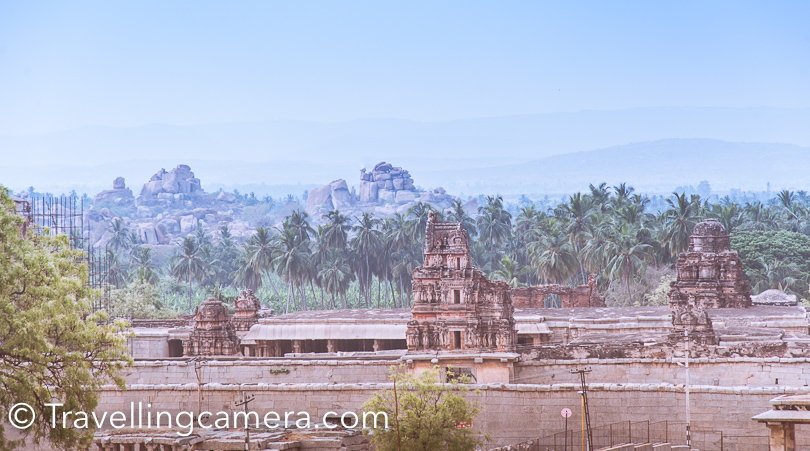
The terrain itself feels mythological. Giant granite boulders stretch endlessly across the horizon, creating a dreamlike landscape that changes color through the day — dusty pink at sunrise, pale gold at noon, and fiery orange at sunset.
Unlike compact heritage zones, Hampi spreads across villages, fields, hills, riverbanks, temple complexes, and forgotten pathways.
This scale changes how you experience it.
You don’t simply “visit monuments” here. You travel through a civilization.
Hampi Balances Mythology and History Beautifully
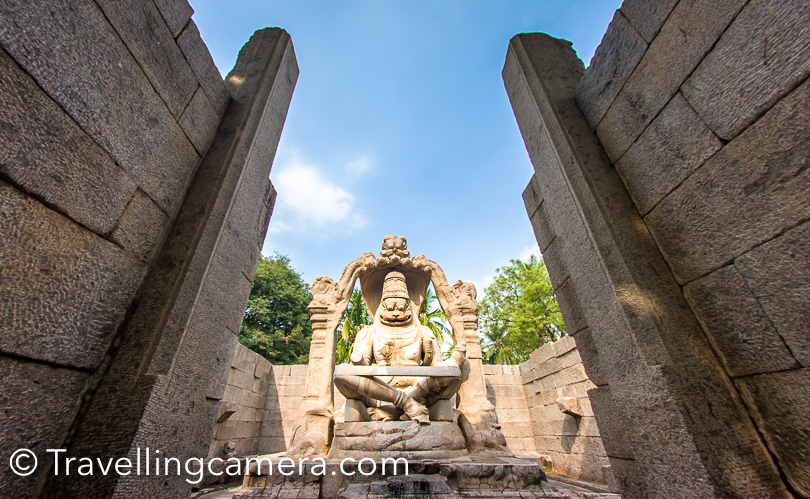
Hampi is deeply tied to the Ramayana. Many locals believe this region was once Kishkindha — the kingdom of Sugriva and Hanuman.
Yet alongside mythology stands hard historical grandeur.
This was once the capital of the Vijayanagara Empire, one of the richest and most powerful kingdoms in Indian history during the 14th to 16th centuries.
Foreign travelers from Persia and Portugal described Hampi as one of the world’s grandest cities — larger and wealthier than many European capitals of its time.
Today, silence has replaced royal processions.
But traces remain everywhere.

It Appeals to Every Kind of Traveler
Hampi works on multiple levels:
| Traveler Type | What Makes Hampi Special |
|---|---|
| Photographers | Dramatic light, textures, landscapes |
| Backpackers | Budget stays, cafés, scooter culture |
| Families | Heritage exploration and mythology |
| Pilgrims | Active temples and spiritual energy |
| Luxury Travelers | Boutique riverside stays |
| Historians | Rich archaeological depth |
| Road Trippers | Scenic drives across Karnataka |
| International Tourists | One of India’s most visually unique heritage regions |

The Historical Significance of Hampi
The Rise of the Vijayanagara Empire
The Vijayanagara Empire was founded in 1336 by Harihara and Bukka.
At its peak, Hampi became a thriving global trade center dealing in spices, horses, gems, silk, and precious metals. Diamonds were reportedly sold openly in local markets.
Persian travelers documented magnificent bazaars lined with jewels and fabrics.
What remains today are ruins.
But these ruins still communicate scale astonishingly well.
When you stand inside the Royal Enclosure or walk through the long stone bazaars facing Virupaksha Temple, imagination fills the missing pieces.
You can almost hear elephants, musicians, merchants, priests, and travelers from distant lands.
The Fall of a Great City
In 1565, after the Battle of Talikota, Hampi was attacked and devastated.
The destruction was catastrophic.
Temples were broken. Palaces burned. Markets vanished.
Yet what is extraordinary is how much survived.
Unlike polished heritage sites restored into neat perfection, Hampi still carries scars. And perhaps that is what makes it emotionally powerful.
The ruins feel honest.
My First Morning in Hampi
I arrived in Hampi before sunrise during winter.
The roads were quiet except for a few tea stalls beginning their day. Smoke from wood-fired stoves drifted slowly into the cold morning air.
As dawn approached, the landscape transformed gently.
The boulders caught light first.
Then temple towers emerged from the darkness.
Then came sound — temple bells, distant chanting, bicycle wheels on gravel roads, monkeys fighting over bananas near Virupaksha Temple.
One of the most memorable moments happened unexpectedly.
An elderly priest sitting near the temple entrance asked where I had traveled from. When I told him Delhi, he smiled and said:
“People come here searching for history. But Hampi is alive. Sit quietly somewhere and you will understand.”
That sentence stayed with me throughout the trip.
Because Hampi reveals itself slowly.

Exploring the Architectural Wonders of Hampi
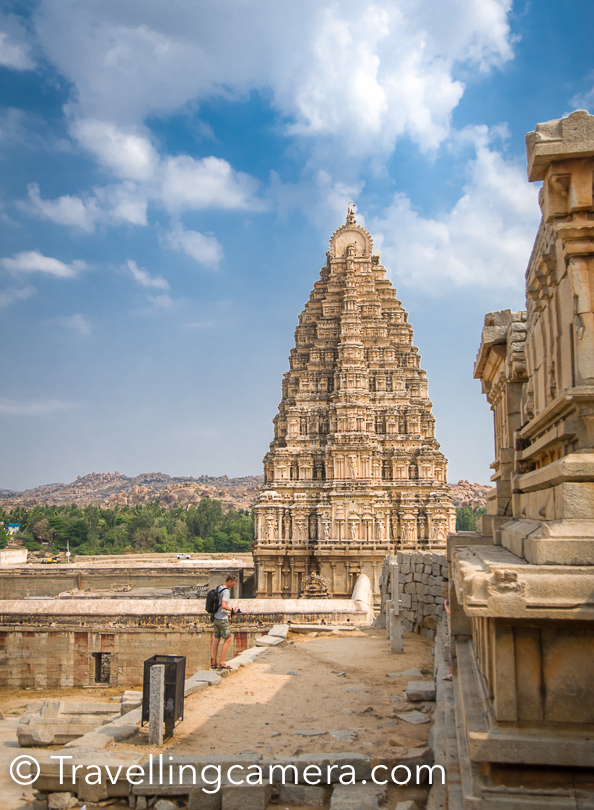
Virupaksha Temple: The Living Heart of Hampi’s World Heritage Landscape
Why It Feels Different
Unlike many monuments in Hampi, Virupaksha Temple is still an active place of worship.
This changes everything.
You are not walking through dead ruins here.
You witness rituals, prayers, flowers, lamps, and human continuity.
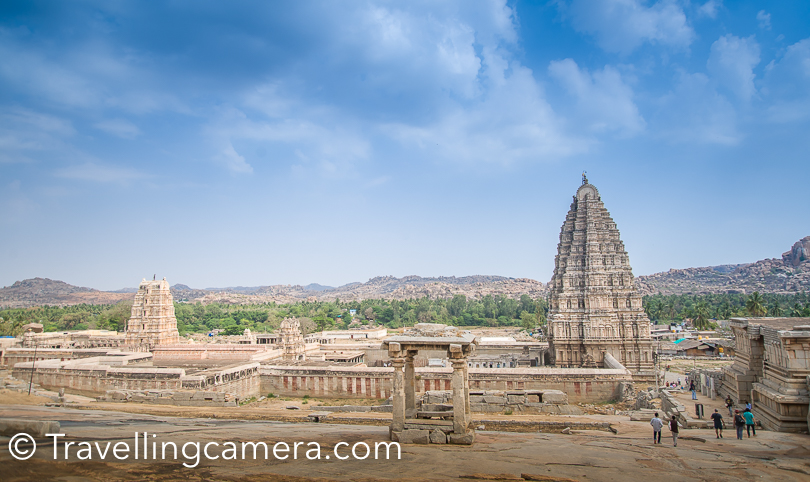
The towering gopuram becomes especially beautiful during early morning when sunlight illuminates only the upper sections while the lower courtyard remains shadowed.
Photography Tips for Virupaksha Temple
Best Time
- Sunrise to 8 AM
- Late afternoon after 4 PM
Best Compositions
- Frame the gopuram through pillared corridors
- Capture temple elephants interacting with pilgrims
- Use wide-angle lenses for courtyard symmetry
- Climb Hemakuta Hill for elevated perspectives
Avoid
- Midday harsh light
- Overcrowded festival timings unless documenting cultural activity
Vittala Temple and the Stone Chariot
If one image represents Hampi globally, it is the Stone Chariot at Vittala Temple.
Yet photographs rarely prepare you for the actual scale and atmosphere.
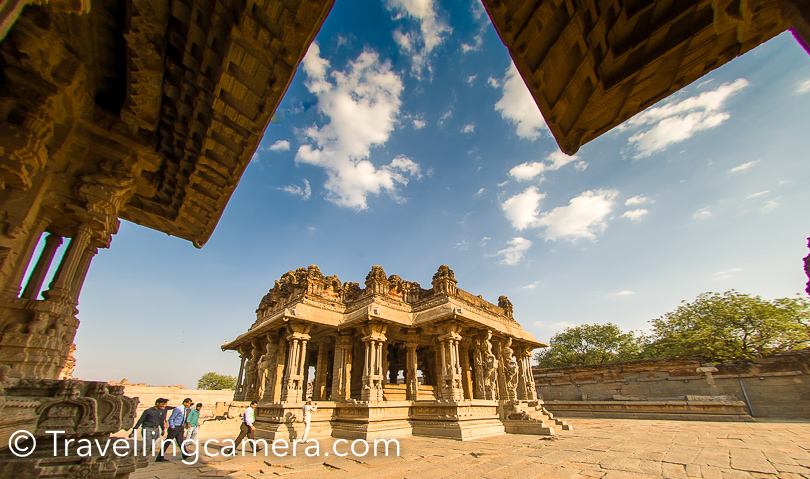
The temple complex feels expansive and rhythmically designed. Every pillar, corridor, and carved surface interacts beautifully with light.
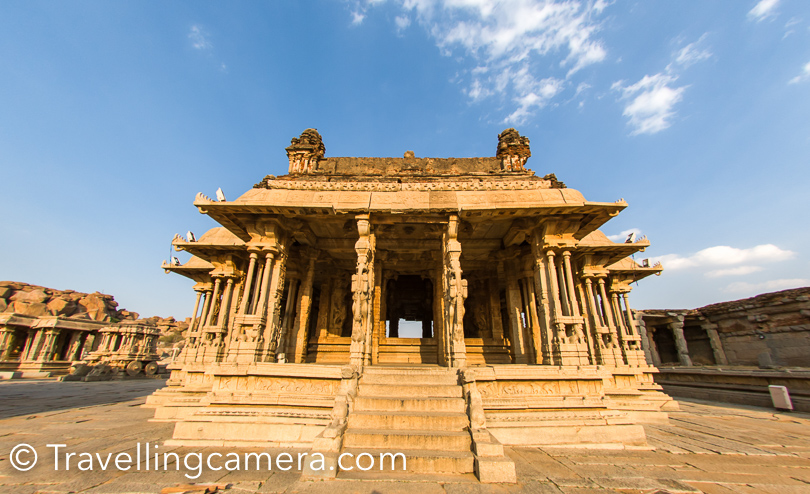
The Famous Musical Pillars
The Vittala Temple’s pillars are known for producing musical tones when tapped lightly.
Authorities no longer allow physical contact due to preservation concerns, which is understandable. But guides often explain the acoustic engineering involved.
Standing there, you realize how advanced Vijayanagara craftsmanship truly was.

Best Photography Timing
Winter mornings here are magical.
Soft light enters the complex sideways, enhancing texture dramatically.
For photographers:
- Arrive right when gates open
- Carry a tripod only if permitted
- Use telephoto compression for layered pillar shots
- Stay longer than expected — shadows evolve beautifully

Lotus Mahal and the Zenana Enclosure
The Lotus Mahal introduces a softer architectural personality.
Unlike the heavy stone temple structures, this building carries Indo-Islamic influences with elegant arches and symmetry.
The surrounding lawns create a different atmosphere altogether.
Many travelers rush through this area.
Slow down instead.
Watch how light enters the arches.
Notice how geometry changes from different angles.
Early morning fog in winter occasionally adds cinematic depth here.
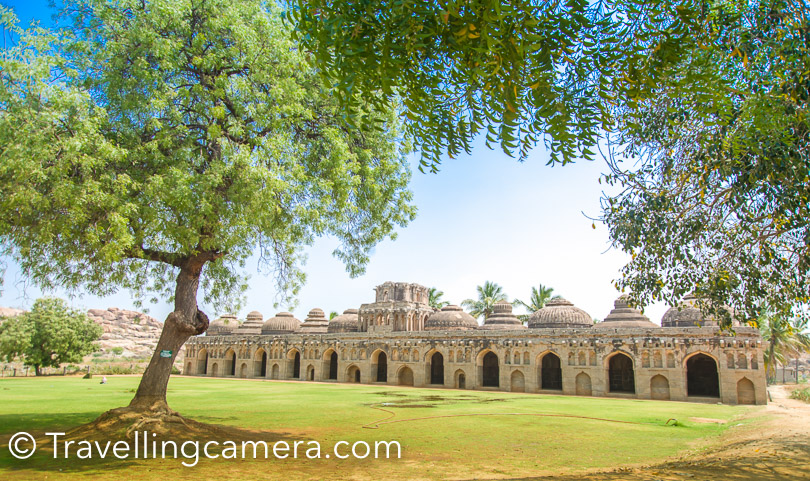
Elephant Stables: Power Frozen in Stone
The Elephant Stables remain among Hampi’s most photogenic structures.
Even today, the scale feels intimidating.
Standing before the domes, it becomes easy to imagine royal elephants resting here centuries ago before ceremonies and processions.
The best compositions emerge during late afternoon when side lighting creates dramatic contrast across the arches.

Hidden Gems in Hampi Most Travelers Miss
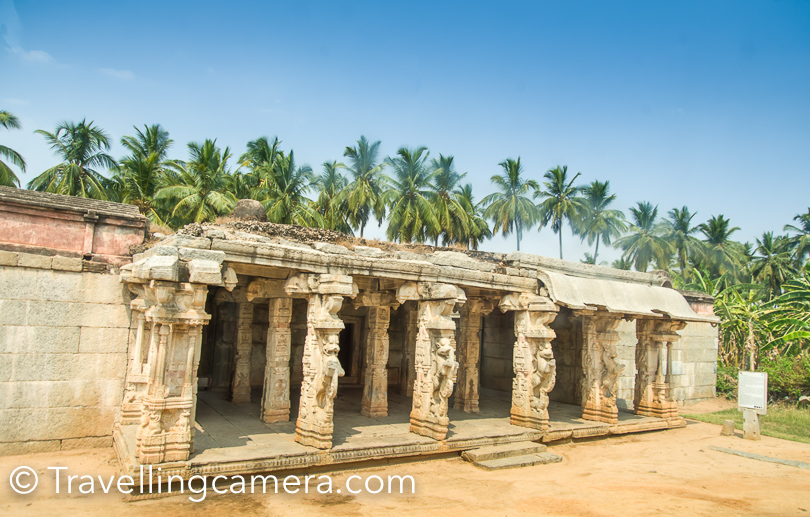
Achyutaraya Temple
While Vittala Temple receives most attention, Achyutaraya Temple often feels far more atmospheric.
The walk toward the temple itself is memorable.
You pass through silent stone bazaars, scattered ruins, and open landscapes with barely any crowds.
This isolation enhances the experience.
For photographers, this area offers:
- Cleaner frames
- Fewer distractions
- Excellent sunrise possibilities
- Strong leading lines through ancient market streets
Matanga Hill at Sunrise
If there is one experience you should not miss in Hampi, it is sunrise from Matanga Hill.
The climb begins before dawn.
You navigate boulders using flashlight beams while the landscape remains silent except for wind and distant dogs barking in the villages below.
Then the sky changes.
Slowly.
And suddenly the entire boulder landscape glows gold.
You realize how enormous Hampi truly is.
This viewpoint is especially rewarding for:
- Landscape photographers
- Drone-free panoramic compositions
- Time-lapse creators
- Travelers seeking solitude
Anegundi: The Older Side of the Story
Across the Tungabhadra River lies Anegundi — believed by many historians to be older than Hampi itself.
This village feels calmer and more intimate.
Colorful homes, local cafés, quieter ruins, and village life create a refreshing contrast to the main heritage circuit.
Winter evenings here feel particularly peaceful.
The Human Side of Hampi
One afternoon near the river, I met a coracle boatman waiting for tourists.
Instead of immediately offering rides, he began talking about changing tourism patterns after the pandemic.
“People used to come fast,” he said. “Now some travelers sit quietly and watch sunsets again.”
That observation captured something important.
Hampi rewards patience.
The travelers who rush monument to monument often leave with photographs.
The ones who slow down leave with memories.
Food Experiences in Hampi
Hampi’s food culture reflects its layered traveler ecosystem.
You’ll find:
- Traditional Karnataka meals
- North Indian cafés
- Israeli backpacker cuisine
- Banana pancakes
- Riverside tea stalls
- Millet-based local dishes
Local Dishes Worth Trying
Jolada Roti Meals
A North Karnataka staple served with curries, chutneys, and vegetables.
Filter Coffee
Simple but essential during cold winter mornings.
Bisi Bele Bath
Comforting after long temple walks.
Banana-based Snacks
Fresh bananas dominate local agriculture around Hampi.
Riverside Café Culture
The riverside café scene once defined backpacker Hampi heavily before regulatory changes affected many establishments.
Even today, certain quieter cafés near Anegundi and surrounding villages retain laid-back charm.
Conversations here often become part of the journey.
You meet:
- Musicians
- Cyclists
- Solo travelers
- Long-term backpackers
- Historians
- Documentary filmmakers
Photography Guide to Hampi
Why Hampi Is a Dream Destination for Photographers
Few places in India offer this combination:
- Architectural depth
- Landscape drama
- Human activity
- Textural richness
- Golden-hour consistency
Hampi changes visually every hour.

Best Photography Spots in Hampi
| Location | Best Timing | Photography Style |
|---|---|---|
| Matanga Hill | Sunrise | Landscape |
| Virupaksha Temple | Early morning | Culture & architecture |
| Vittala Temple | Morning | Heritage details |
| Tungabhadra River | Sunset | Reflections & lifestyle |
| Hemakuta Hill | Blue hour | Silhouettes |
| Elephant Stables | Late afternoon | Symmetry |
| Sanapur Lake | Evening | Minimal landscapes |
| Anegundi Village | Morning | Street photography |

Lens Recommendations
| Lens Type | Ideal Use |
|---|---|
| Ultra-wide | Temple interiors |
| 35mm Prime | Storytelling |
| Telephoto | Compression shots of boulders |
| Drone (where allowed) | Landscape patterns |
| Macro | Stone carvings |

Photography Challenges in Hampi
Harsh Midday Light
Winter light helps, but afternoons can still become contrast-heavy.
Use midday for:
- Interior compositions
- Café breaks
- Black-and-white experimentation
Dust
Hampi can get dusty during dry winter days.
Carry:
- Lens cloths
- Sensor cleaning kit
- Weather protection
Local Myths and Stories
Many locals associate Hampi with episodes from the Ramayana.
Anjanadri Hill is believed to be the birthplace of Hanuman.
Whether one approaches these stories religiously or symbolically, they deeply influence local identity.
You notice it in:
- Temple rituals
- Storytelling traditions
- Pilgrim routes
- Names of hills and villages
Hampi never feels disconnected from mythology.

Best Time to Visit Hampi
Why Winter Is Ideal
Winter transforms Hampi into a comfortable exploration zone.
Months Recommended
- November
- December
- January
- February
Why Winter Works Best
- Pleasant daytime temperatures
- Better walking conditions
- Softer photography light
- Comfortable sunrise hikes
- More enjoyable cycling
Avoid Peak Midday Exploration
Even in winter:
- 12 PM–3 PM can feel intense
- Carry water constantly
- Use caps and sunscreen
How to Reach Hampi
By Air
Nearest airports:
- Hubli
- Jindal Vijaynagar Airport
- Bengaluru (for international connectivity)
By Train
Nearest railway station:
- Hosapete Junction
From there:
- Tuk-tuks
- Buses
- Taxis available
By Road
Road trips to Hampi are highly rewarding from:
- Bengaluru
- Hyderabad
- Goa
The landscape gradually changes into rocky terrain as you approach Hampi.
That transition itself becomes memorable.

Where to Stay in Hampi
Budget Travelers
Guesthouses around:
- Hampi Bazaar
- Anegundi
- Sanapur
Mid-range Travelers
Boutique stays near:
- Kamalapura
- Riverside zones
- Heritage-style lodges
Luxury Travelers
Luxury resorts outside the main heritage core offer:
- Spacious landscapes
- Infinity pools
- Curated heritage tours
- Better privacy
Budget Tips for Exploring Hampi
Rent a Scooter
This is the most flexible way to explore.
Fuel stations are limited in some areas, so refill proactively.
Start Early
You save:
- Energy
- Photography opportunities
- Crowd stress
Stay Longer
Most travelers underestimate Hampi.
Minimum recommended:
- 3 full days
Ideal:
- 5–6 days
Suggested 4-Day Hampi Itinerary
Day 1
- Virupaksha Temple
- Hemakuta Hill
- Sunset near Tungabhadra
Day 2
- Vittala Temple
- Stone Chariot
- King’s Balance
- Riverside exploration
Day 3
- Lotus Mahal
- Elephant Stables
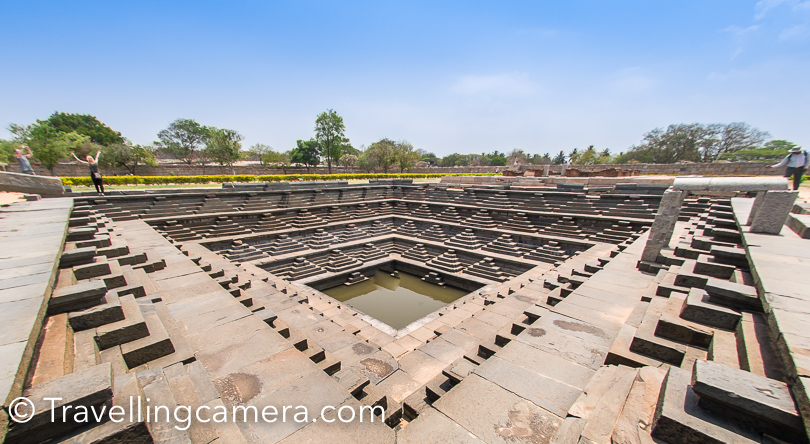
- Queen’s Bath
- Sunset photography
Day 4
- Anegundi
- Anjanadri Hill
- Sanapur Lake
- Slow café evening
Responsible Travel Tips
Respect Sacred Spaces
Many temples remain active worship sites.
Dress modestly and observe local customs.
Avoid Climbing Restricted Structures
Preservation matters.
These monuments have survived centuries.
Tourism should not damage them further.
Support Local Businesses
Choose:
- Local guides
- Family-run cafés
- Handmade crafts
- Village homestays
Common Mistakes Travelers Make in Hampi
| Mistake | Better Alternative |
|---|---|
| Visiting only for one day | Stay at least 3 days |
| Ignoring sunrise/sunset | Plan around light |
| Exploring at noon | Use mornings/evenings |
| Carrying heavy luggage everywhere | Use a scooter base |
| Skipping Anegundi | Explore both sides |
| Treating it like a checklist destination | Wander slowly |
Frequently Asked Questions About Hampi
Why is Hampi a UNESCO World Heritage Site?
Hampi is recognized as a UNESCO World Heritage Site because of its extraordinary ruins, Vijayanagara architecture, historical significance, and cultural landscape.
Is Hampi worth visiting in winter?
Yes. Winter is considered the best season for exploring Hampi due to pleasant temperatures and better photography conditions.
How many days are enough for Hampi?
Three to five days are ideal if you want to explore temples, viewpoints, villages, cafés, and hidden spots comfortably.
Is Hampi suitable for solo travelers?
Absolutely. Hampi is one of India’s most solo-traveler-friendly heritage destinations with good backpacker infrastructure.
Can families enjoy Hampi?
Yes. Families interested in history, mythology, and cultural travel will find Hampi deeply rewarding.
Is Hampi expensive?
Hampi works for almost every budget — from backpacker hostels to luxury heritage resorts.

Final Thoughts: Why Hampi Stays With You
Some destinations impress the eyes.
Hampi reaches deeper.
Perhaps it is the silence between ruins.
Perhaps it is the strange harmony between destruction and beauty.
Or perhaps it is the realization that civilizations rise, flourish, disappear — yet stories remain embedded in stone.
Long after leaving Hampi, certain moments continue returning unexpectedly:
- The first light touching temple towers
- A priest’s quiet smile
- Monkeys running across ancient pillars
- Dust rising behind a scooter on empty roads
- Sunset turning granite hills into molten gold
As a World Heritage Site, Hampi deserves admiration.
But as a human experience, it deserves time.
And if you give it that time, Hampi rarely leaves you unchanged.

.jpg)
Comments