

Most of the time when you hear about snow leopards in Spiti, you can imagine something like a wildlife documentary playing out in front of you. In reality, spotting snow leopards is something that is really different. When you are in Spiti to see snow leopards, you’ll have to embrace the quiet and uncertainty.
What makes Spiti one of the best places for seeing snow leopards is its terrain, a high-altitude cold desert. You can spot snow leopards in areas around Kibber, which have more visibility compared to forested regions. But even then, you have to wish for an extra ounce of fortune to catch these rare sightings. That is when spotting a snow leopard in Spiti Valley becomes more than a wildlife experience but a test of patience, endurance, and respect for nature.

Why Spiti Valley is Ideal for Snow Leopard Sightings
Here’s why Spiti Valley happens to tick a lot of boxes that make snow leopard spotting here better than in most other places:
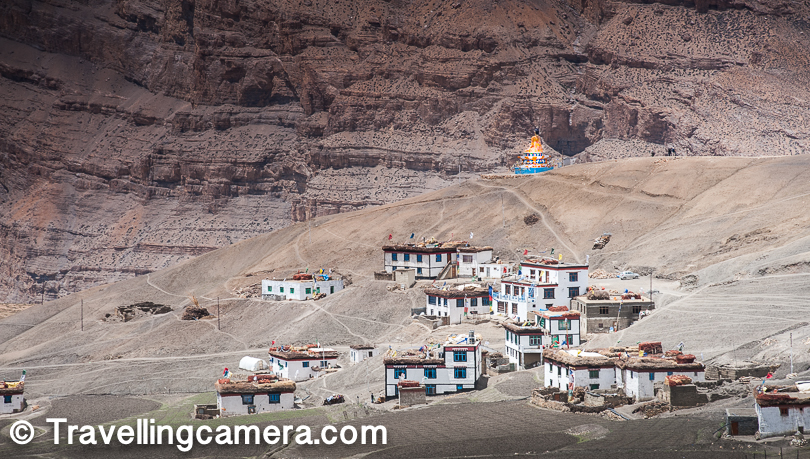
Spiti is a cold desert, which basically means wide, open terrain with very little vegetation. So instead of dense forests blocking your view, you’re scanning entire mountainsides at once, which makes snow leopard spotting in Spiti easier.
If you happen to be around areas around Kibber and Kibber Wildlife Sanctuary, you’ll notice that they have a healthy population of bharal, or blue sheep, which are a primary food source for snow leopards.
You can take help from the locals who have been residents in these villages for centuries and understand how to spot snow leopard in Spiti by reading movement patterns, preferred ridgelines, and recent activity signs.
You can actually stay in villages, step out each day, and reach good spotting areas without multi-day Spiti Valley snow leopard safari expeditions.

Best time to see snow leopards in Spiti
If you are planning a trip to see snow leopards as your primary goal, then you need to be in Spiti during its winter months of January and February.
During January and February, the temperature remains between -5°C and -10°C during the day and often drops to -20°C or even lower at night. This is when the higher reaches get heavy snow, and snow leopards tend to come a bit lower down. During this time, their prey—especially bharal (blue sheep)—also moves closer to villages, which increases the chances of a sighting. This is the best time to see snow leopards in Spiti as you can easily track fresh snow shows pugmarks and movement trails in the snow.
Best locations:
1. Kibber Wildlife Sanctuary
You need to start your snow leopard expedition in spiti at Kibber as it has a strong presence of bharal, which keeps snow leopards around. You’ll also notice the open terrain that makes scanning a bit more practical. If you happen to meet with experienced trackers based in Kibber, your chances of spotting snow leopards in Spiti are definitely more than any other place.
2. Langza Village
Langza is quieter, less crowded, and has this slightly slower pace to it. It’s surrounded by wide mountain slopes, so trackers often use it as a base when there’s movement nearby. Sightings aren’t as frequent as Kibber, but when they happen, it feels a bit more personal, less rushed.
3. Hikkim and Komic
When you are at these villages at around 14000-15000 feet, you can enjoy wide, uninterrupted views across valleys and ridgelines. The high altitude helps you in scanning large areas. While these villages are not always the main base but due to recent activity nearby, they have become surprisingly important to see snow leopards in Spiti.
4. Pin Valley National Park
If you are looking for a more remote and quieter location for a snow leopard spotting in spiti, then this national park is known for its diverse terrain. You can see snow leopards along with ibex here. If you have extra time and don’t mind a bit of uncertainty, it is a great place to add to your WanderOn Spiti tour package for snow leopard sightings.
Types of Snow Leopard Experiences
Guided Expeditions: When you are going for a guided snow leopard expedition in spiti, you’re usually based in villages like Kibber or Kaza. Here you can head out daily with local trackers who know the terrain really well. They carry spotting scopes, follow fresh tracks, and basically guide you with the whole process. You could be in Spiti for these trips for 6–10 days, having basic things covered like homestays, meals, and local logistics.
Trek-Based Adventures: This is like a spiti valley snow leopard safari where you move through different parts of Spiti Valley on foot, sometimes camping or staying in remote villages along the way. You can explore less-visited and remote villages and have an immersive experience this way. It also helps your chances of snow leopard sightings, as you’re spending longer out in the landscape rather than just scanning from one fixed point.
Tips for snow leopard sighting in Spiti
Make sure that you are carrying the right equipment, as sightings often happen anywhere between 500 meters to a couple of kilometers away.
As winter is the only window to see snow leopards in Spiti, you need to prepare for freezing temperatures, as you’ll be out in the open for long hours which makes the cold feel sharper.
Since you’re at altitudes above 4,000 meters, you’ll need at least a couple of days in Kaza to acclimatise properly.
Try to start early in the day whenever possible since mornings and late afternoons are when there’s slightly more movement.
Plan your Spiti Backpacking package in a way that gets enough time, as the longer you stay, the better your chances are to see snow leopards in Spiti.
Pay attention to what your trackers say as they pick up on small things like distant movement, bird behaviour, or even silence in certain areas to see snow leopards.
If you’re wondering how to spot snow leopard in Spiti, it mostly comes down to your patience, timing, and attention to small signs rather than expecting an obvious miracle before your eyes.
Conclusion
In the end, snow leopard spotting in Spiti isn’t really about checking something off a list. You could spend days out there and see nothing, and that’s still part of it. But if you do catch that one moment even if it’s just a few seconds through a scope, it feels different.
Related Blogposts :
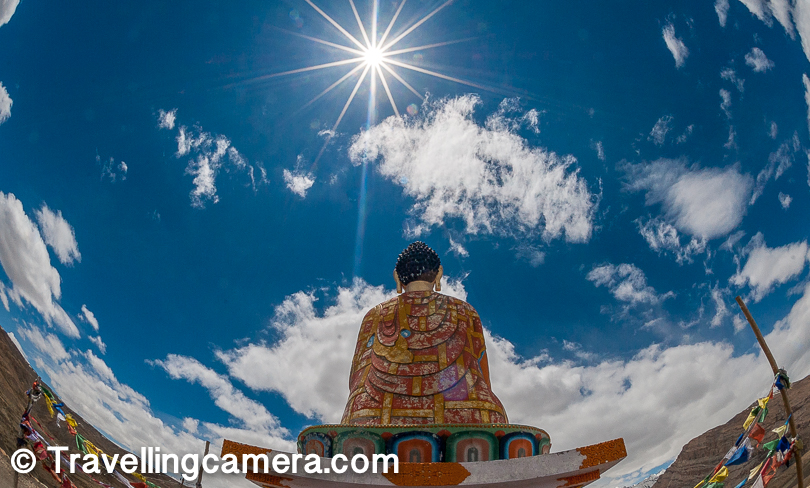
 Langza Village - Popular place in Spiti Valley of Himachal Pradesh known for huge Buddha Statue at an altitude of 14,500 feet and spotting wild animals like Snow Leopards & Himalayan Ibex
 Just skip if you are not interested in exploring some of the great places around Kaza town of Spiti Valley in Himalayan State of India





.jpg)
Comments